Artwork
The Glorification of Christ surrounded by Saints
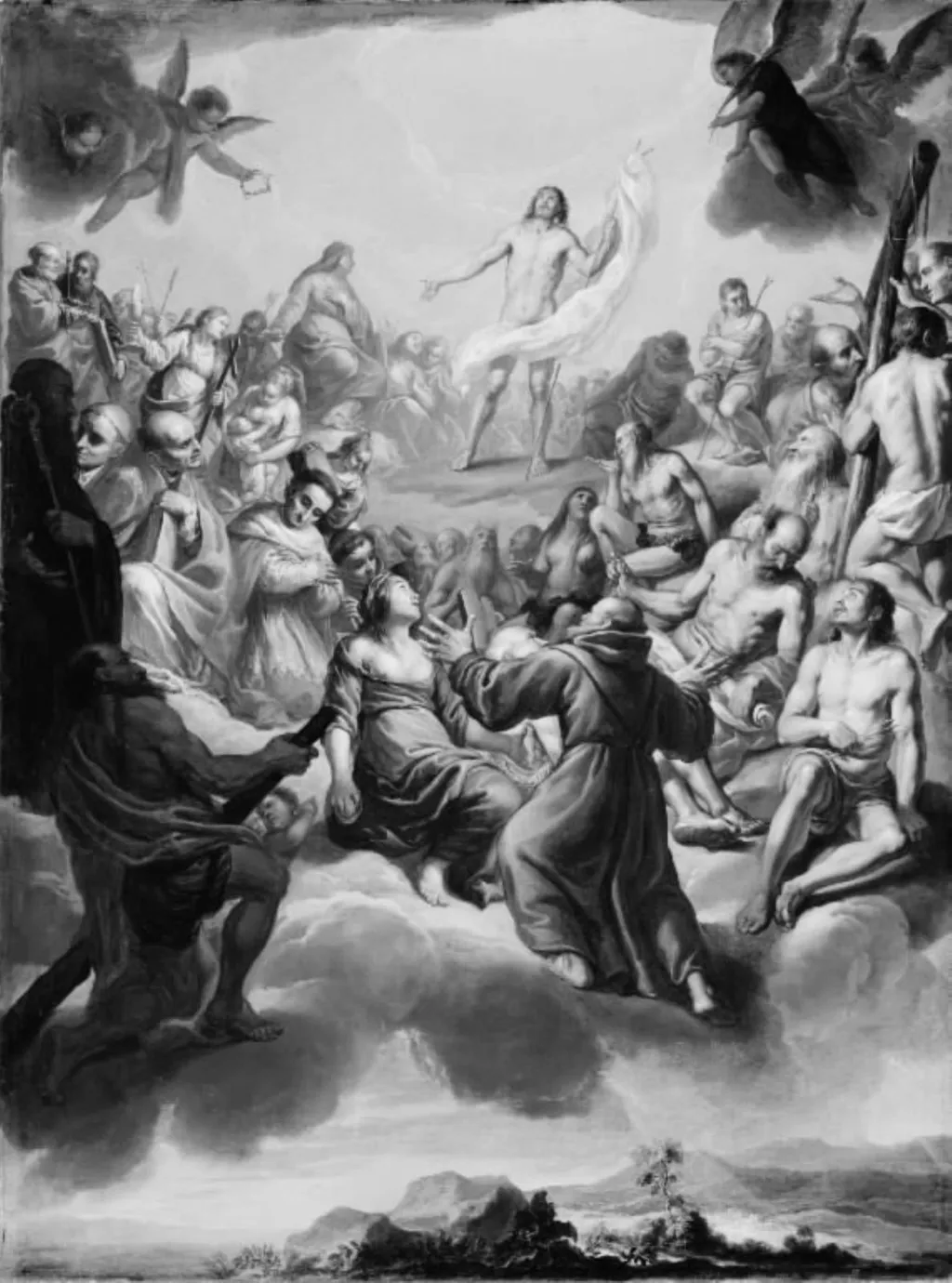
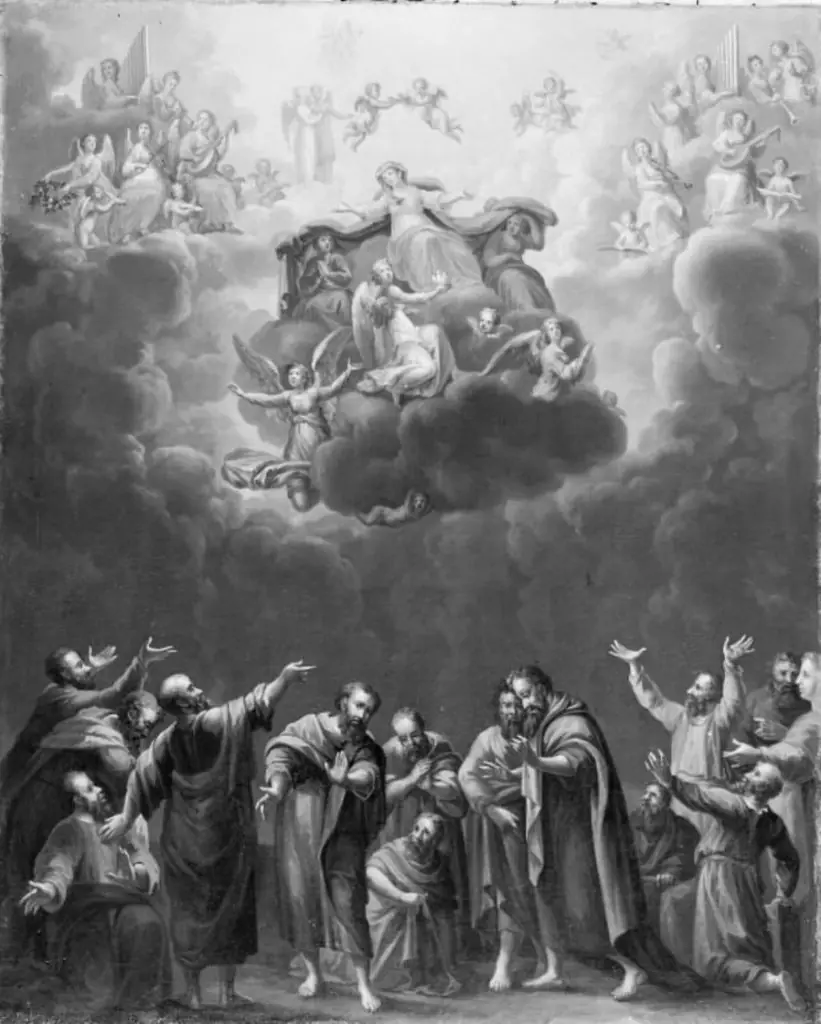
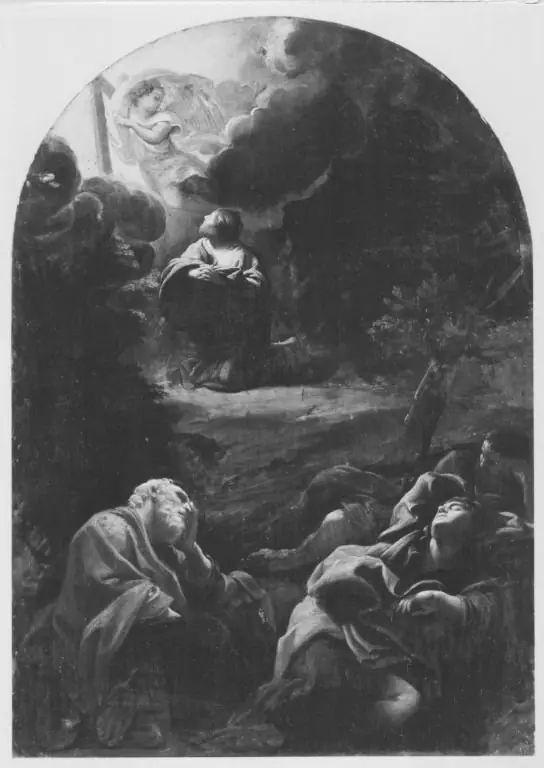
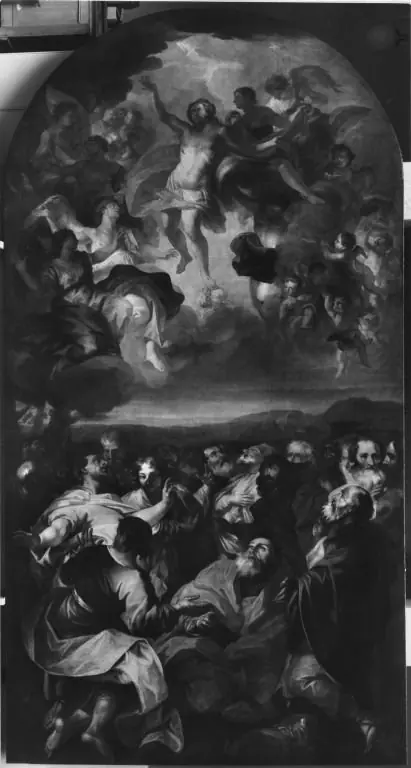
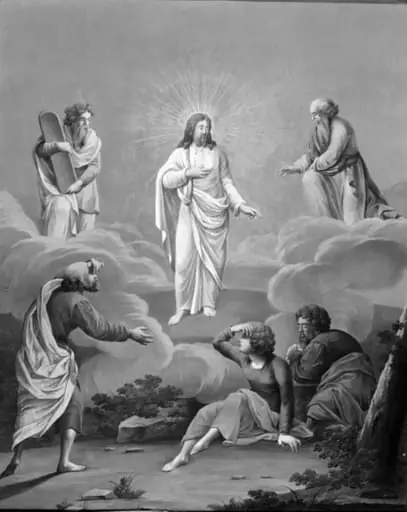
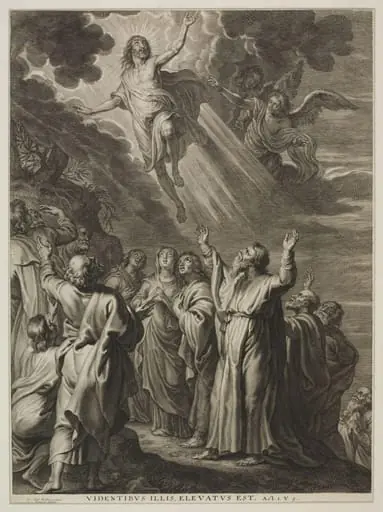
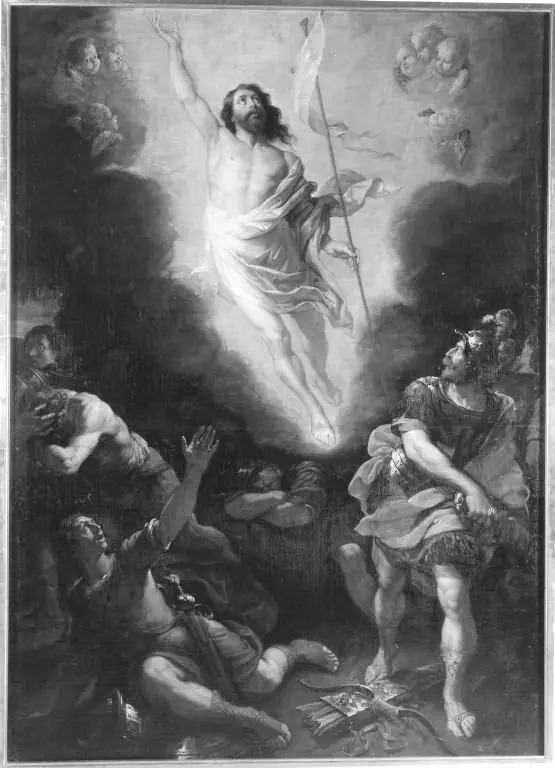
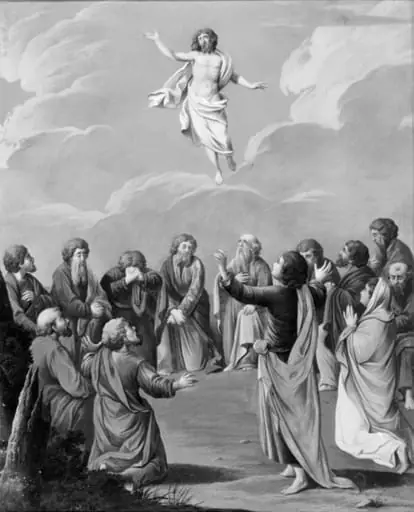
The Glorification of Christ surrounded by Saints is a photography by Unknown. It dates from 1550 and is held in the collection of the Statens Museum for Kunst. This religious panel, dated around 1550, portrays Christ in a moment of divine ascension, surrounded by figures of saints and angels.
About this work
Overview
The composition centers on Christ’s upright, outstretched form, draped in white, as a gathering of worshippers and celestial beings direct their gaze upward.
This religious panel, dated around 1550, portrays Christ in a moment of divine ascension, surrounded by figures of saints and angels. Executed in tempera or oil on panel, it was likely intended for devotional use. The composition centers on Christ’s upright, outstretched form, draped in white, as a gathering of worshippers and celestial beings direct their gaze upward. It resides today in the Museum of Ethnography, though its original ecclesiastical context remains unclear.
Subject & Meaning
The scene depicts Christ’s resurrection and glorification, a core tenet of Christian theology. His raised arms and elevated stance signify triumph over death, while the surrounding saints and angels embody heavenly witness and adoration. The crowd below, rendered with varied expressions of awe, reinforces the communal nature of faith. The imagery serves not merely as narrative but as a visual invocation of divine presence and spiritual reverence.
Technique & Style
The painting employs a flattened perspective and hierarchical scale, common in late medieval and early Renaissance devotional art. Figures are arranged in concentric bands around Christ, emphasizing his centrality. Delicate modeling of faces and drapery suggests attention to detail, while the use of gold leaf in halos and background elements enhances luminosity. Color remains restrained, favoring symbolic hues over naturalism.
History & Provenance
The work’s origin is undocumented, but its style aligns with regional workshop practices in Central Europe circa 1550. It entered the Museum of Ethnography’s collection in the late 19th or early 20th century, likely as part of a broader acquisition of religious artifacts. Its attribution to a specific artist remains uncertain, and no archival records confirm its original location or patron.
Context
Created during the Reformation, the painting reflects enduring Catholic devotional traditions despite rising Protestant critiques of religious imagery. Its focus on Christ’s glorification and intercessory saints aligns with Counter-Reformation themes, even if produced in a region where such practices were under pressure. The panel may have been used in private chapels or monastic settings, serving as a focal point for prayer.
Legacy
Though not widely exhibited or studied, the work contributes to understanding the persistence of traditional iconography in 16th-century Europe. Its preservation in an ethnographic museum, rather than an art institution, reflects historical collecting practices that prioritized cultural artifact over aesthetic value. It remains a quiet testament to the continuity of sacred imagery amid religious upheaval.
Artist & collection

 Domestic Scene
 Giacomo and Cardinal Marco, investing Andrea, Abbot of San Zeno, with his Benefice
 The Nymph of Fontainebleau
 Portrait of a Woman
 Madonna and Child with Saints in the Enclosed Garden
 Venus and Minerva
 Family Group of Four on Sofa
 Wall painting from Room H of the Villa of P. Fannius Synistor at Boscoreale