Artwork
Kristi himmelfart
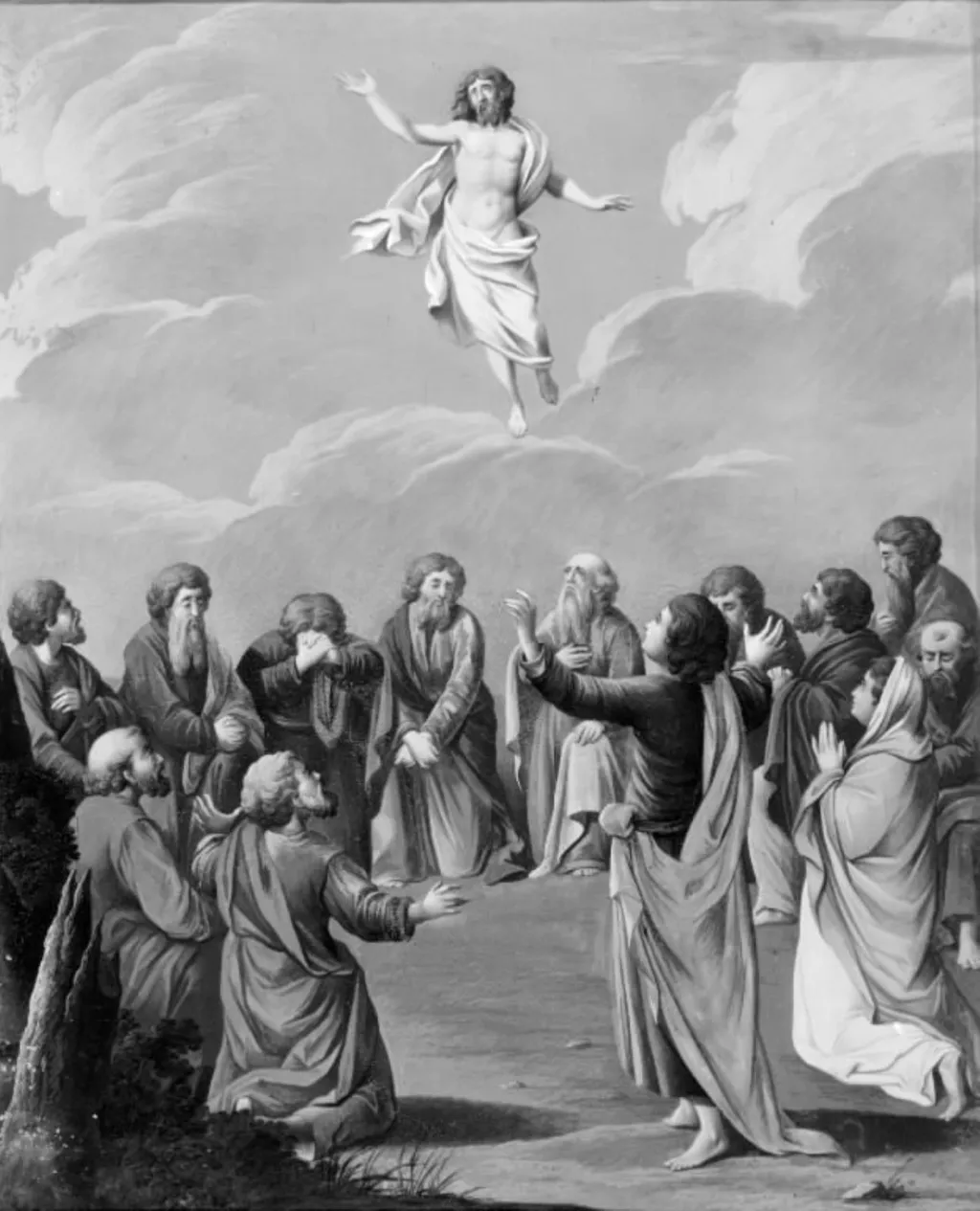
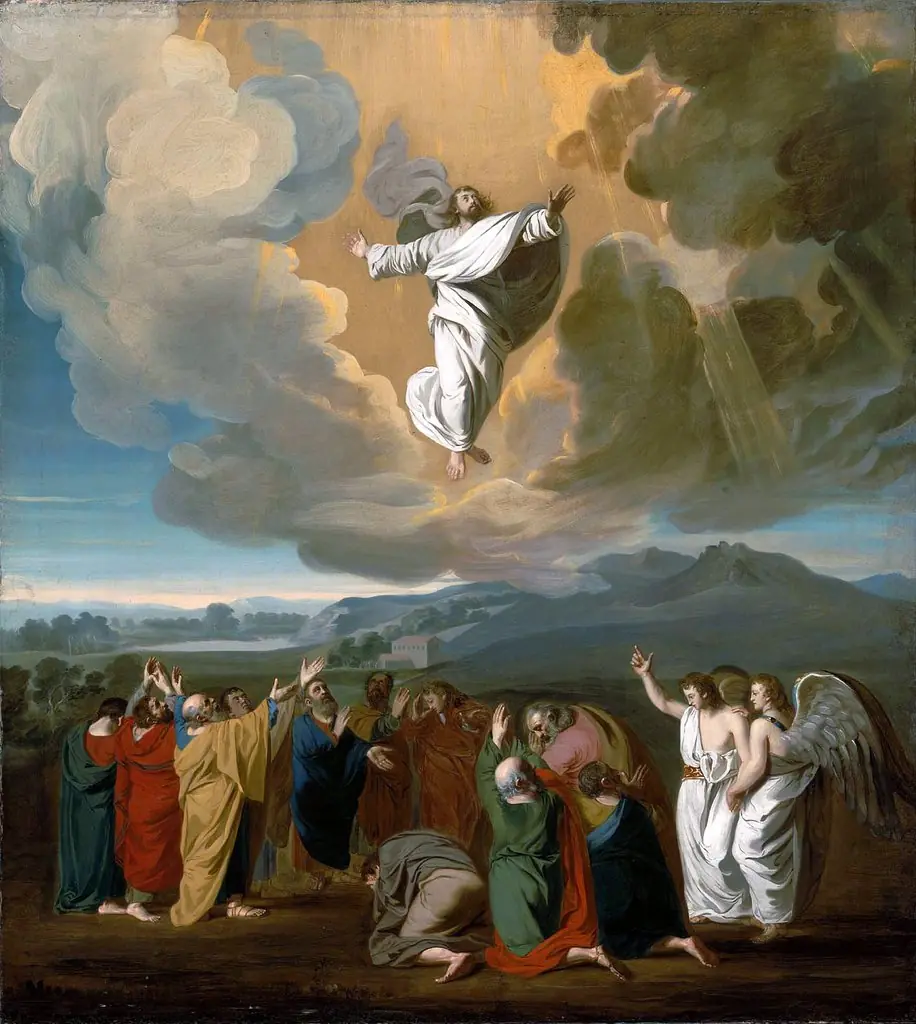
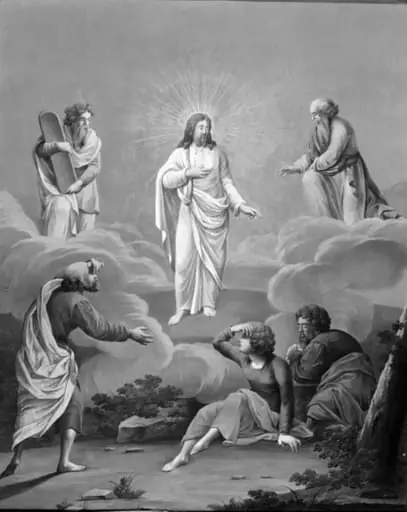
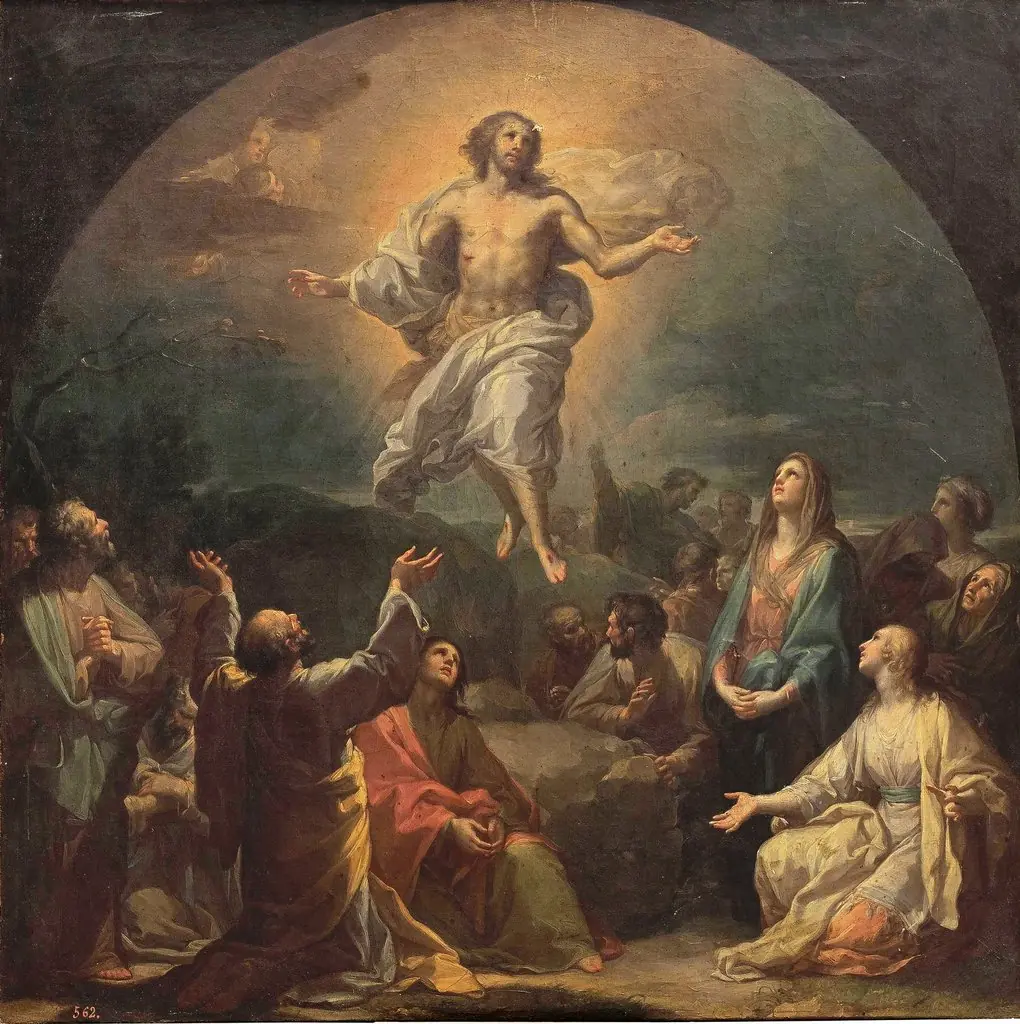
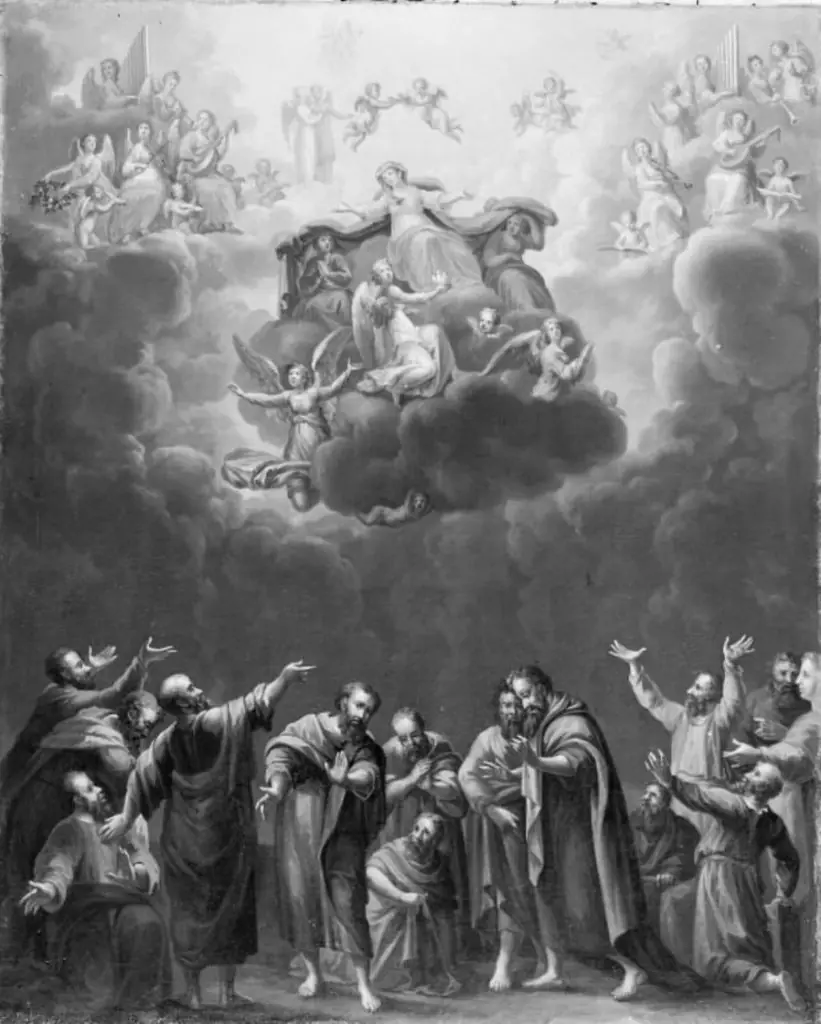
Kristi himmelfart is an unspecified work on paper by Unknown. It dates from 1782 and is held in the collection of the Statens Museum for Kunst. Created around 1782, this watercolor depicts the Ascension of Christ, a scene from Christian tradition.
About this work
Overview
Created around 1782, this watercolor depicts the Ascension of Christ, a scene from Christian tradition. The work is part of the collection at the Museum of Ethnography. Its modest scale and intimate composition suggest it was intended for private devotion rather than public display. The artist employed delicate brushwork to convey both spiritual transcendence and human reaction.
Subject & Meaning
The painting illustrates Christ rising toward heaven, his arms extended as if in blessing, while a group of followers below watches in awe.
The painting illustrates Christ rising toward heaven, his arms extended as if in blessing, while a group of followers below watches in awe. Their postures—hands raised, faces covered—convey shock and reverence. The scene reflects a moment of divine departure, emphasizing the transition from earthly presence to spiritual presence. The figures’ simple garments ground the event in a quiet, human context.
Technique & Style
The artist used watercolor to achieve subtle gradations of tone, particularly in the sky, where soft washes suggest movement and luminosity. The figures are rendered with minimal detail, focusing instead on gesture and expression. The lack of elaborate architecture or landscape directs attention to the emotional and spiritual dynamic between the ascending figure and those left behind.
History & Provenance
The work entered the Museum of Ethnography’s collection in the late 19th or early 20th century, likely acquired through missionary or colonial networks. Its origin remains undocumented beyond the date and medium. The absence of a signed attribution or documented commission suggests it may have been produced by an anonymous or lesser-known artist working within a devotional tradition.
Context
In the late 18th century, watercolor was increasingly used for religious imagery in private settings, especially in regions with limited access to large-scale church art. This piece reflects a broader trend of devotional art that prioritized emotional immediacy over grandeur. Its style aligns with folk or regional interpretations of biblical scenes, distinct from academic traditions of the time.
Legacy
Though not widely exhibited, the painting contributes to understanding how biblical narratives were visually adapted in non-urban, possibly rural or missionary contexts. Its preservation in an ethnographic museum highlights its role as a cultural artifact, offering insight into the personal religious practices of its time rather than its artistic prestige.
Artist & collection

 Domestic Scene
 Giacomo and Cardinal Marco, investing Andrea, Abbot of San Zeno, with his Benefice
 The Nymph of Fontainebleau
 Portrait of a Woman
 Madonna and Child with Saints in the Enclosed Garden
 Venus and Minerva
 Family Group of Four on Sofa
 Wall painting from Room H of the Villa of P. Fannius Synistor at Boscoreale