Artwork
Maria på himmeltronen omgivet af engle
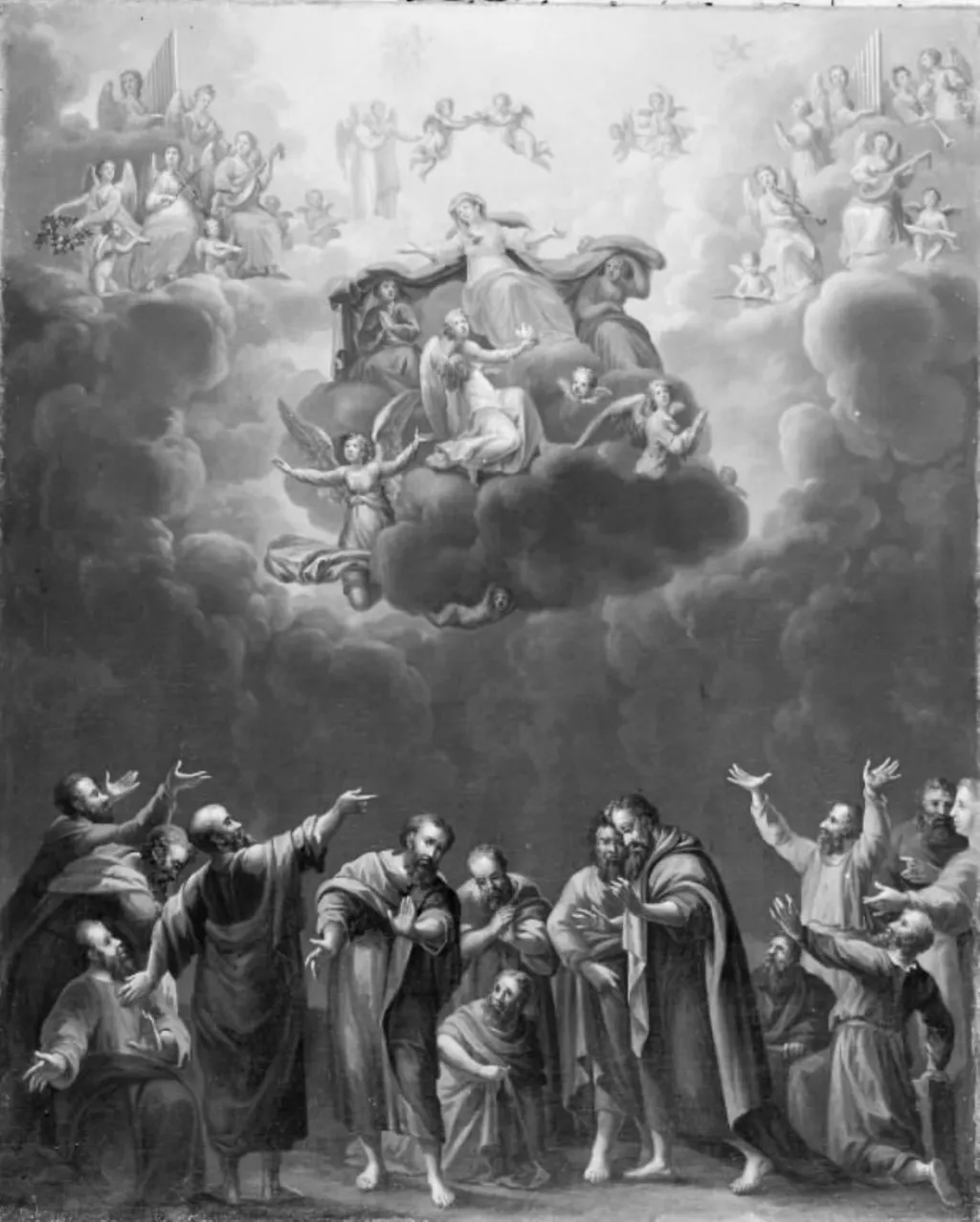
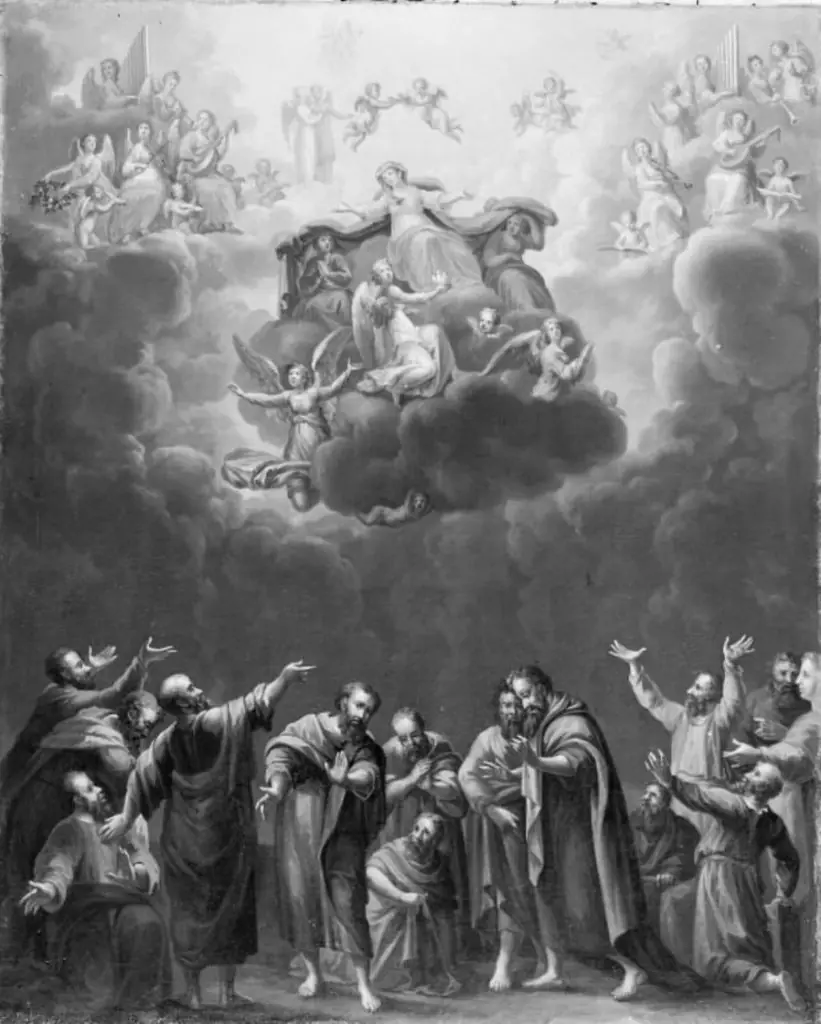
Maria på himmeltronen omgivet af engle is a photography by Unknown. It dates from 1750 and is held in the collection of the Statens Museum for Kunst. Created around 1750, this painting portrays the Virgin Mary seated on a celestial throne amid clouds and angels.
About this work
Overview
The composition centers on Mary’s serene presence, framed by a host of celestial figures and a group of earthly observers below.
Created around 1750, this painting portrays the Virgin Mary seated on a celestial throne amid clouds and angels. It is part of the collection at the Museum of Ethnography. The composition centers on Mary’s serene presence, framed by a host of celestial figures and a group of earthly observers below. The scene blends religious symbolism with a quiet, contemplative atmosphere, typical of devotional imagery from the period.
Subject & Meaning
The image depicts the Virgin Mary as Queen of Heaven, a common motif in Christian iconography emphasizing her intercessory role. Surrounding angels signify divine harmony, while the gathered figures below represent faithful worshippers in awe of her heavenly glory. The scene invites contemplation of spiritual transcendence and the connection between the earthly and the divine, reinforcing themes of reverence and grace.
Technique & Style
Soft, muted tones and delicate brushwork create a gentle luminosity, enhancing the ethereal quality of the heavens. The figures are rendered with subtle modeling, avoiding harsh contrasts. Angels are arranged symmetrically around Mary, their gestures and instruments suggesting celestial music. The foreground mortals are depicted with simpler forms, grounding the scene in human experience while contrasting with the otherworldly realm above.
History & Provenance
The painting entered the Museum of Ethnography’s collection as part of a broader assembly of religious artifacts, likely acquired during the 19th century. Its origins are tied to Scandinavian devotional traditions, though its style reflects broader European influences. The artist’s identity remains unconfirmed, but the work aligns with regional ecclesiastical art practices of the mid-18th century.
Context
Produced during a time when religious imagery remained central to public devotion in Nordic communities, the painting reflects enduring Catholic and Lutheran visual traditions. Though Protestant reformations had reduced saintly veneration, depictions of Mary as a celestial intercessor persisted in folk piety. This work may have served in private worship or local church settings as a focus for meditation.
Legacy
The painting endures as a quiet example of 18th-century Nordic religious art, preserving a visual language of devotion that bridged theological shifts. It contributes to scholarly understanding of how Marian imagery adapted in Protestant regions. Its preservation in an ethnographic museum underscores its cultural rather than purely liturgical significance in later centuries.
Artist & collection

 Domestic Scene
 Giacomo and Cardinal Marco, investing Andrea, Abbot of San Zeno, with his Benefice
 The Nymph of Fontainebleau
 Portrait of a Woman
 Madonna and Child with Saints in the Enclosed Garden
 Venus and Minerva
 Family Group of Four on Sofa
 Wall painting from Room H of the Villa of P. Fannius Synistor at Boscoreale
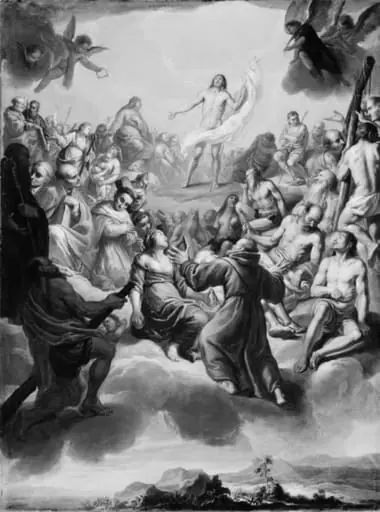 The Glorification of Christ surrounded by Saints
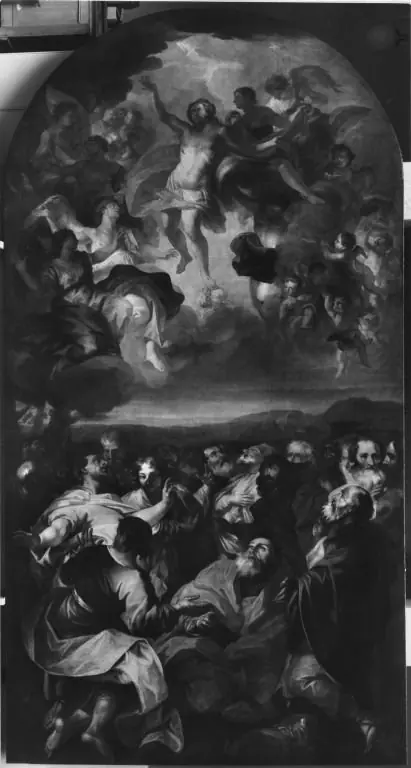 Himmelfahrt Christi
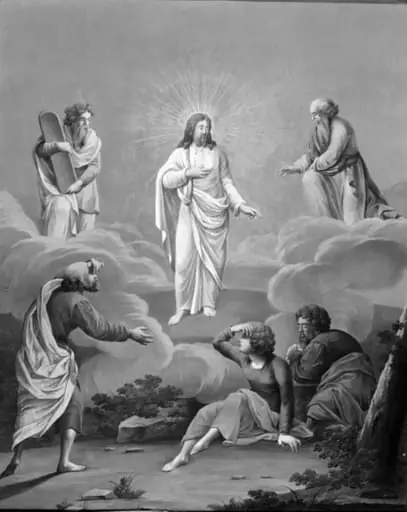 Transfigurationen
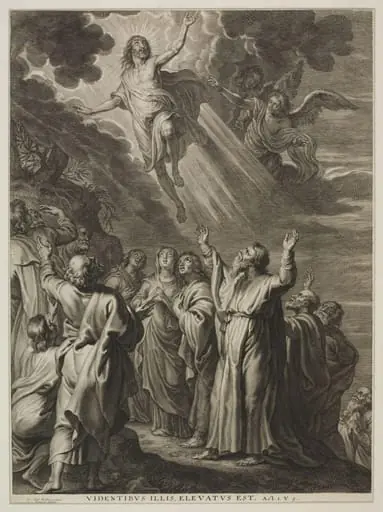 The Ascension
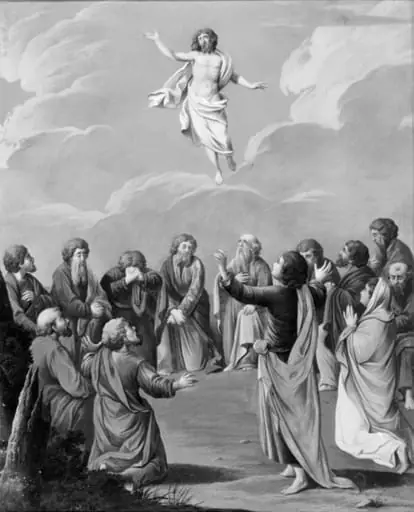 Kristi himmelfart
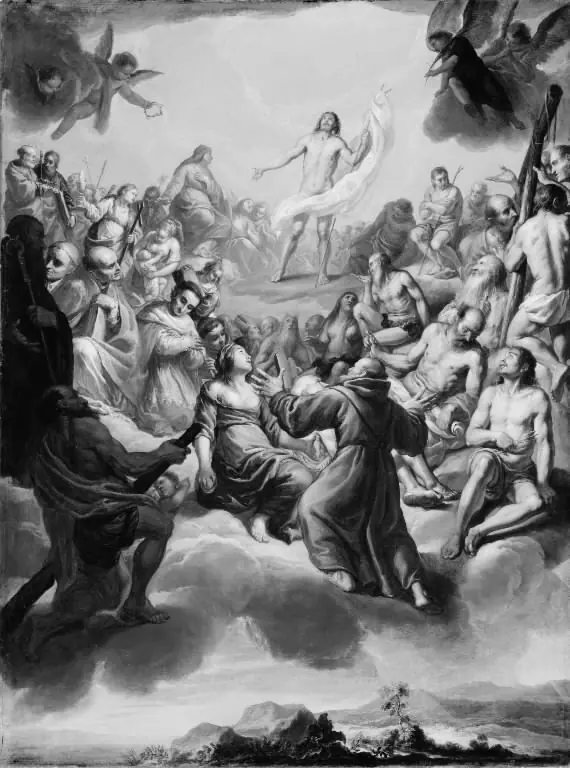 The Glorification of Christ surrounded by Saints
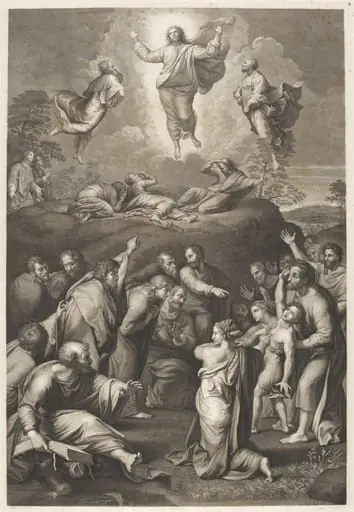 The Transfiguration
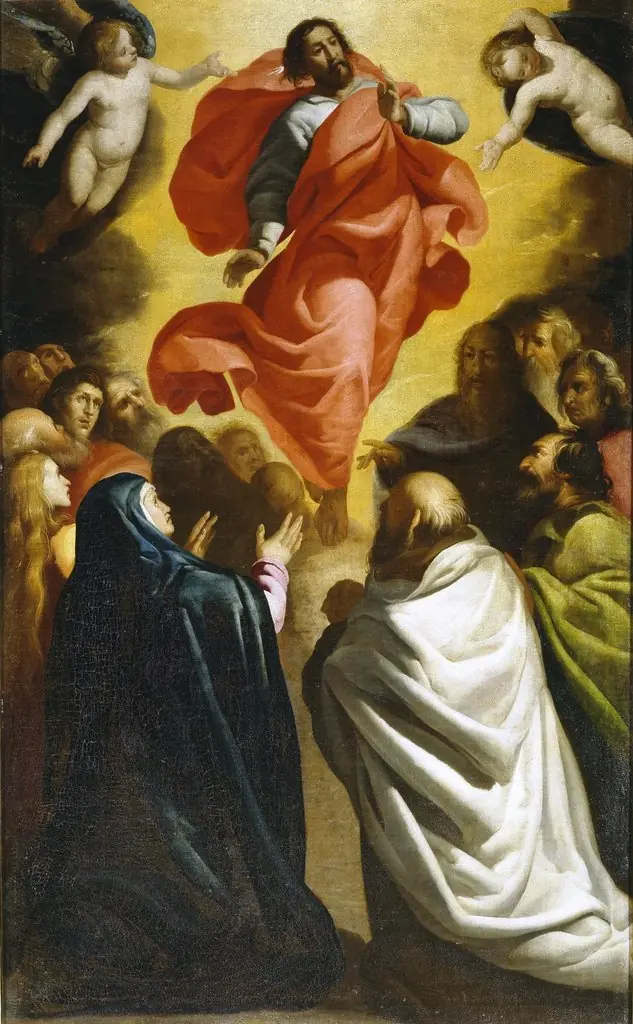 Ascensión del Señor
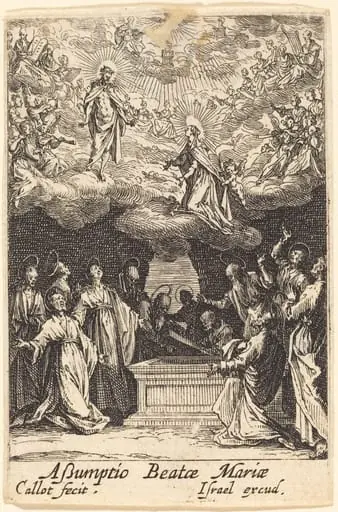 The Assumption of the Virgin
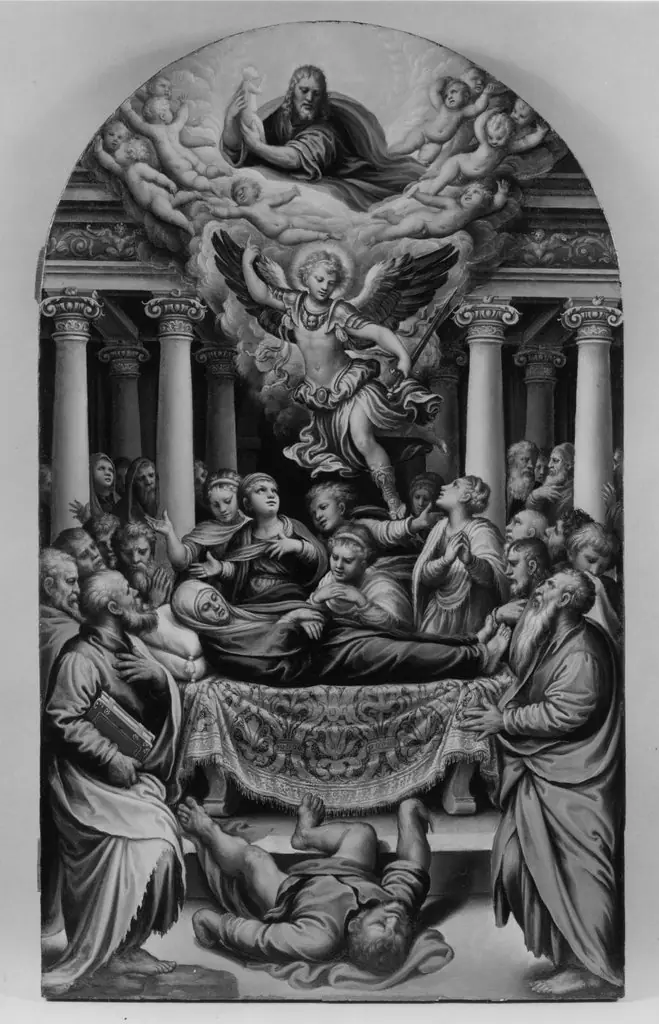 The Dormition of the Virgin
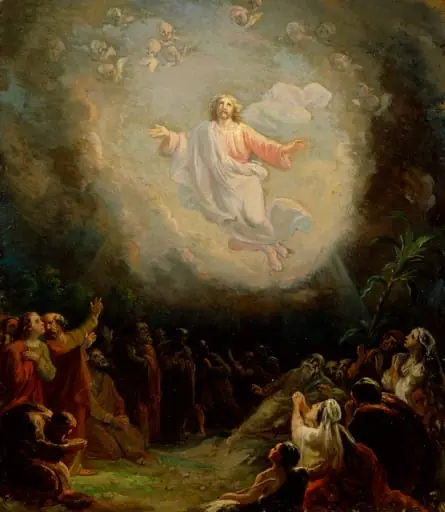 Kristuksen taivaaseenastuminen, luonnos Lemlannin alttaritauluun
 Maria på himmeltronen omgivet af engle