Artwork
Untitled
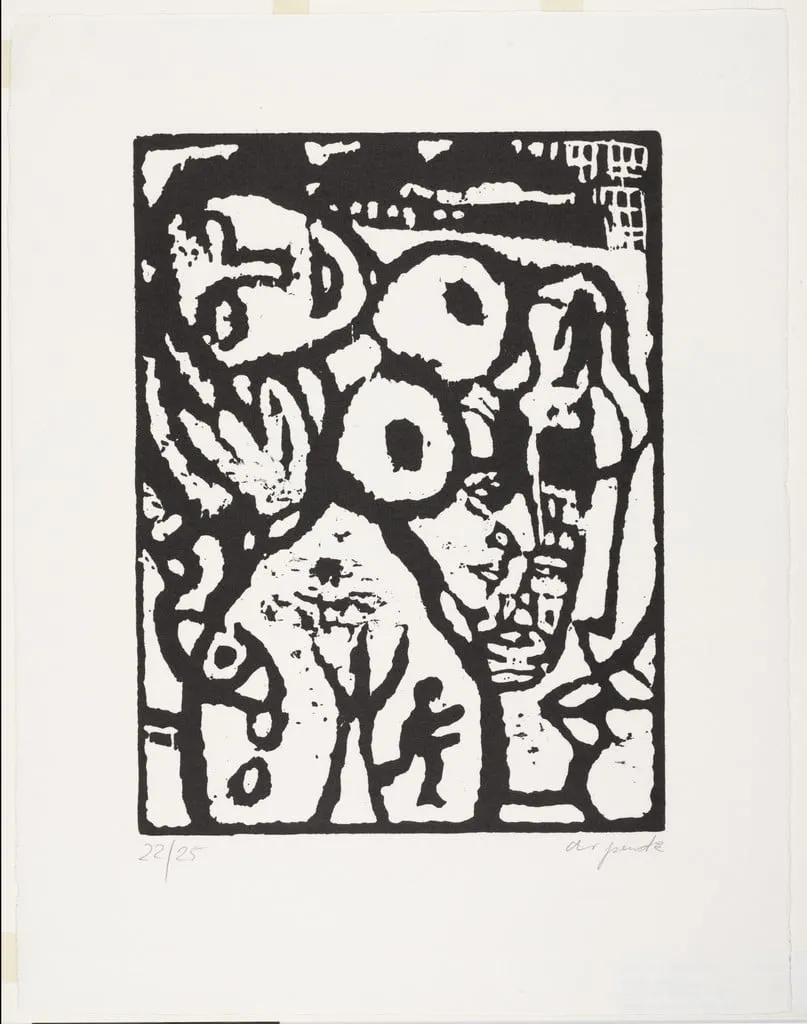
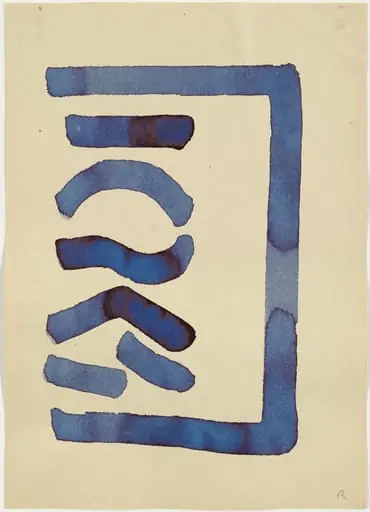
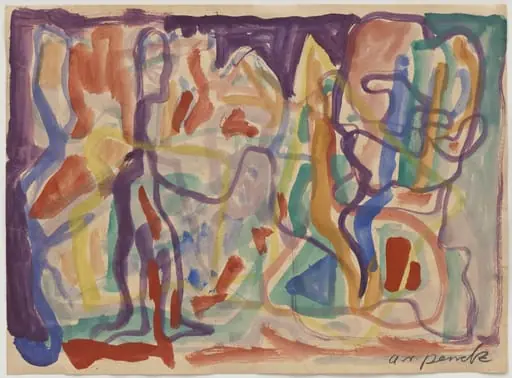
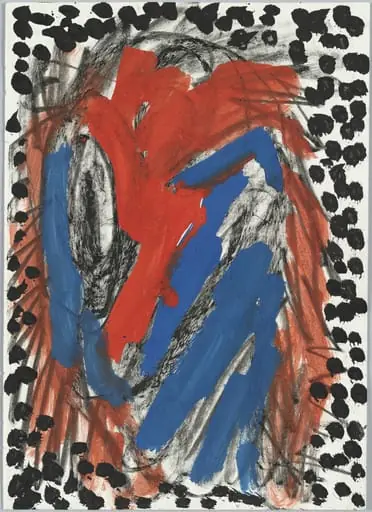
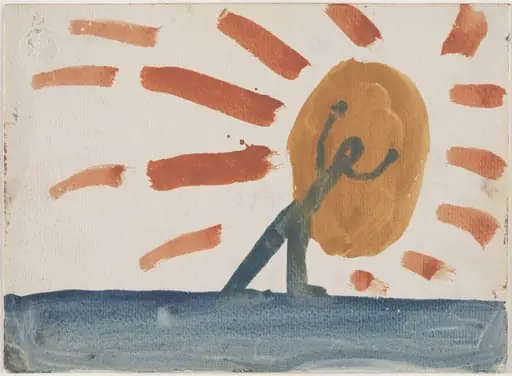
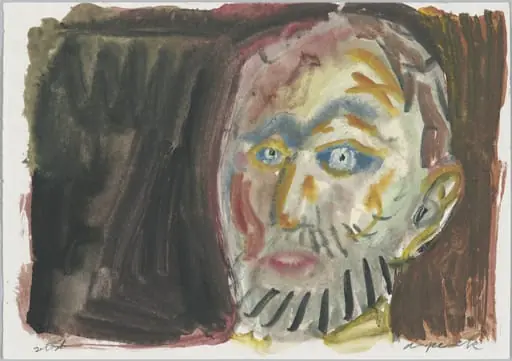
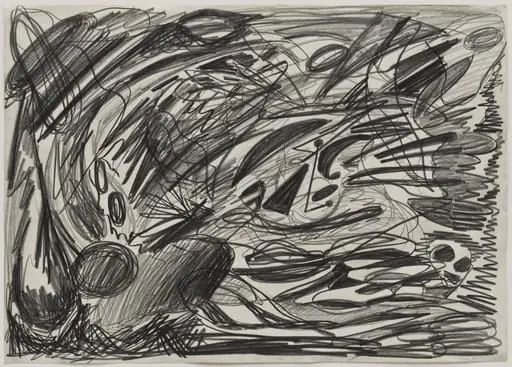
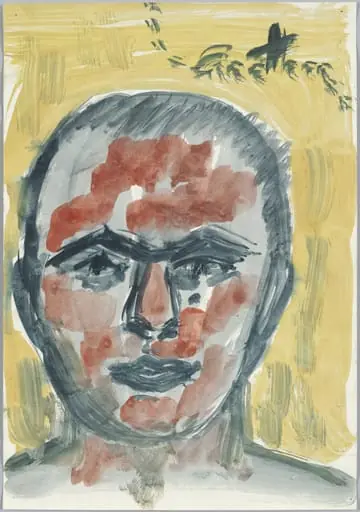
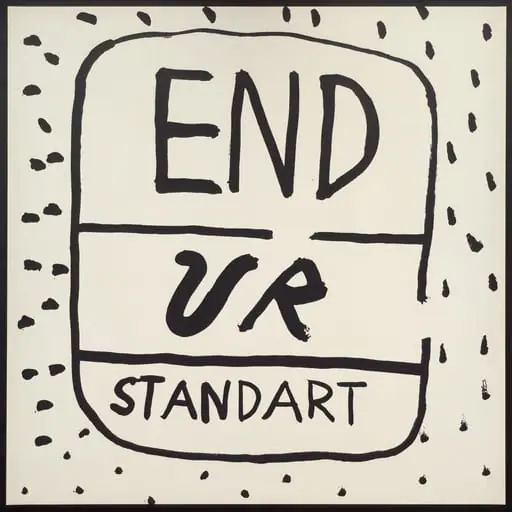
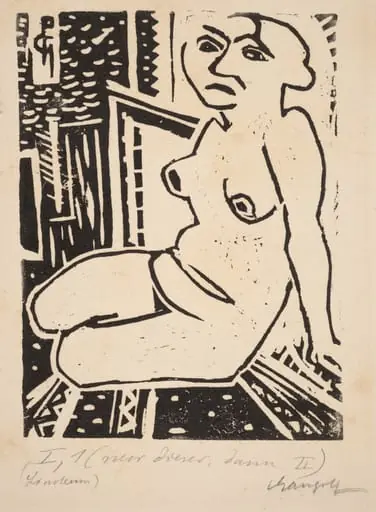
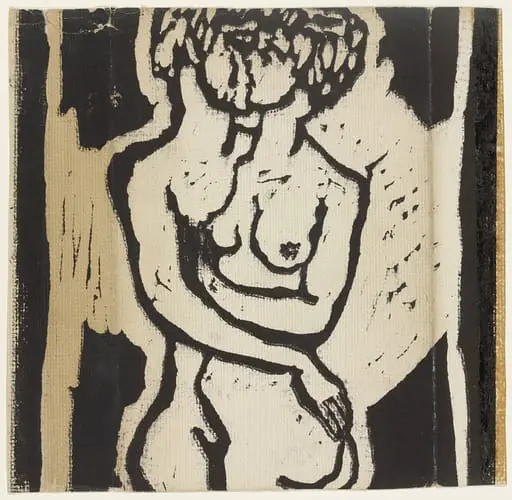
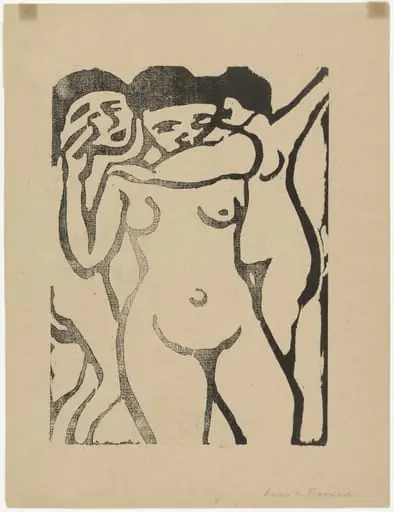
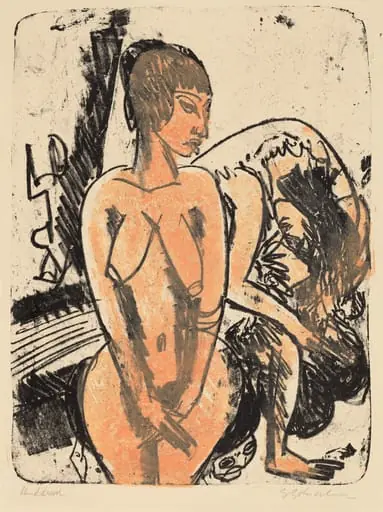
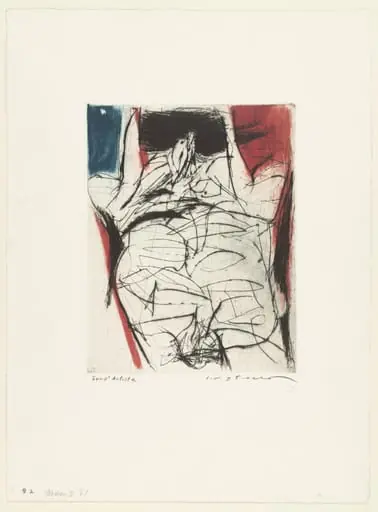
Untitled is an ink print by A.R. Penck. It dates from 1978 and is held in the collection of the Museum of Modern Art.
About this work
Overview
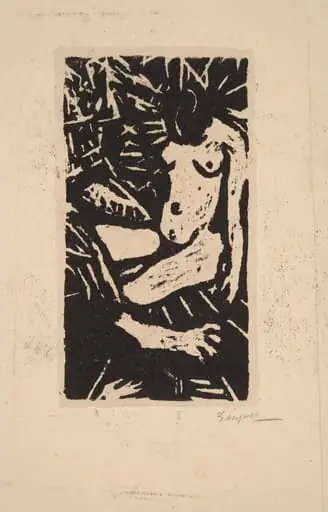
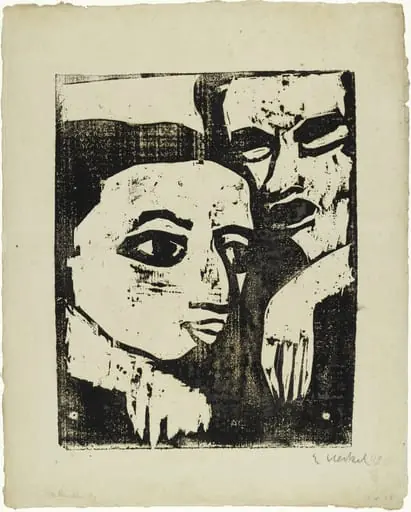
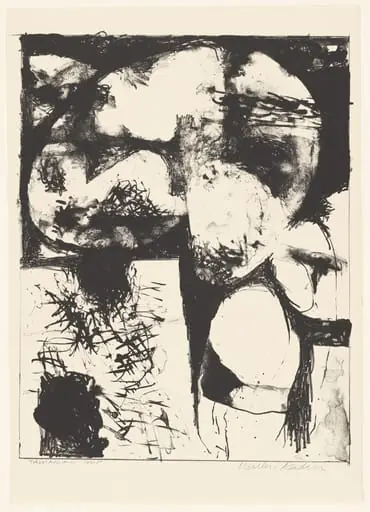
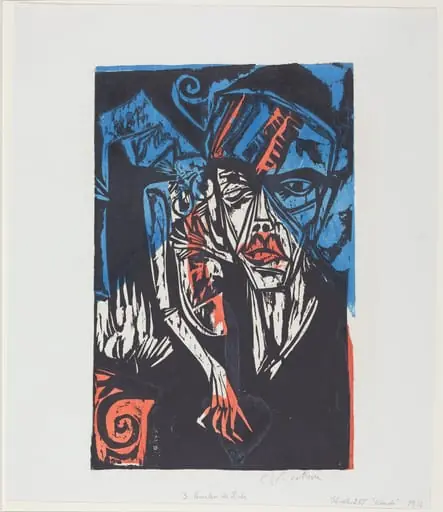
This untitled woodcut by A.R. Penck, created in 1978, is part of The Museum of Modern Art’s print collection. Penck, who began as Ralf Winkler in East Germany, developed a visual vocabulary rooted in graphic simplicity and symbolic ambiguity. The work exemplifies his engagement with printmaking as a direct, tactile medium, aligning with his broader interest in non-academic forms of image-making.
Subject & Meaning
Penck’s imagery suggests a world in flux, where identity and structure are unstable, reflecting his critique of rigid systems through visual chaos.
The composition presents a dense arrangement of abstract, humanoid forms with exaggerated heads and fragmented limbs, interspersed with ambiguous architectural and domestic elements. These figures resist clear narrative interpretation, instead evoking a sense of disoriented social presence. Penck’s imagery suggests a world in flux, where identity and structure are unstable, reflecting his critique of rigid systems through visual chaos.
Technique & Style
Executed as a woodcut, the piece relies on the physical act of carving into wood, leaving visible, uneven edges and raw, hand-wrought lines. The stark contrast between black ink and white paper enhances the primal quality of the forms. Penck’s style deliberately avoids refinement, embracing a rough, almost childlike aesthetic that echoes folk and prehistoric art, distancing itself from conventional artistic polish.
History & Provenance
Created during Penck’s period of international recognition following his emigration from East Germany, this woodcut emerged from a time of heightened political and cultural tension. It entered MoMA’s collection in the late 1970s as part of a broader institutional interest in postwar European artists challenging established norms. The work’s provenance reflects its role in bridging Cold War-era artistic dialogues.
Context
Penck’s work developed in dialogue with the limitations of East German cultural policy and the rise of Neo-Expressionism in West Germany. His use of primal forms and symbolic abstraction responded to both state-imposed realism and Western modernist abstraction. This woodcut aligns with a generation of artists seeking to reclaim visual language as a tool for personal and political expression beyond ideological boundaries.
Legacy
The woodcut remains a key example of Penck’s contribution to postwar printmaking, influencing artists interested in the intersection of raw mark-making and symbolic content. Its presence in MoMA’s collection underscores its significance in documenting how artists from divided Germany redefined visual expression through simplicity, gesture, and resistance to formalism.
Artist & collection
Artist
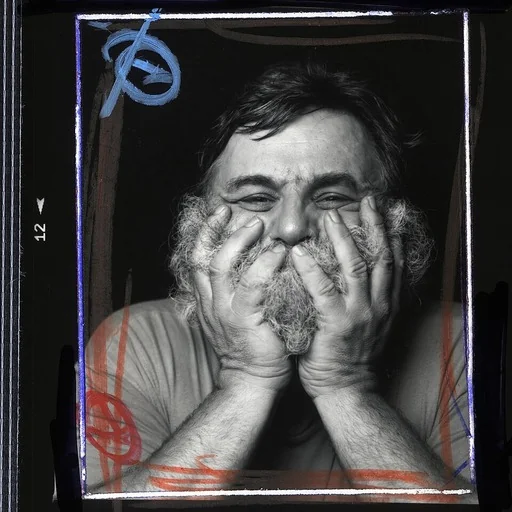
Ralf Winkler (alias A. R. Penck, who also used the pseudonyms Mike Hammer, T. M., Mickey Spilane, Theodor Marx, "a. Y." or just "Y" 5 October 1939 – 2 May 2017) was a German painter, printmaker, sculptor, and jazz…