Artwork
Untitled
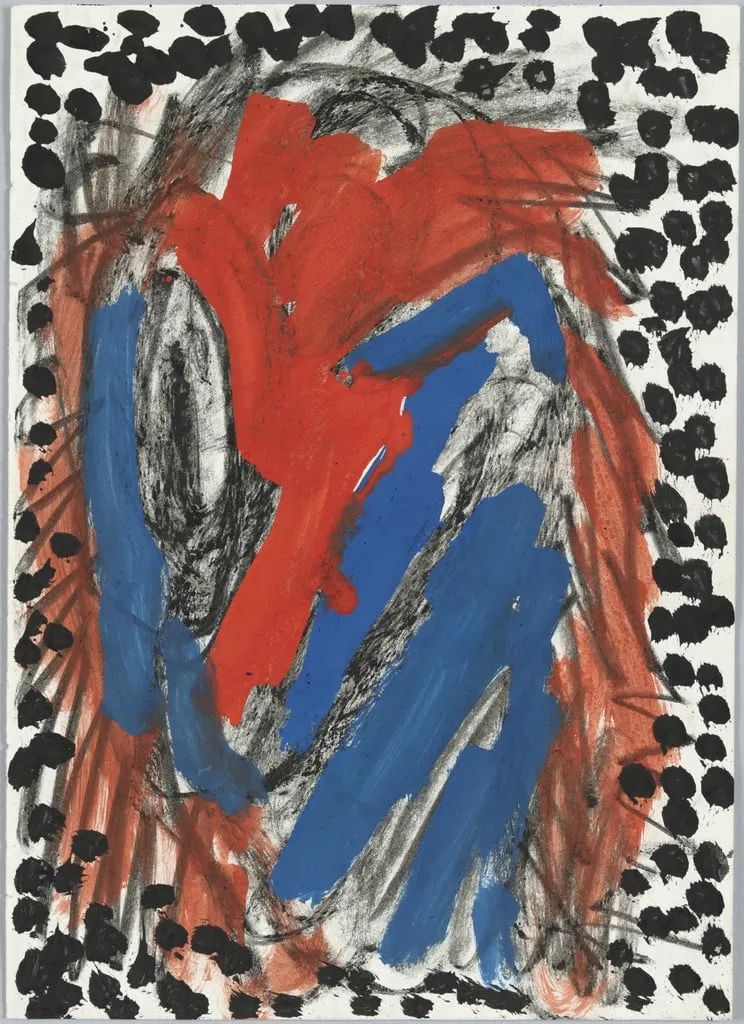
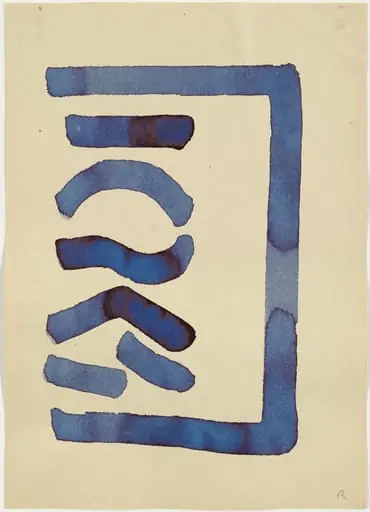
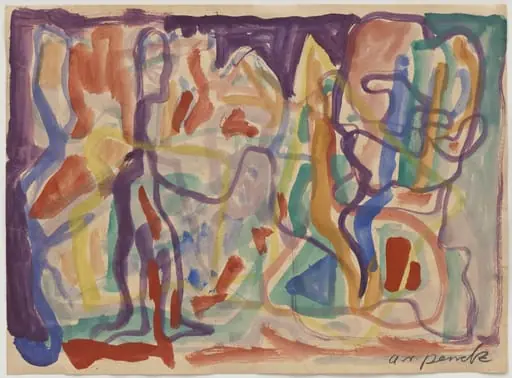
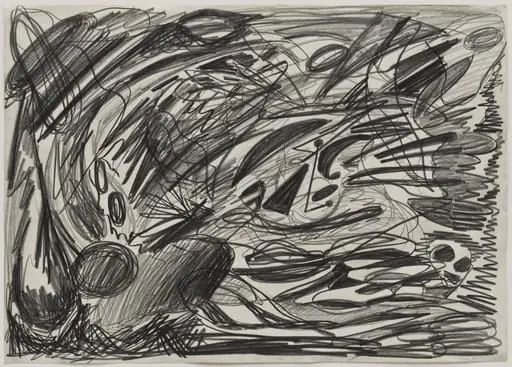
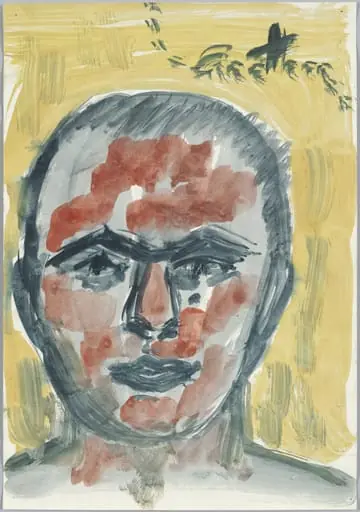
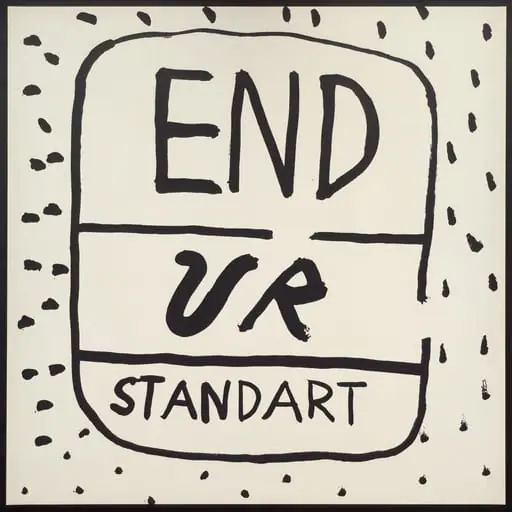
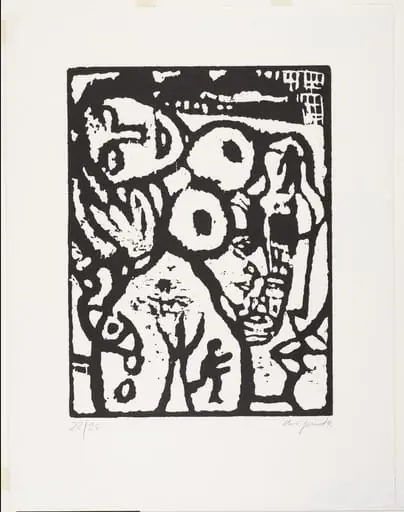
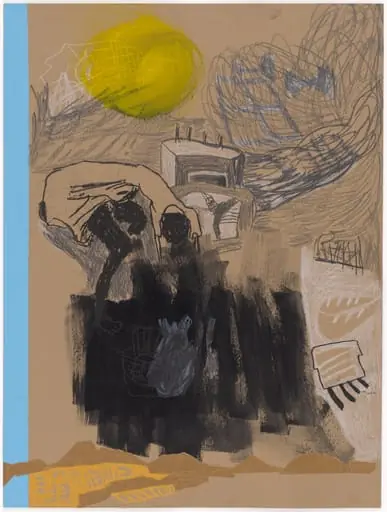
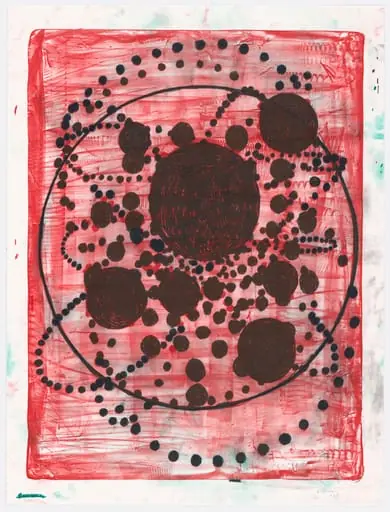
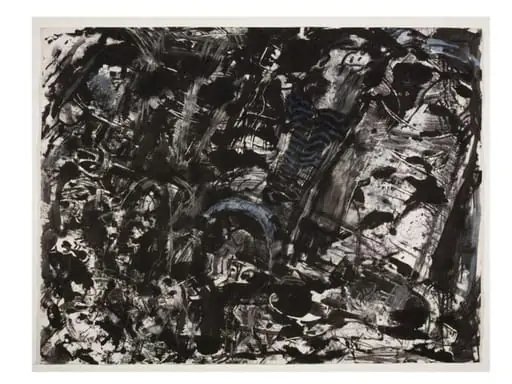
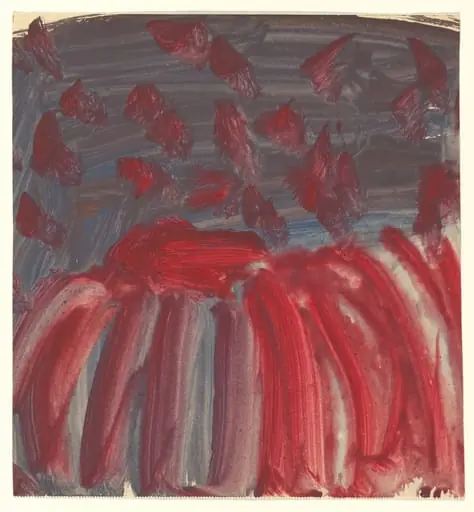
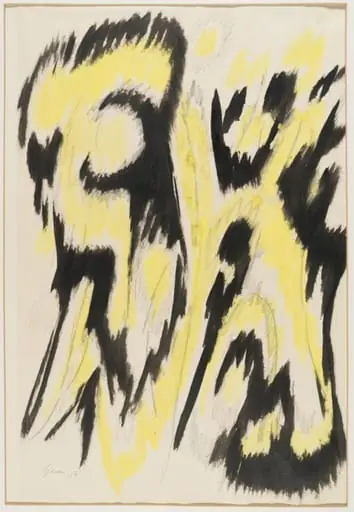
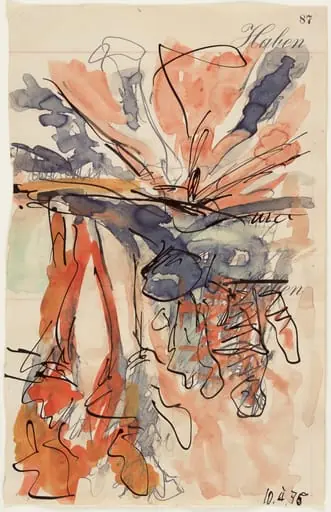
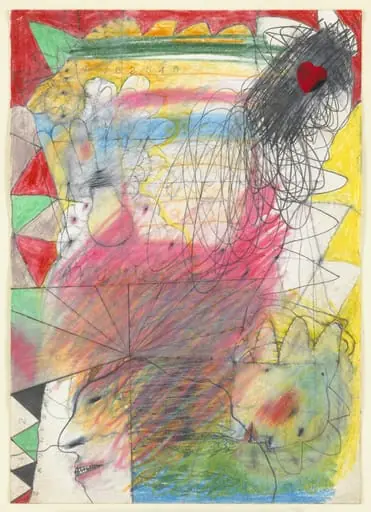
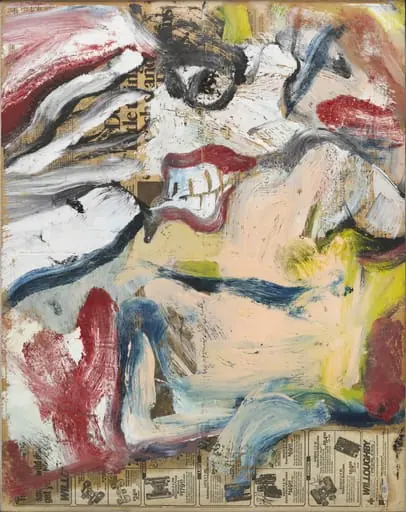
Untitled is a gouache drawing by A.R. Penck. It dates from 1974 and is held in the collection of the Museum of Modern Art. Created in 1974, this drawing by A.
About this work
Overview
The piece is held in the collection of The Museum of Modern Art, reflecting its significance within postwar European drawing practices.
Created in 1974, this drawing by A.R. Penck combines crayon, gouache, and ink on paper. It belongs to a body of work produced during his time in West Germany, when he developed a distinctive symbolic style. The piece is held in the collection of The Museum of Modern Art, reflecting its significance within postwar European drawing practices. Penck, who also worked in sculpture and music, approached visual art as a form of coded communication.
Subject & Meaning
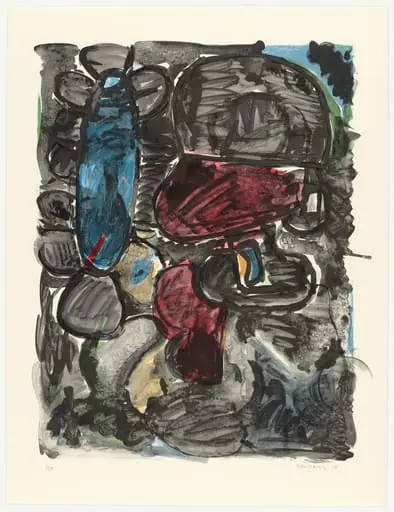
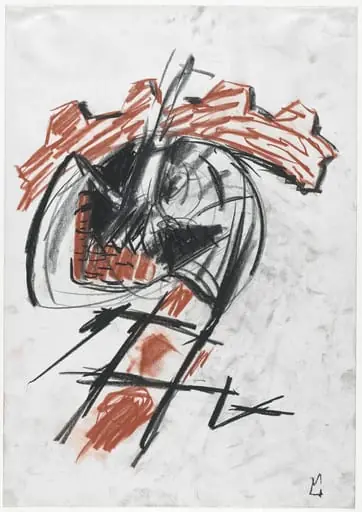
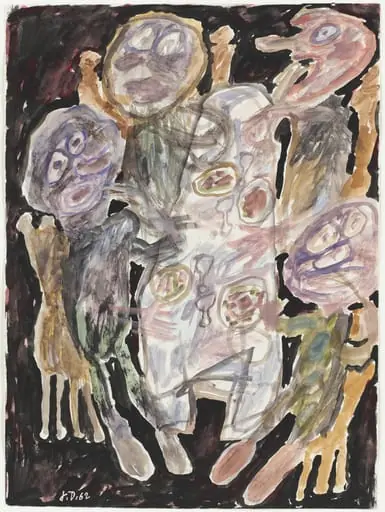
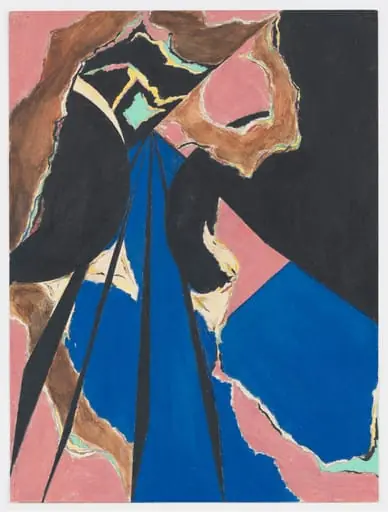
The composition avoids literal representation, instead deploying abstract forms that suggest hieroglyphic or tribal signs. A large red shape dominates the upper area, while a blue form anchors the lower register. Black scribbles and dots punctuate the surface, evoking markings from ancient scripts or ritual symbols. Penck intended these elements as part of a personal lexicon, not narrative imagery, inviting interpretation without fixed meaning.
Technique & Style
Penck applied crayon for bold, waxy lines, gouache for flat, opaque color fields, and ink for sharp, erratic strokes. The textures vary—some areas are smudged, others sharply defined—creating a tactile tension. The uneven, hurried lines suggest immediacy, as if the marks were made in rapid succession. The contrast between the dense black dots and the untouched paper heightens the sense of visual rhythm and instability.
History & Provenance
Produced during Penck’s formative years in West Germany, the work emerged from his rejection of mainstream artistic trends. He developed his visual language in isolation, drawing from prehistoric art and children’s drawings. The piece entered MoMA’s collection in the late 20th century, following growing international recognition of his work. Its inclusion reflects institutional interest in non-conventional postwar European practices.
Context
In the 1970s, Penck was part of a broader movement in West Germany that sought to reconnect art with primal expression, reacting against minimalism and conceptualism. His symbols were influenced by ethnographic sources and Cold War-era anxieties, though he avoided direct political statements. This drawing aligns with contemporaneous efforts by artists to reclaim raw, unrefined mark-making as a form of cultural resistance.
Legacy
Penck’s use of simplified, symbolic forms influenced later generations of figurative painters in Europe and beyond. His integration of non-Western visual codes into contemporary drawing expanded the vocabulary of neo-expressionism. While not widely exhibited during his early career, this work now stands as an example of how personal symbolism can evolve into a broader artistic language.
Artist & collection
Artist
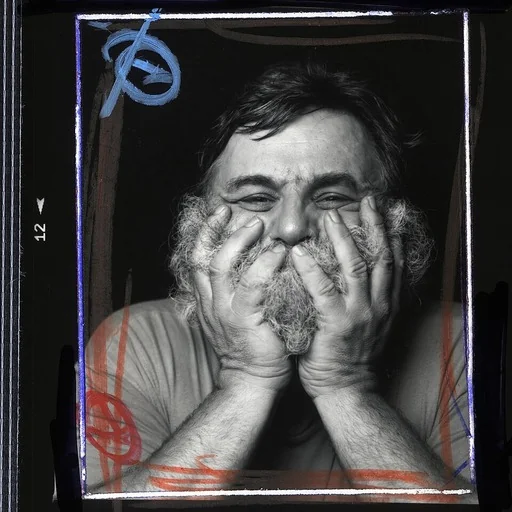
Ralf Winkler (alias A. R. Penck, who also used the pseudonyms Mike Hammer, T. M., Mickey Spilane, Theodor Marx, "a. Y." or just "Y" 5 October 1939 – 2 May 2017) was a German painter, printmaker, sculptor, and jazz…