Artwork
Topographical drawing
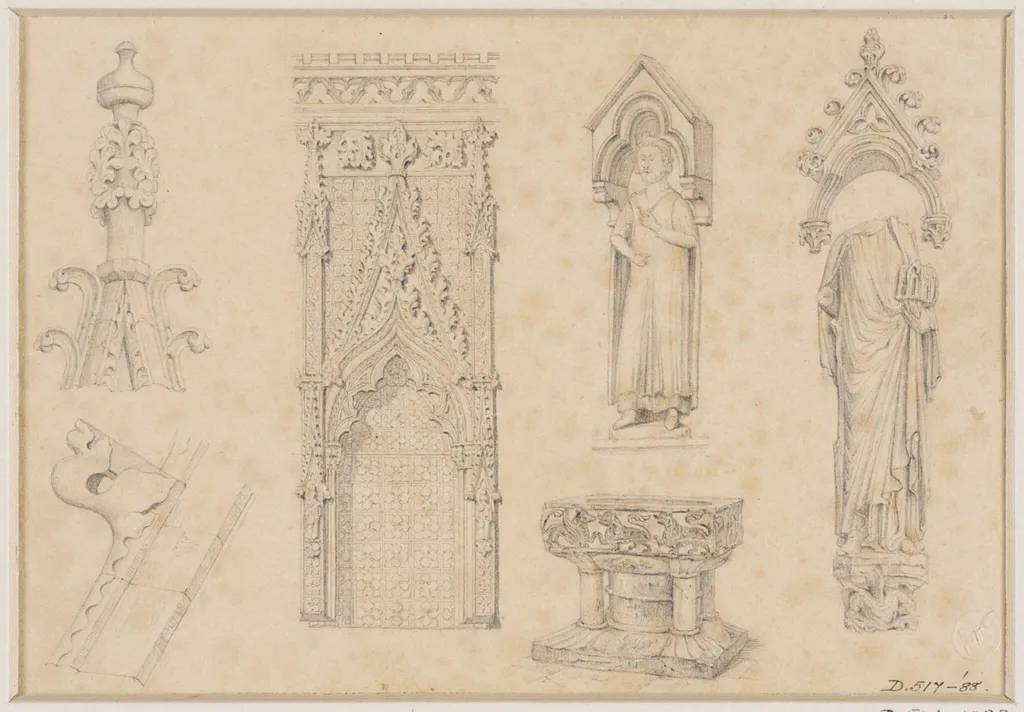
Topographical drawing is a drawing by the Romanticist artist A.W.N. Pugin. It dates from 1819 and is held in the collection of the Victoria and Albert Museum.
About this work
Overview
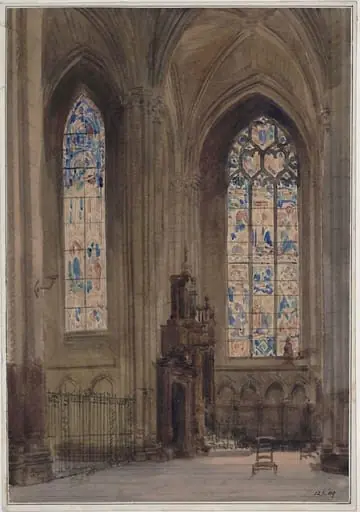
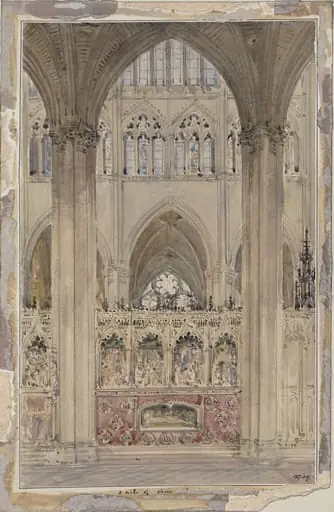
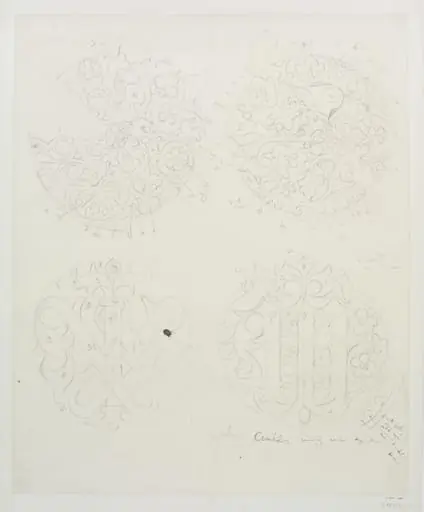
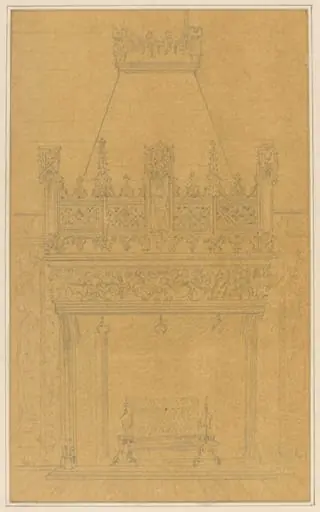
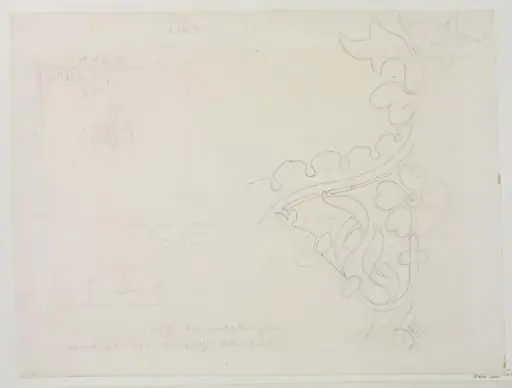
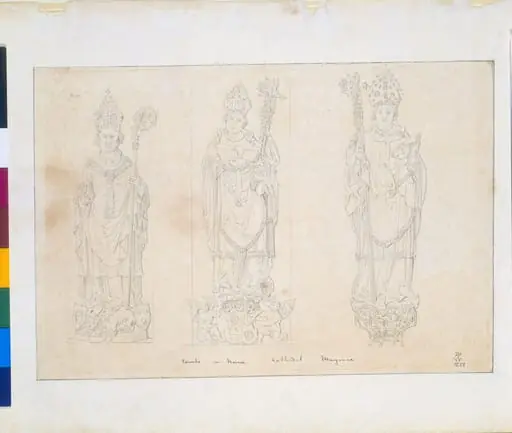
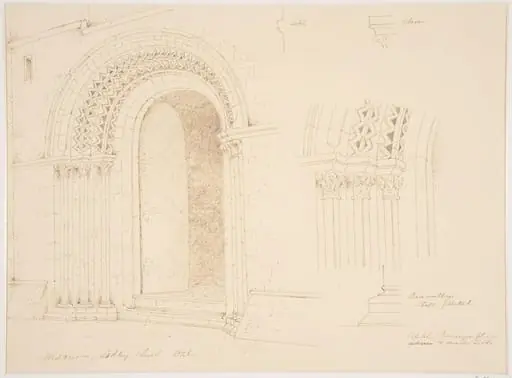
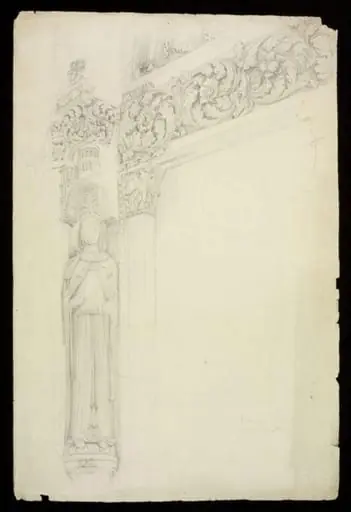
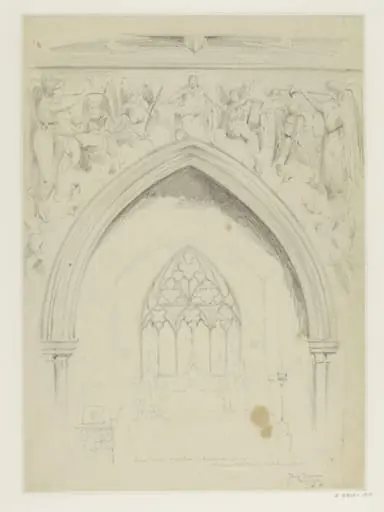
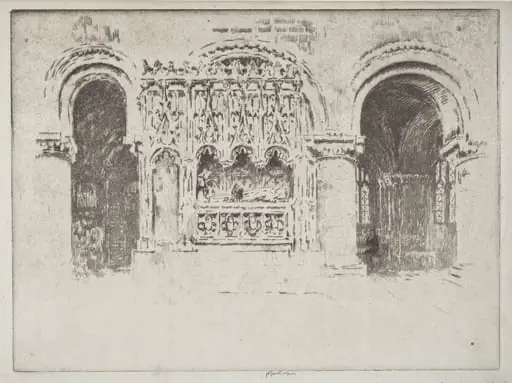
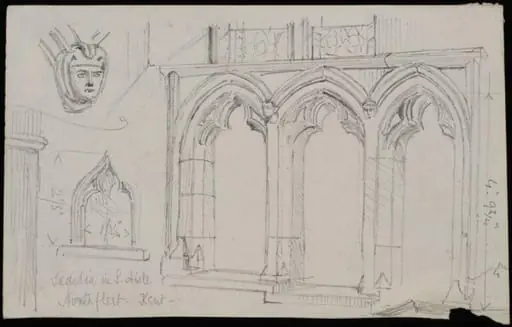
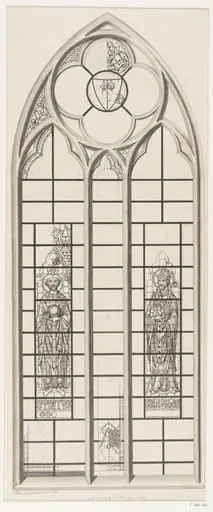
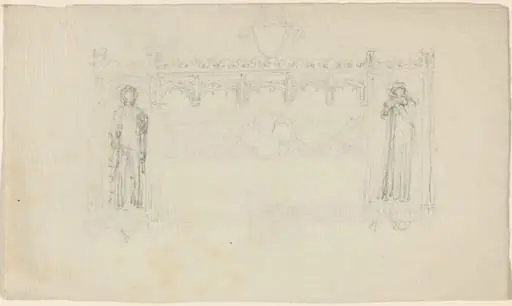
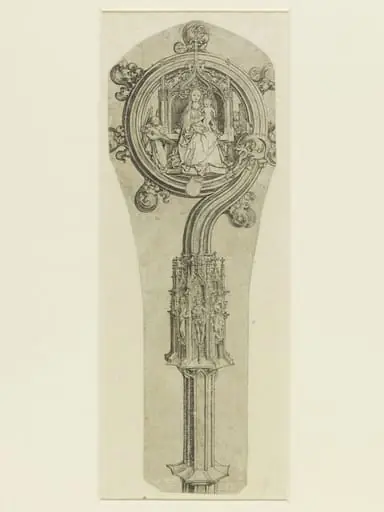
This 1819 topographical drawing by A.W.N. Pugin focuses on architectural details of Lincoln Cathedral, comprising four detailed sketches of church elements.
Subject & Meaning
The drawing highlights specific Gothic-style architectural features, including a twisted candle holder, a curved-top cross, an intricately carved stone door, a statue in a niche, and a carved table. These elements showcase Pugin's attention to the intricate details of Gothic church design.
Technique & Style
Executed as a topographical drawing, the work demonstrates Pugin's meticulous approach to capturing architectural accuracy, characteristic of his contributions to architectural antiquarian publications.
History & Provenance
Part of a series by Pugin for J. Britton’s *The Architectural Antiquities of Great Britain*, this drawing was one of eleven plates by the artist in Volume Five, dated within the broader period of September 1819 to May 1821.
Context
Such detailed drawings served a practical purpose in the planning and inspiration for real building projects, reflecting the era's interest in documenting and preserving architectural heritage.
Legacy
This work contributes to Pugin's broader oeuvre of detailed church designs, with his body of work influencing later architectural practices and documentation methods.
Artist & collection

Artist
Augustus Welby Northmore Pugin was an English architect, designer, artist and critic with French and Swiss origins.