Artwork
Untitled
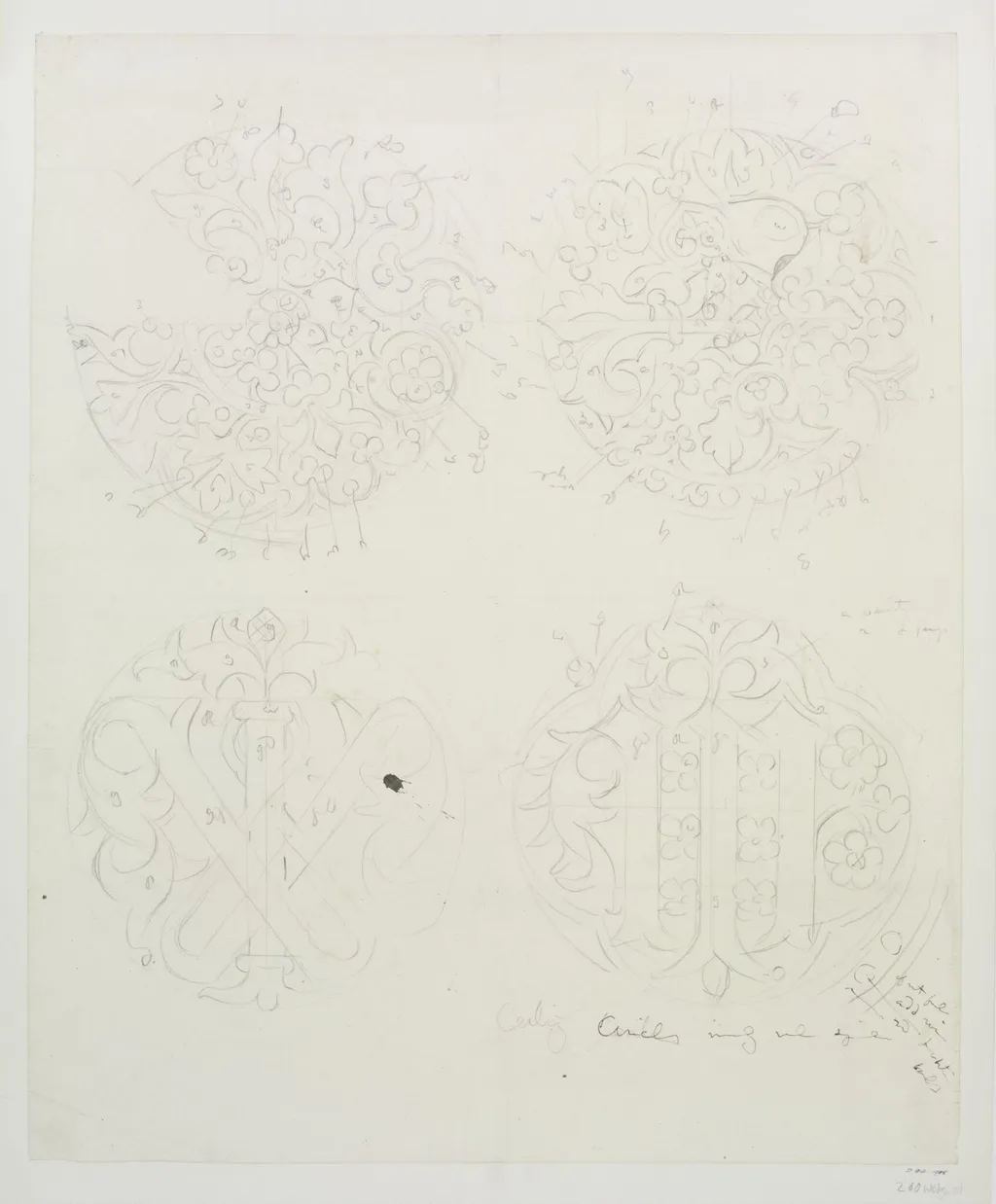
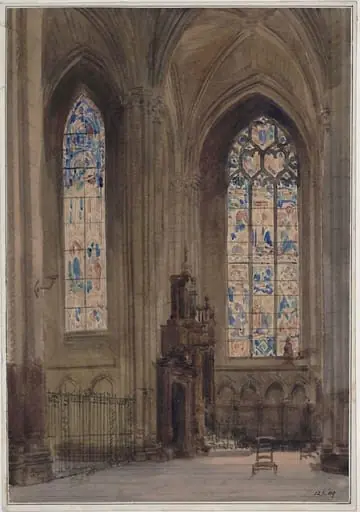
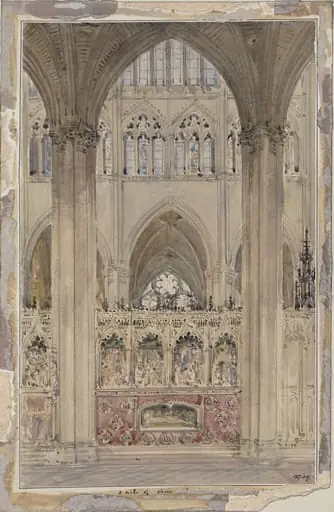
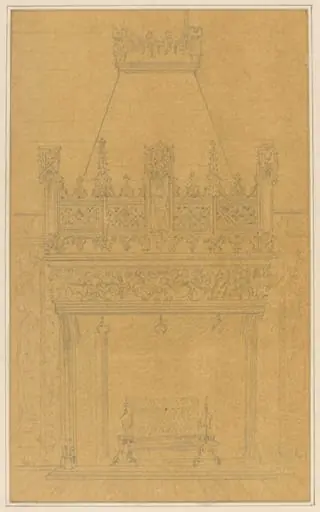
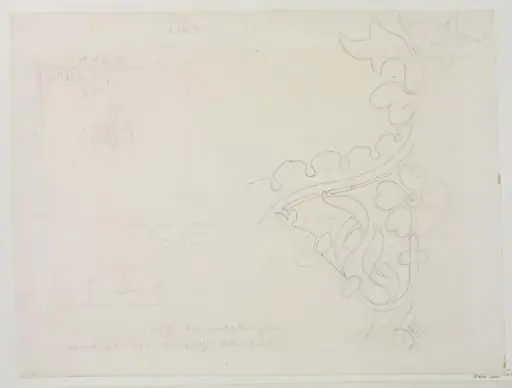
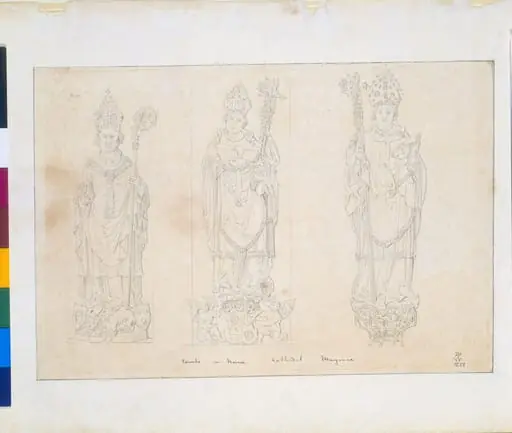
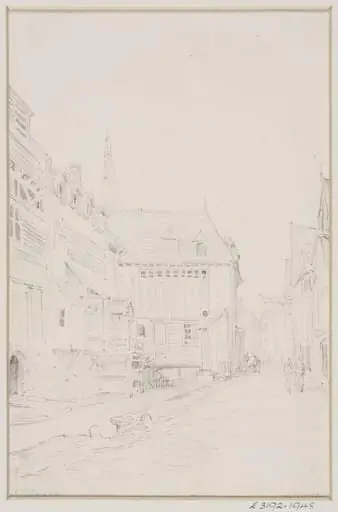
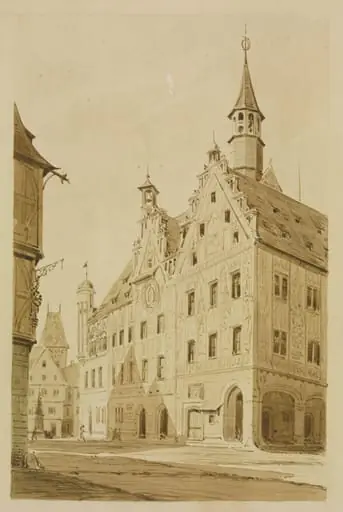
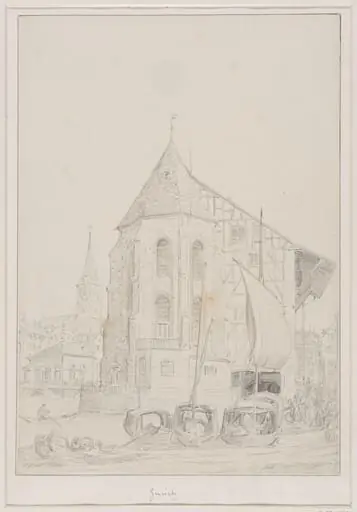
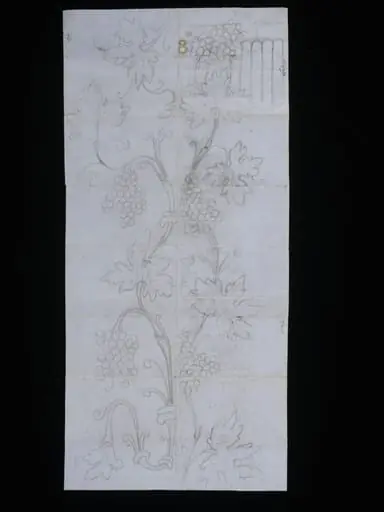
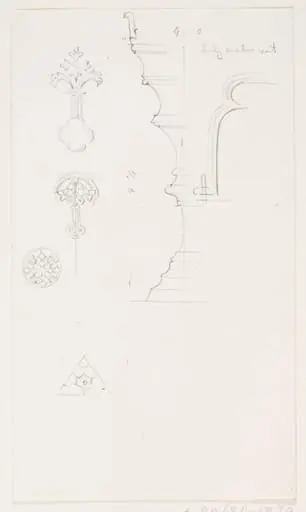
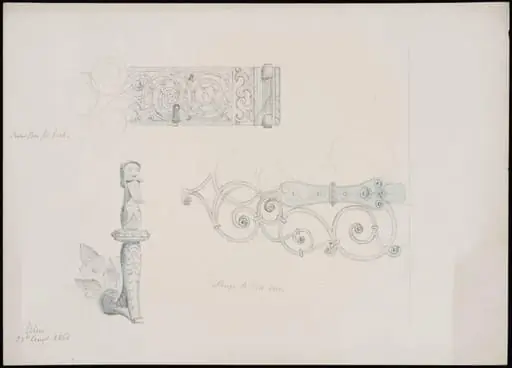
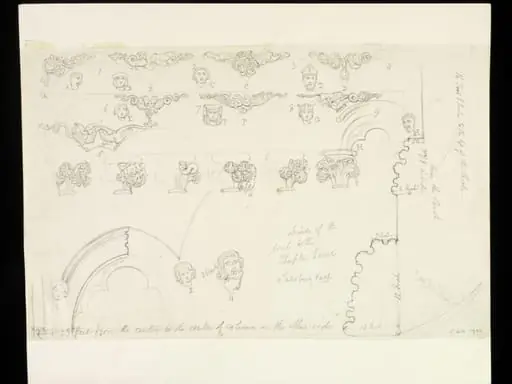
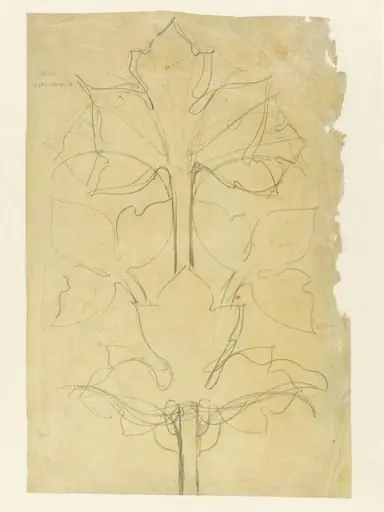
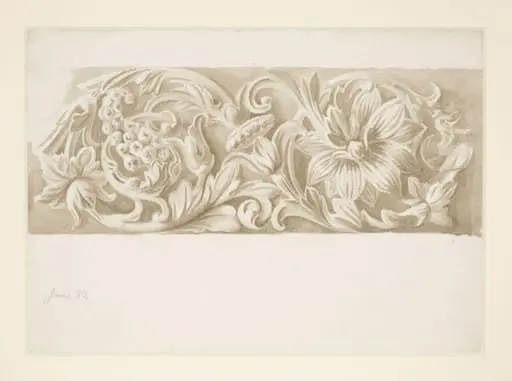
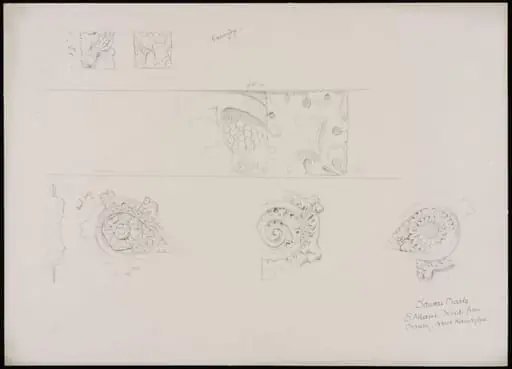
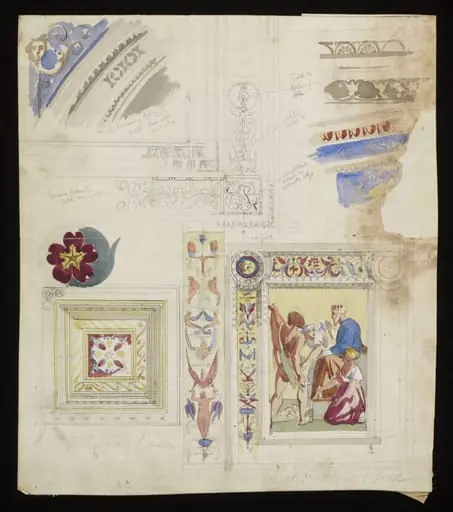
Untitled is a drawing by the Impressionist artist A.W.N. Pugin. It dates from 1852 and is held in the collection of the Victoria and Albert Museum. This 1852 drawing by Augustus Welby Northmore Pugin was created as a design for the interior of Abney Hall in Cheadle, Cheshire.
About this work
This is a drawing by A.W.N. Pugin from 1852.
It shows designs made for Abney Hall, a house in Cheshire.
Pugin was sick while he made these fast, shaky sketches.
The house belonged to James Watts, a merchant and mayor.
Watts hired Pugin to help redecorate the room.
Pugin died that same year.
Check out the Victoria and Albert Museum.
Overview
This 1852 drawing by Augustus Welby Northmore Pugin was created as a design for the interior of Abney Hall in Cheadle, Cheshire. Executed during a period of severe illness, the sketches reflect a hurried, unstable hand. They were commissioned by James Watts, a Manchester merchant who acquired the property after its original owner’s death, and intended for the redecoration of the drawing room.
Subject & Meaning
These monograms were integrated into the ceiling ornamentation, suggesting a desire to mark the household’s identity.
The design incorporates the initials 'J.W.' and 'M'—for James Watts and his wife Margaret—enclosed within quatrefoils, signaling personalization of the space. These monograms were integrated into the ceiling ornamentation, suggesting a desire to mark the household’s identity. The rest of the decorative scheme, however, was altered by the decorator J.G. Crace, indicating a compromise between Pugin’s vision and the client’s preferences.
Technique & Style
Pugin’s hand appears unsteady, a consequence of his deteriorating health. The lines are rapid and lack the precision of his earlier work, yet the underlying Gothic vocabulary remains clear: pointed arches, intricate tracery, and heraldic motifs. The drawing reflects his lifelong commitment to medieval forms, even as physical frailty constrained execution. The urgency of the sketches underscores the proximity of his death.
History & Provenance
Abney Hall was constructed in 1847 for Alfred Orrell, a cotton-mill owner, and purchased in 1849 by James Watts, who commissioned Pugin to redesign its interiors. Pugin provided designs in early 1852, shortly before his death in September of that year. Though Crace implemented parts of the scheme, the original Pugin drawings survived, later entering the Victoria and Albert Museum’s collection.
Context
Pugin’s work on Abney Hall occurred during the final phase of his career, following his influential advocacy for Gothic Revival architecture through writings like 'Contrasts' (1836). His conversion to Catholicism had deepened his belief that Gothic form embodied moral and spiritual truth. Though less monumental than his work on the Palace of Westminster, this project exemplifies his consistent application of medieval principles to domestic spaces.
Legacy
These drawings stand as a quiet testament to Pugin’s enduring influence, even in his final months. Though executed under duress, they retain the structural clarity and symbolic intent that defined his legacy. Their survival offers insight into the collaborative nature of Victorian interior design and the personal dimensions of architectural patronage during the Gothic Revival.
Artist & collection

Artist
Augustus Welby Northmore Pugin was an English architect, designer, artist and critic with French and Swiss origins.