Artwork
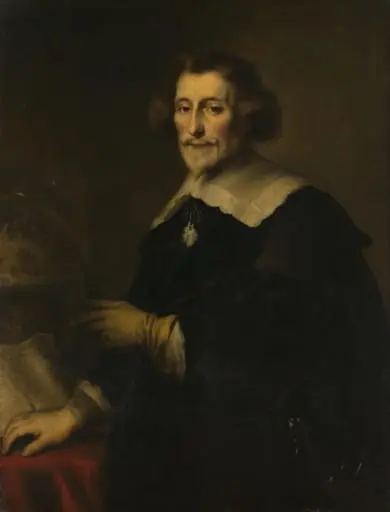
Portrait of Kerckhoven of Antwerp
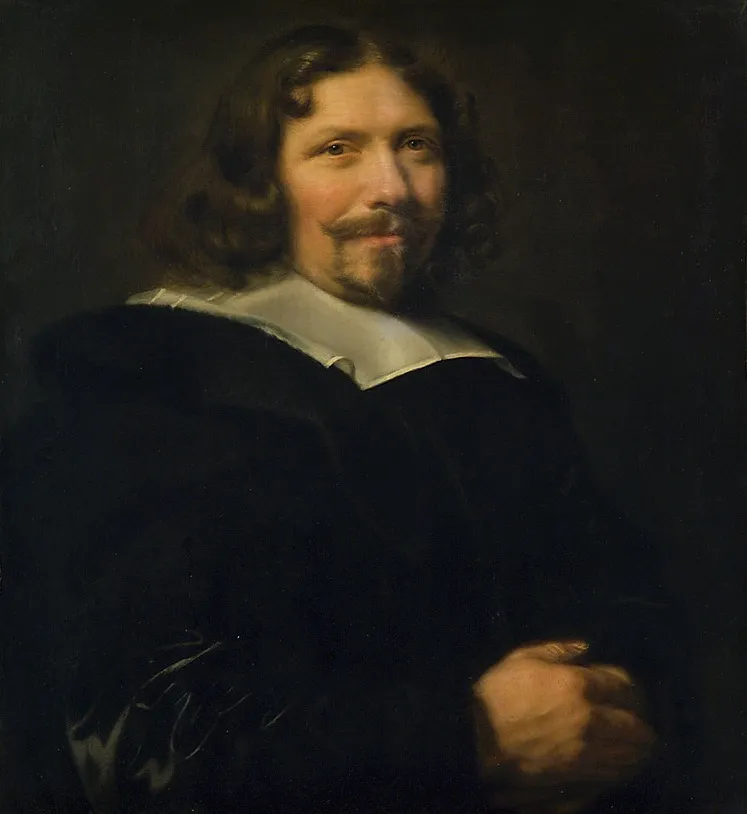
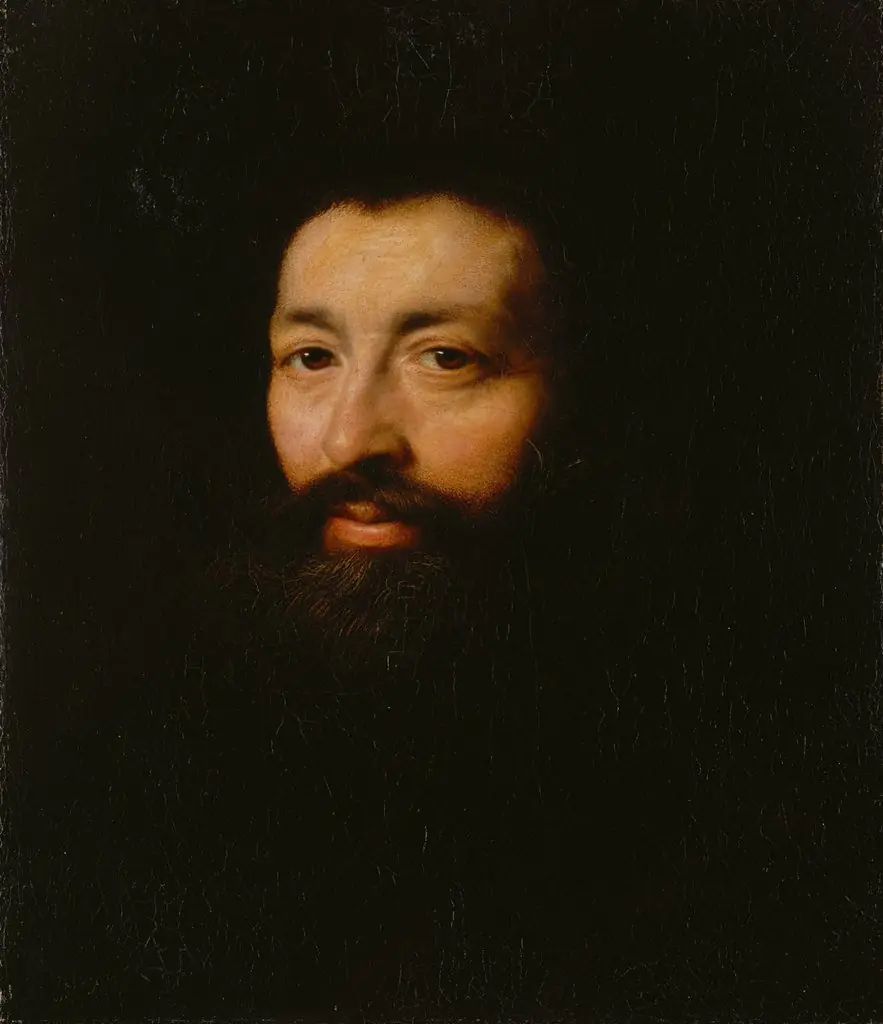
Portrait of Kerckhoven of Antwerp is an oil painting by the Dutch Golden Age artist Abraham de Vries. It dates from 1640 and is held in the collection of the Kunsthistorisches Museum.
About this work
Overview
Painted in 1640 by Abraham de Vries, this oil portrait depicts a man identified as Kerckhoven of Antwerp. De Vries, a Dutch artist known for his mobile career across northern Europe, specialized in portraiture during the height of the Dutch Golden Age. The work is now part of the Kunsthistorisches Museum’s collection, reflecting its significance within early 17th-century Northern European art.
Subject & Meaning
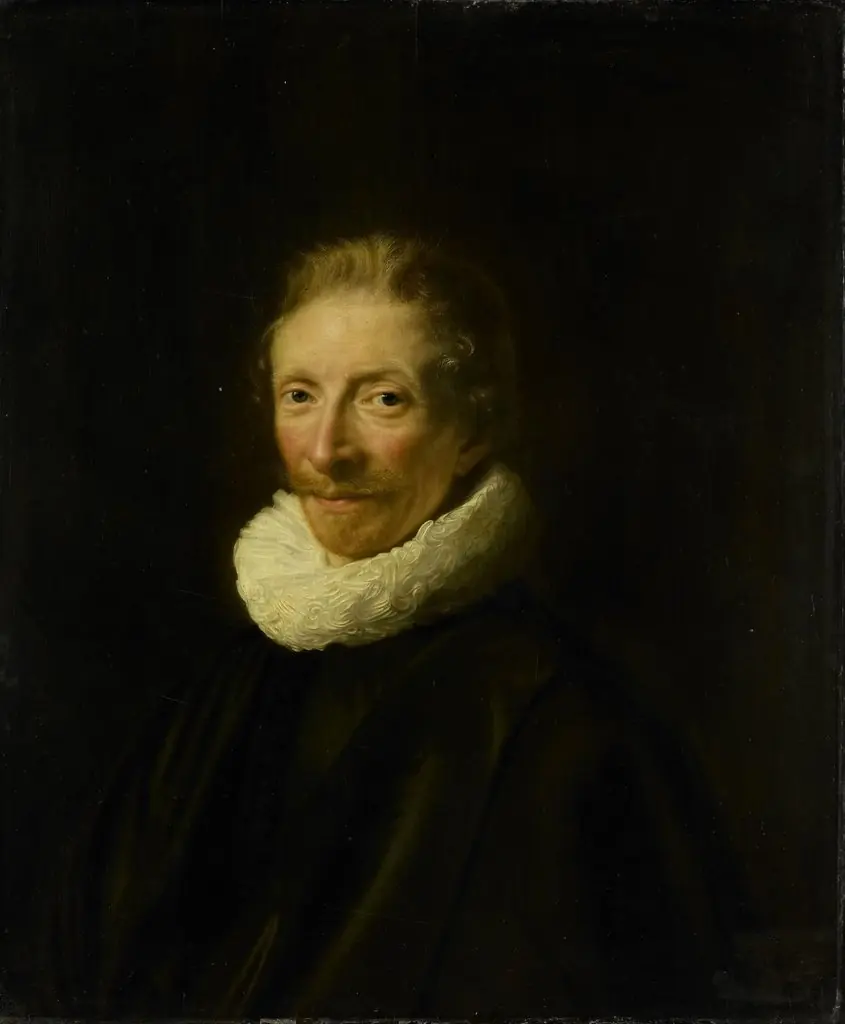
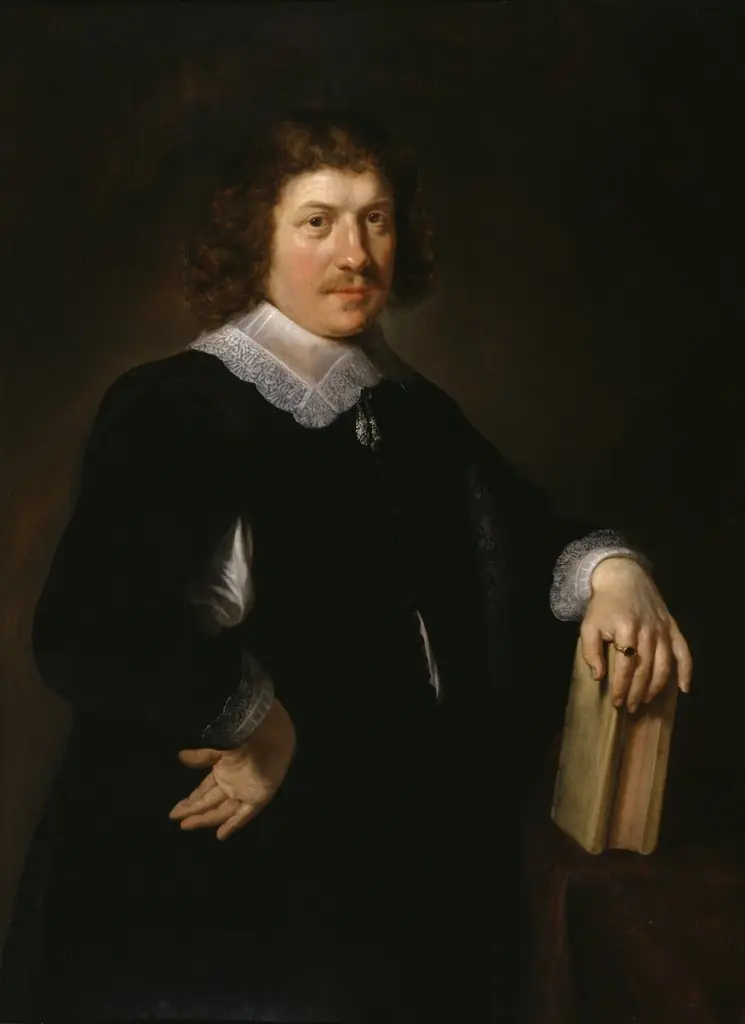
The sitter, likely a member of Antwerp’s merchant or civic elite, is portrayed with quiet dignity. His full beard, rolled-up sleeves, and small object in hand suggest practicality and composure. The absence of symbols or elaborate setting implies an emphasis on personal presence rather than status markers, aligning with the era’s growing interest in individual character over heraldic display.
Technique & Style
De Vries employed chiaroscuro to isolate the figure against a deep, unmodulated background, heightening the three-dimensionality of the face and hands. Subtle gradations of shadow define the contours of the ruff collar and the texture of the dark cloak, while the white shirt catches minimal light. The brushwork is precise yet restrained, prioritizing psychological presence over ornamental detail.
History & Provenance
The painting entered the Kunsthistorisches Museum’s collection in the 19th century, though its earlier ownership remains undocumented.
The painting entered the Kunsthistorisches Museum’s collection in the 19th century, though its earlier ownership remains undocumented. De Vries’s movements between the Dutch Republic, France, and Antwerp suggest the portrait may have been commissioned during one of his stays in the Southern Netherlands. Its survival and preservation reflect its continued recognition as a representative work of his output.
Context
Created during the Dutch Golden Age, the portrait reflects broader trends in Northern European art: a focus on individuality, naturalism, and the use of light to convey presence. While many contemporaries favored elaborate backgrounds or symbolic elements, de Vries’s minimalist approach aligns with a growing preference for psychological realism in portraiture across the region.
Legacy
Though less widely known than some of his peers, de Vries’s work contributed to the evolution of portrait painting in the early 17th century. This painting exemplifies his skill in capturing character through controlled lighting and restrained composition. It remains a quiet but significant example of how Dutch and Flemish artists refined the genre beyond mere likeness.
Artist & collection
Artist
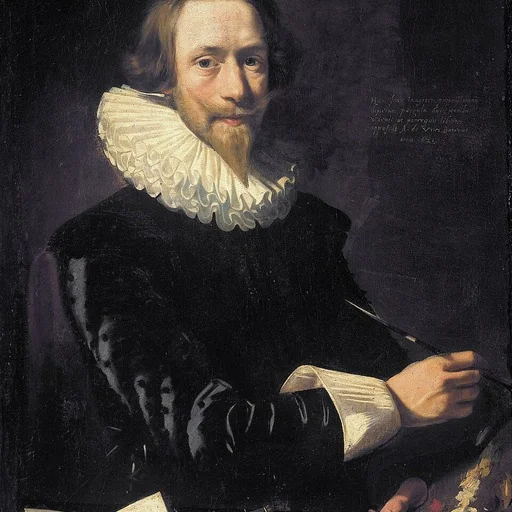
Abraham de Vries (c. 1590 – 1649 or 1650) was a Dutch painter who was one of the leading portraitists of his age. As he led a peripatetic lifestyle and worked in France, Antwerp and the Dutch Republic his stylistic…

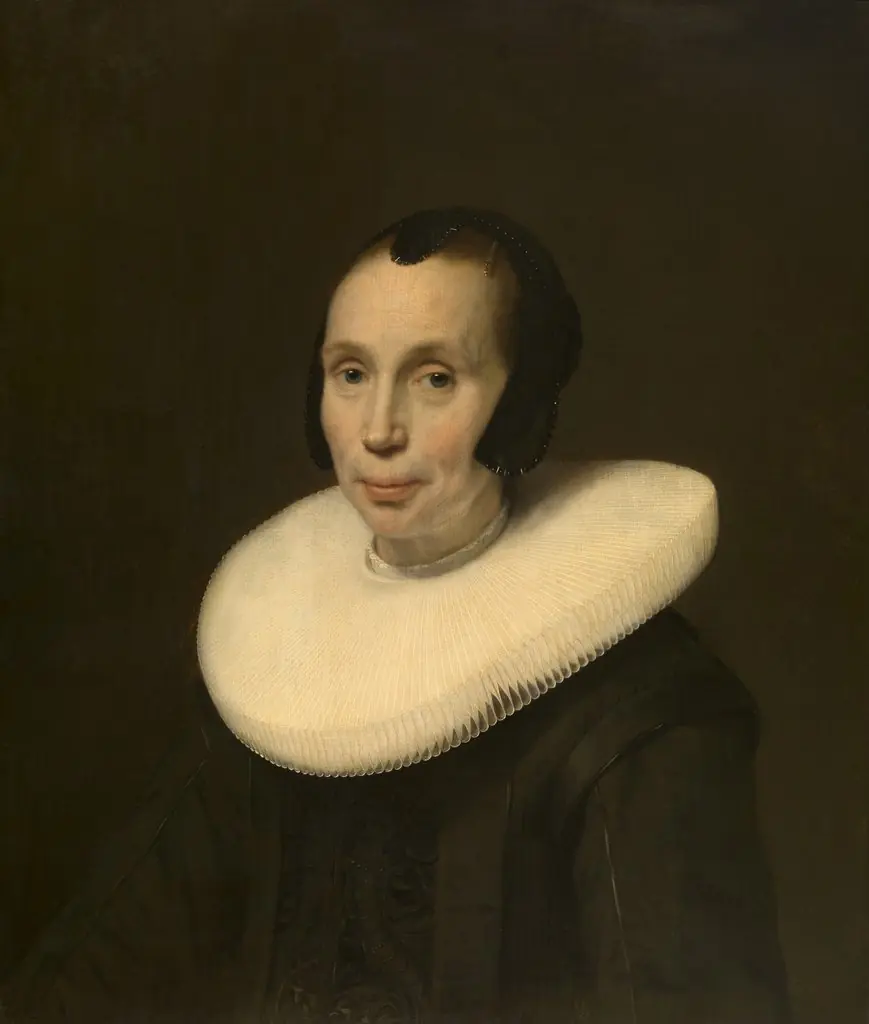
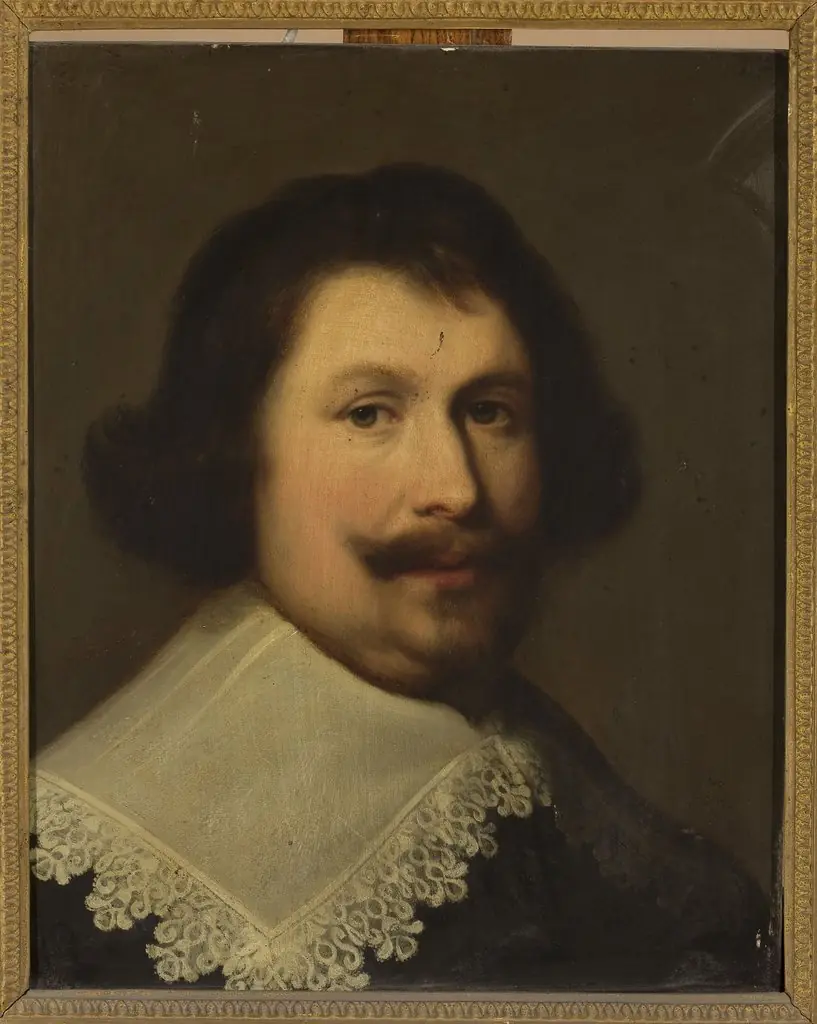 Portrait of a nobleman
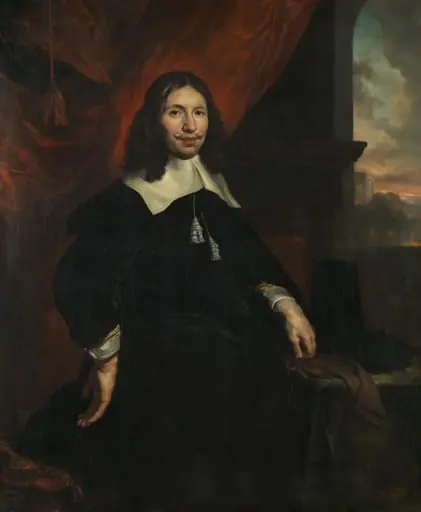 Dionijs Wijnands (1628-73). Amsterdam merchant, son of Hendrick Wijnands and Aeltje Denijs
 Portrait of a Husband
![Portrait of a Gentleman [possibly Jacob van Campen], by Thomas de Keyser](https://artifactworldgallery.com/img/thomas-de-keyser--portrait-of-a-gentleman-possibly-jacob-van-campen--d0c829ca95efaf31-w320.webp) Portrait of a Gentleman [possibly Jacob van Campen]
Portrait of a Gentleman [possibly Jacob van Campen] Portrait of a man
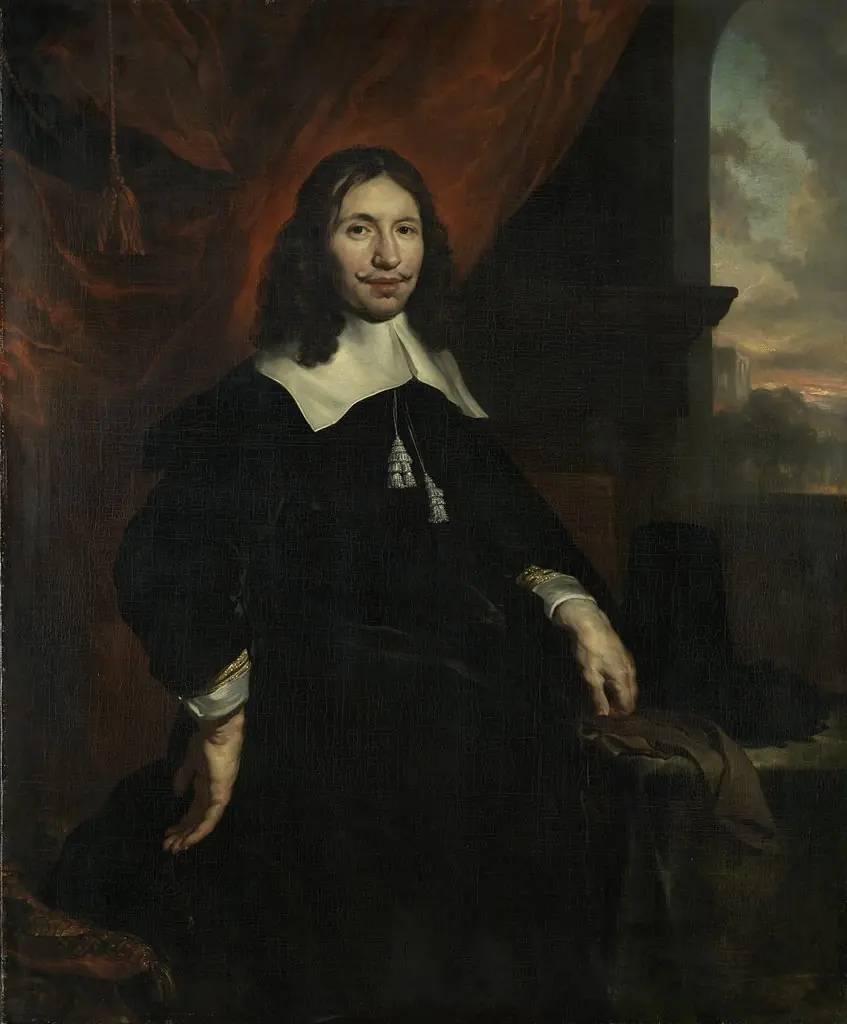 Dionijs Wijnands (1628-73). Amsterdam merchant, son of Hendrick Wijnands and Aeltje Denijs
 Portrait of a Man
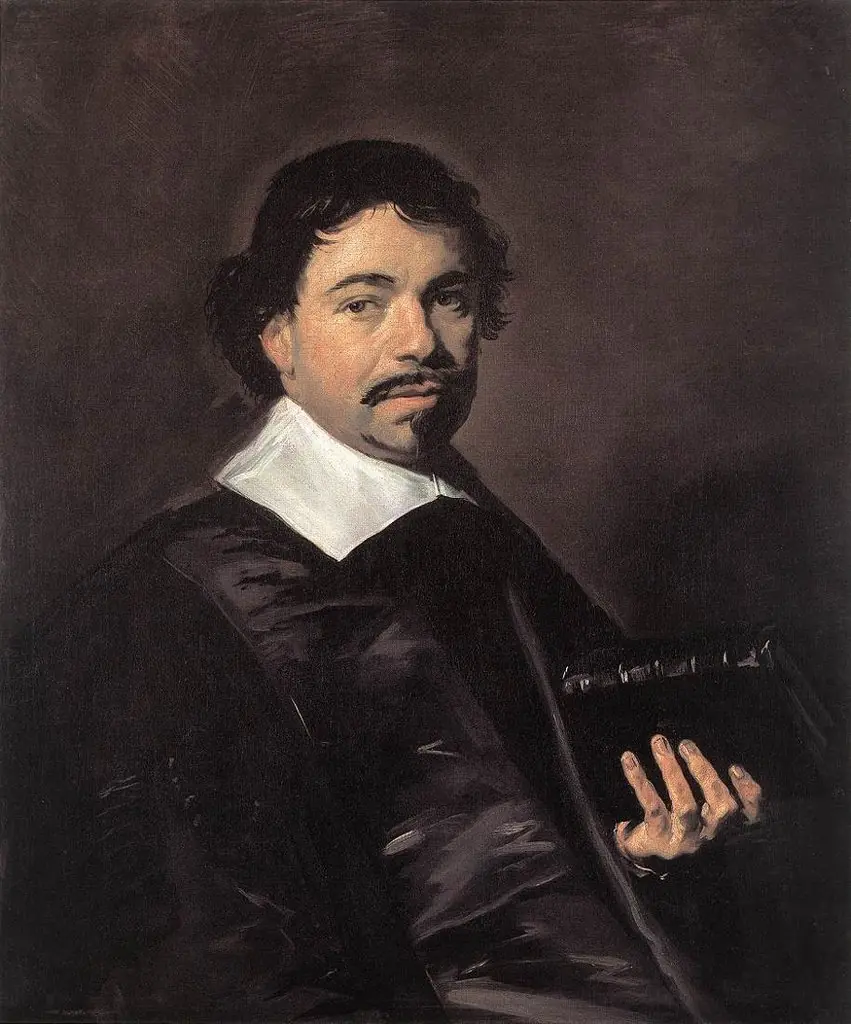 Portrait of Johannes Hoornbeek
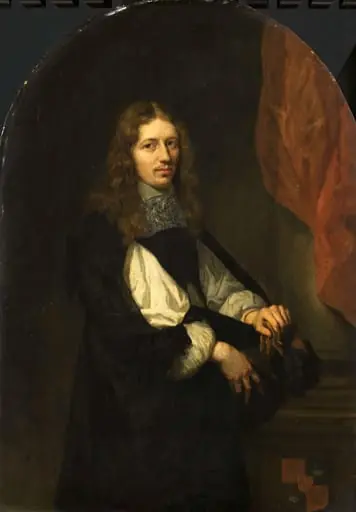 Portrait of Pieter de Graeff (1638-1707), lord of Zuid-Polsbroek, Purmerland, and Ilpendam. Alderman of Amsterdam
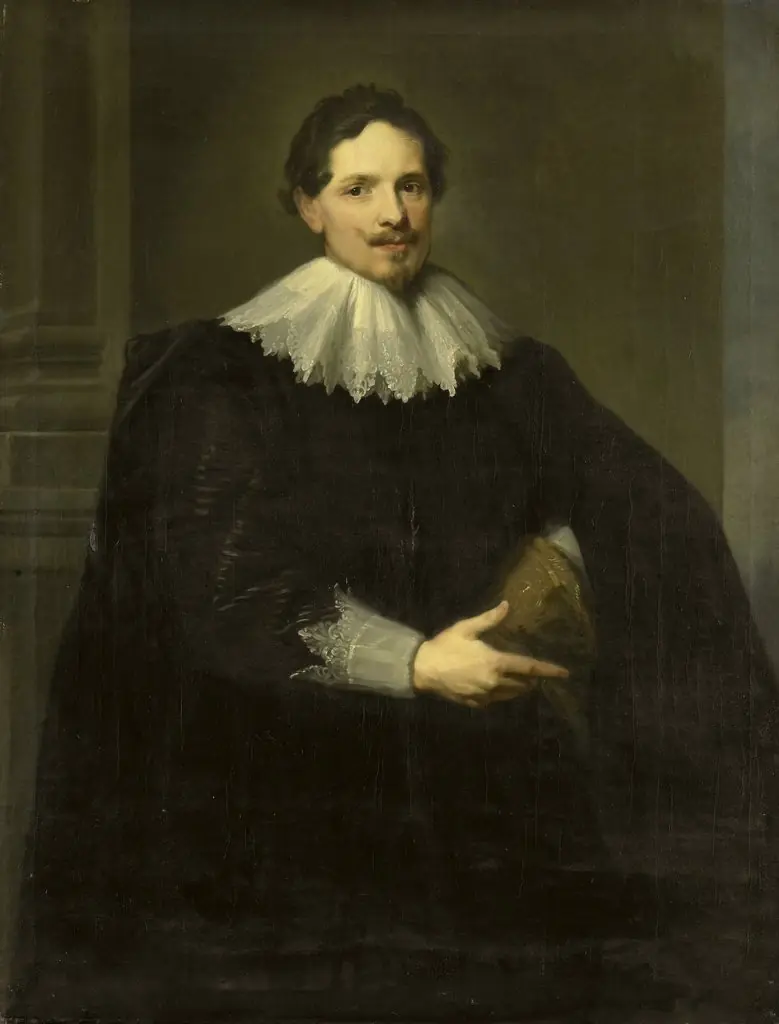 Sebastiaan Leerse, Antwerp Merchant
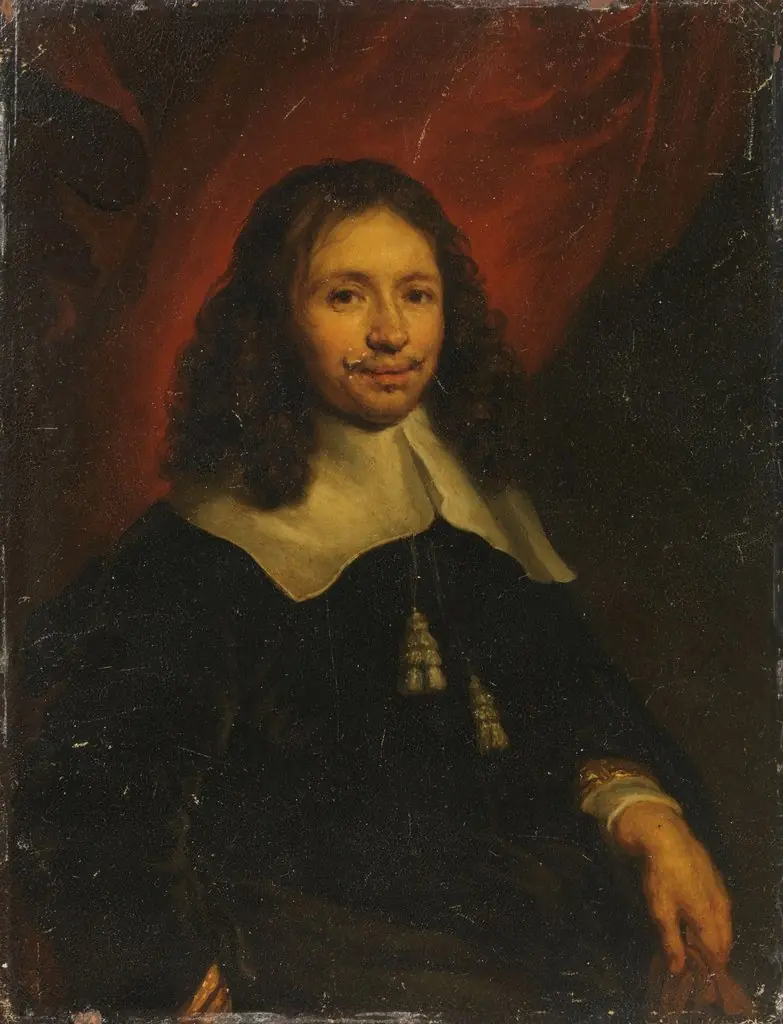 Dionijs Wijnands (1628-73). Amsterdam merchant
 Portrait of Pieter Corneliszoon Hooft, Bailiff of Muiden, Historian and Poet