Artwork
Dionijs Wijnands (1628-73). Amsterdam merchant
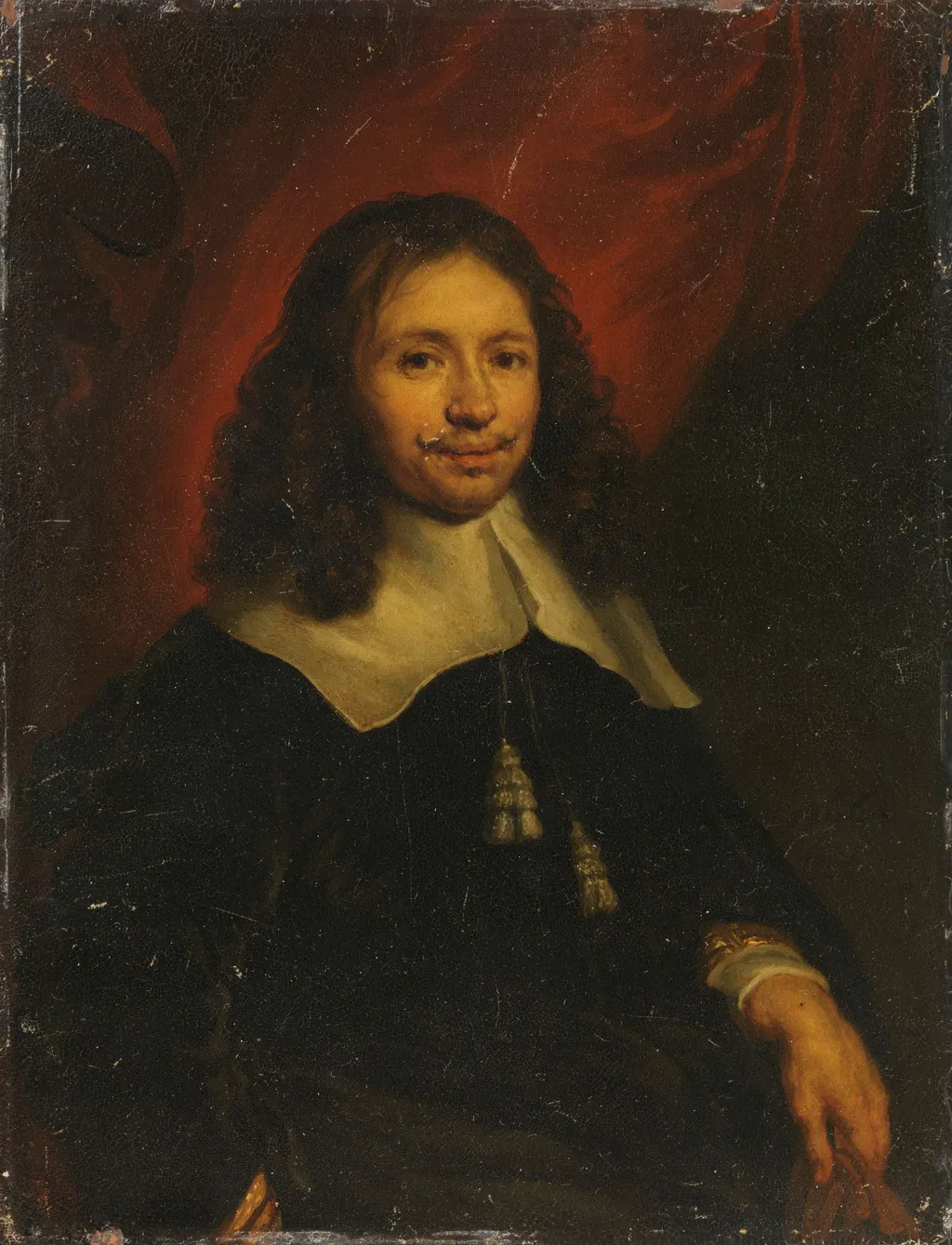
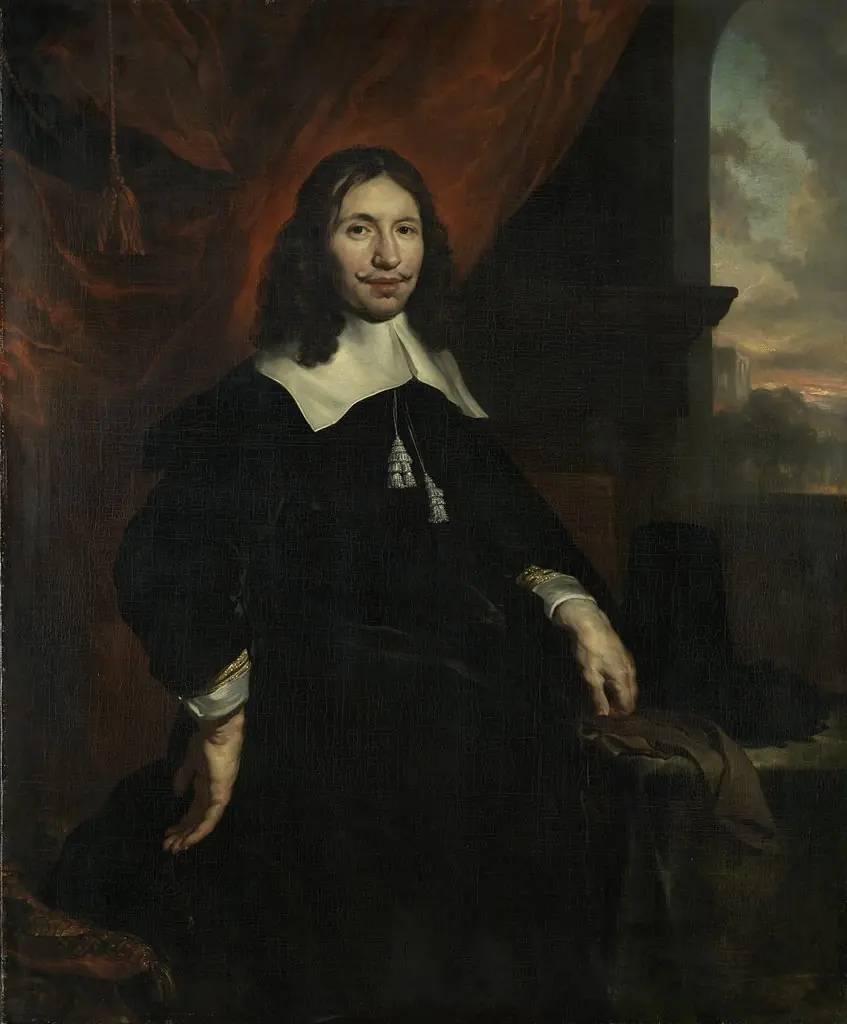
Dionijs Wijnands (1628-73). Amsterdam merchant is an oil painting by the Dutch Golden Age artist Jan van Noordt. It dates from 1664 and is held in the collection of the Rijksmuseum.
About this work
Overview
Jan van Noordt’s 1664 portrait on copper depicts Dionijs Wijnands, an Amsterdam merchant born in 1628. The work measures roughly a modest size for a copper panel and is part of the Rijksmuseum’s collection. It presents the sitter in a three‑quarter view, illuminated against a dark backdrop that emphasizes his facial features.
Subject & Meaning
Wijnands is shown wearing a dark coat trimmed with a white collar, his hair loose and dark, and a modest mustache framing his mouth. His left hand is partially visible, holding a small object that may allude to his commercial activity, while the subdued expression conveys the sober dignity typical of 17th‑century Dutch mercantile portraiture.
Technique & Style
The artist employs chiaroscuro, using stark contrasts of light and shadow to model the face and coat. The copper support allows for fine detail and a luminous surface, while the red glow behind the head adds a subtle atmospheric effect. This handling of light creates a three‑dimensional presence within a largely dark field.
History & Provenance
Created in 1664, the portrait entered the Rijksmuseum’s holdings as part of its Dutch Golden Age collection, though earlier ownership records are sparse. The work has remained in public view, serving as a representative example of van Noordt’s portrait practice and of the material preference for copper panels among some Dutch artists of the period.
Context
During the mid‑1600s Amsterdam’s merchant class commissioned portraits to assert social status and professional identity.
During the mid‑1600s Amsterdam’s merchant class commissioned portraits to assert social status and professional identity. Van Noordt, active in the city, catered to this market, producing works that combined realistic detail with the dramatic lighting favored by contemporaries such as Rembrandt. The painting reflects both personal commemoration and broader cultural values of wealth, modesty, and civic pride.
Artist & collection
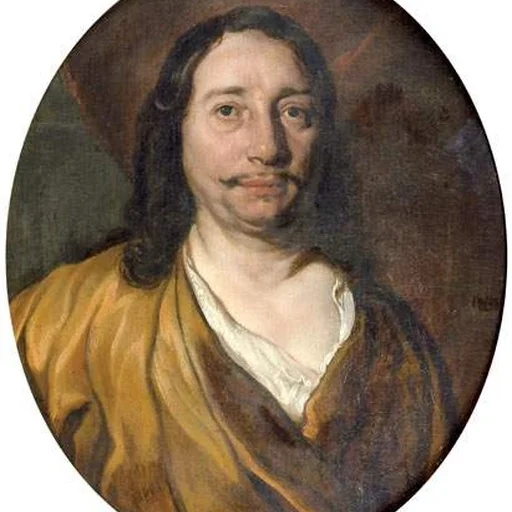

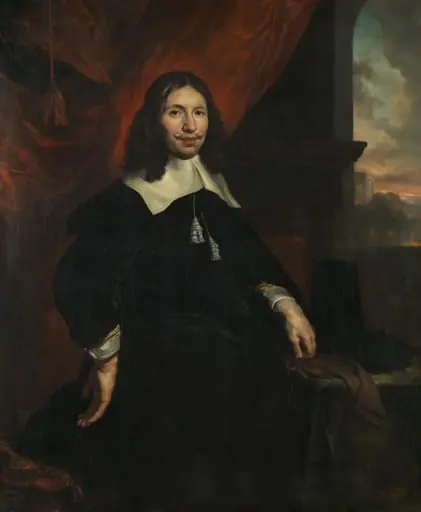
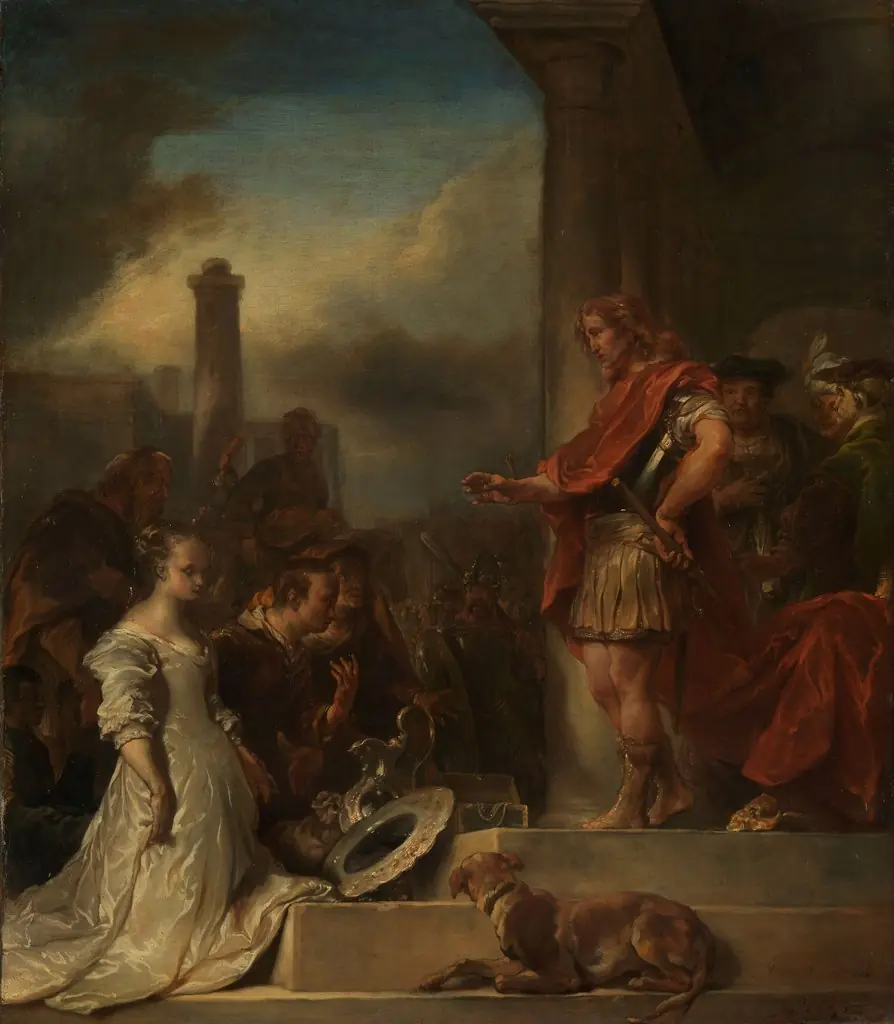
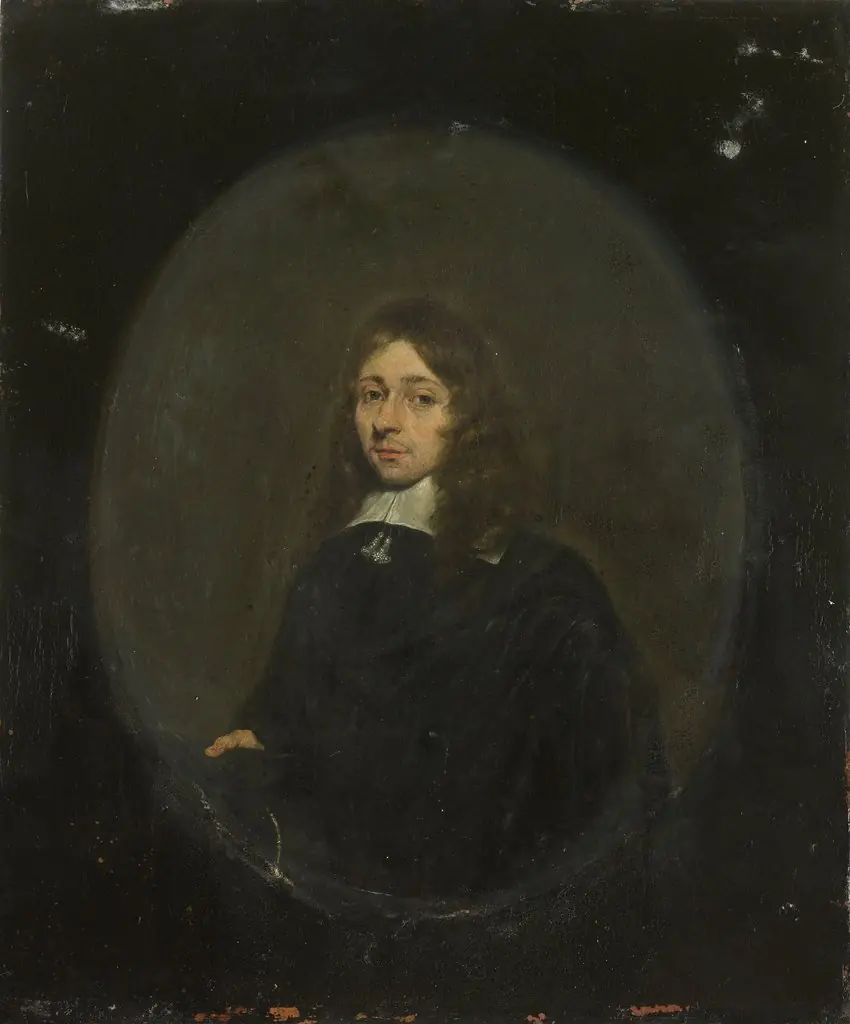 Portrait of a man
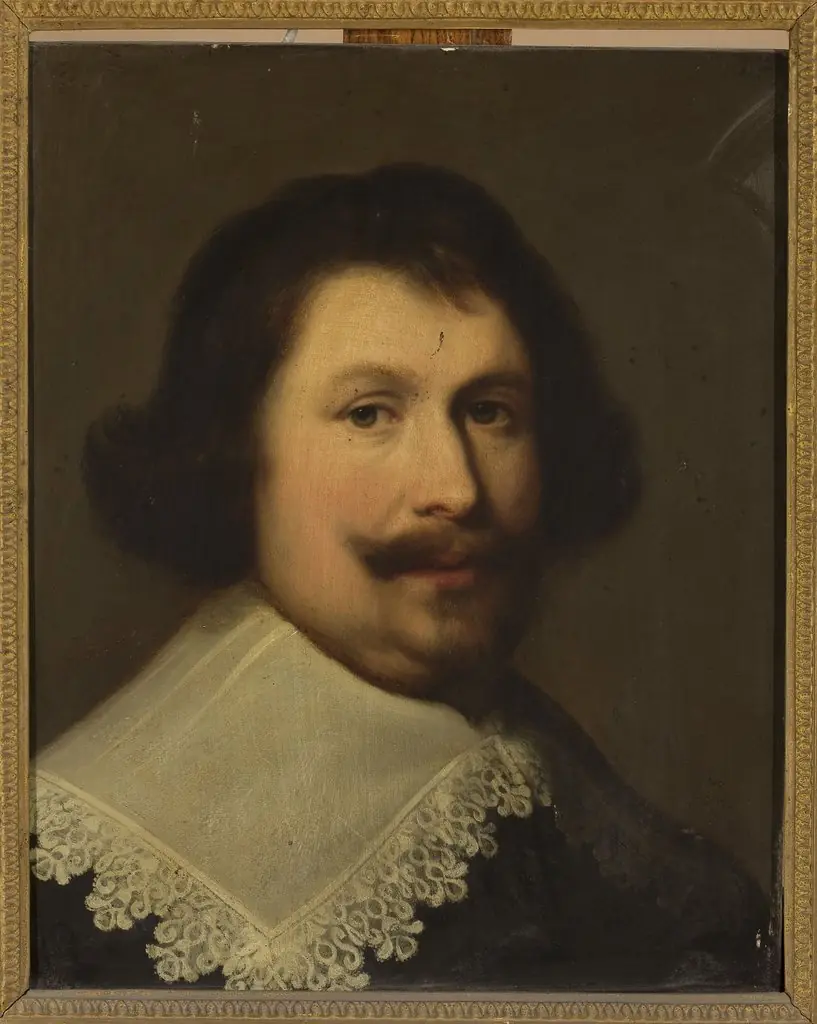 Portrait of a nobleman
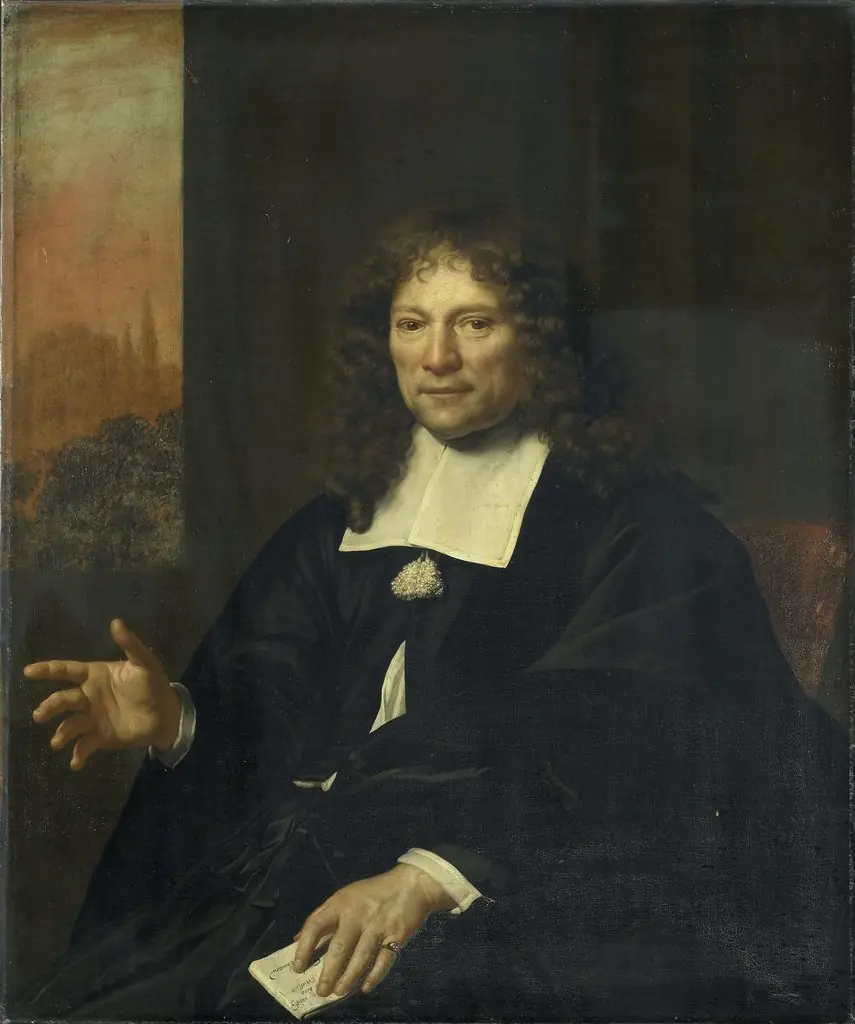 Portrait of Daniel Nellius, elder of the Remonstrant church and sampling official of Alkmaar
 Portrait of Daniel Niellius. Elder of the Remonstrant Church and Sampling Official of Alkmaar
![Portrait of a Gentleman [possibly Jacob van Campen], by Thomas de Keyser](https://artifactworldgallery.com/img/thomas-de-keyser--portrait-of-a-gentleman-possibly-jacob-van-campen--d0c829ca95efaf31-w320.webp) Portrait of a Gentleman [possibly Jacob van Campen]
Portrait of a Gentleman [possibly Jacob van Campen]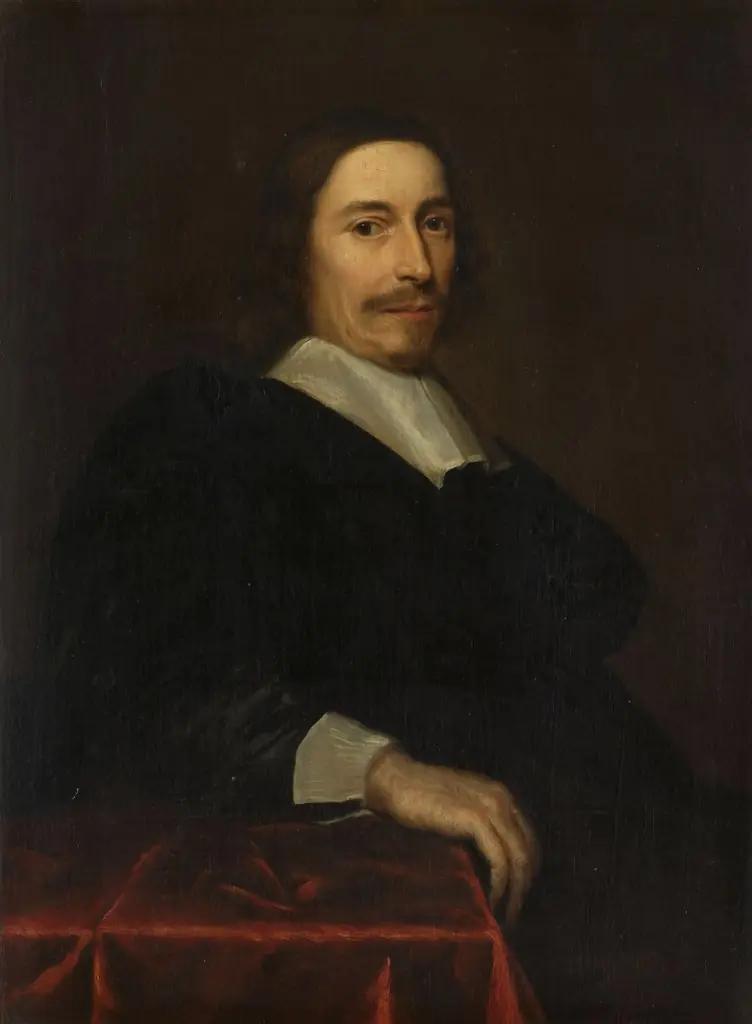 Jacob de Witt (1589-1674)
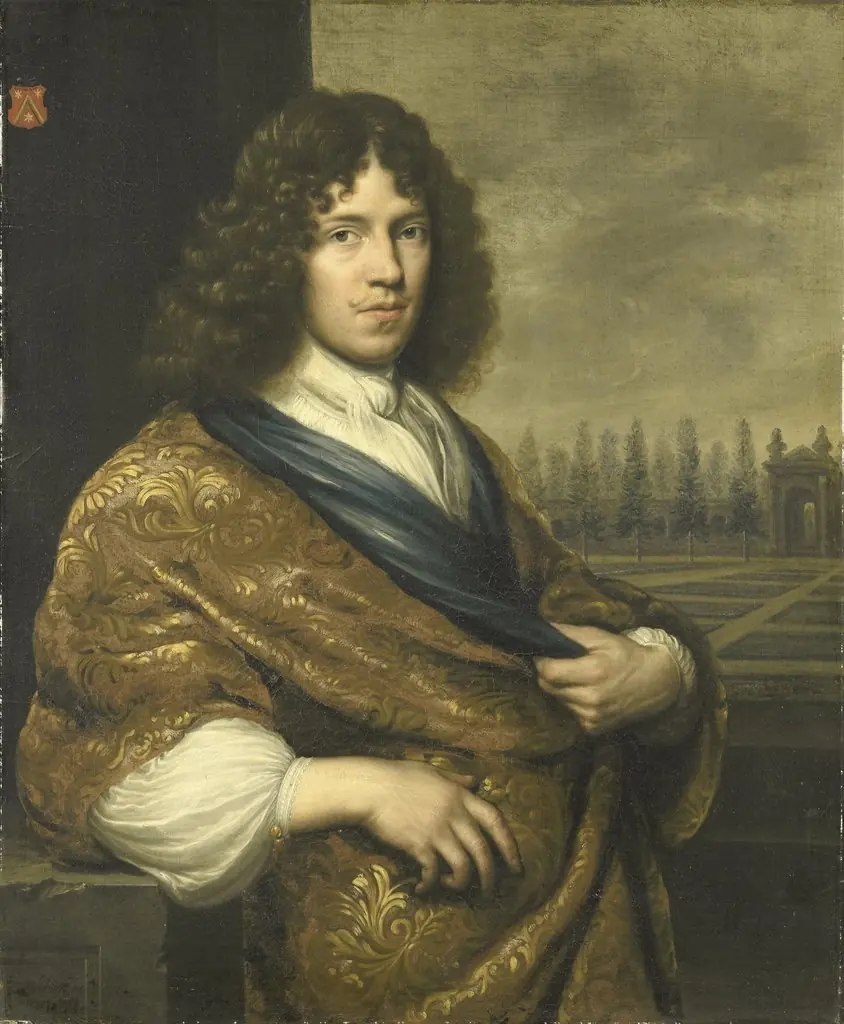 François Leidecker (1650-1718), Auditor General of Zeeland
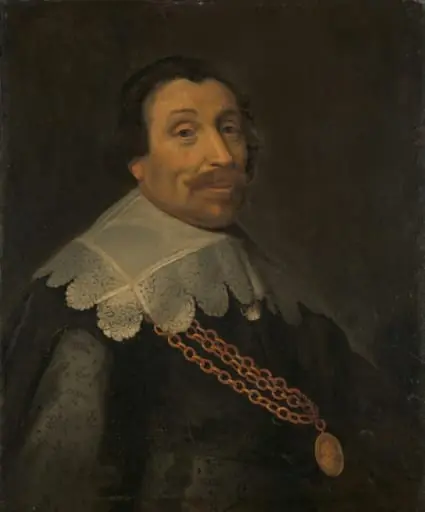 Untitled