Artwork
Dionijs Wijnands (1628-73). Amsterdam merchant, son of Hendrick Wijnands and Aeltje Denijs
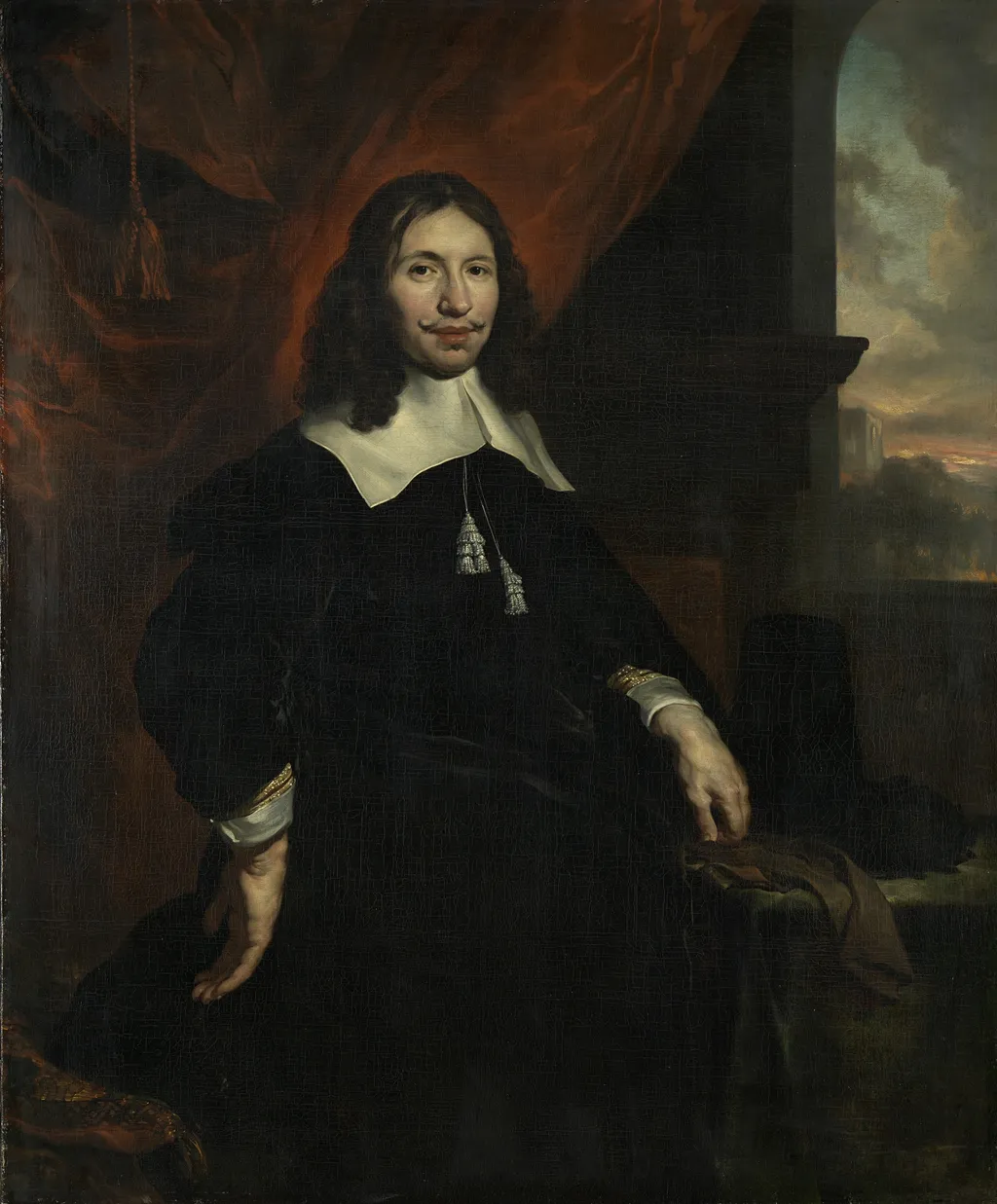
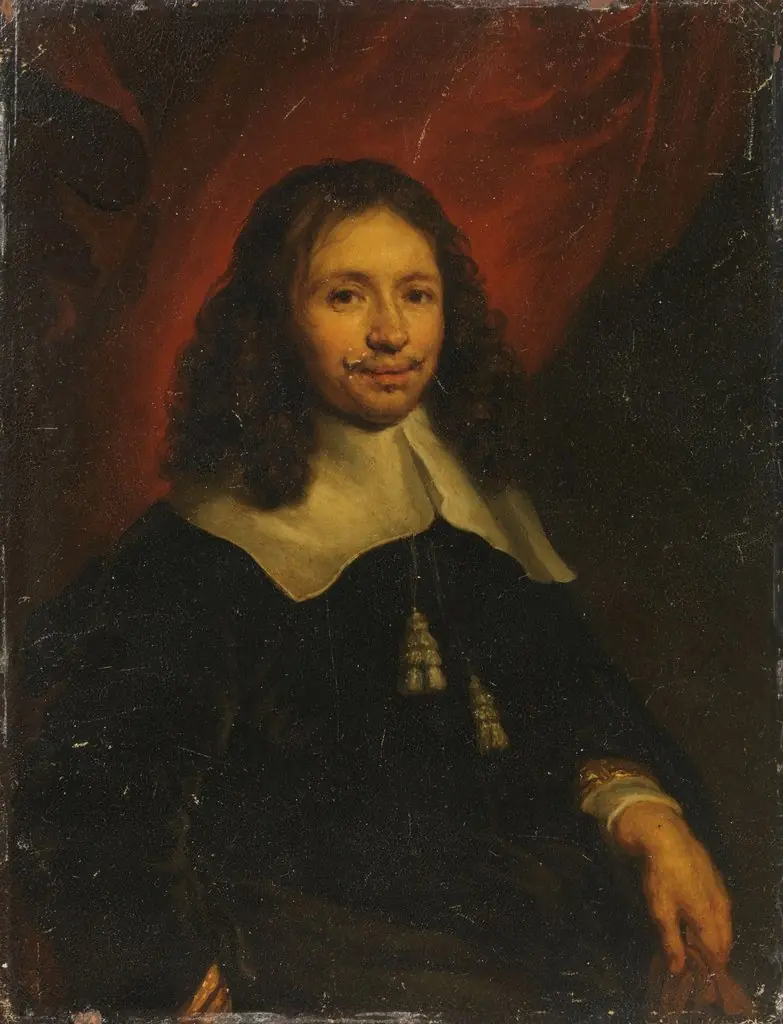
Dionijs Wijnands (1628-73). Amsterdam merchant, son of Hendrick Wijnands and Aeltje Denijs is an oil painting by the Dutch Golden Age artist Jan van Noordt. It dates from 1664 and is held in the collection of the Rijksmuseum.
About this work
Overview
Jan van Noordt’s 1664 oil portrait depicts Dionijs Wijnands, a mid‑17th‑century Amsterdam merchant. The sitter stands in a dark coat with a crisp white collar, one hand resting on a low ledge, while a muted landscape with a bridge and water appears behind a heavy curtain. The composition balances the figure’s solemn presence with a subdued background, emphasizing his status and demeanor.
Subject & Meaning
The work presents Wijnands as a respectable member of the mercantile class, his neatly trimmed mustache, silver cuff, and chain signifying wealth and social standing. The restrained pose and sober attire reflect the Protestant ethic of modesty combined with subtle markers of prosperity, typical of Dutch portraiture that aimed to convey both personal virtue and economic success.
Technique & Style
Van Noordt employs chiaroscuro, using deep shadows to isolate the sitter’s face and illuminate his features against the dark backdrop. The contrast between the illuminated collar and the somber curtain creates a three‑dimensional effect, while the delicate handling of light on the silver accessories demonstrates the artist’s skill in rendering material texture within a restrained palette.
History & Provenance
Created in 1664, the portrait entered the Rijksmuseum’s collection as part of its Dutch Golden Age holdings. The painting’s documented provenance traces back to the Wijnands family, confirming its authenticity and providing insight into the patronage networks of Amsterdam’s commercial elite during the mid‑17th century.
Context
The portrait belongs to a period when Amsterdam’s booming trade fostered a market for personal likenesses among merchants. Artists like van Noordt catered to this demand, producing works that combined realistic detail with moral undertones, reflecting the city’s blend of wealth, civic pride, and Protestant values.
Own this work as a print
Artist & collection

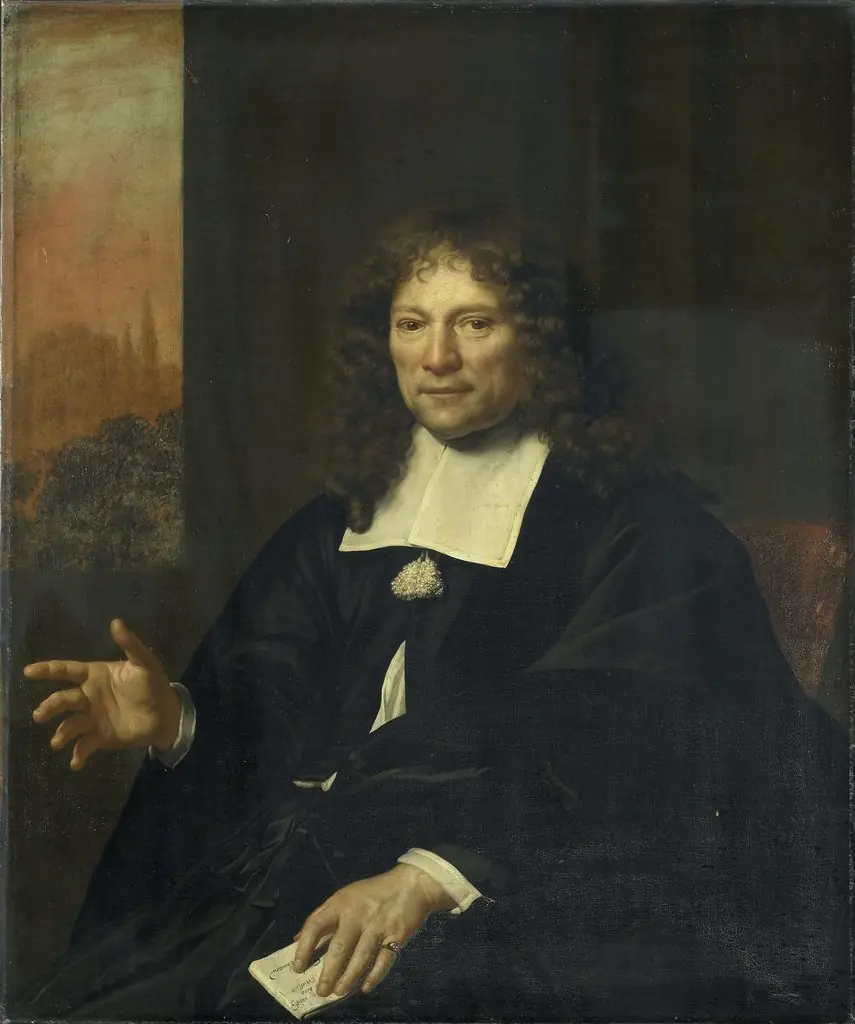 Portrait of Daniel Nellius, elder of the Remonstrant church and sampling official of Alkmaar
 Portrait of Daniel Niellius. Elder of the Remonstrant Church and Sampling Official of Alkmaar
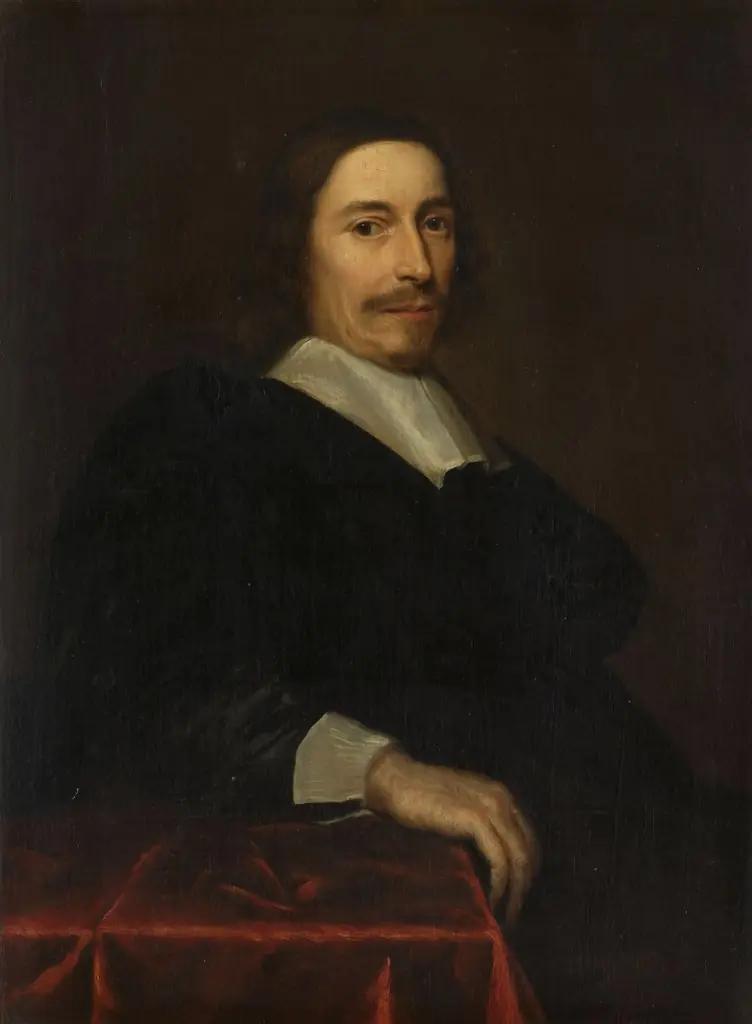 Jacob de Witt (1589-1674)
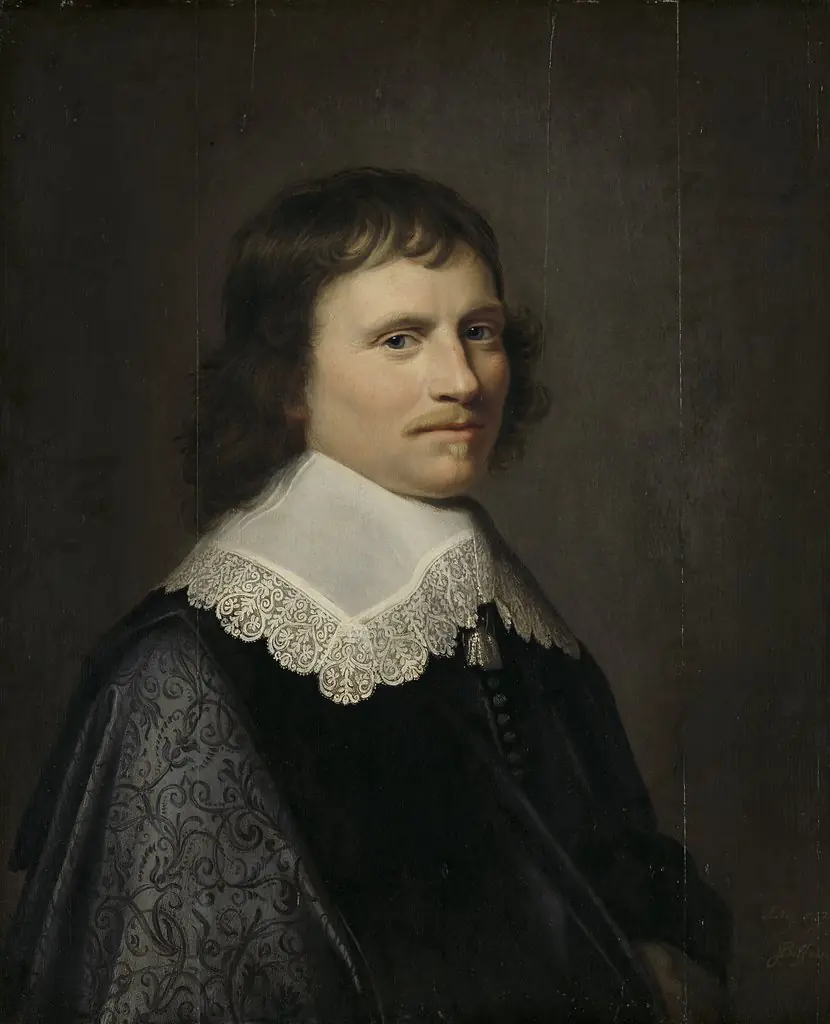 Portrait of a man, thought to be Salomon van Schoonhoven (1617-53), lord lieutenant of Putten
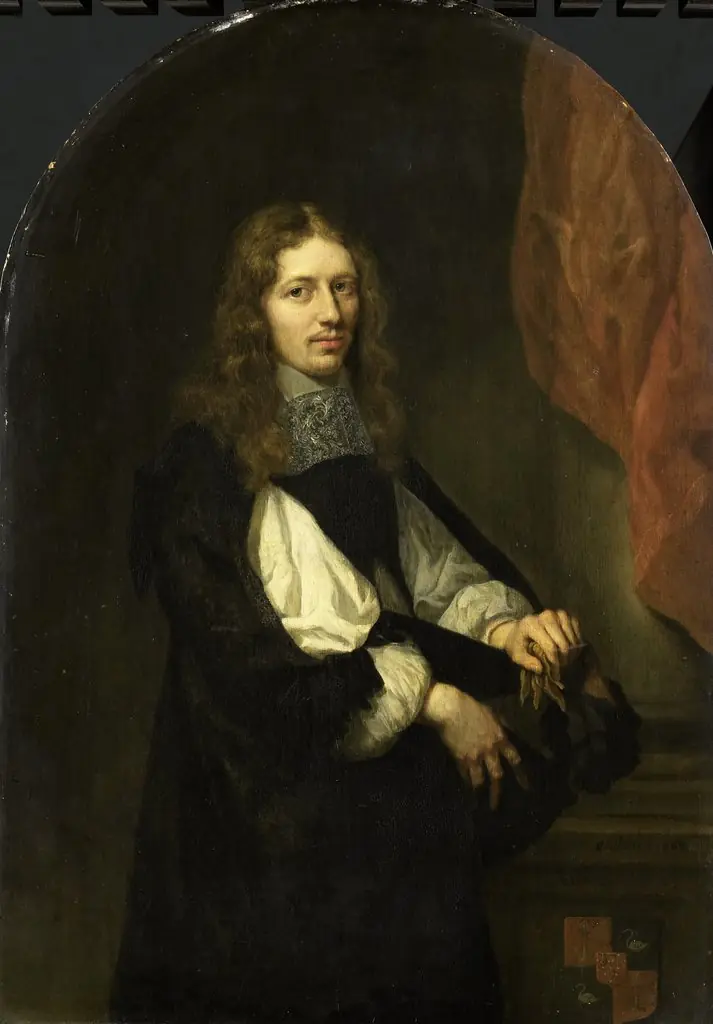 Portrait of Pieter de Graeff (1638-1707), lord of Zuid-Polsbroek, Purmerland, and Ilpendam. Alderman of Amsterdam
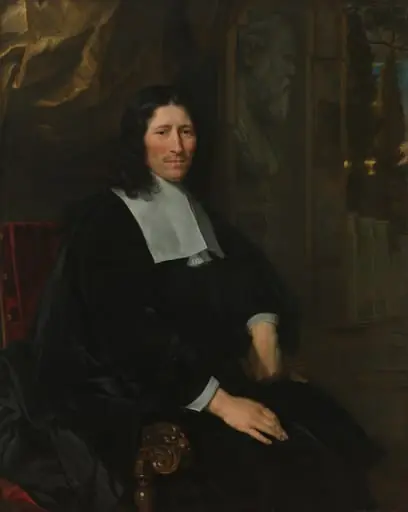 Portrait of Pieter de la Court
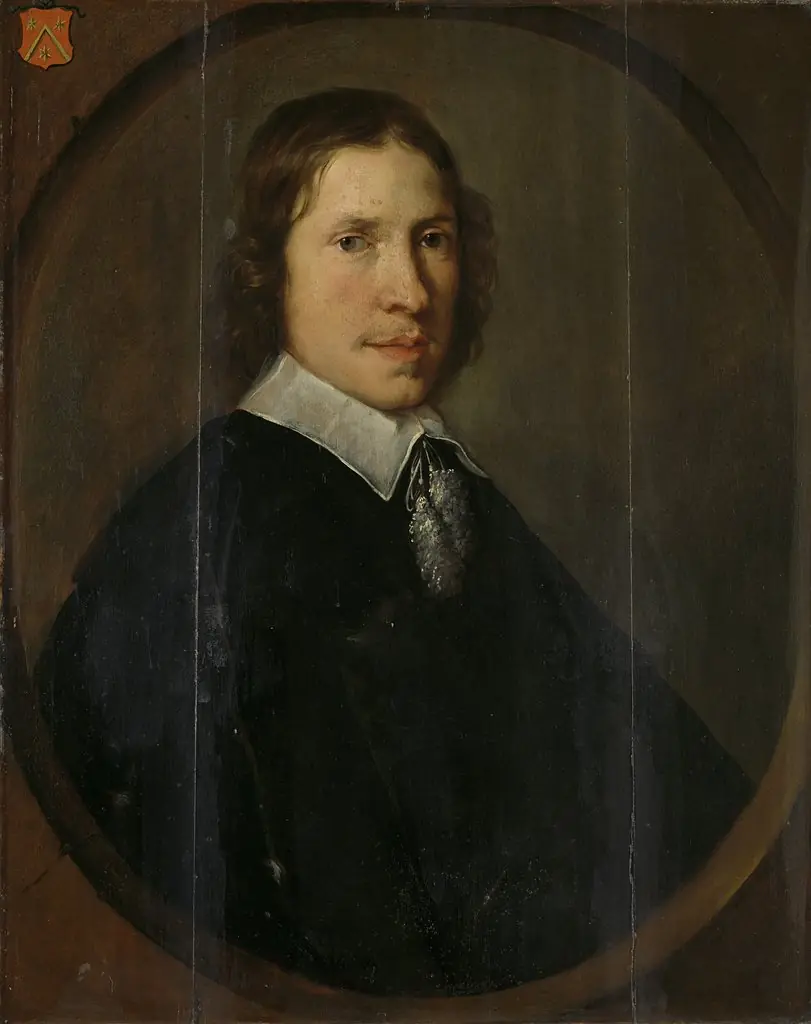 François Leydecker (1626-88). Burgomaster of Tholen