Artwork
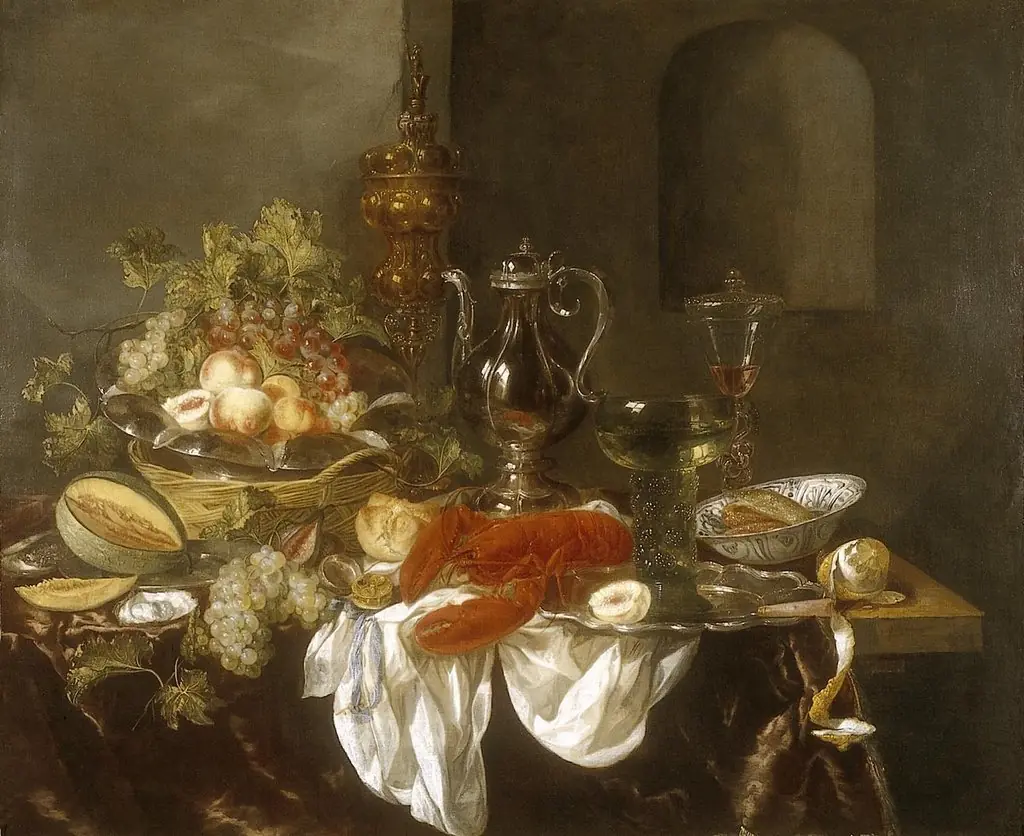
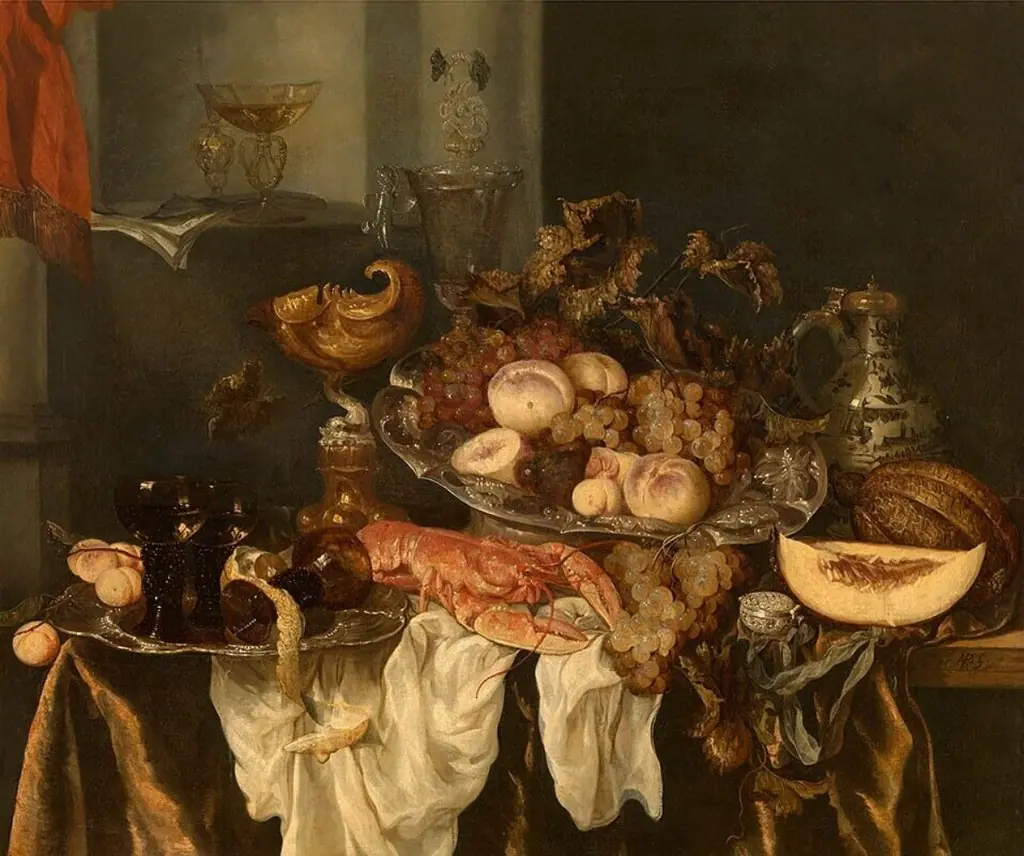
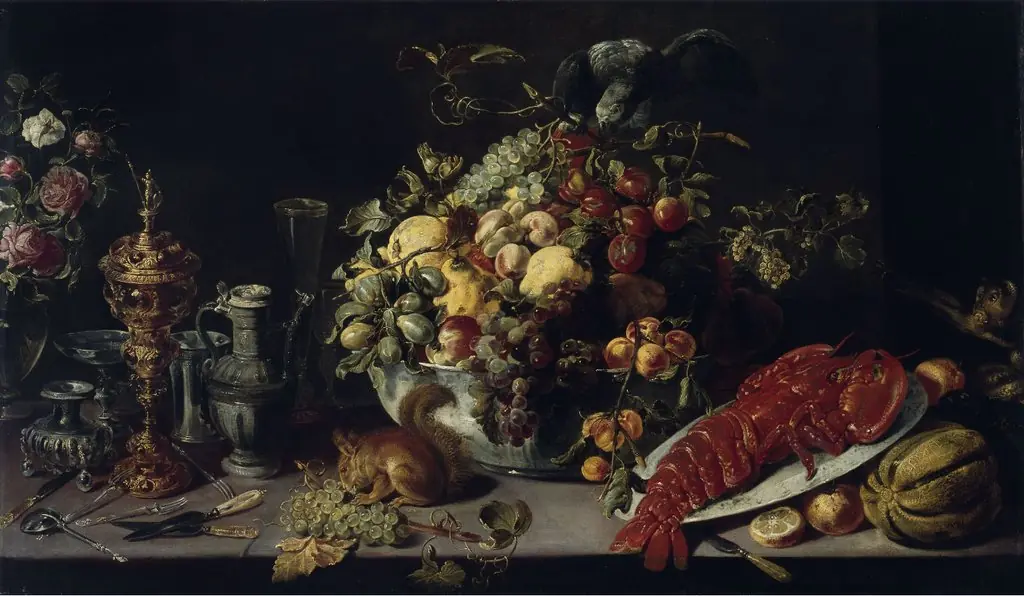
Stillleben mit Hummer und grosser Zinnkanne
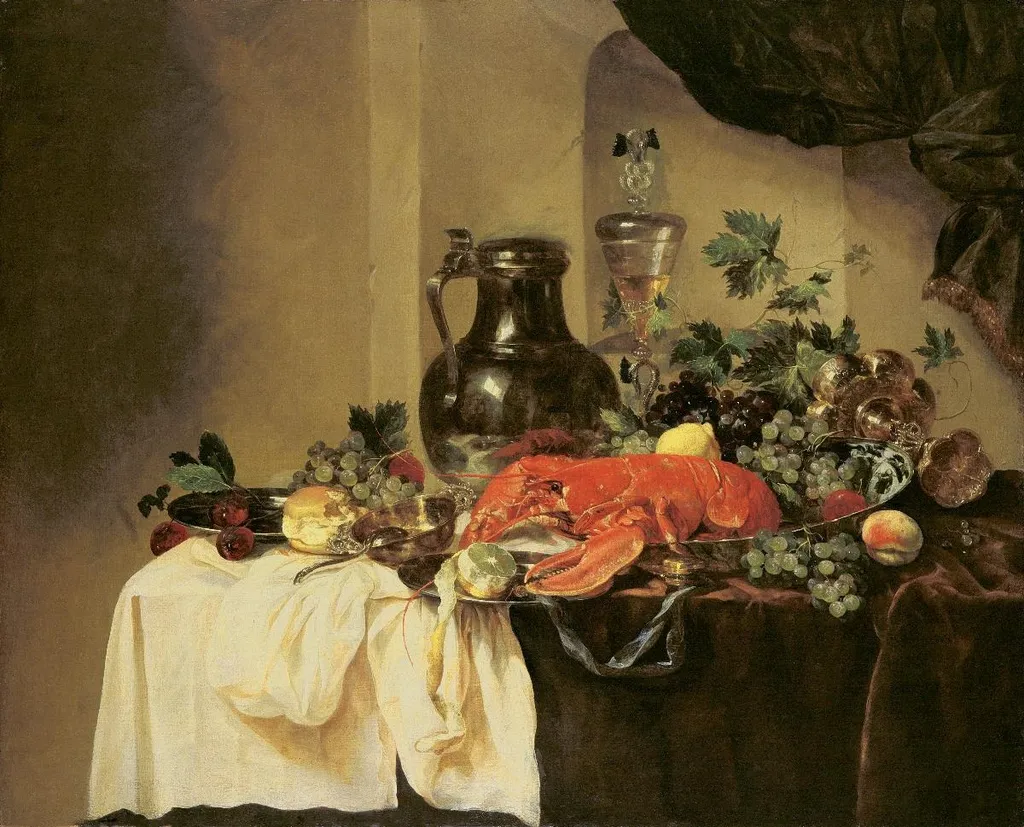
Stillleben mit Hummer und grosser Zinnkanne is an oil painting by the Dutch Golden Age artist Abraham van Beijeren. It dates from 1647 and is held in the collection of the Kunsthaus Zürich.
About this work
Overview
Abraham van Beijeren painted this still life in 1647 during the Dutch Golden Age, a period marked by refined domestic imagery and economic prosperity.
Abraham van Beijeren painted this still life in 1647 during the Dutch Golden Age, a period marked by refined domestic imagery and economic prosperity. Though initially trained in marine subjects, he shifted focus to elaborate arrangements of food and luxury items. The work is part of a broader tradition of Dutch still life painting that sought to capture material abundance with precision and quiet dignity. It resides today in the Kunsthaus Zürich.
Subject & Meaning
The composition centers on a lobster and a large pewter jug, surrounded by grapes, peaches, and foliage. These elements reflect seasonal abundance and the wealth of trade networks, common themes in 17th-century Dutch still lifes. The lobster, a costly delicacy, and the heavy jug suggest affluence, while the fruit’s ripeness hints at transience. Together, they convey a contemplative balance between indulgence and impermanence.
Technique & Style
Van Beijeren employed fine brushwork to render textures with striking realism: the glossy shell of the lobster, the dull sheen of pewter, and the soft skin of fruit are each meticulously differentiated. Light falls naturally across the scene, creating subtle reflections and shadows that enhance depth. The white cloth drapes with quiet realism, anchoring the arrangement without distraction. His attention to surface qualities defines the painting’s quiet authority.
History & Provenance
The painting has remained in institutional hands since at least the 19th century, eventually entering the collection of the Kunsthaus Zürich. Its documented history is limited, but its stylistic consistency with van Beijeren’s known works from the 1640s supports its attribution. No major alterations or restorations are recorded, preserving its original surface and tonal harmony.
Context
This work emerged amid a flourishing market for still lifes in the Netherlands, where urban elites commissioned paintings that celebrated domestic wealth and global trade. Van Beijeren’s focus on seafood and metalware aligned with regional tastes, particularly in coastal cities. His compositions often included imported goods, subtly referencing the Dutch Republic’s mercantile reach and colonial connections.
Legacy
Van Beijeren’s still lifes contributed to the evolution of the genre by emphasizing tactile realism over symbolic allegory. While less celebrated than contemporaries like Willem Kalf, his precise handling of light and material influenced later Dutch painters. His work remains a reference point for understanding how everyday objects were elevated through careful observation and technical discipline in 17th-century Dutch art.
Artist & collection
Artist
Abraham Hendriksz van Beijeren or Abraham van Beyeren (c. 1620, The Hague – March 1690, Overschie (Rotterdam)) was a Dutch Baroque painter of still lifes. Little recognized in his day and initially active as a marine…

 Still Life with Lobster and Fruit
 Still life with fruit, roast, silver- and glassware, porcelain and columbine cup on a dark tablecloth with white serviette
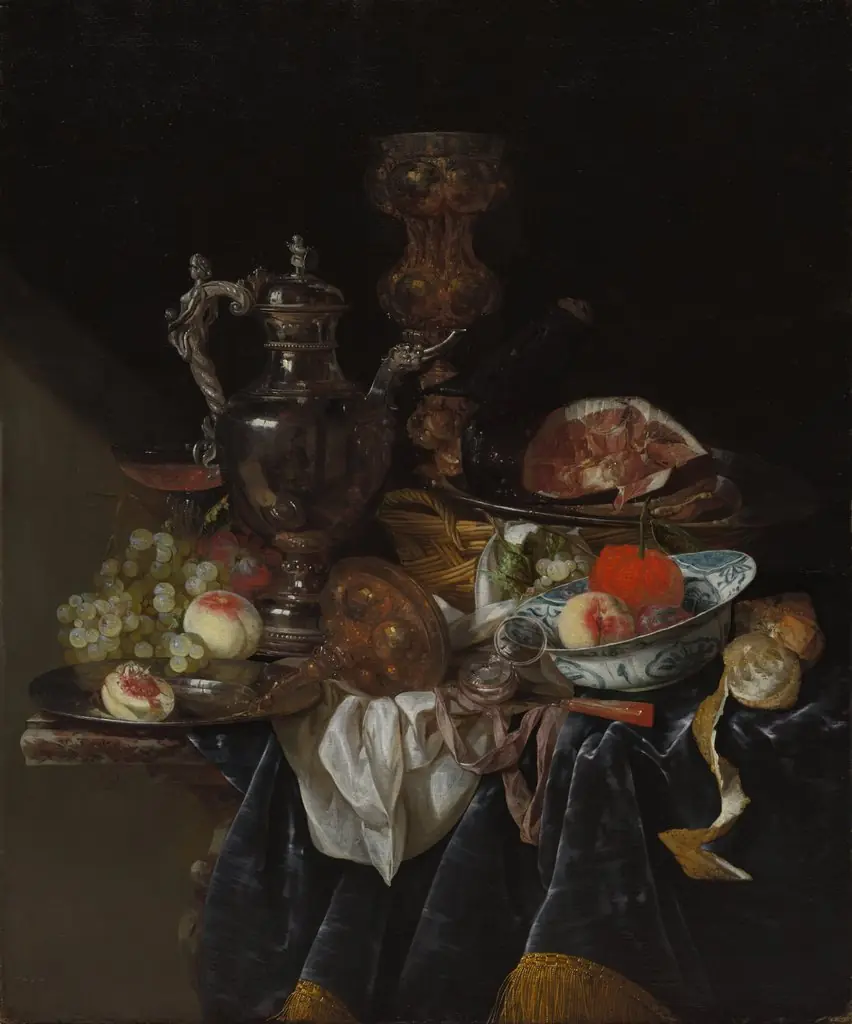 Silver Wine Jug, Ham, and Fruit
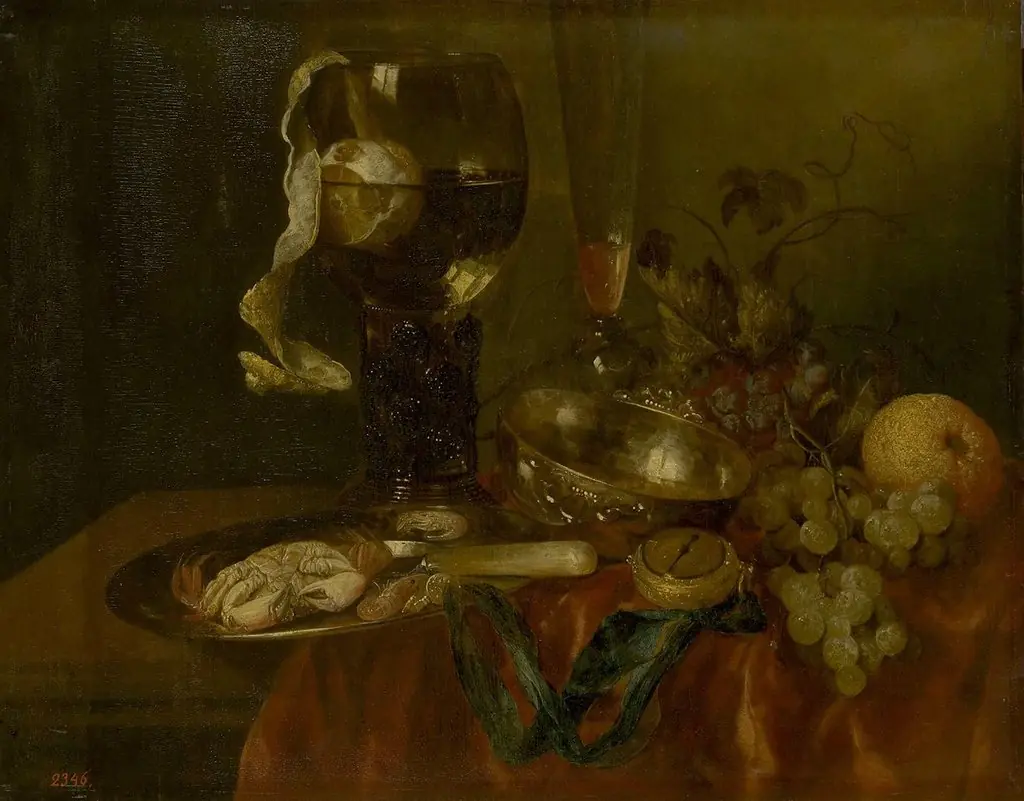 Snack (Still Life with Crab, Fruit and Clock)
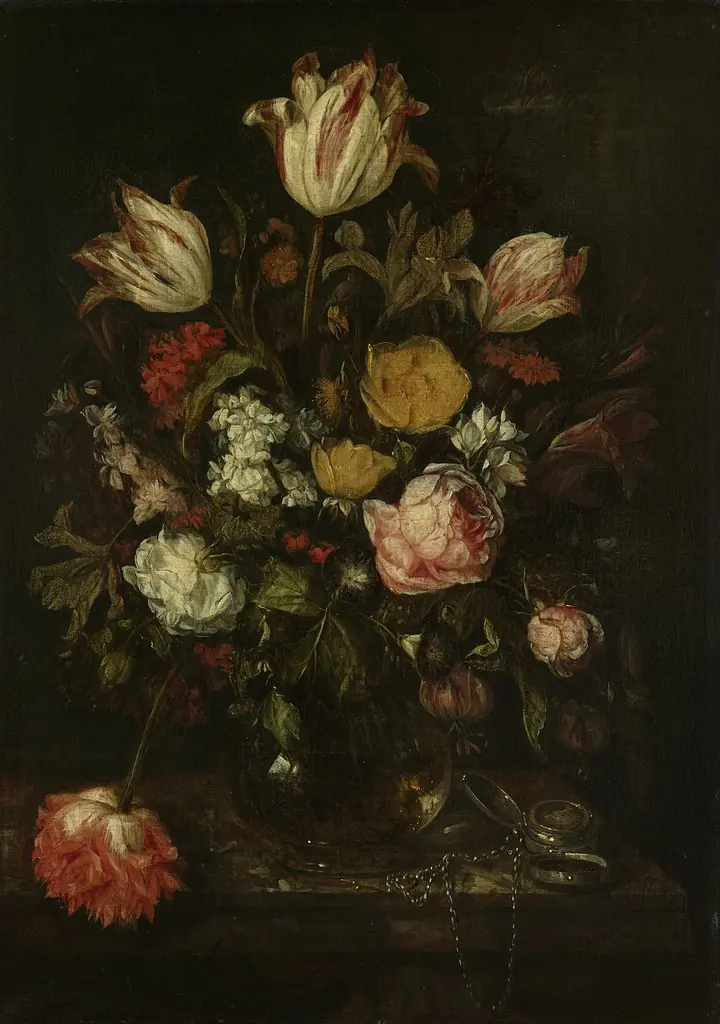 Still life with flowers
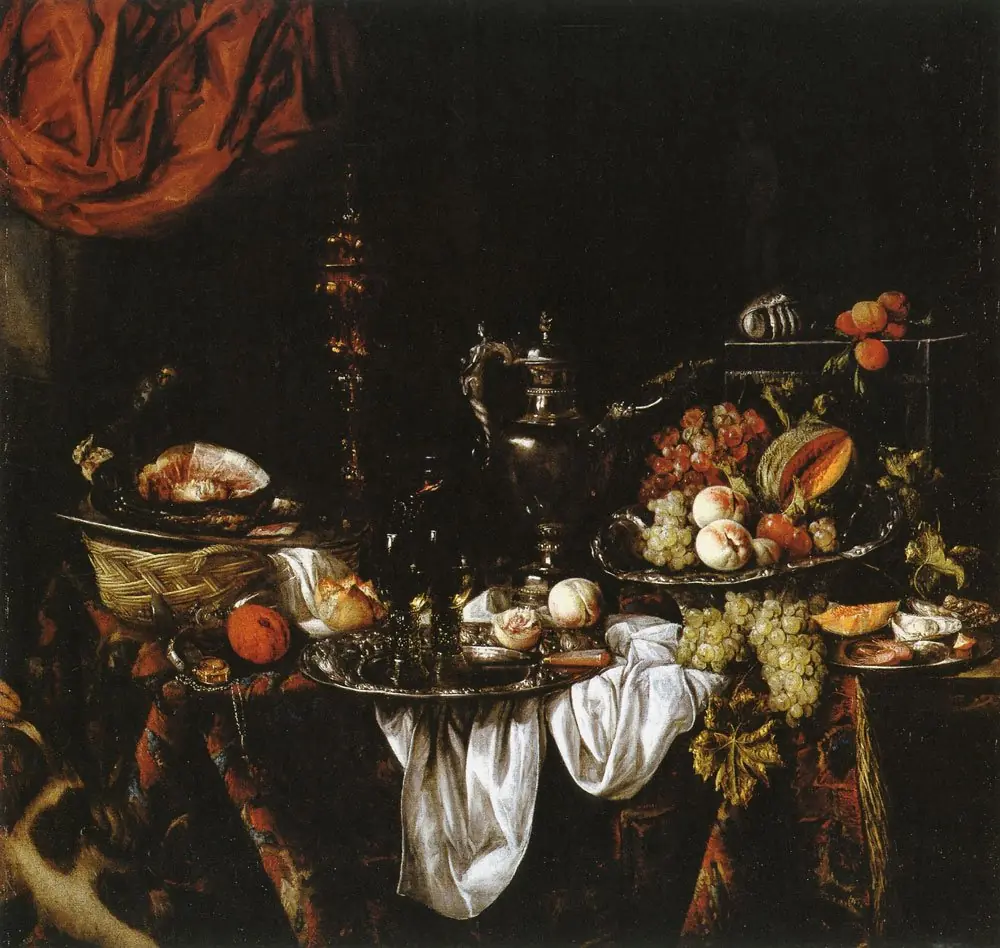 Still life on a draped table with a sculpture of Venus in a niche behind a curtain
 still-life
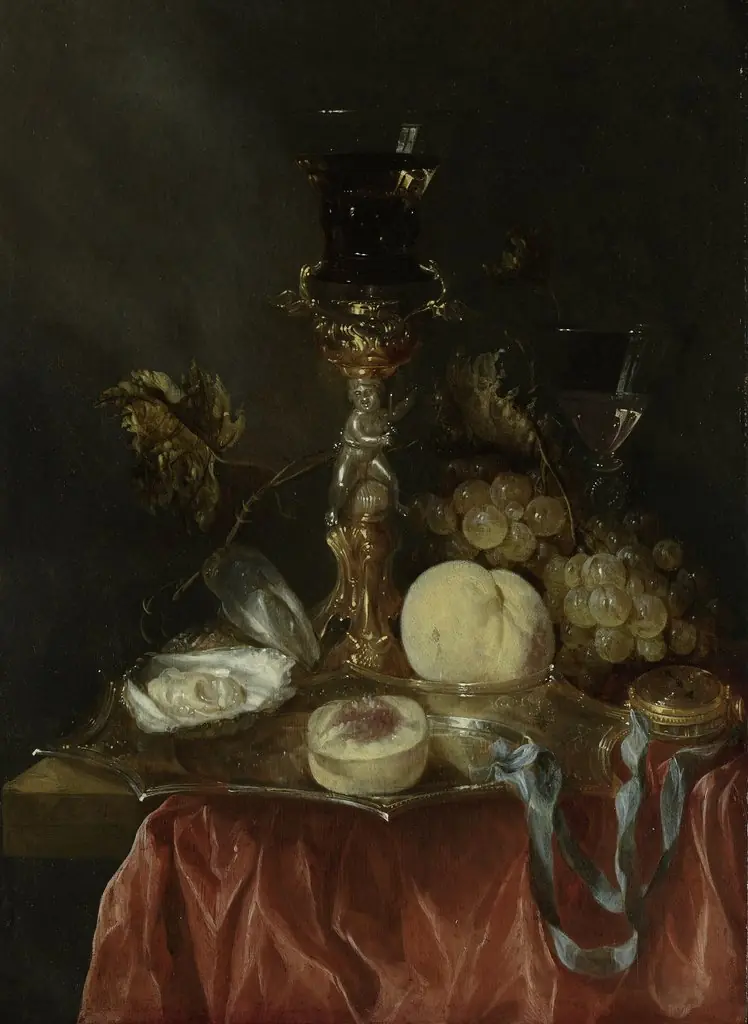 Still Life with Silver-gilt Bekerschroef with Roemer
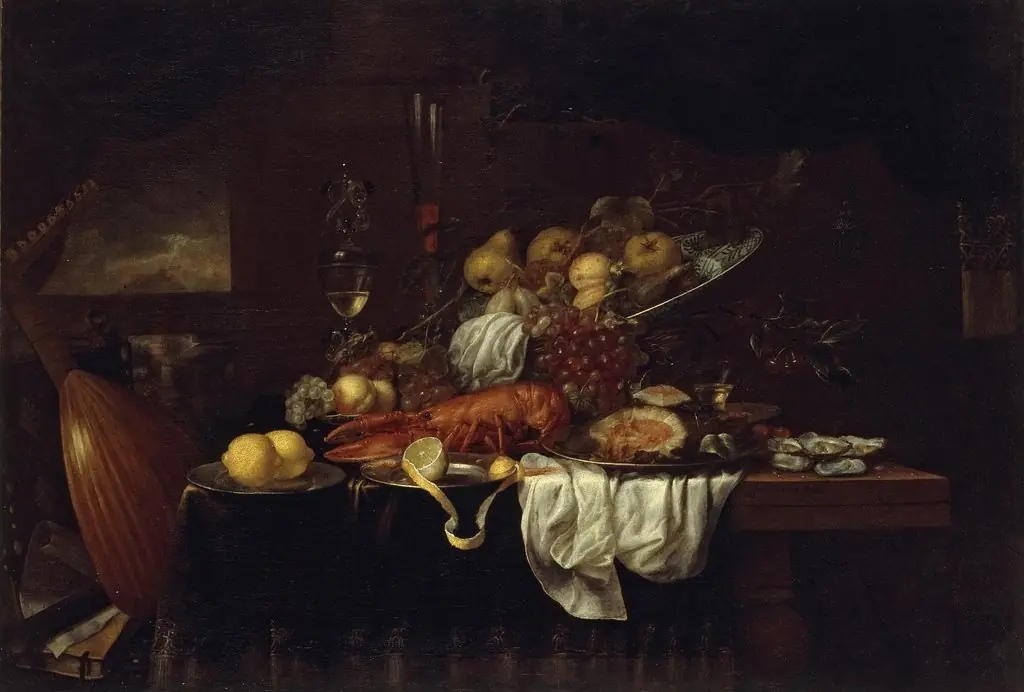 Lobster, Oysters and Fruits on the Table
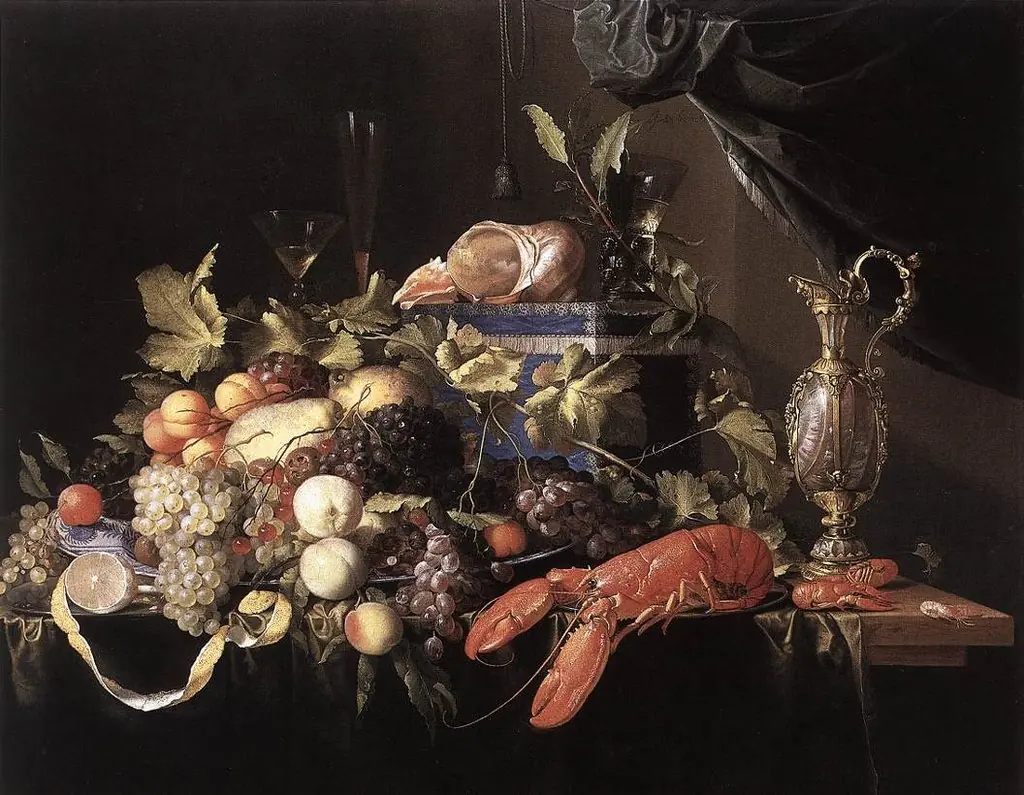 Still Life with Fruit and Lobster
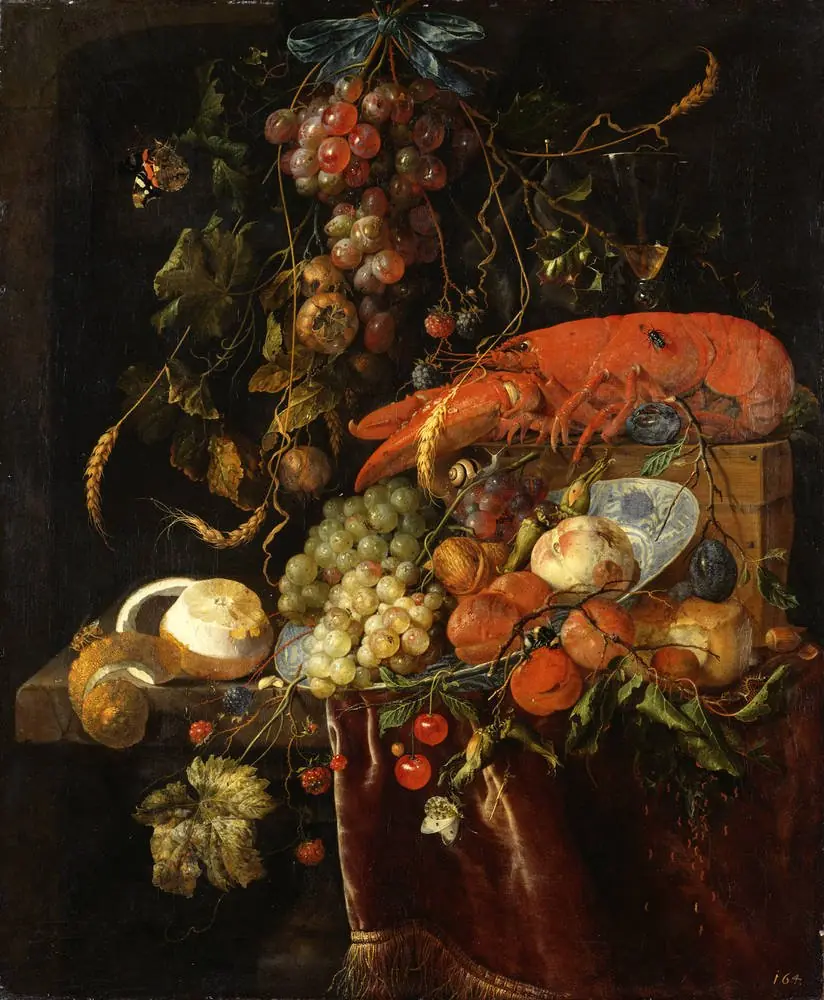 Still Life with a Lobster
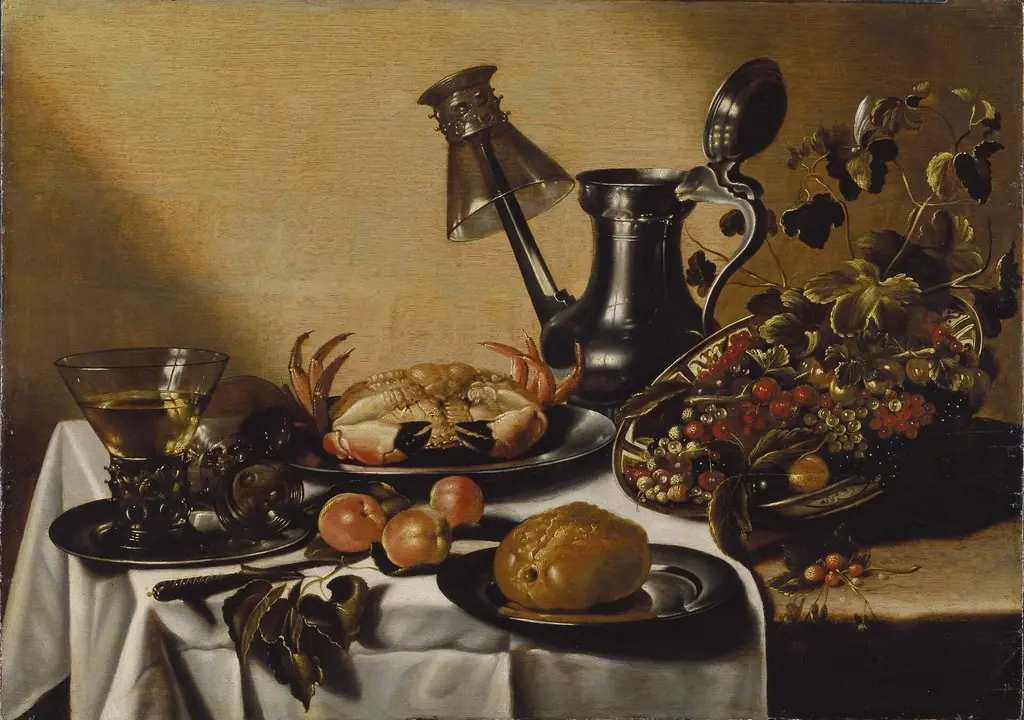 Still Life with Crab and Fruit
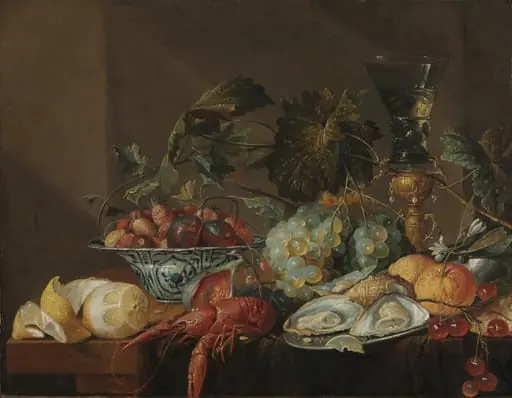 Still-Life with Crayfish, Oysters, and Fruit
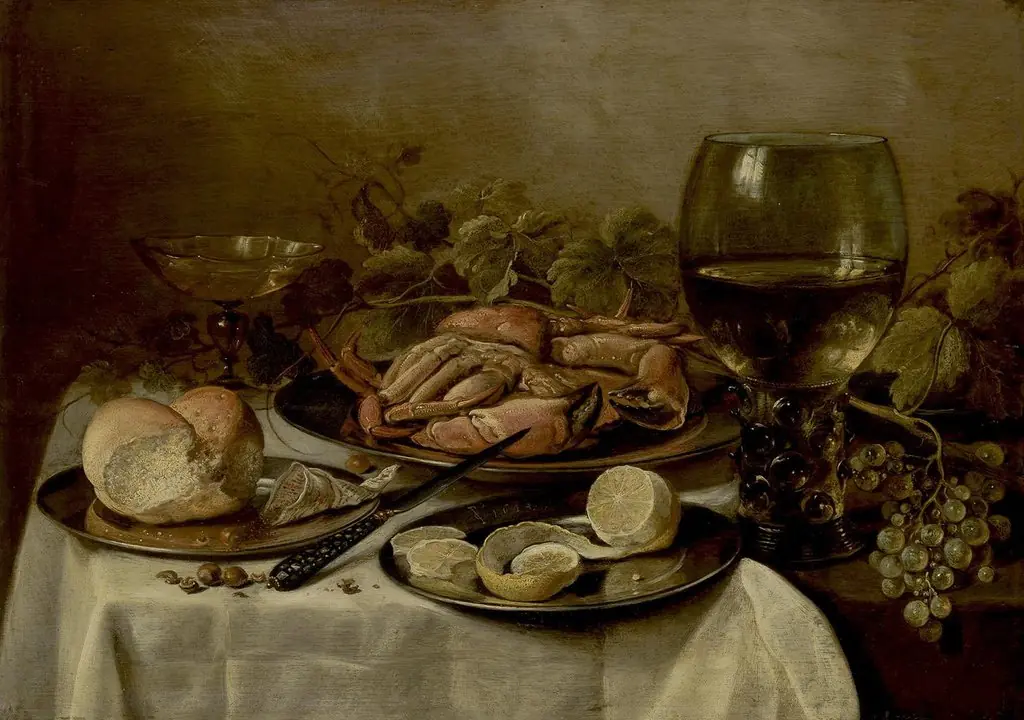 Still Life with Crab, Rummer and Grape
 Still Life.
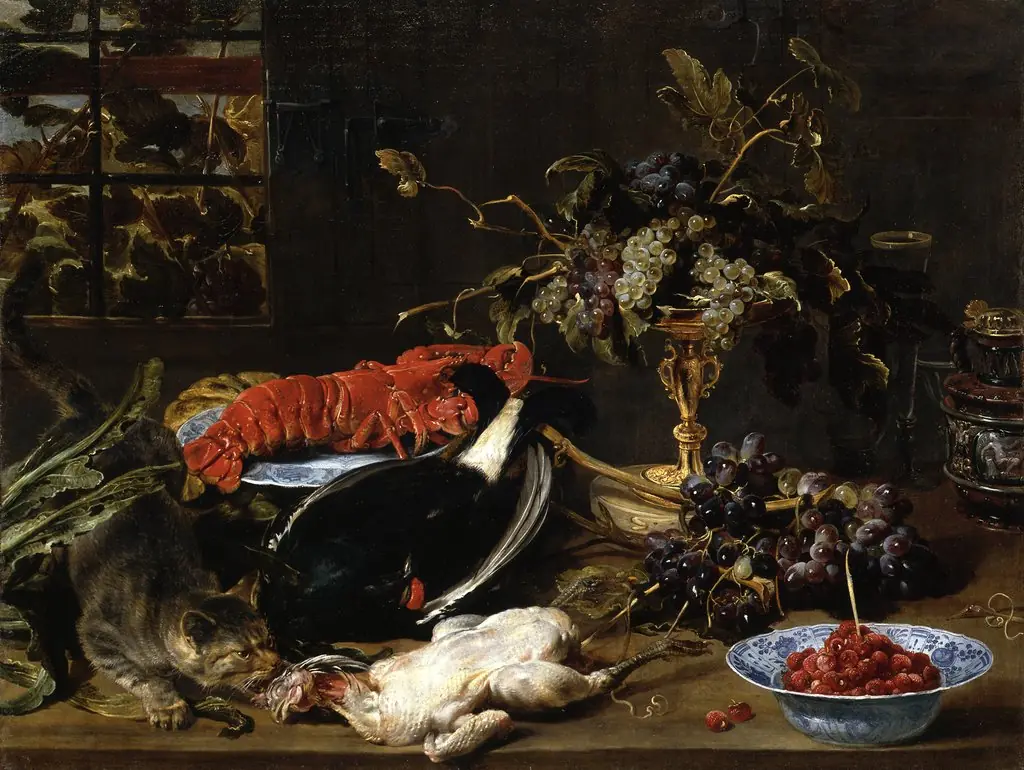 Still Life with Lobster and Fruits
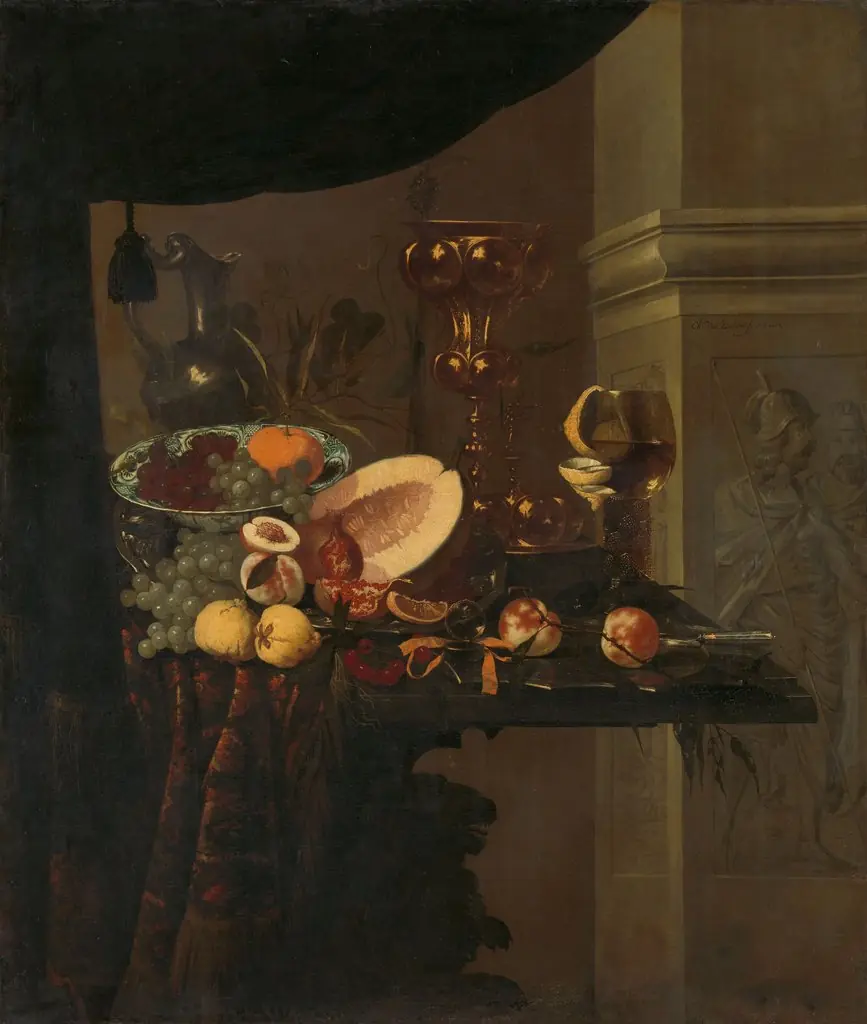 Still Life
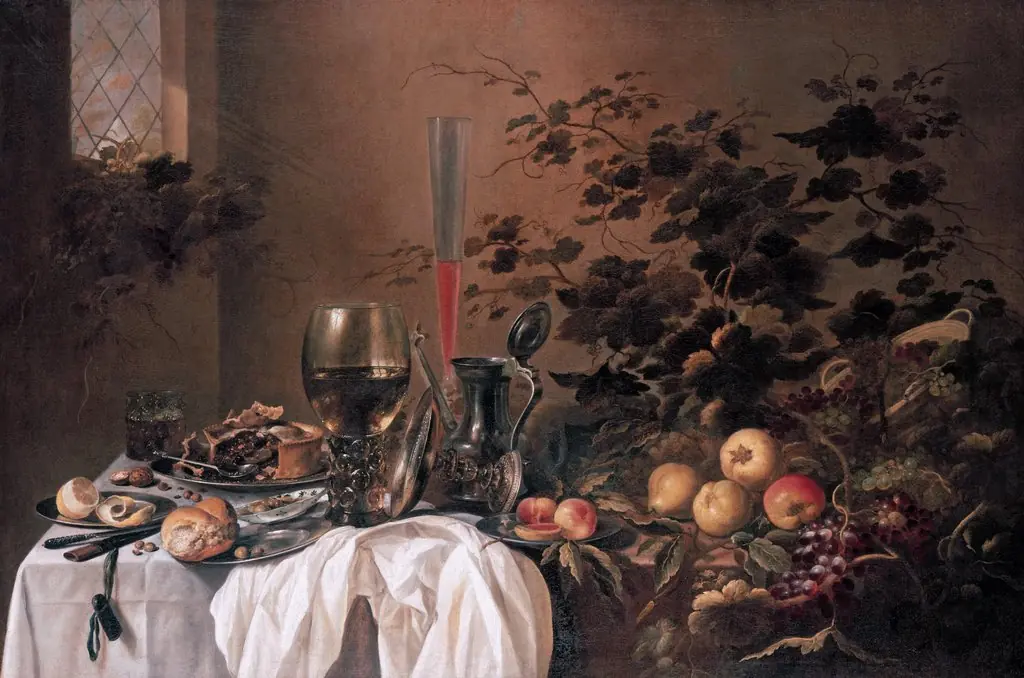 Still life with tumblers and fruit
 A Banquet Piece