Artwork
The Last Communion of St Francis of Assisi
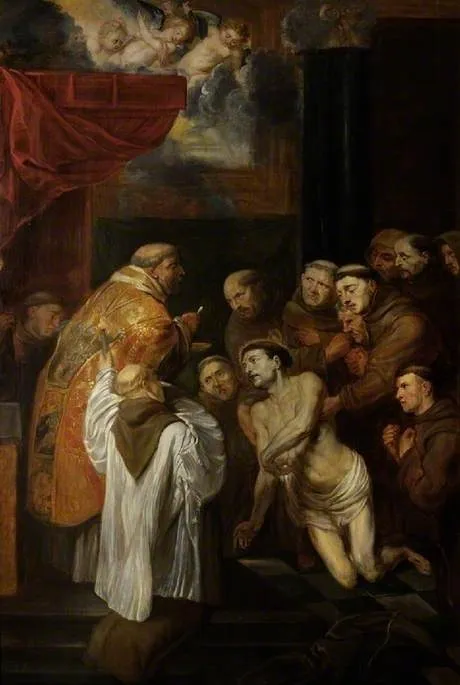
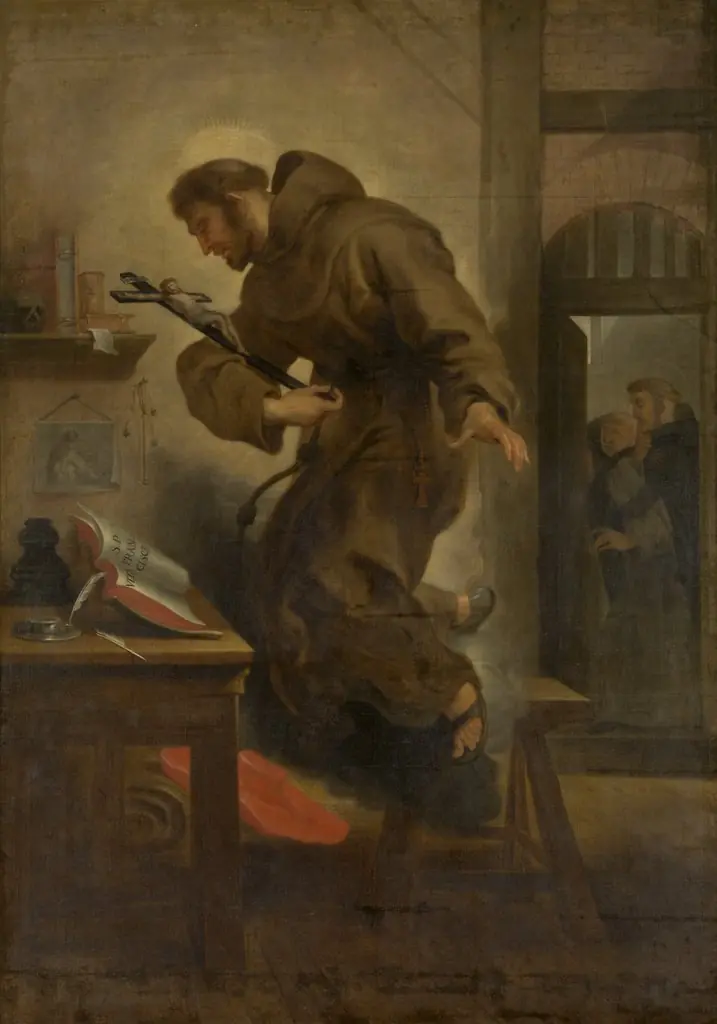
The Last Communion of St Francis of Assisi is an oil painting by the Early Baroque Italian artist Abraham van Diepenbeeck. It dates from 1617 and is held in the collection of the Fitzwilliam Museum.
About this work
Overview
Abraham van Diepenbeeck’s 1617 oil painting, *The Last Communion of St Francis of Assisi*, presents a solemn interior scene in which a group of men gathers around a central figure holding a small chalice. The composition is dominated by deep shadows and a muted palette, creating an atmosphere of quiet reverence. The work is part of the Fitzwilliam Museum’s collection.
Subject & Meaning
The image portrays the moment of Saint Francis of Assisi’s final communion, a pivotal episode in the saint’s hagiography. The central figure, robed in white, holds the sacramental cup while surrounding monks kneel or sit in contemplation, underscoring themes of humility, devotion, and the transition from earthly life to spiritual eternity.
Technique & Style
Van Diepenbeeck employs a chiaroscuro approach typical of early Baroque art, contrasting illuminated figures with a darkened interior to heighten drama. The subdued colour scheme, deep shadows, and careful modelling of flesh convey a tactile realism, while the red curtain and distant angelic painting add subtle narrative detail without disrupting the overall somber tone.
History & Provenance
Though primarily known for designs in stained glass, prints, and tapestries, this canvas reflects his engagement with Italian Baroque idioms.
A native of the Dutch Republic, van Diepenbeeck worked chiefly in Antwerp, collaborating with leading artists and workshops, including those of Peter Paul Rubens. Though primarily known for designs in stained glass, prints, and tapestries, this canvas reflects his engagement with Italian Baroque idioms. The painting entered the Fitzwilliam Museum’s holdings in the 20th century, where it remains on display.
Context
Created during a period when Flemish artists were absorbing Italian Baroque influences, the work illustrates the cross‑regional exchange of stylistic ideas. Van Diepenbeeck’s background in graphic design informs the clear arrangement of figures, while the religious subject aligns with Counter‑Reformation commissions that emphasized piety and the sacraments.
Artist & collection
Artist
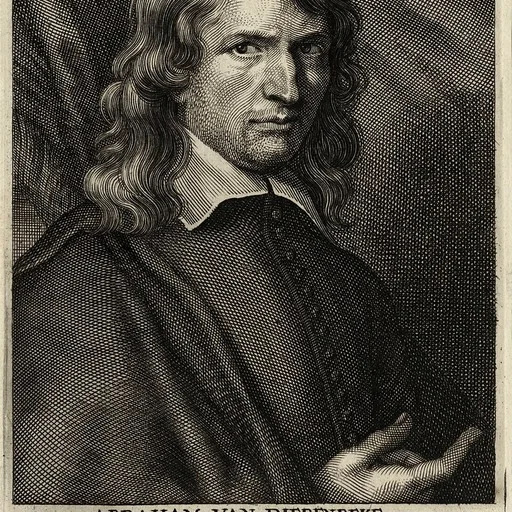
Abraham van Diepenbeeck (9 May 1596 (baptised) – between May and September 1675) was a Dutch painter, draftsman, glass painter, print maker and tapestry designer who worked most of his active career in Antwerp.

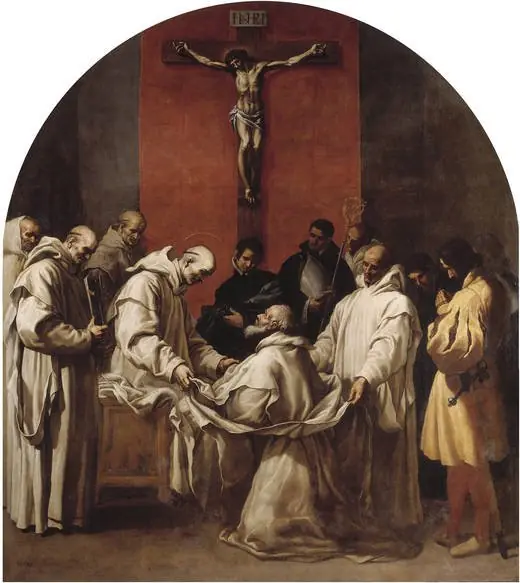 Bishop Hugo wears the Carthusian Habit
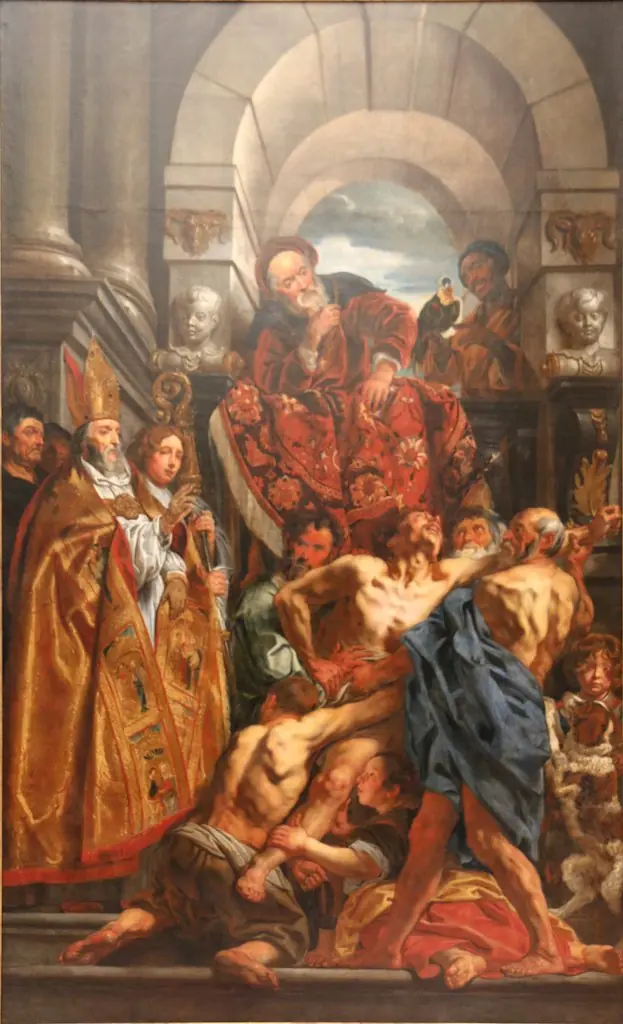 De heilige Martinus geneest een bezetene
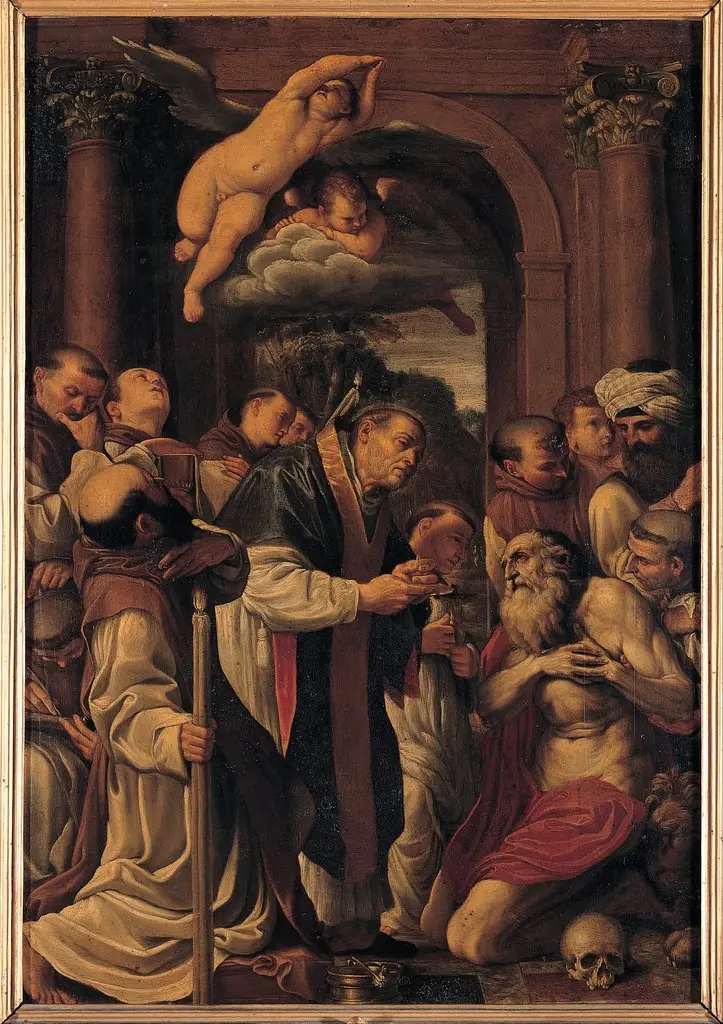 Communion of St. Jerome
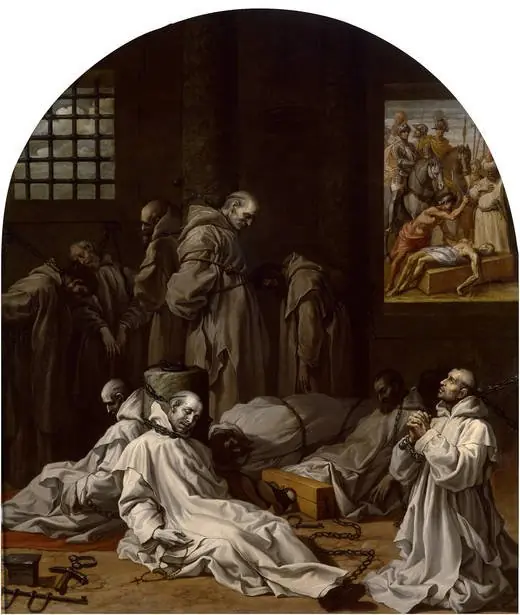 Prison and Death of the Ten Members of the London Charterhouse
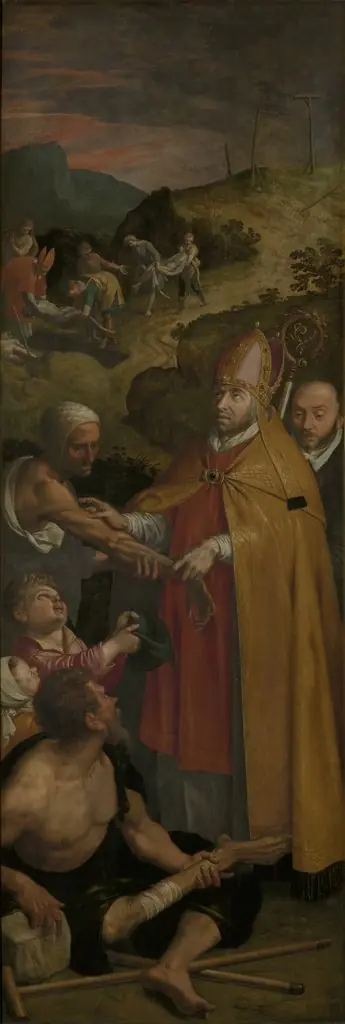 Saint Eligius helps the crippled and buries the dead
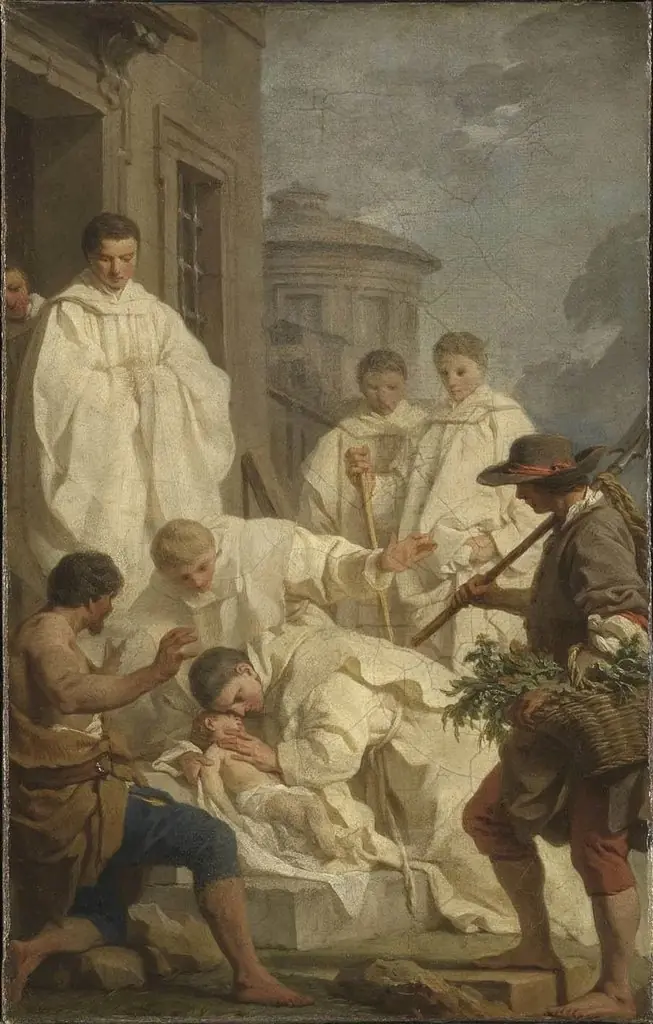 Der hl. Benedikt erweckt ein totes Kind
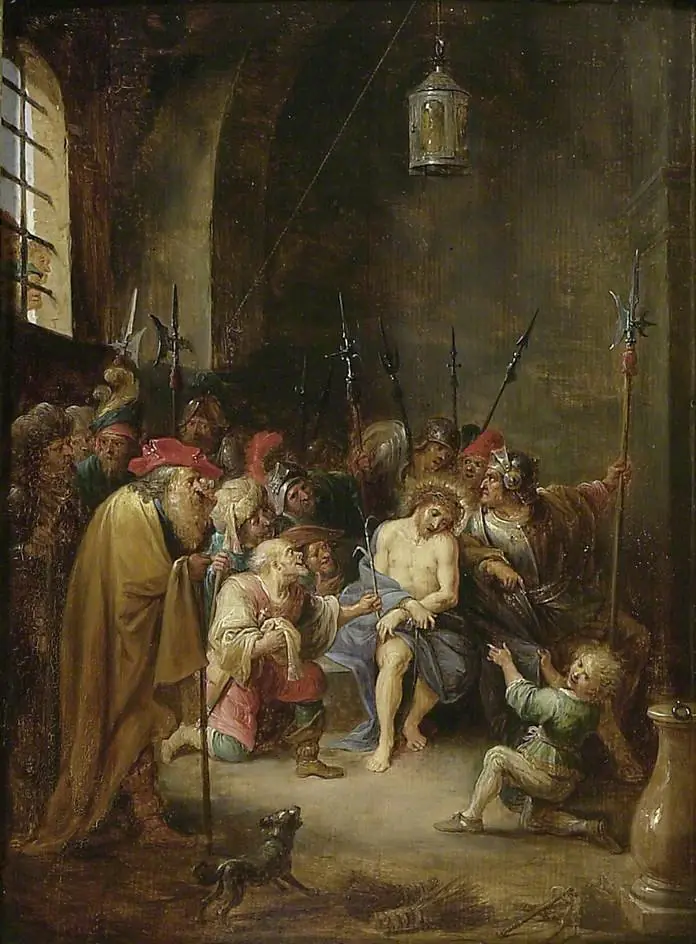 The Mocking of Christ
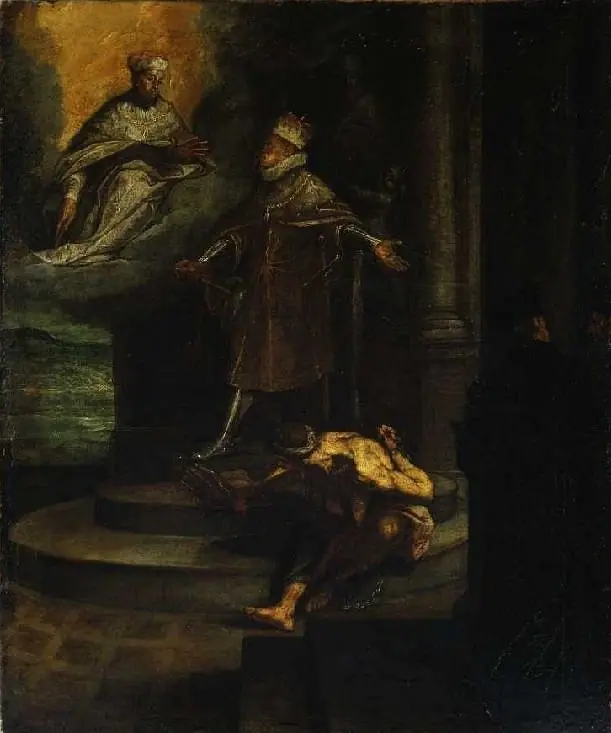 Allegory of the foundation of the Society of Jesus.
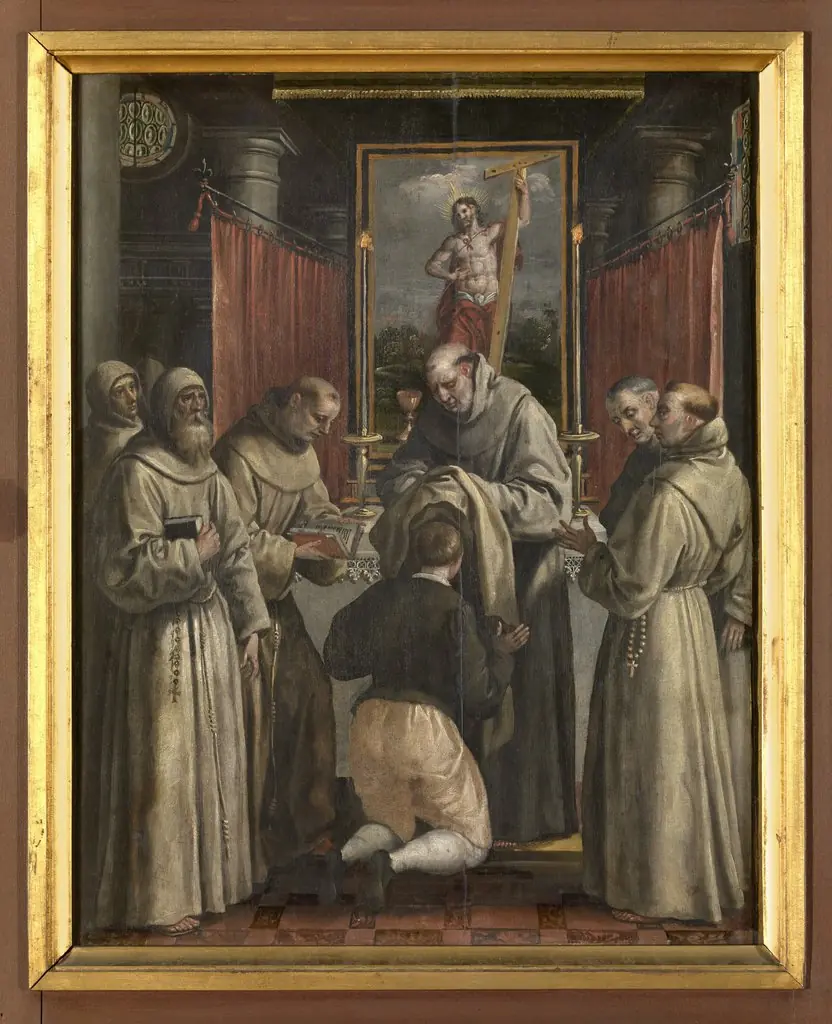 The Story of Saint Didacus of Alcalà
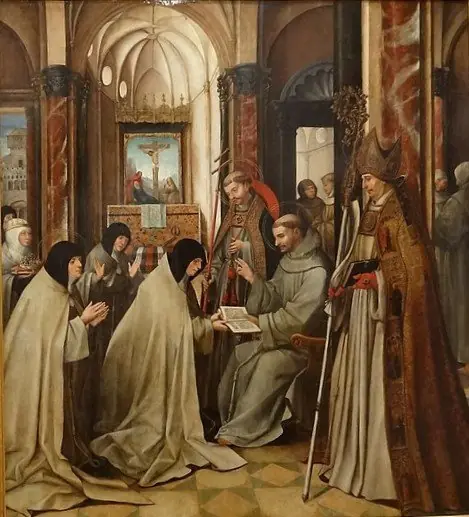 S. Francisco delivering the Statutes of the Order to Santa Clara
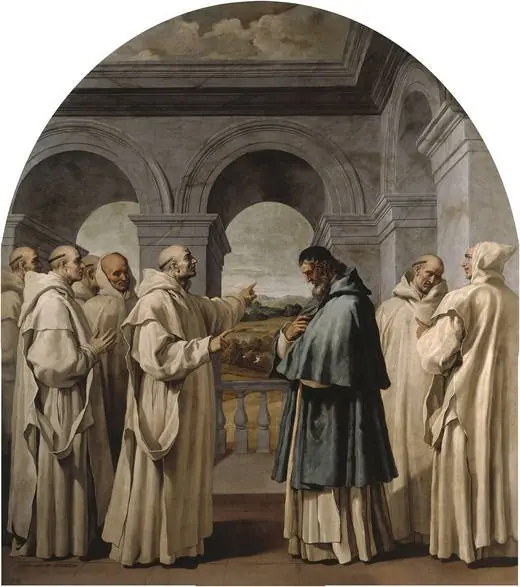 Saint Bruno Bids Farewell to Saint Hugo
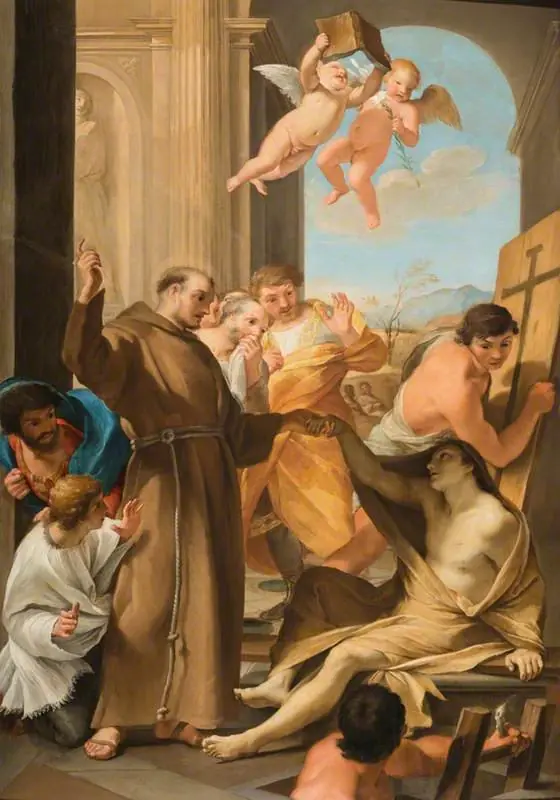 Saint Anthony of Padua reviving a Dead Man