Artwork
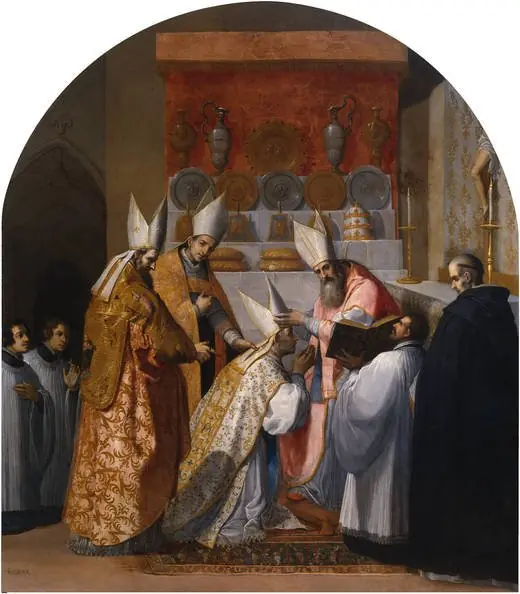
Bishop Hugo wears the Carthusian Habit
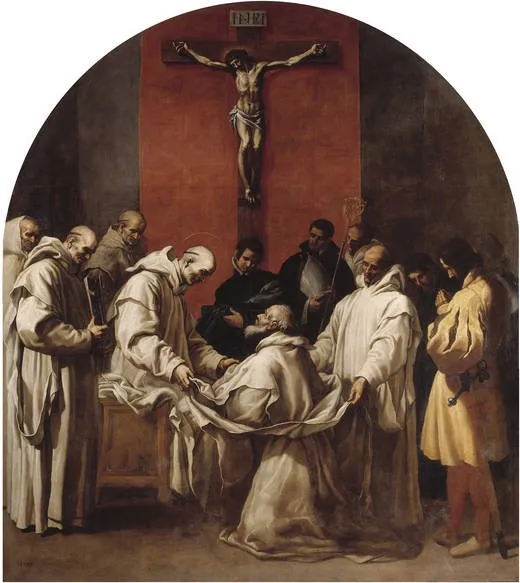
Bishop Hugo wears the Carthusian Habit is an oil painting by the Early Baroque Italian artist Vincenzo Carducci. It dates from 1626 and is held in the collection of the Museo del Prado.
About this work
Overview
Created in 1626 by Vincenzo Carducci, an Italian artist who spent much of his career in Spain, this oil painting belongs to the early Baroque period. It portrays a solemn religious scene and is part of the permanent collection of the Museo del Prado in Madrid.
Subject & Meaning
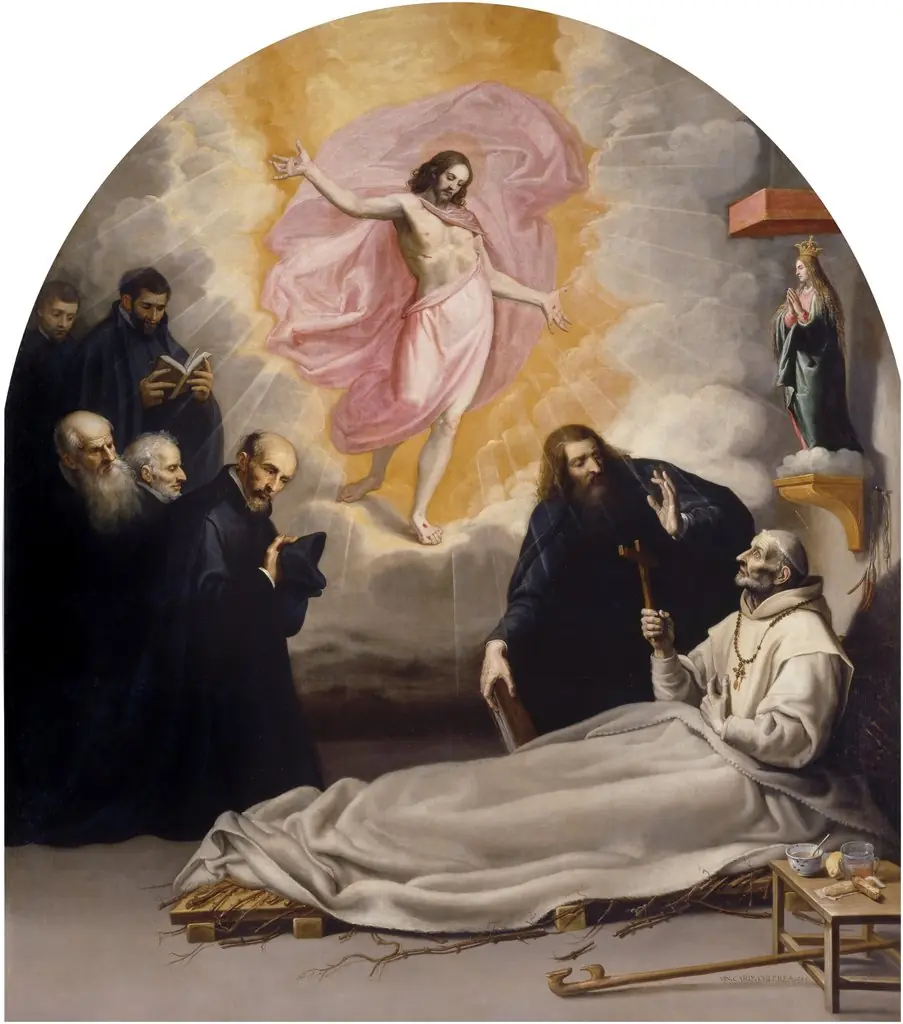
The composition centers on a group of cloistered monks surrounding a man on the floor who appears to be dying. The monks, dressed in identical white habits with hoods, are engaged in a ritual of clothing the deceased in a similar robe, suggesting a final act of spiritual preparation.
Technique & Style
Carducci employs a pronounced chiaroscuro, juxtaposing bright, illuminated faces against deep shadows that recede into the dark red wall behind a crucifix. This dramatic contrast directs the viewer’s eye toward the central figures and heightens the sense of urgency in the ritual.
History & Provenance
Since its completion, the work has remained in Spain, eventually entering the holdings of the Museo del Prado. Its attribution to Carducci reflects his role in introducing Italian Baroque sensibilities to Spanish religious art during the early seventeenth century.
Artist & collection

Artist
Vincenzio Carduccio (in Spanish, sometimes Vicencio or Vicente Carducho; 1576 or 1578–1638) was an Italian painter who spent his career in Spain.

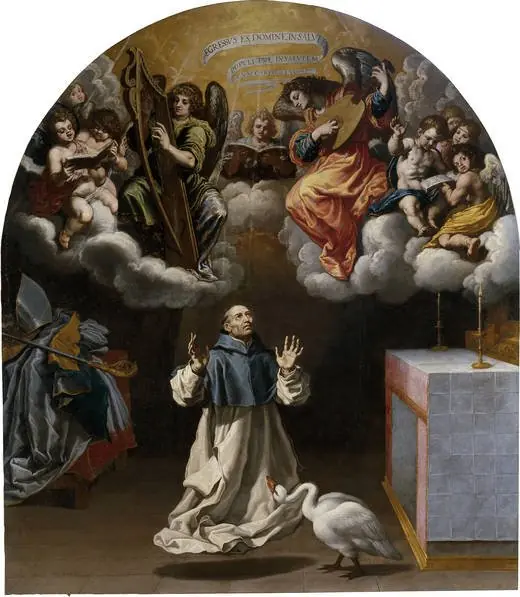
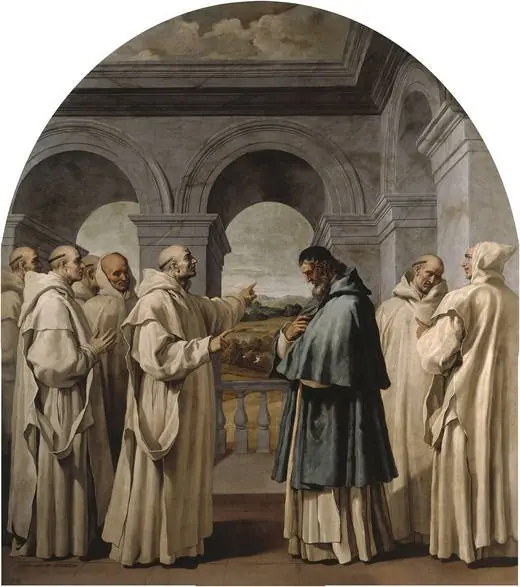 Saint Bruno Bids Farewell to Saint Hugo
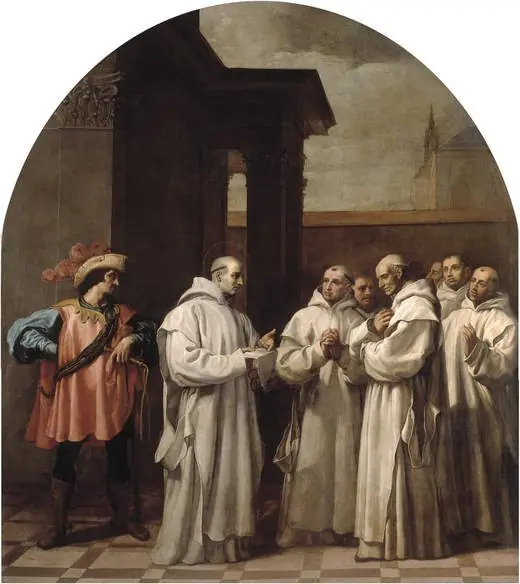 Pope Urban II Calls Saint Bruno to Rome
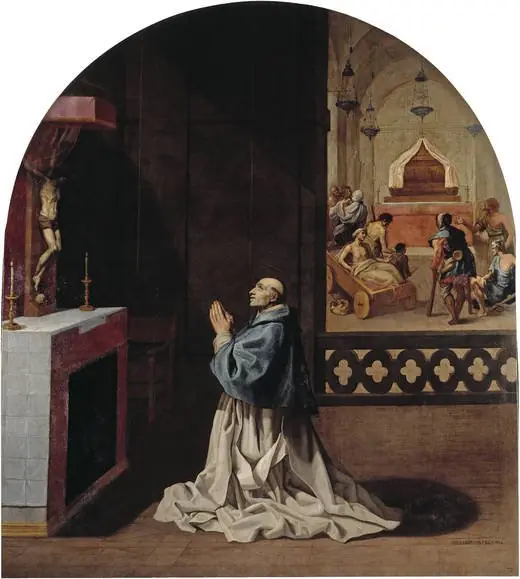 Father Bernard Praying in the Portes Charterhouse
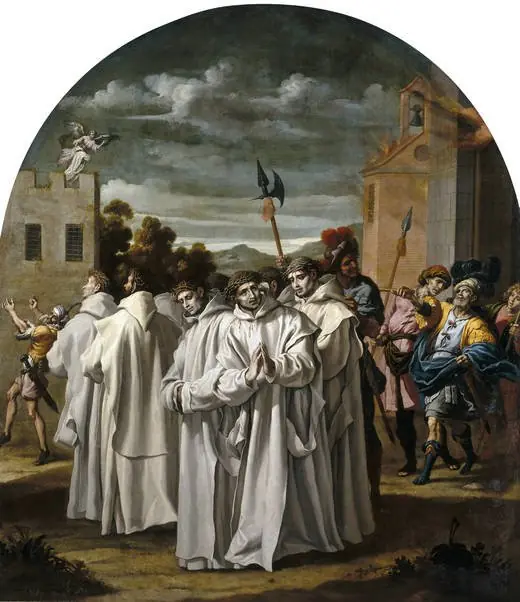 The Burning of the Prague Charterhouse and the Persecution of the Carthusians
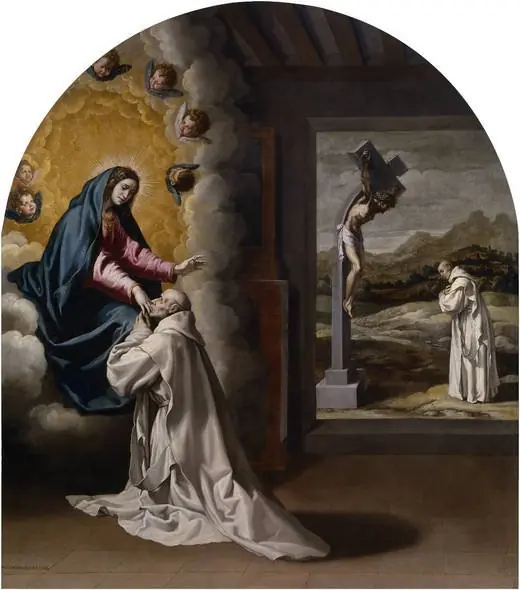 The Virgin Appears to Juan Fort
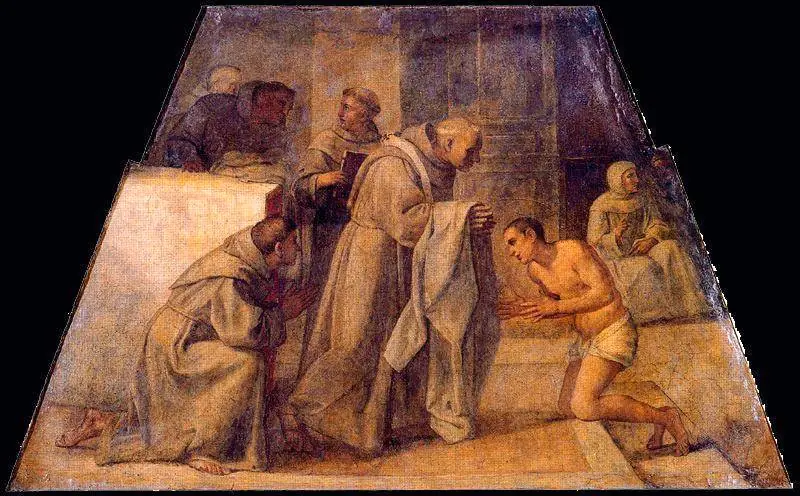 Saint Didacus of Alcalá receiving the franciscan habit
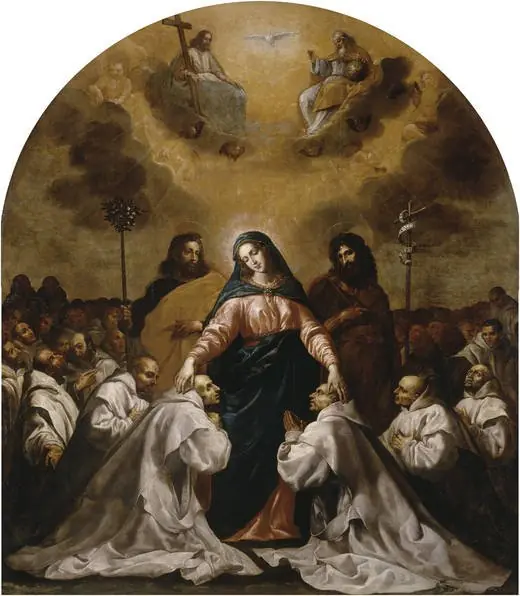 The Virgin Accompanied by Saint Joseph and Saint John the Baptist Shelters the Carthusian Order Beneath her Robes
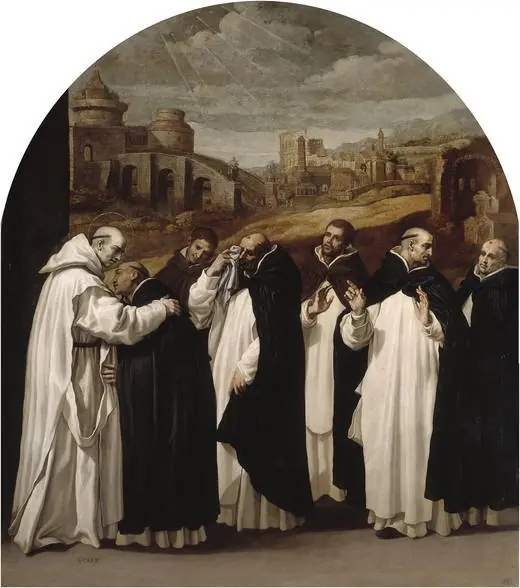 Saint Bruno Bids Farewell to his Companions in Rome
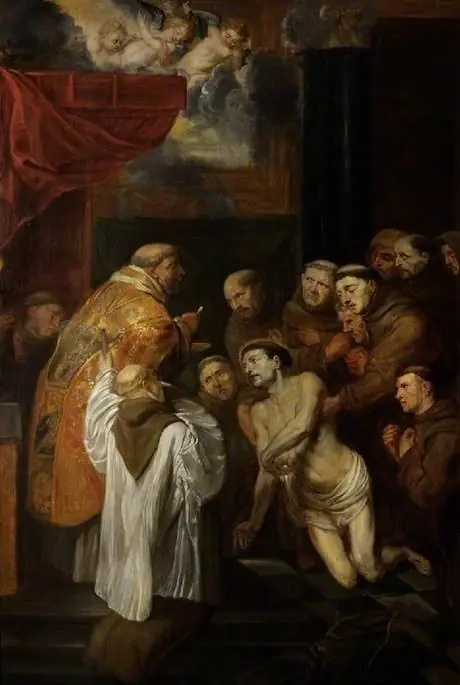 The Last Communion of St Francis of Assisi
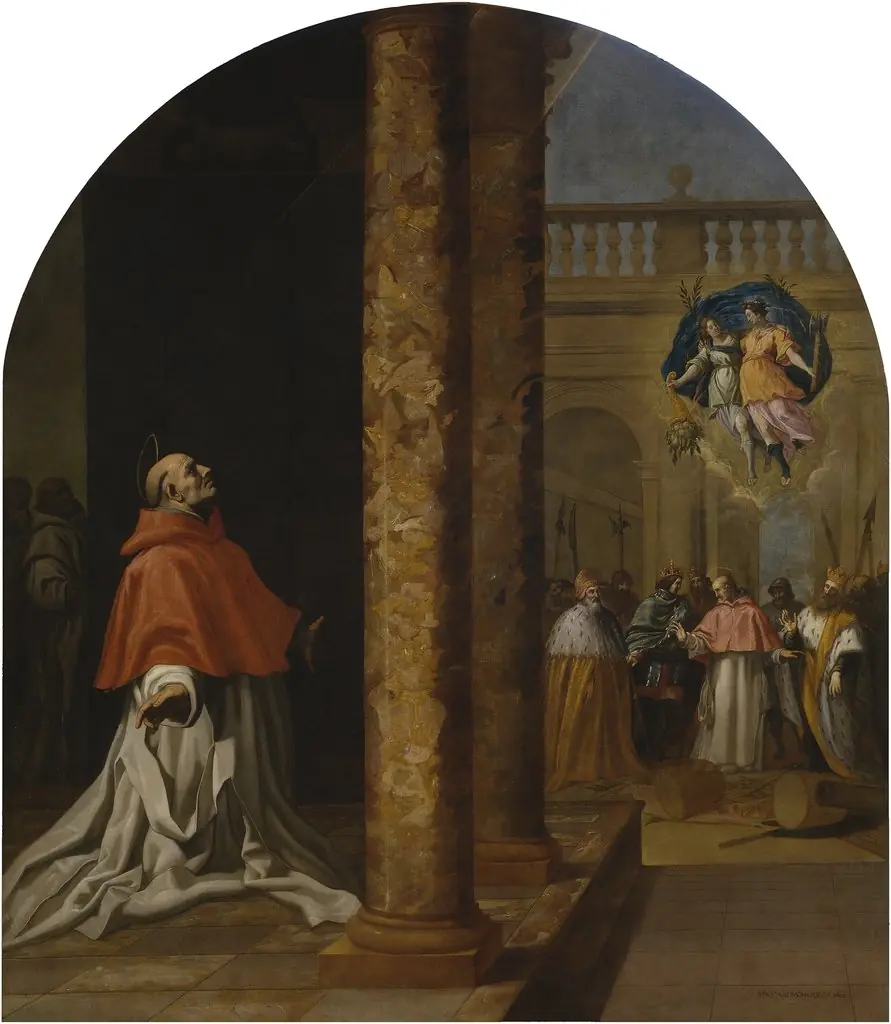 Recognition of the Carthusian Saint Cardinal Niccolò Albergati