Artwork
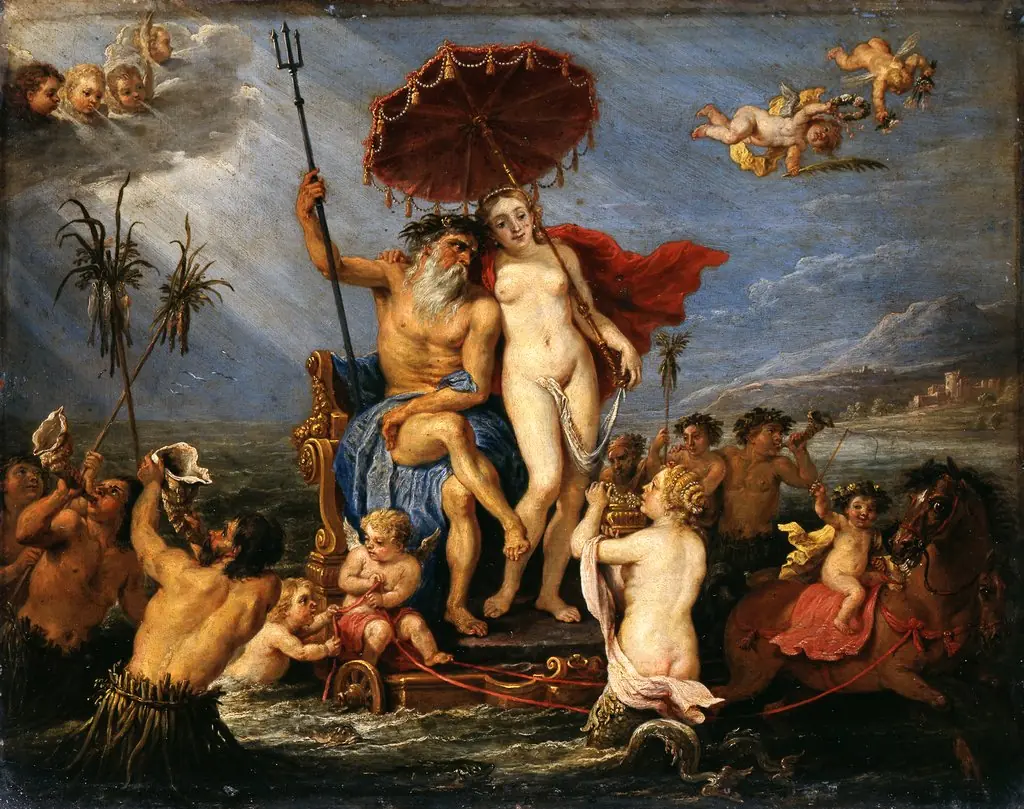
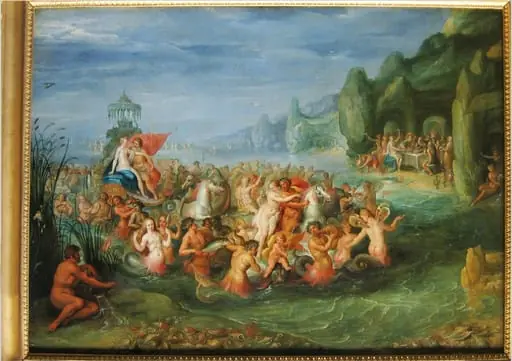
The Triumph of Neptune and Amphitrite
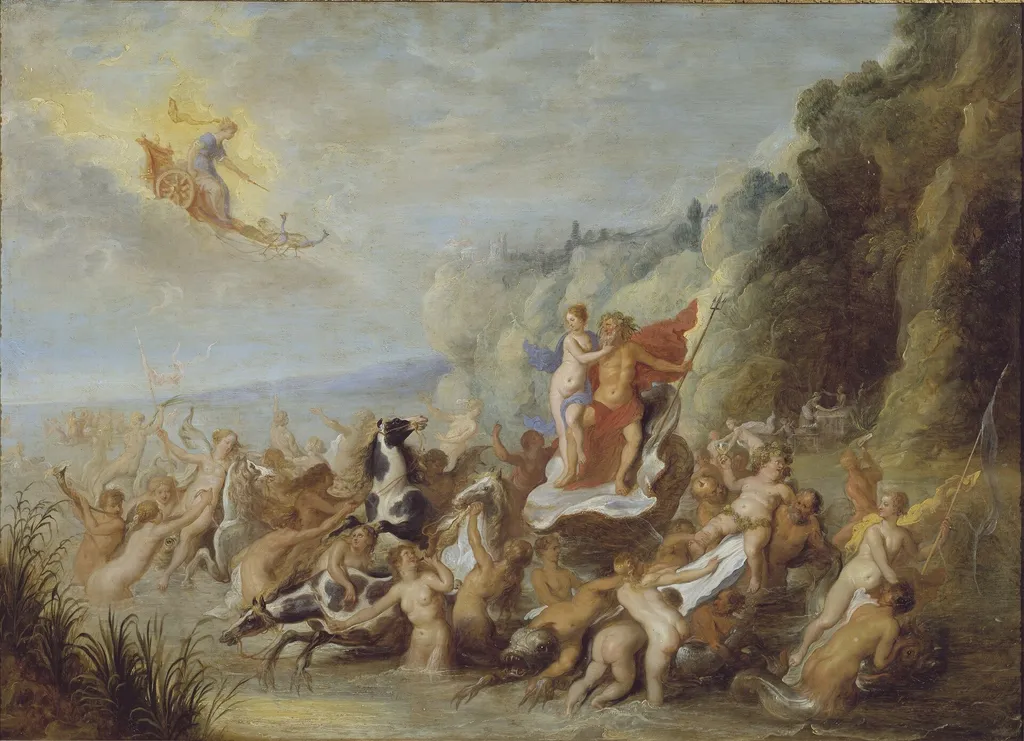
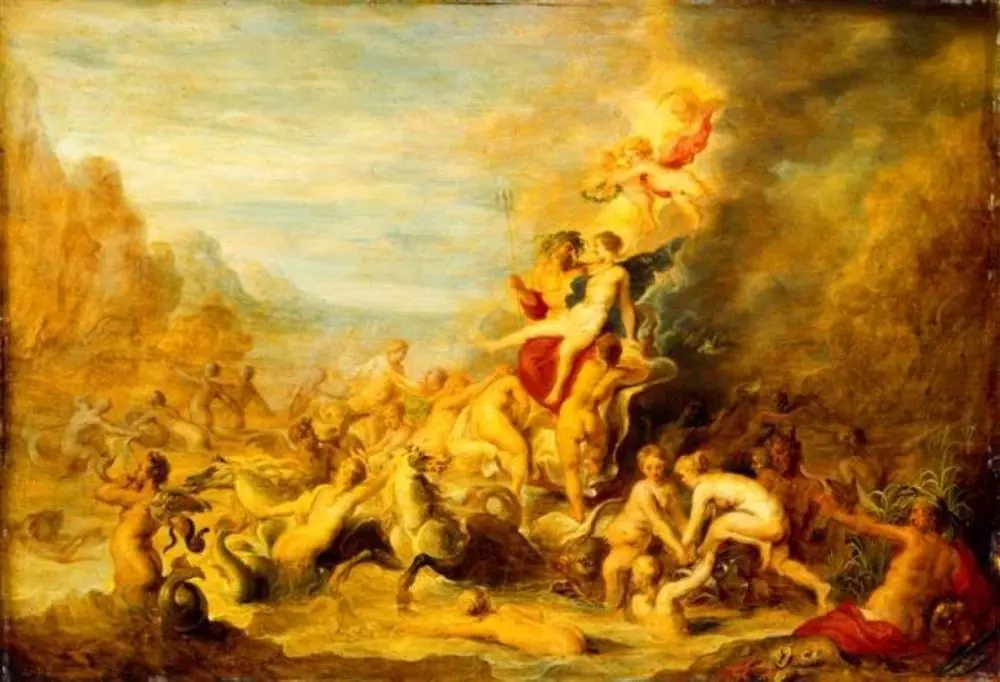
The Triumph of Neptune and Amphitrite is an oil painting by the Rococo painting artist Abraham van Diepenbeeck. It is held in the collection of the Nationalmuseum.
About this work
The painting is titled The Triumph of Neptune and Amphitrite.
It was created by Abraham van Diepenbeeck in 1700.
The artist used oil paint to bring the scene to life, and the fact that it's an oil painting from this time period is interesting because it shows the artist's skill with the medium.
You can learn more about the artist's style by looking up Abraham van Diepenbeeck.
Overview
Abraham van Diepenbeeck’s *The Triumph of Neptune and Amphitrite* was executed in oil in 1700. The canvas presents a mythological procession rendered in the light, decorative manner associated with the Rococo period. Today the work belongs to the collection of the Nationalmuseum, where it is displayed as an example of early‑18th‑century Flemish painting.
Subject & Meaning
The composition celebrates the Roman sea god Neptune and his consort Amphitrite, portraying them amid a lavish marine procession. Figures and sea‑creatures are arranged to convey the triumphal nature of the scene, reflecting the period’s fascination with classical mythology as an allegory of power and harmony.
Technique & Style
Van Diepenbeeck employed oil paint to achieve a luminous surface, using delicate brushwork and a pastel palette typical of Rococo aesthetics. The handling of light on water and the soft modeling of drapery demonstrate his command of the medium, while the decorative details echo his experience in glass painting and tapestry design.
History & Provenance
Born in the Dutch Republic, van Diepenbeeck spent most of his career in Antwerp, where he collaborated with leading printers and the workshop of Peter Paul Rubens. After changing hands among private collectors, the painting entered the Nationalmuseum’s holdings, where it remains part of the museum’s early‑modern European collection.
Context
The work reflects Antwerp’s vibrant artistic network at the turn of the 18th century, a city where painters, glass‑painters, and tapestry designers often overlapped. Van Diepenbeeck’s involvement in multiple media and his connections to Rubens’ workshop illustrate the interdisciplinary nature of Flemish art production during the late Baroque and emerging Rococo transition.
Own this work as a print
Artist & collection
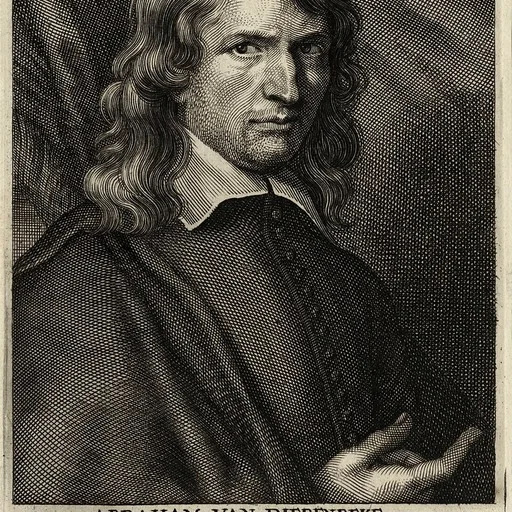
Artist
Abraham van Diepenbeeck (9 May 1596 (baptised) – between May and September 1675) was a Dutch painter, draftsman, glass painter, print maker and tapestry designer who worked most of his active career in Antwerp.