Artwork
Portrait of Lady Margaret Livingstone, 2nd Countess of Wigtown
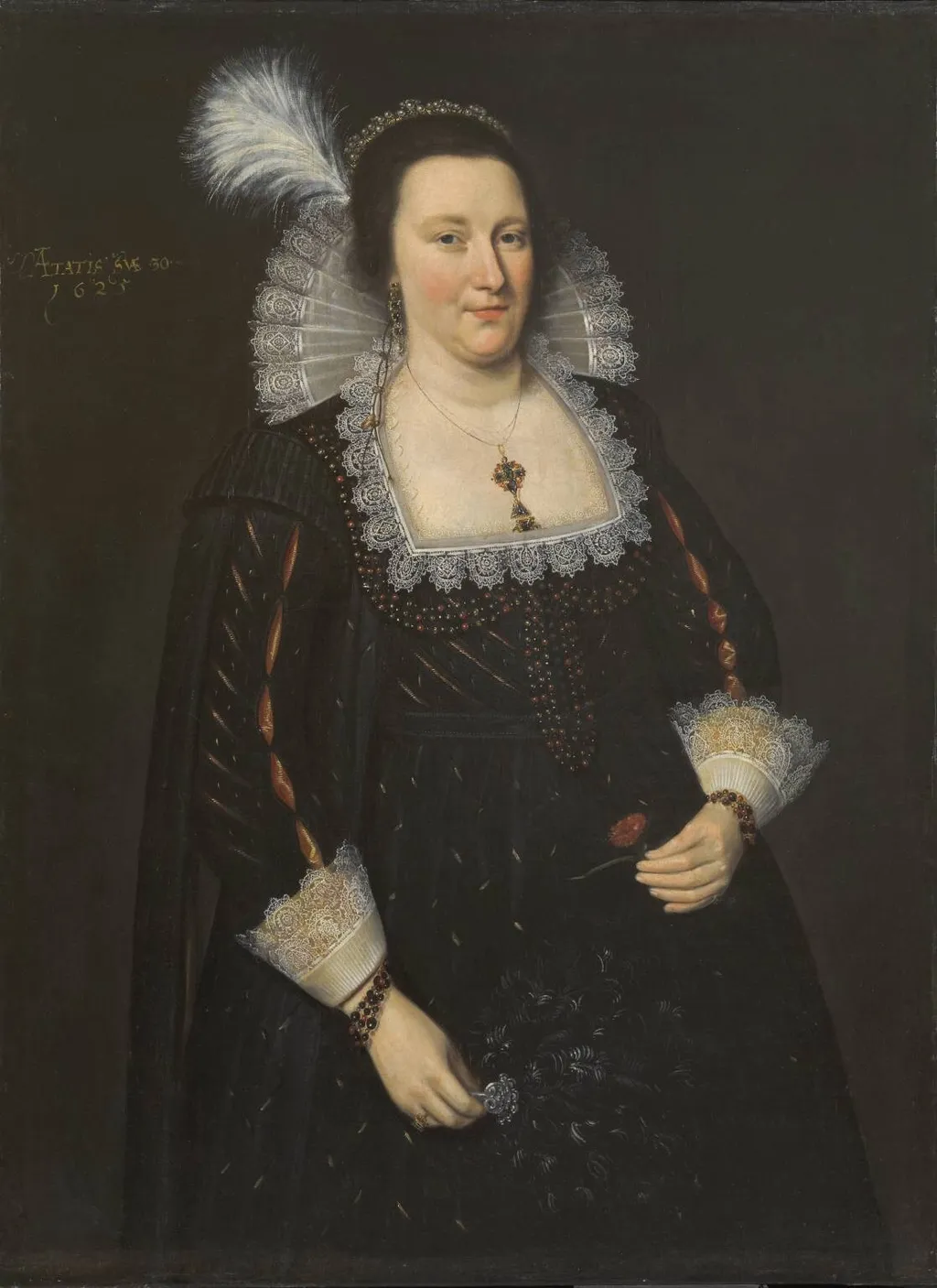
Portrait of Lady Margaret Livingstone, 2nd Countess of Wigtown is an oil painting by the Flemish Baroque painting artist Adam de Colone. It dates from 1625 and is held in the collection of the Tate Britain.
About this work
Overview
It is held in the collection of Tate Britain and represents one of several portraits de Colone produced for the Scottish aristocracy during his tenure there.
Painted in 1625, this oil-on-canvas portrait captures Lady Margaret Livingstone, the second Countess of Wigtown, during her time as a Scottish noblewoman. The work was created by Adam de Colone, a Dutch artist active in Scotland in the early 17th century. It is held in the collection of Tate Britain and represents one of several portraits de Colone produced for the Scottish aristocracy during his tenure there.
Subject & Meaning
Lady Margaret Livingstone is portrayed with composure and dignity, her posture and attire reflecting her status. The black dress, intricate lace, and feathered headdress signal formality and wealth, while the fan suggests refined social bearing. The portrait does not convey narrative or emotion but instead functions as a visual assertion of her noble identity, aligning with conventions of aristocratic portraiture in early modern Europe.
Technique & Style
De Colone employed a Flemish Baroque approach, emphasizing texture and detail in fabric, jewelry, and hair. The rendering of lace and the subtle play of light on the fan and necklace demonstrate careful observation and technical precision. The background is muted, directing focus to the sitter’s figure and attire. The composition is formal and balanced, typical of courtly portraiture of the period.
History & Provenance
The painting entered the Tate Britain collection through established British institutional acquisitions, though its earlier ownership history prior to the 19th century remains undocumented. It has been consistently attributed to Adam de Colone since at least the early 20th century. Its survival and preservation reflect its significance as a rare example of Dutch-trained portraiture within the Scottish noble context.
Context
During the 1620s, Scottish nobility frequently commissioned artists from the Low Countries to create portraits that aligned with continental tastes. De Colone, trained in the Dutch tradition, adapted his style to local expectations, blending Flemish realism with Scottish aristocratic conventions. This portrait reflects the cultural exchange between the Netherlands and Scotland at a time when artistic patronage was closely tied to political identity.
Legacy
The portrait remains a key example of early 17th-century Scottish portraiture influenced by Dutch and Flemish techniques. While de Colone’s broader oeuvre is limited, this work contributes to understanding how foreign artists shaped the visual culture of the Scottish elite. It continues to serve as a reference for studies on nobility, costume, and artistic migration in early modern Britain.
Artist & collection
Artist
Adam de Colone, or Adam Louisz. de Colonia (c. 1572 in Antwerp – buried 19 August 1651 in Rotterdam), was a Dutch Golden Age painter active in Scotland during the reigns of James VI and I and Charles I of England.

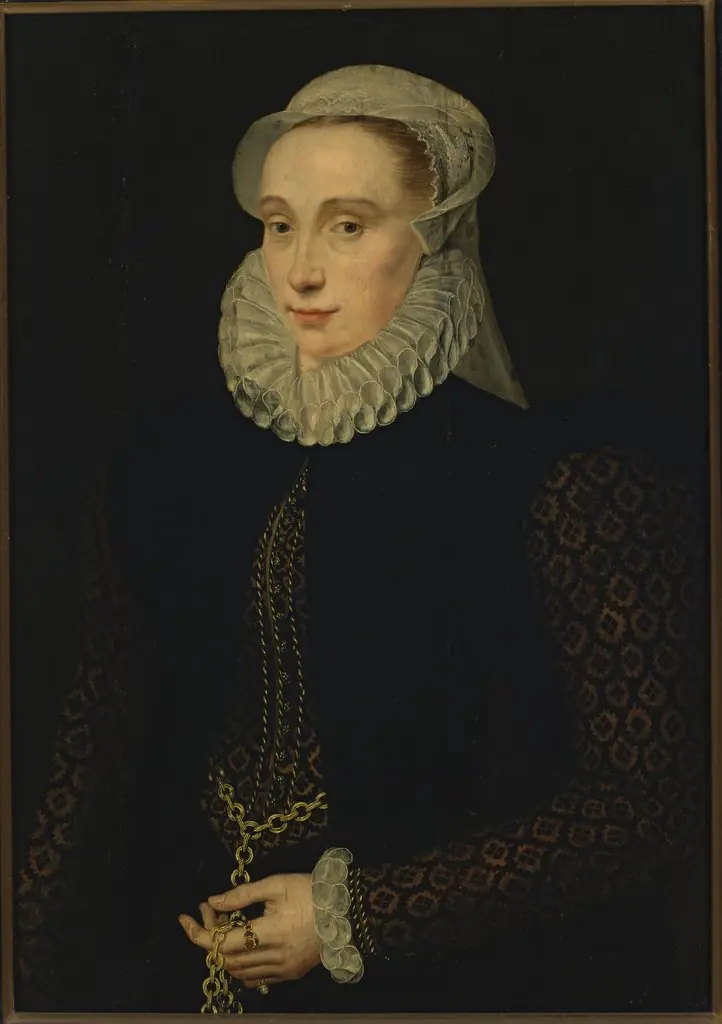 Portrait of a lady
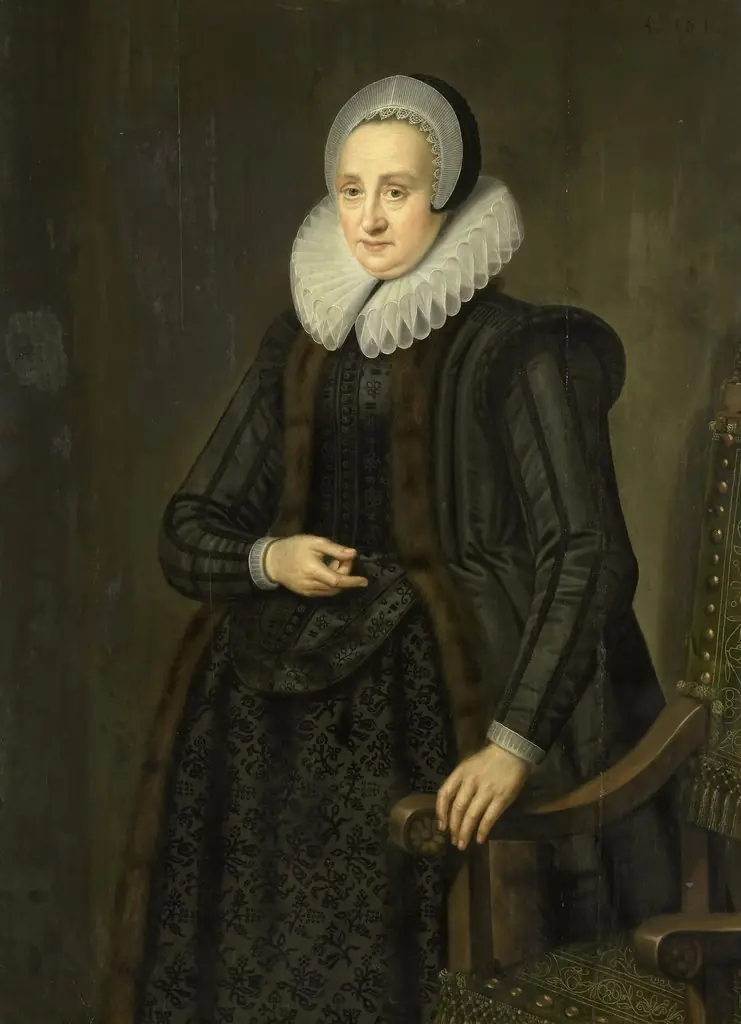 Portrait of Margarita Cassier
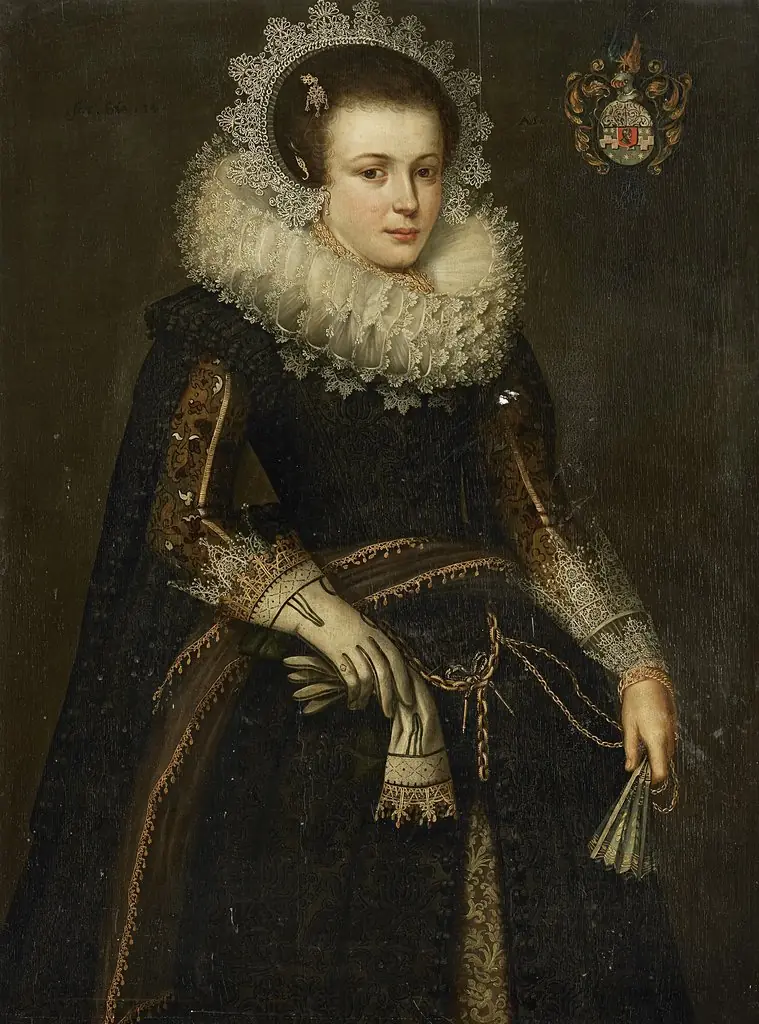 Portrait of Mertijntje van Ceters (1609-24)
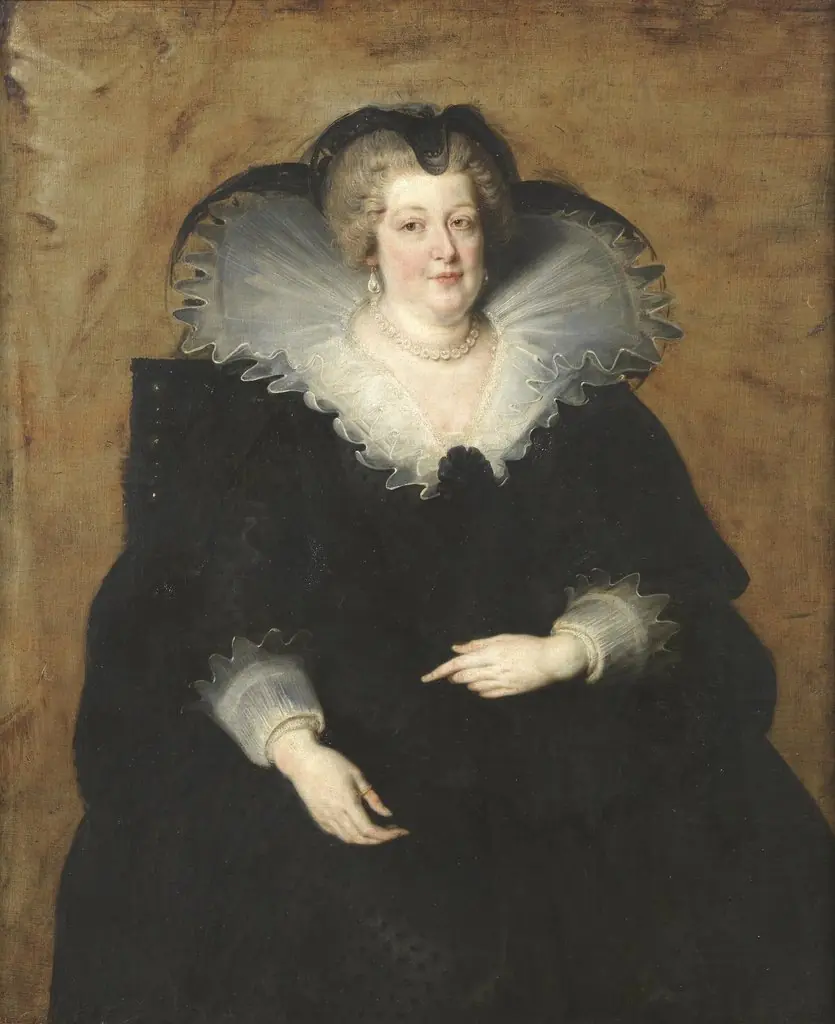 Marie de Medici, Queen of France
 Untitled
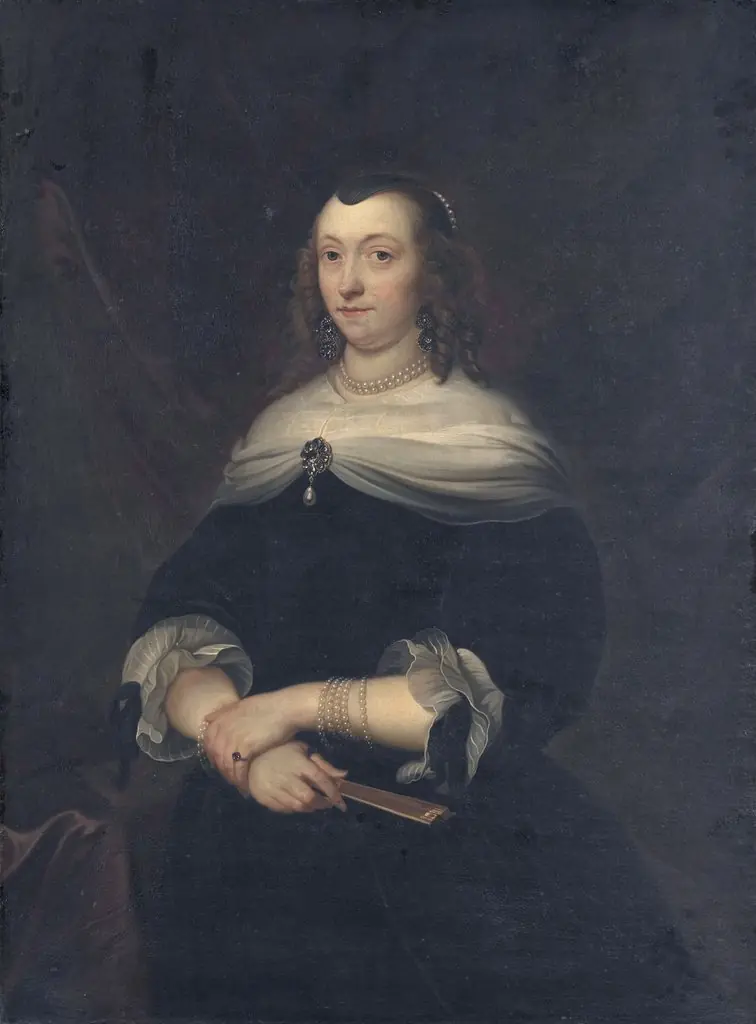 Portrait of a woman, thought to be Lucretia Boudaen
 Untitled
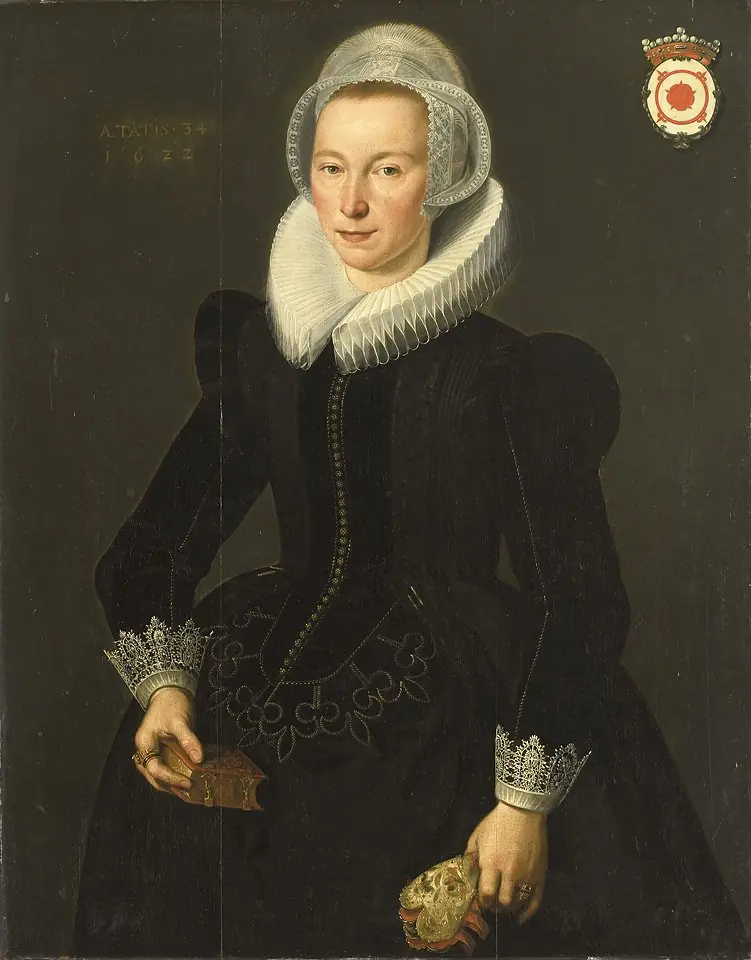 Portrait of Grietje Adriaensdr Grootes (1588-1624)
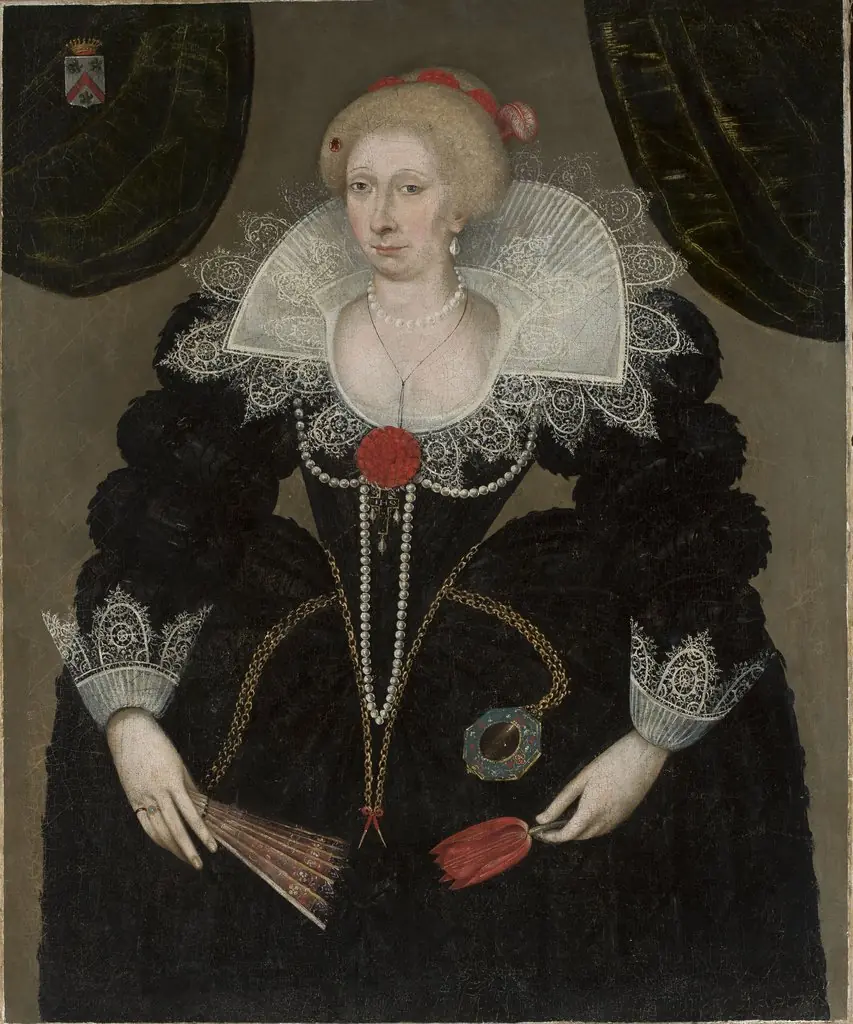 Portrait of Susanne le Royer de Brisolliéres
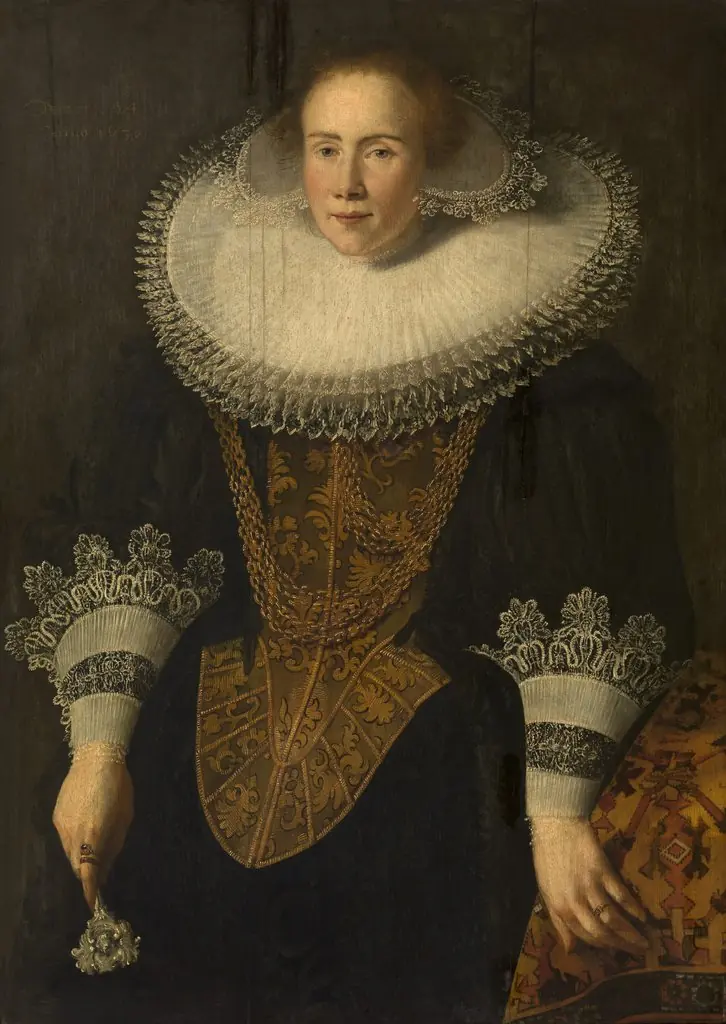 Portrait of a Woman
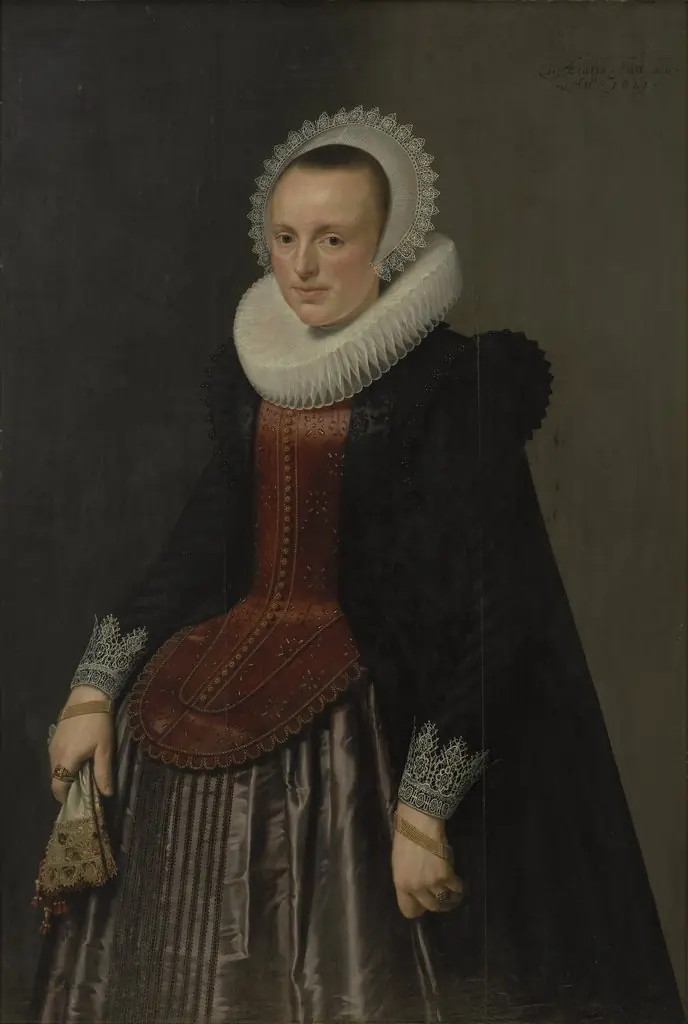 Portrait of a Lady
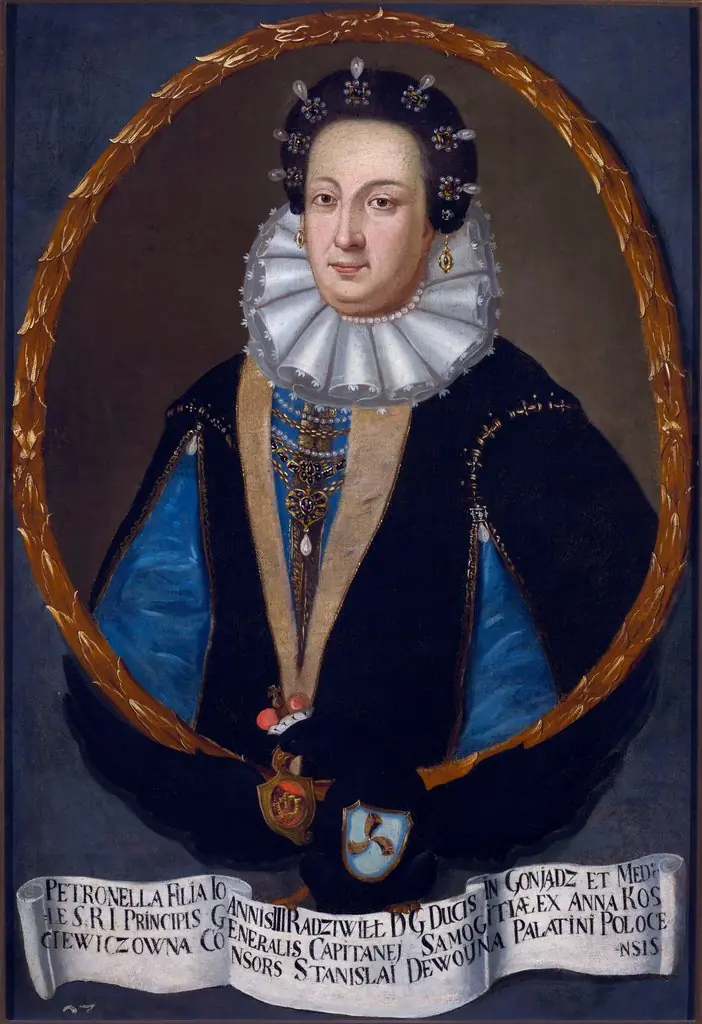 Portrait of Petronella Dowojno née Radziwiłł (1526–1564)