Artwork
Die Ruhe auf der Flucht nach Ägypten
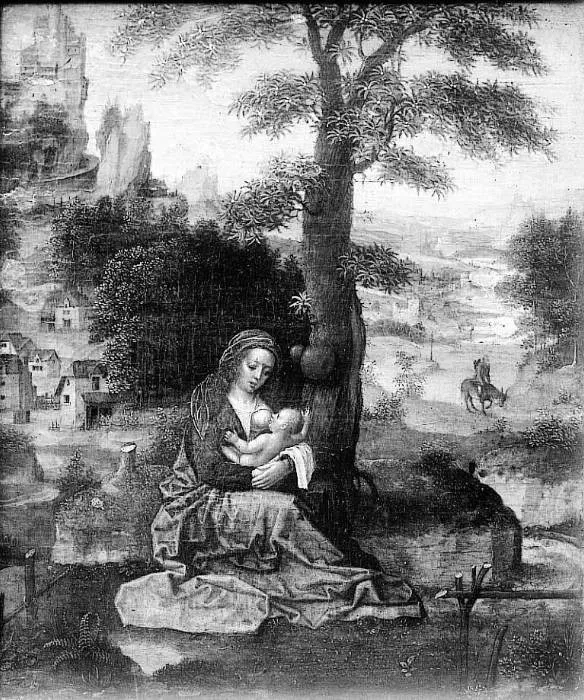
Die Ruhe auf der Flucht nach Ägypten is a paint painting by the Northern Renaissance artist Adriaen Isenbrandt. It dates from 1520 and is held in the collection of the Gemäldegalerie Berlin.
About this work
Overview
Die Ruhe auf der Flucht nach Ägypten, painted in 1520 by Adriaen Isenbrandt, is a religious painting characteristic of the Early Netherlandish and early Northern Renaissance styles. It is now part of the Gemäldegalerie Berlin's collection.
Subject & Meaning
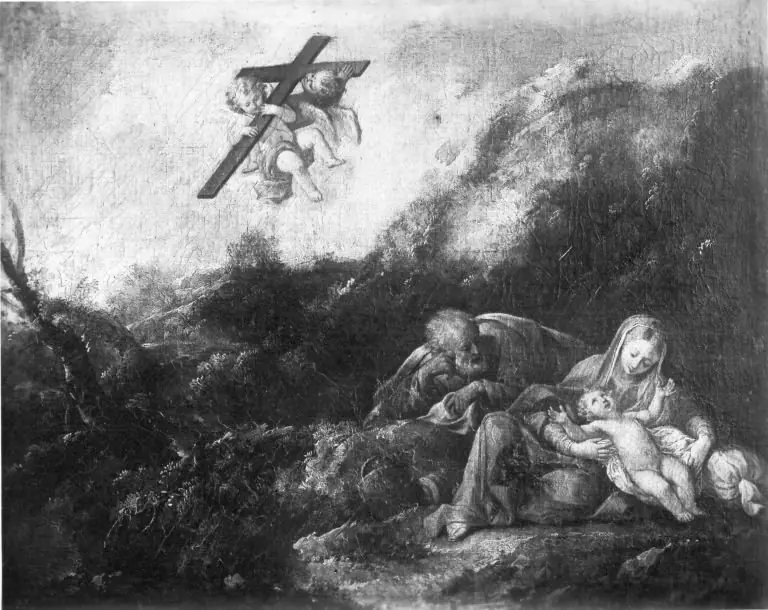
The painting depicts a serene scene of a woman, identified by context as the Virgin Mary, resting during the Flight into Egypt. She cradles a sleeping infant Jesus, conveying a moment of peace amidst journey. The composition emphasizes devotion and tranquility.
Technique & Style
Isenbrandt employed chiaroscuro to achieve depth and dimensionality. His conservative approach to Early Netherlandish painting traditions is evident in the work's overall style, with meticulous attention to detail in figures, attire, and landscape.
History & Provenance
Created in 1520, the painting originated from Isenbrandt's successful Bruges workshop, known for producing religious and devotional art. It is currently housed in the Gemäldegalerie Berlin.
Context
The work reflects the predominant religious themes of Early Netherlandish and Northern Renaissance art. The peaceful portrayal of a biblical moment aligns with the devotional needs of the period's clientele.
Legacy
While specific lasting impacts of *Die Ruhe auf der Flucht nach Ägypten* on the broader art historical canon are not notably emphasized, it remains a characteristic example of Isenbrandt's style and the traditions of his time.
Artist & collection
Artist
Adriaen Isenbrandt or Adriaen Ysenbrandt (between 1480 and 1490 – July 1551) was a painter in Bruges, in the final years of Early Netherlandish painting, and the first of the Dutch and Flemish Renaissance painting of the Northern…

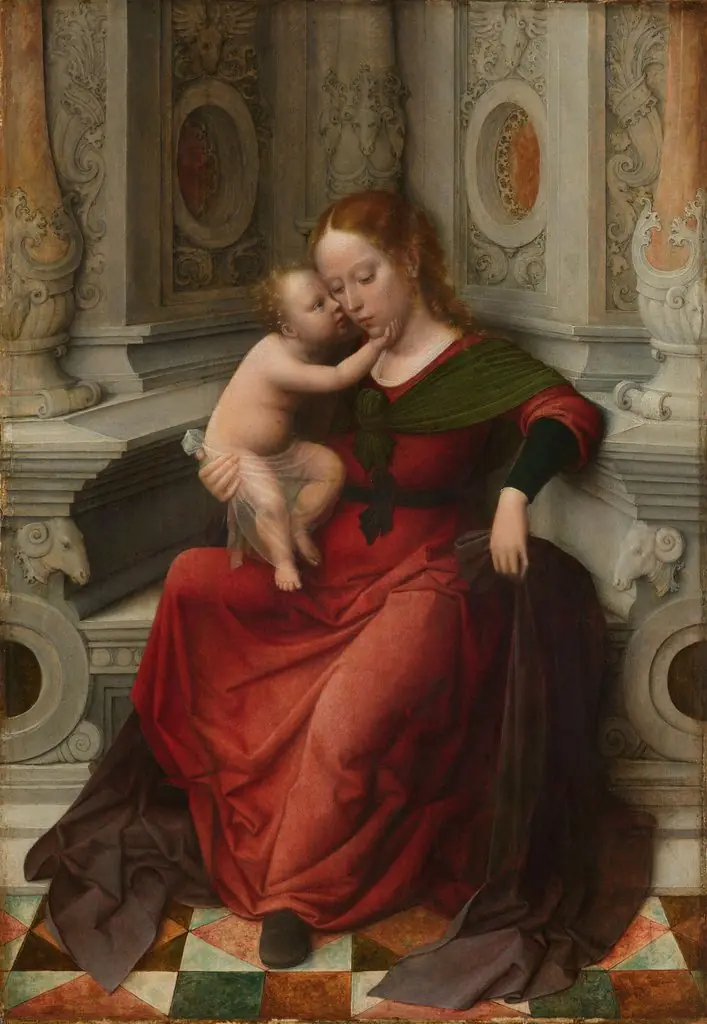
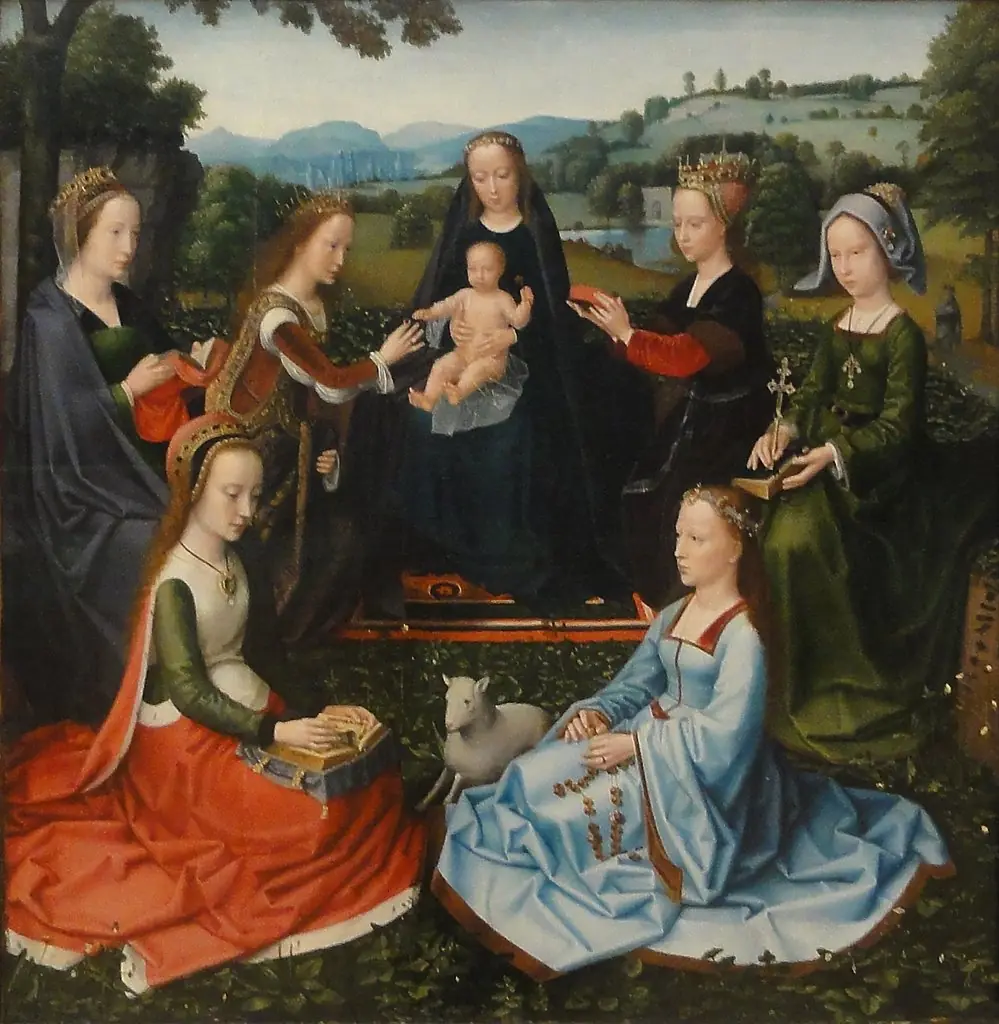
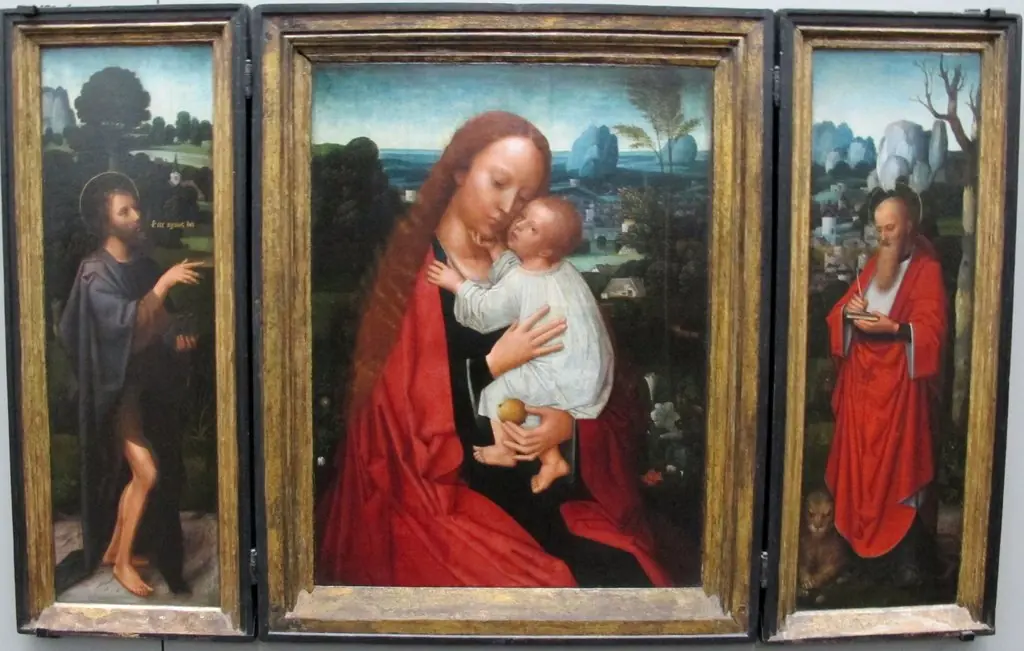
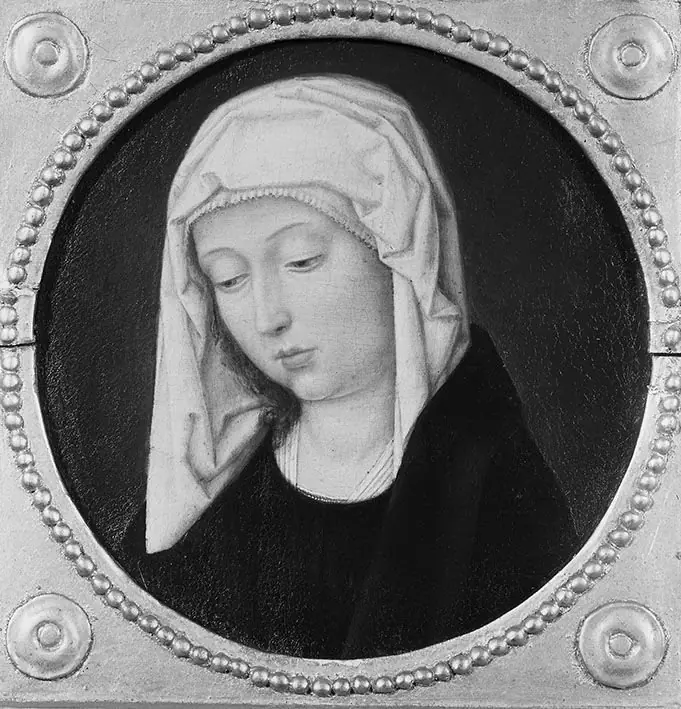
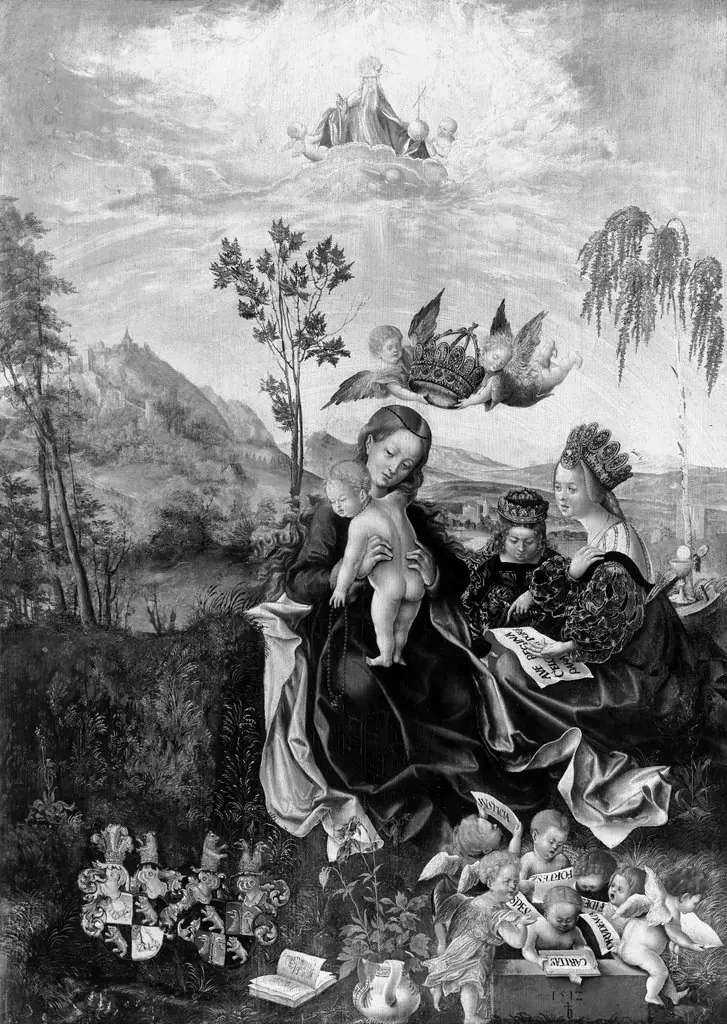 Mary with the child, Saint Catherine, Saint Barbara and angels
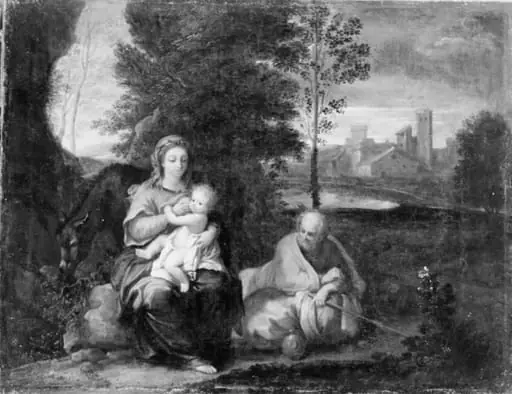 The Rest on the Fligth into Egypt
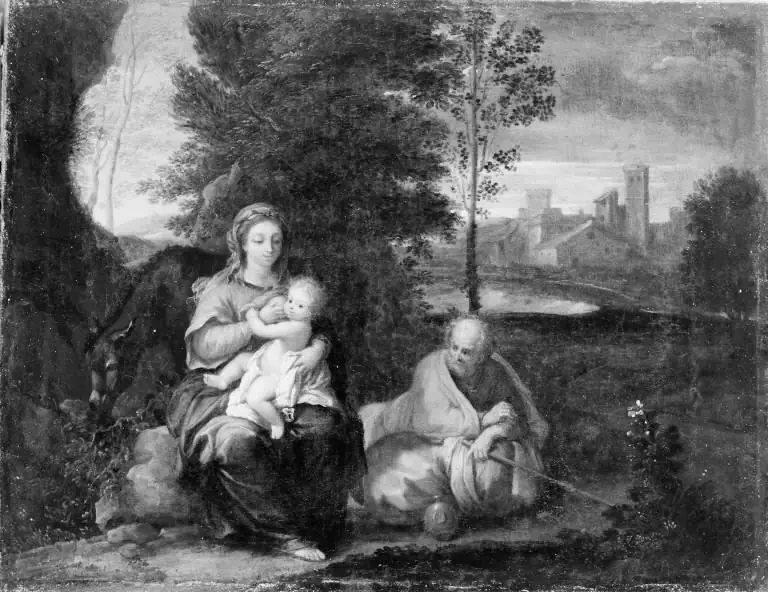 The Rest on the Fligth into Egypt
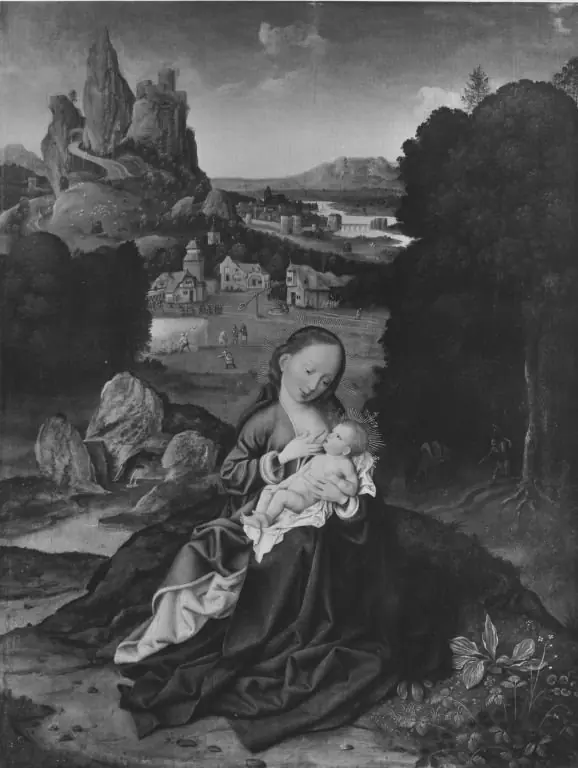 Rest in flight
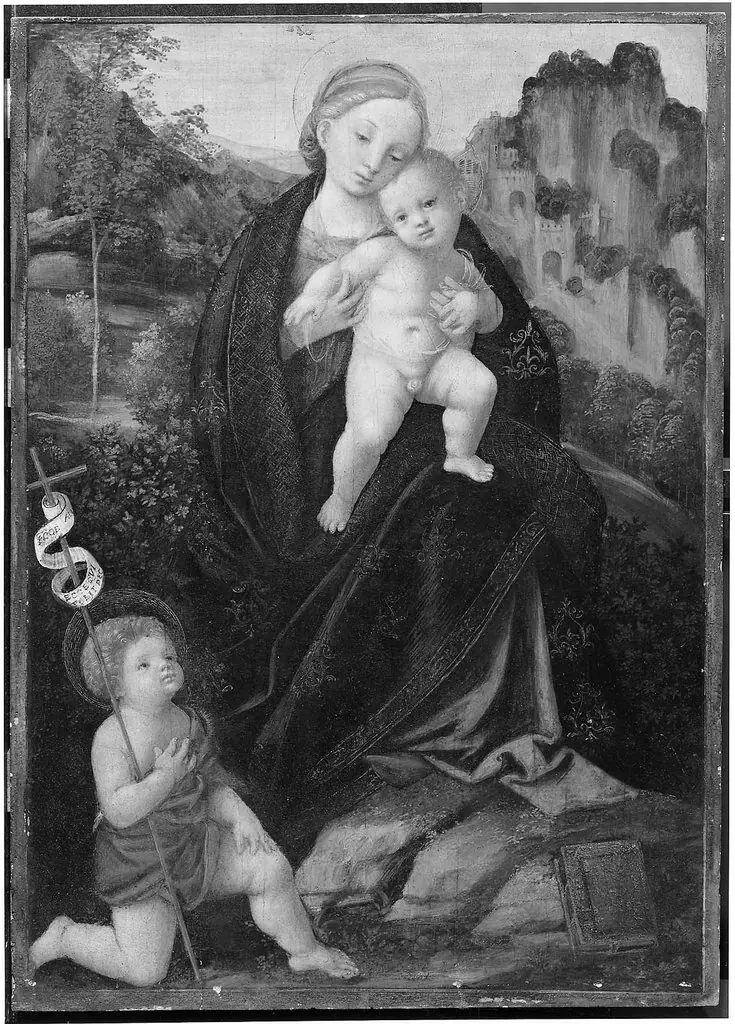 Virgin and Child with the Infant Saint John the Baptist
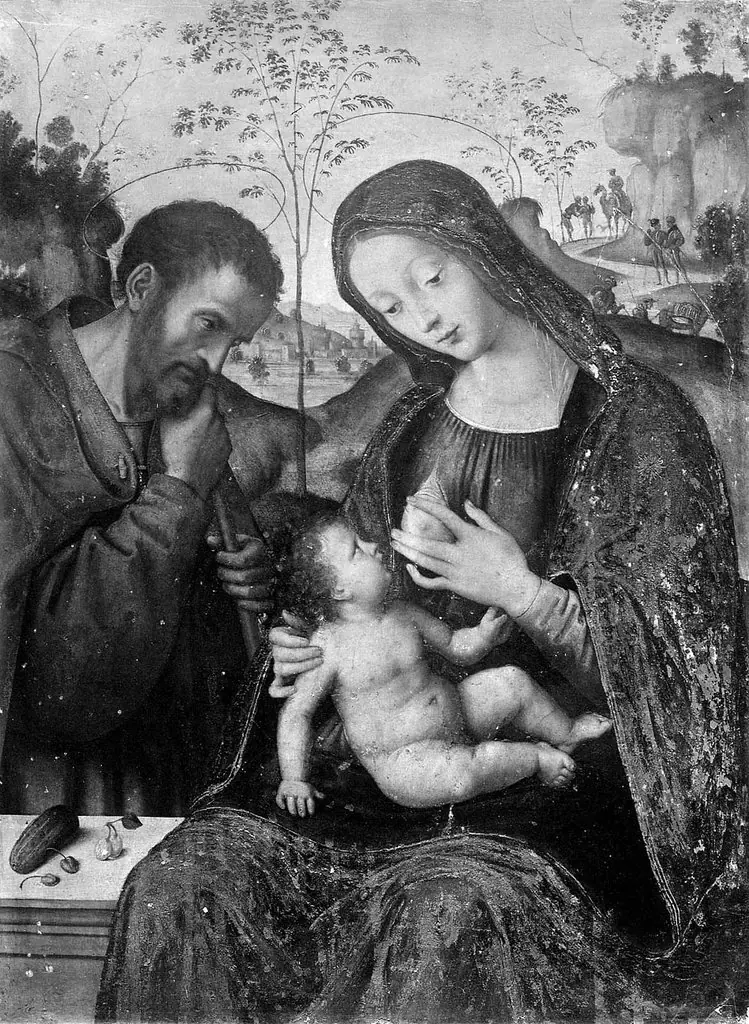 The Holy Family
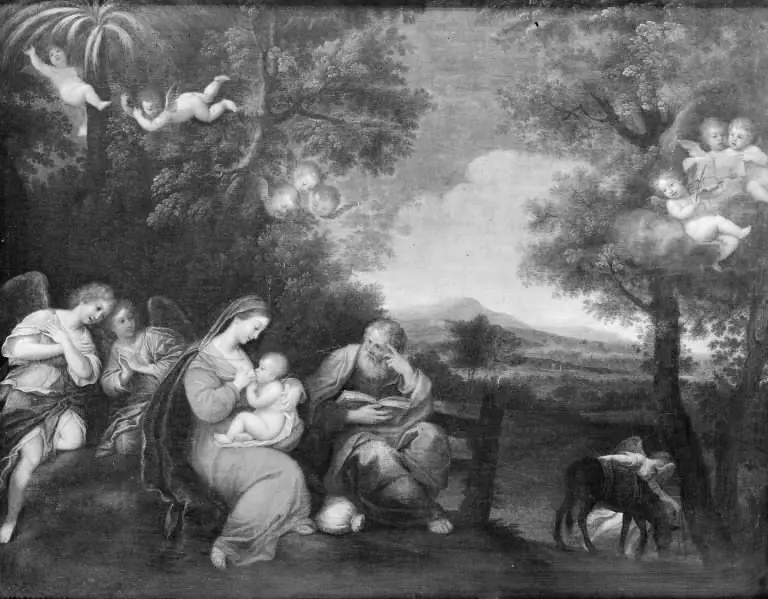 The Rest on the Flight into Egypt
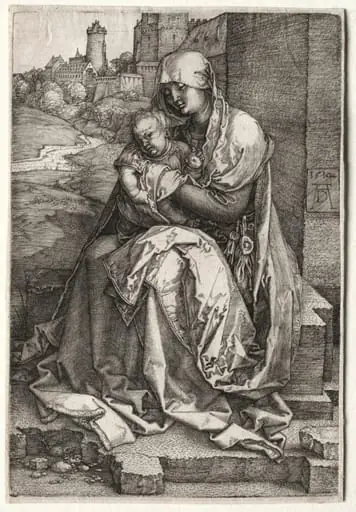 The Virgin and Child Seated by the Wall
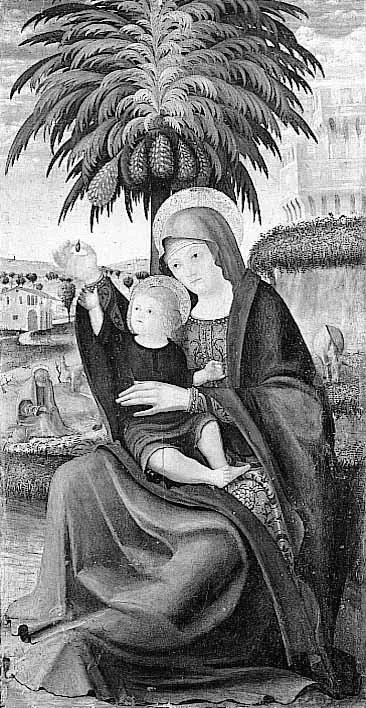 Rest on the flight to Egypt
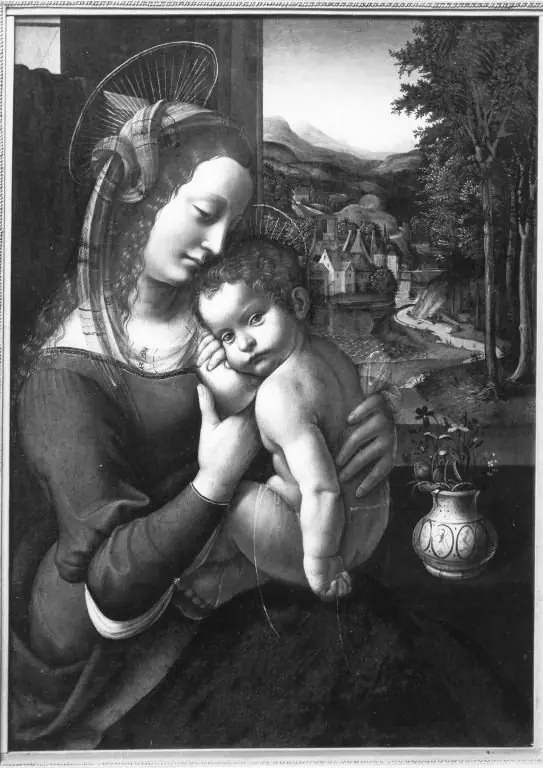 Maria mit Kind
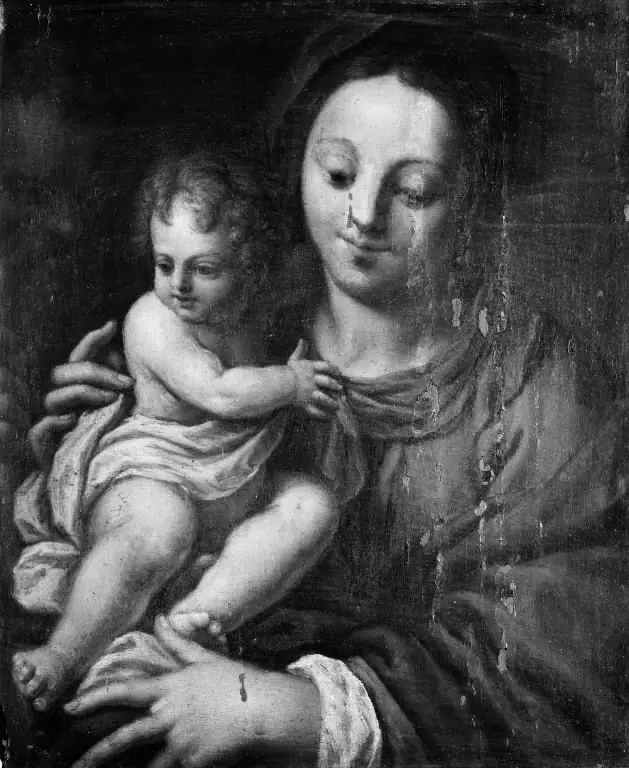 Virgin and Child
 Auf der Flucht nach Ägypten