Artwork
Mary with the child, Saint Catherine, Saint Barbara and angels
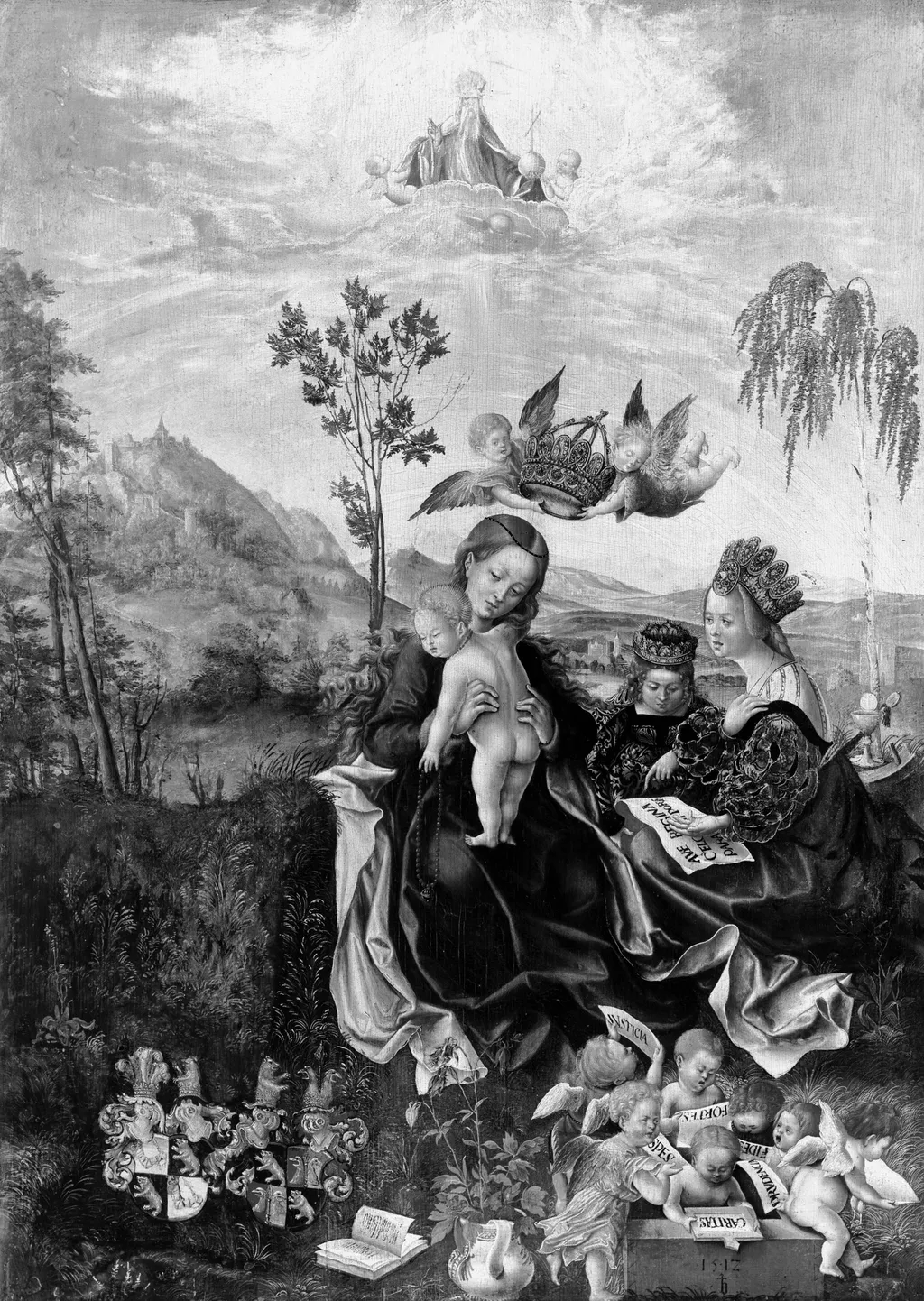
Mary with the child, Saint Catherine, Saint Barbara and angels is a paint painting by the Northern Renaissance artist Jörg Breu the Elder. It dates from 1512 and is held in the collection of the Gemäldegalerie Berlin.
About this work
Overview
Executed in oil on panel, the work reflects the Northern Renaissance tradition of intricate detail and spiritual intimacy.
Painted in 1512 by Jörg Breu the Elder, this devotional panel features the Virgin Mary with the Christ Child, flanked by Saint Catherine and Saint Barbara, surrounded by hovering angels. Executed in oil on panel, the work reflects the Northern Renaissance tradition of intricate detail and spiritual intimacy. Breu, trained in Augsburg and influenced by travels in Italy and Austria, synthesized regional and Italianate elements in his composition, creating a harmonious sacred gathering.
Subject & Meaning
The painting presents a celestial assembly centered on Mary and the Christ Child, emphasizing maternal tenderness and divine presence. Saint Catherine, identified by her wheel, and Saint Barbara, by her tower, represent martyrdom and protection. The angels, engaged in playful interaction, suggest heavenly joy and the accessibility of the divine. The grouping reflects late medieval devotional practices, where saints served as intercessors, and the Virgin was venerated as a compassionate mediator.
Technique & Style
Breu employed fine brushwork to render textures of fabric, skin, and foliage with precision. The figures are arranged in a shallow, tiered space, with soft atmospheric perspective guiding the eye toward the landscape background. Rich pigments, particularly in the deep blues and reds of the garments, enhance the painting’s solemnity. Light falls naturally across the figures, modeling forms with subtle gradations, a hallmark of Northern Renaissance realism influenced by Italian chiaroscuro.
History & Provenance
Commissioned during Breu’s mature period in Augsburg, the painting remained in regional ecclesiastical or private collections before entering the Gemäldegalerie Berlin’s holdings. Its survival through centuries of religious upheaval, including the Reformation, suggests it was valued for its artistic merit as much as its devotional function. Documentation from the 18th century confirms its presence in Berlin’s collection by the early 1800s.
Context
Created during a time of religious transition in southern Germany, the painting reflects the persistence of Catholic iconography even as Protestant ideas spread. Breu’s synthesis of Augsburg’s artisanal traditions with Italian compositional clarity illustrates the cross-regional exchange characteristic of early 16th-century art. His workshop produced numerous altarpieces for churches and civic patrons, positioning him as a key figure in the Danube school’s evolution.
Legacy
Breu’s work, though less widely known than contemporaries like Dürer, contributed to the development of narrative altarpiece painting in the German-speaking world. His attention to naturalistic detail and emotional nuance influenced regional painters who sought to balance spiritual gravity with human observation. The painting remains a representative example of how Northern artists adapted Italian innovations to local devotional needs.
Artist & collection
Artist
Jörg Breu the Elder (c. 1475–1537), of Augsburg, was a painter of the German Danube school. He was the son of a weaver. He journeyed to Austria and created several multi-panel altarpieces there in 1500–02, such as the…

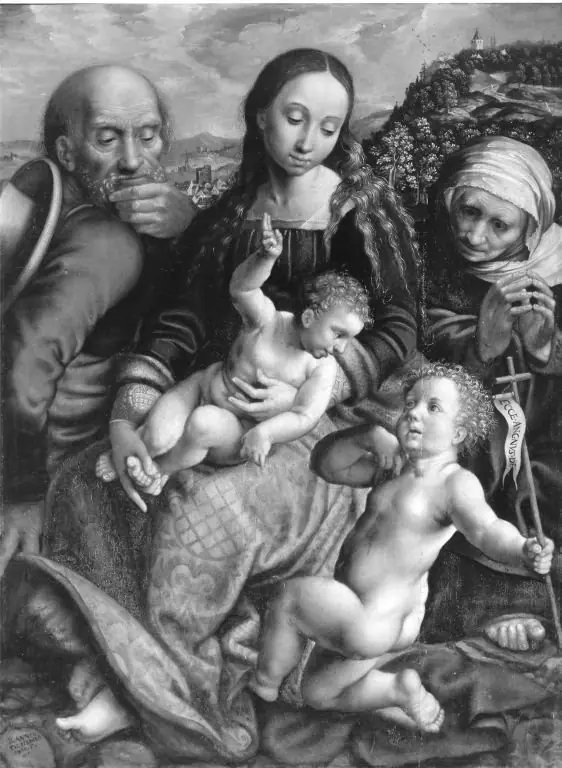 The Holy Family with Saint Elisabeth and the young St. John the Baptist
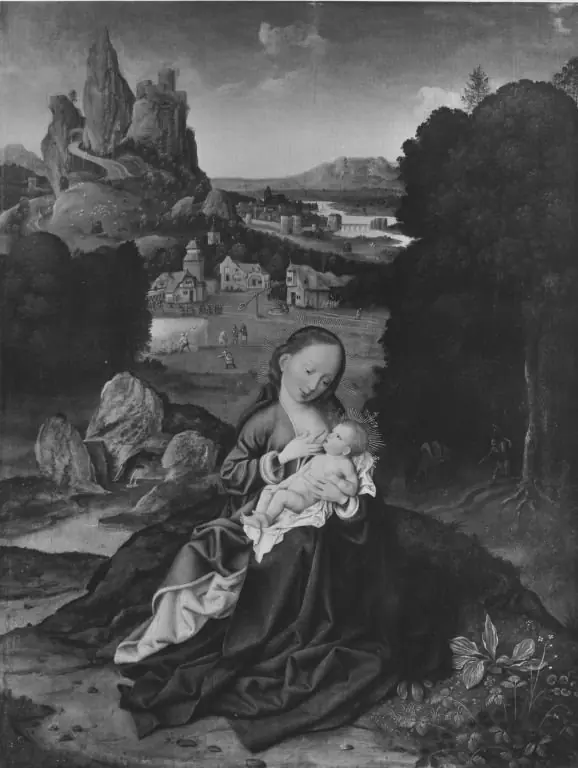 Rest in flight
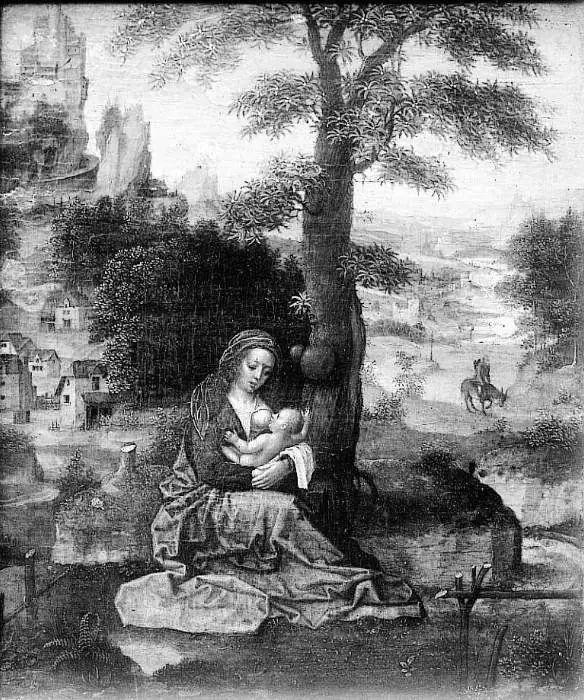 Die Ruhe auf der Flucht nach Ägypten
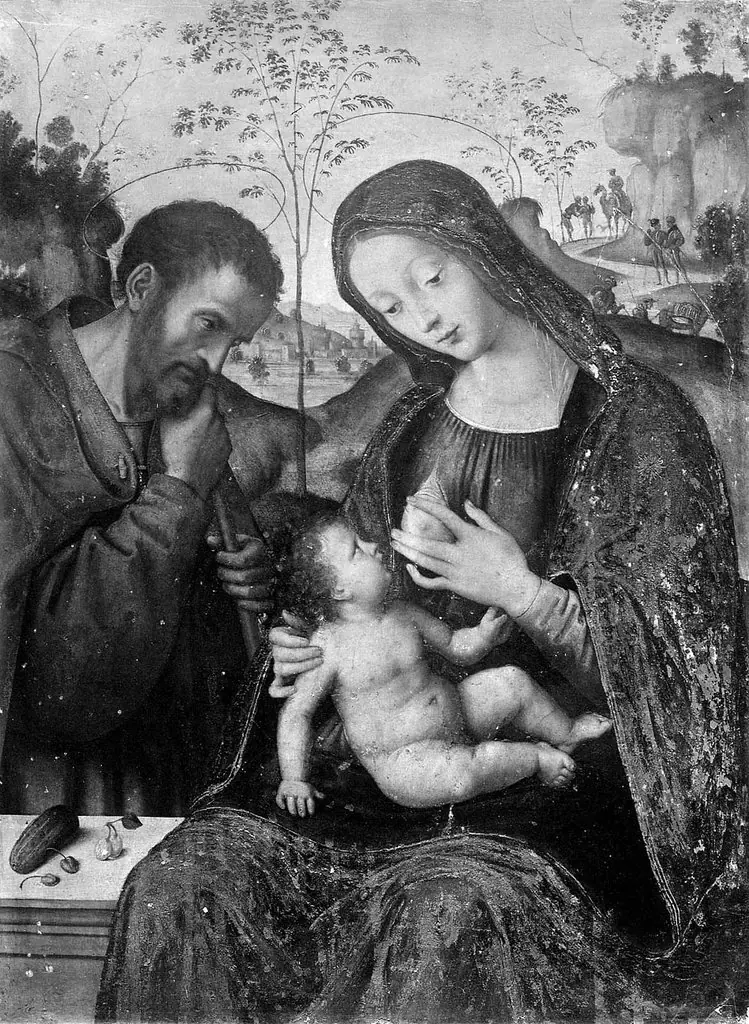 The Holy Family
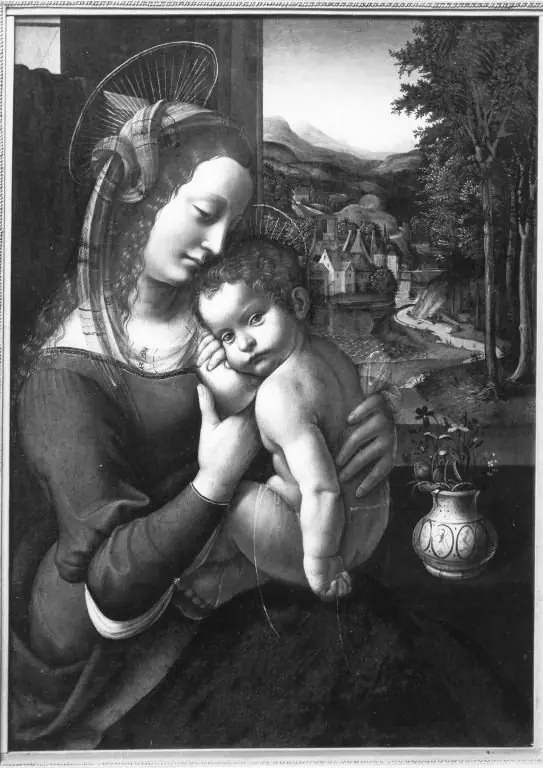 Maria mit Kind
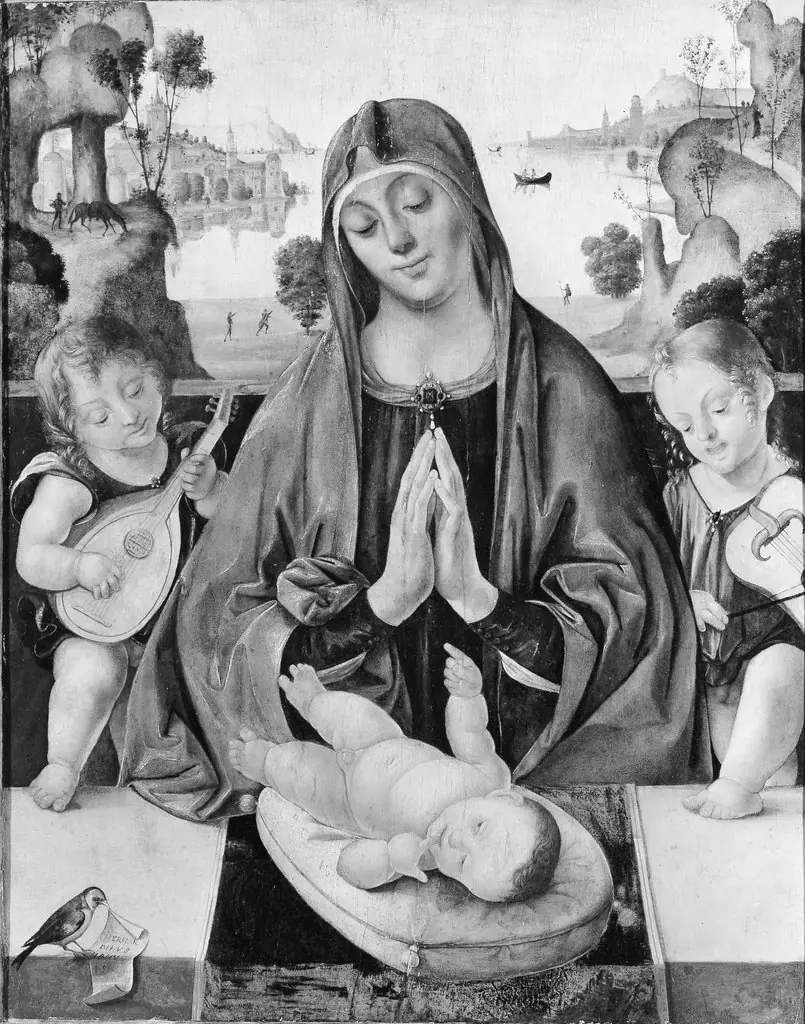 Madonna and Child with Angels
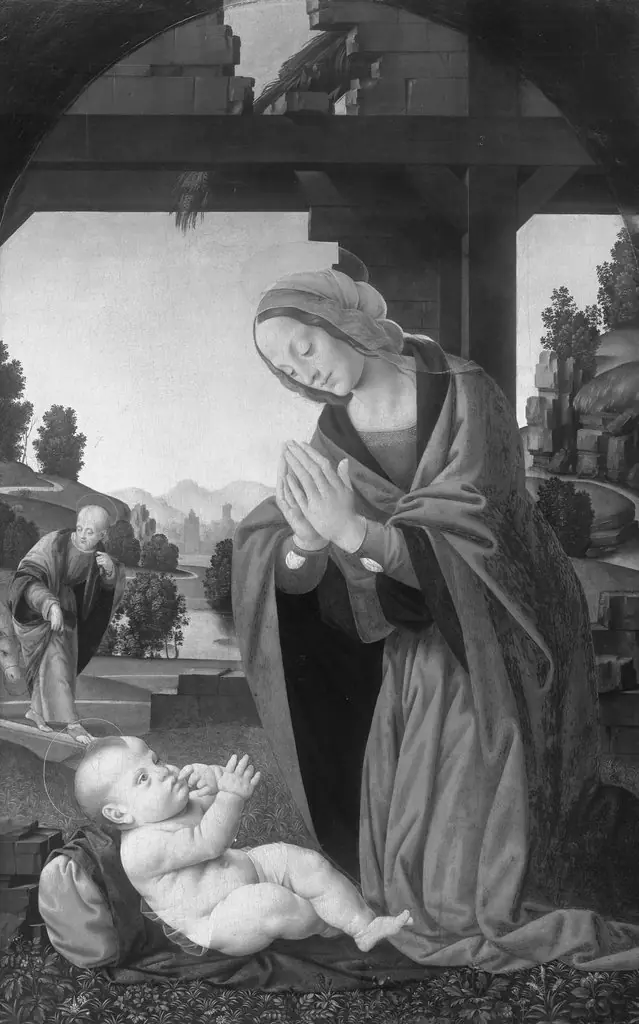 Mary adoring the child
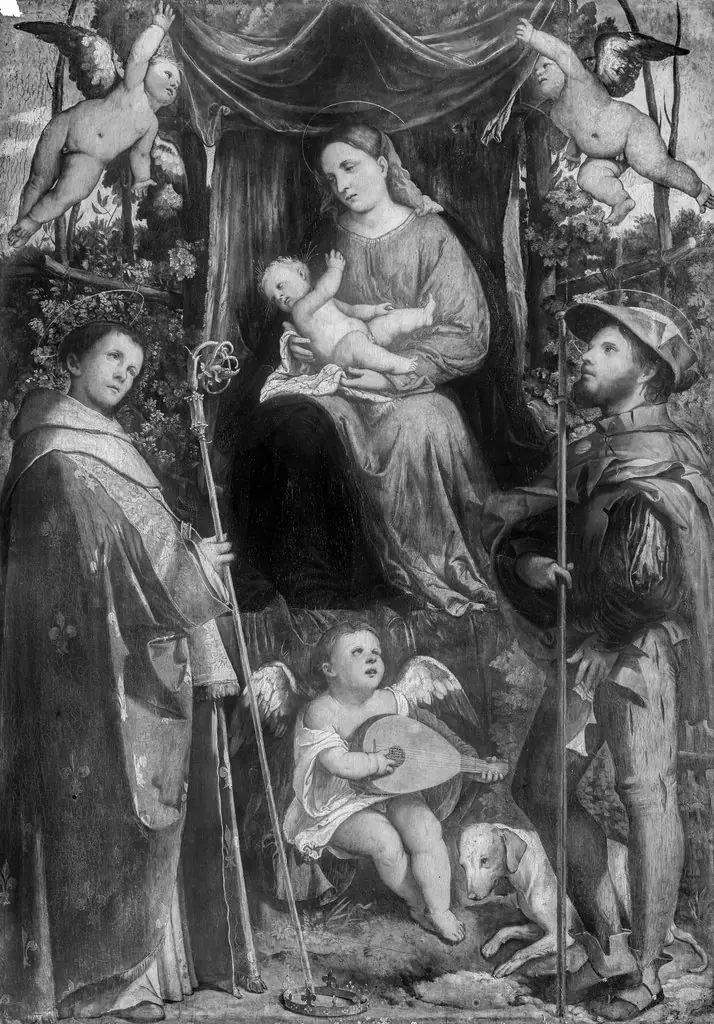 Mary and child enthroned with two saints
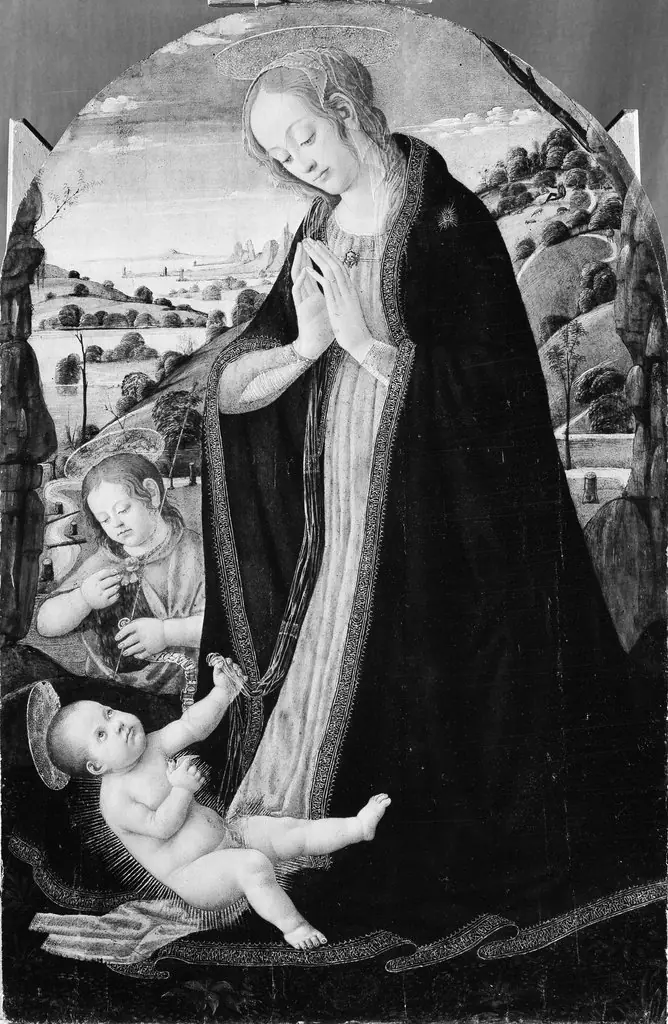 The Nativity
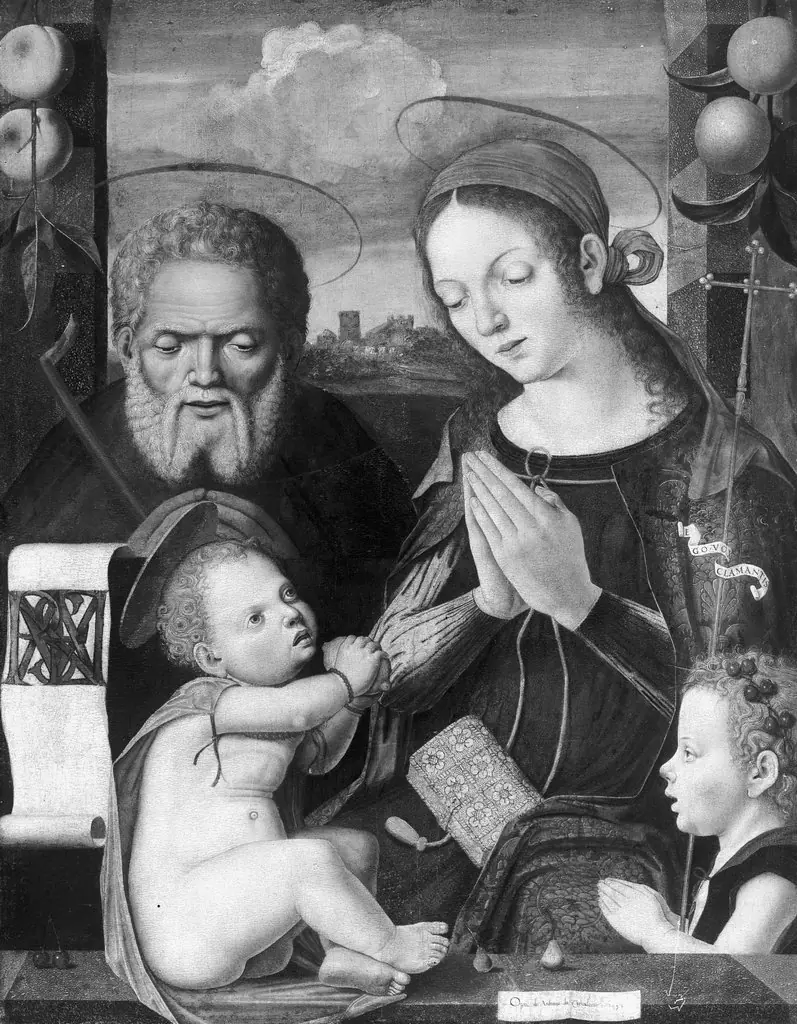 The Holy Family with little John
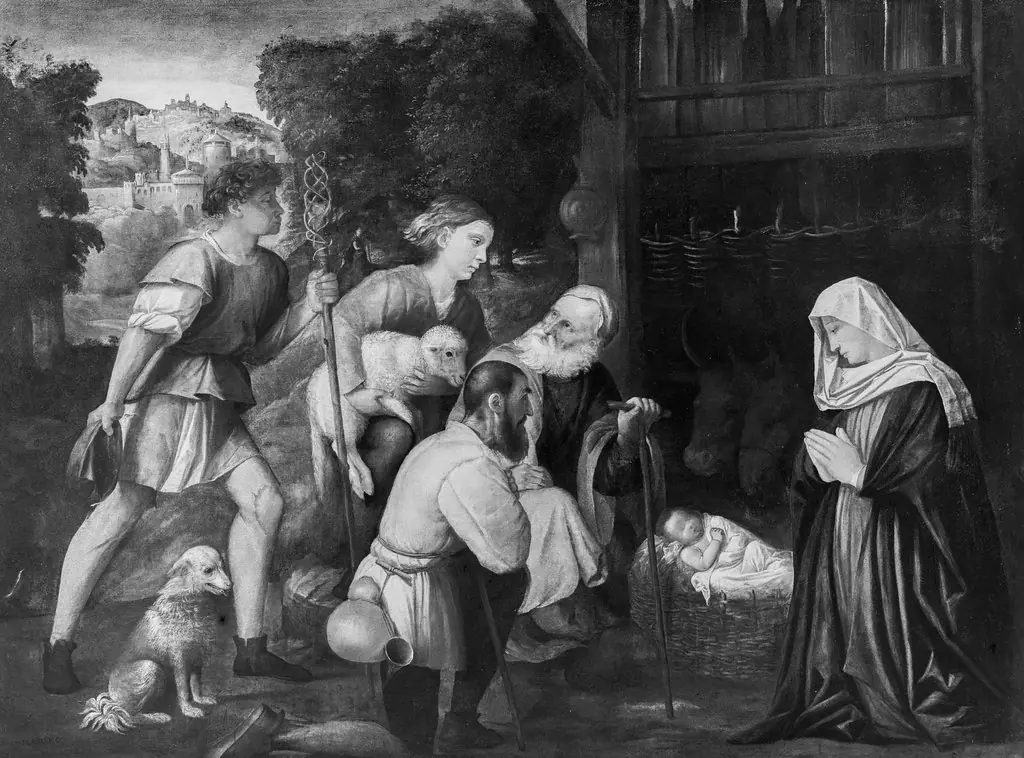 Adoration of the Shepherds
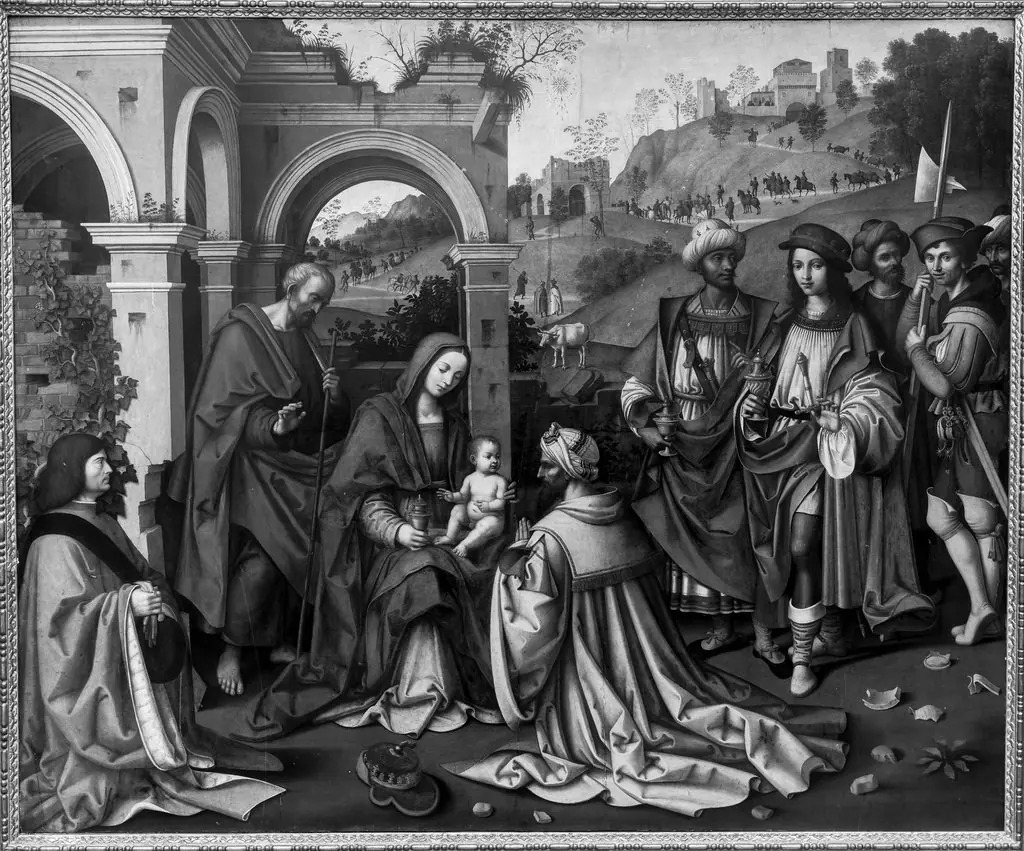 Adoration of the Kings