Artwork
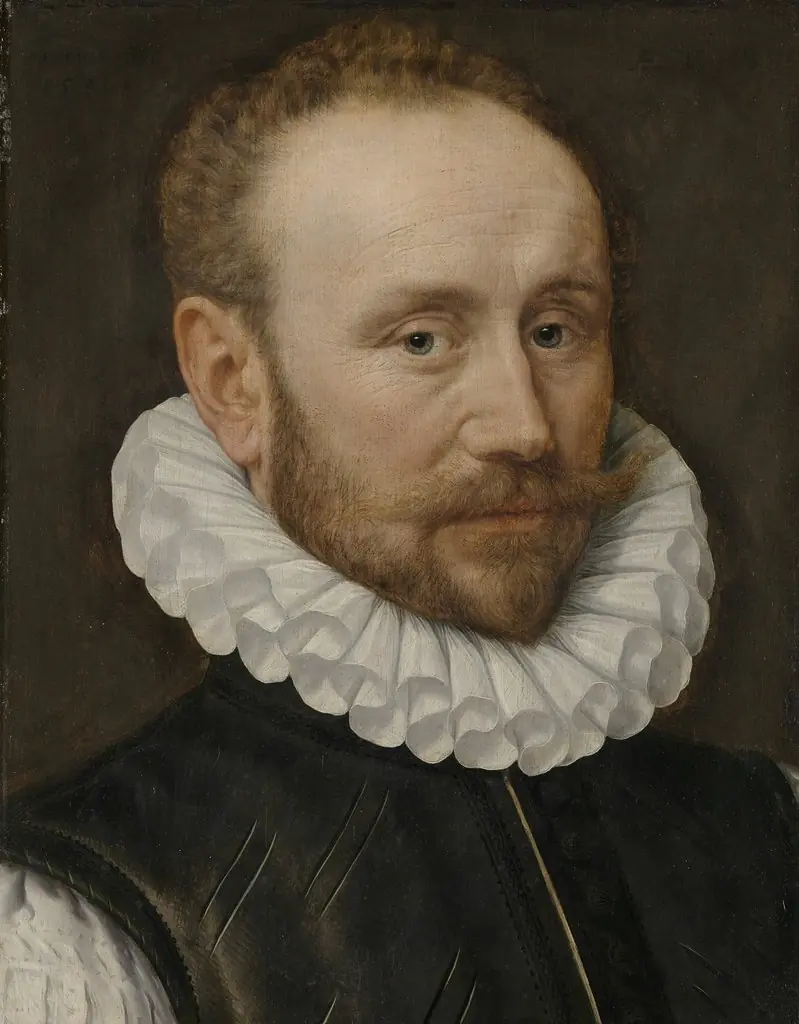
Portrait of a Gentleman
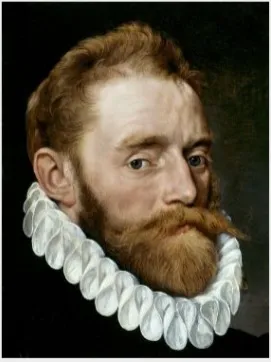
Portrait of a Gentleman is an oil painting by the Northern Renaissance artist Adriaen Thomasz. Key. It dates from 1575 and is held in the collection of the National Gallery of Ireland. Adriaen Thomasz.
About this work
Overview
He inherited the workshop of Willem Key, a leading portraitist of the region, and continued his tradition of refined civilian portraiture.
Adriaen Thomasz. Key, a Flemish artist active in Antwerp during the late 16th century, painted this portrait in 1575 using oil on panel. He inherited the workshop of Willem Key, a leading portraitist of the region, and continued his tradition of refined civilian portraiture. The work is now held in the National Gallery of Ireland and represents Key’s contribution to Northern Renaissance portraiture, characterized by quiet dignity and meticulous observation.
Subject & Meaning
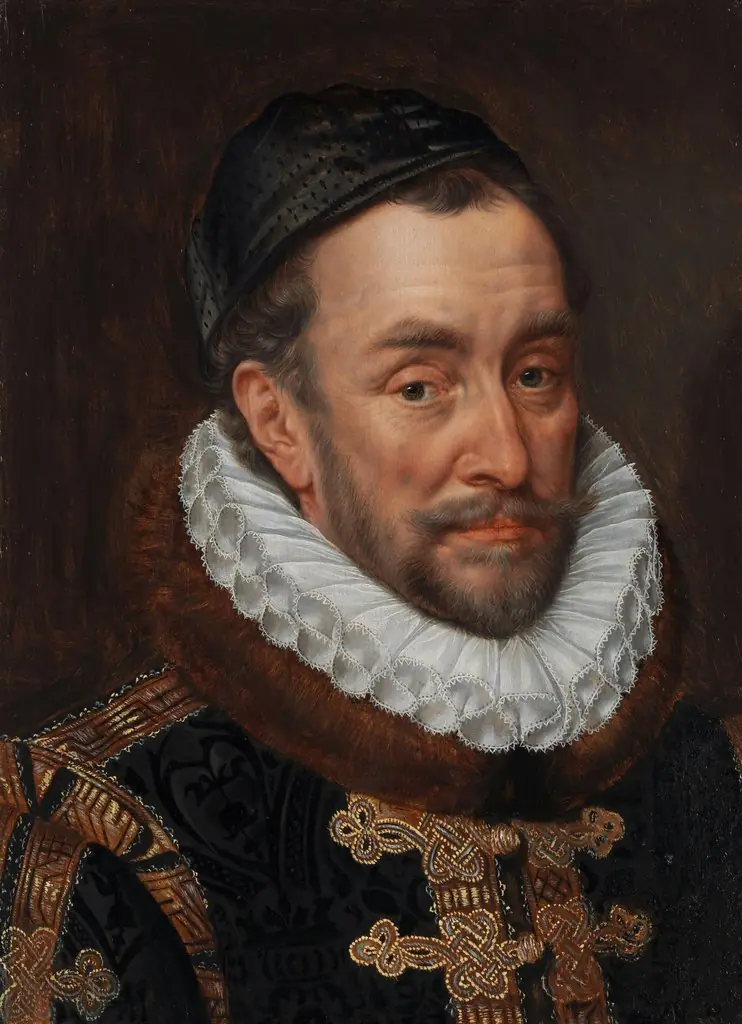
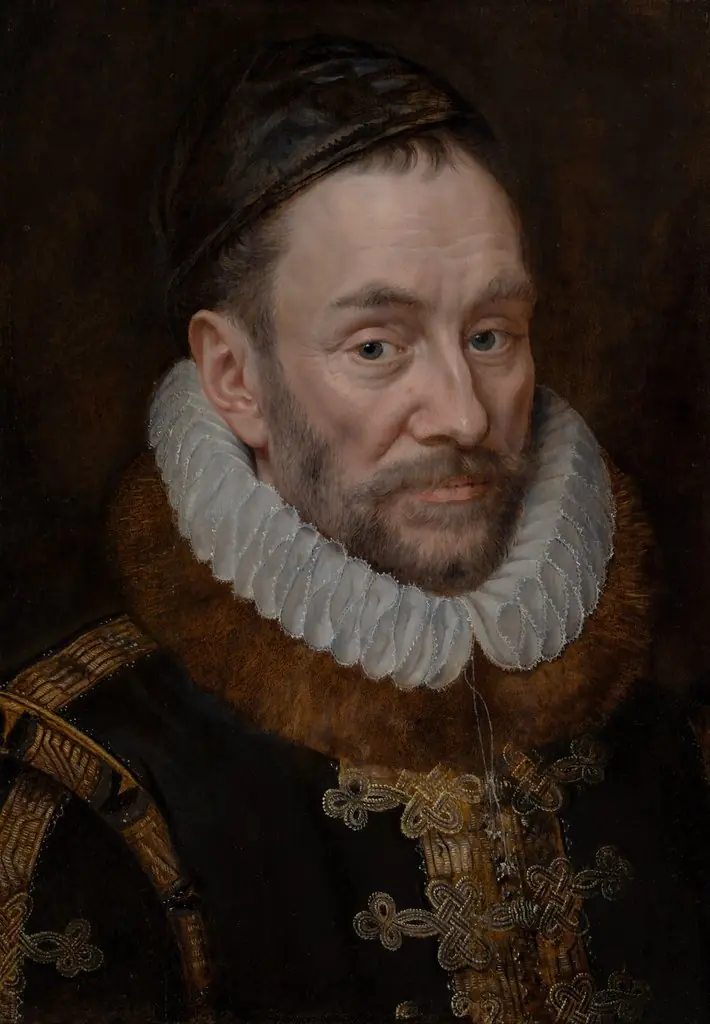
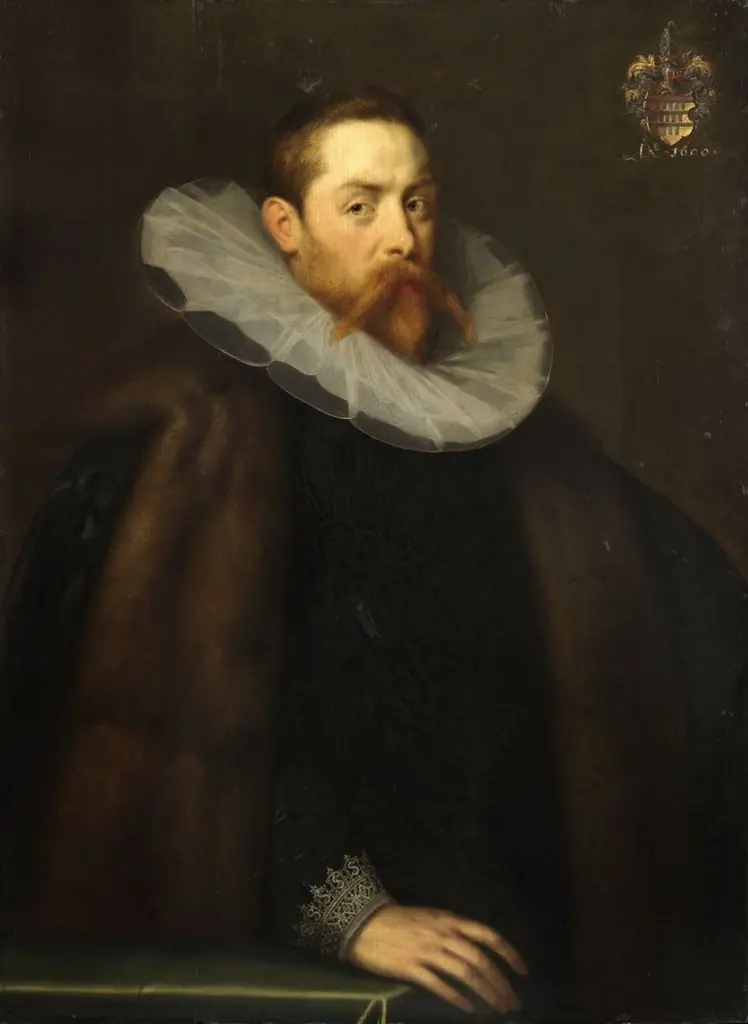
The sitter is a man of apparent social standing, identified by his refined attire and composed demeanor. His reddish-brown hair and distinctive red beard frame a face turned slightly to the right, conveying a sense of quiet presence rather than theatrical display. The absence of symbols or elaborate settings suggests an emphasis on personal identity and status through subtle indicators of wealth, such as the crisp linen collar and the precision of his grooming.
Technique & Style
Key employed oil paint to achieve subtle gradations of light and texture, particularly in the rendering of the ruffled collar and the soft transition of skin tones. The dark, unmodeled background isolates the figure, directing focus to facial expression and fabric detail. His brushwork is controlled yet fluid, capturing the sheen of silk and the texture of beard without overt ornamentation, reflecting a Northern Renaissance preference for naturalism over idealization.
History & Provenance
The painting entered the National Gallery of Ireland’s collection in the 19th century, though its earlier ownership remains undocumented. It was likely commissioned by a member of Antwerp’s merchant or civic elite, as Key specialized in portraits of affluent patrons. The work has remained relatively unchanged since its creation, preserving the original composition and surface quality without significant restoration.
Context
In mid-to-late 16th-century Antwerp, portraiture flourished as a marker of civic pride and personal identity among the urban elite. Key operated within a network of artists responding to humanist ideals and growing demand for secular imagery. His work reflects the transition from religious iconography to individualized representation, aligning with broader trends in the Northern Renaissance that valued psychological depth and material realism.
Legacy
Key’s approach to portraiture, marked by restrained elegance and technical precision, influenced later Flemish painters, including Peter Paul Rubens, who studied the traditions of Antwerp’s earlier masters. Though less widely known today, Key’s contributions helped sustain a local school of portraiture that emphasized authenticity over grandeur, leaving a quiet but enduring mark on the evolution of Northern European painting.
Artist & collection
Artist
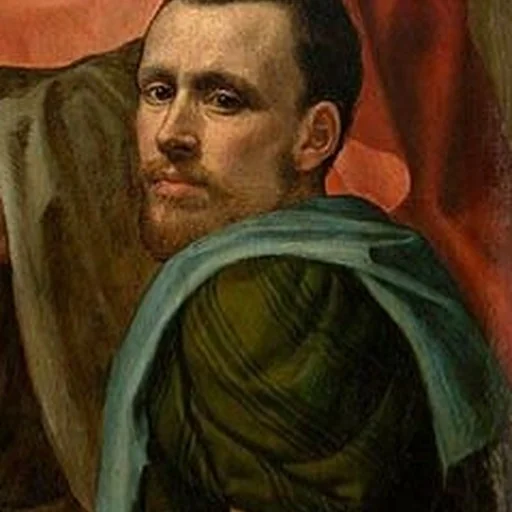
Adriaen Thomasz. Key (c. 1544 in Antwerp – after 1589 in Antwerp) was a Flemish painter of portraits and religious paintings, a draughtsman and a printmaker. He worked for a while in the Antwerp workshop of the…

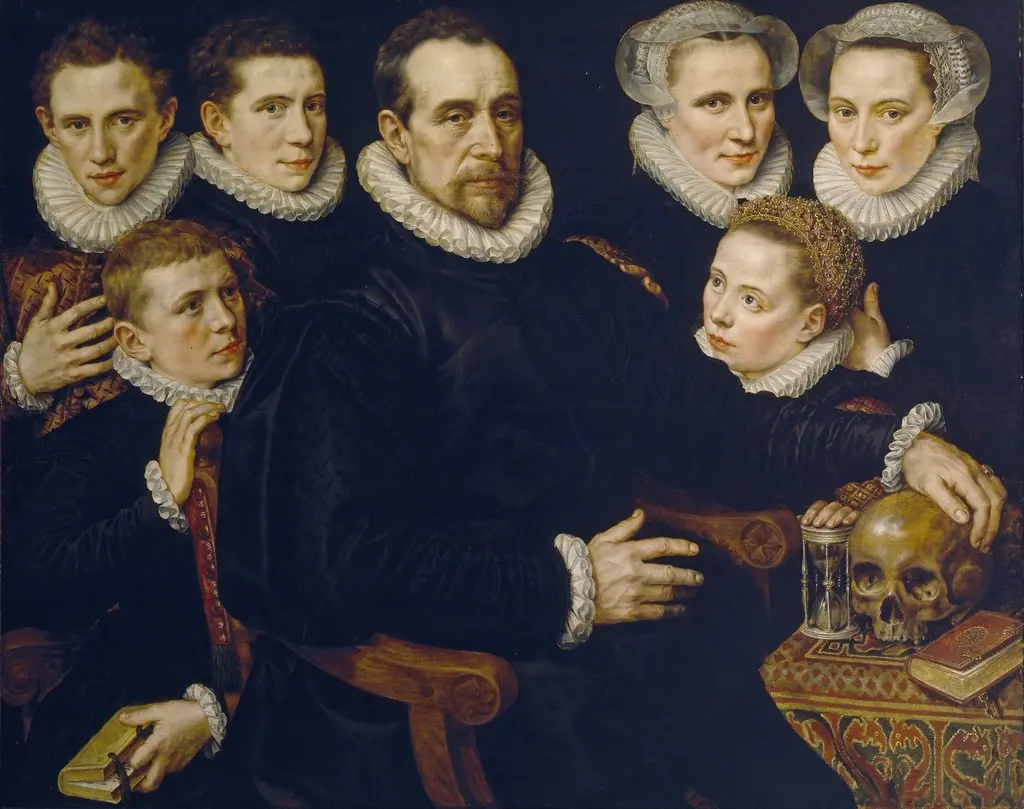
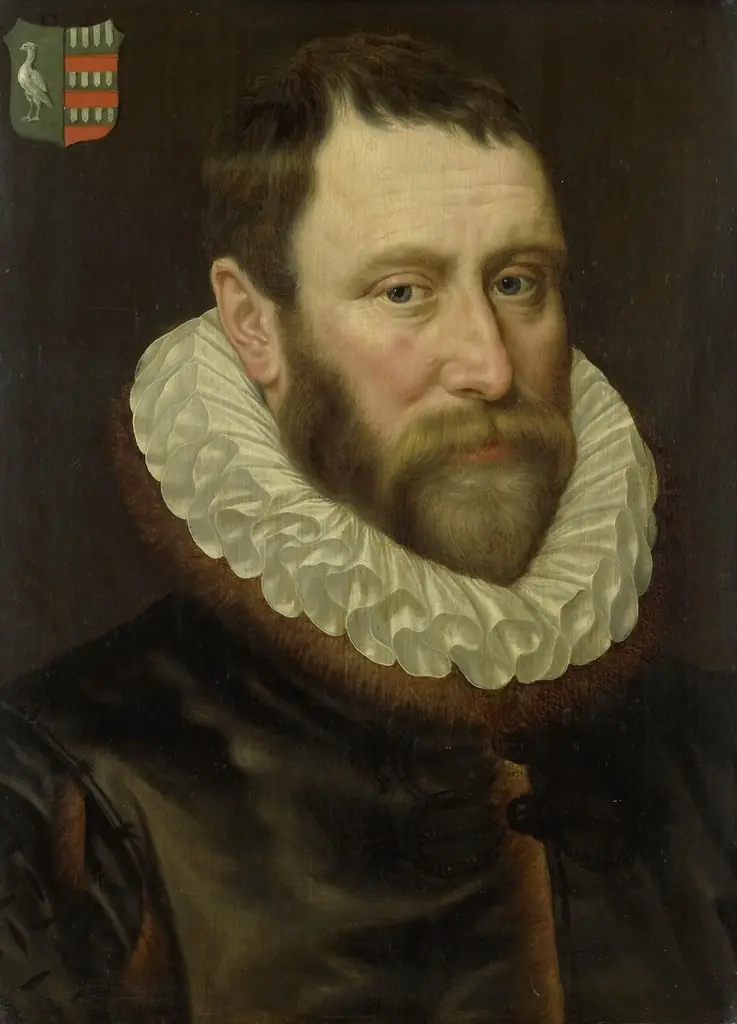
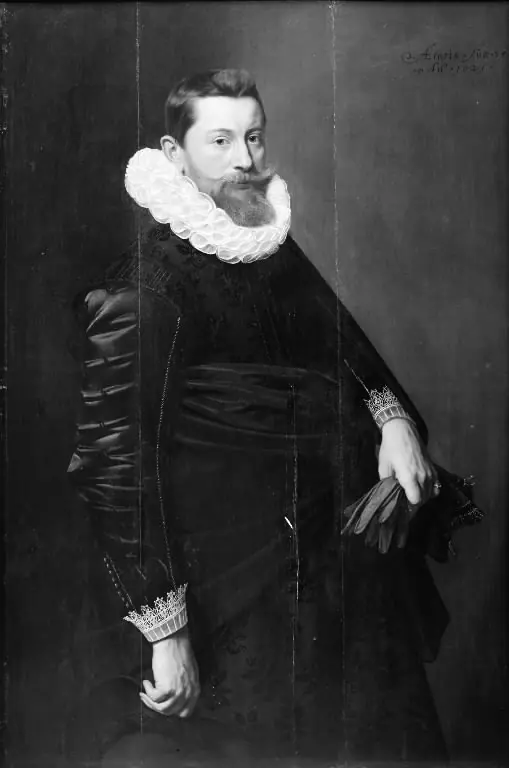 Portrait of a Gentleman
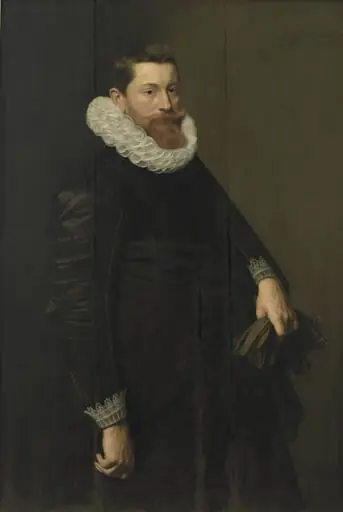 Portrait of a Gentleman
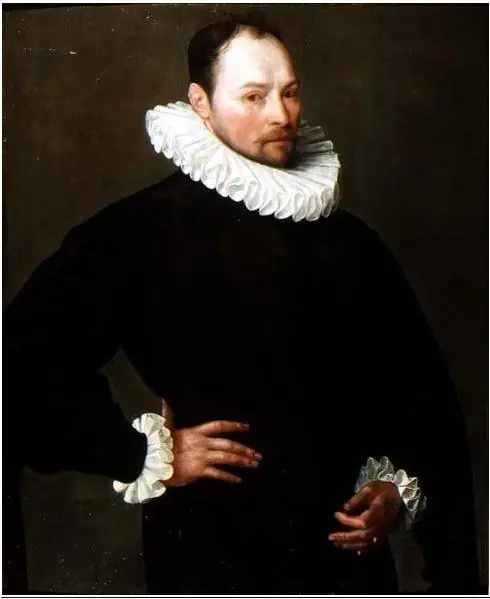 Portrait of a man aged 33
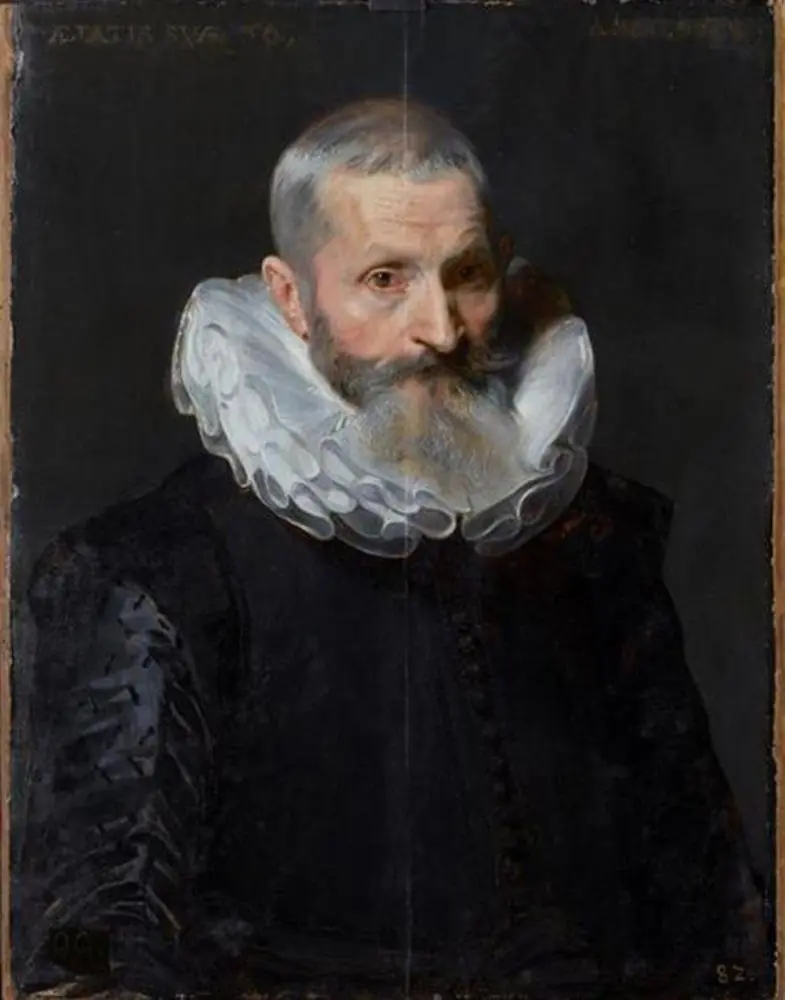 Portrait of a 60-year-old Man
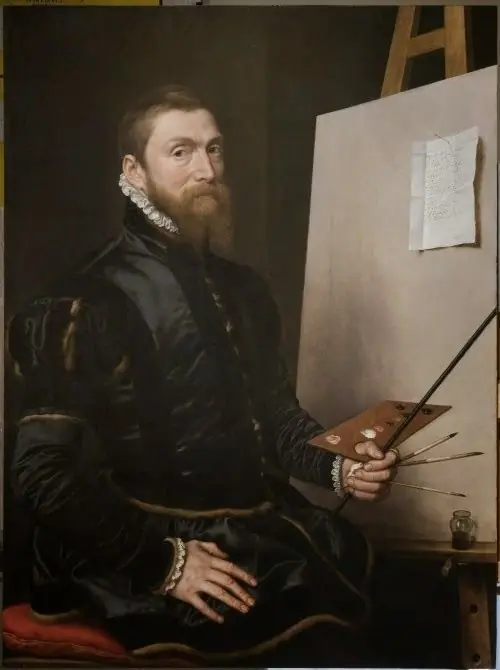 Self-portrait
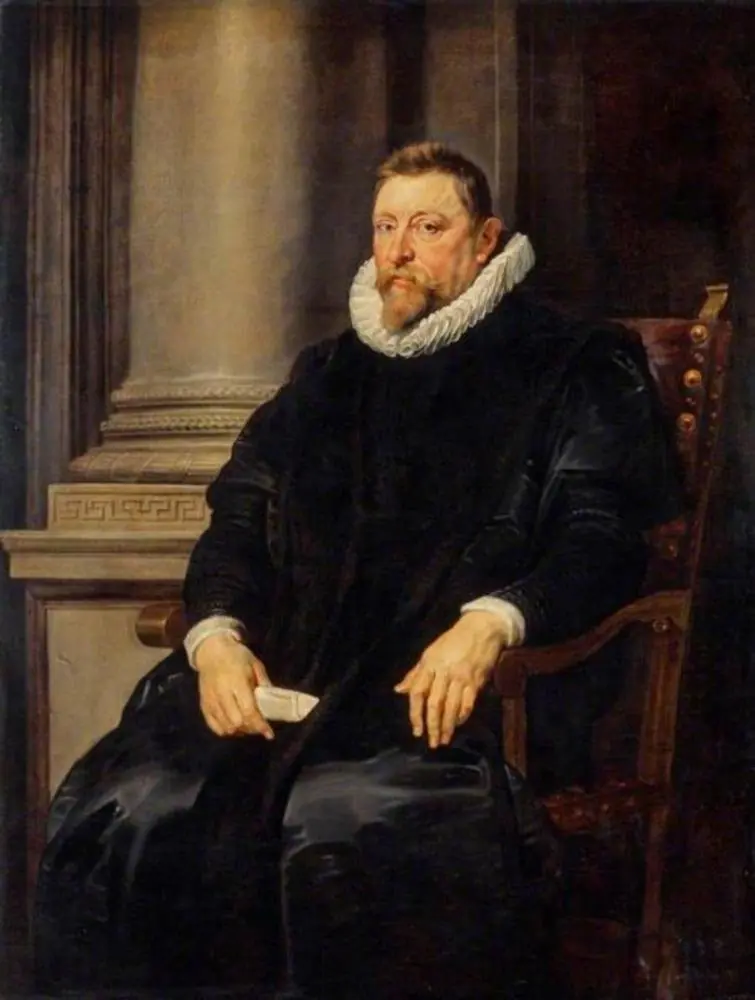 Portrait of Petrus Pecquius (1562 - 1625)
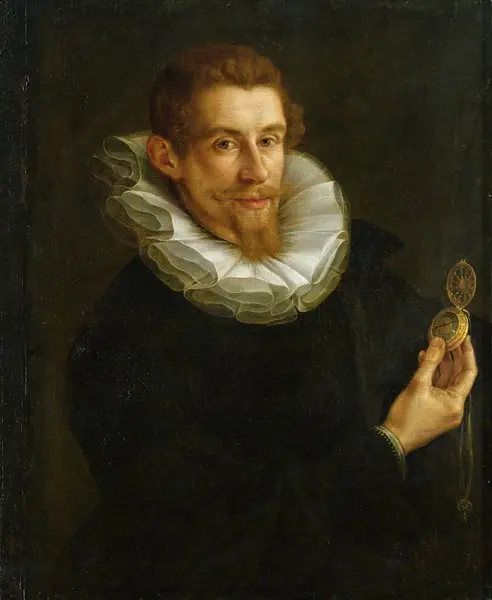 Self-portrait David Kindt
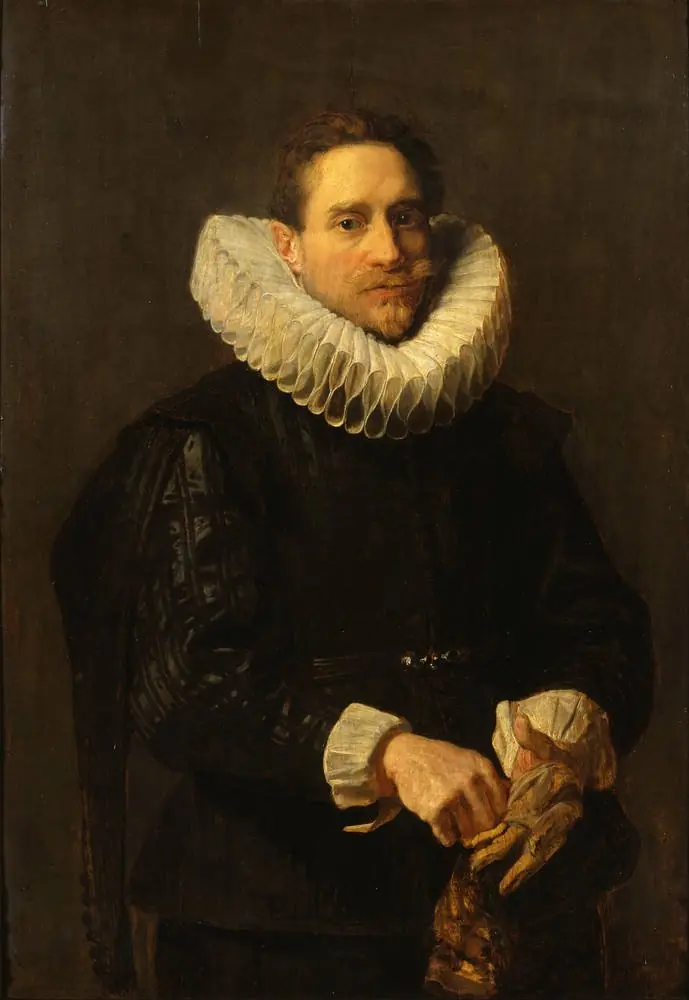 Portrait of a Man
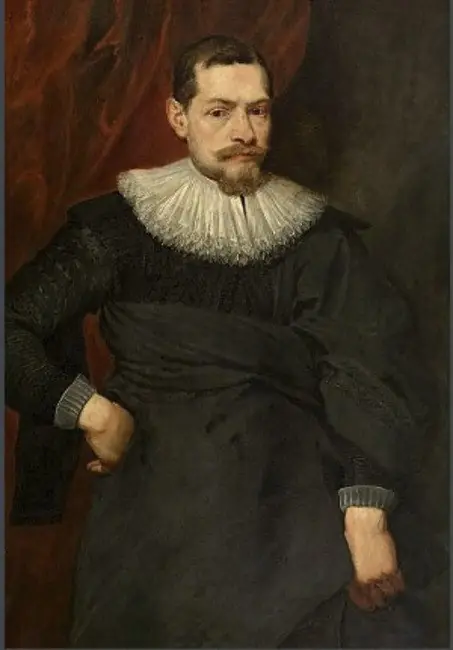 Portrait of man with an unstarched ruff
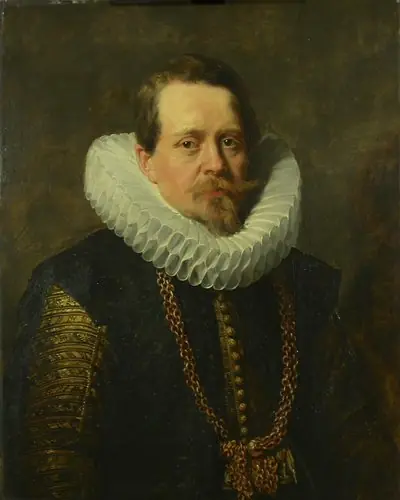 Portrait of Jean Charles de Cordes
 Portrait of a Member of the Lyskirchen Family
 Portrait of a Man Wearing a Ruff