Artwork
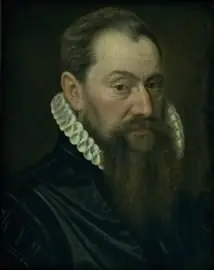
Portrait of Abraham Ortelius
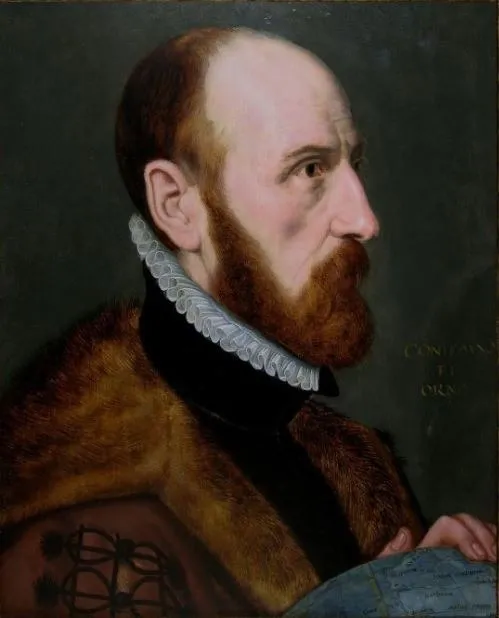
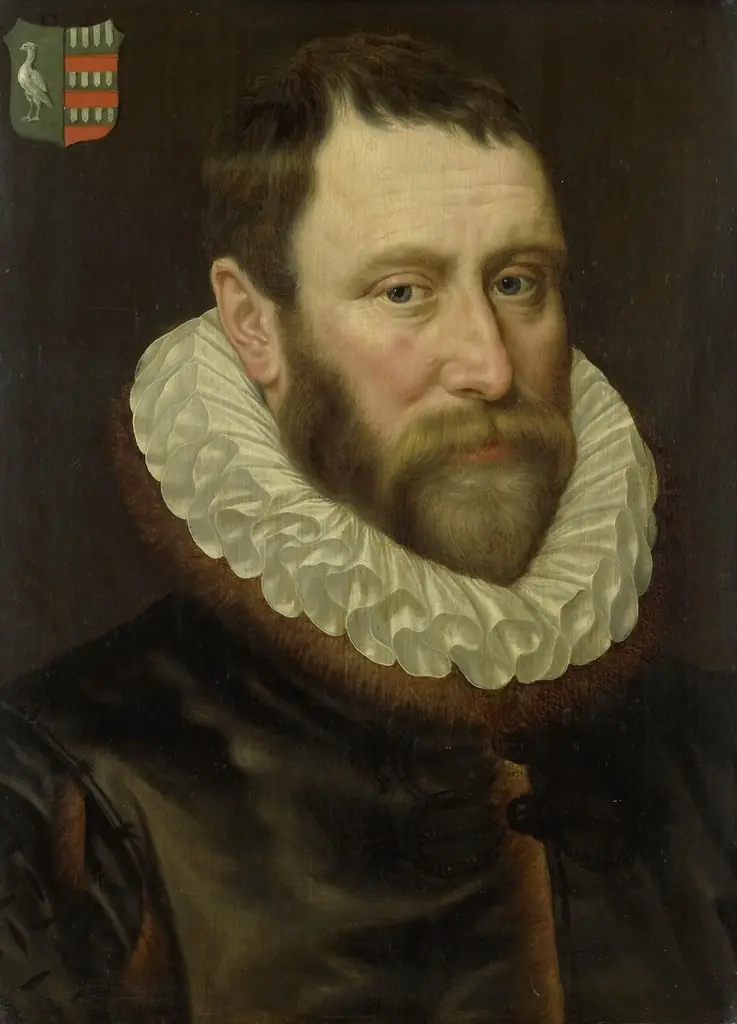
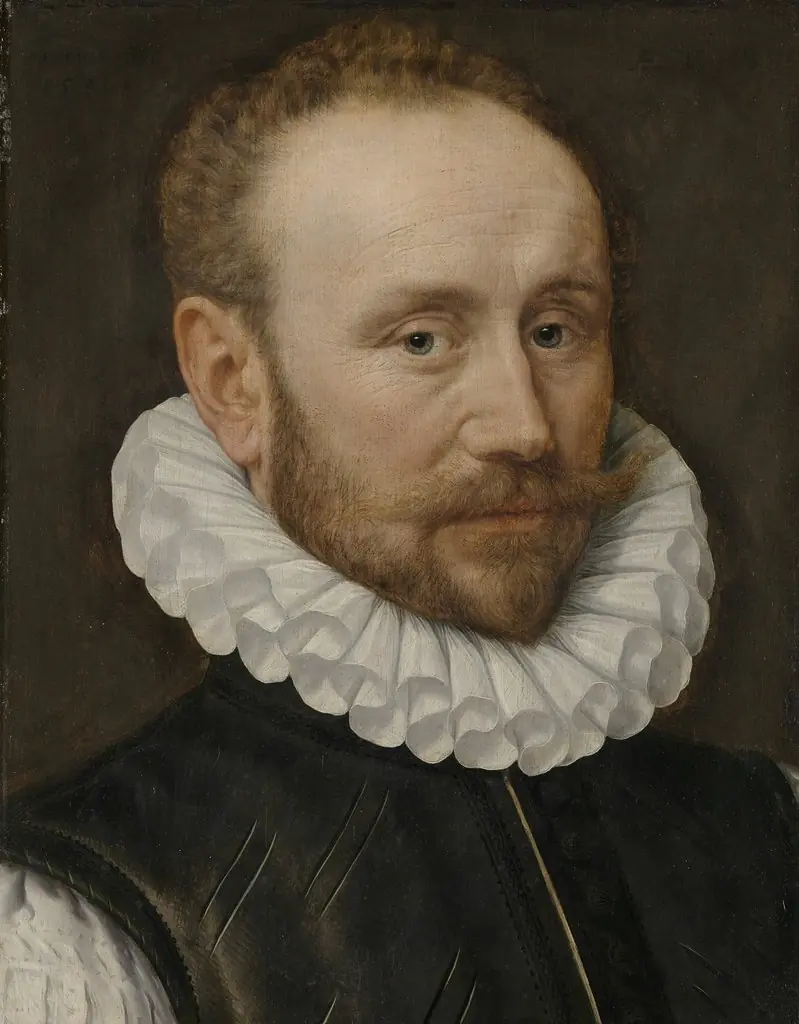
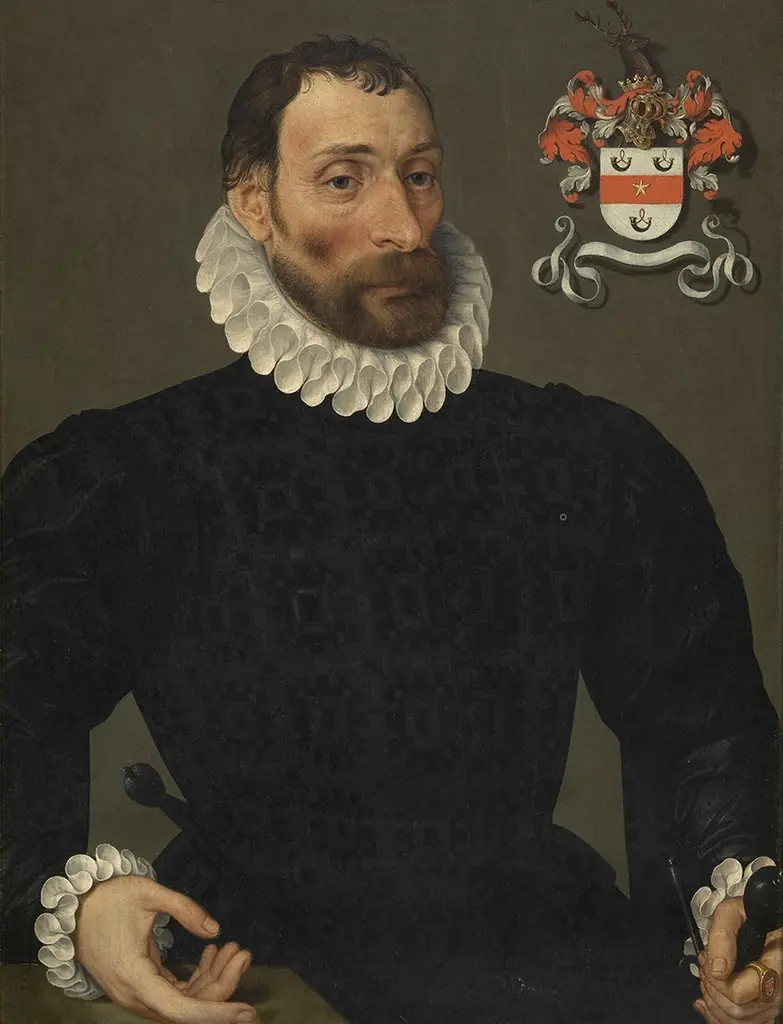
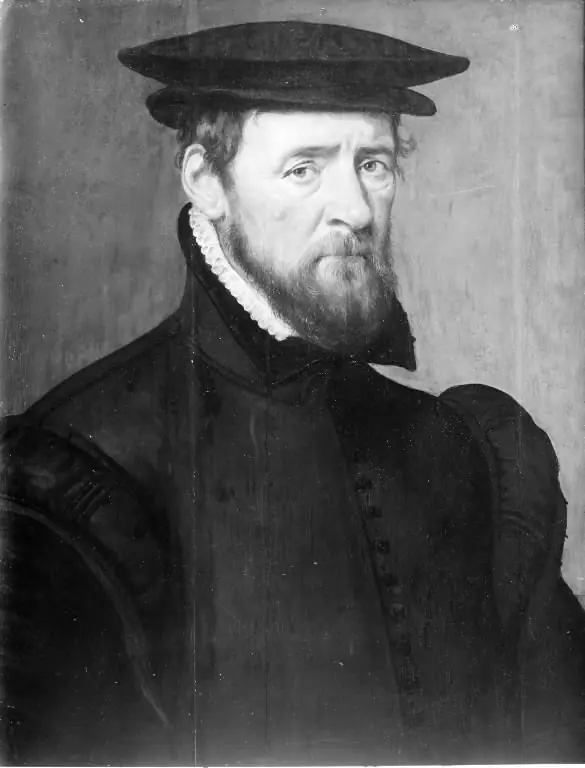
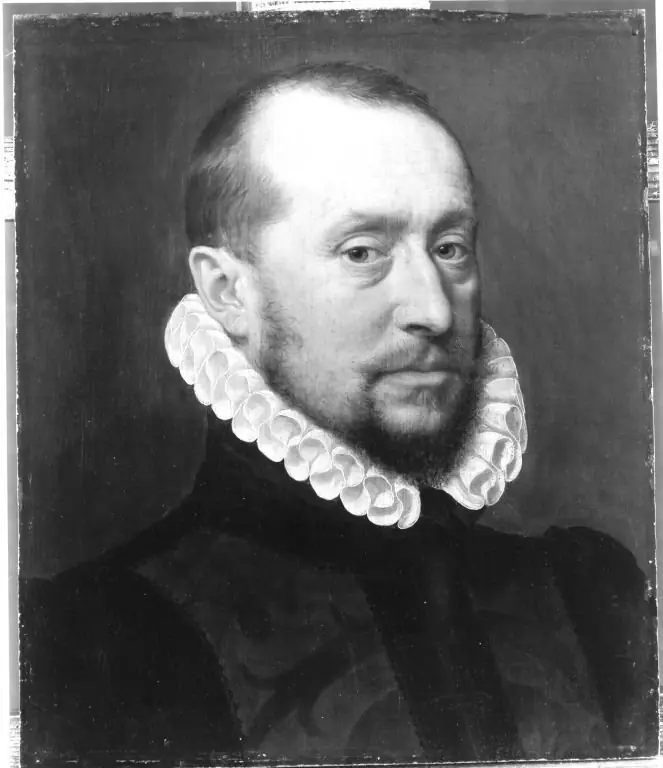
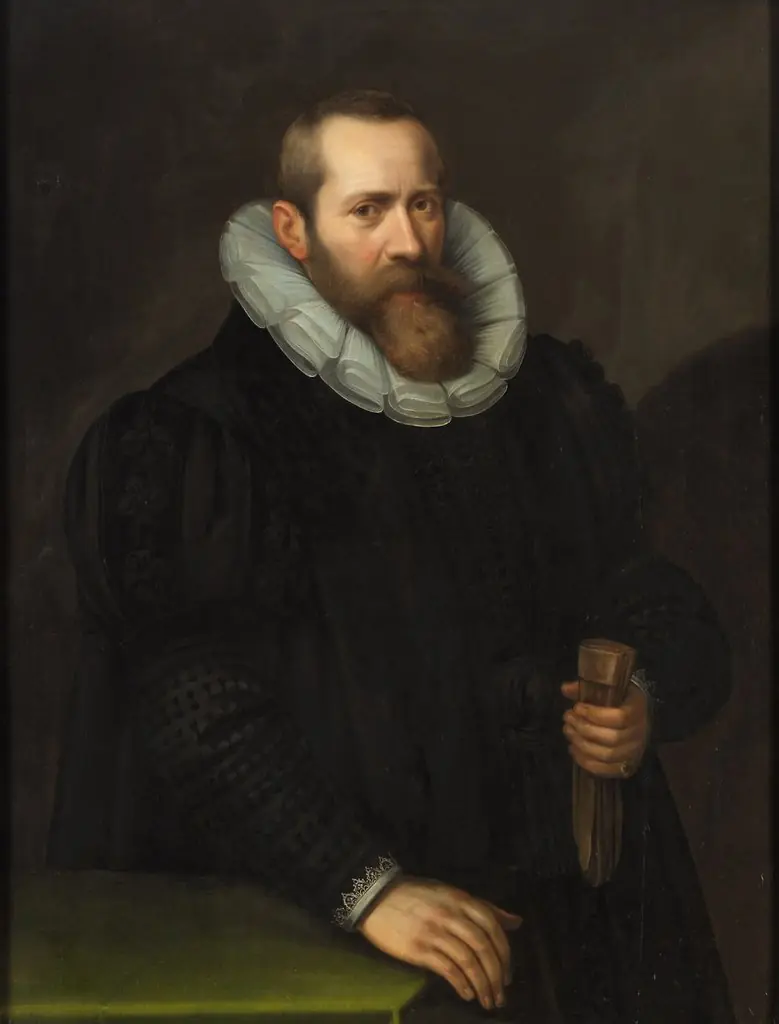
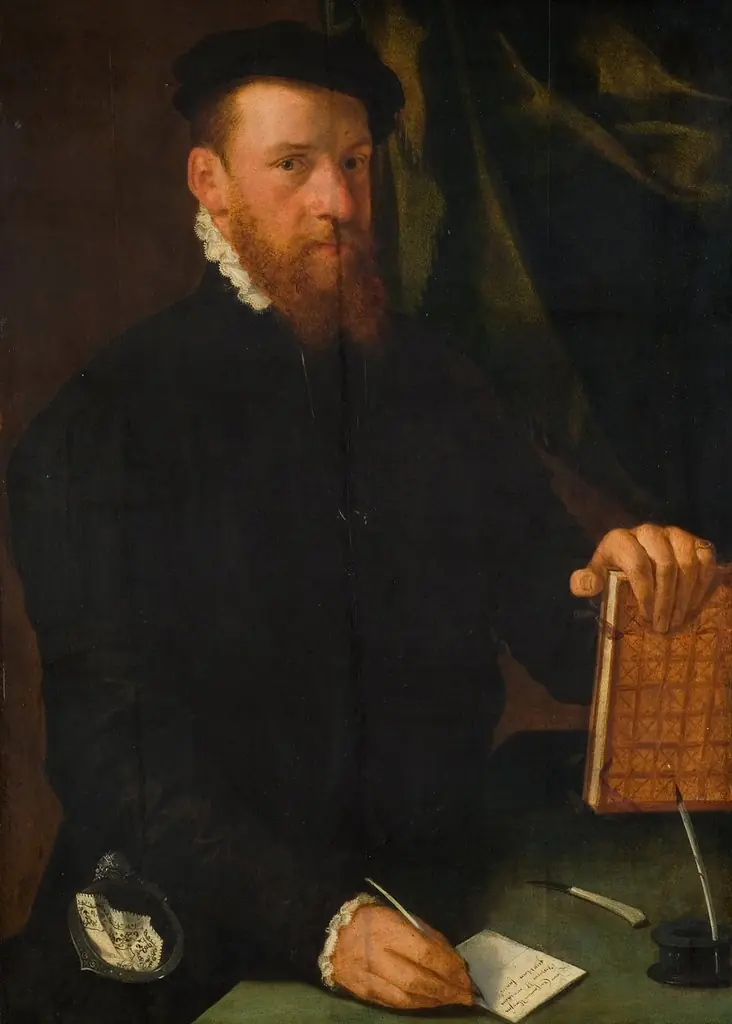
Portrait of Abraham Ortelius is an oil painting by the Northern Renaissance artist Adriaen Thomasz. Key. It dates from 1574 and is held in the collection of the J. Paul Getty Museum. Painted in 1574 by Adriaen Thomasz.
About this work
Overview
The work belongs to the Northern Renaissance tradition, emphasizing precise detail and intellectual subject matter.
Painted in 1574 by Adriaen Thomasz. Key, this oil portrait depicts the Flemish cartographer Abraham Ortelius. The work belongs to the Northern Renaissance tradition, emphasizing precise detail and intellectual subject matter. Ortelius is shown in formal attire, holding a globe, a symbol of his scholarly contributions to geography. The painting is part of the J. Paul Getty Museum’s collection, where it serves as a visual record of early modern scientific identity.
Subject & Meaning
Abraham Ortelius, renowned for compiling the first modern atlas, is portrayed not as a noble or clergyman but as a man of learning. The globe he holds signifies his life’s work in mapping the known world. His attire—dark clothing with fur trim—conveys modest dignity rather than wealth, aligning with humanist values that elevated intellectual achievement over social status. The gaze is direct, suggesting quiet confidence in his scholarly role.
Technique & Style
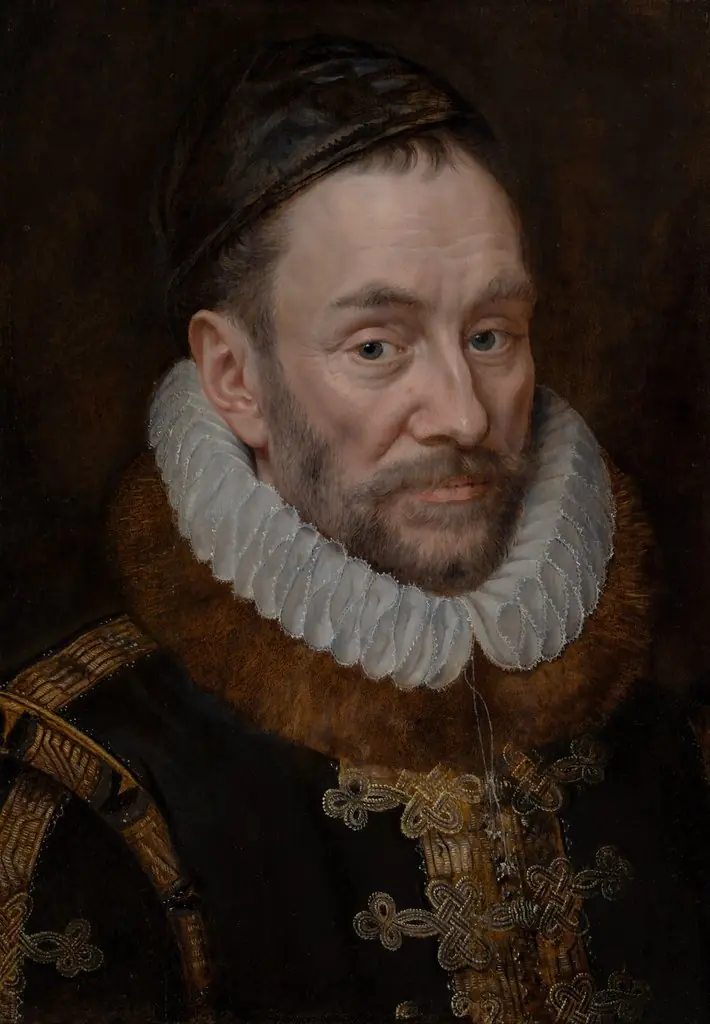
Key employs oil paint with careful attention to texture, particularly in the rendering of fur, fabric, and the globe’s surface. Chiaroscuro modeling gives the figure volume and presence against a muted, dark background. Facial features and the beard are rendered with subtle gradations of light, enhancing realism. The composition is tightly focused, eliminating distractions to emphasize the sitter’s intellectual character and the symbolic object he holds.
History & Provenance
Commissioned during Ortelius’s lifetime, the portrait likely served to commemorate his contributions to geography. It remained in private hands for centuries before entering the J. Paul Getty Museum’s collection. Its survival through multiple ownerships reflects its recognition as a significant representation of a leading scientific figure of the era. Documentation confirms its attribution to Key and its date of creation as 1574.
Context
In late 16th-century Flanders, cartography was both a scientific and cultural pursuit, intertwined with exploration and humanist scholarship. Portraits of scholars, often holding instruments or books, became a genre that celebrated knowledge over lineage. Ortelius’s image aligns with this trend, mirroring the era’s reverence for empirical inquiry and the growing prestige of geographic science in European intellectual life.
Legacy
The portrait endures as a visual testament to the fusion of art and science in the Renaissance. It captures a key figure in the history of cartography at a moment when maps were transforming how the world was understood. While not widely reproduced, it remains a quiet but important artifact in the history of scientific portraiture, illustrating how visual culture supported the rise of empirical disciplines.
Artist & collection
Artist
Adriaen Thomasz. Key (c. 1544 in Antwerp – after 1589 in Antwerp) was a Flemish painter of portraits and religious paintings, a draughtsman and a printmaker. He worked for a while in the Antwerp workshop of the…