Artwork
Olivier Nieulant
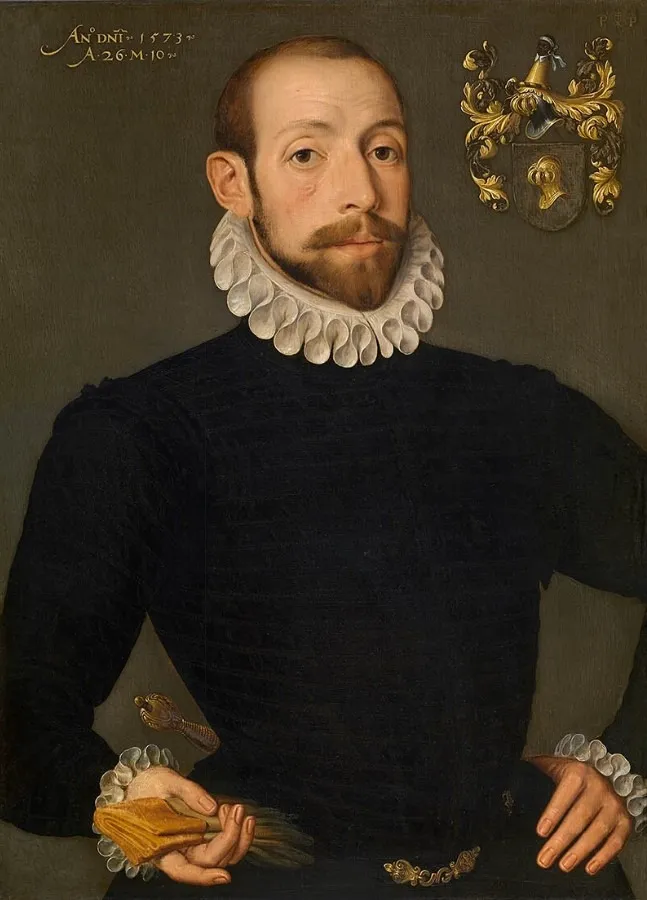
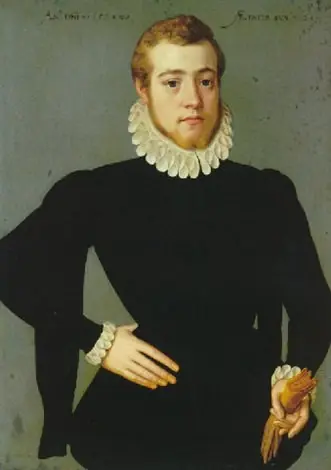
Olivier Nieulant is an oil painting by Pieter Pourbus. It dates from 1573 and is held in the collection of the Royal Museum of Fine Arts Antwerp.
About this work
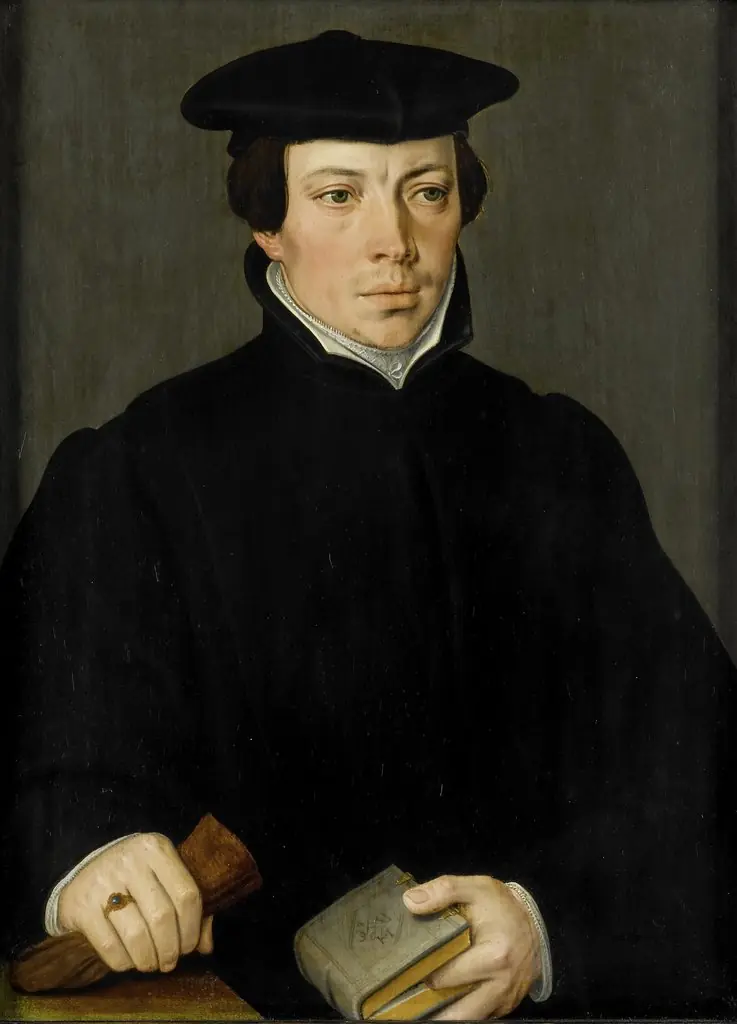
This portrait depicts a man with a short, brown beard and hair, wearing a black shirt with a white ruffled collar and cuffs.
This portrait depicts a man with a short, brown beard and hair, wearing a black shirt with a white ruffled collar and cuffs. He holds a yellow object in his right hand, possibly a book or a piece of fabric. The background is a dark gray color.
The man's attire and the style of the painting suggest that it was created during the 16th century. The level of detail and realism in the portrait indicates that the artist was skilled in their craft.
To learn more about the artist who created this portrait, look up Pieter Pourbus.
Overview
Painted in 1573, *Olivier Nieulant* is an oil portrait by Pieter Pourbus, a Flemish artist based in Bruges. The work belongs to a series of precise, restrained likenesses produced during the latter half of the 16th century. It is held in the collection of the Royal Museum of Fine Arts Antwerp, where it reflects the regional emphasis on detailed civilian portraiture in the Southern Netherlands.
Subject & Meaning
The sitter, identified as Olivier Nieulant, is portrayed with quiet composure, dressed in dark clothing typical of urban elites. His right hand holds a small, ambiguous object—possibly a book or folded fabric—suggesting literacy or professional identity. The absence of symbolic embellishment points to a preference for understated dignity, common among merchant or civic classes in Bruges at the time.
Technique & Style
Pourbus employed fine brushwork to render texture in the white linen collar and the subtle sheen of the black garment. The gray background isolates the figure, directing focus to facial expression and attire. Lighting is even and naturalistic, avoiding dramatic contrasts, consistent with Northern Renaissance conventions that valued clarity and material accuracy over theatricality.
History & Provenance
The painting has remained in institutional custody since at least the 19th century, with documented inclusion in the Antwerp museum’s collection. Its attribution to Pourbus is supported by stylistic parallels with his other signed portraits and archival records from Bruges, which note his activity as a portraitist for local notables during the 1570s.
Context
In 1573, Bruges was a city in transition, its economic prominence waning but its artistic traditions enduring. Pourbus, trained in the legacy of Jan van Eyck, continued a local practice of recording individual identity with technical precision. This portrait reflects a broader trend in the Low Countries: secular portraiture as a marker of personal and social standing, distinct from religious iconography.
Legacy
Though not widely exhibited outside Belgium, *Olivier Nieulant* exemplifies the quiet rigor of Flemish portraiture in the late Renaissance. Pourbus’s ability to convey presence through subtle detail influenced later regional artists. The painting remains a reference point for studies of 16th-century dress, gesture, and the evolving role of the individual in visual culture.
Artist & collection
Artist
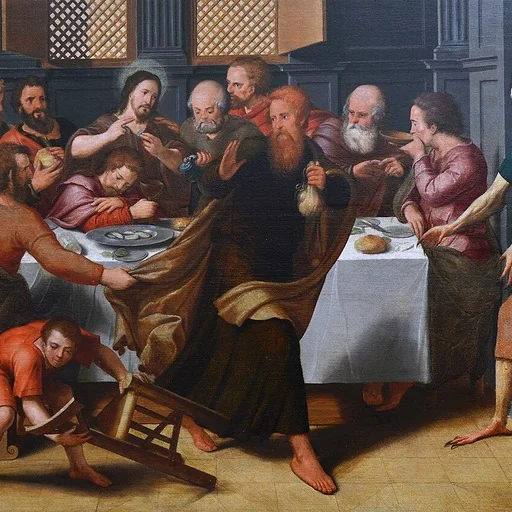
Pieter Jansz. Pourbus (c. 1523–1584) was a Flemish Renaissance painter, draftsman, engineer and cartographer who was active in Bruges during the 16th century. He is known primarily for his religious and portrait paintings.

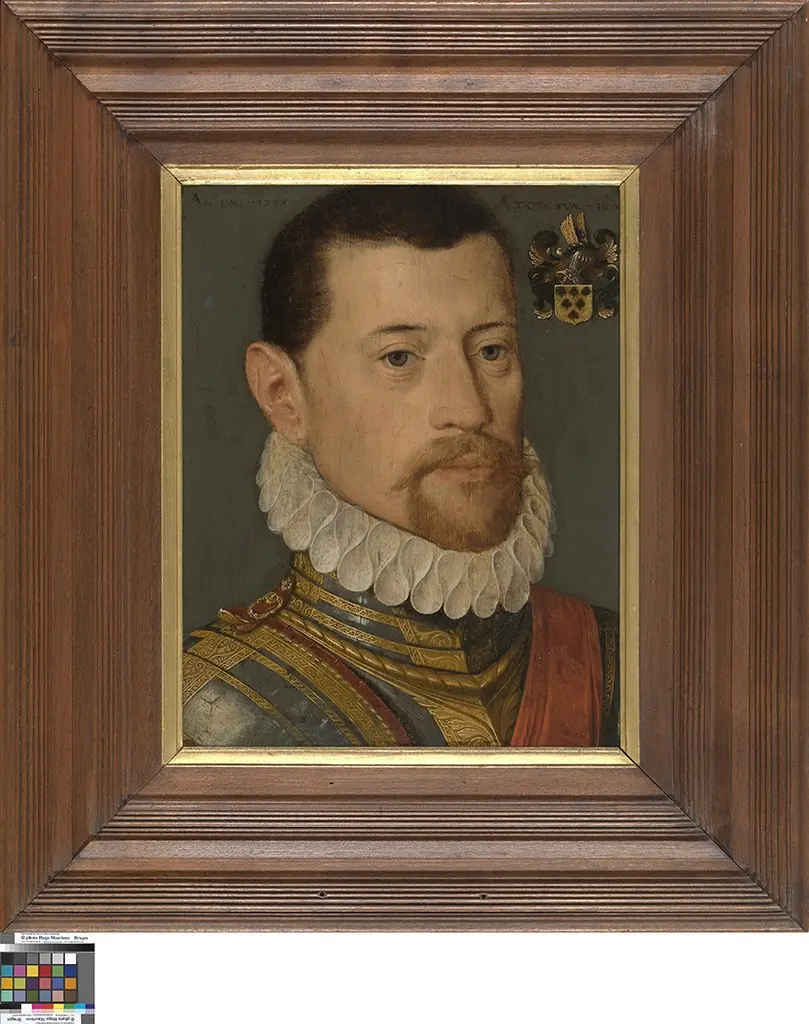
 Portrait of a Man
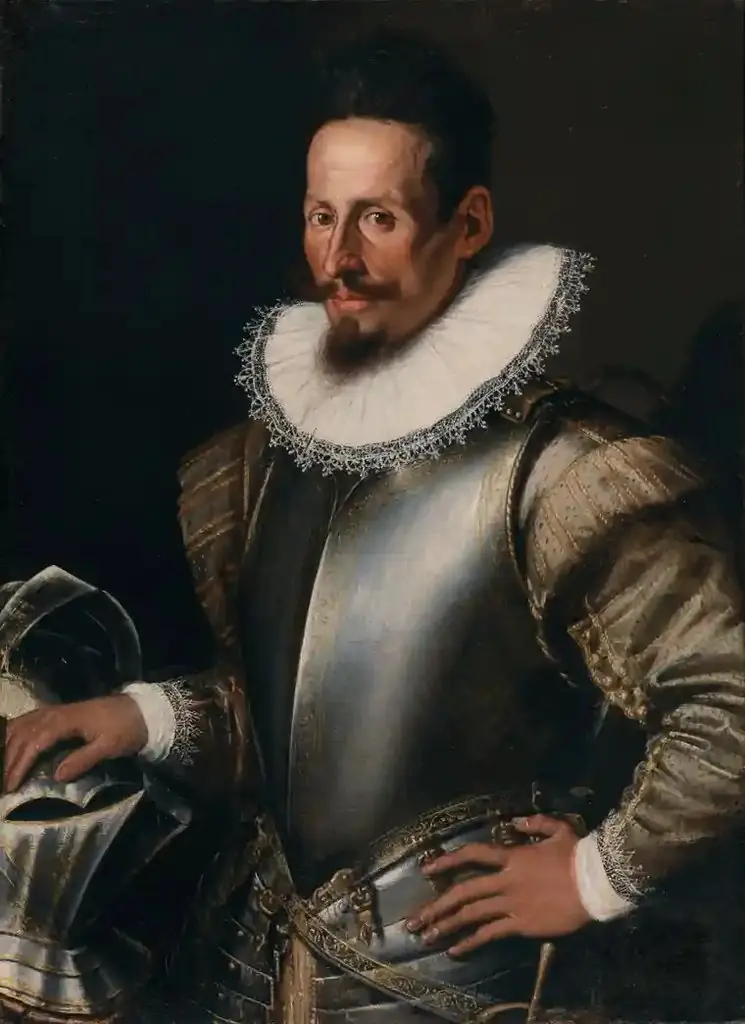 Portrait of a Gentleman in Armour
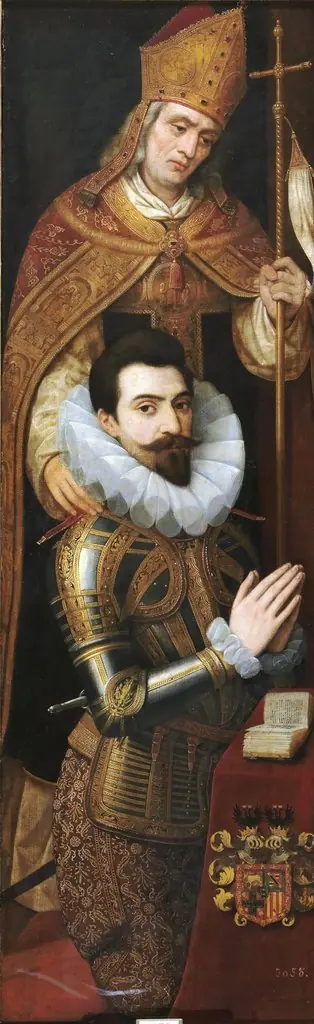 Alonso de Idiáquez duque de Ciudad Real (Cittá-Reale en Nápoles)
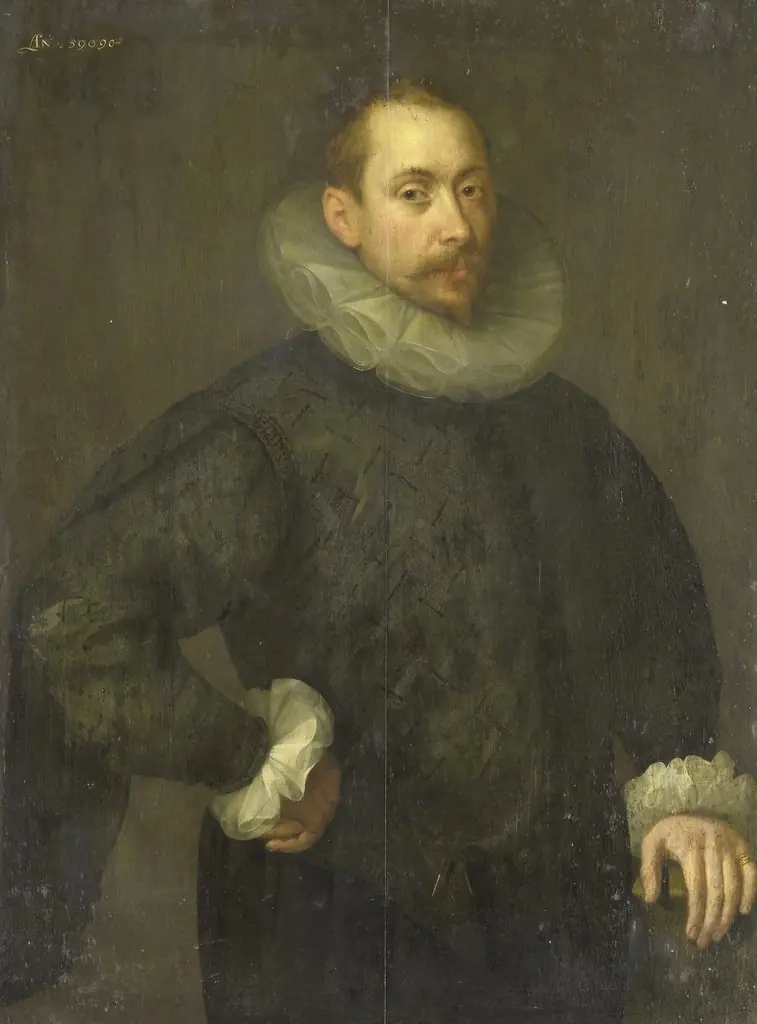 Portrait of Jean Fourmenois
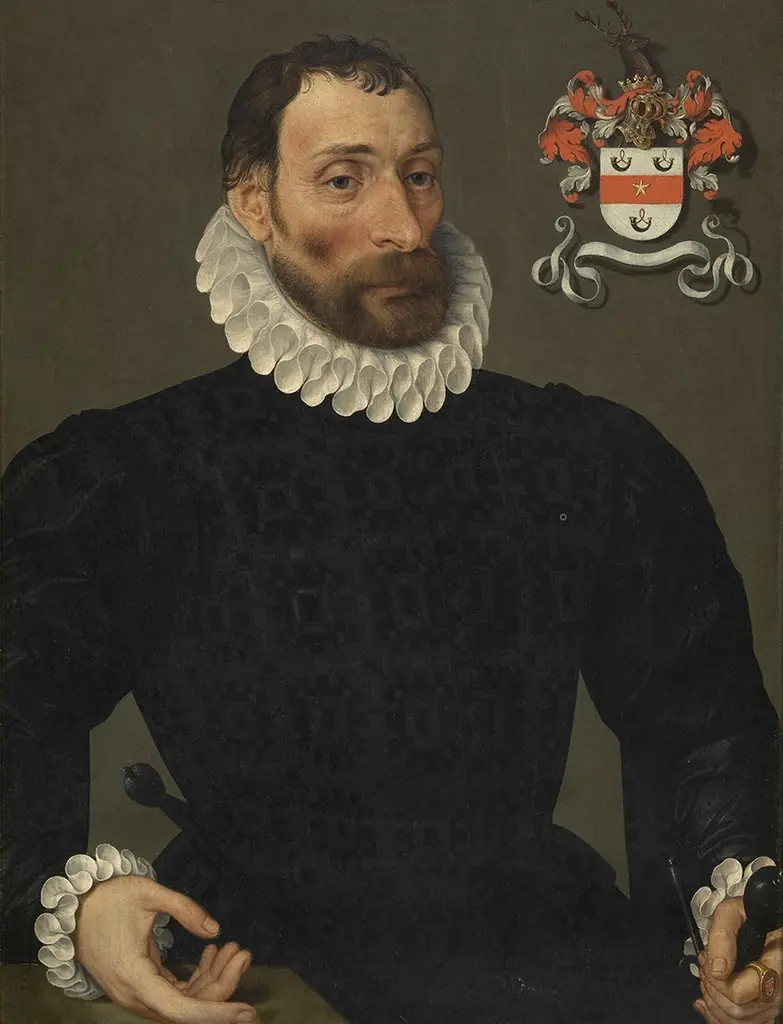 Portrait of Jan Wyts
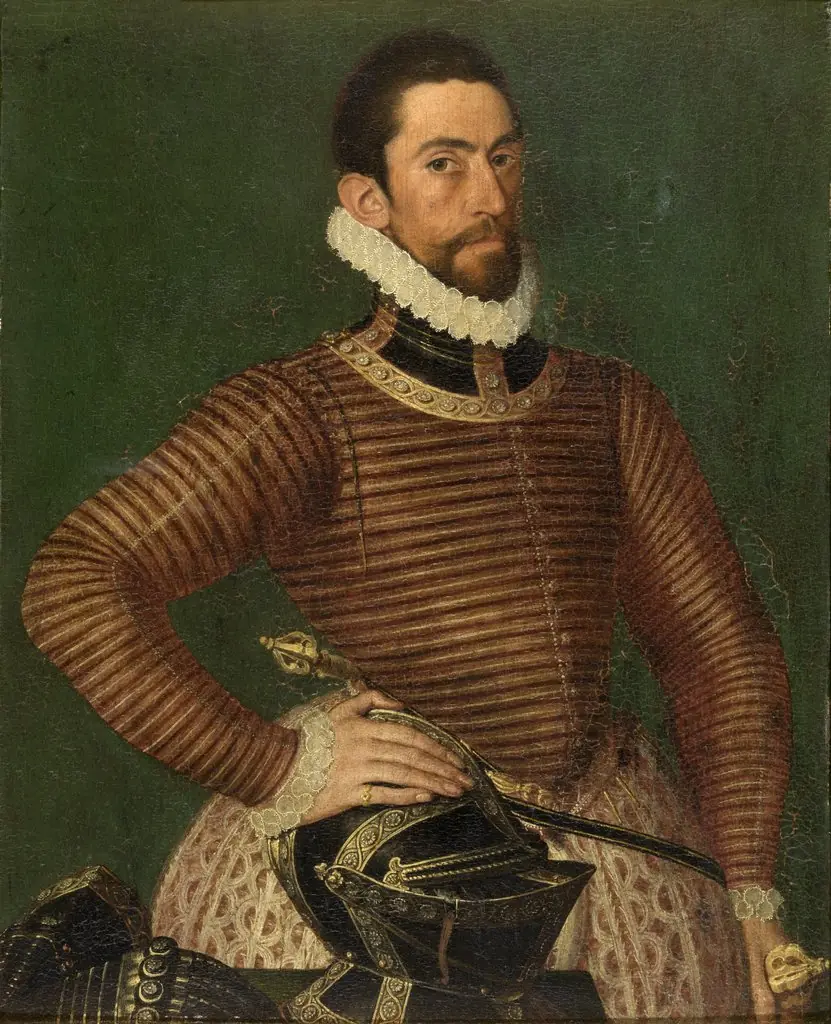 Gabriël Cambry
 Portrait of a Gentleman of the order of Saint James
 Portret van Jean Charles della Faille, heer van Rijmenam
 Portrait of a Man with Gloves
 Philip II
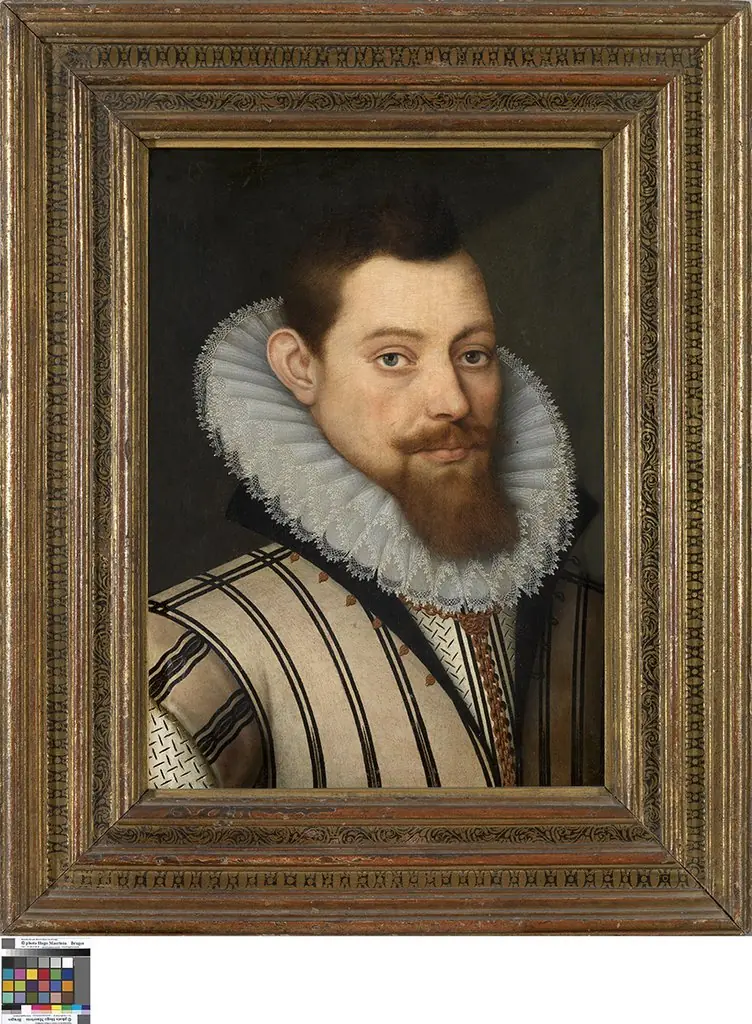 Portrait of a Man
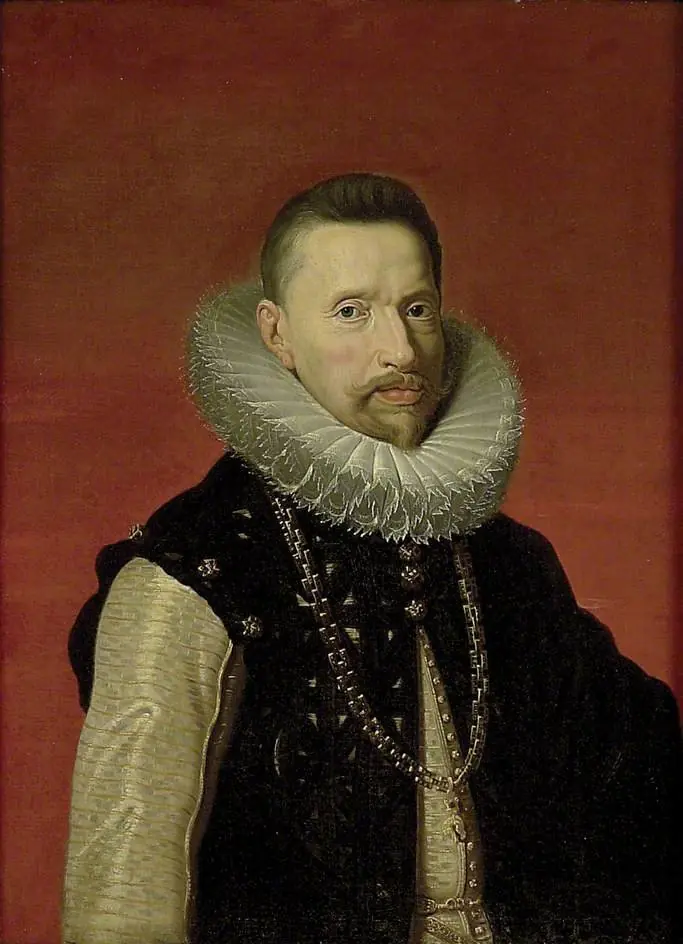 Archduke Albert of Austria