Artwork
The drawbridge
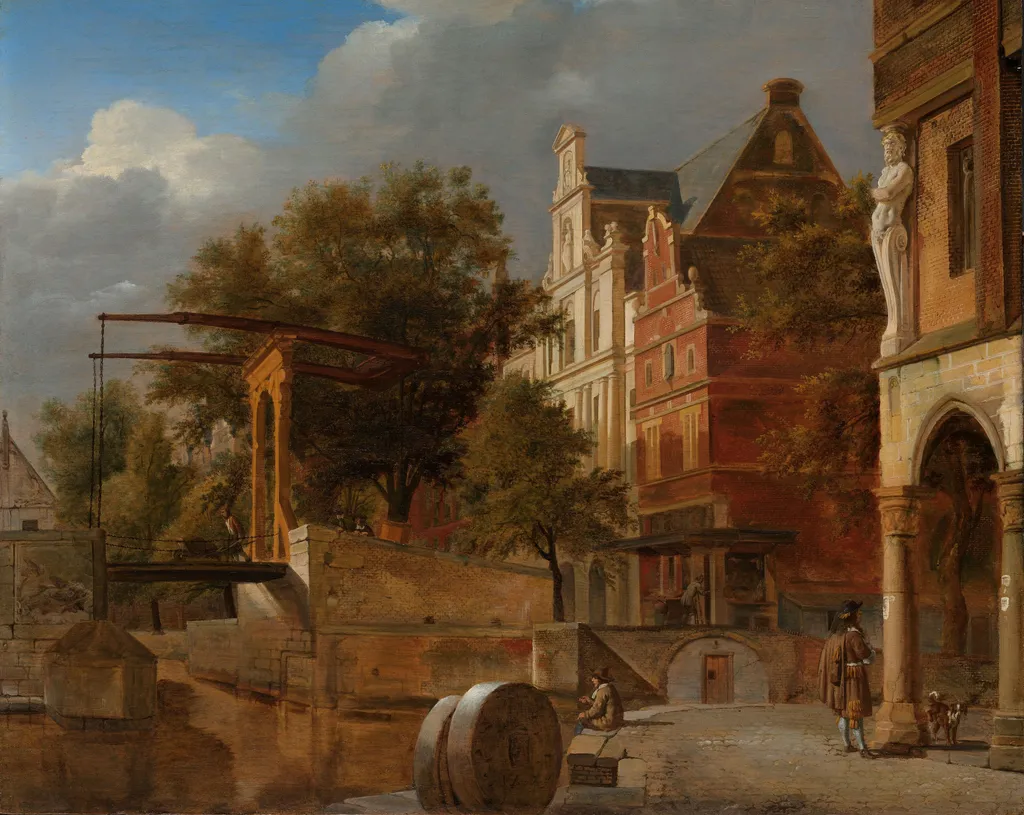
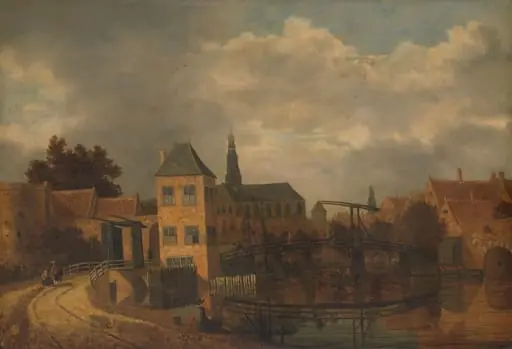
The drawbridge is an oil painting by the Dutch Golden Age artist Adriaen van de Velde. It dates from 1666 and is held in the collection of the Rijksmuseum.
About this work
Overview
The scene captures a quiet interlude in daily rural life, with figures engaged in minor tasks and a boat preparing to pass beneath the raised span.
Painted in 1666 by Adriaen van de Velde, this oil-on-canvas landscape depicts a tranquil riverside moment centered on a stone drawbridge. The scene captures a quiet interlude in daily rural life, with figures engaged in minor tasks and a boat preparing to pass beneath the raised span. The work is part of the Rijksmuseum’s collection, reflecting the Dutch Golden Age’s interest in everyday naturalism.
Subject & Meaning
The painting portrays a functional bridge in use, not as a monument but as part of lived experience. A man in dark clothing observes the mechanism, while another sharpens a tool beside a barrel, a small dog at his feet. These quiet interactions suggest routine labor and communal rhythm. The bridge’s operation implies movement between places and social spheres, subtly emphasizing connectivity over grandeur.
Technique & Style
Van de Velde employs delicate brushwork to render textures of brick, stone, and water with quiet precision. Light falls naturally across surfaces, creating soft yet defined shadows that enhance spatial depth. The bridge’s pulley system is rendered with restrained detail, avoiding theatricality. The composition balances horizontal stillness with vertical elements—trees, architecture, and the raised span—to guide the eye without force.
History & Provenance
Created during the height of Dutch landscape painting, the work entered the Rijksmuseum’s holdings in the 19th century as part of broader efforts to preserve national artistic heritage. Its attribution to van de Velde has remained consistent, supported by stylistic parallels with his other known works from the mid-1660s. No significant alterations or restorations are documented in public records.
Context
In mid-17th-century Holland, landscapes often celebrated the harmony between human activity and the natural environment. Drawbridges, common in canal-rich regions, symbolized practical ingenuity. Van de Velde’s focus on ordinary moments aligned with a broader cultural preference for realism over mythological or religious themes, reflecting the values of a prosperous, secular society.
Legacy
Though not widely exhibited as a central work, this painting exemplifies the quiet sophistication of Dutch genre landscapes. Its attention to light, texture, and understated narrative influenced later topographical painters. It remains a reference for studies of daily life in the Dutch Republic, valued for its unembellished observation rather than dramatic impact.
Own this work as a print
Artist & collection

Artist
Adriaen van de Velde, was a Dutch painter, draughtsman, and print artist. His favorite subjects were landscapes with animals and genre scenes. He also painted beaches, dunes, forests, winter scenes, portraits in…

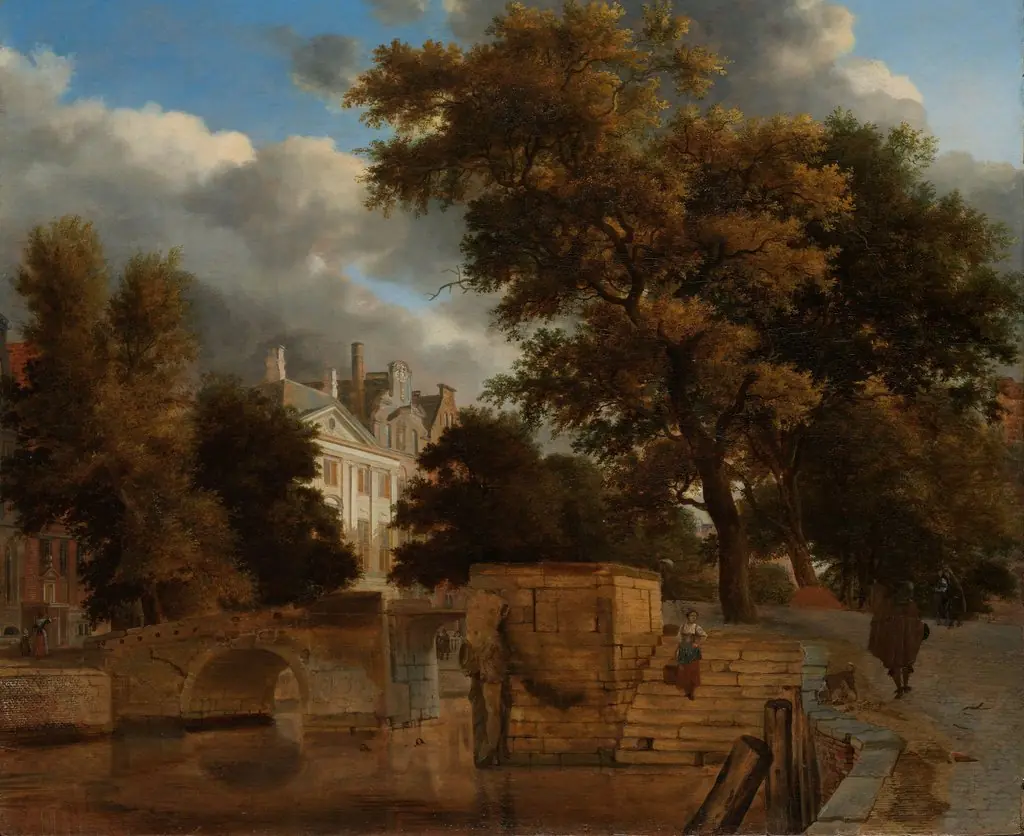 The stone bridge
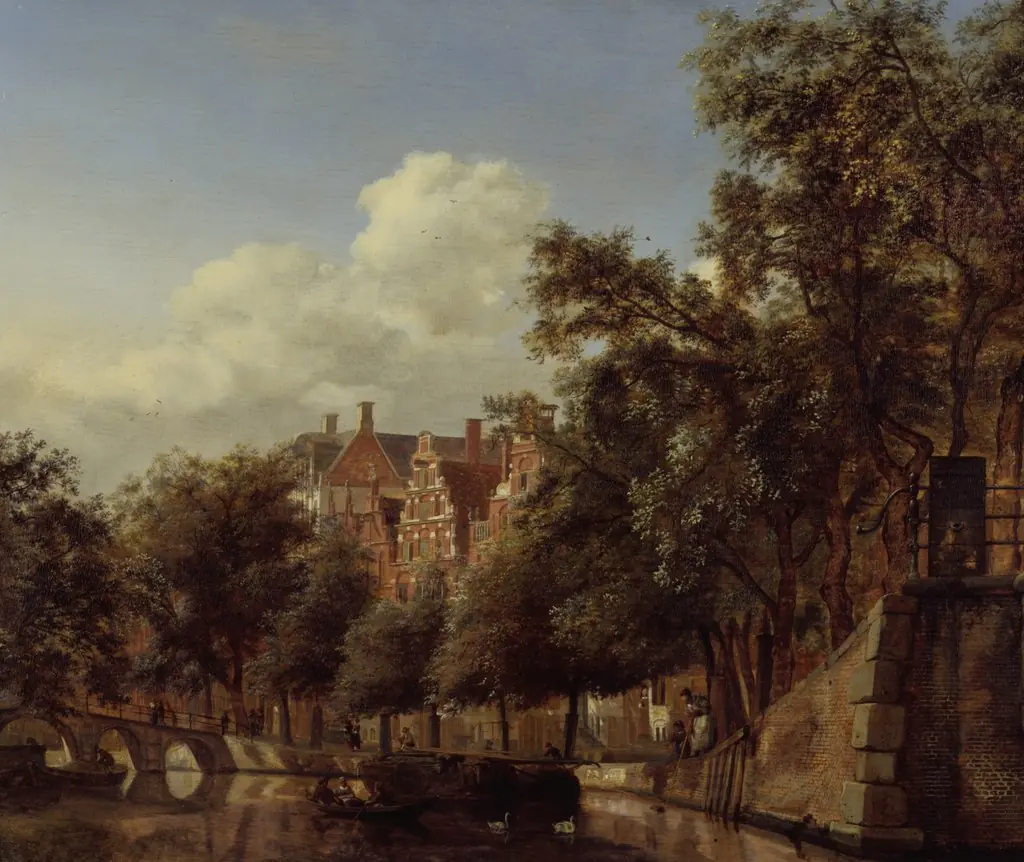 View of the Herengracht, Amsterdam, from the Leliegracht
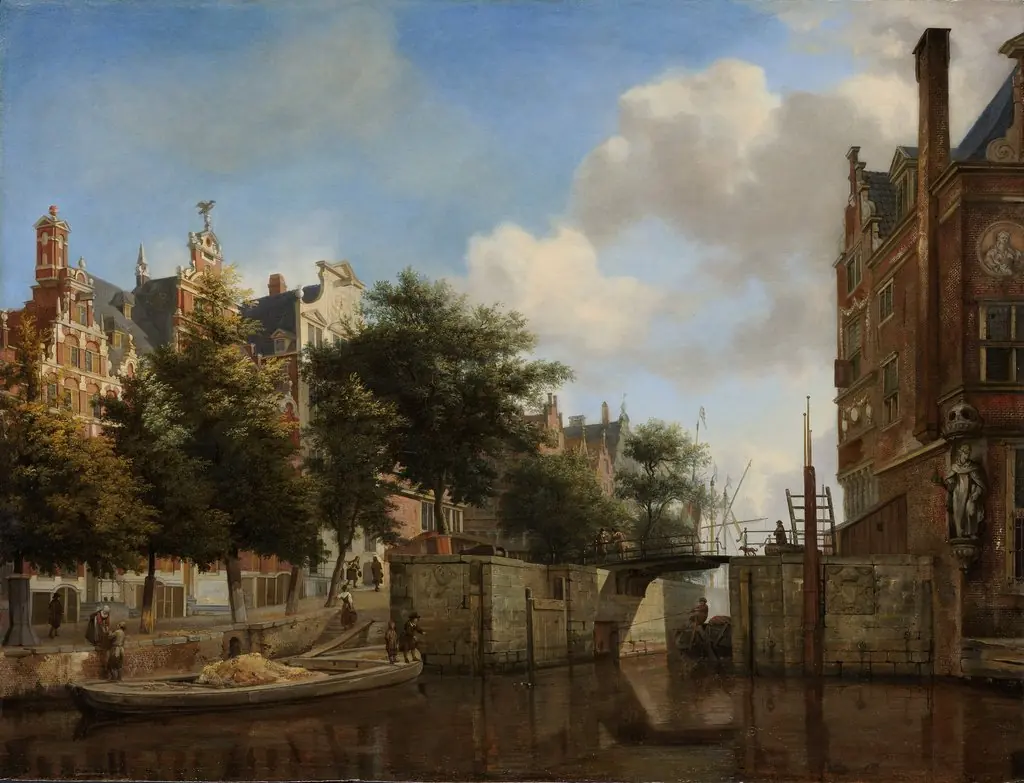 Amsterdam City View with Houses on the Herengracht and the old Haarlemmersluis
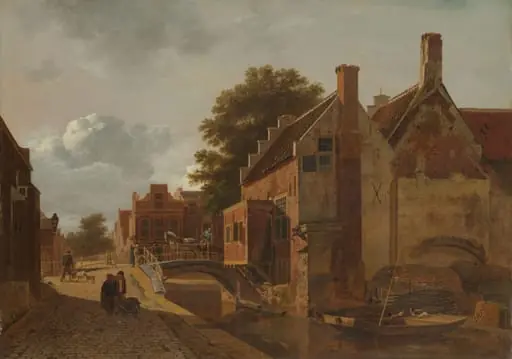 The Kalvermarkt, The Hague
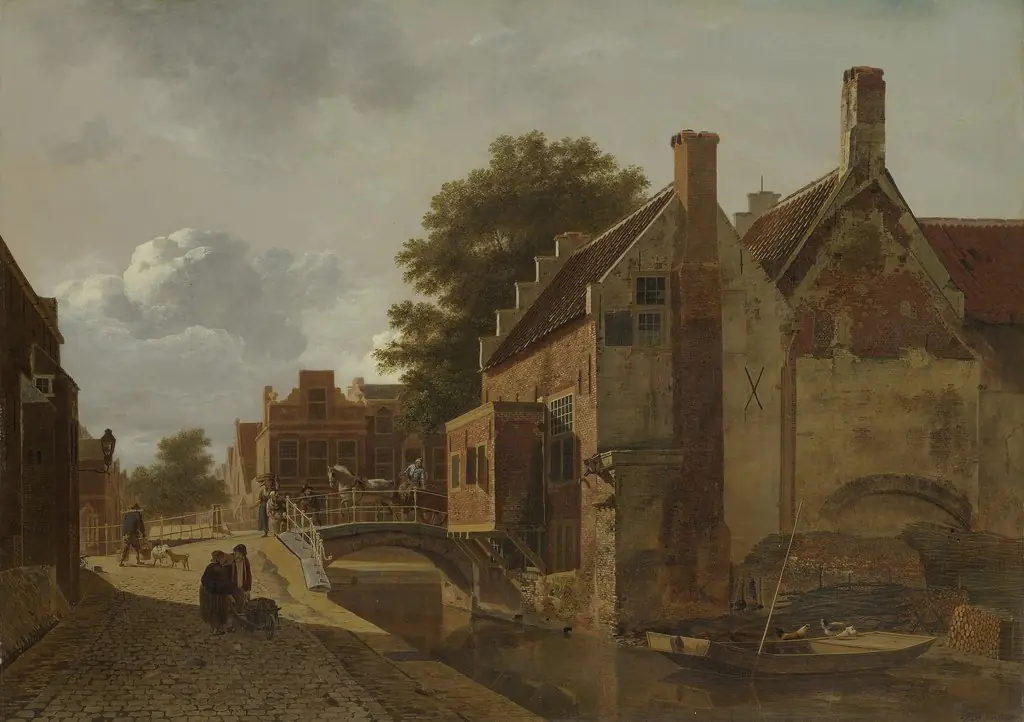 Kalvermarkt, The Hague
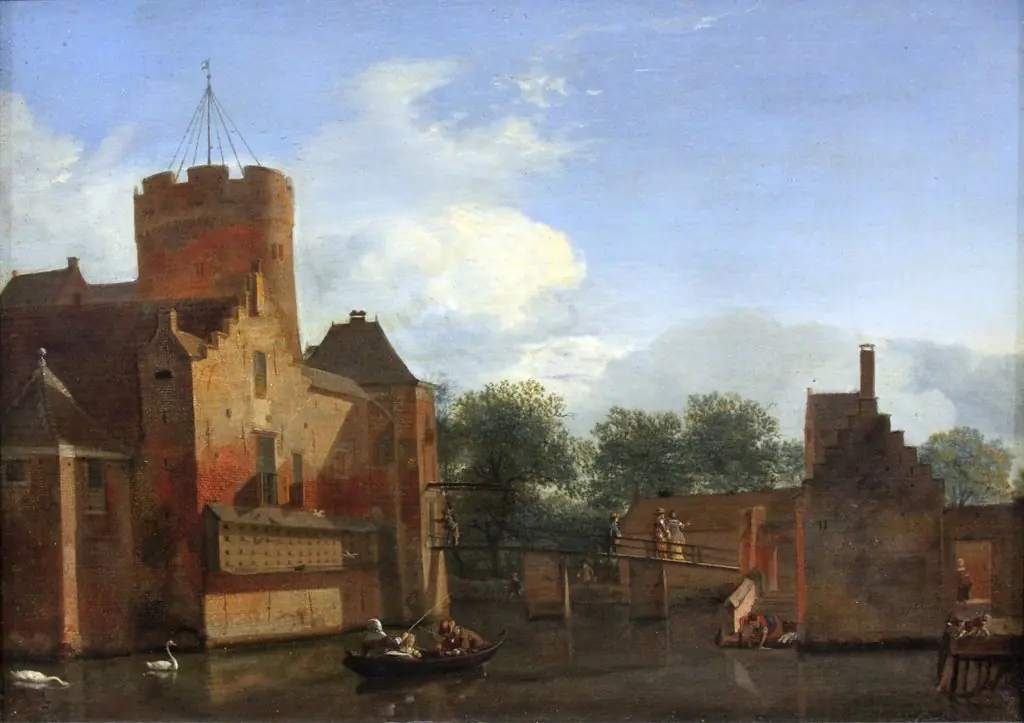 Schloss Loenersloot in Holland
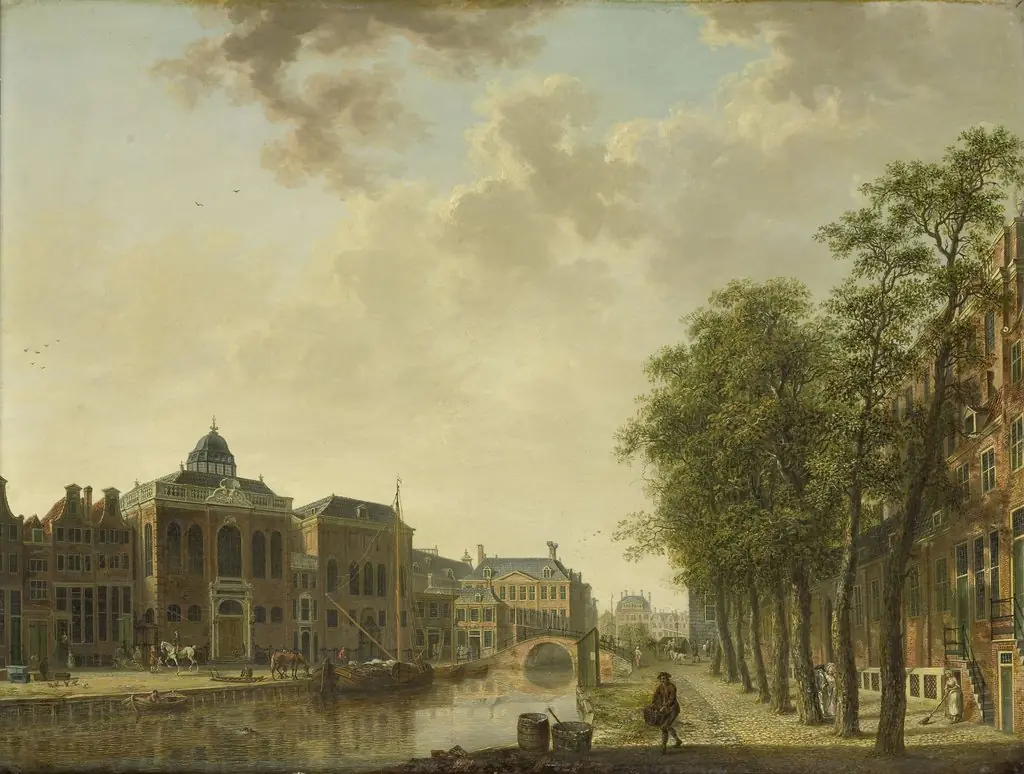 View of the Houtmarkt in Amsterdam
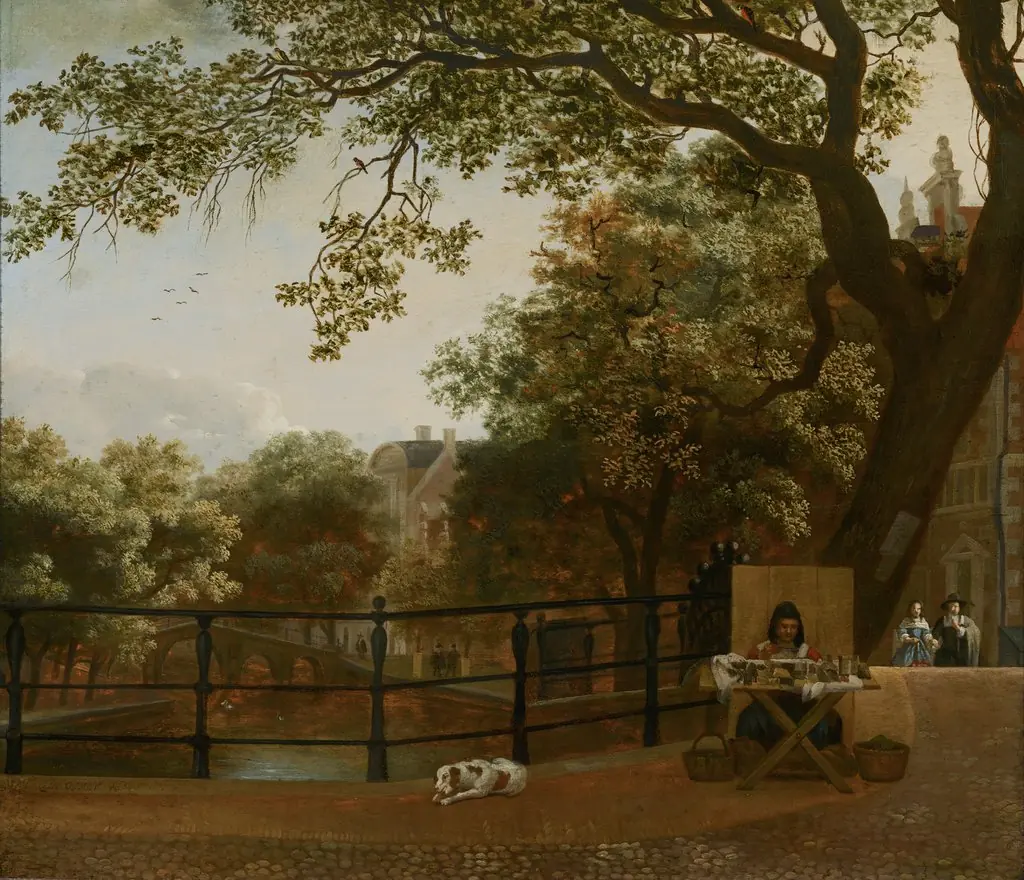 View of the Herengracht in Amsterdam
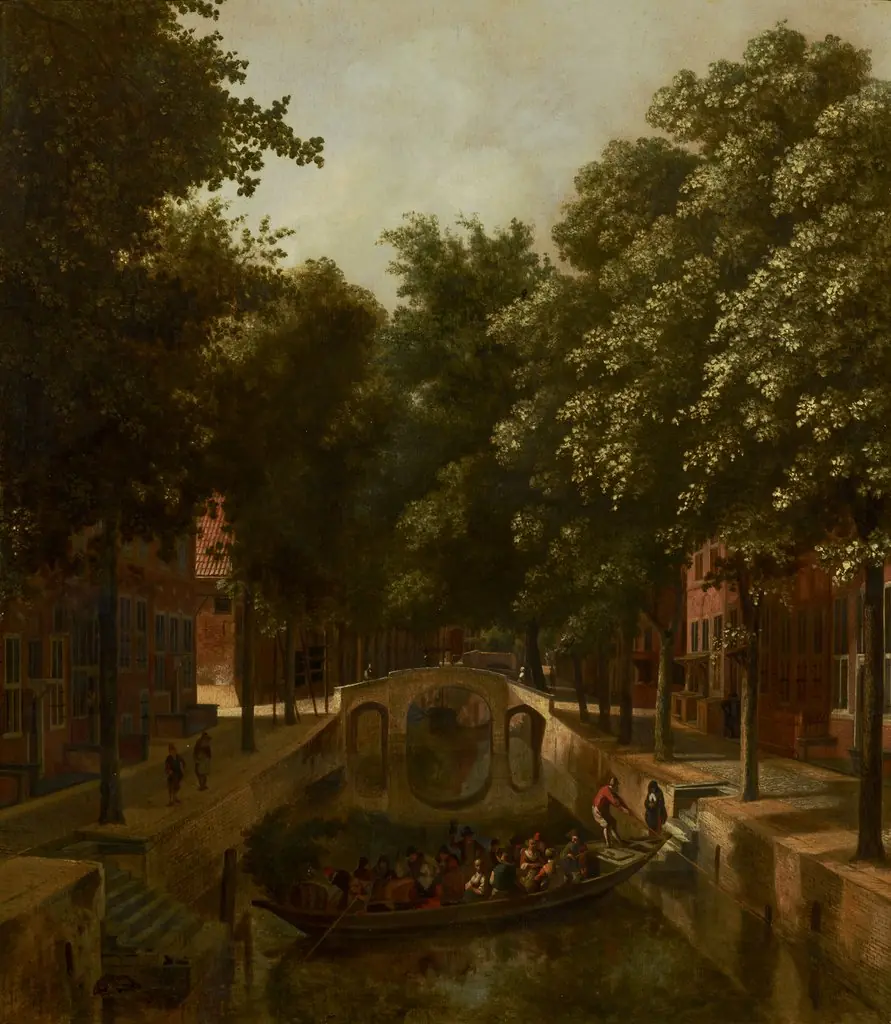 View of a Dutch Canal, possibly the Oude Gracht in Haarlem
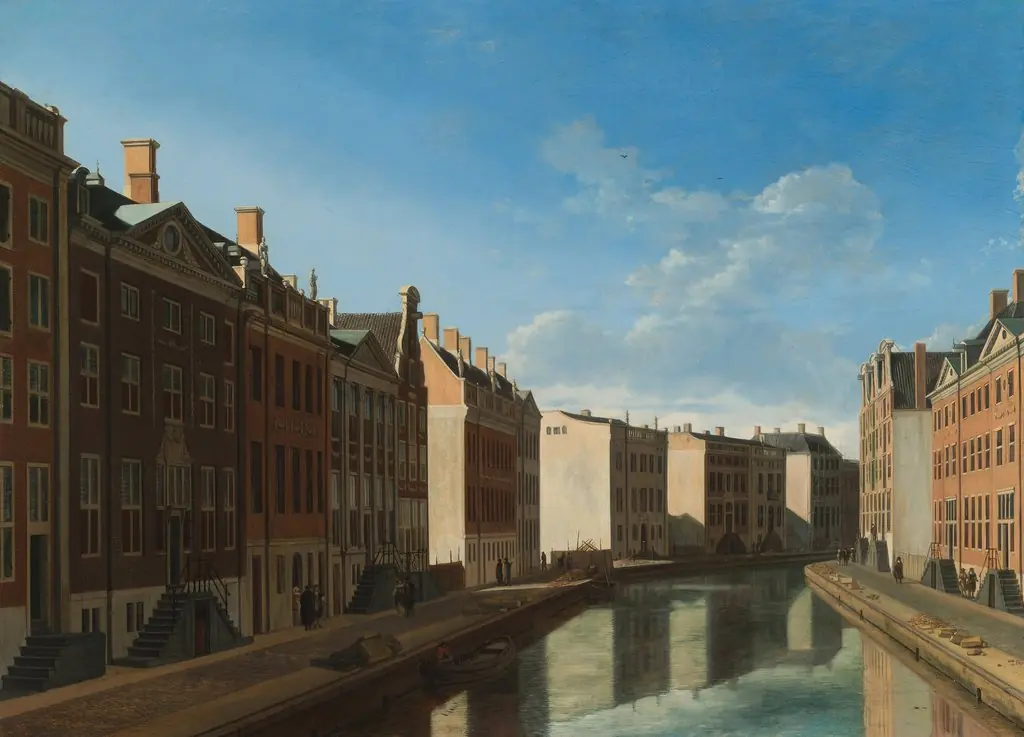 The ‘Golden Bend’ in the Herengracht, Amsterdam, Seen from the East
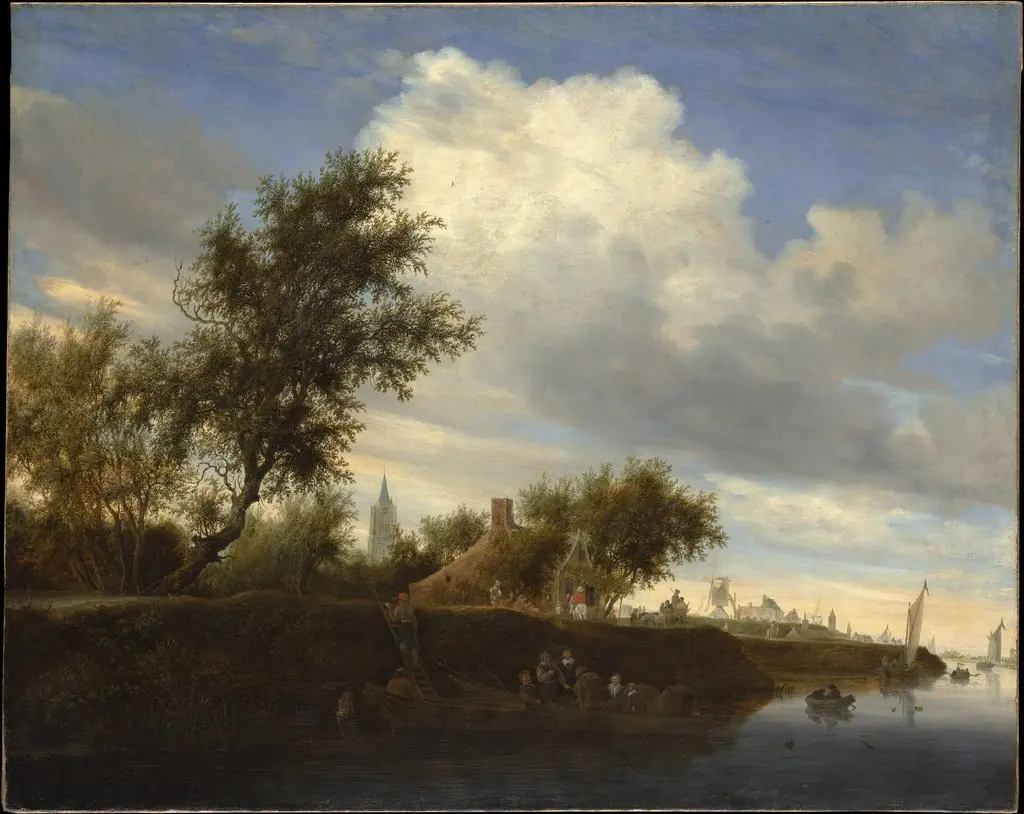 Ferry near Gorinchem
 Untitled