Artwork
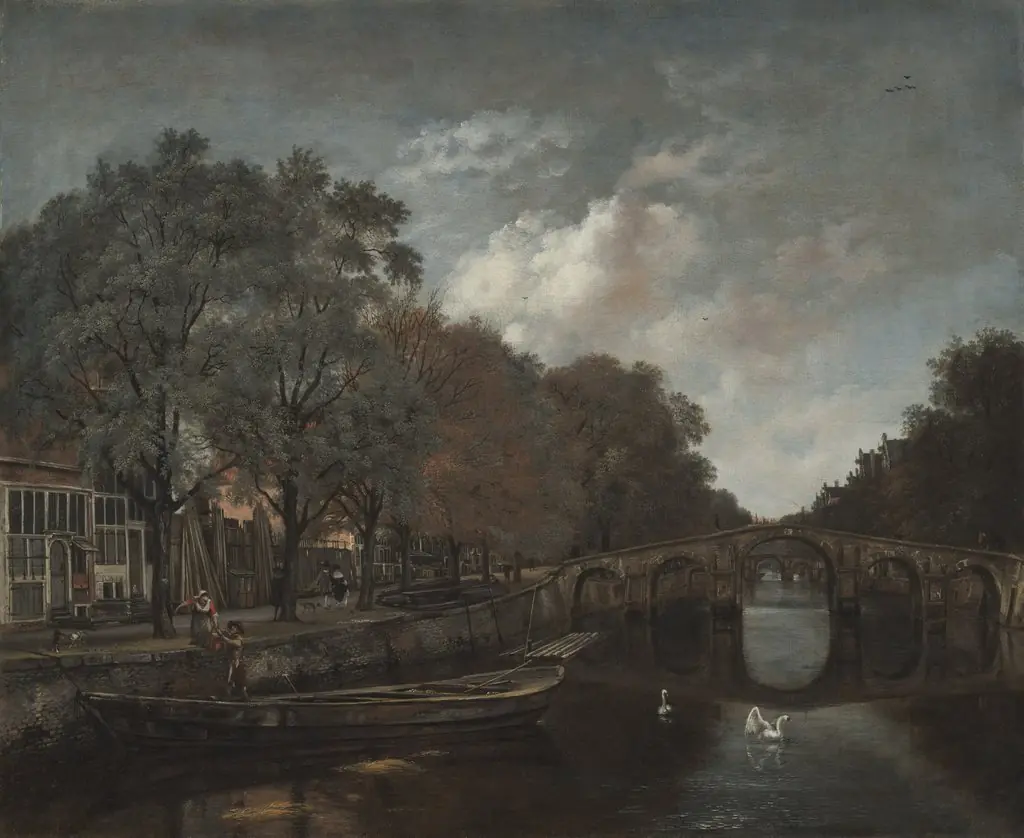
View of the Herengracht in Amsterdam
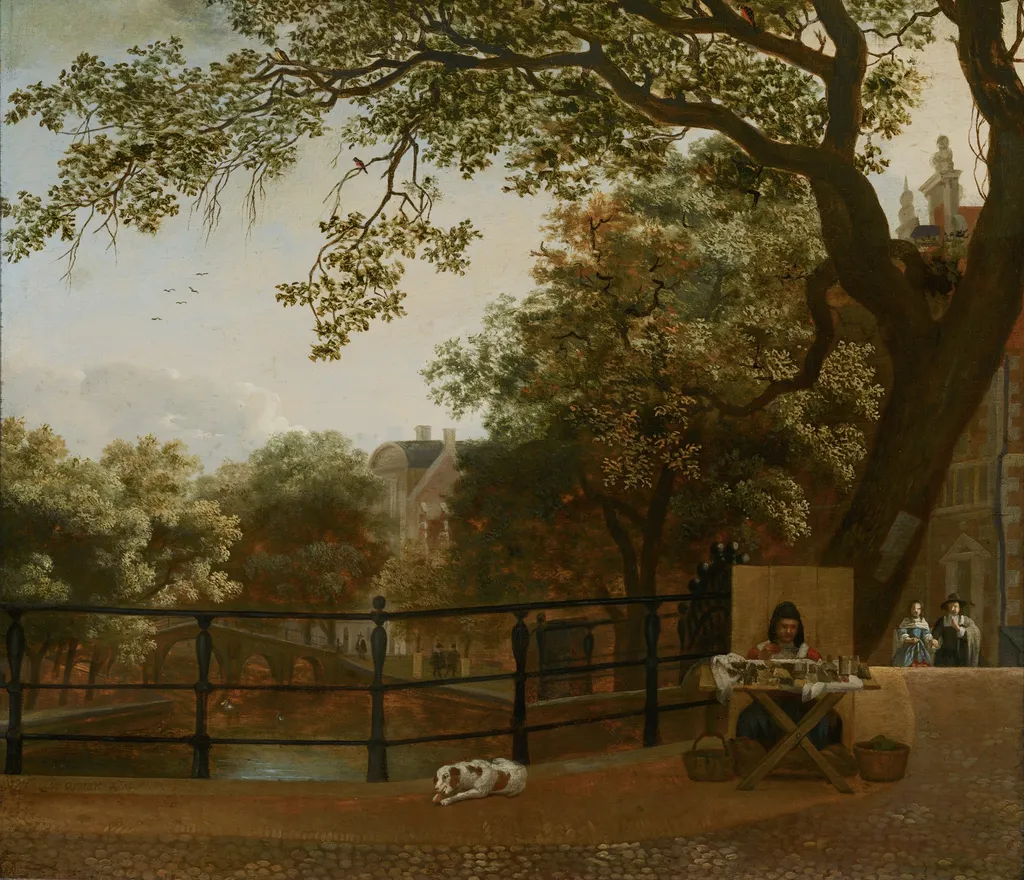
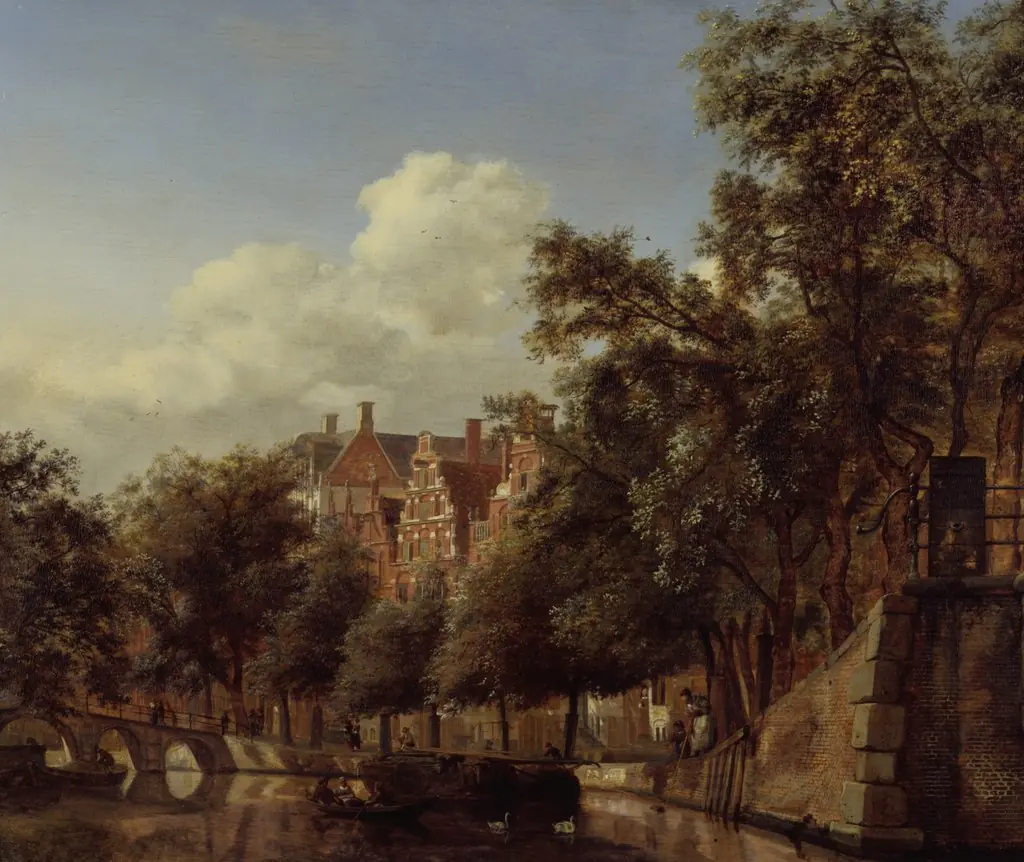
View of the Herengracht in Amsterdam is an oil painting by the Dutch Golden Age artist Hendrick ten Oever. It dates from 1696 and is held in the collection of the Mauritshuis. Painted in 1696, this oil on canvas depicts a quiet stretch of the Herengracht canal in Amsterdam.
About this work
Overview
It captures a moment of daily life along one of the city’s most prominent waterways, framed by orderly architecture and natural elements.
Painted in 1696, this oil on canvas depicts a quiet stretch of the Herengracht canal in Amsterdam. The work is attributed to Hendrick ten Oever and is part of the Mauritshuis collection. It captures a moment of daily life along one of the city’s most prominent waterways, framed by orderly architecture and natural elements. The composition balances structure with subtle human activity, reflecting the calm rhythm of urban life in late 17th-century Amsterdam.
Subject & Meaning
The scene centers on a woman seated at a small table, possibly offering goods for sale, with a dog resting beside her. Her presence, along with the quiet passage of figures along the canal, suggests ordinary commerce and domestic routine. The absence of grandeur or drama implies an interest in the dignity of everyday moments. The painting does not idealize the city but observes it with quiet attention, revealing the social texture of Amsterdam’s canal neighborhoods.
Technique & Style
Ten Oever employs soft, diffused light to model the facades of buildings and the surfaces of trees, creating a gentle sense of depth. Shadows are muted, enhancing the tranquil atmosphere. Brushwork is precise yet unobtrusive, particularly in the rendering of architectural details and the delicate folds of the woman’s clothing. The palette favors earth tones and pale blues, reinforcing the subdued, harmonious mood of the scene.
History & Provenance
The painting has been in the Mauritshuis collection since at least the 19th century, though its earlier ownership is undocumented. It was likely acquired during a period when Dutch municipal and private collectors sought to preserve scenes of Amsterdam’s urban landscape. Its survival into modern times reflects a sustained interest in topographical accuracy and domestic realism from the Dutch Golden Age.
Context
Created during the later phase of the Dutch Golden Age, the painting reflects Amsterdam’s prosperity and its emphasis on civic order. The Herengracht, lined with merchant homes and elegant facades, symbolized wealth and social status. While grander canal views often celebrated aristocratic life, this work focuses on the quieter periphery of commerce, offering a more intimate view of urban existence.
Legacy
Hendrick ten Oever’s work remains a modest but valuable record of Amsterdam’s urban fabric. Though not widely known today, his paintings contribute to a broader understanding of how ordinary scenes were rendered with care during a period dominated by more celebrated genre and landscape painters. This piece endures as a quiet testament to the everyday life of a thriving city.
Own this work as a print
Artist & collection

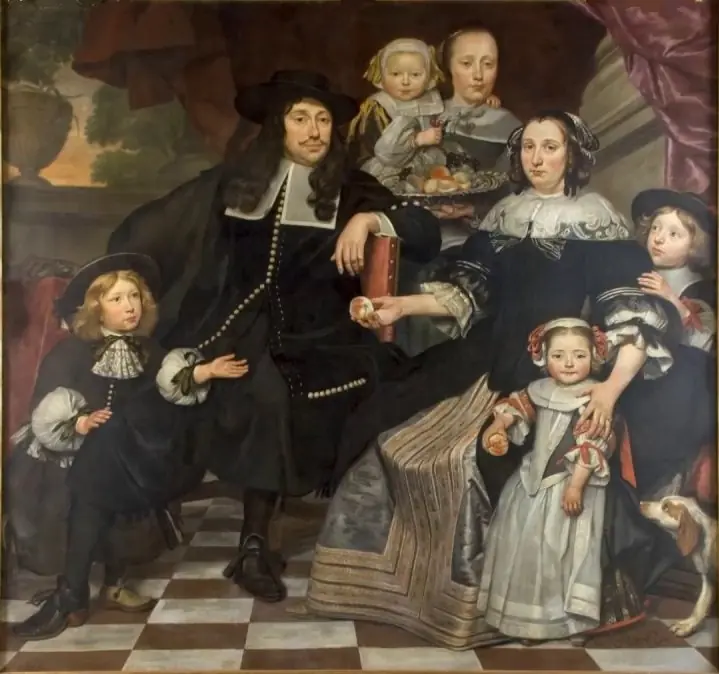 A family on the terrace of a country house
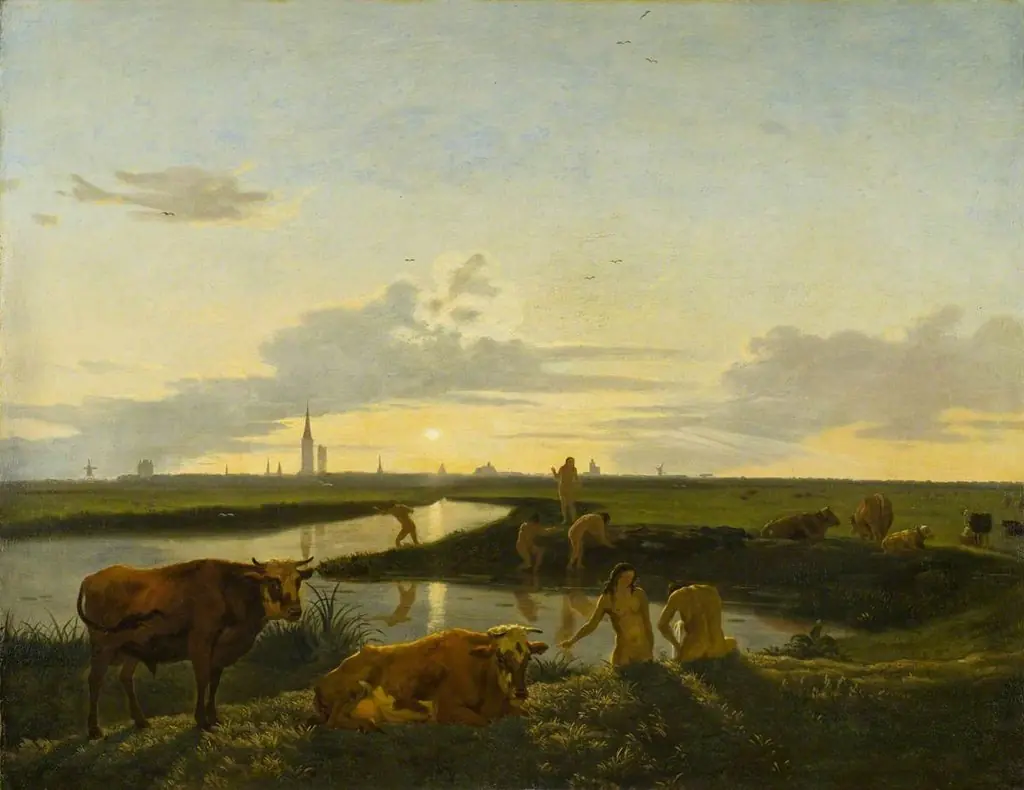 Canal Landscape with Figures Bathing
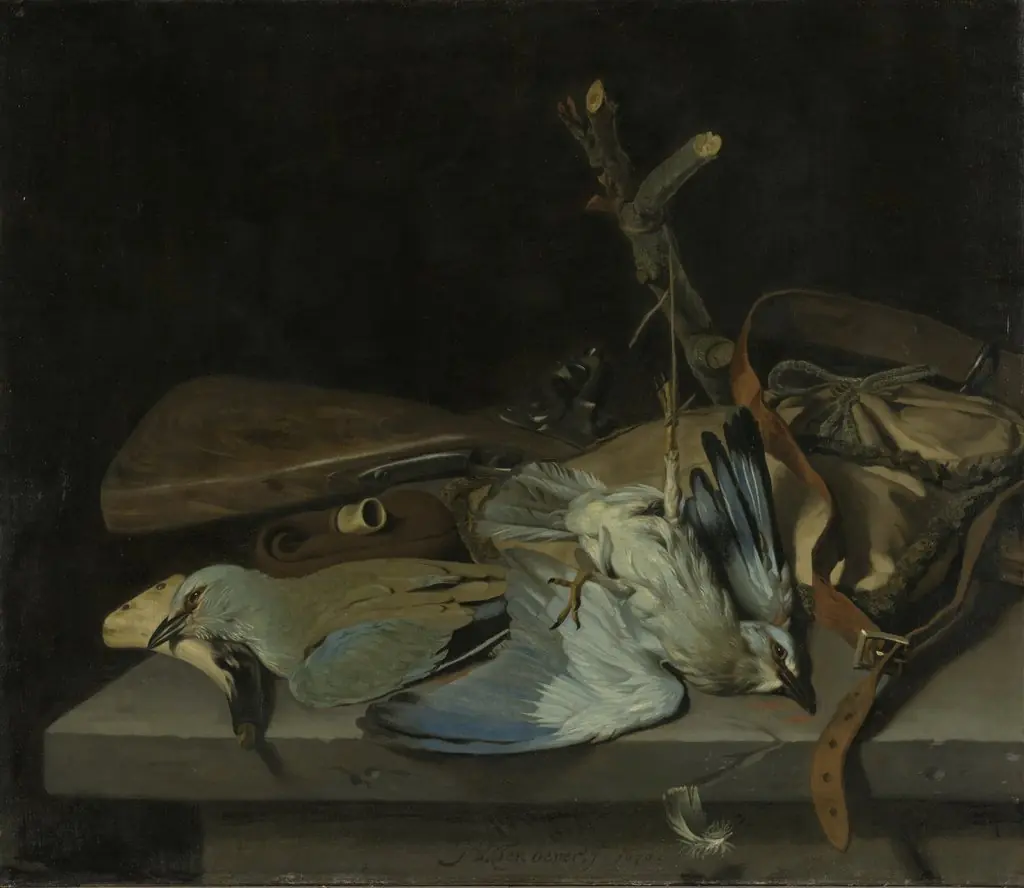 Still life with hunting implements and birds
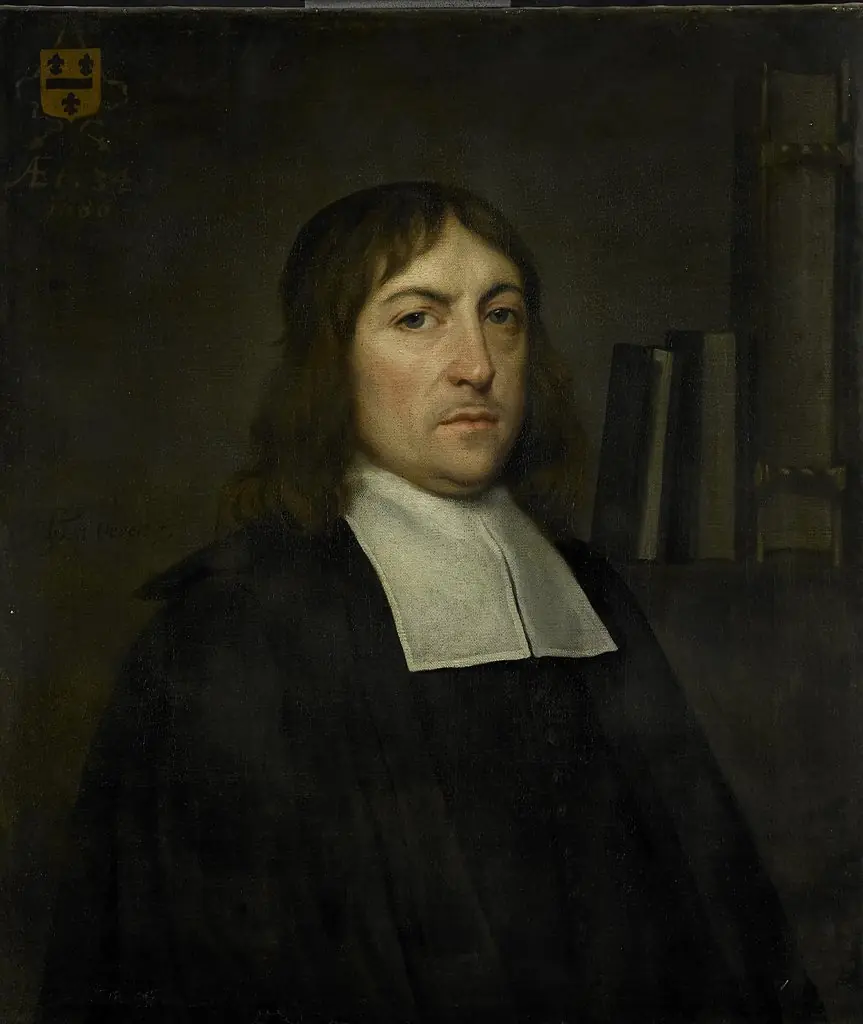 Portrait of Barend Hakvoort (1652-1735), bookseller, church reader and catechism master in Zwolle
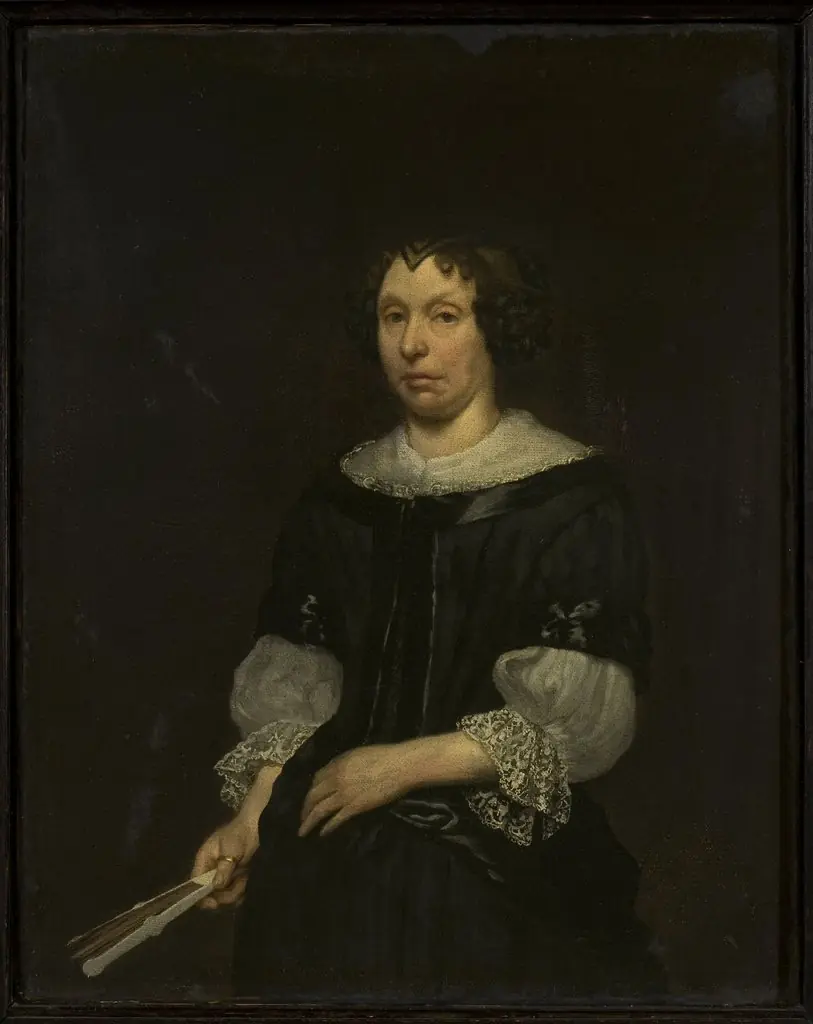 Portrait of a lady with a folding fan
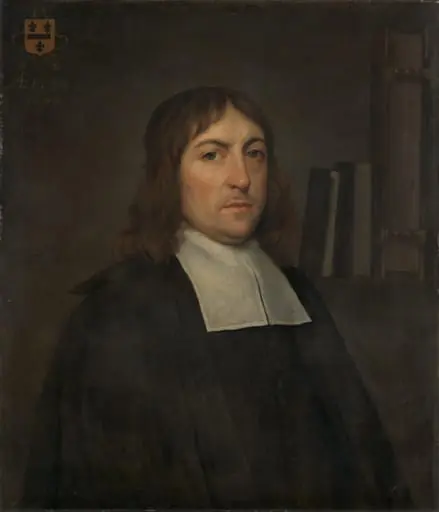 Portrait of Barend Hakvoort (1652-1735)
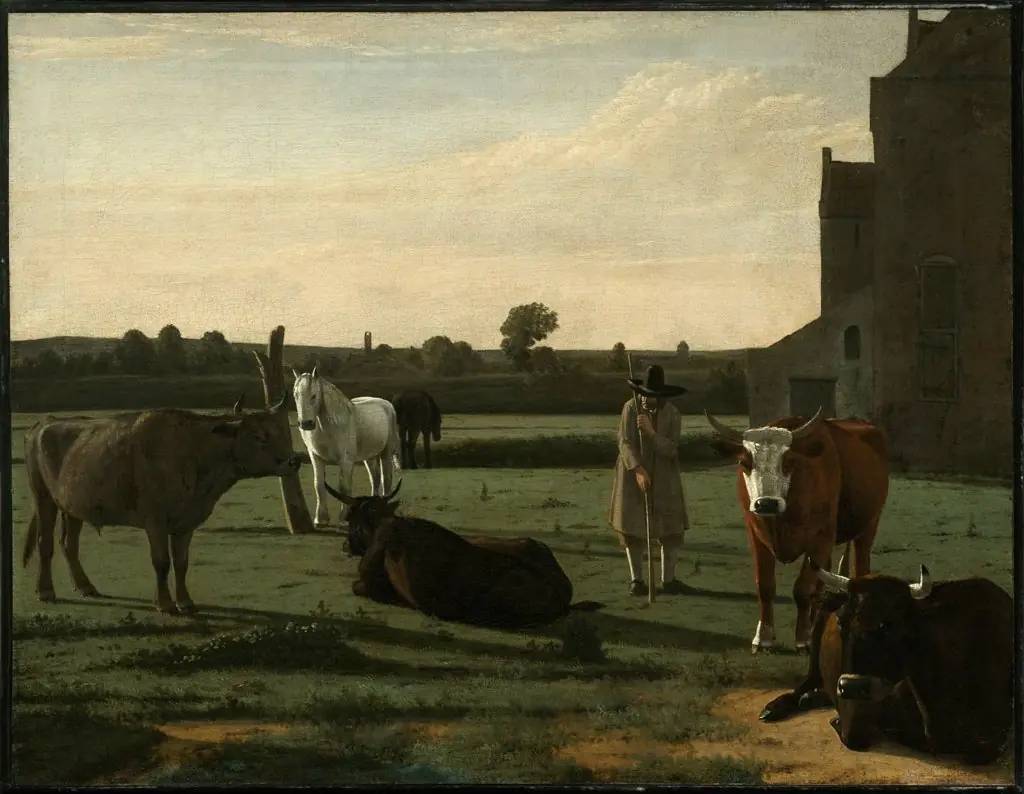 Cattle and Horses with a Herdsman