Artwork
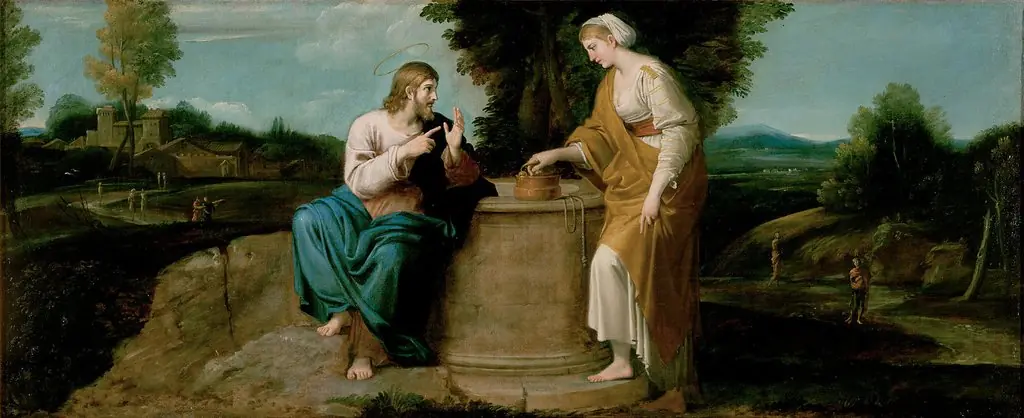
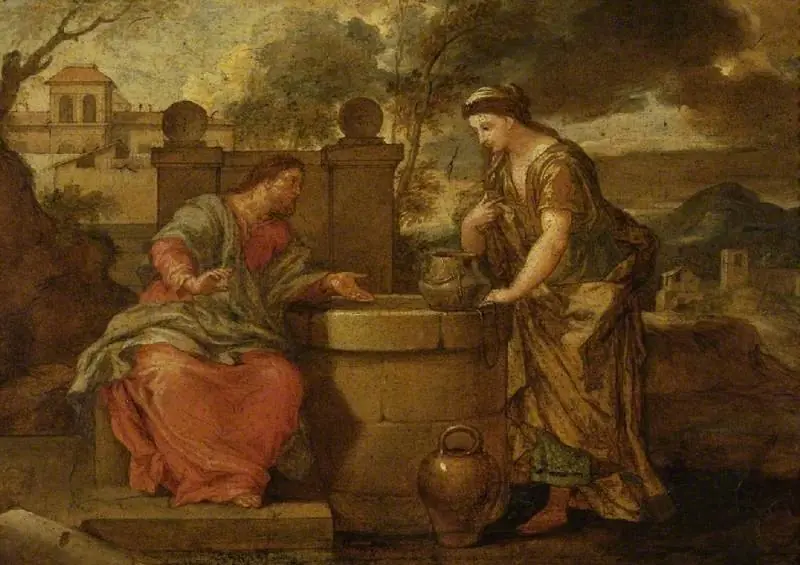
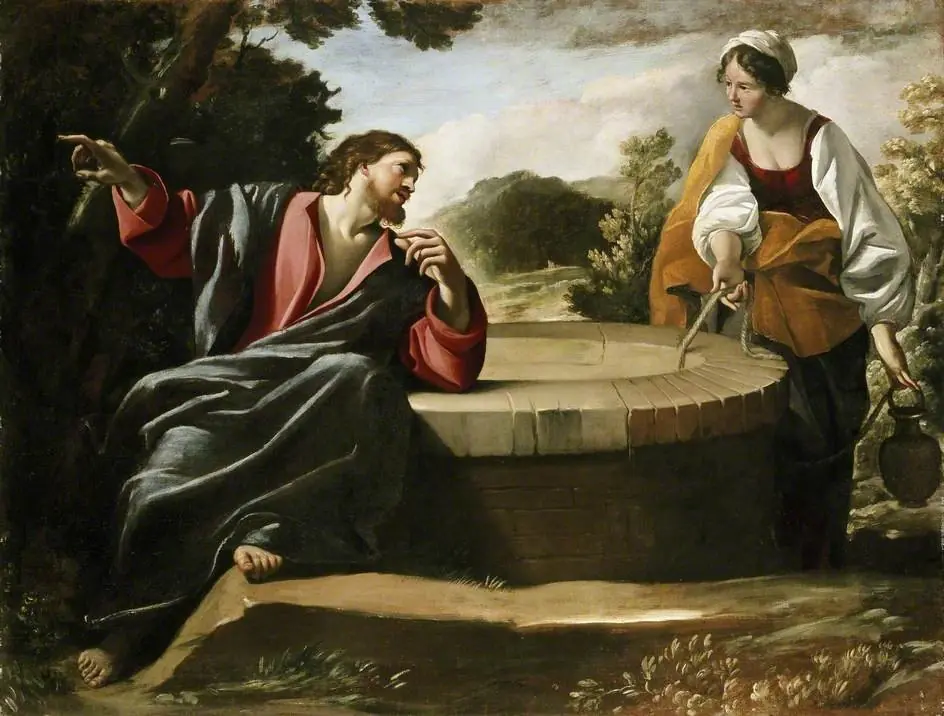
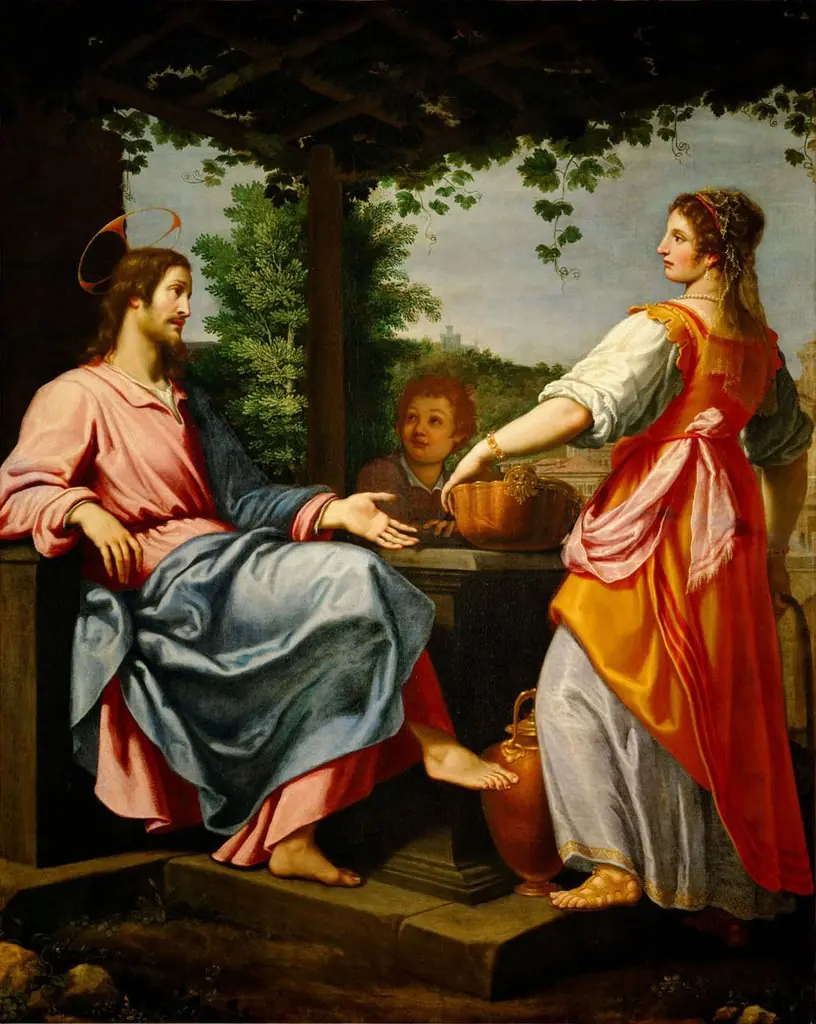
Christ and the Woman of Samaria at the well
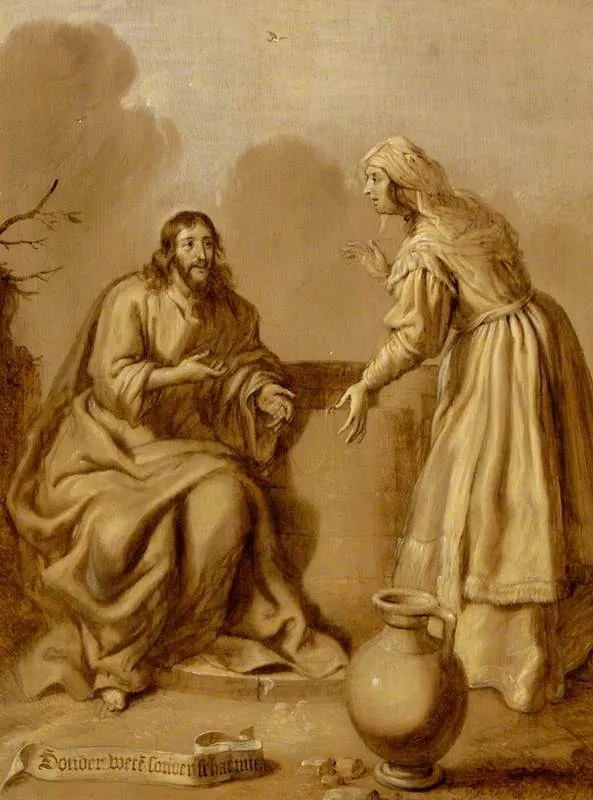
Christ and the Woman of Samaria at the well is an unspecified painting by the Flemish Baroque painting artist Adriaen van de Venne. It dates from 1631 and is held in the collection of the Fitzwilliam Museum.
About this work
Overview
Van de Venne, known for his varied subject matter, approached the scene with restrained narrative clarity rather than dramatic intensity.
Painted in 1631 by Dutch artist Adriaen van de Venne, this work depicts a moment from the Gospel of John in which Christ speaks with a Samaritan woman at a well. Van de Venne, known for his varied subject matter, approached the scene with restrained narrative clarity rather than dramatic intensity. The painting is part of the Fitzwilliam Museum’s collection, reflecting its status as a quiet but deliberate example of early 17th-century Dutch religious illustration.
Subject & Meaning
The scene captures Christ’s dialogue with the Samaritan woman, a moment notable for its breaking of social and religious boundaries. Their outstretched hands suggest mutual engagement, not confrontation. The presence of the water jug and written fragment implies themes of revelation and record, underscoring the spiritual exchange over physical need. The calm setting emphasizes introspection, aligning with the biblical emphasis on inner truth over ritual.
Technique & Style
Van de Venne employed a muted palette and soft modeling to convey stillness, avoiding the theatricality common in Flemish Baroque works. Figures are rendered with subtle detail, their garments folded naturally, and the background simplified to focus attention on the interaction. The inclusion of a fragment of writing in the foreground introduces a textual layer, hinting at scripture’s role in the encounter. Brushwork is precise but unobtrusive, favoring clarity over flourish.
History & Provenance
The painting was completed in 1631 during a period when van de Venne frequently engaged with biblical narratives for private collectors. It entered the Fitzwilliam Museum’s holdings in the 19th century, likely through a British collector with interest in Dutch religious art. Its survival in good condition reflects careful preservation, though little is documented about its early ownership beyond its creation date and artist.
Context
In early 17th-century Netherlands, religious imagery persisted despite Protestant reforms, often rendered in intimate, non-dogmatic forms. Van de Venne’s treatment of this scene aligns with a broader trend of personal, contemplative biblical depictions favored in domestic settings. The Samaritan woman’s inclusion reflects growing interest in marginalized figures from scripture, emphasizing moral inclusion over doctrinal division.
Legacy
Though not widely reproduced, the painting exemplifies how Dutch artists adapted biblical stories into quiet, human-centered compositions. Van de Venne’s approach influenced later genre painters who sought spiritual resonance in everyday moments. Its presence in the Fitzwilliam Museum ensures continued access for study, offering insight into how Protestant audiences engaged with scripture through visual narrative.
Artist & collection
Artist
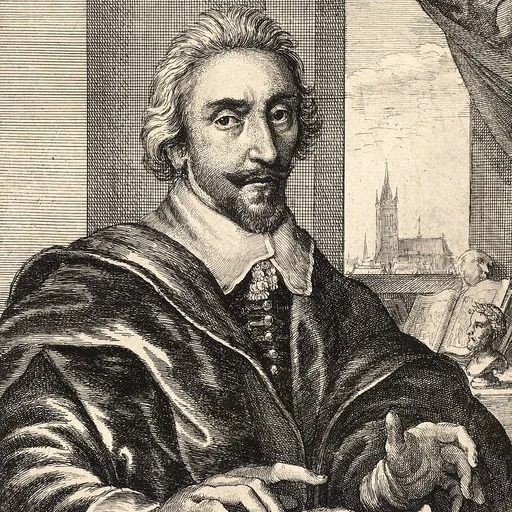
Adriaen Pietersz van de Venne (1589 – 12 November 1662), was a versatile Dutch Golden Age painter of allegories, genre subjects, and portraits, as well as a miniaturist, book illustrator, designer of political satires, and versifier.

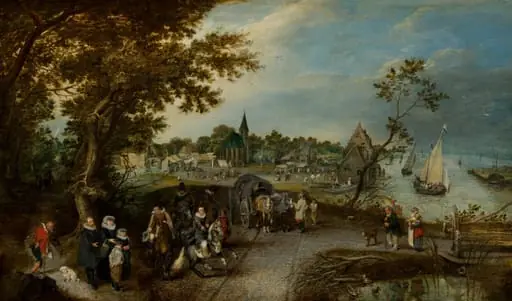 Untitled
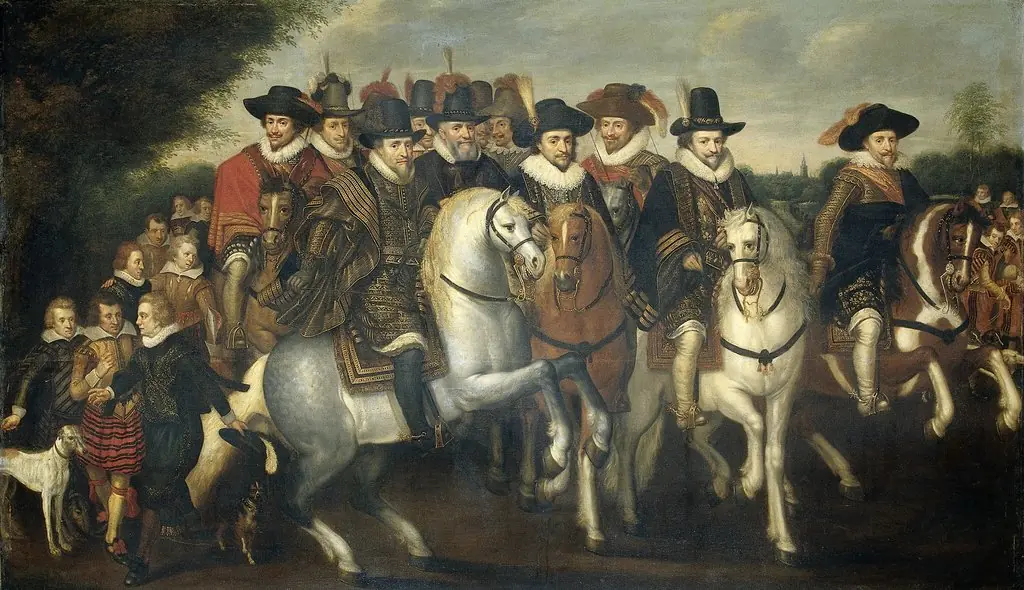 Prince Maurits accompanied by his two brothers, Frederick V, Elector of the Palatinate, and some counts of Nassau on horseback
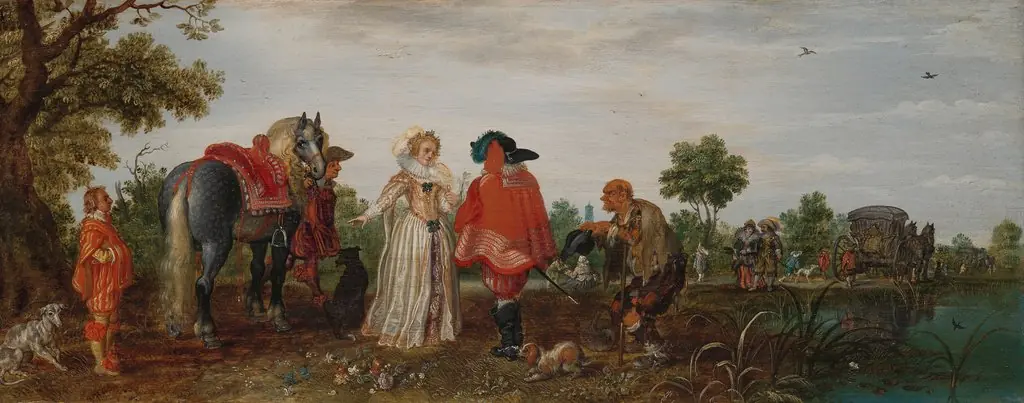 Spring
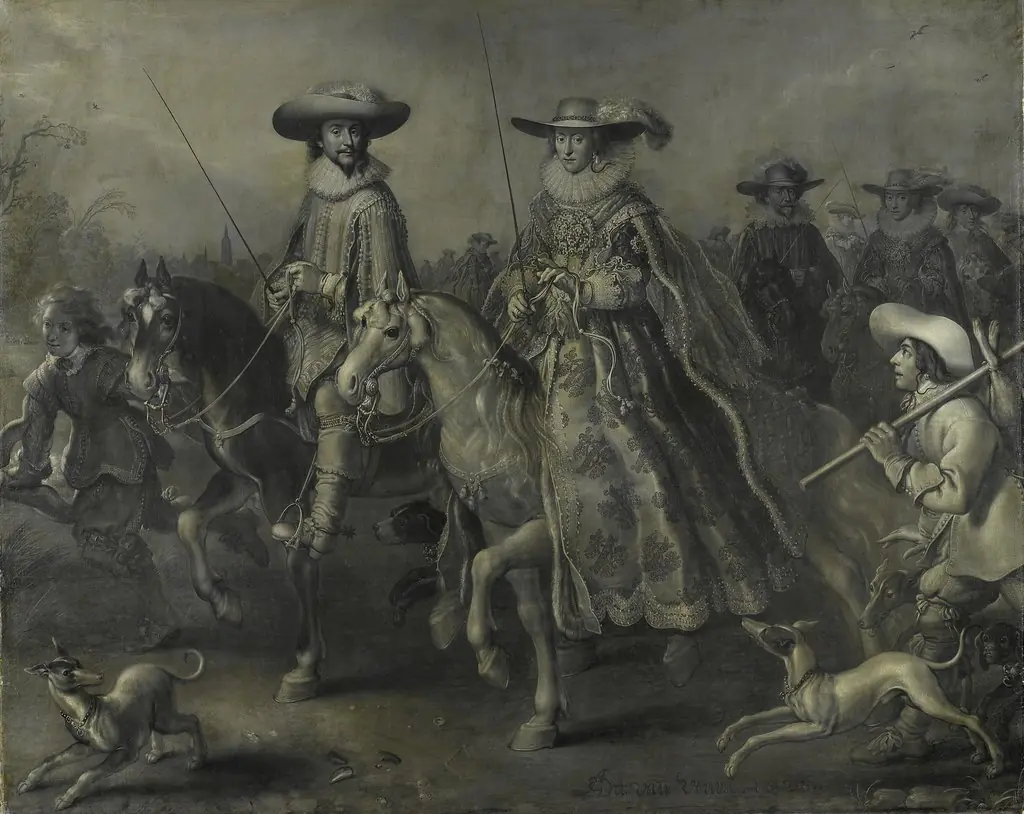 Frederick V (1596-1632), Elector of the Palatinate, King of Bohemia, and his wife Elizabeth Stuart (1596-1662) on horseback
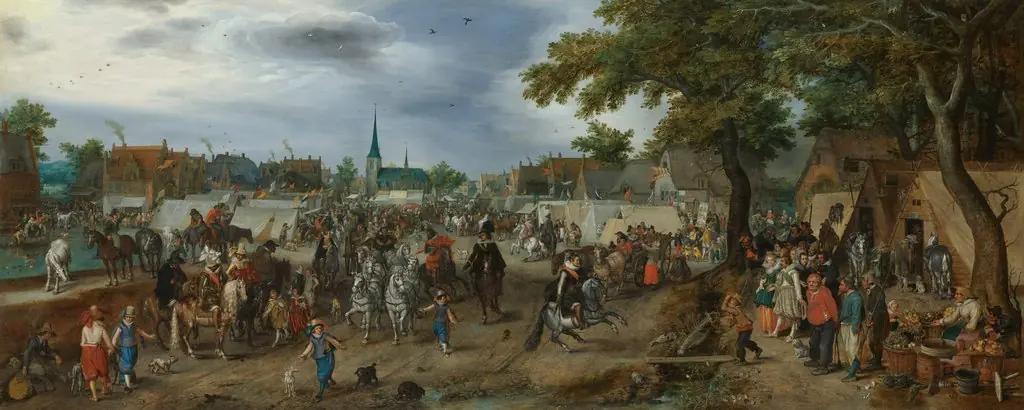 Prince Maurice and Frederick Henry at the Valkenburg Horse Fair
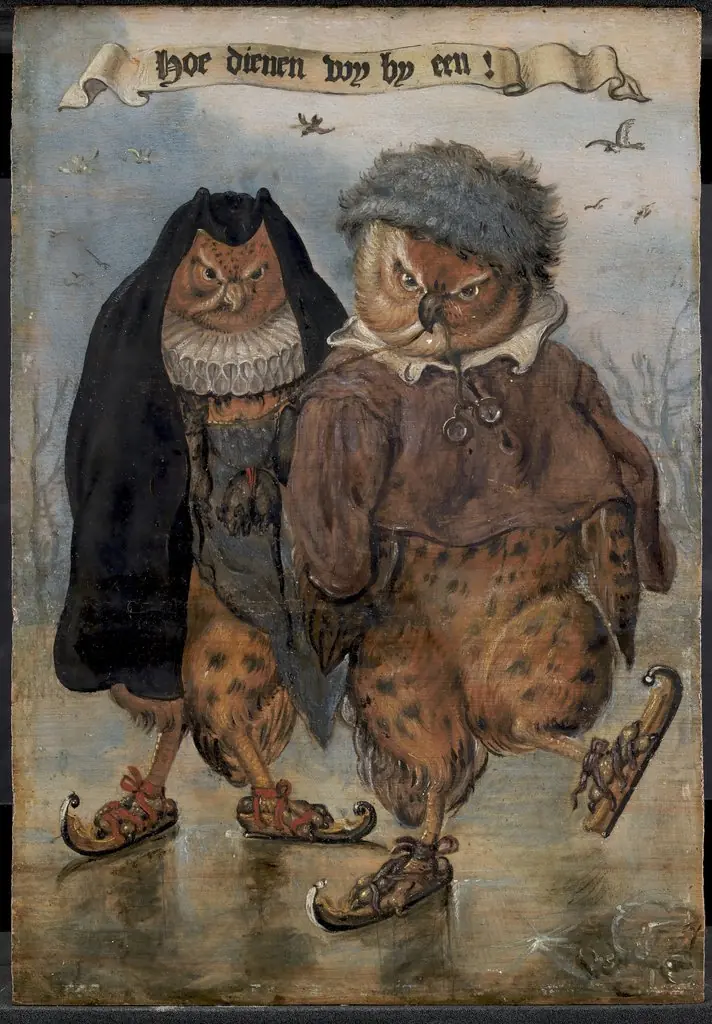 How Well We Go Together
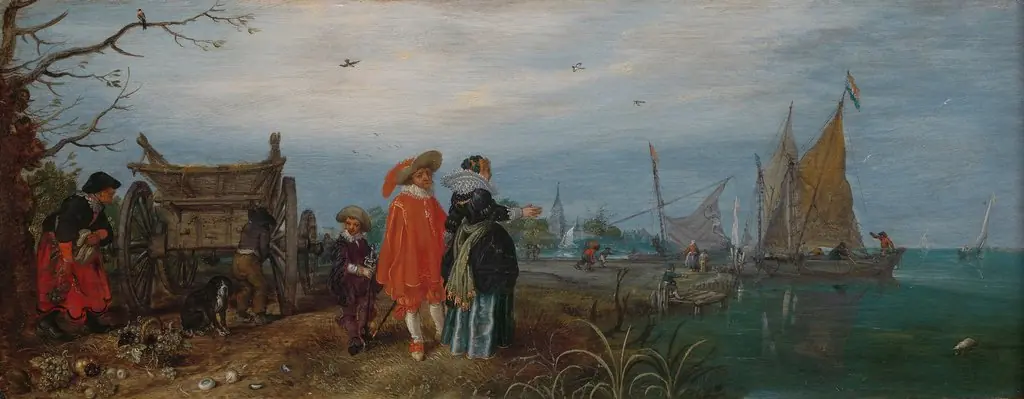 Autumn
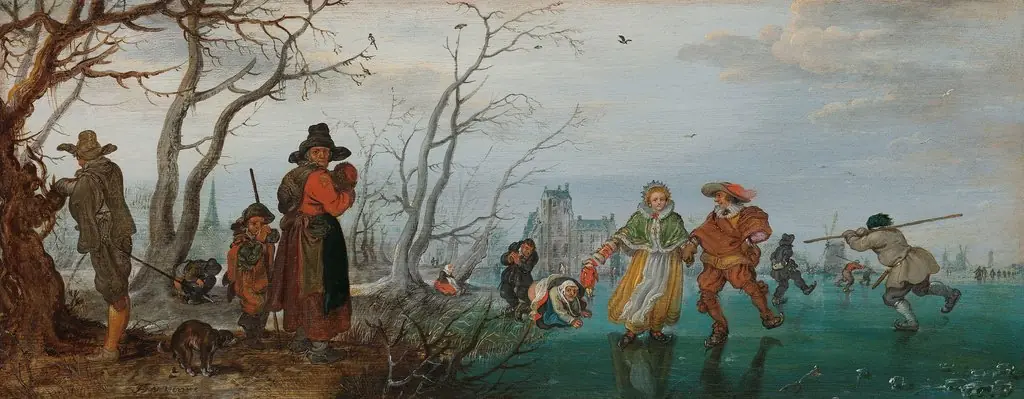 Winter