Artwork
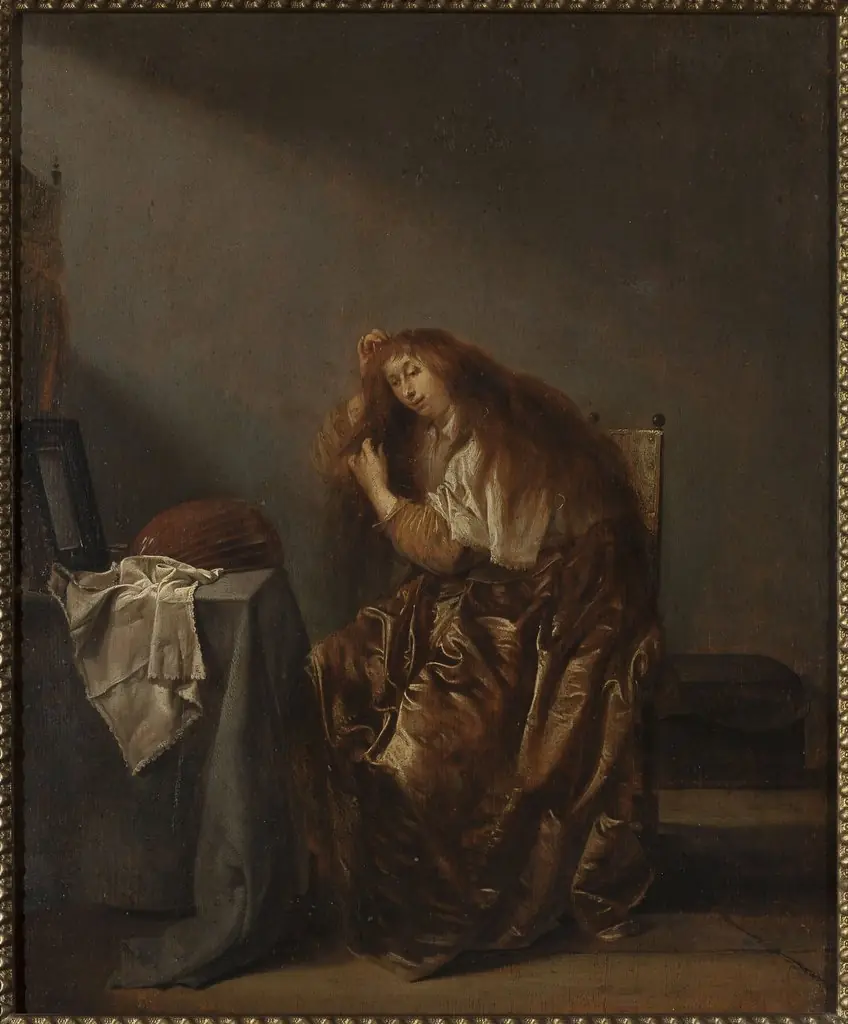
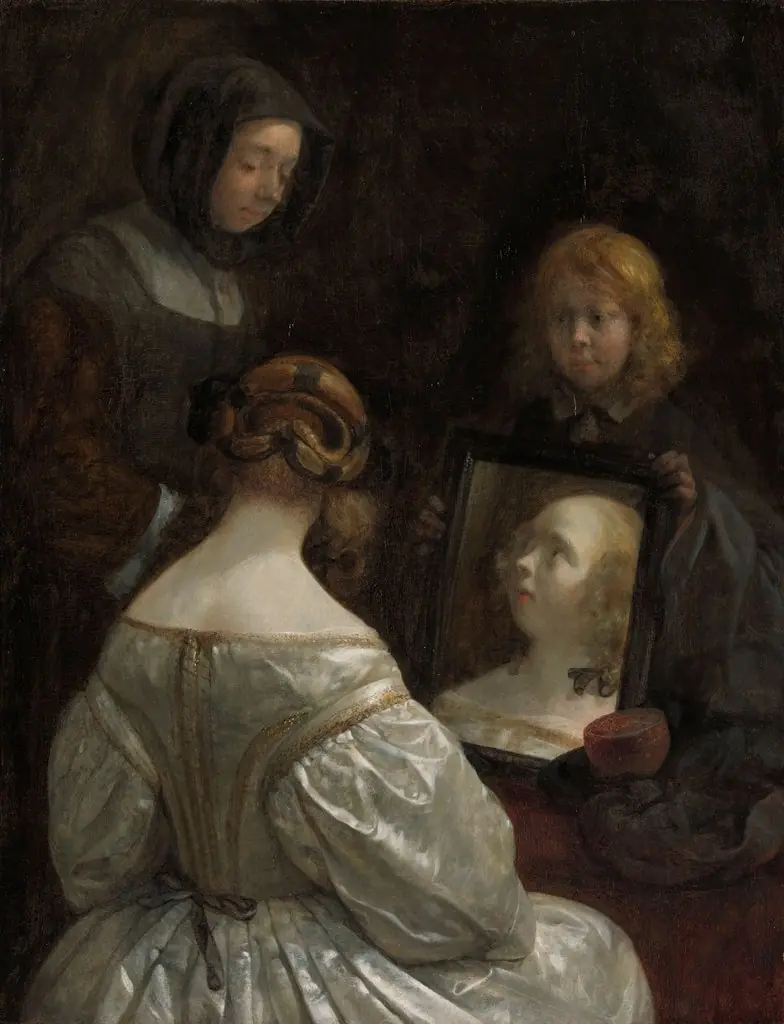
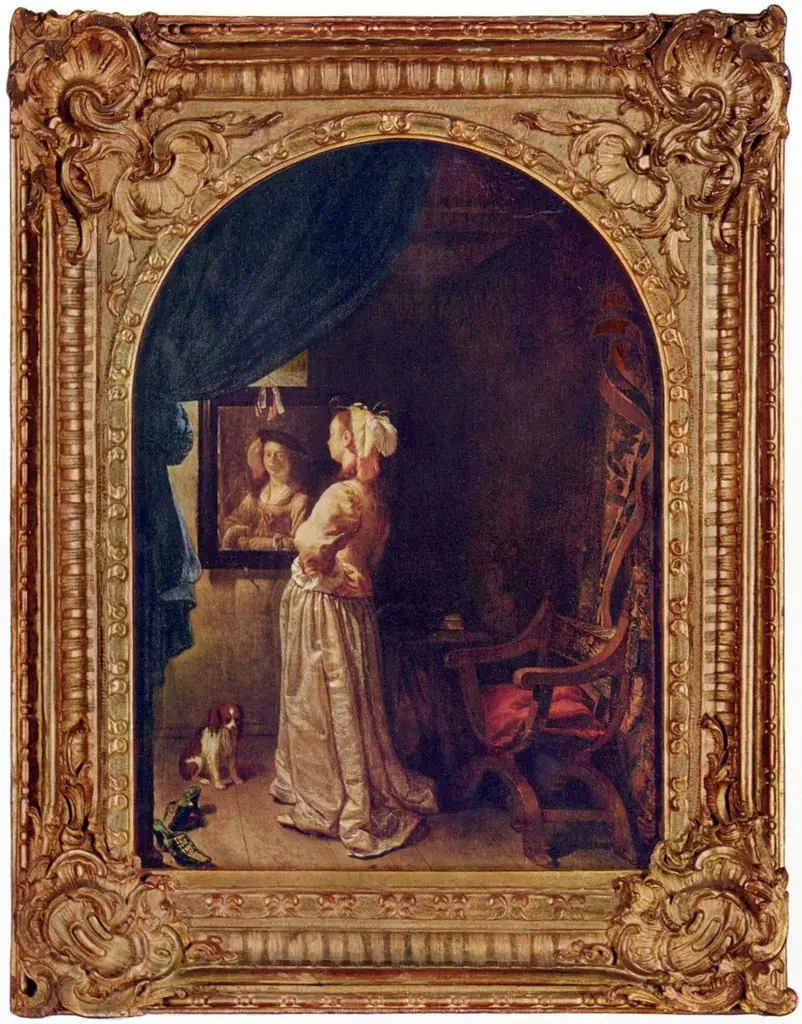
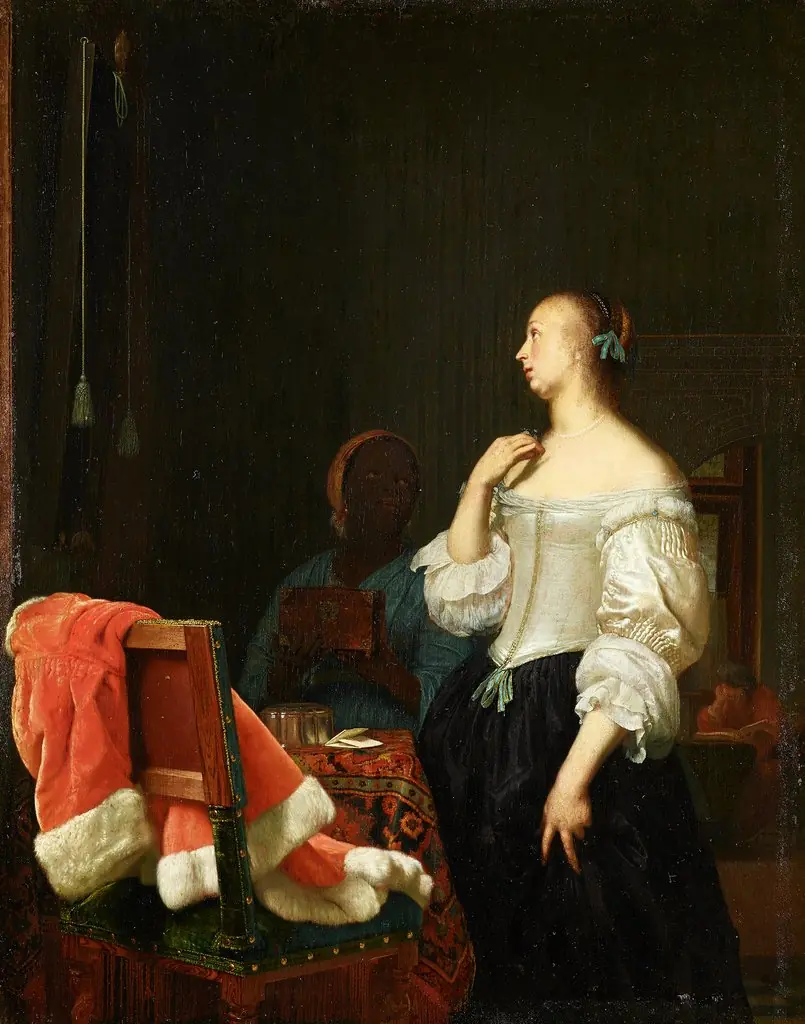
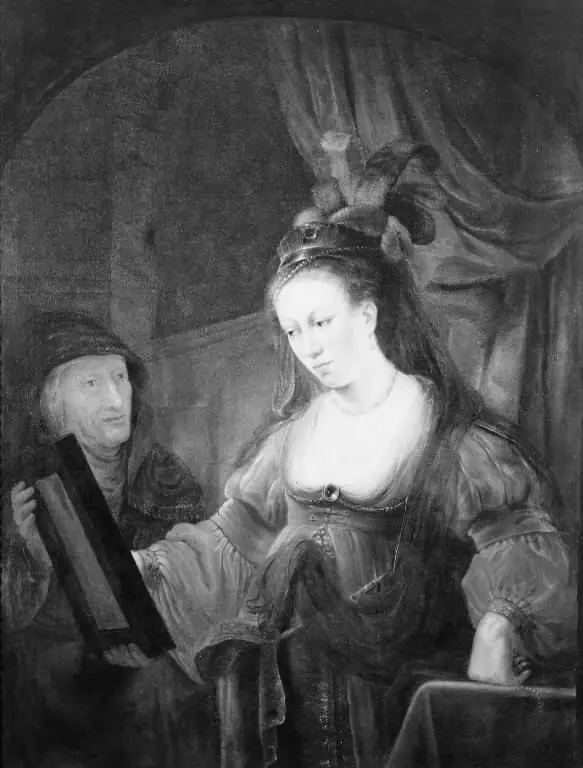
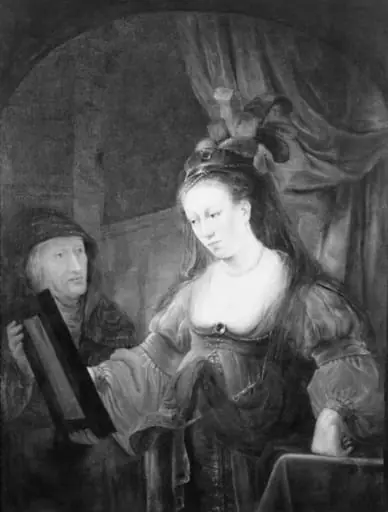
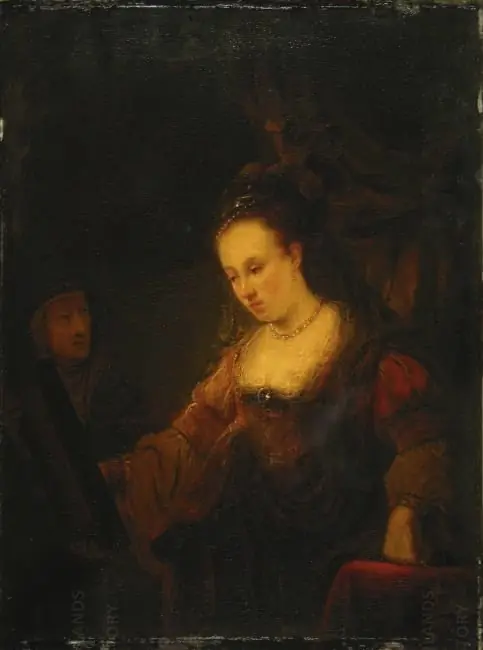
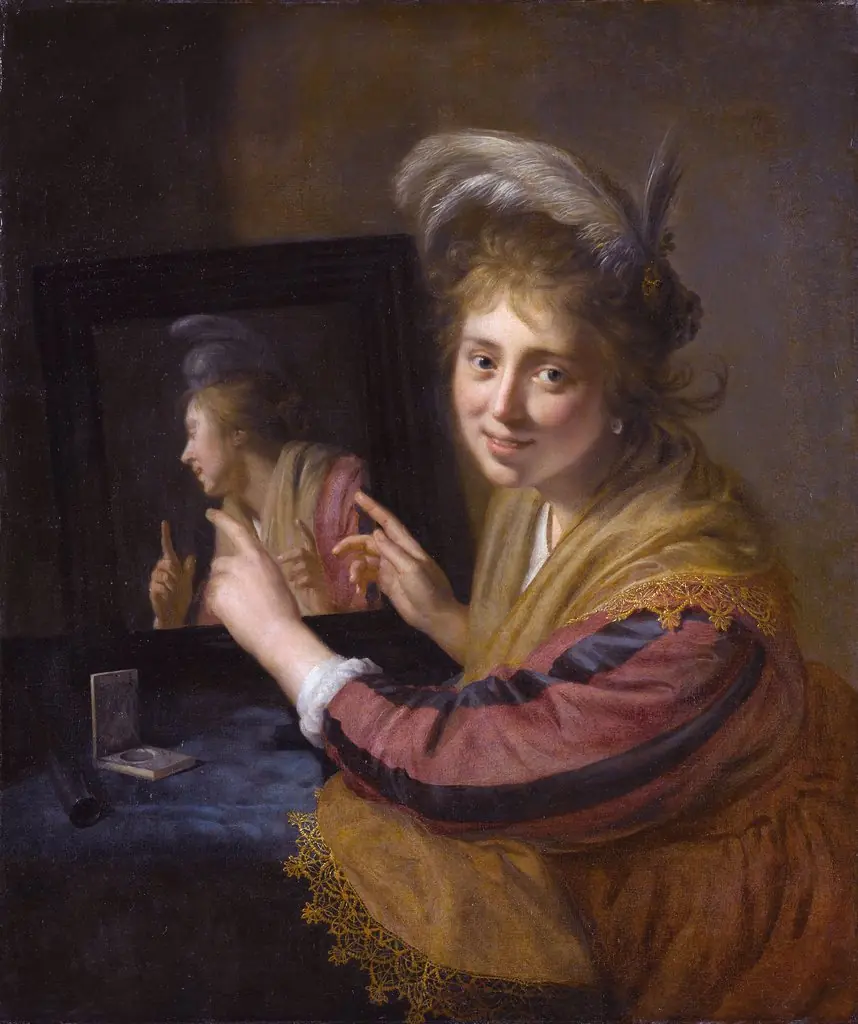
Young Woman in front of a Mirror (Allegory of the Vanity)
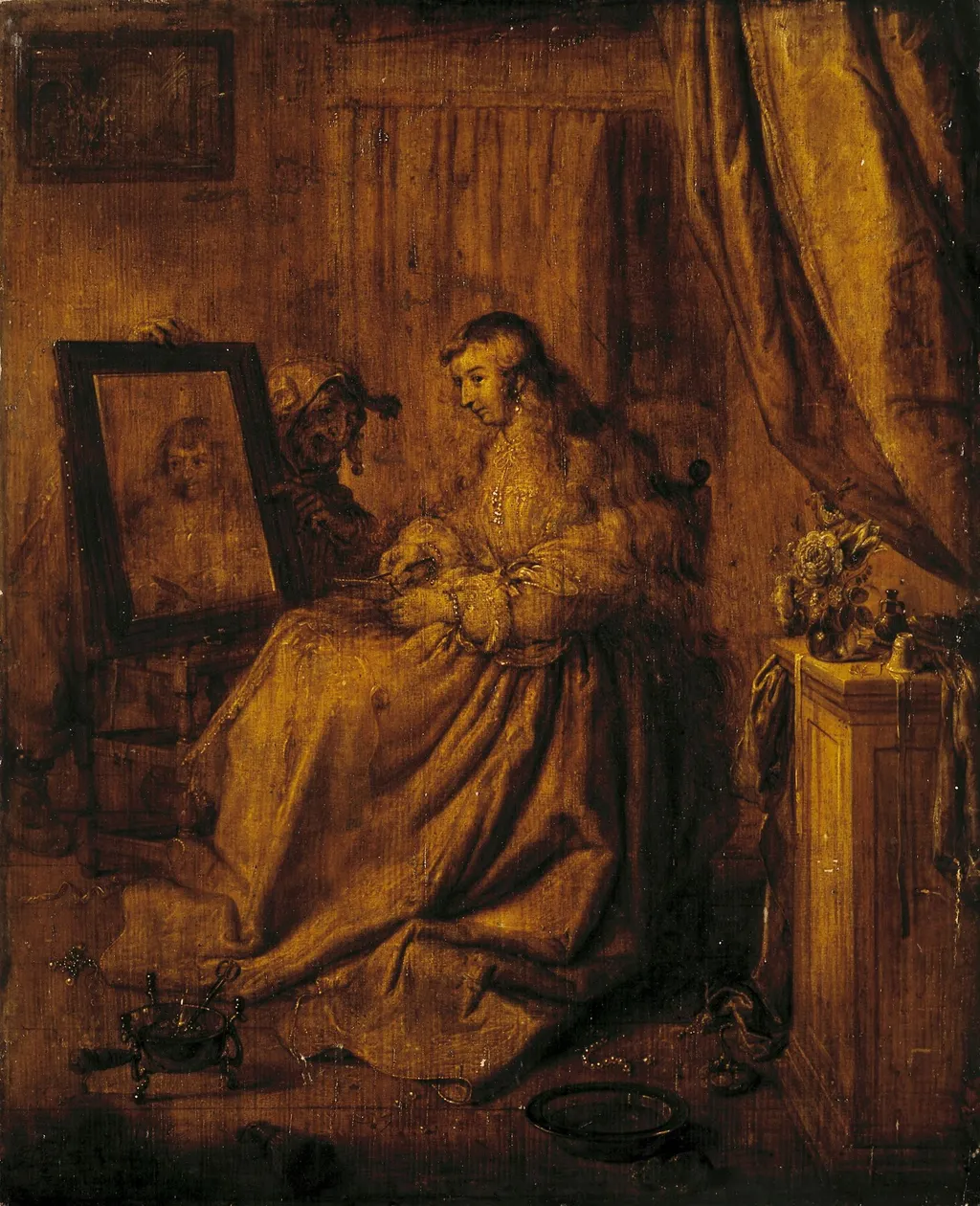
Young Woman in front of a Mirror (Allegory of the Vanity) is an unspecified painting by the Flemish Baroque painting artist Adriaen van de Venne. It dates from 1630 and is held in the collection of the Hermitage Museum.
About this work
Overview
Adriaen van de Venne’s *Young Woman in front of a Mirror (Allegory of the Vanity)* was painted in 1630, at the height of the Flemish Baroque. The canvas presents a solitary female figure seated before a mirror, her gaze directed outward, while a skull rests in her hand. The work belongs to the State Hermitage Museum’s collection.
Subject & Meaning
The composition functions as a vanitas allegory, using the mirror to symbolize self‑examination and the skull to remind viewers of mortality. The young woman’s calm, introspective expression suggests contemplation of fleeting beauty and the transience of earthly pleasures, a common moralizing theme in 17th‑century Dutch and Flemish art.
Technique & Style
Van de Venne employs a realistic, finely detailed approach, rendering textures such as the white dress, pearl necklace, and surrounding objects with precision. Strong chiaroscuro models the figures, creating depth and a three‑dimensional sense of space. The palette is restrained, emphasizing the sober mood of the allegorical narrative.
History & Provenance
Created during the artist’s mature period, the painting entered the State Hermitage Museum’s holdings in the 20th century, though the exact acquisition path remains undocumented in public records. Its presence in the Hermitage situates the work within a broader collection of Dutch Golden Age paintings, allowing comparative study of vanitas motifs across the era.
Own this work as a print
Artist & collection
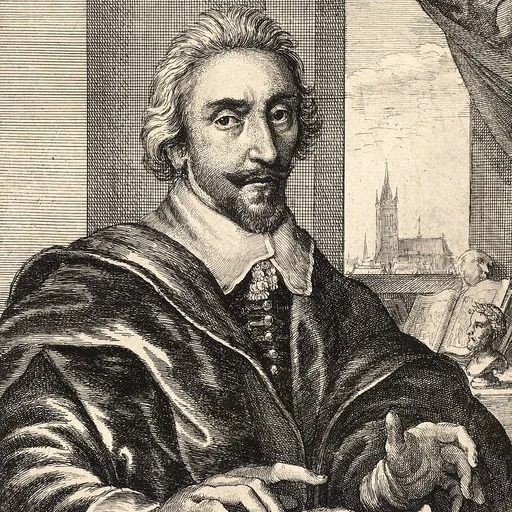
Artist
Adriaen Pietersz van de Venne (1589 – 12 November 1662), was a versatile Dutch Golden Age painter of allegories, genre subjects, and portraits, as well as a miniaturist, book illustrator, designer of political satires, and versifier.

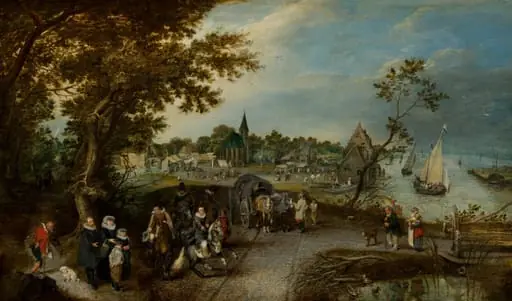 Untitled
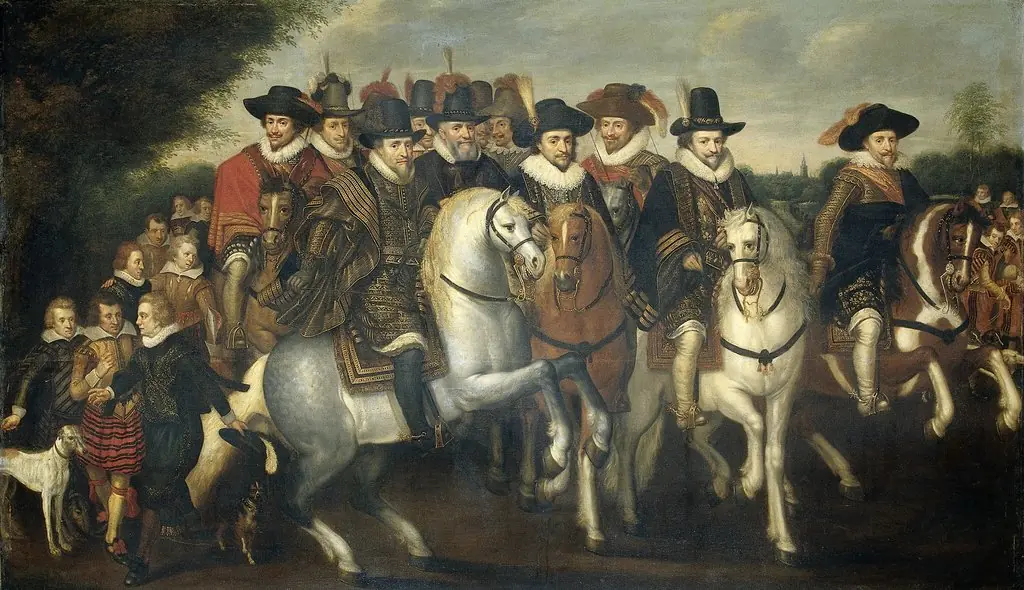 Prince Maurits accompanied by his two brothers, Frederick V, Elector of the Palatinate, and some counts of Nassau on horseback
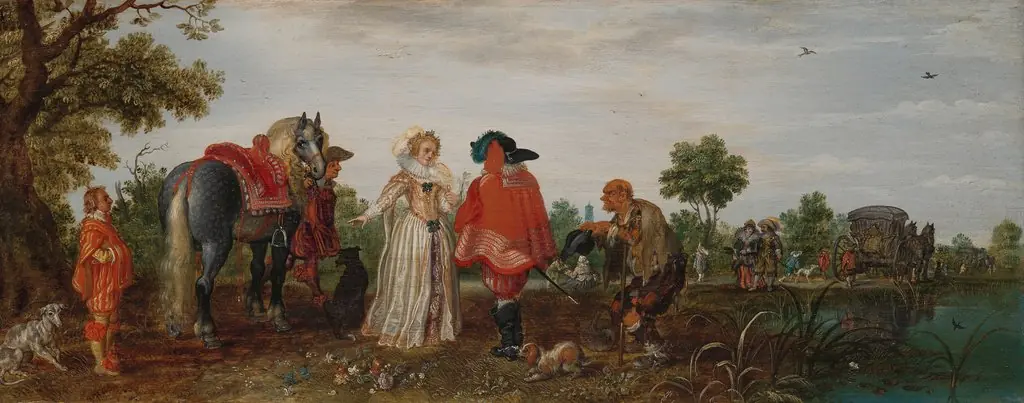 Spring
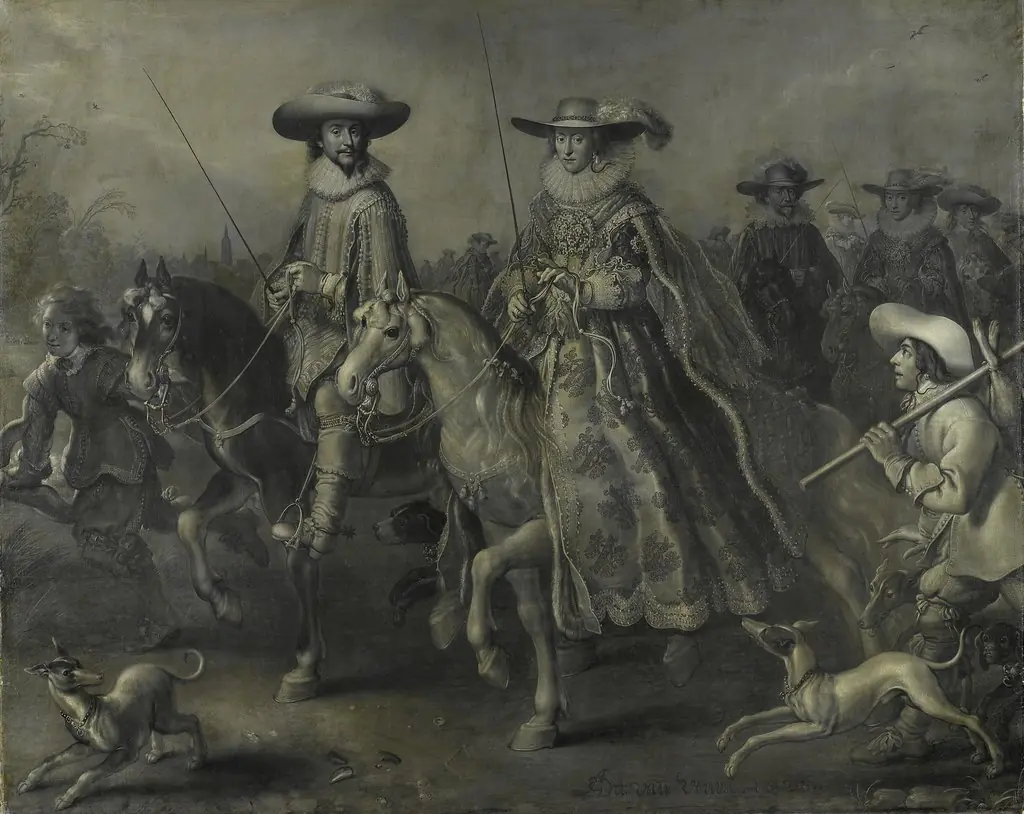 Frederick V (1596-1632), Elector of the Palatinate, King of Bohemia, and his wife Elizabeth Stuart (1596-1662) on horseback
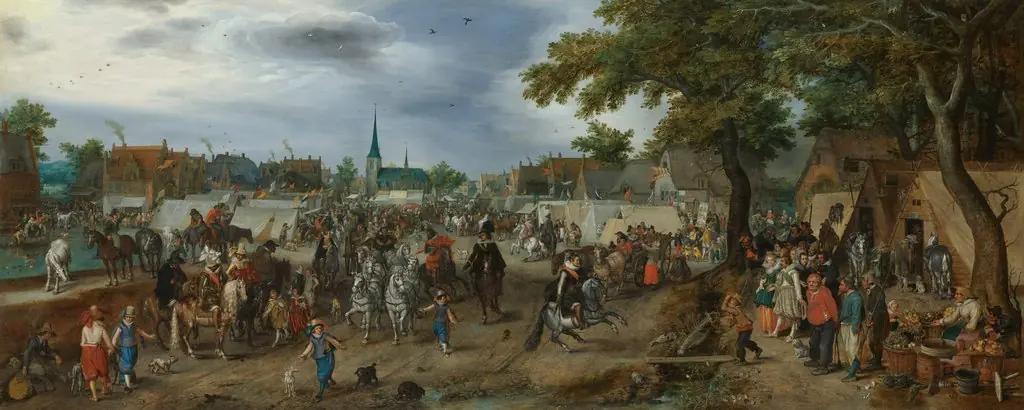 Prince Maurice and Frederick Henry at the Valkenburg Horse Fair
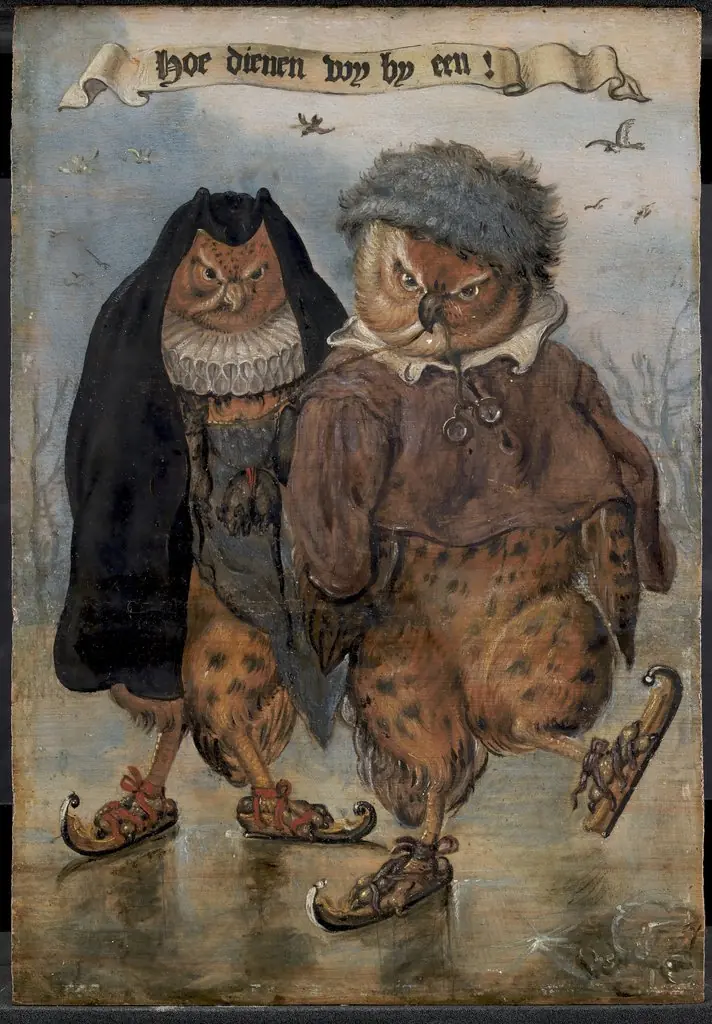 How Well We Go Together
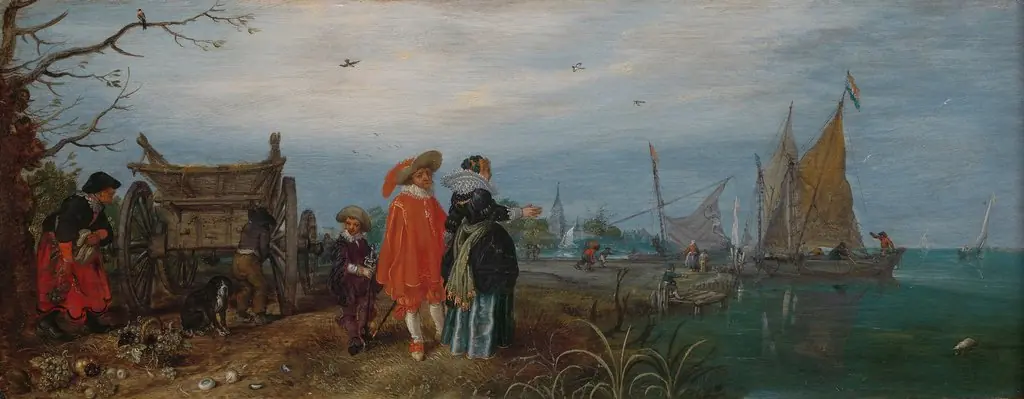 Autumn
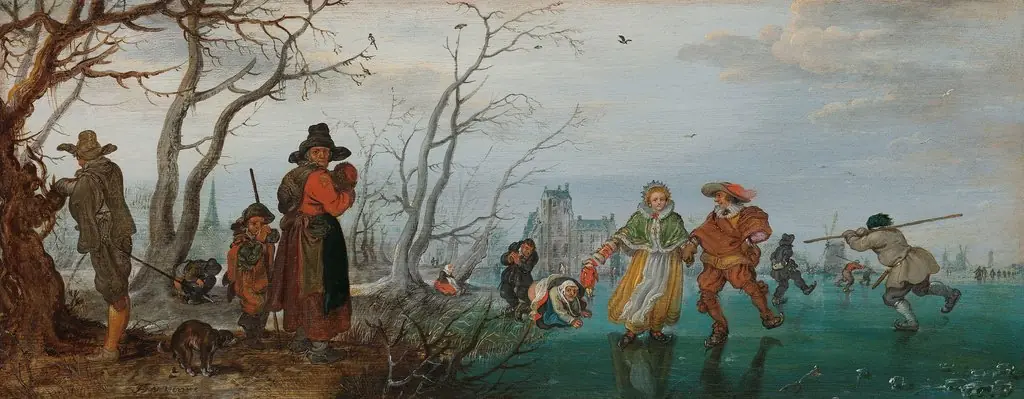 Winter