Artwork
Sarah Bringing Hagar to Abraham
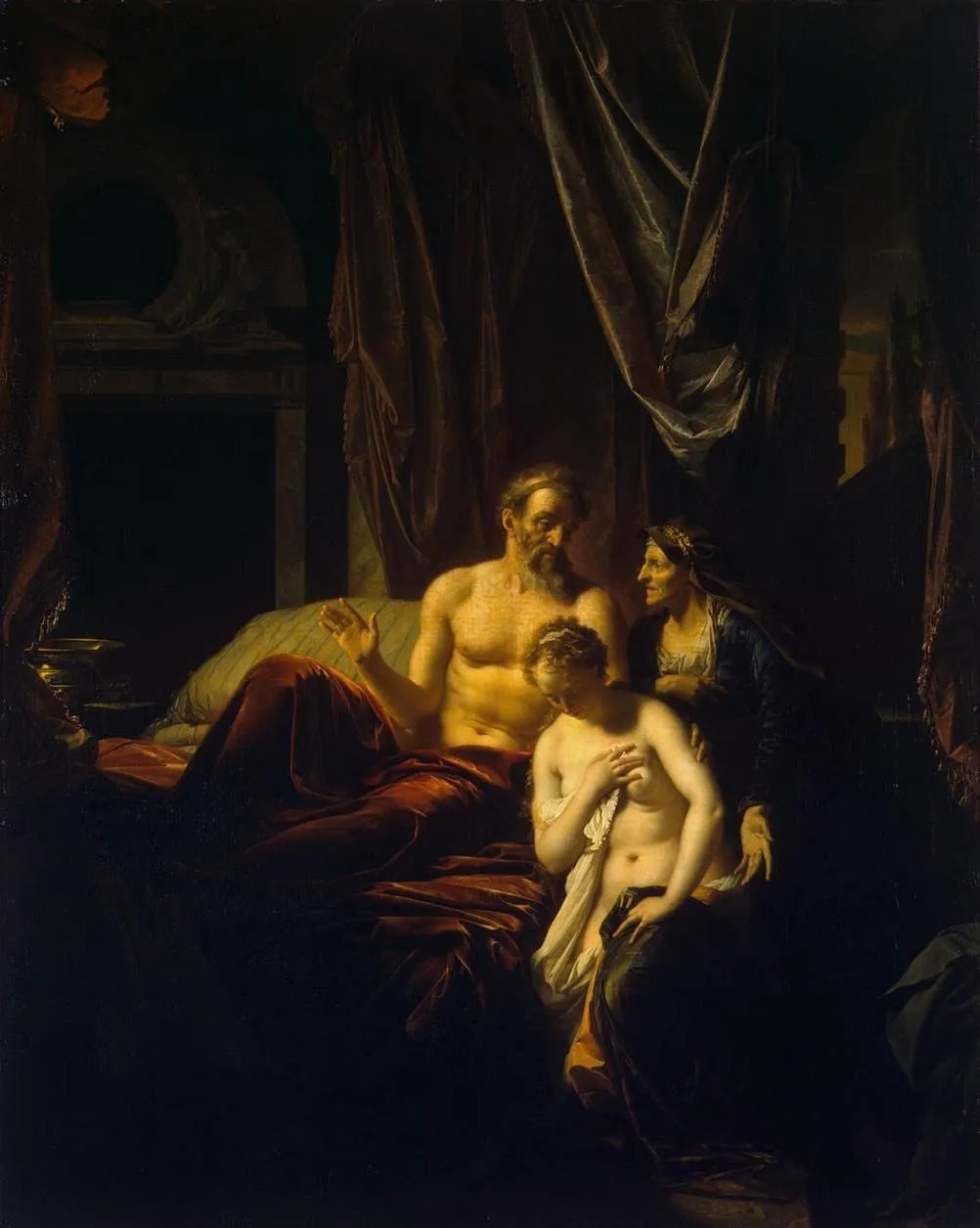
Sarah Bringing Hagar to Abraham is an oil painting by the Dutch Golden Age artist Adriaen van der Werff. It dates from 1698 and is held in the collection of the Hermitage Museum.
About this work
Overview
Sarah Bringing Hagar to Abraham is a 1698 oil painting by Adriaen van der Werff, a Dutch artist of the late 17th and early 18th centuries. The work belongs to the Dutch Golden Age and is currently housed in the State Hermitage Museum.
Subject & Meaning
The painting illustrates a biblical scene from the Old Testament, depicting the moment Sarah presents her servant Hagar to Abraham. The composition focuses on the interaction between the three main figures: Abraham (seated, shirtless), Sarah (standing), and the kneeling, topless Hagar.
Technique & Style
Van der Werff employed chiaroscuro, a technique emphasizing strong light and dark contrasts, to create volumetric depth. The predominantly dark palette, with selective lighting on Abraham's body and Hagar's face, heightens the dramatic intensity of the scene.
History & Provenance
Created in 1698, the painting is part of van der Werff's oeuvre, which also includes portraits, devotional scenes, and mythological works, notably some commissioned by the Medicis. Its current location is the State Hermitage Museum.
Context
As a product of the Dutch Golden Age, the painting reflects the period's artistic preoccupations, though van der Werff's style, with its use of chiaroscuro, shows influence from broader European artistic trends of the time.
Legacy
While specific legacy details of *Sarah Bringing Hagar to Abraham* are not highlighted in available information, it contributes to the broader understanding of van der Werff's artistic contributions and the religious themes prevalent in Dutch Golden Age art.
Artist & collection
Artist
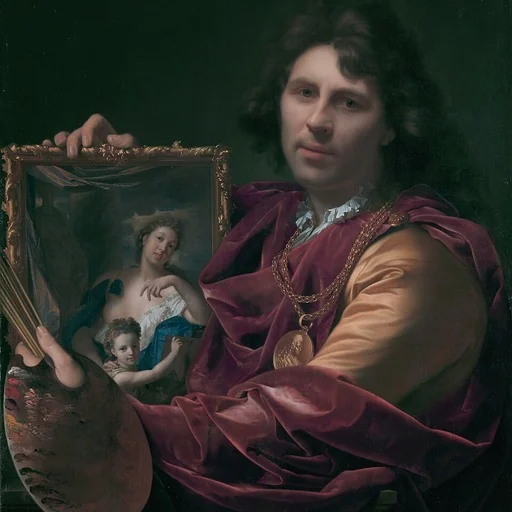
Adriaen van der Werff (21 January 1659 – 12 November 1722) was a Dutch painter of portraits and erotic, devotional and mythological scenes.

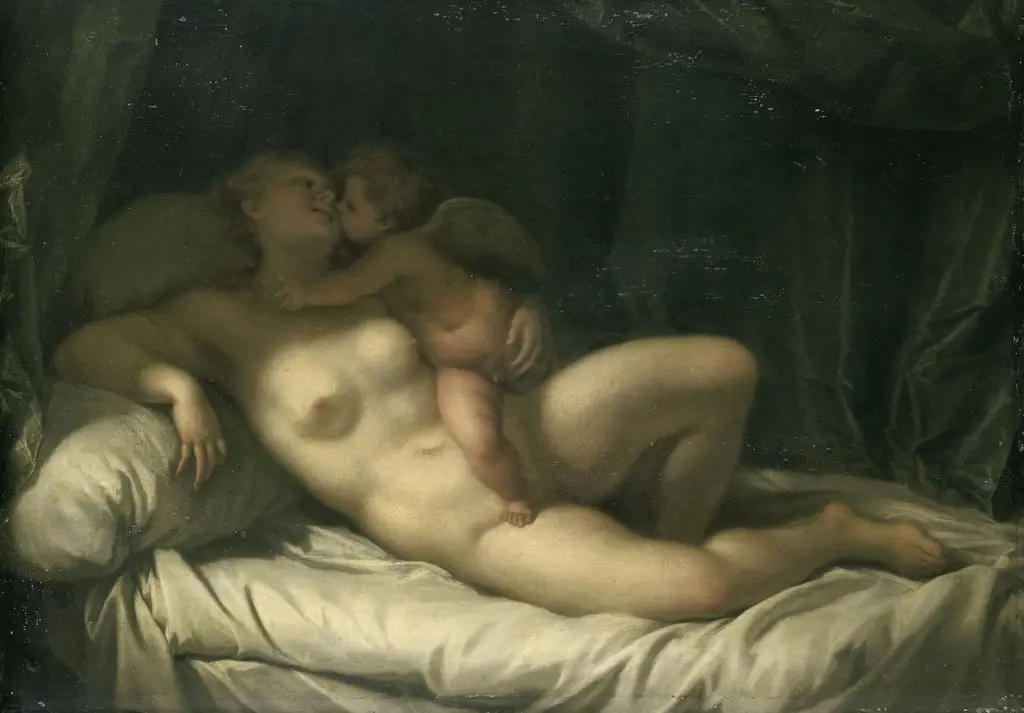 Cupid Kissing Venus (Venus Kissed by Amor)
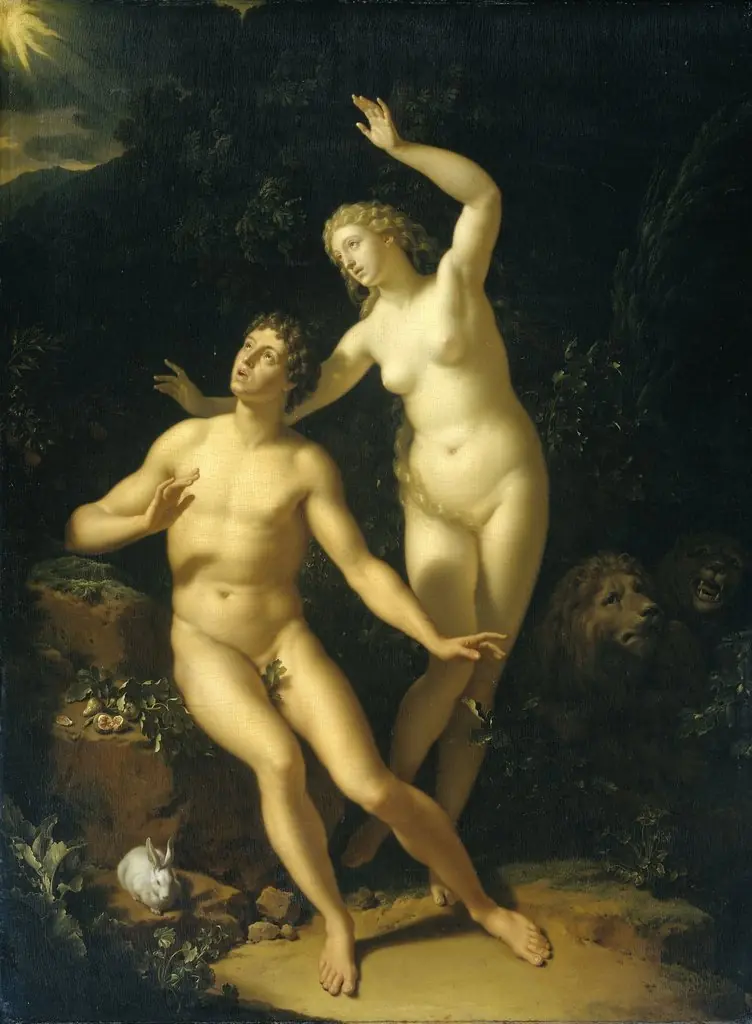 God Holds Adam and Eve Responsible
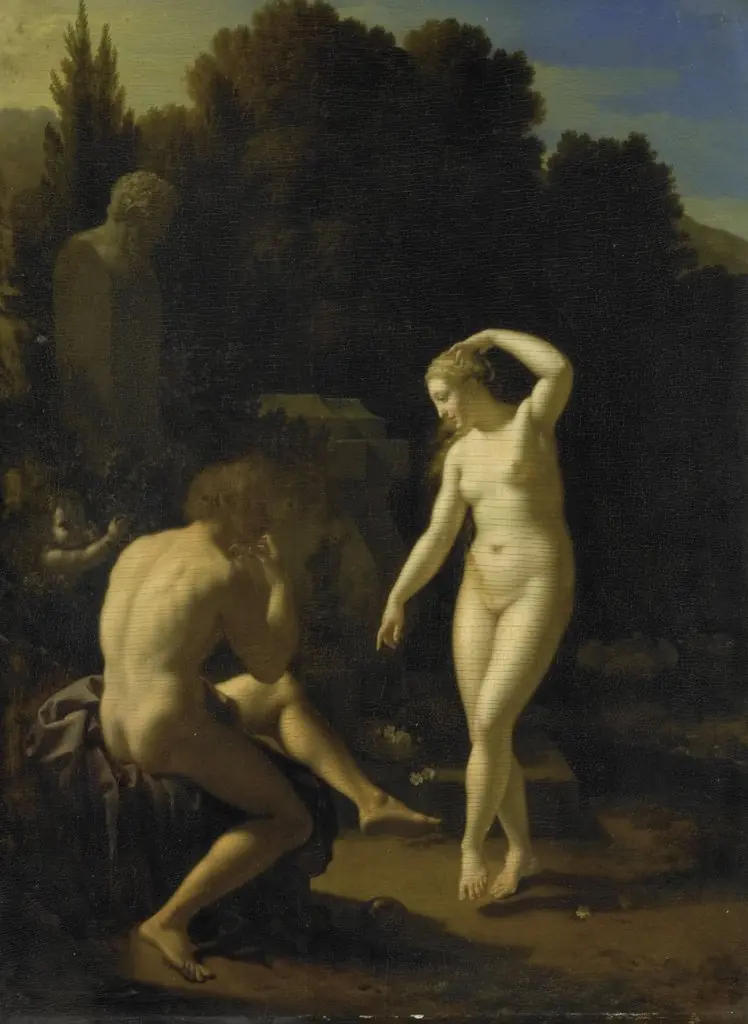 A Nymph Dancing to a Shepherd's Flute-Playing
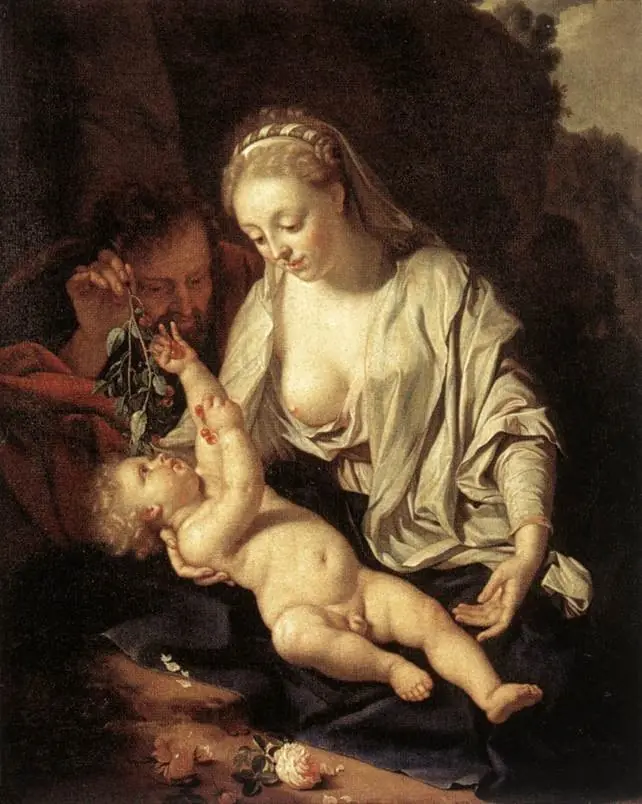 The Holy Family
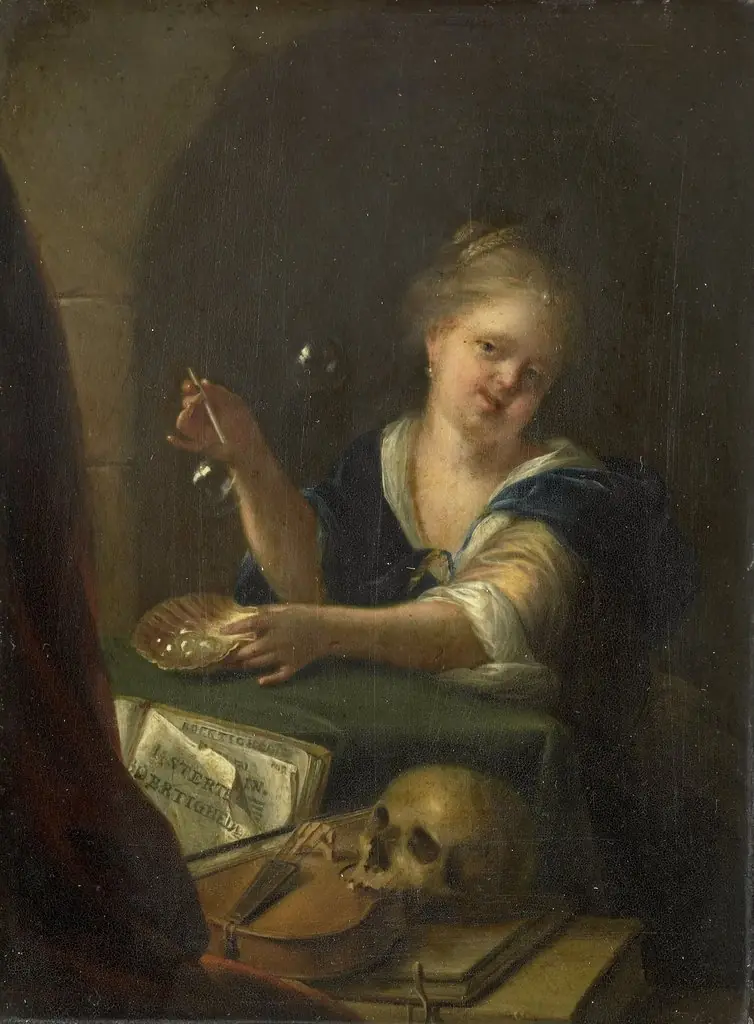 Bubble-blowing Girl with a Vanitas Still Life
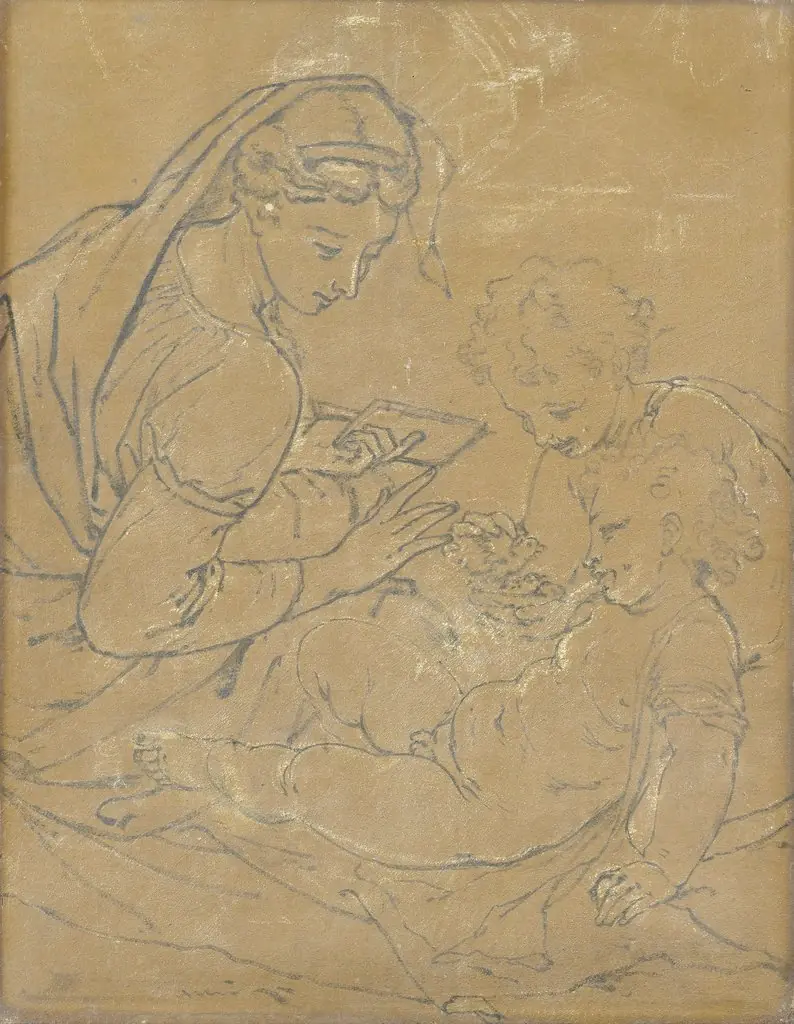 Virgin and Child with Saint John (chalk sketch)
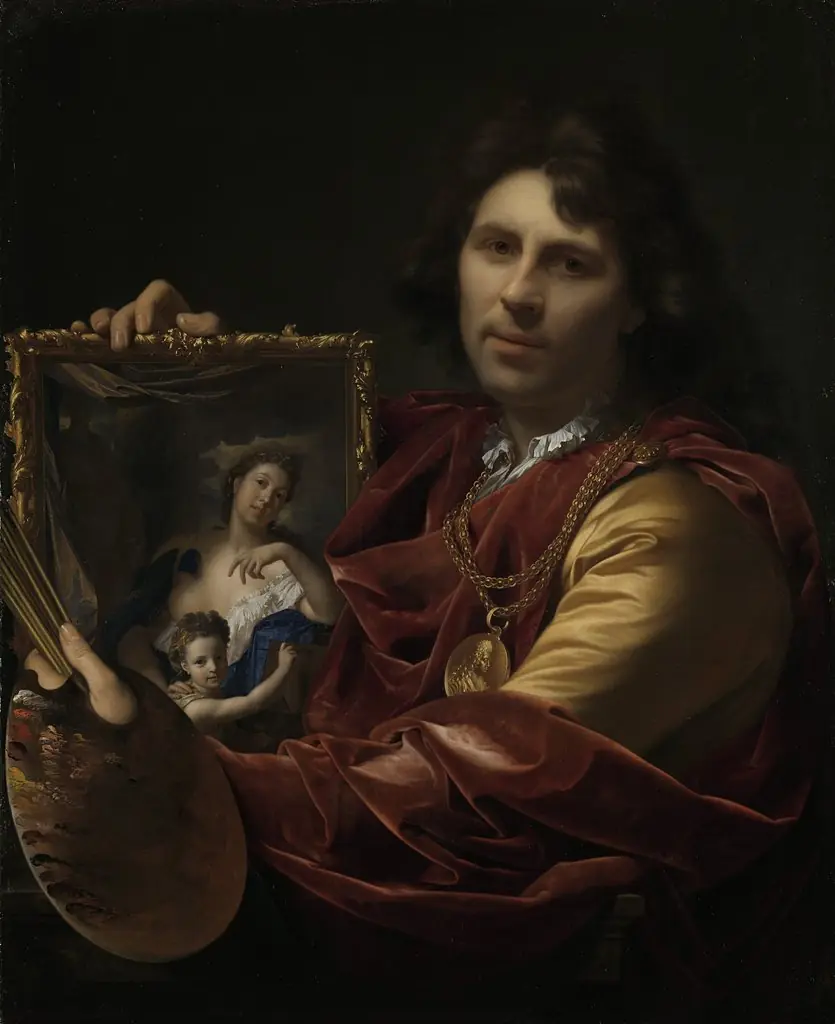 Self-portrait with the Portrait of his Wife, Margaretha van Rees, and their Daughter Maria
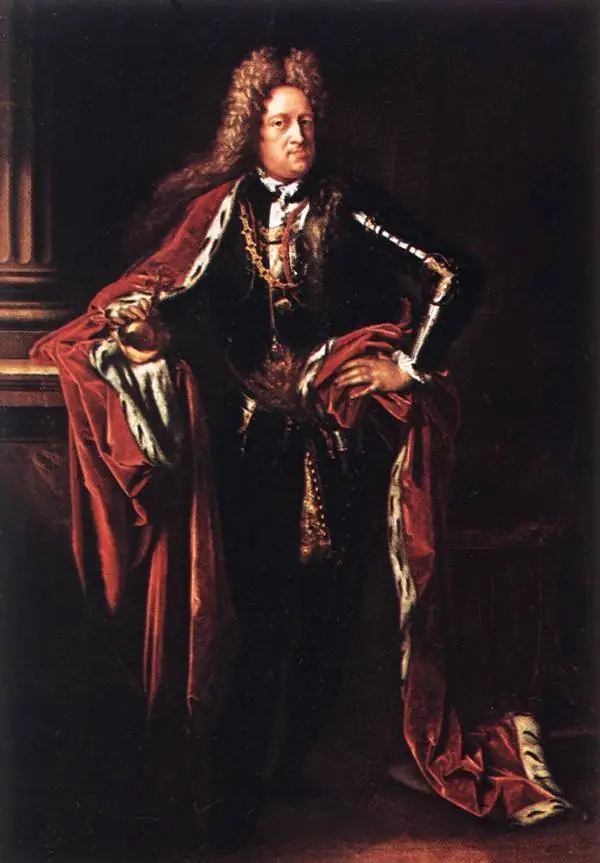 Portrait of Johann Wilhelm Elector of Palatine (1658-1716)
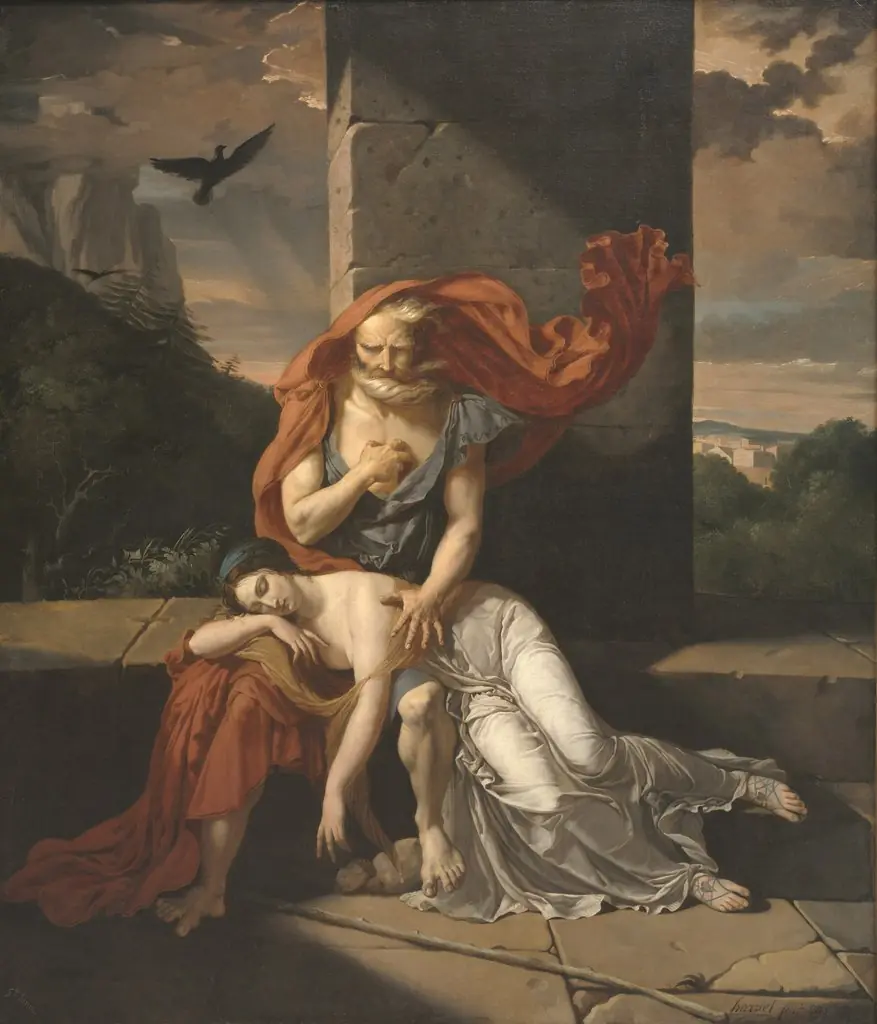 Oedipus at Colonus
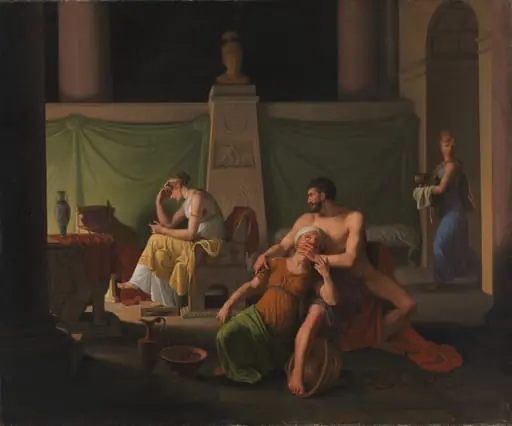 The Return of Ulysses. Scene from Homer´s Ulysses
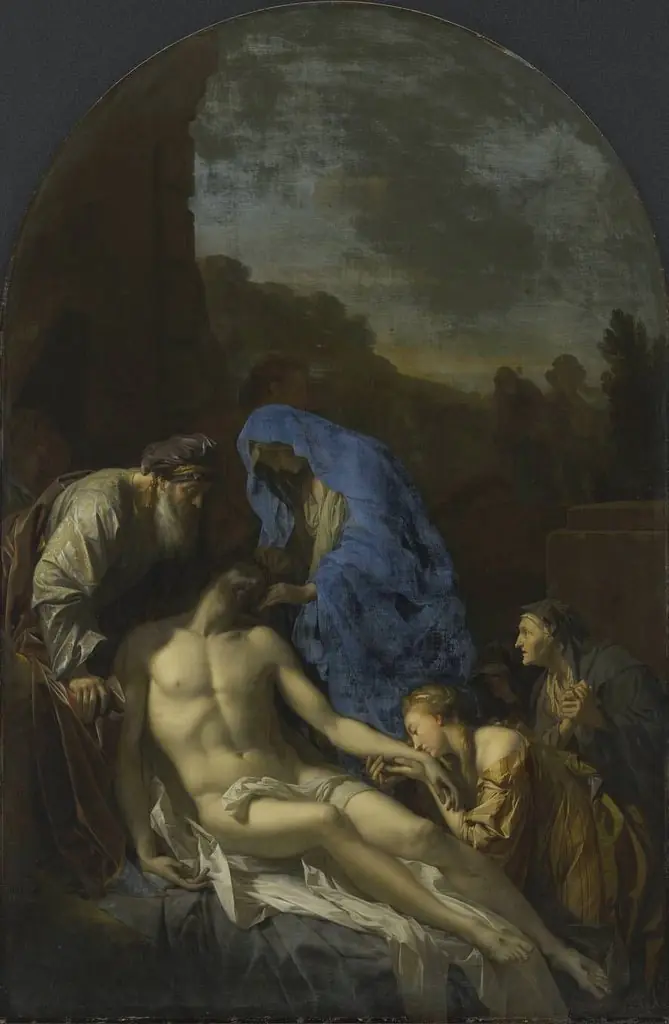 The Burial of Christ
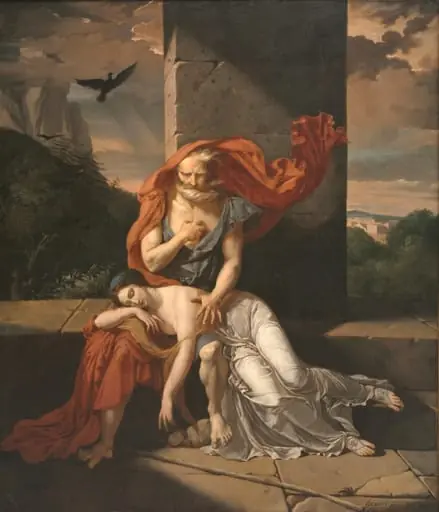 Oedipus at Colonus
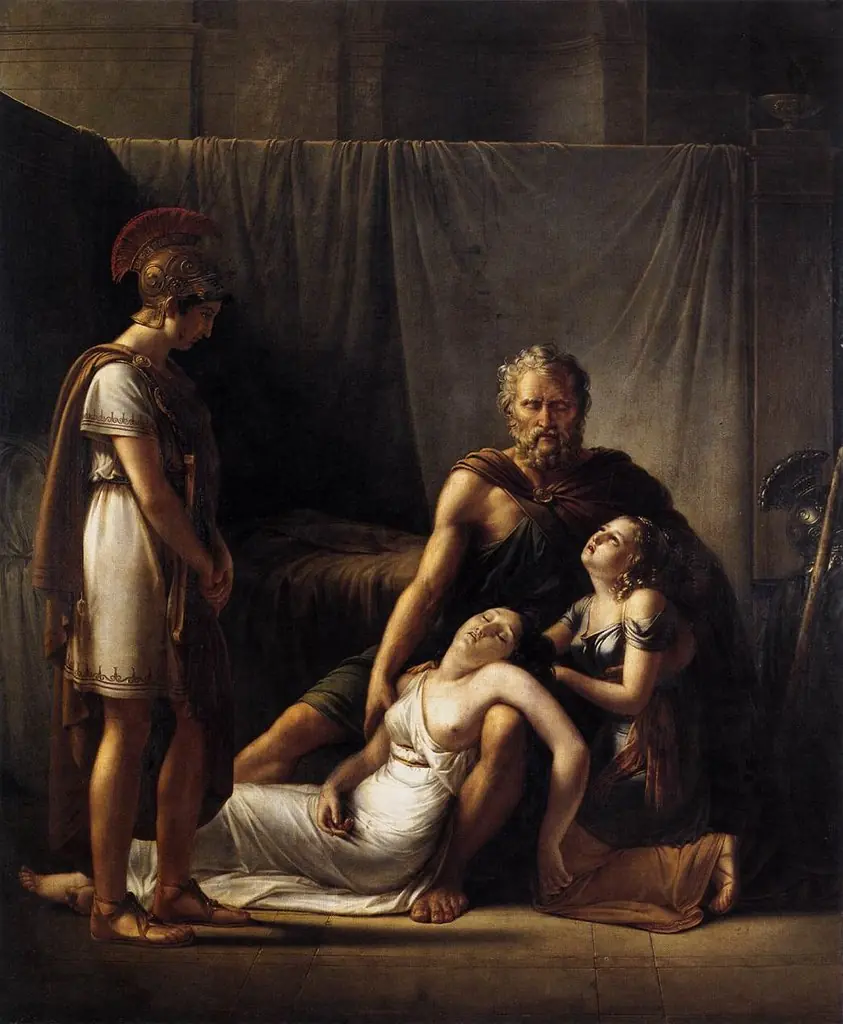 The Death of Belisarius' Wife
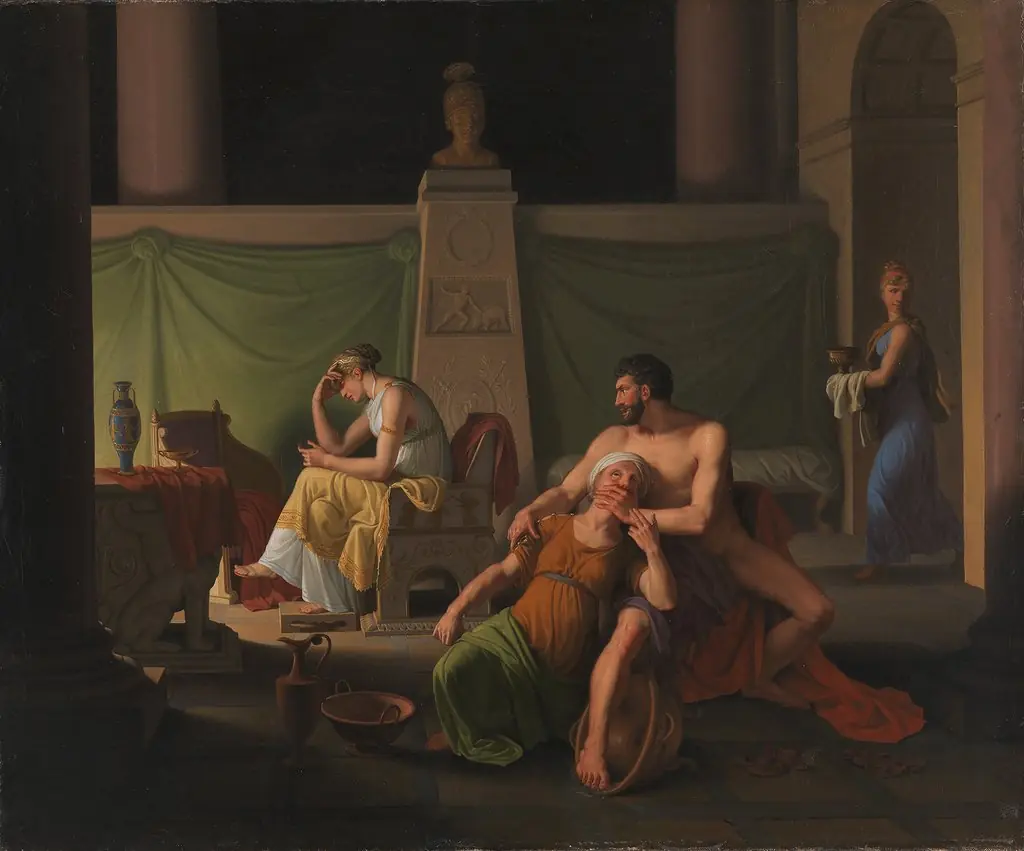 The Return of Ulysses. Scene from Homer´s Ulysses
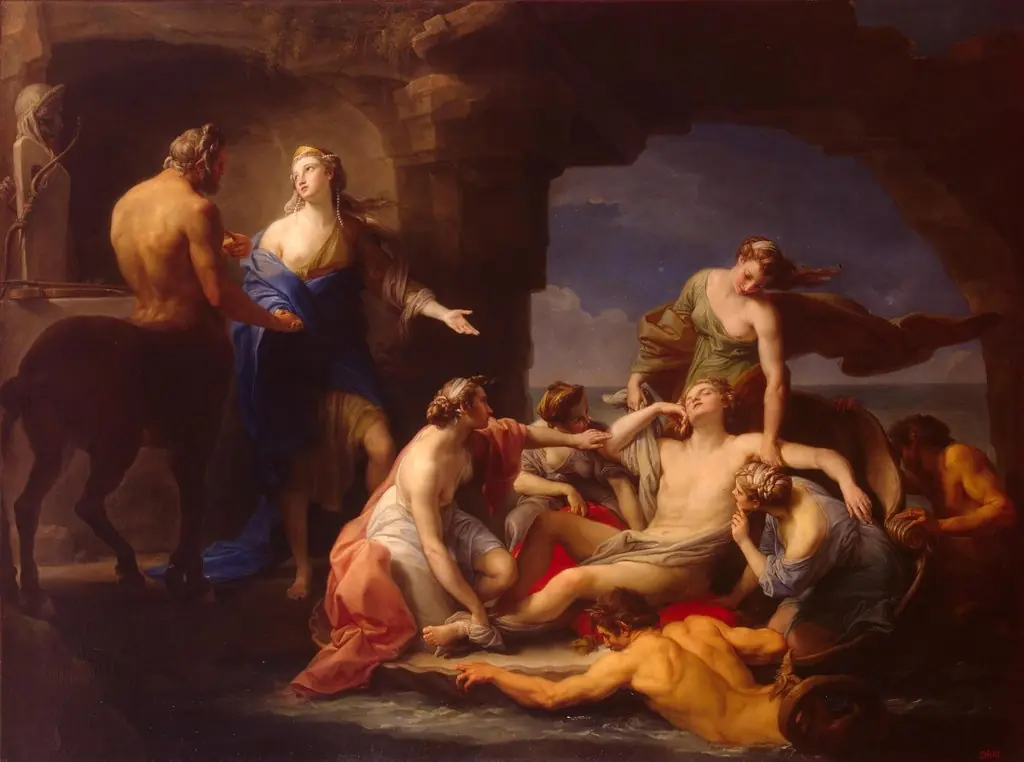 Thetis takes Achilles from the Centaur Chiron
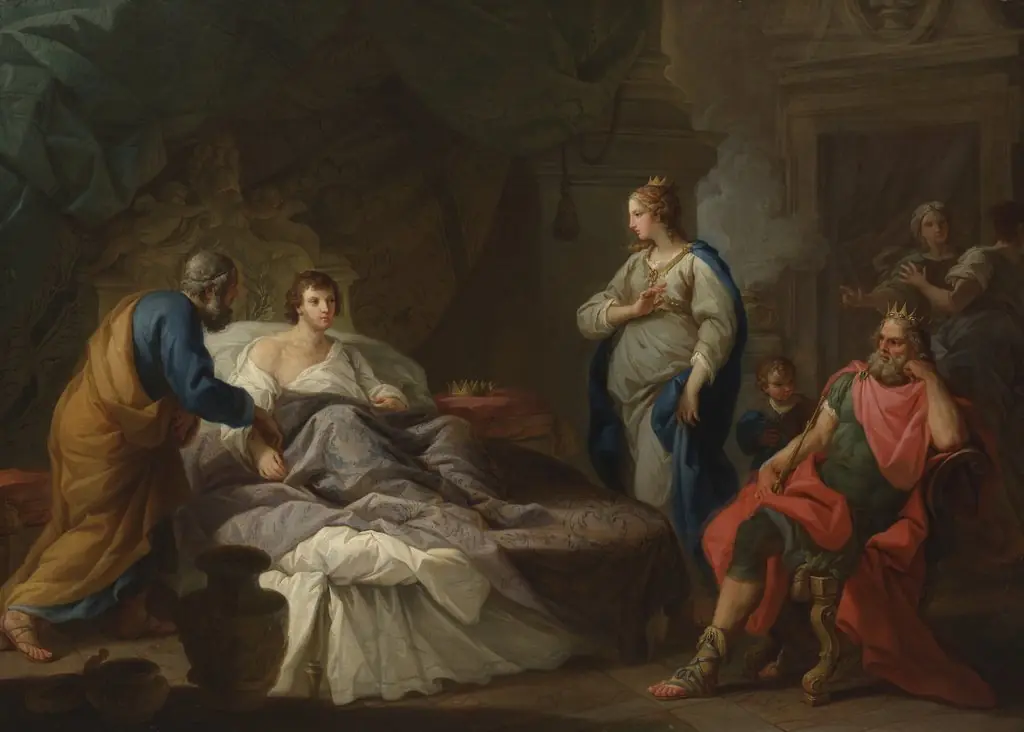 Antiochus Yearning for Stratonice
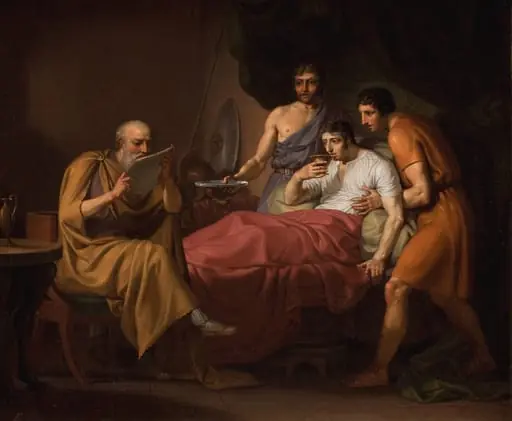 Alexander the Great on his Sickbed
 Antiochus Yearning for Stratonice