Artwork
The Return of Ulysses. Scene from Homer´s Ulysses
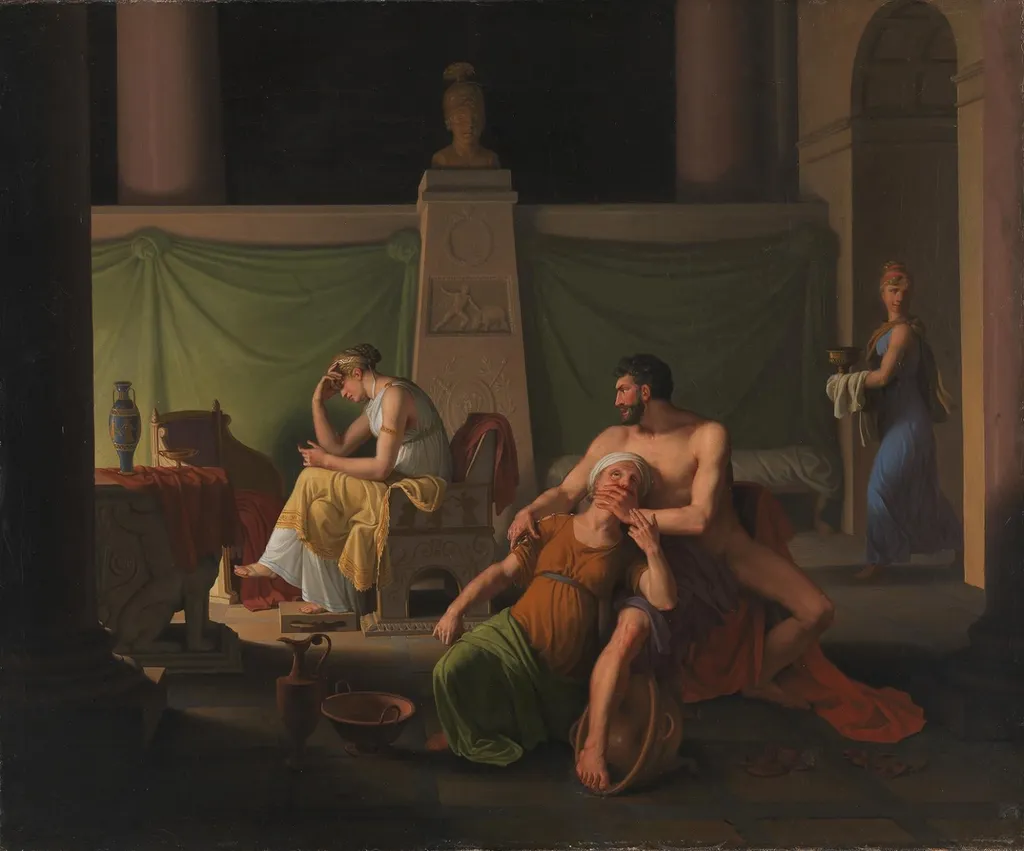
The Return of Ulysses. Scene from Homer´s Ulysses is a photography by the Romanticist artist Unknown artist. It is held in the collection of the Statens Museum for Kunst.
About this work
Overview
The painting’s composition and setting suggest a deliberate fusion of Western story and East Asian visual language.
Created in 1812, *The Return of Ulysses* is a painted scene inspired by Homer’s *Odyssey*, produced by Xun Xu, a scholar-official and artist of the early Jin dynasty. Though rooted in classical Greek literature, the work emerges from a distinctly Chinese cultural context, reflecting the intellectual curiosity of elite circles who engaged with foreign narratives. The painting’s composition and setting suggest a deliberate fusion of Western story and East Asian visual language.
Subject & Meaning
The scene captures a moment of emotional reunion, likely depicting Penelope recognizing Ulysses after his long absence. The woman in yellow, head bowed, conveys exhaustion or quiet relief; the two kneeling men express anguish and support, while the figure holding the jug may represent a servant or herald. The setting, with classical architecture and a bust, implies a domestic space transformed by the weight of memory and identity, blending Homeric themes with Confucian ideals of loyalty and filial duty.
Technique & Style
Xun Xu employs subtle chiaroscuro to model form and heighten emotional tension, a technique uncommon in traditional Chinese painting of the period. Figures are rendered with delicate ink lines and restrained color, while architectural elements suggest perspective through layered depth rather than linear systems. The use of marble columns and draped fabric reflects an imaginative reconstruction of Western interiors, filtered through Chinese aesthetic sensibilities and available materials.
History & Provenance
The painting was produced during the early 19th century, long after Xun Xu’s lifetime, suggesting it may be a later copy or reinterpretation attributed to him. It entered the collection of the Museum of Ethnography, where it is preserved as an example of cross-cultural artistic exchange. Its attribution to Xun Xu, a 3rd-century figure, remains historically problematic, raising questions about authorship and the evolution of artistic legacy in Chinese collecting practices.
Context
During the Jin dynasty, elite scholars often studied classical texts from across Eurasia, including Greek literature transmitted via Central Asian intermediaries. Xun Xu’s family, known for literary and calligraphic contributions, fostered an environment where foreign narratives could be reimagined through local traditions. This painting reflects a broader trend among literati to engage with distant myths not as exotic curiosities, but as vehicles for moral and emotional reflection.
Legacy
Though not widely known in Western art history, the painting stands as a rare example of early Sino-Western narrative synthesis. It reveals how Chinese artists, even centuries after the original texts reached East Asia, continued to reinterpret classical stories through their own visual vocabulary. Its preservation in an ethnographic museum underscores its role as a cultural artifact rather than a canonical work, highlighting the complexity of artistic transmission across civilizations.
Artist & collection
Artist
Xun Xu (c. 221 – 289), courtesy name Gongzeng, was a Chinese musician, painter, politician, and writer who lived during the late Three Kingdoms period and early Jin dynasty of China. Born in the influential Xun family,…

 Portrait of Emilie Henriette Massmann, Betrothed of Frederik Wilhelm Caspar von Benzon
 Landscape with Trees near Paris
 Linear Perspective as Applied in Painting - Plate VII, 1 - A Street Corner Encounter
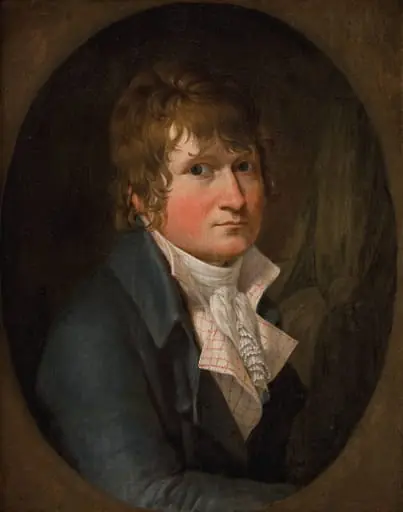 Self-Portrait
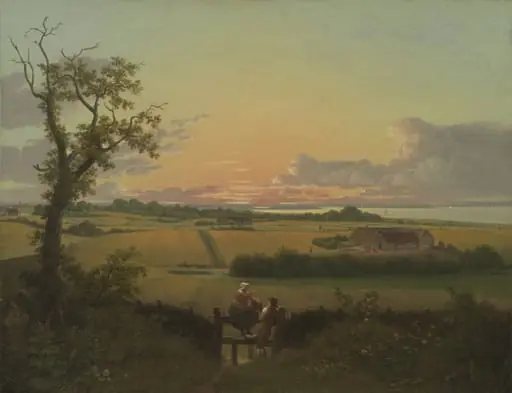 Landscape with a Stile. The Isle of Møn
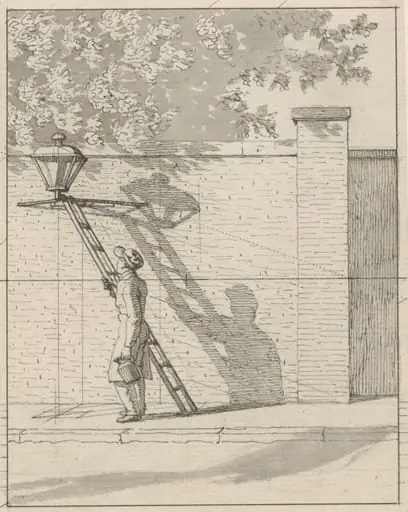 Linear Perspctive as Applied in Painting - Plate VI. The Street Lamp on the Garden Wall, Daylight
 Study of a Wood
 Study of Clouds over the Sea
 The Wedding of Alexander and Roxana
 Sarah Bringing Hagar to Abraham
 Lictors bring to Brutus the bodies of his sons
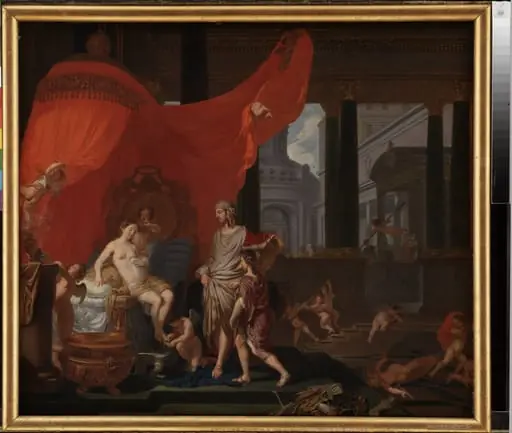 The Wedding of Alexander and Roxana
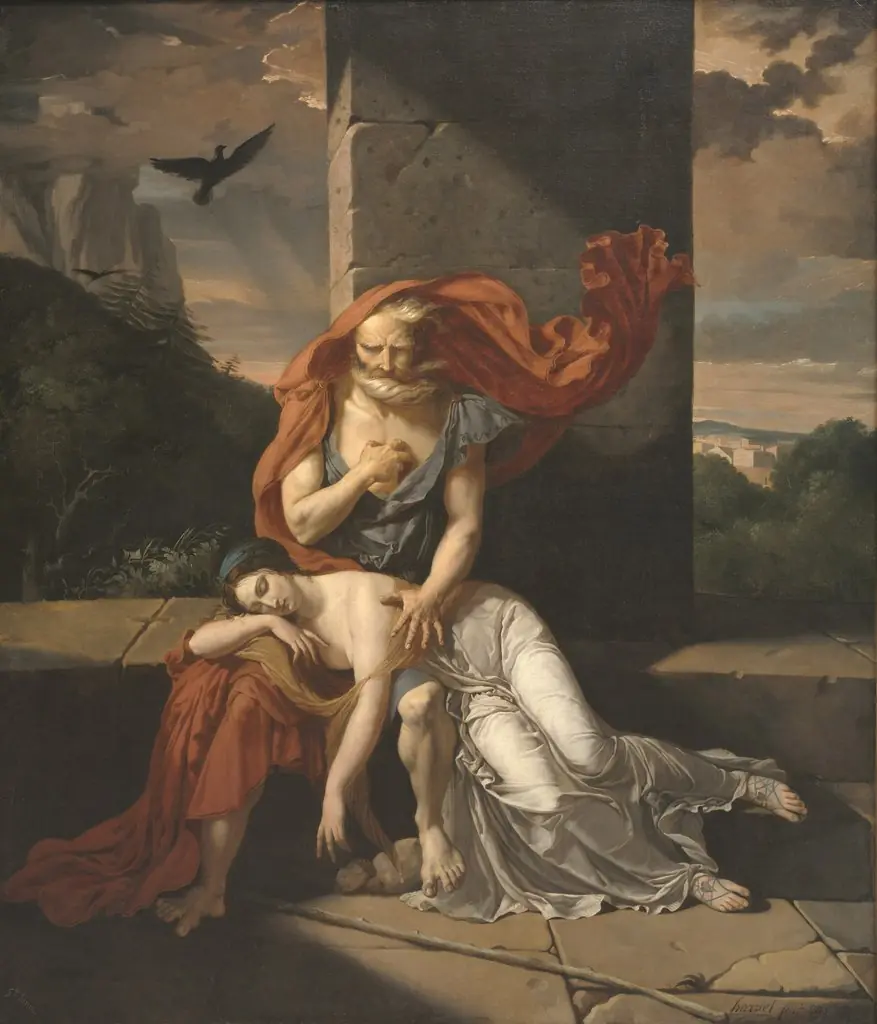 Oedipus at Colonus
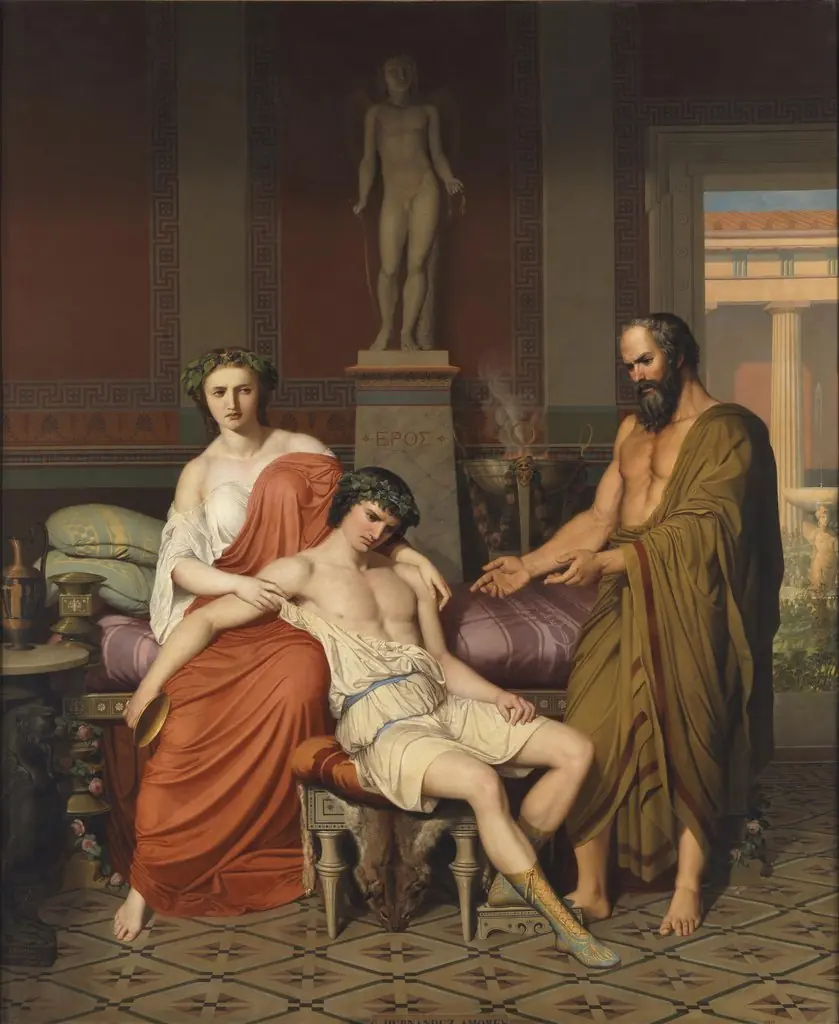 Sócrates reprendiendo a Alcibíades en casa de una cortesana
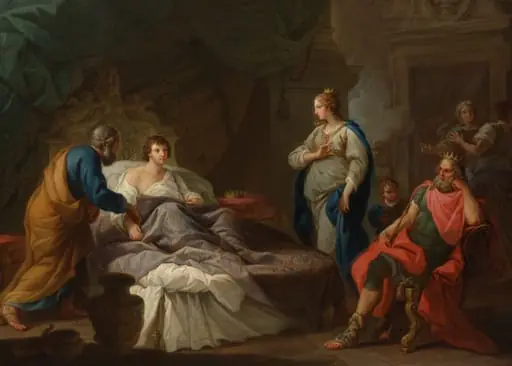 Antiochus Yearning for Stratonice
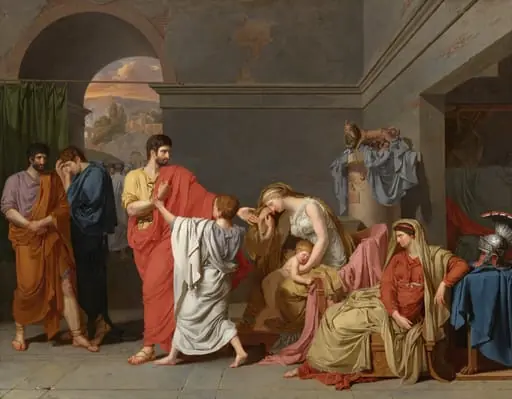 Coriolanus Taking Leave of his Family
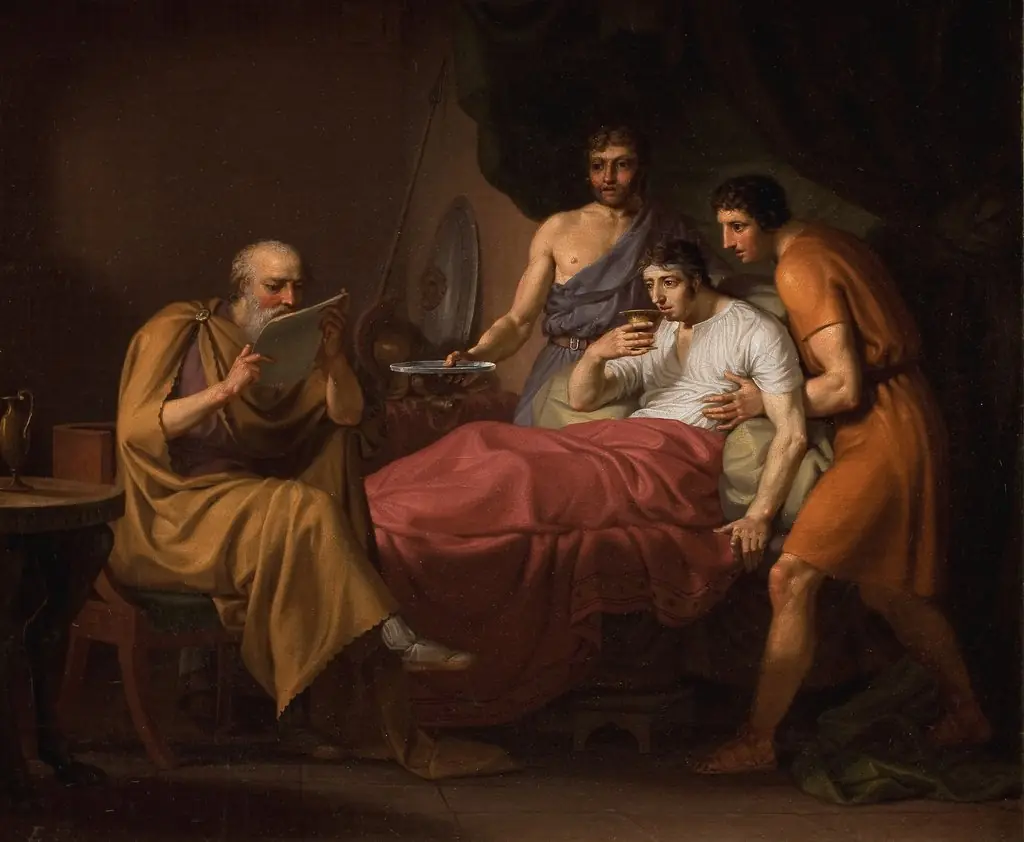 Alexander den Store på sygelejet
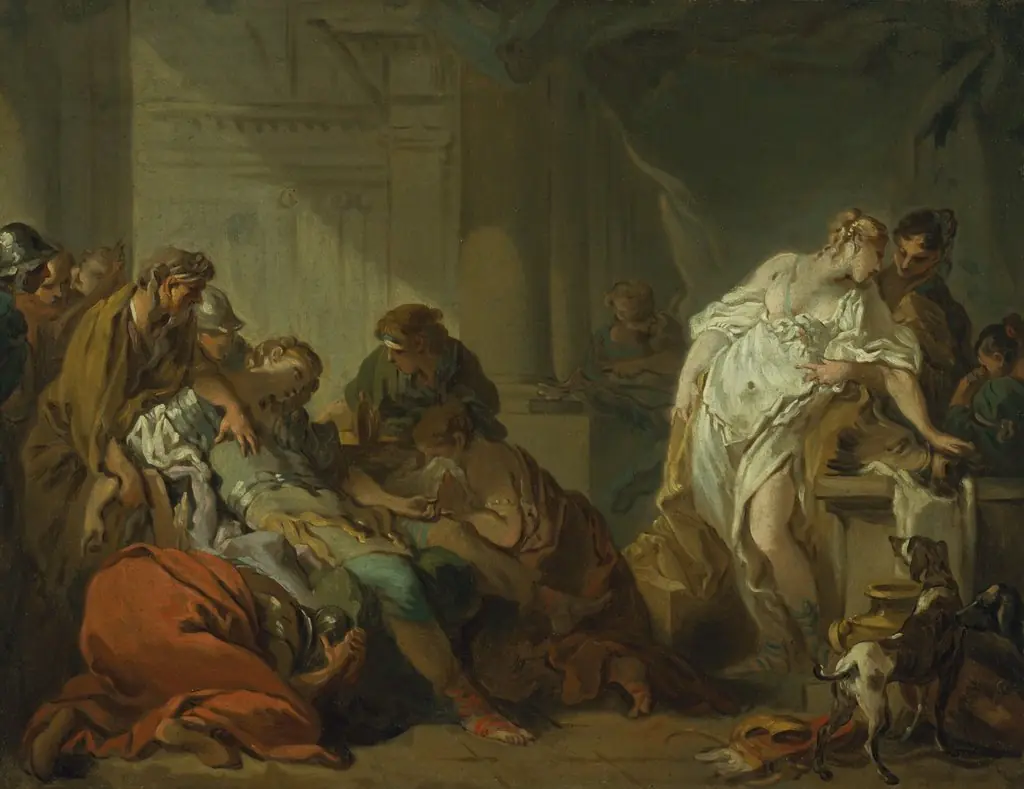 Death of Meleager