Artwork
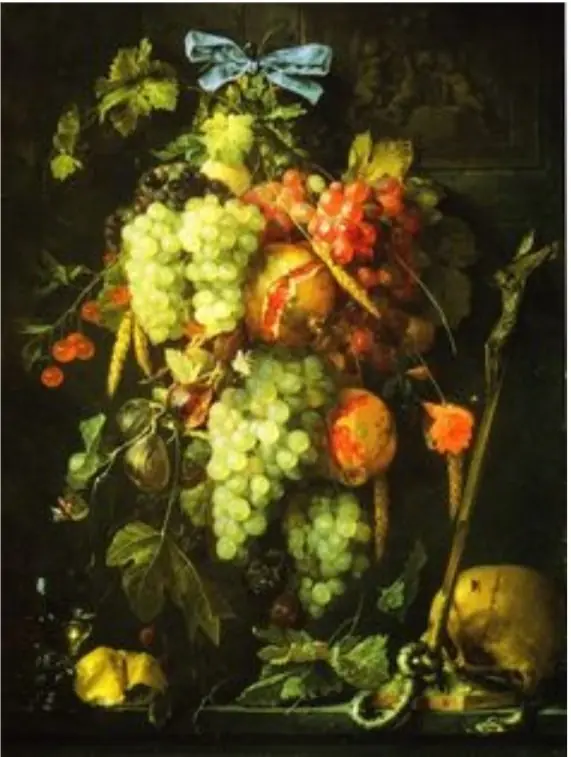
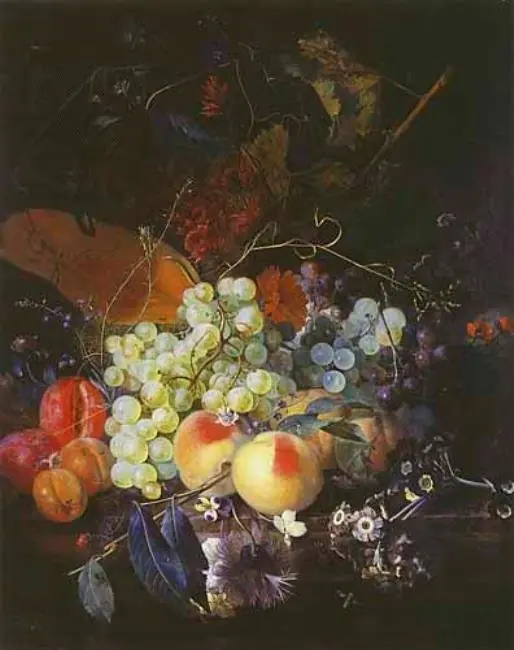
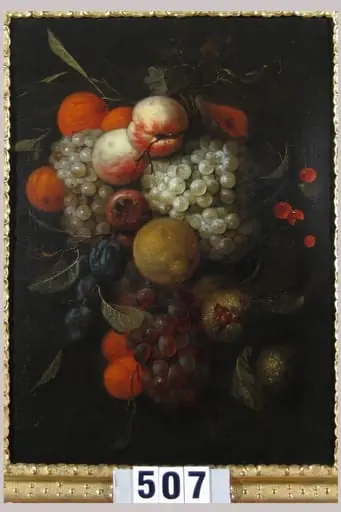
Garland of Fruit and Vegetables
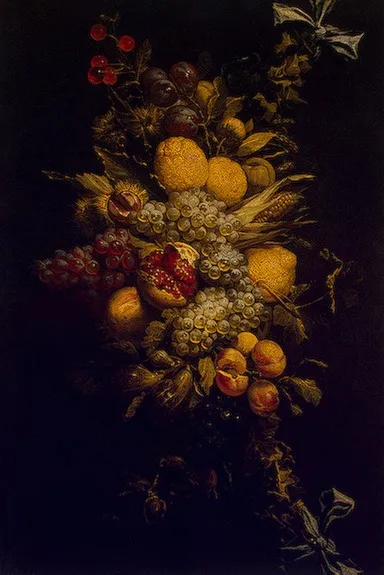
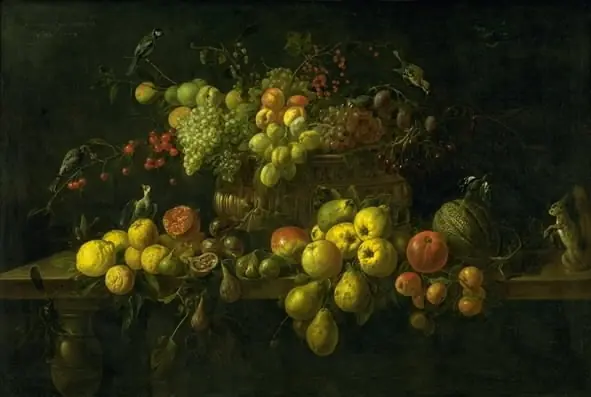
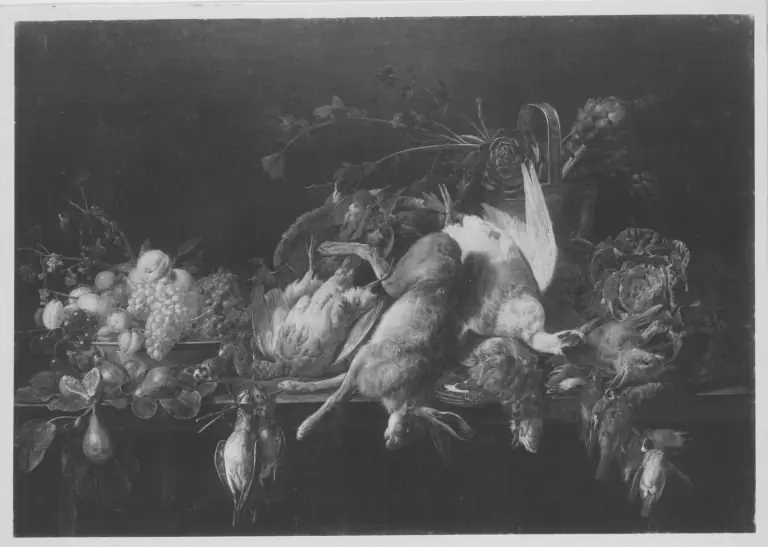
Garland of Fruit and Vegetables is an oil painting by the Flemish Baroque painting artist Adriaen van Utrecht. It dates from 1645 and is held in the collection of the Hermitage Museum.
About this work
Overview
Adriaen van Utrecht, a Flemish artist born in Antwerp in 1599, painted *Garland of Fruit and Vegetables* in 1645 using oil on panel.
Adriaen van Utrecht, a Flemish artist born in Antwerp in 1599, painted *Garland of Fruit and Vegetables* in 1645 using oil on panel. The work exemplifies his specialization in lavish still lifes, characterized by dense arrangements of seasonal produce. It is currently held in the collection of the State Hermitage Museum in Saint Petersburg, where it remains a representative example of mid-17th-century Flemish still-life painting.
Subject & Meaning
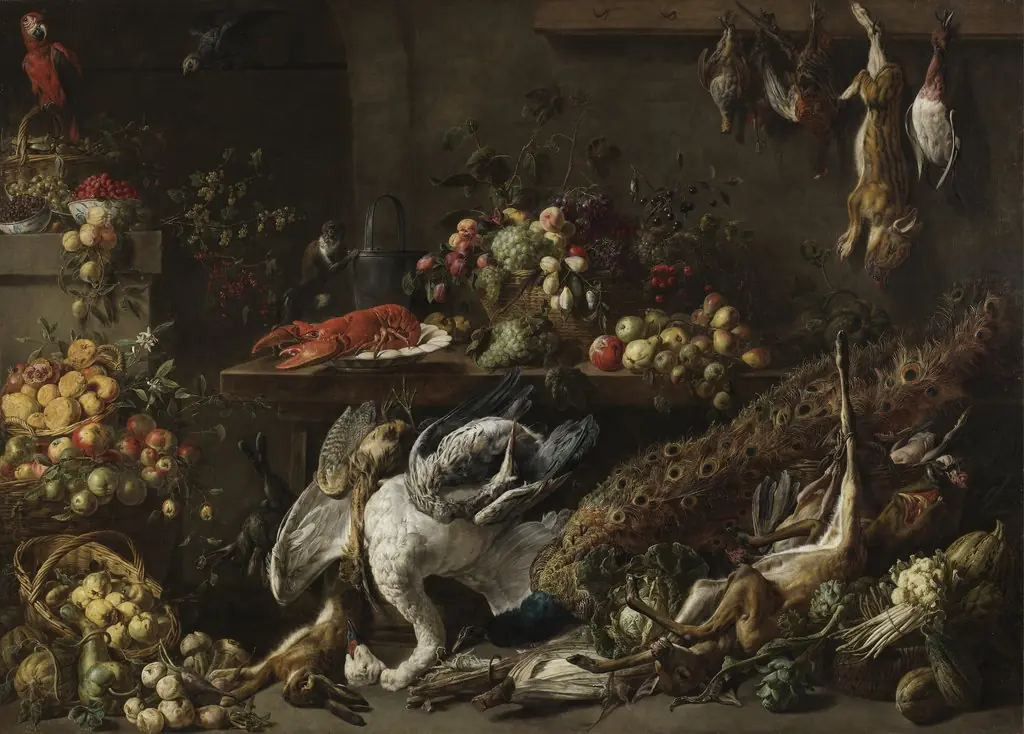
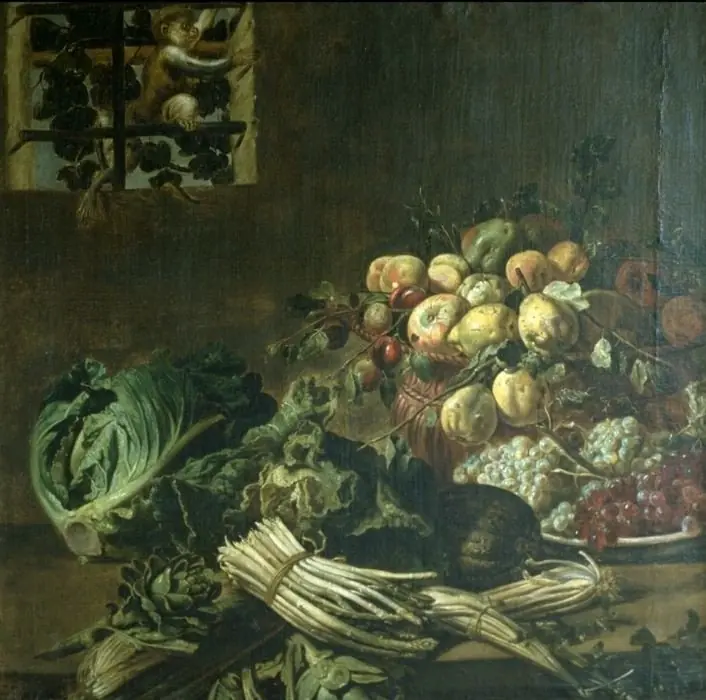
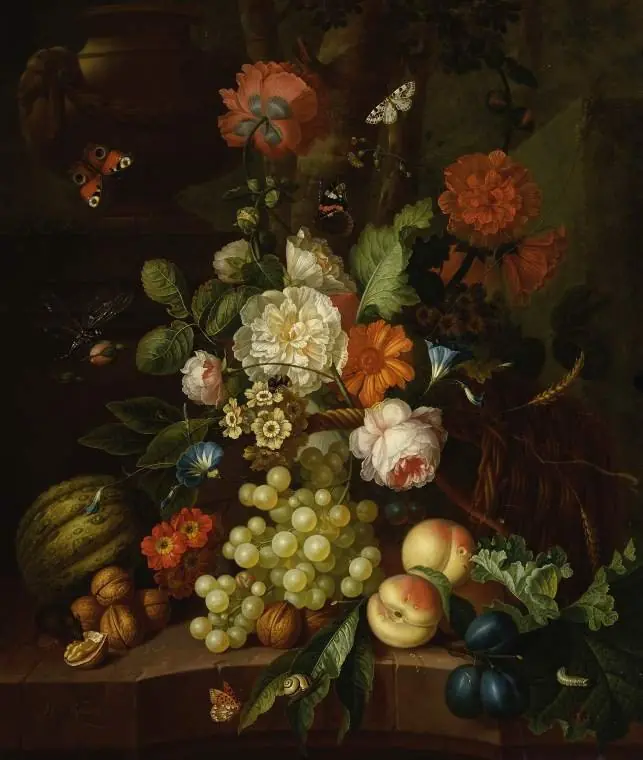
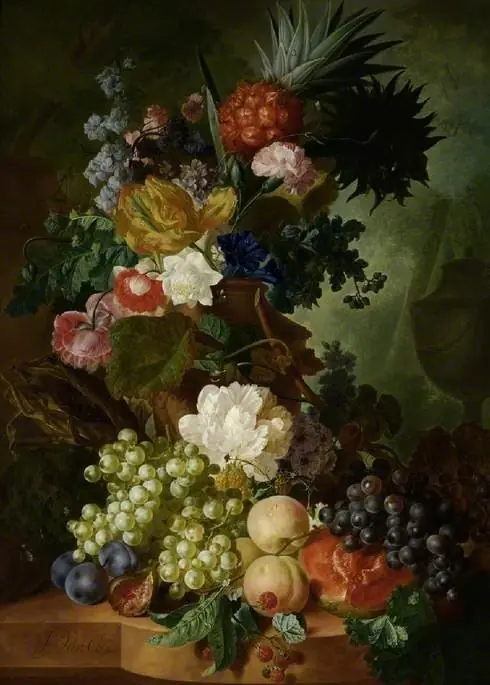
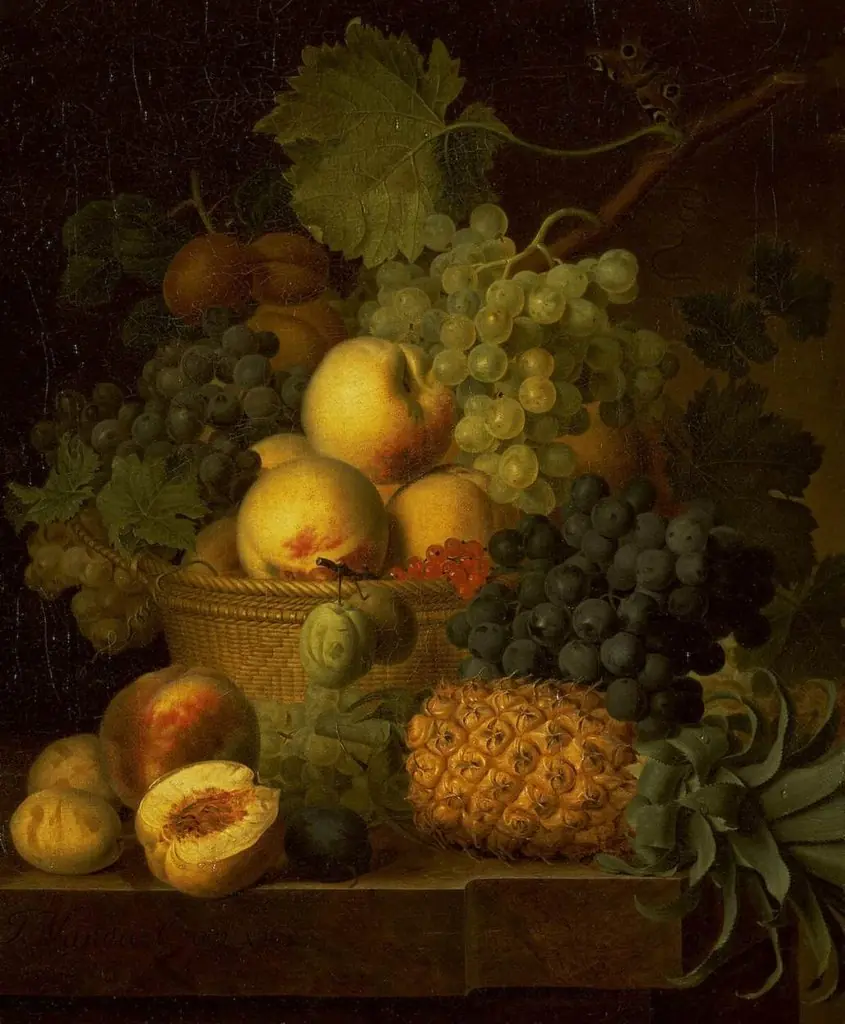
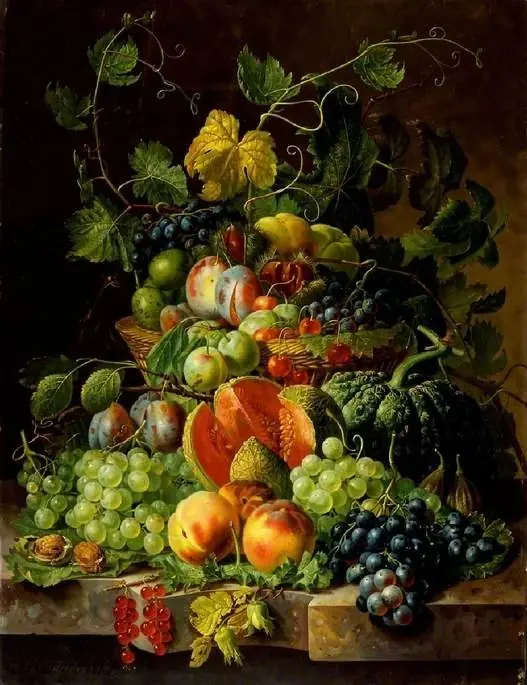
The painting presents a lush, circular composition of ripe fruits and vegetables, including apples, pears, grapes, cabbages, and onions. Rather than symbolizing transience, as in some vanitas works, this arrangement emphasizes abundance and the cultivated bounty of the natural world. The orderly yet overflowing display reflects contemporary ideals of agricultural prosperity and sensory pleasure.
Technique & Style
Van Utrecht rendered each fruit and vegetable with precise, tactile detail, capturing textures from waxy skins to dewy leaves. He employed a dark, neutral background to heighten the vibrancy of the pigments—ochres, crimson, and verdant greens—creating strong tonal contrast. His brushwork is controlled yet lively, avoiding excessive ornamentation in favor of naturalistic observation and spatial clarity.
History & Provenance
The painting was completed in 1645 during van Utrecht’s mature period in Antwerp, a center of still-life production. It entered the Hermitage collection in the 18th or 19th century, likely through imperial acquisitions of European art. Its documented history is limited, but its stylistic consistency with other signed works by the artist supports its attribution and dating.
Context
This work emerged within the Flemish Baroque tradition, where still lifes served both aesthetic and social functions. Wealthy patrons commissioned such paintings to display their access to exotic and seasonal goods, reflecting global trade networks. Van Utrecht’s compositions aligned with broader trends in the Southern Netherlands, where detailed depictions of nature conveyed both material wealth and artistic skill.
Legacy
Van Utrecht’s *Garland of Fruit and Vegetables* contributes to the understanding of Flemish still-life conventions in the mid-1600s. While not widely reproduced, it remains a clear example of how artists balanced realism with compositional harmony. Its presence in a major public collection ensures continued study of the period’s visual culture and the role of nature in early modern art.
Artist & collection
Artist
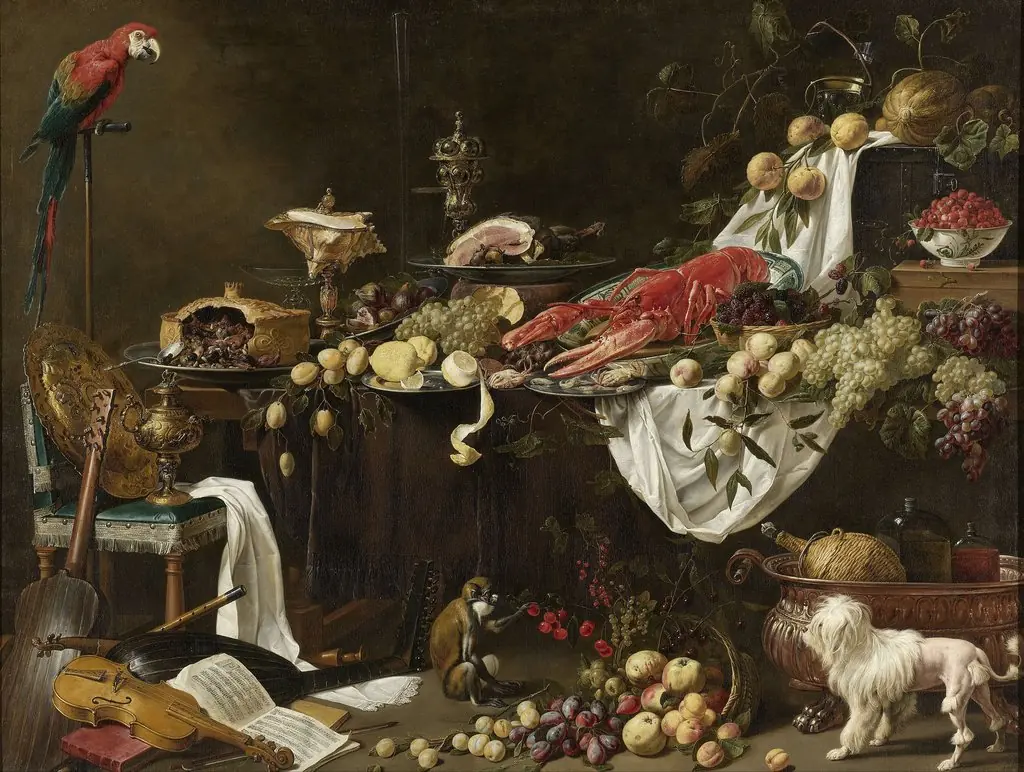
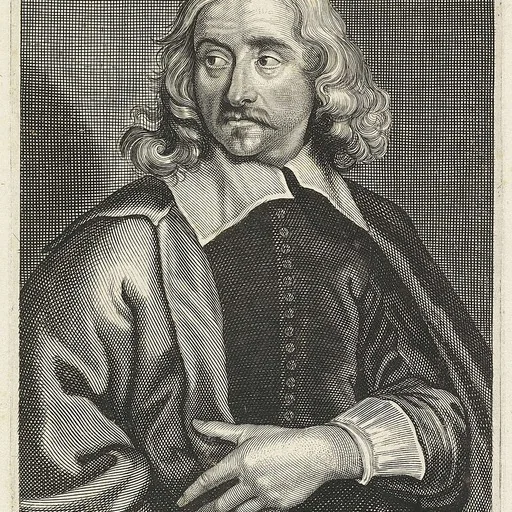
Adriaen van Utrecht (Antwerp, 12 January 1599 – 1652) was a Flemish painter known mainly for his sumptuous banquet still lifes, game and fruit still lifes, fruit garlands, market and kitchen scenes and depictions of live poultry in…