Artwork
Portrait of a Girl with Peaches
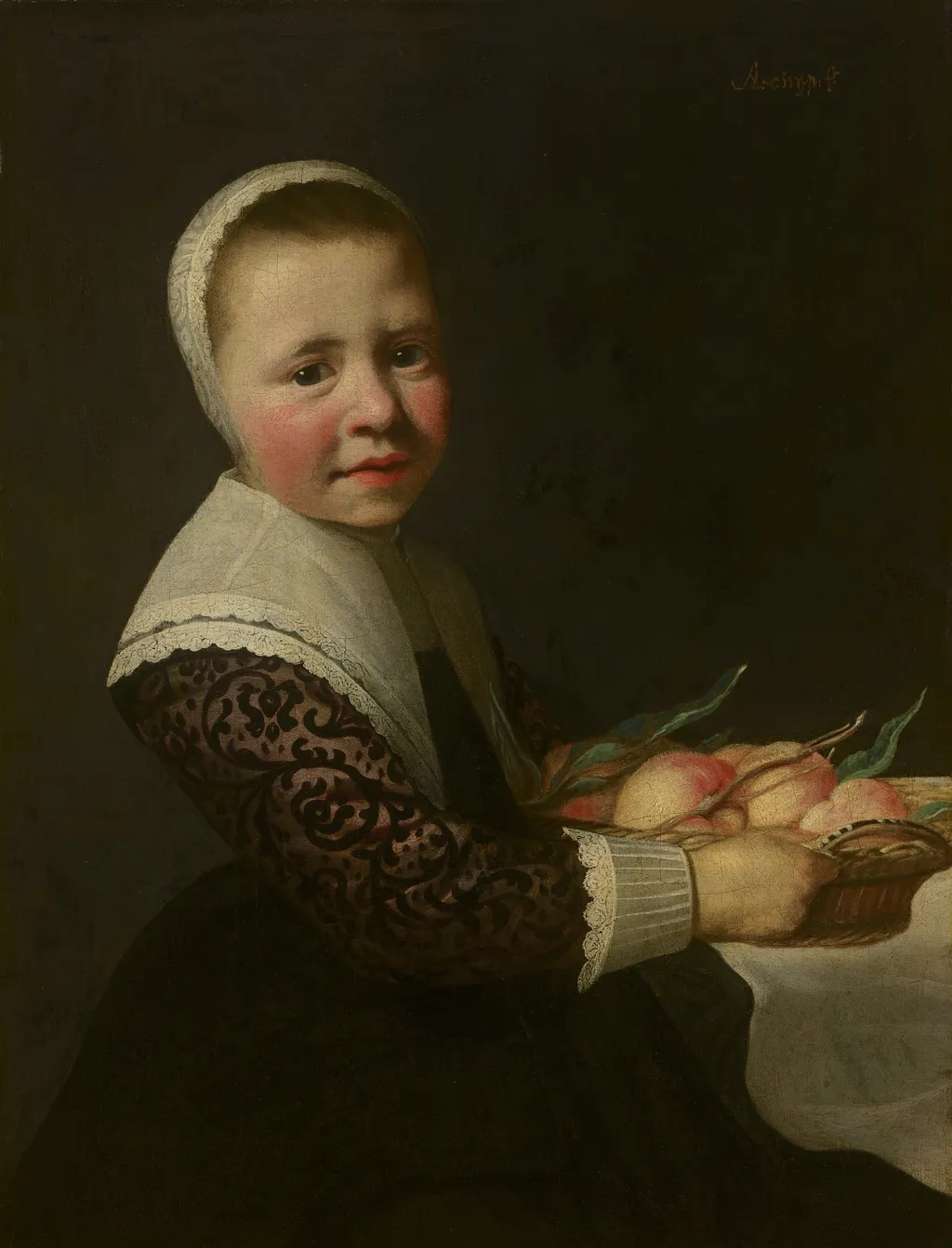
Portrait of a Girl with Peaches is an oil painting by the Dutch Golden Age artist Aelbert Cuyp. It dates from 1650 and is held in the collection of the Mauritshuis.
About this work
This painting shows a young girl in a white headscarf and a black dress with lace sleeves, holding a basket of peaches.
This painting shows a young girl in a white headscarf and a black dress with lace sleeves, holding a basket of peaches. The girl is facing the viewer, with a neutral expression. The background is dark, which makes the girl and the peaches stand out.
The girl's clothing and the basket of peaches suggest that the painting is from the 17th century. The artist's use of light and shadow creates a sense of depth and dimensionality in the painting.
The use of chiaroscuro in this painting is noteworthy, as it creates a strong contrast between light and dark areas.
Overview
Painted around 1650, this oil portrait by Aelbert Cuyp departs from his usual landscape themes to focus on a quiet domestic figure. The subject is a young girl, depicted in intimate stillness, holding a basket of peaches. Rendered with careful attention to texture and light, the work exemplifies the Dutch Golden Age’s interest in ordinary life, rendered with dignity and restraint. It resides today in the Mauritshuis collection in The Hague.
Subject & Meaning
The girl, dressed in a black dress with lace-trimmed sleeves and a white headscarf, holds a basket of peaches with calm composure. Her neutral gaze and modest attire suggest a focus on virtue and domesticity, common themes in Dutch portraiture. The peaches, a seasonal fruit symbolizing transience and abundance, may hint at fleeting youth or the value of simple, earthly pleasures, without overt moralizing.
Technique & Style
Cuyp employs chiaroscuro to model the girl’s form against a dark, undefined background, enhancing three-dimensionality. The texture of her lace sleeves and the soft sheen of the peaches are rendered with subtle brushwork, while the lighting appears naturalistic, as if from a nearby window. The composition is tightly framed, drawing focus to the girl’s face and the fruit, avoiding decorative distraction.
History & Provenance
The painting entered the Mauritshuis collection in the 19th century, though its earlier ownership remains undocumented. It was likely commissioned by a local merchant family, as such portraits were common among the Dutch middle class. Its survival in good condition reflects its preservation within private and institutional collections since the 17th century.
Context
In mid-17th-century Holland, portraiture extended beyond the elite to include merchants and their children, reflecting a broader cultural emphasis on domestic life. While Cuyp was known for luminous river scenes, this portrait aligns with contemporaries like Rembrandt and Frans Hals in its quiet realism. The inclusion of fruit as a prop was a conventional device, grounding the sitter in everyday experience.
Legacy
Though not among Cuyp’s most celebrated works, the portrait illustrates his versatility and sensitivity to light and form beyond landscape. It contributes to the understanding of how Dutch artists balanced individual characterization with symbolic detail. Today, it remains a quiet example of how ordinary subjects were elevated through careful observation and technical precision.
Own this work as a print
Artist & collection
Artist
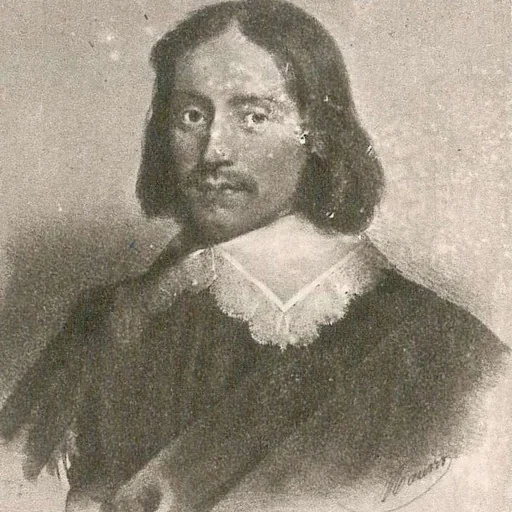
Aelbert Jacobszoon Cuyp or Cuijp (Dutch pronunciation: ; 20 October 1620 – 15 November 1691) was one of the leading Dutch Golden Age painters, producing mainly landscapes.

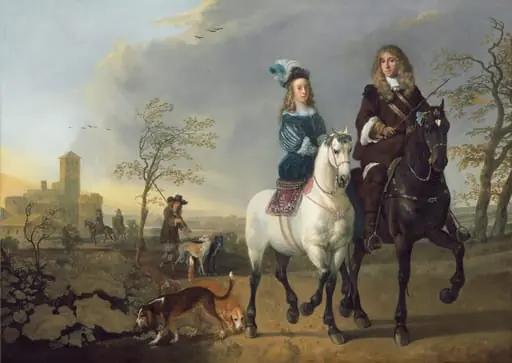 Lady and Gentleman on Horseback
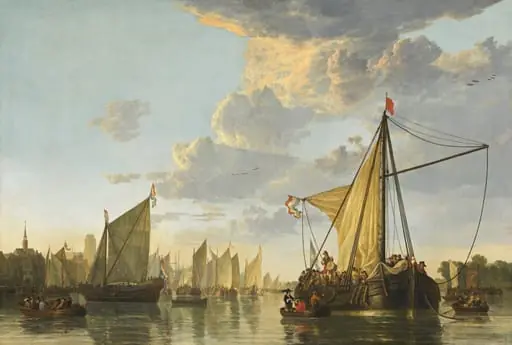 The Maas at Dordrecht
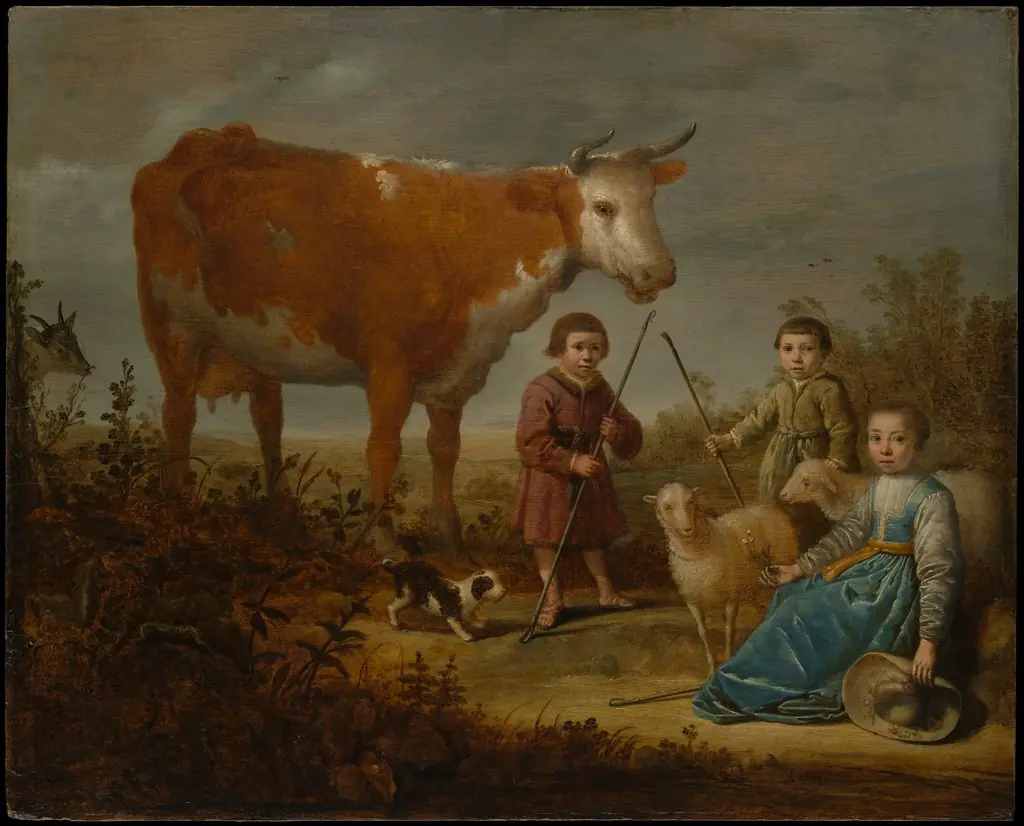 Children and a Cow
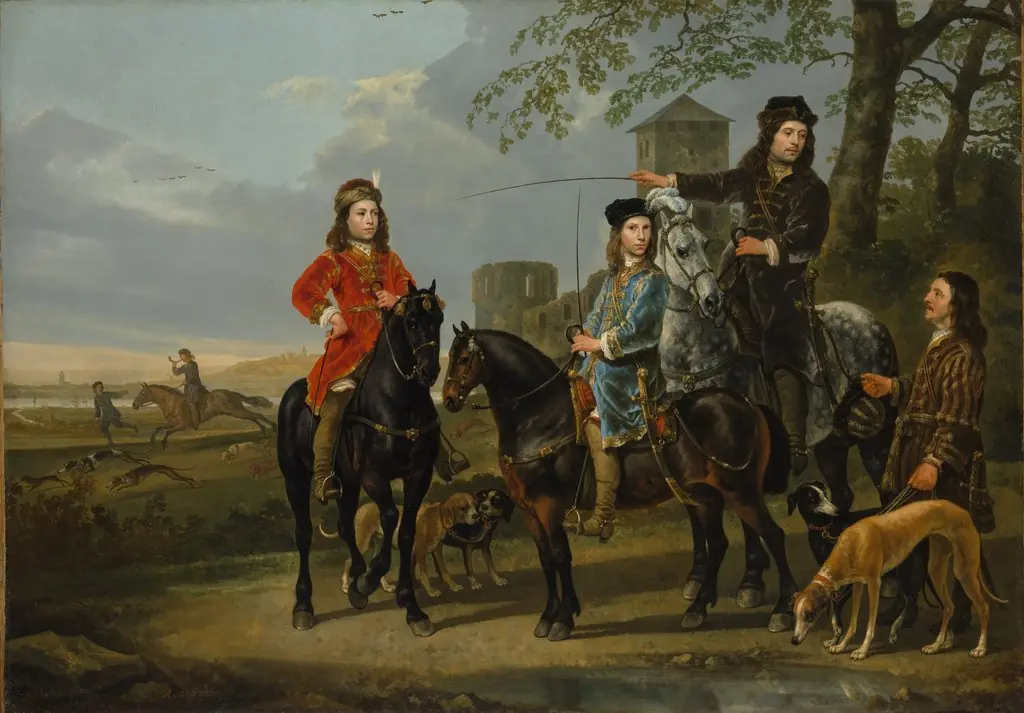 Equestrian Portrait of Cornelis (1639–1680) and Michiel Pompe van Meerdervoort (1638–1653) with Their Tutor and Coachman ("Starting for the Hunt")
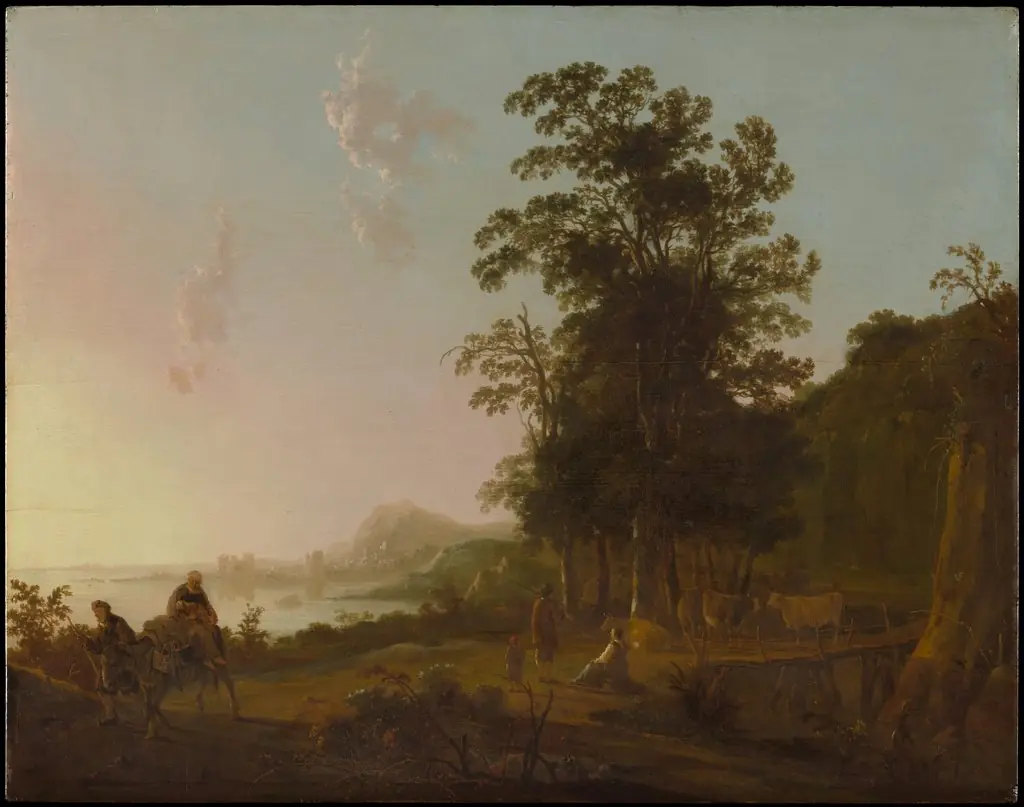 Landscape with the Flight into Egypt
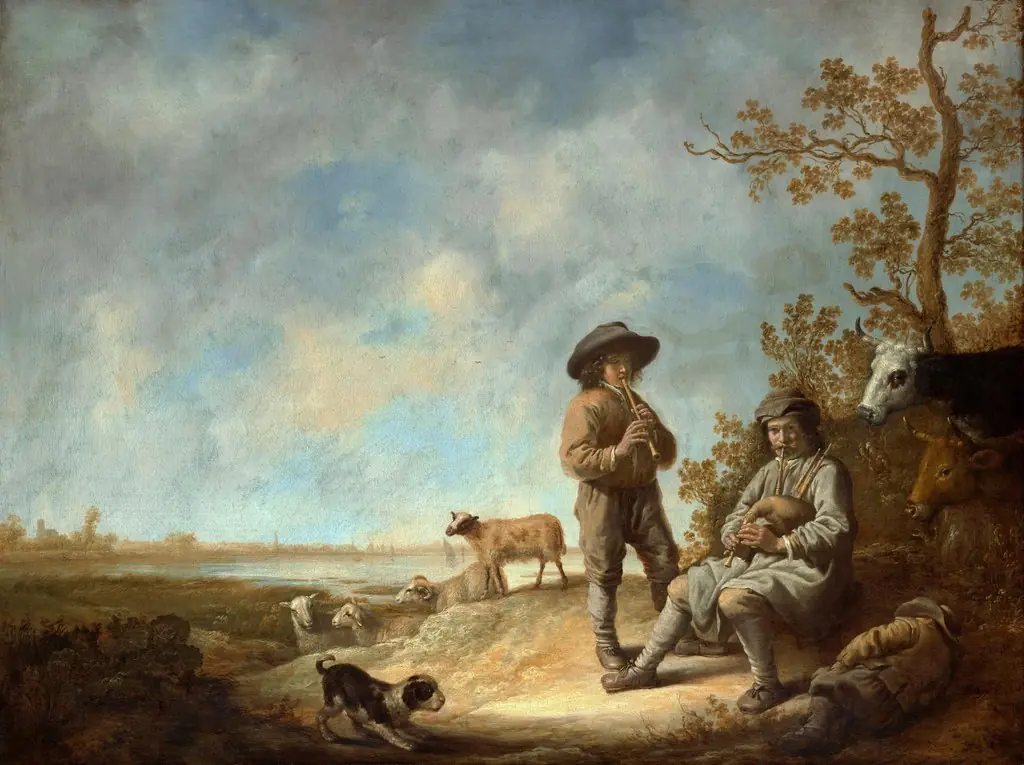 Piping Shepherds
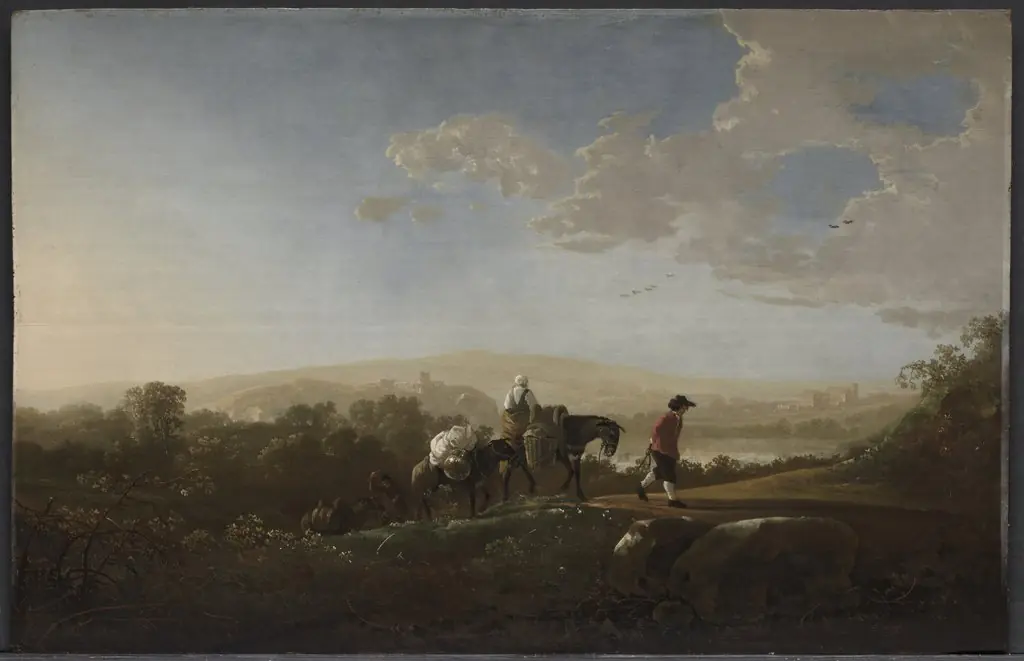 Travellers in Hilly Countryside
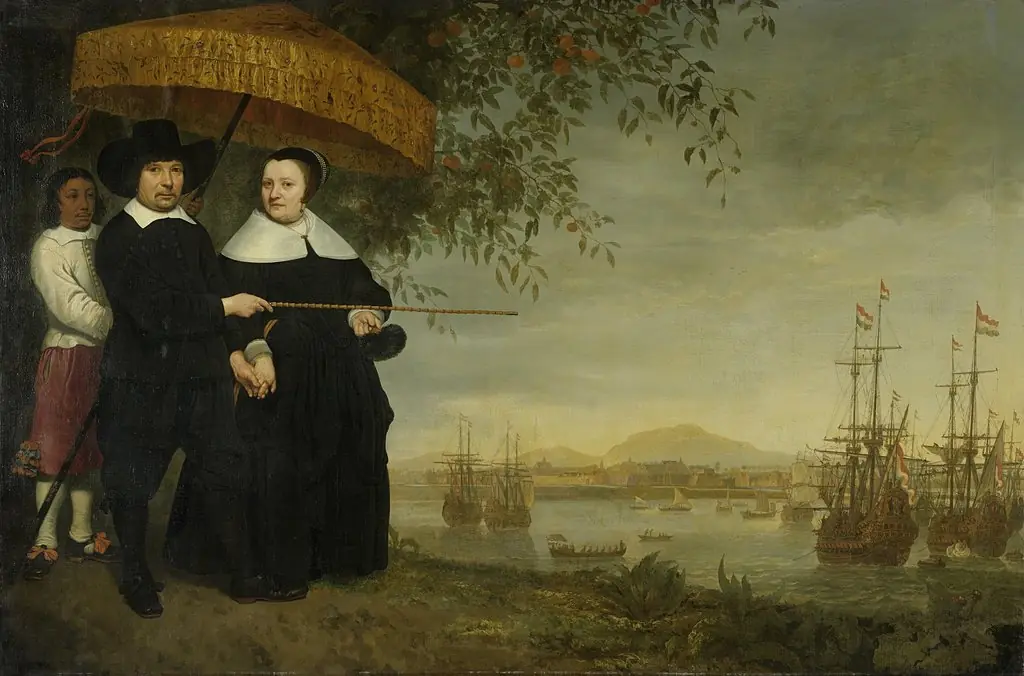 A Chief Merchant of the VOC with his Wife and an Enslaved Servant
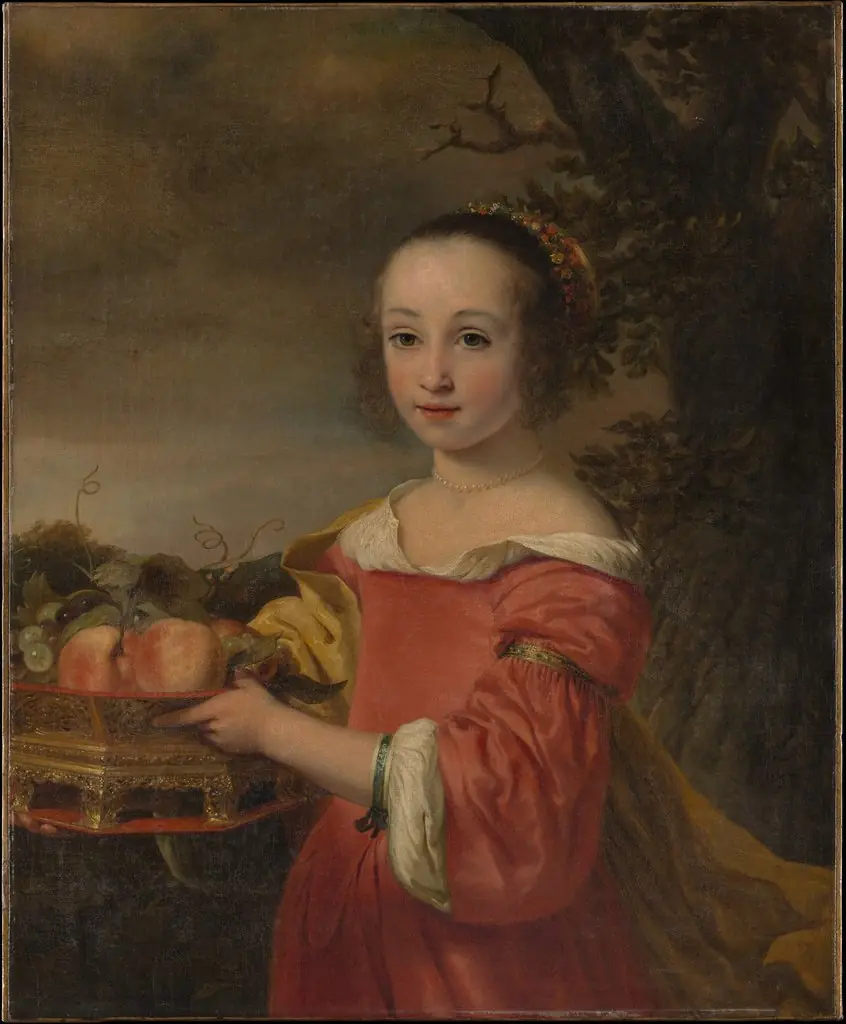 Petronella Elias (1648–1667) with a Basket of Fruit
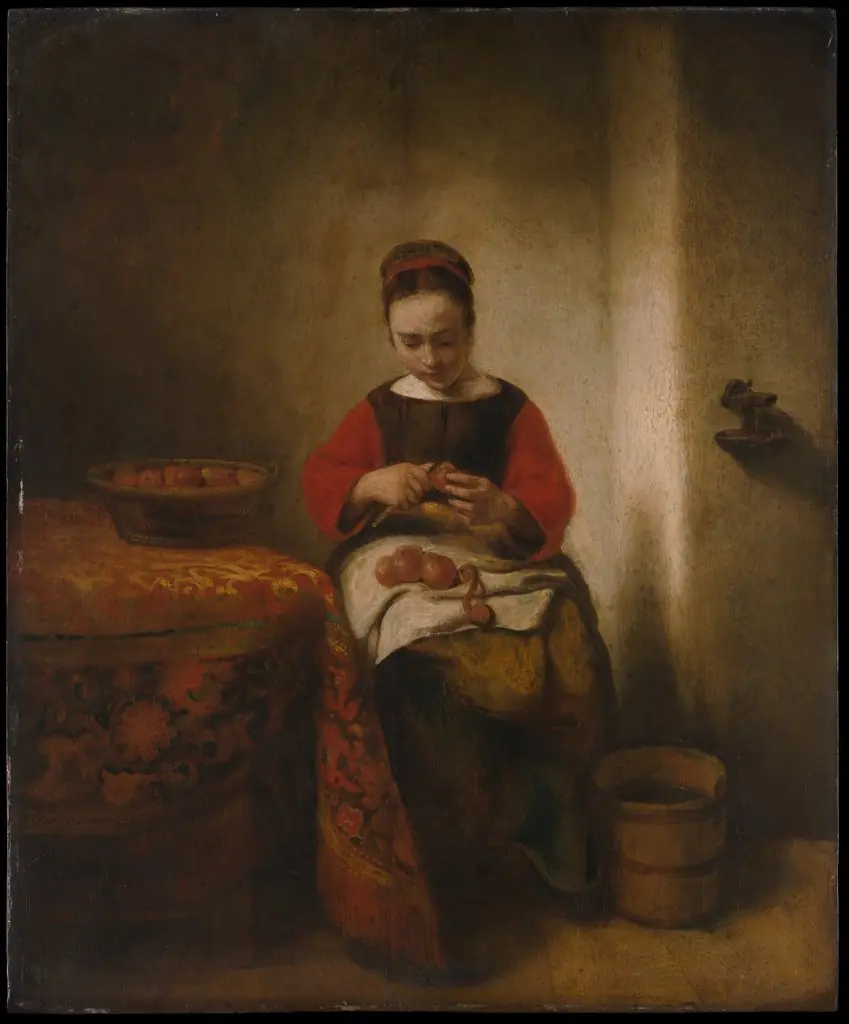 Young Woman Peeling Apples
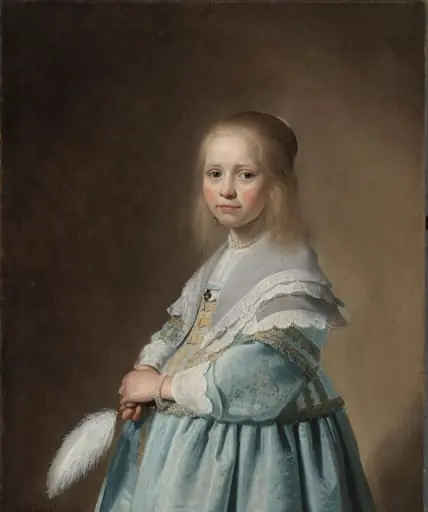 Portrait of a Girl Dressed in Blue
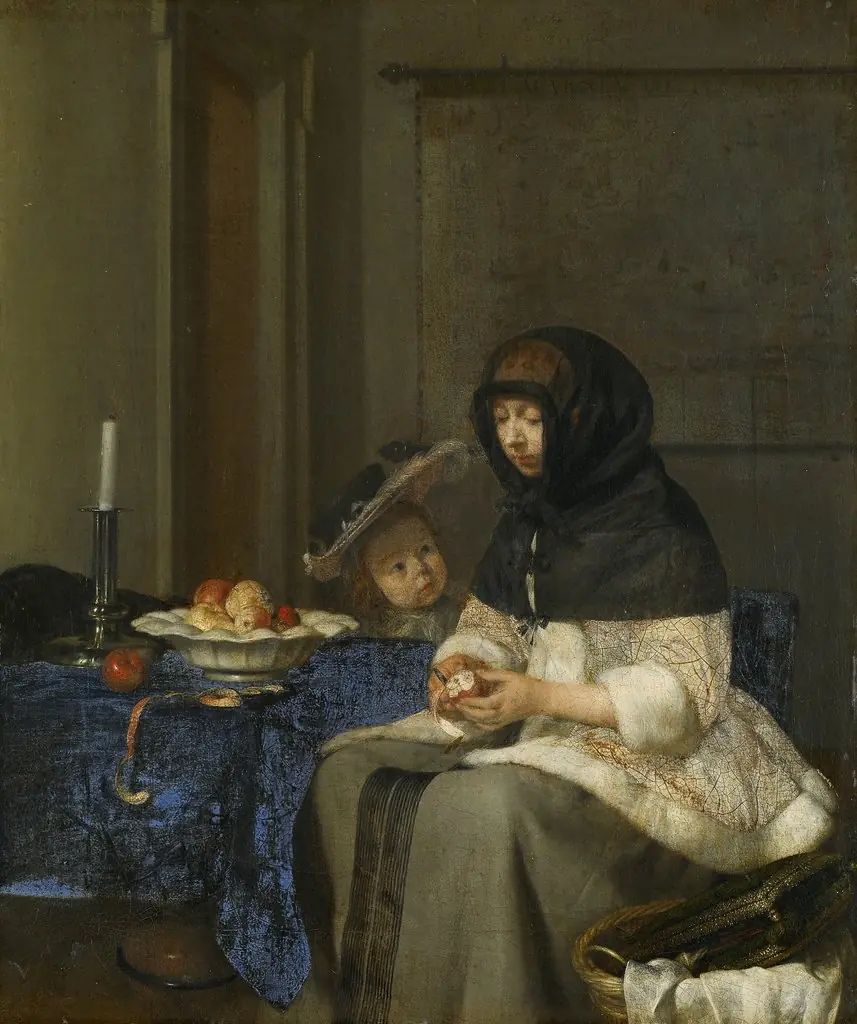 The Apple Peeler
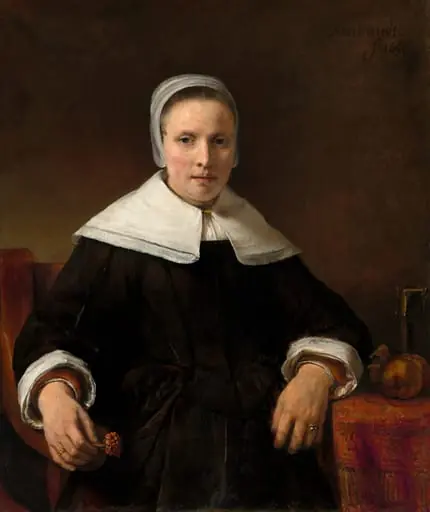 A Woman Holding a Pink
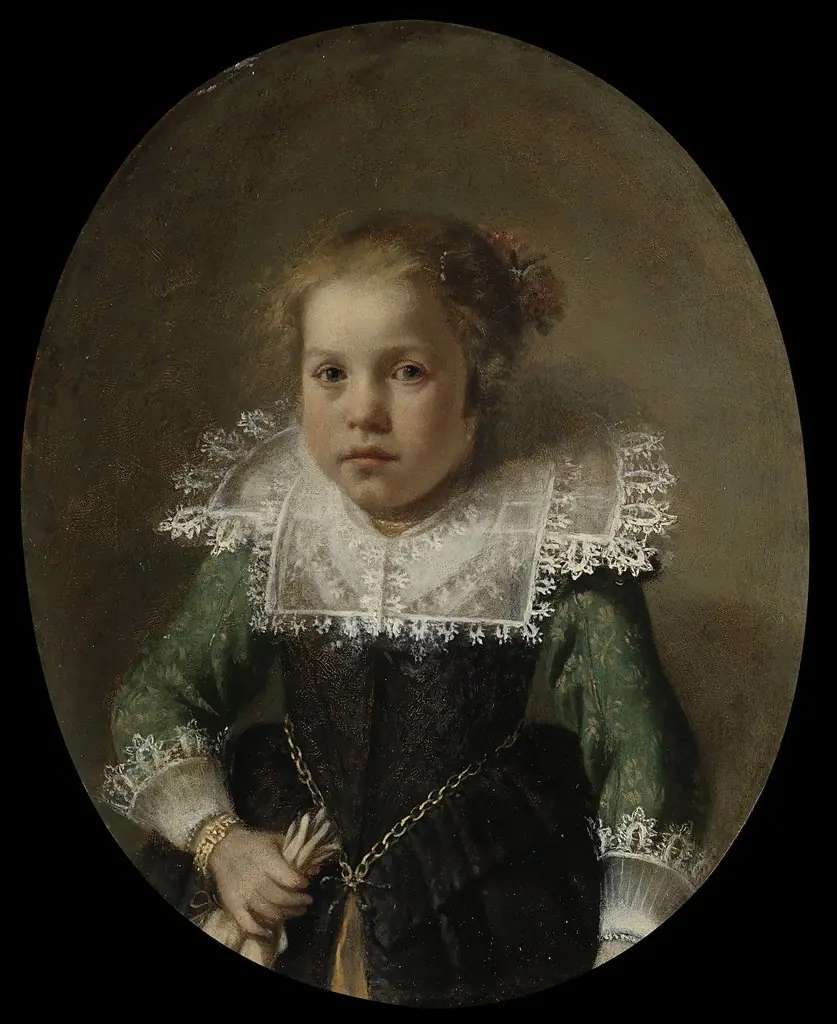 Portrait of Maria Cornelisdr van Esch
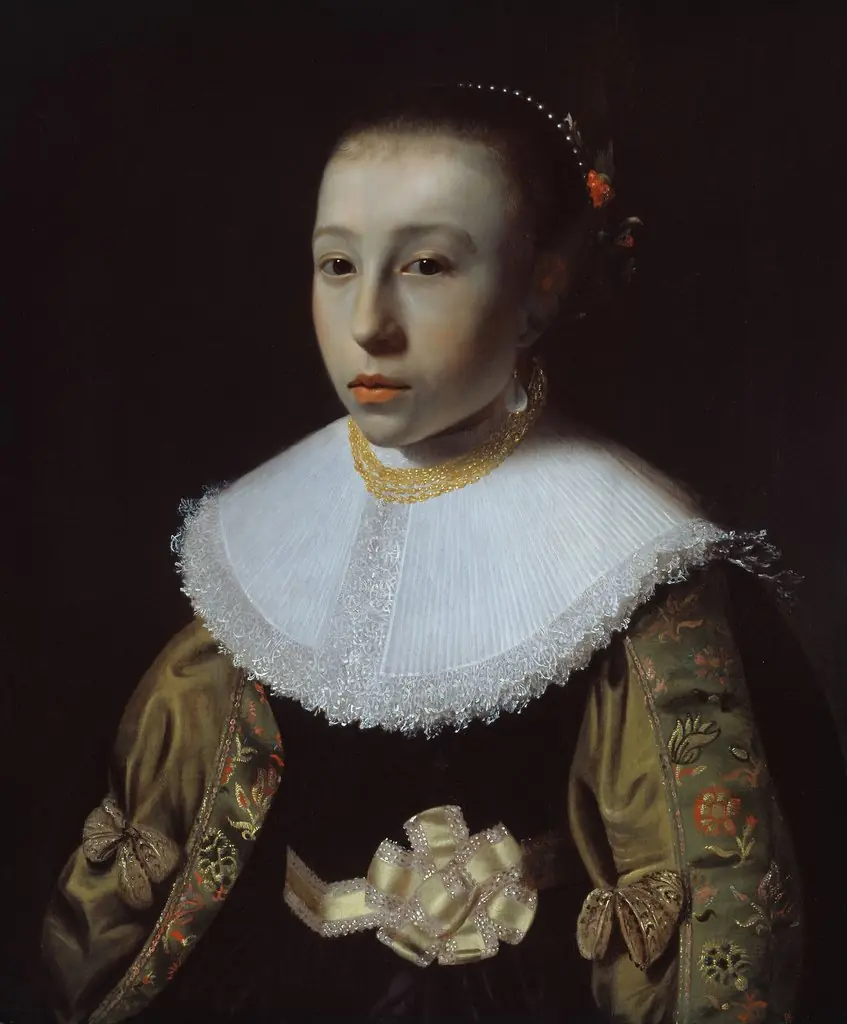 Portrait of a Young Girl
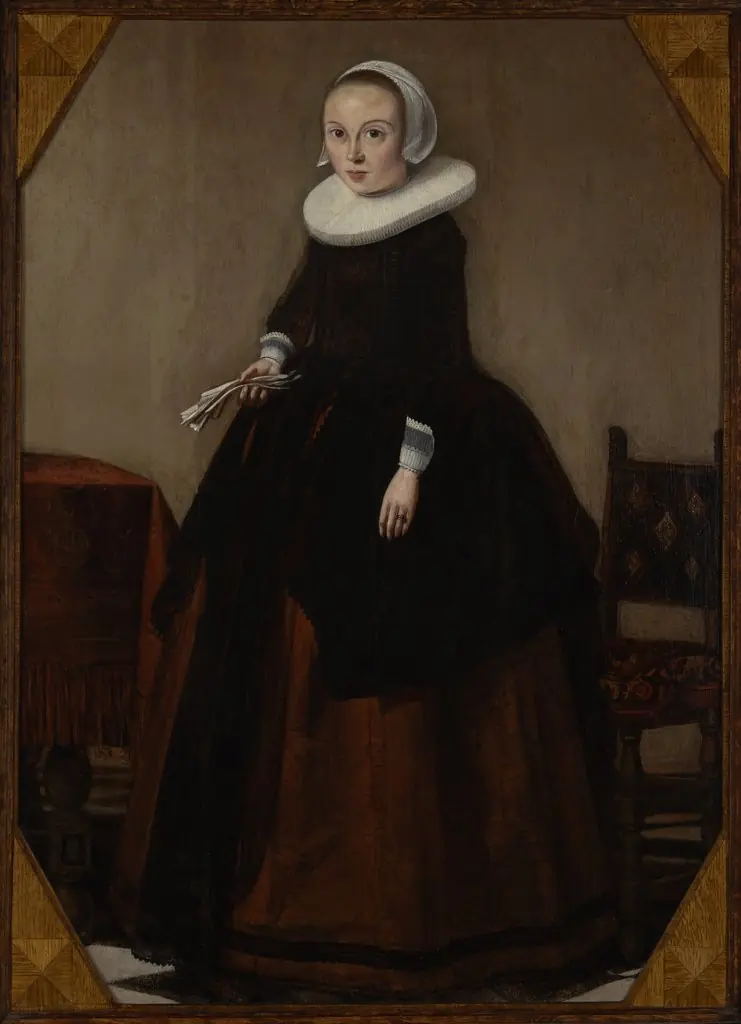 Portrait of a Young Girl
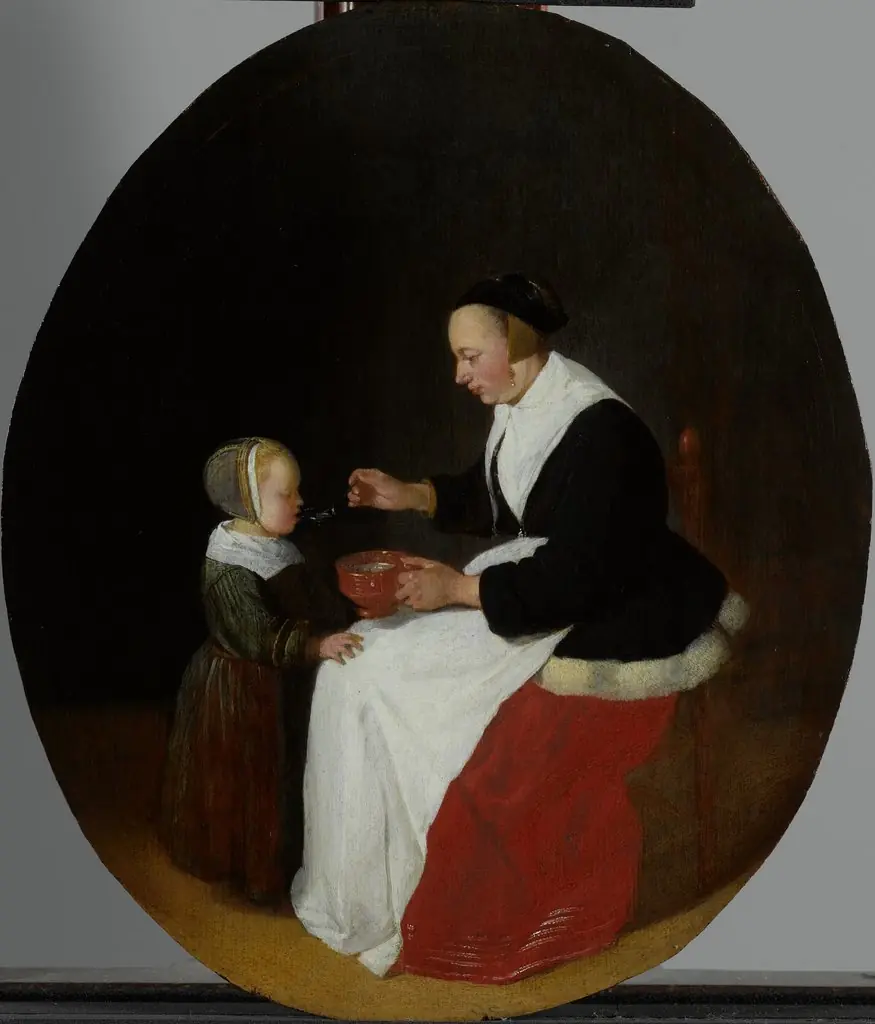 A mother feeding porridge to her child
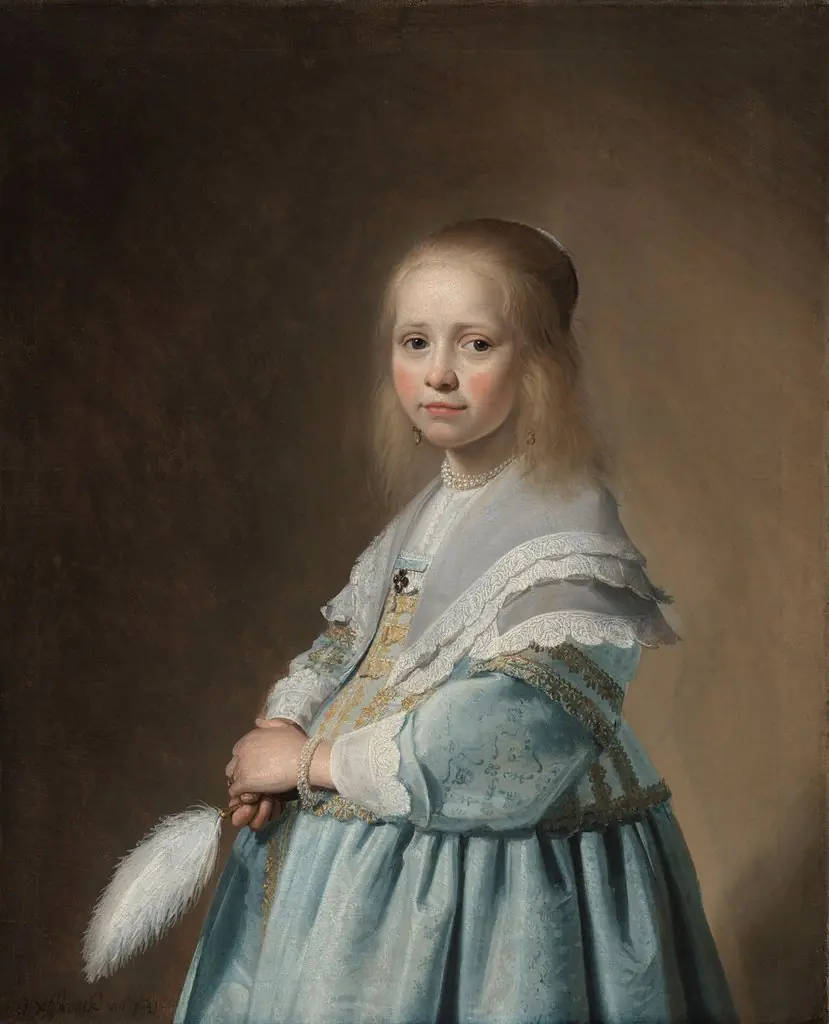 Portrait of a Girl Dressed in Blue
 Lace-Maker
 Portrait of a Girl