Artwork
Lamentation
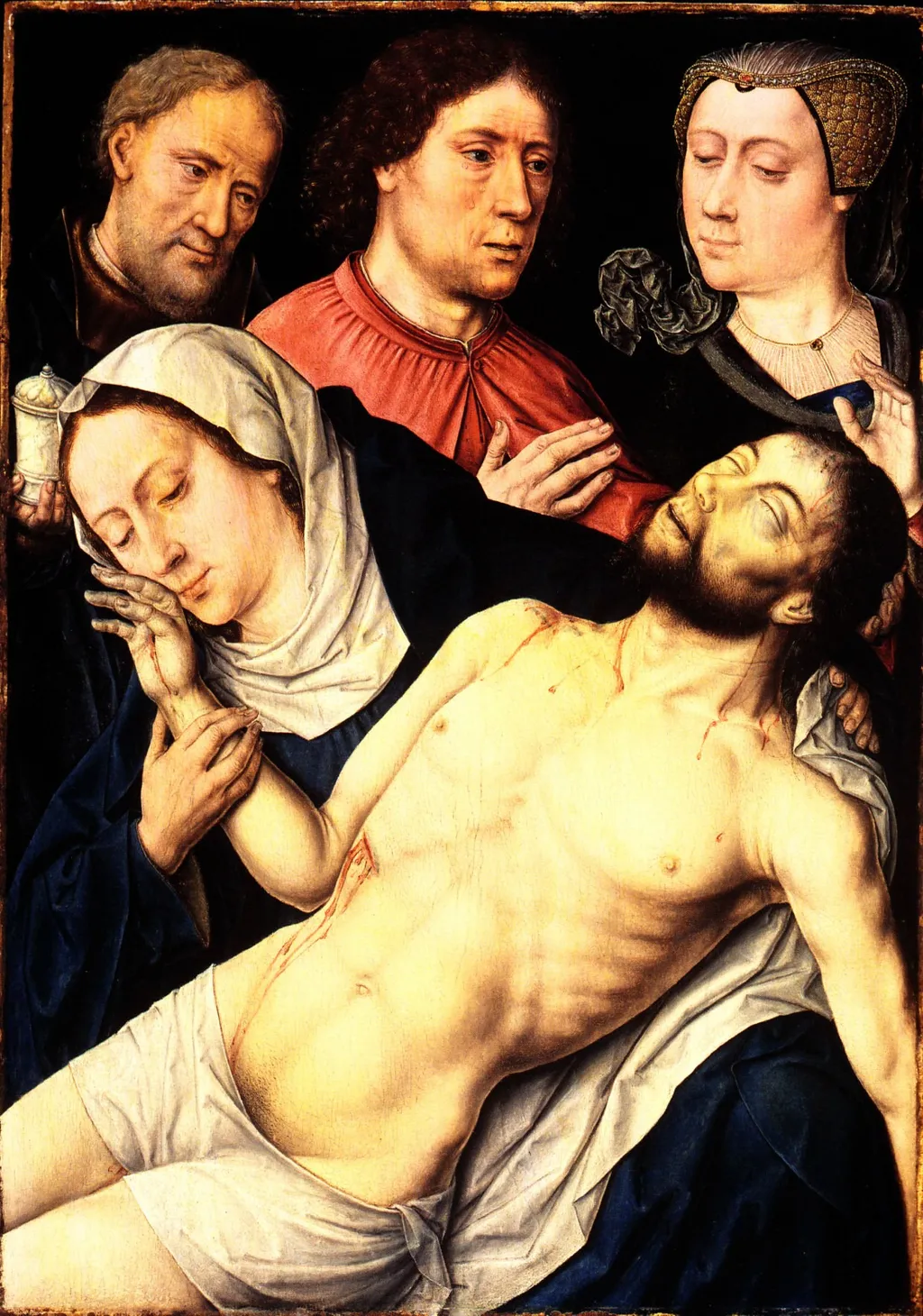
Lamentation is an unspecified painting by Aelbrecht Bouts. It dates from 1500 and is held in the collection of the Gemäldegalerie Berlin.
About this work
Overview
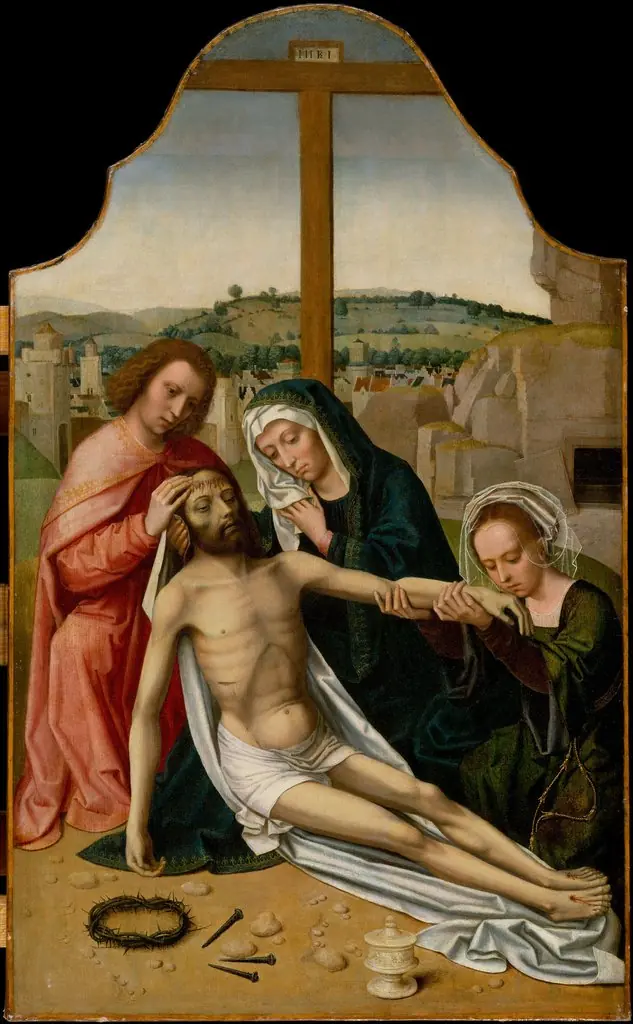
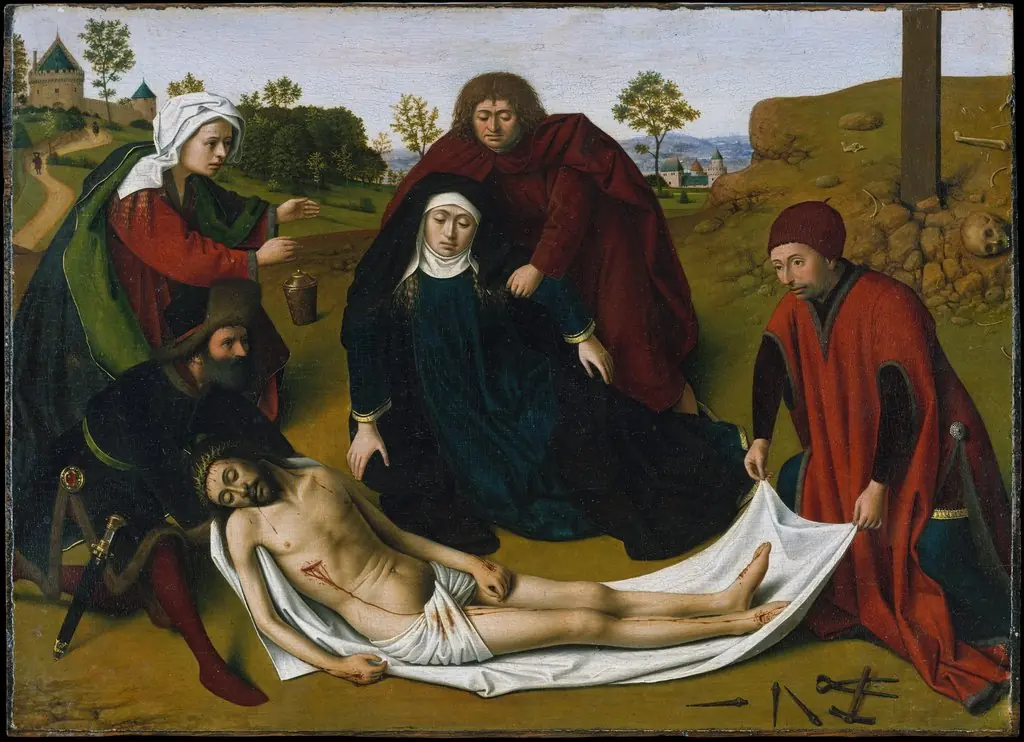
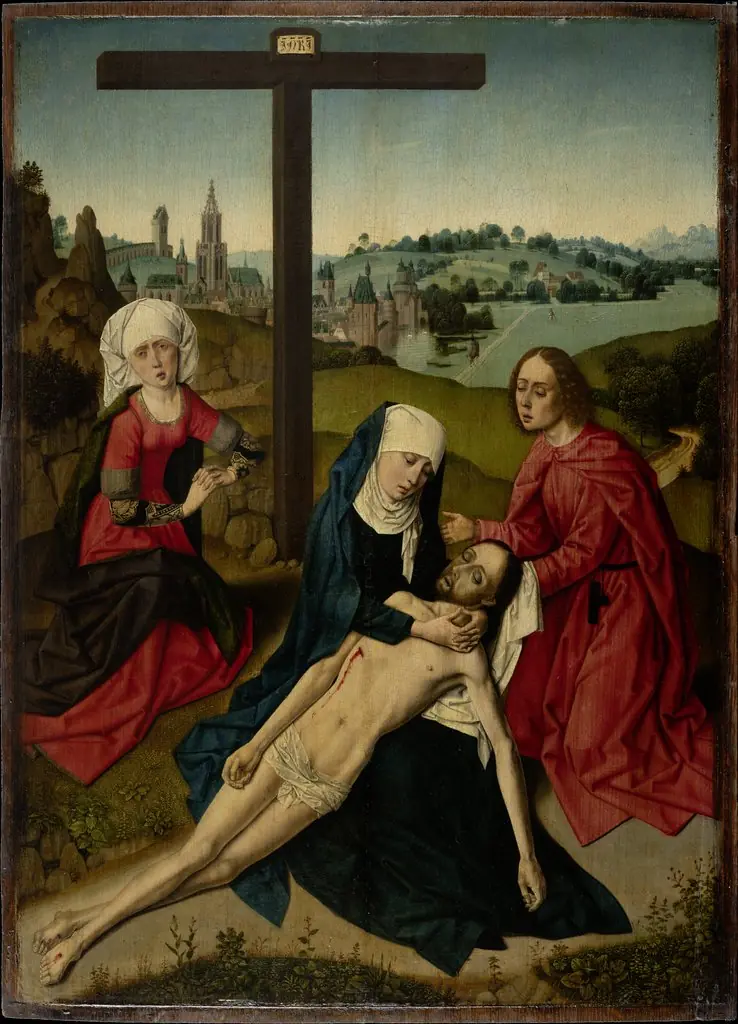
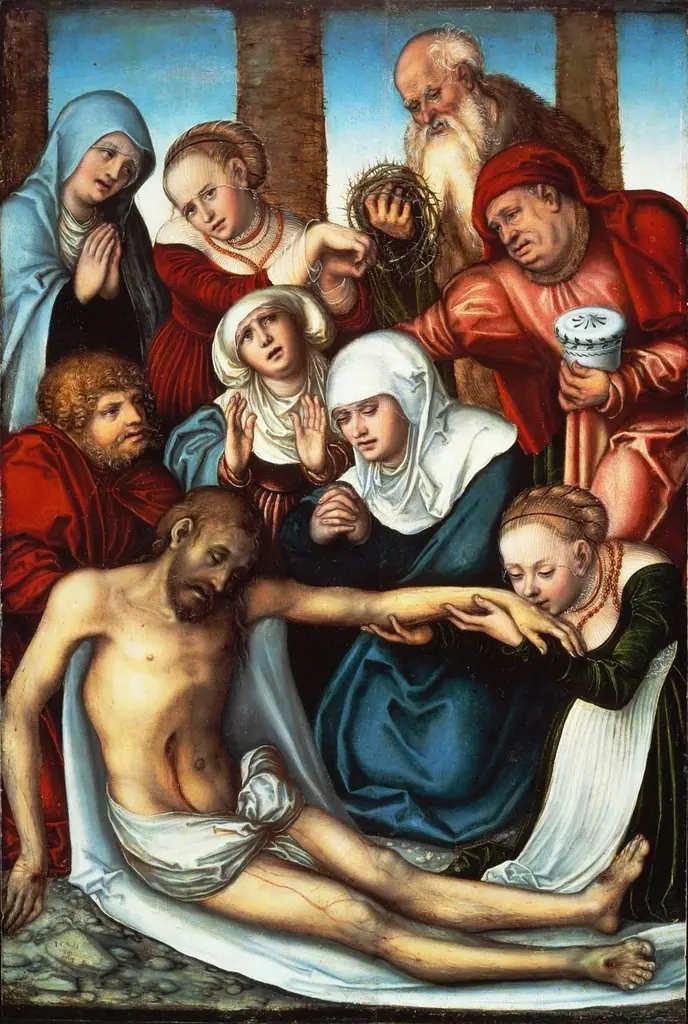
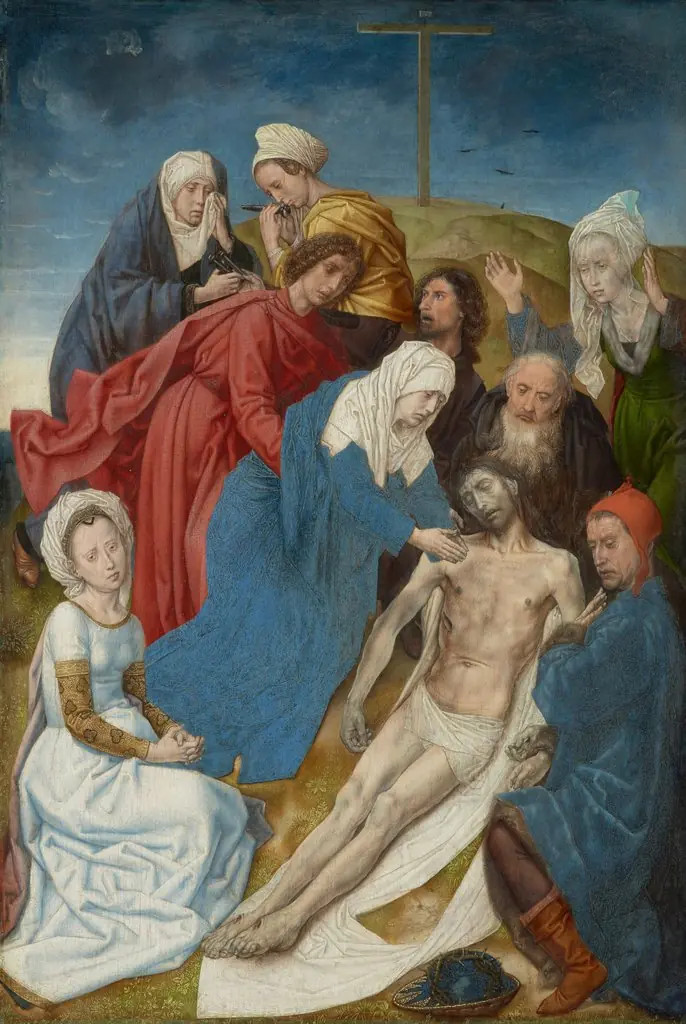
Painted circa 1500 by Aelbrecht Bouts, this work is a devotional image depicting the mourning of Christ’s body after the Crucifixion.
Painted circa 1500 by Aelbrecht Bouts, this work is a devotional image depicting the mourning of Christ’s body after the Crucifixion. Aelbrecht, son of the renowned Dieric Bouts the Elder, continued his father’s workshop in Leuven, maintaining the regional tradition of detailed, emotionally restrained religious painting. The piece resides today in the Gemäldegalerie, Berlin, as part of its Early Netherlandish holdings.
Subject & Meaning
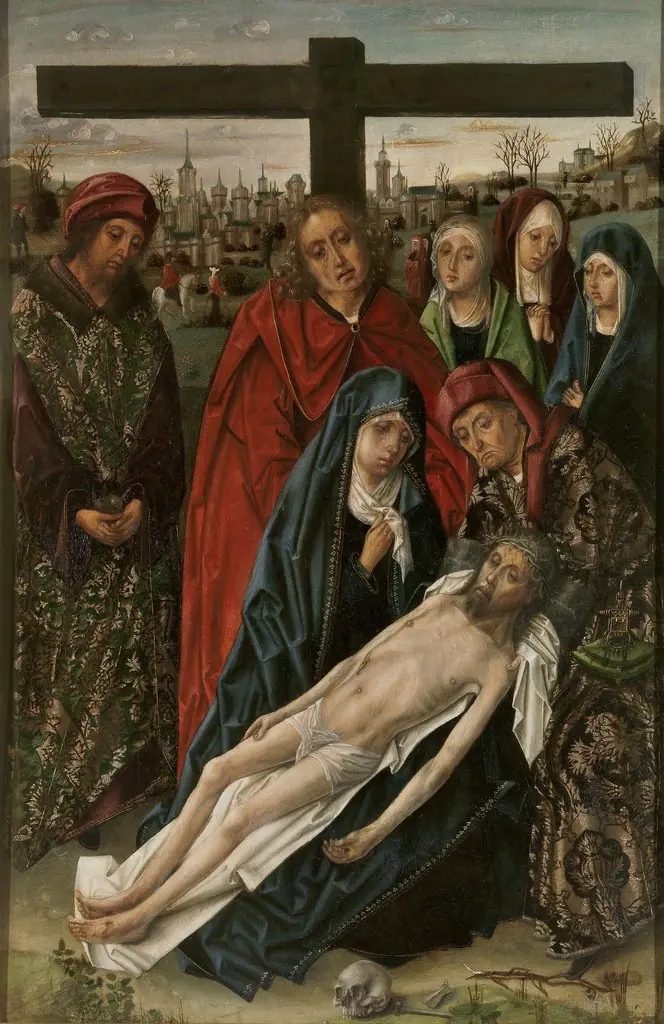
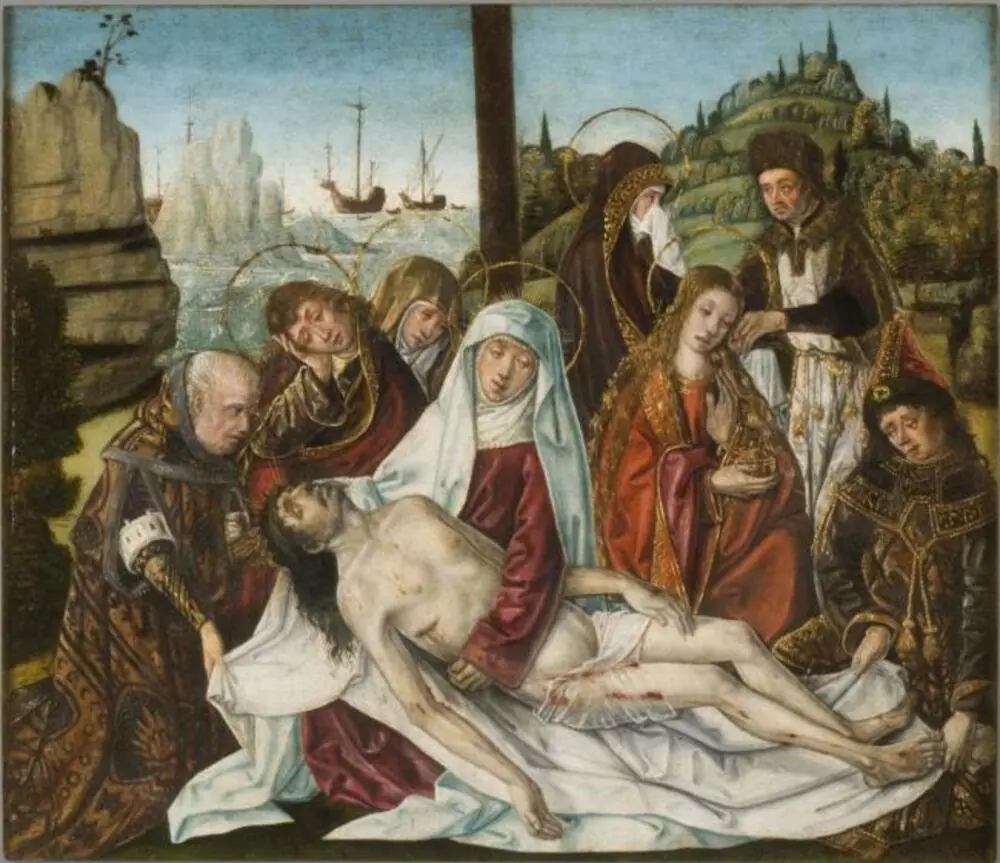
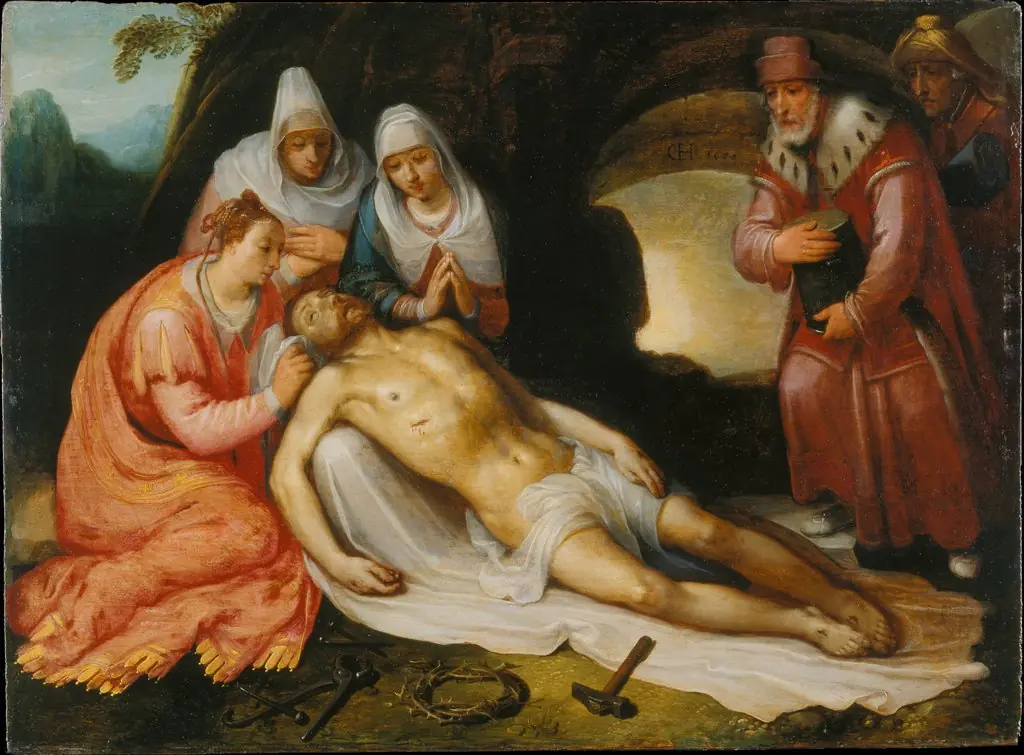
The scene portrays the Virgin Mary cradling Christ’s head while another woman, likely Mary Magdalene, touches his shoulder. Two male figures stand behind, their postures conveying solemn grief. The bloodied body, wrapped in a loincloth, emphasizes physical suffering and human vulnerability. The composition invites contemplation of sacrifice and loss, central to Christian devotional practice in late medieval Flanders.
Technique & Style
Bouts employs fine brushwork to render fabric folds with precision and facial expressions with quiet intensity. The palette favors muted tones—deep blues, somber reds, and earthy grays—creating a somber atmosphere. Light is modeled subtly to define form without dramatic contrast, reflecting the Northern tradition’s preference for naturalism over theatricality. Surface detail, from skin texture to woven cloth, reinforces the painting’s intimate, meditative tone.
History & Provenance
Created in Leuven after Aelbrecht assumed his father’s workshop in 1475, the painting likely served private devotion or a local chapel. Its documented presence in Berlin’s collection dates to the 19th century, though earlier ownership records are sparse. It survived the Reformation’s iconoclasm and later institutional acquisitions, preserving its original condition with minimal alteration.
Context
In early 16th-century Flanders, religious imagery remained central to spiritual life, even as humanist ideas spread. Bouts’s work reflects the enduring influence of his father’s style, rooted in Jan van Eyck’s legacy: meticulous observation, quiet emotion, and sacred narrative rendered in domestic scale. Unlike Italian contemporaries, Northern artists avoided grandeur, favoring restrained, personal encounters with sacred subjects.
Legacy
Aelbrecht Bouts’s *Lamentation* exemplifies the continuity of the Leuven school after Dieric’s death. While less celebrated than his father’s works, it preserves the regional aesthetic of introspective piety. The painting contributes to understanding how devotional art evolved in the decades before the Reformation, bridging late medieval tradition and early modern sensibility without overt innovation.
Artist & collection
Artist
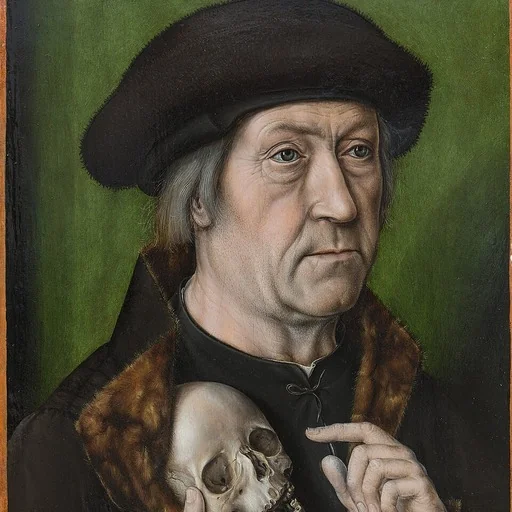
Aelbrecht Bouts (c.1452 - March 1549) was a Flemish painter of the Early Netherlandish era.