Artwork
Angel Gabriel
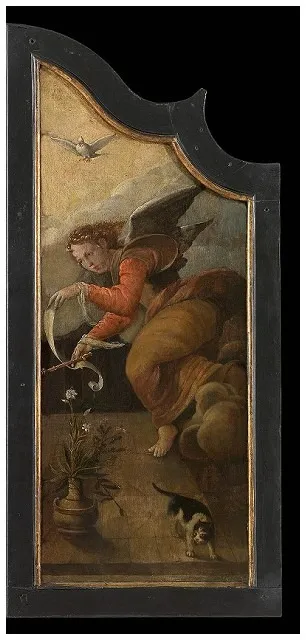
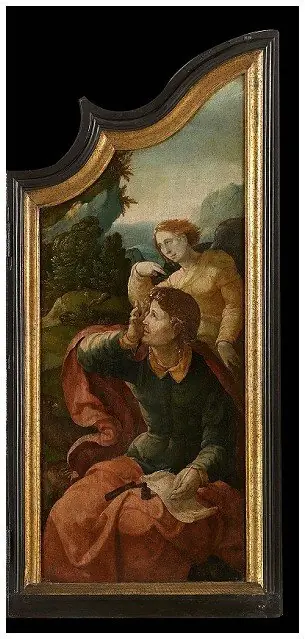
Angel Gabriel is an oil painting by the Mannerist artist Aertgen van Leyden. It dates from 1549 and is held in the collection of the Royal Museum of Fine Arts Antwerp.
About this work
Overview
Van Leyden, active in the Dutch Renaissance, was known for religious subjects rendered with careful attention to texture and gesture.
Painted in 1549 by Aertgen van Leyden, this oil-on-panel work depicts the Archangel Gabriel in a moment of divine announcement. Van Leyden, active in the Dutch Renaissance, was known for religious subjects rendered with careful attention to texture and gesture. The painting resides today in the Royal Museum of Fine Arts Antwerp, where it represents a regional interpretation of biblical themes common in mid-16th-century Northern Europe.
Subject & Meaning
The figure of Gabriel, traditionally the messenger of God, holds a white lily symbolizing purity and a dove representing the Holy Spirit. The presence of a small dog at his feet may allude to fidelity or divine watchfulness. Above, another dove flies through the clouds, reinforcing the theme of heavenly communication. The composition reflects the Annunciation narrative, though without the Virgin Mary, focusing instead on the angel’s solemn authority and divine mission.
Technique & Style
Van Leyden employed oil paint to achieve rich layering and subtle transitions in color, particularly in the angel’s luminous orange robe and the soft gradations of the sky. The drapery is rendered with crisp folds, and the wings display fine, feathery detail. The stone floor and floral vase suggest a grounded, earthly setting, contrasting with the ethereal clouds and flying dove. This blend of naturalism and symbolic elements aligns with Mannerist tendencies of the period.
History & Provenance
Aertgen van Leyden, trained under Cornelis Engebrechtsz. in Leiden, came from a family of textile workers and later became a respected painter and stained-glass designer. The painting’s documented history traces it to Antwerp’s museum collection, where it has remained since at least the 19th century. Its survival through centuries of religious upheaval suggests it was valued for its devotional quality and technical refinement.
Context
Created during a period of religious tension in the Low Countries, the painting reflects a Catholic tradition of visual piety that persisted despite the rise of Protestantism. Van Leyden’s focus on angelic figures and symbolic objects catered to audiences seeking spiritual reassurance through imagery. His work bridges the late Gothic emphasis on detail and the emerging Renaissance interest in human expression.
Legacy
Though less widely known than his contemporaries, Van Leyden’s *Angel Gabriel* exemplifies the quiet sophistication of regional Dutch religious art. Its preservation in a major European collection underscores its importance as a representative work of mid-century Netherlandish painting. The piece contributes to understanding how local artists adapted broader European styles to serve devotional needs in a changing religious landscape.
Artist & collection
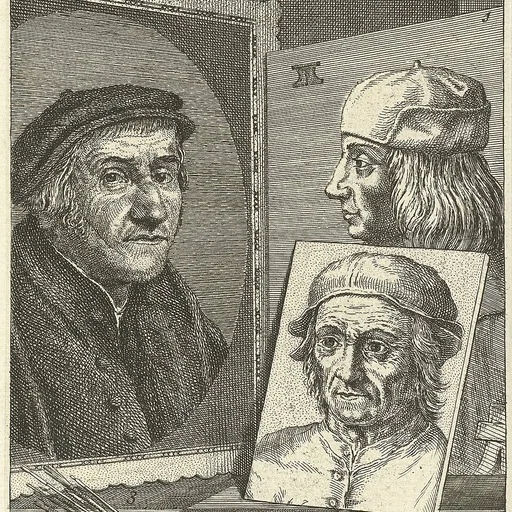
Artist
Aertgen Claesz. van Leyden (c. 1498 – c. 1564), also known as Allaert or Aert van Leyden or Aert Claesz. van Leyden, was a 16th-Century Dutch painter, draughtsman and designer of stained glass. Works by this artist can…