Artwork
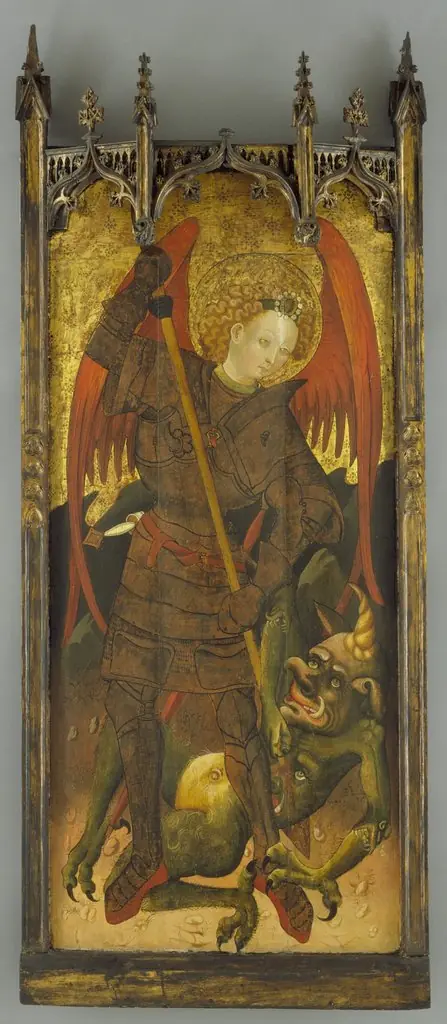
Panel from a Triptych: The Archangel Michael
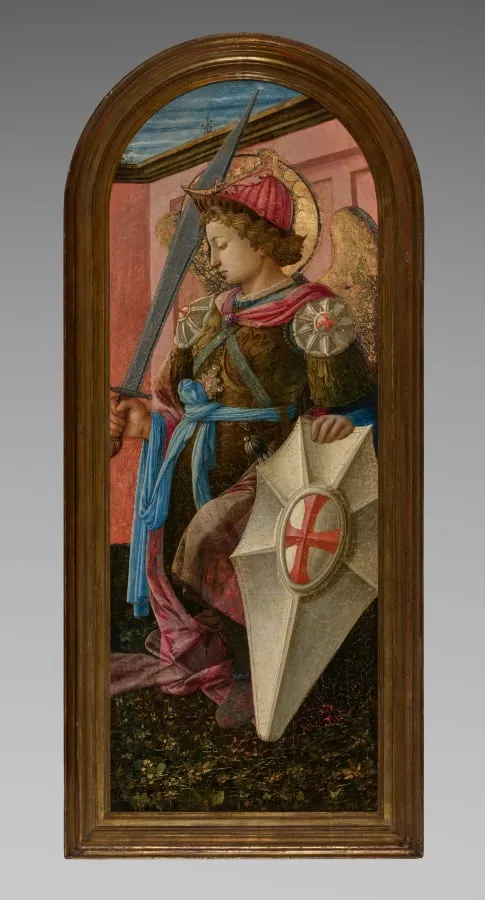
Panel from a Triptych: The Archangel Michael is an unspecified painting by the Early Renaissance artist Filippo Lippi. It dates from 1458 and is held in the collection of the Cleveland Museum of Art.
About this work
Overview
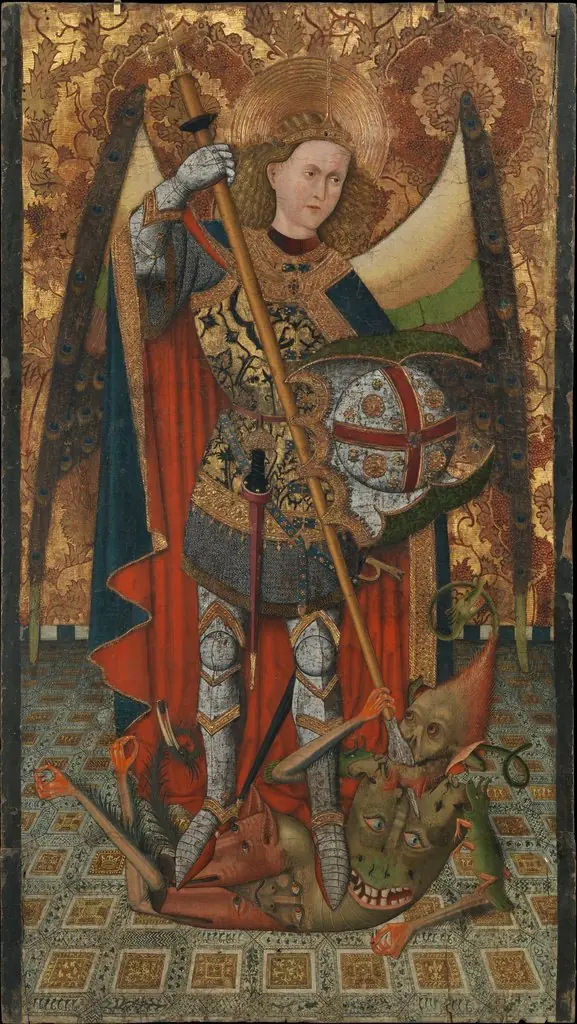
This painted panel forms the right wing of a once-complete three‑panel altarpiece, the central image of the Virgin and Child having disappeared.
This painted panel forms the right wing of a once-complete three‑panel altarpiece, the central image of the Virgin and Child having disappeared. The surviving scene portrays the Archangel Michael in vivid red, his golden hair and sword confronting a contorted demonic figure. The composition is framed by a modest architectural backdrop that suggests depth, characteristic of early Renaissance spatial experiments.
Subject & Meaning
The figure represents Michael, the celestial champion who repels evil, his weaponry and shield symbolizing divine protection. Opposite him, the twisted demon embodies the forces of sin that the archangel subdues. Such iconography served devotional purposes, reminding viewers of the triumph of heavenly order over chaos and reinforcing the theological role of Michael as a guardian of the faithful.
Technique & Style
Executed by Fra Filippo Lippi, the panel demonstrates the artist’s use of linear perspective to create a convincing three‑dimensional space. Precise orthogonal lines guide the eye toward the architectural elements, while the modeling of the angel’s form employs subtle gradations of tone, lending a sense of volume. The work reflects the influence of Masaccio’s pioneering perspective in the Brancacci Chapel, adapted to Lippi’s delicate, narrative style.
History & Provenance
Commissioned in 1457 by Giovanni di Cosimo de’ Medici of Florence, the triptych was intended as a diplomatic gift for Alfonso V of Aragon. The central panel has since been lost, leaving the two side wings—depicting Saint Anthony the Abbot and Michael—separate. The surviving pieces have passed through various collections before entering their present museum setting, where they continue to illustrate the cross‑cultural patronage of the mid‑15th‑century Italian courts.
Artist & collection
Artist
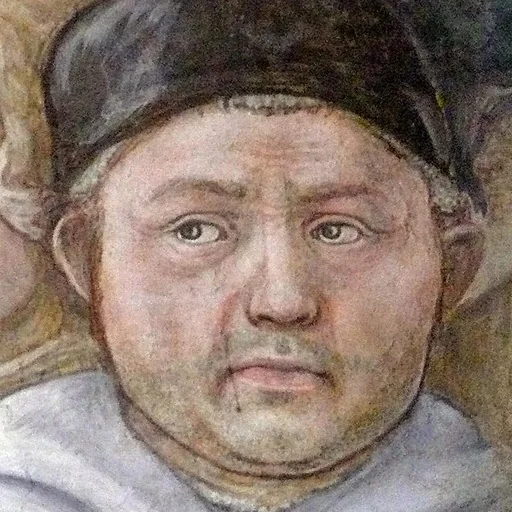
Filippo Lippi (c. 1406 – 8 October 1469), also known as Lippo Lippi, was an Italian Renaissance painter of the Quattrocento (fifteenth century) and a Carmelite priest. He was an early Renaissance master of a painting…

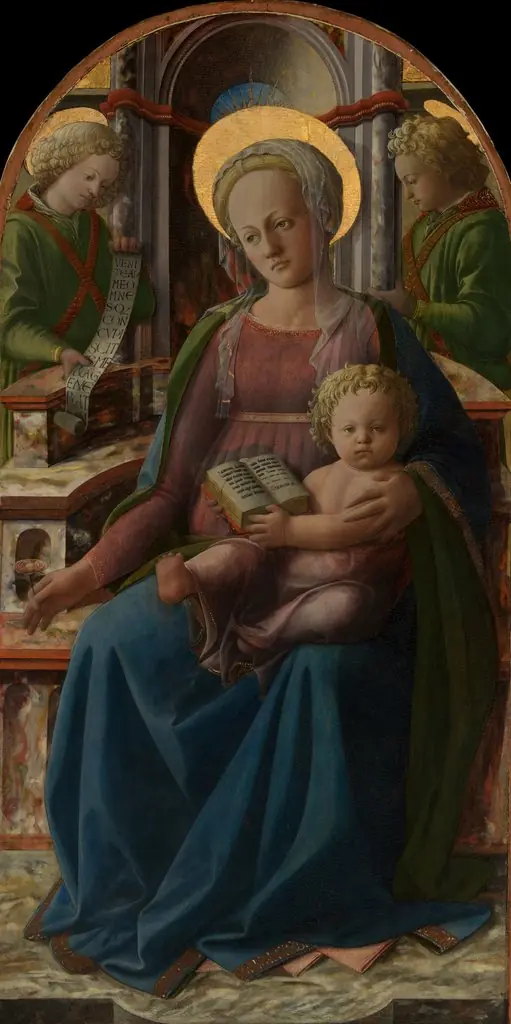 Madonna and Child Enthroned with Two Angels
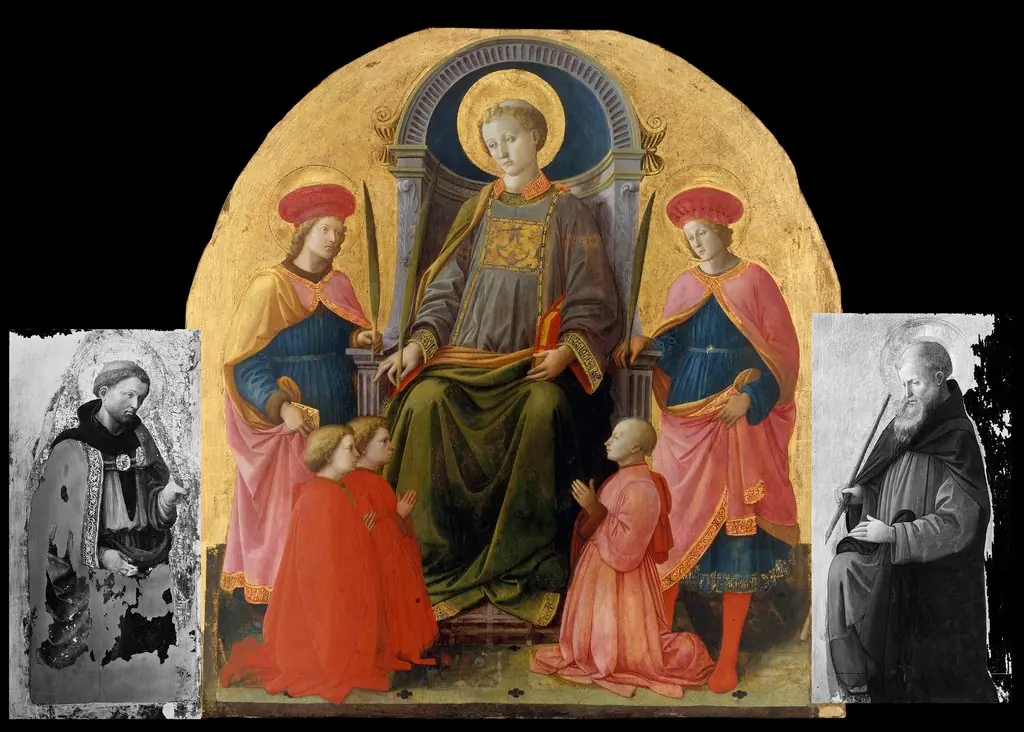 Saint Lawrence Enthroned with Saints and Donors
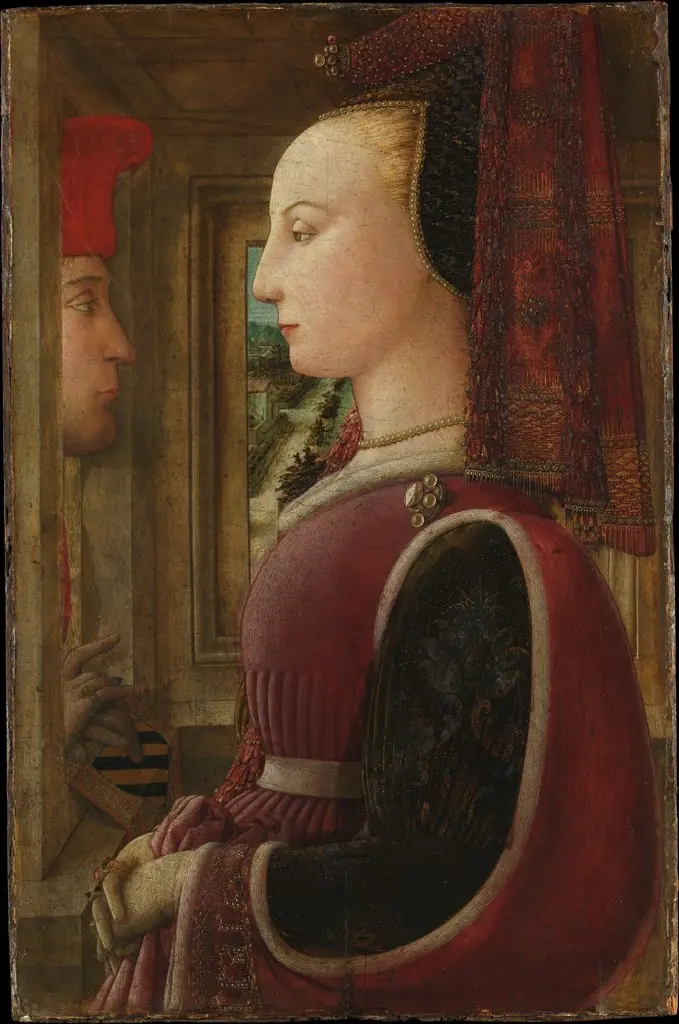 Portrait of a Woman with a Man at a Casement
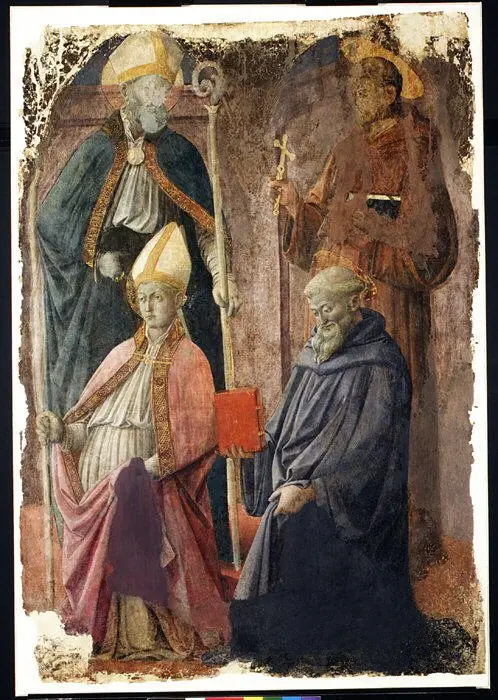 Saints Augustine and Francis, a Bishop Saint, and Saint Benedict
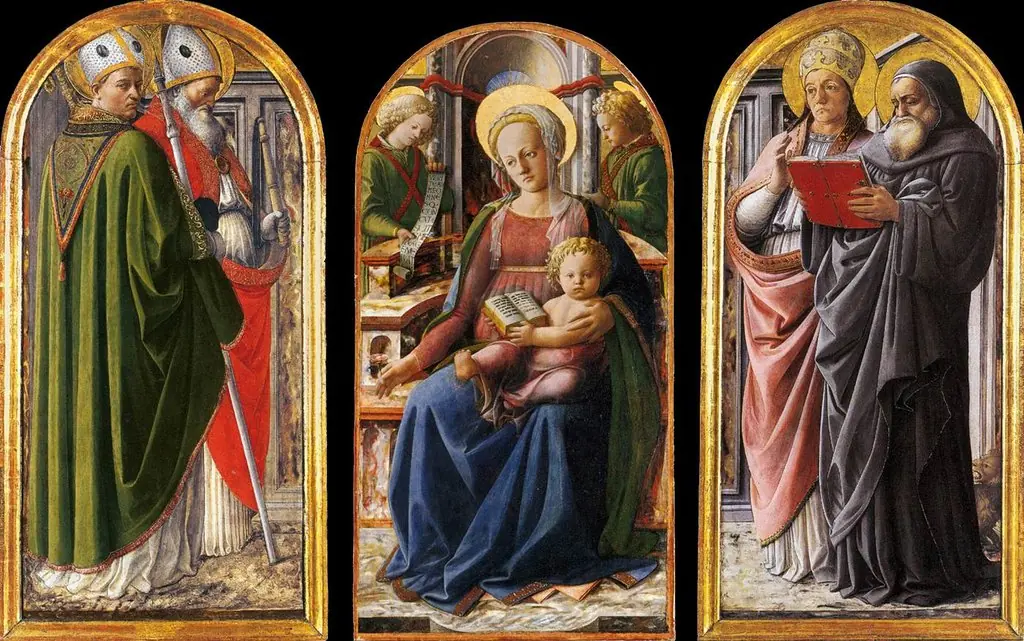 Madonna and Child with Angels and Saints
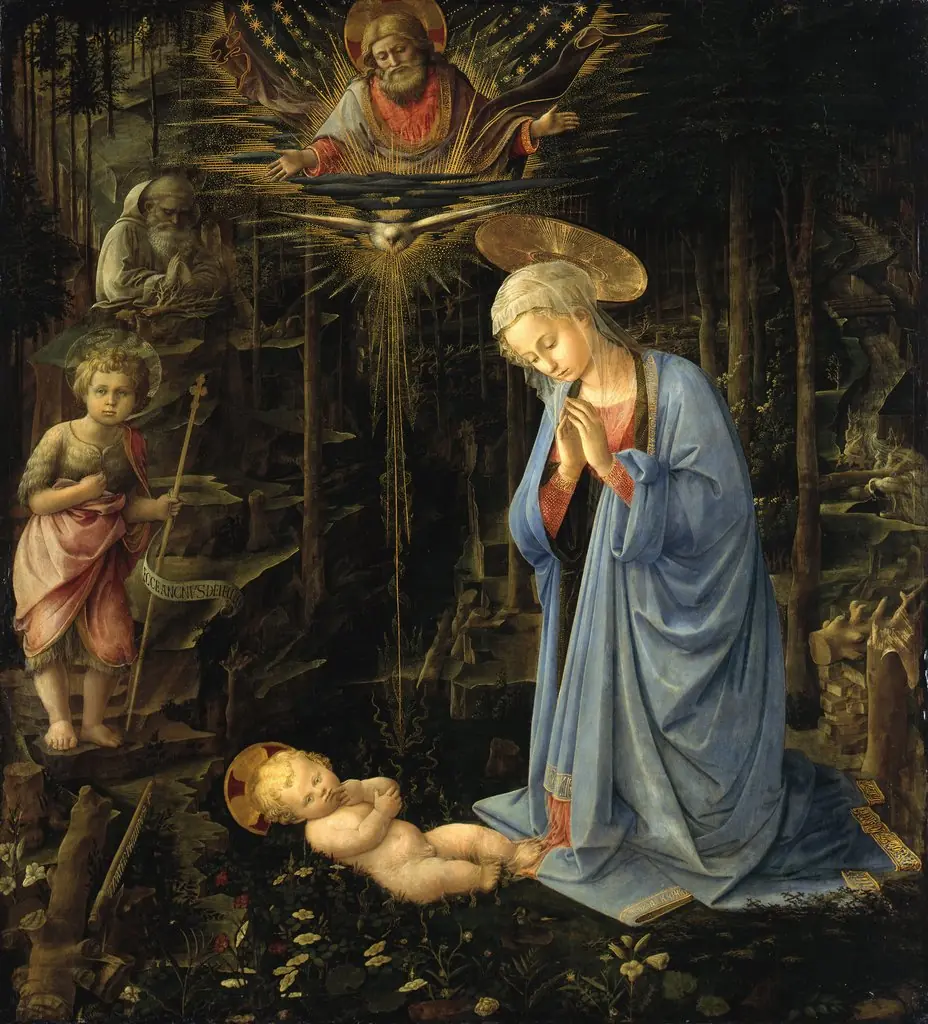 Adoration in the Forest
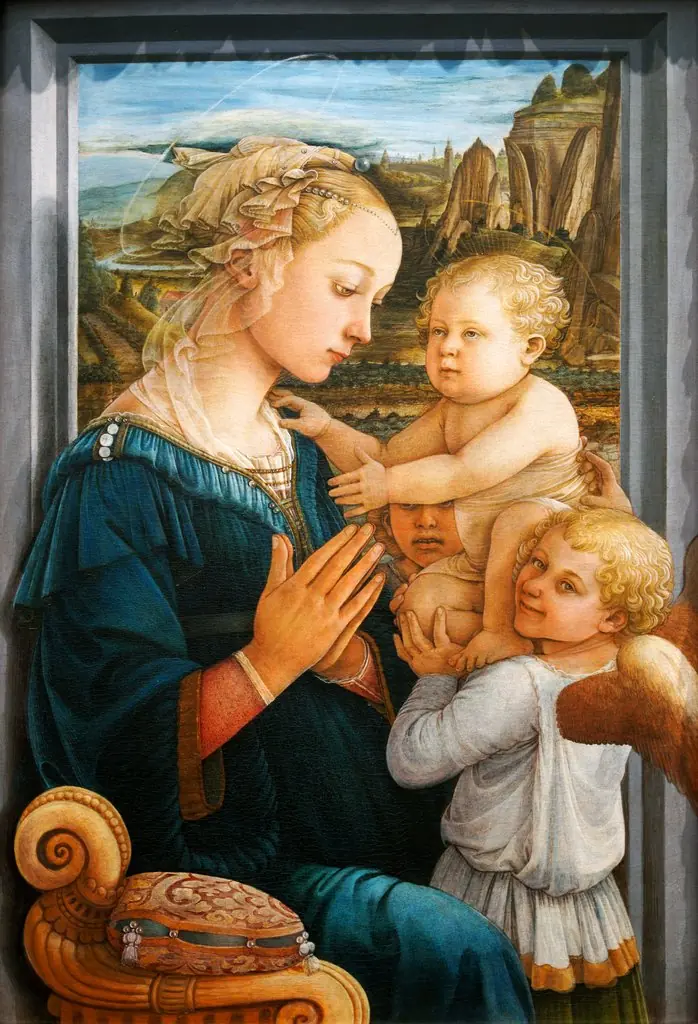 Madonna and Child
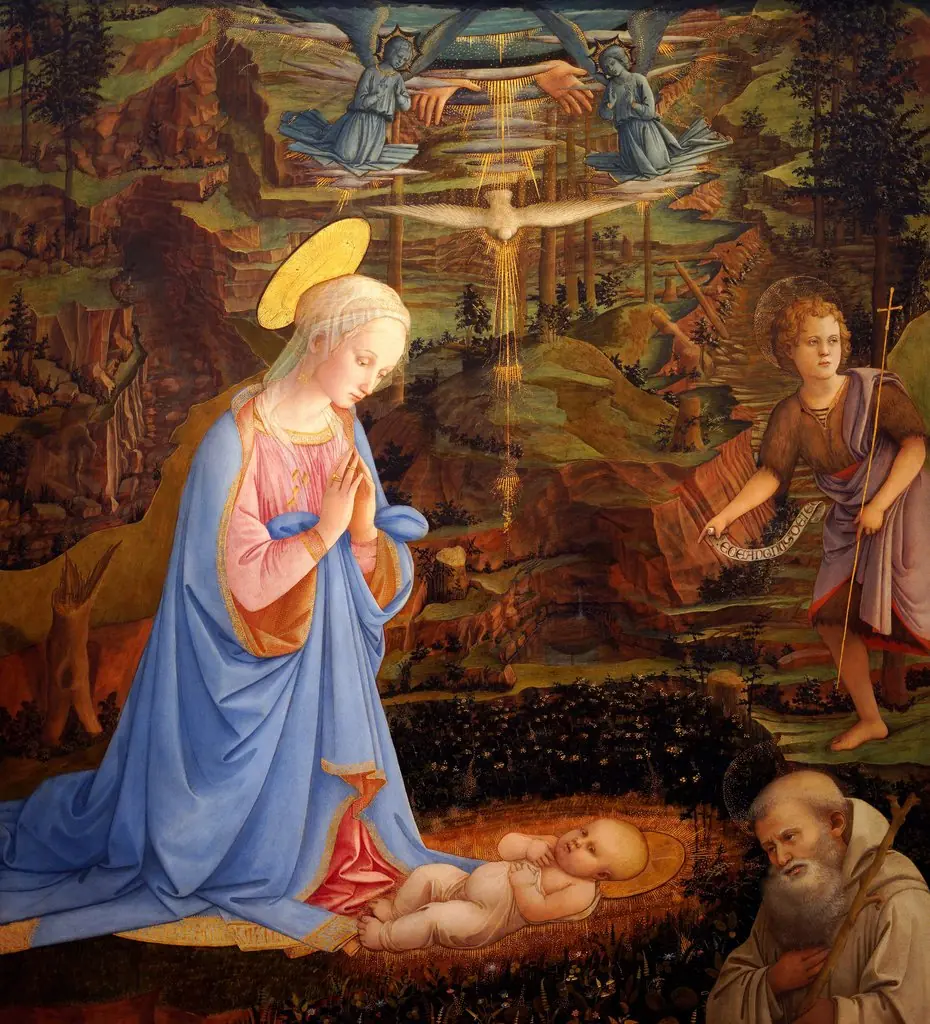 Adoration of Camaldoli