Artwork
Bacchus
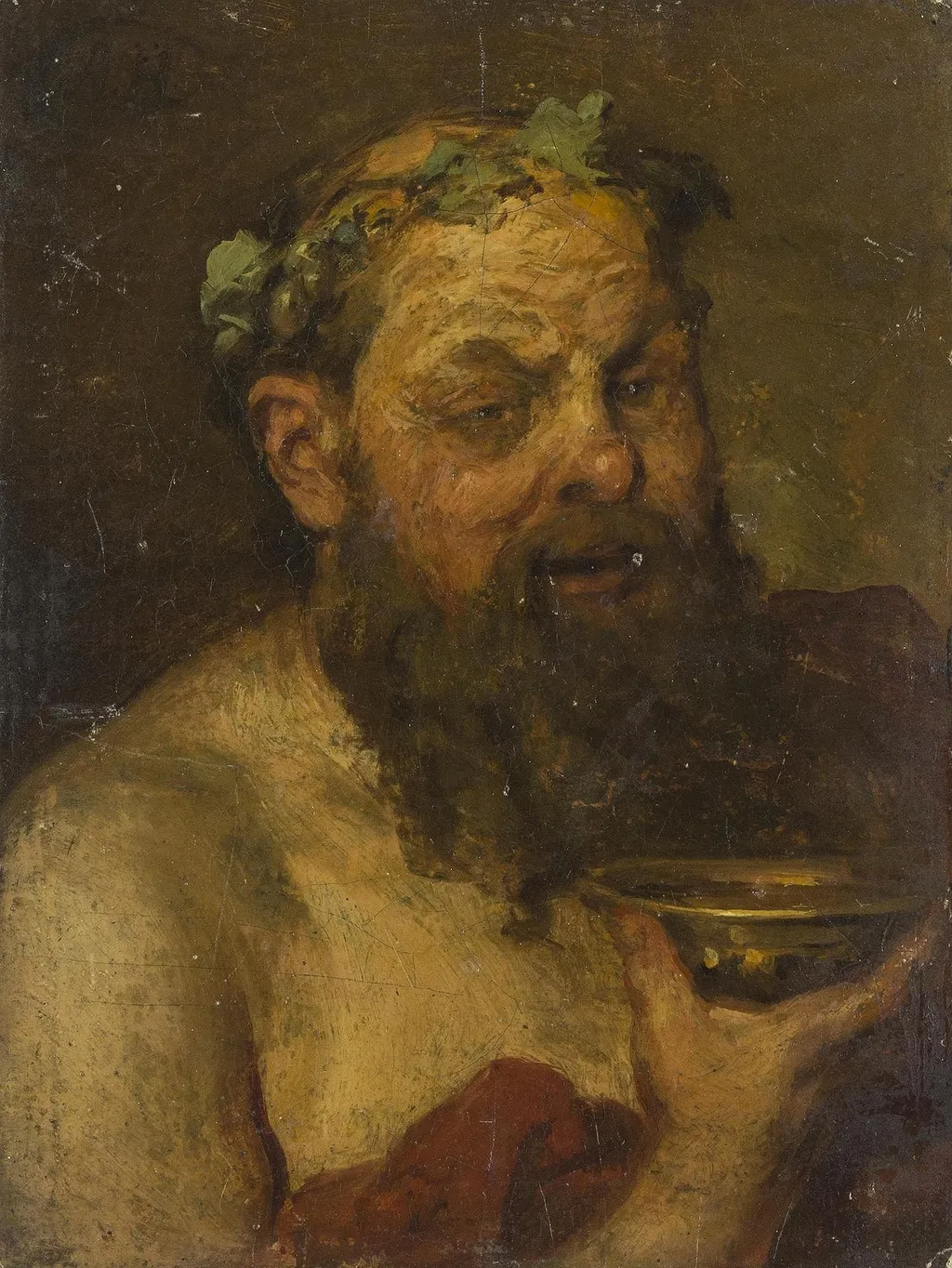
Bacchus is an unspecified painting by Afanasij Nadezhdin. It dates from 1825 and is held in the collection of the Hermitage Museum.
About this work
Overview
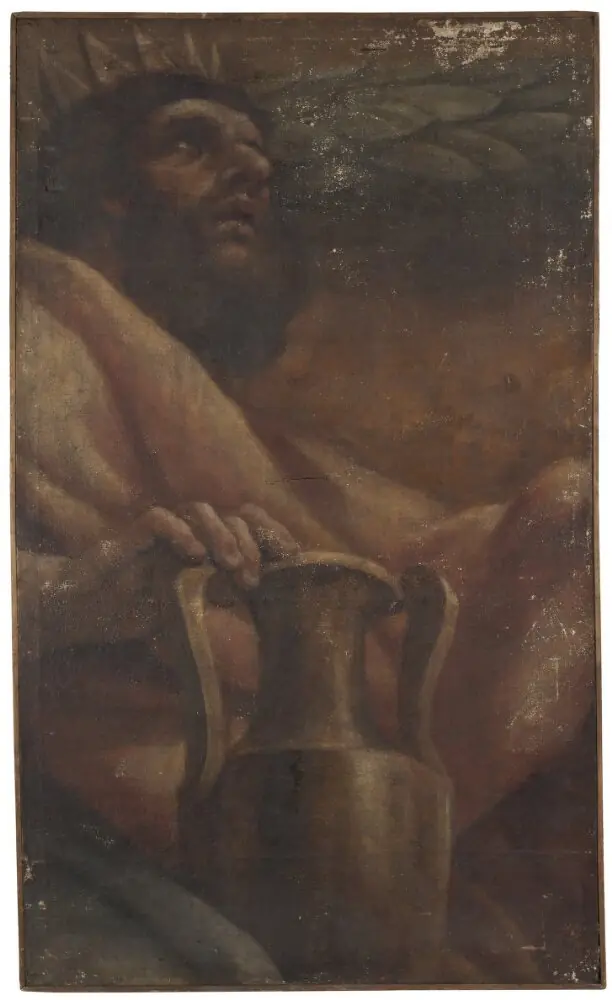
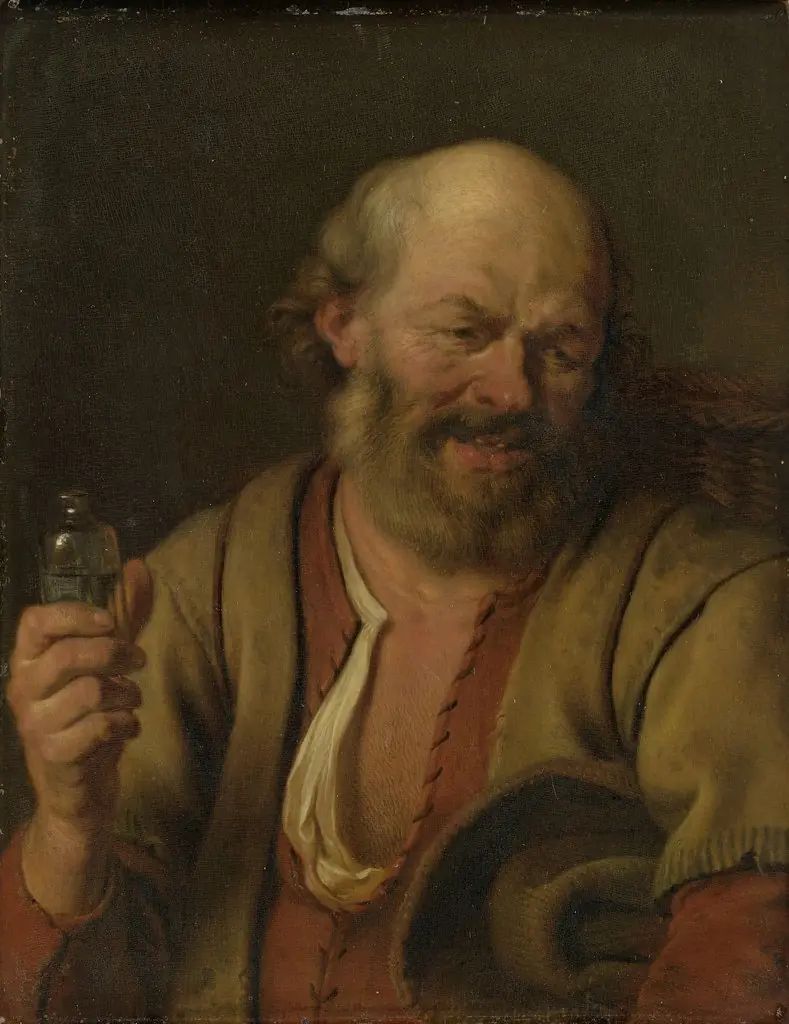
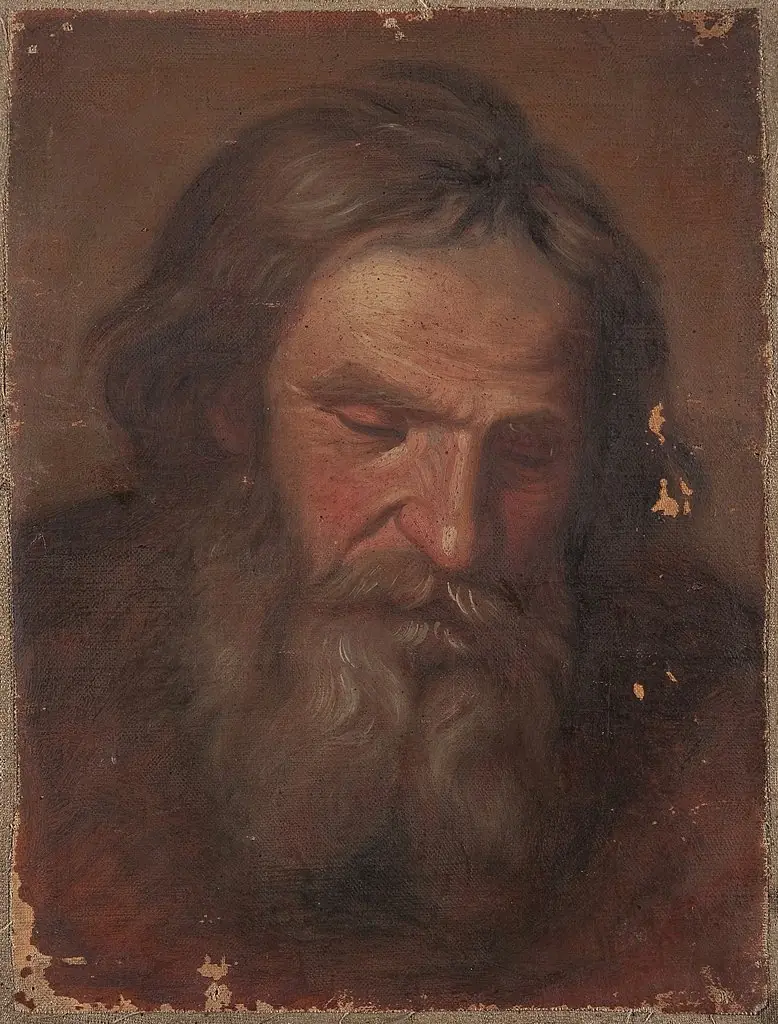
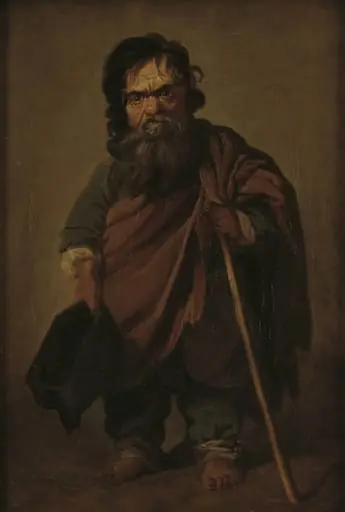
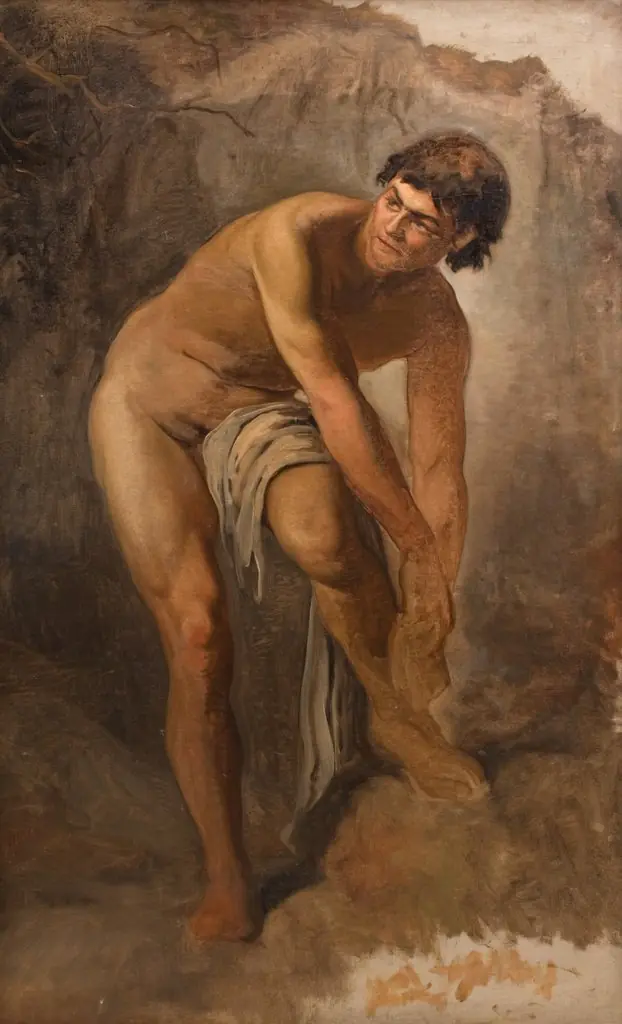
Its composition centers on a solemn, bearded individual crowned with a green foliage wreath and holding a gilded cup, set against a darkened backdrop.
Afanasij Nadezhdin’s 1825 canvas entitled Bacchus presents a solitary male figure rendered in a muted palette of earth tones. The work is part of the State Hermitage Museum’s collection and measures the typical dimensions of early‑19th‑century Russian academic painting. Its composition centers on a solemn, bearded individual crowned with a green foliage wreath and holding a gilded cup, set against a darkened backdrop.
Subject & Meaning
The figure is identified as Bacchus, the Roman god of wine, whose attributes—leaf crown and drinking vessel—signal his mythological role. The serious gaze and restrained posture suggest a contemplative aspect of the deity, perhaps emphasizing the divine authority over revelry rather than the festive excess commonly associated with him.
Technique & Style
Nadezhdin employs a pronounced chiaroscuro, using strong contrasts between illuminated flesh and the surrounding gloom to model volume. Thick, impasto brushwork gives texture to the skin and drapery, while the limited color range of browns, yellows, and a touch of red on the chest creates a cohesive, somber atmosphere typical of Russian academic portraiture of the period.
History & Provenance
Completed in 1825, the painting entered the Imperial collection and later became part of the State Hermitage Museum’s holdings after the museum’s formation. Its provenance has remained within Russian state institutions, reflecting the work’s acceptance into the national artistic canon of the early 19th century.
Context
Created during a period when Russian artists frequently turned to classical themes, Bacchus reflects the academic emphasis on mythological subjects as vehicles for moral and aesthetic instruction. Nadezhdin’s choice aligns with contemporary trends that favored disciplined composition and the study of antiquity as a means of demonstrating technical mastery.
Own this work as a print
Artist & collection
Artist
A Russian painter in the early 1800s, Afanasij Nadezhdin worked at a time when mythological scenes were popular on big canvases.