Artwork
Head of a Man
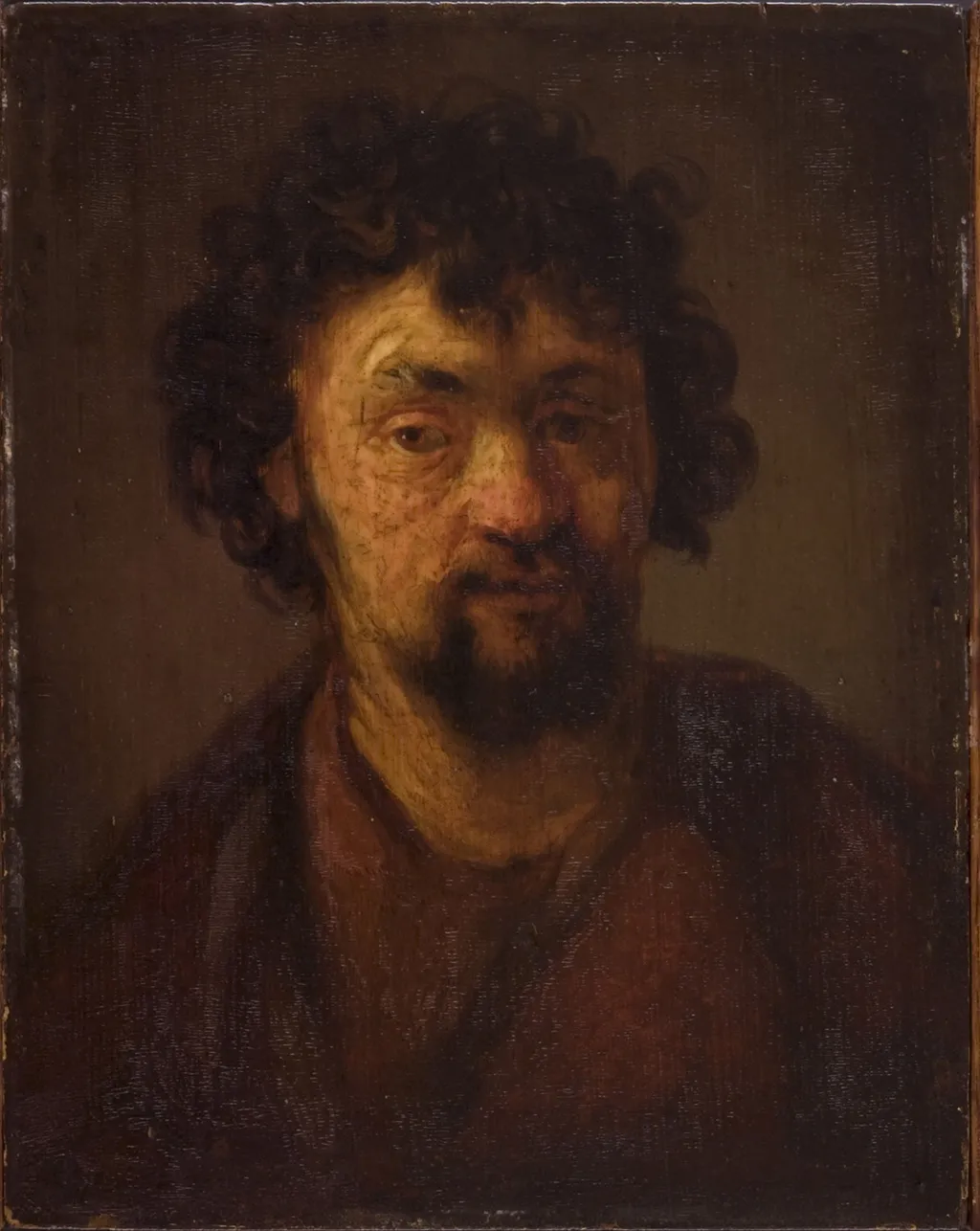
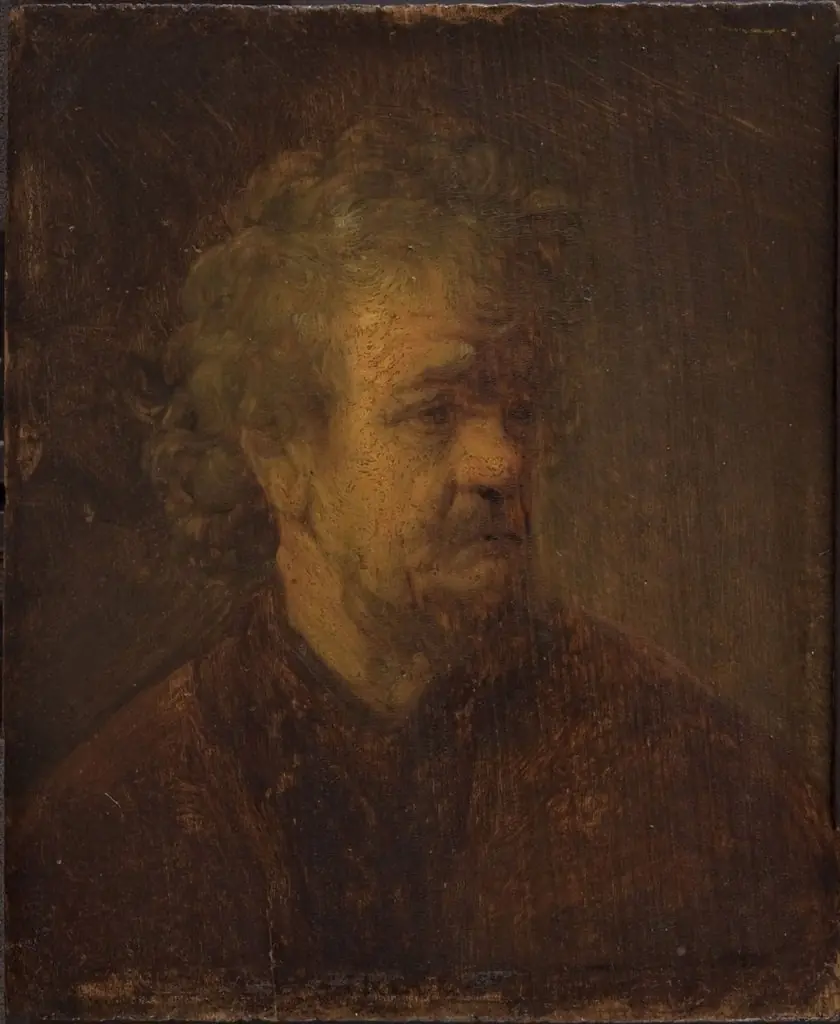
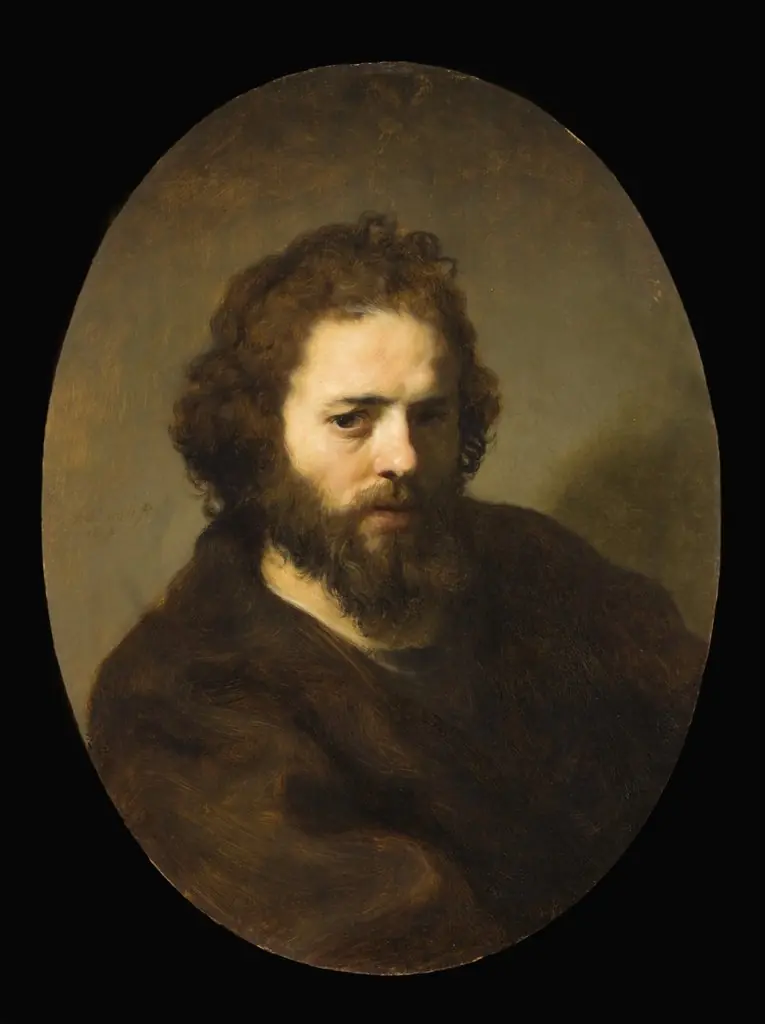
Head of a Man is an oil painting by the Flemish Baroque painting artist Rembrandt. It dates from 1644 and is held in the collection of the Philadelphia Museum of Art.
About this work
Overview
Painted in 1644, this oil-on-panel portrait is attributed to Rembrandt van Rijn. It captures a single figure, rendered with intense focus on facial expression and texture. The work exemplifies Rembrandt’s interest in psychological depth over formal grandeur, aligning with the introspective tendencies of Dutch Golden Age portraiture rather than the theatricality of broader Baroque traditions.
Subject & Meaning
The subject is an unnamed man with dark, curly hair and a full beard, dressed in a simple, dark garment.
The subject is an unnamed man with dark, curly hair and a full beard, dressed in a simple, dark garment. His gaze, slightly lowered, suggests quiet contemplation rather than direct engagement. The absence of identifiers—no clothing of status, no symbolic objects—shifts emphasis to inner life, reflecting Rembrandt’s tendency to portray humanity through subtle emotional nuance rather than external markers.
Technique & Style
Rembrandt employed chiaroscuro to model the face with soft transitions between light and shadow, enhancing three-dimensionality. The brushwork varies: fine strokes define the beard and eyelashes, while broader, looser applications define the shadowed areas. The dark, unmodeled background isolates the figure, concentrating attention on the texture of skin and the quiet intensity of the gaze.
History & Provenance
The painting’s early ownership is undocumented, but it entered a major European collection by the late 18th century. It has remained in private and institutional hands since, with no record of significant alteration. Its attribution to Rembrandt has been consistently supported by stylistic analysis and technical examination, though its original purpose—study, commission, or personal exercise—remains uncertain.
Context
Created during Rembrandt’s mid-career, this portrait coincides with his deepening exploration of individual psychology. While Amsterdam’s elite commissioned grand portraits, Rembrandt also produced intimate studies like this one, often of models or acquaintances. These works reflect a broader cultural shift in the Dutch Republic toward valuing personal character over social display.
Legacy
This portrait exemplifies Rembrandt’s enduring influence on the depiction of human interiority in Western art. Its unadorned realism and emotional restraint became a touchstone for later artists seeking authenticity over idealization. Though not widely exhibited, it continues to be studied for its masterful handling of light and its quiet, enduring humanity.
Artist & collection
Artist
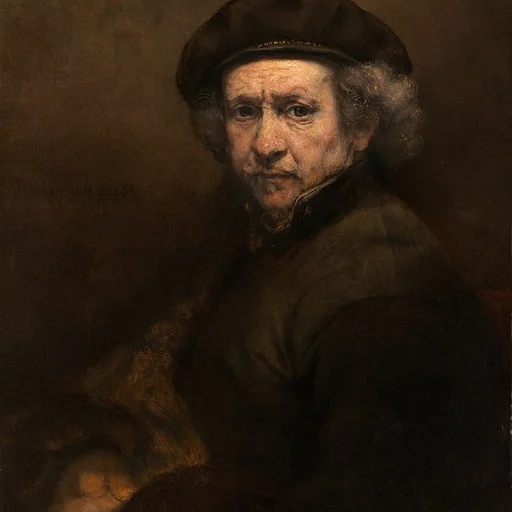
Rembrandt Harmenszoon van Rijn (15 July 1606 – 4 October 1669), known mononymously as Rembrandt, was a Dutch Golden Age painter, printmaker, and draughtsman.

 Head of an Old Man
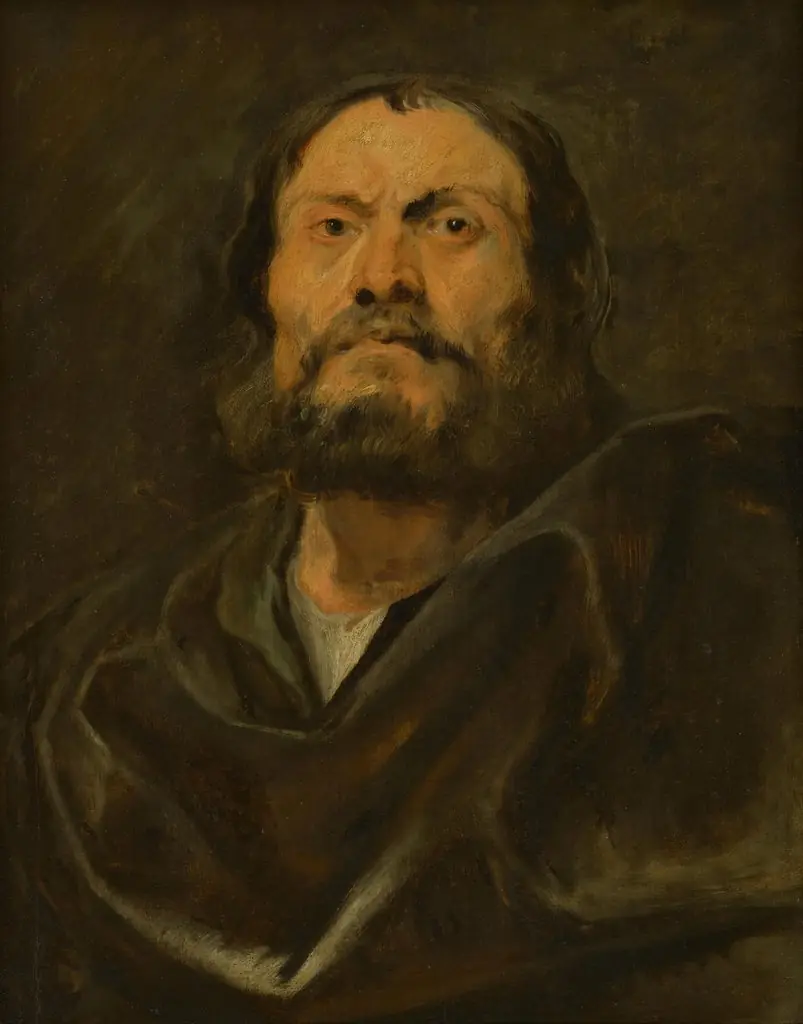 An Apostle
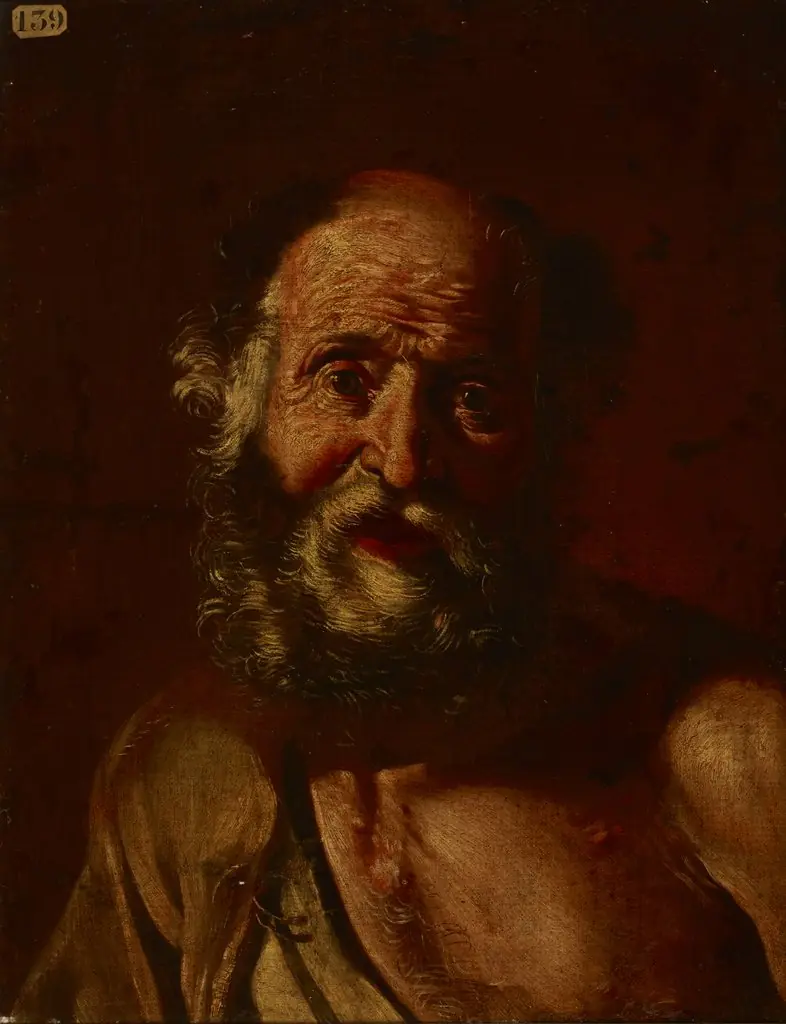 Bust of an Old Man (Head of a Beggar)
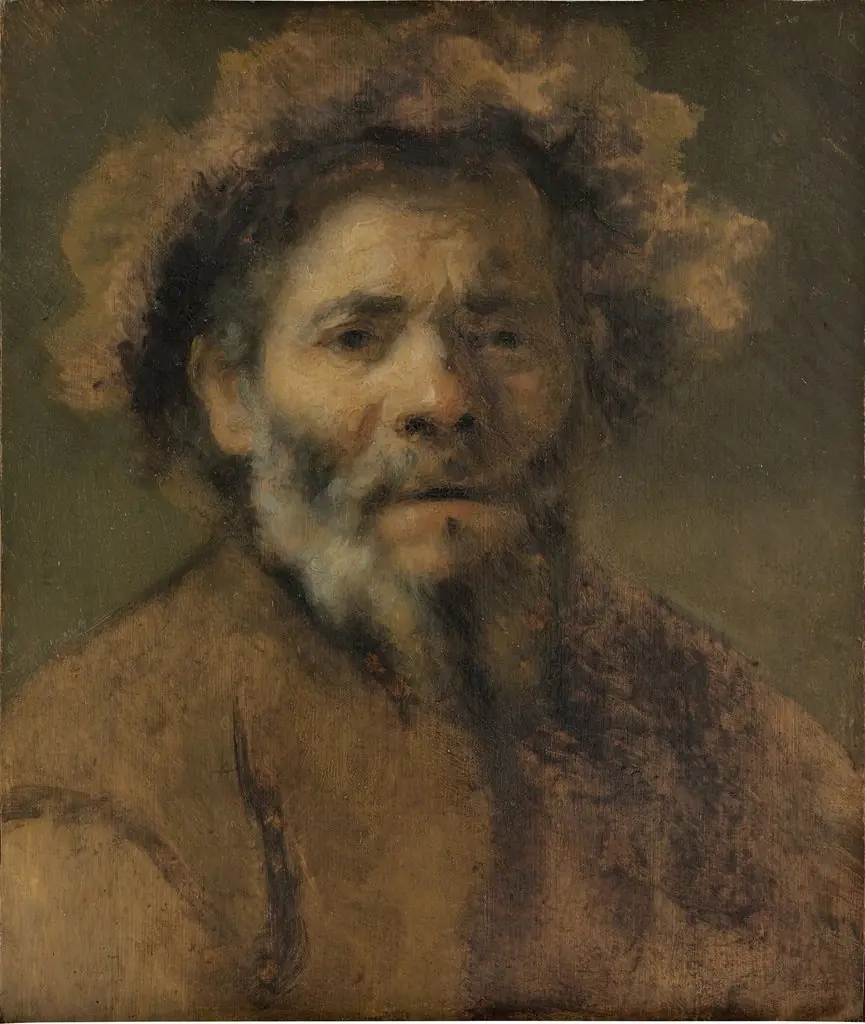 Study of an old man
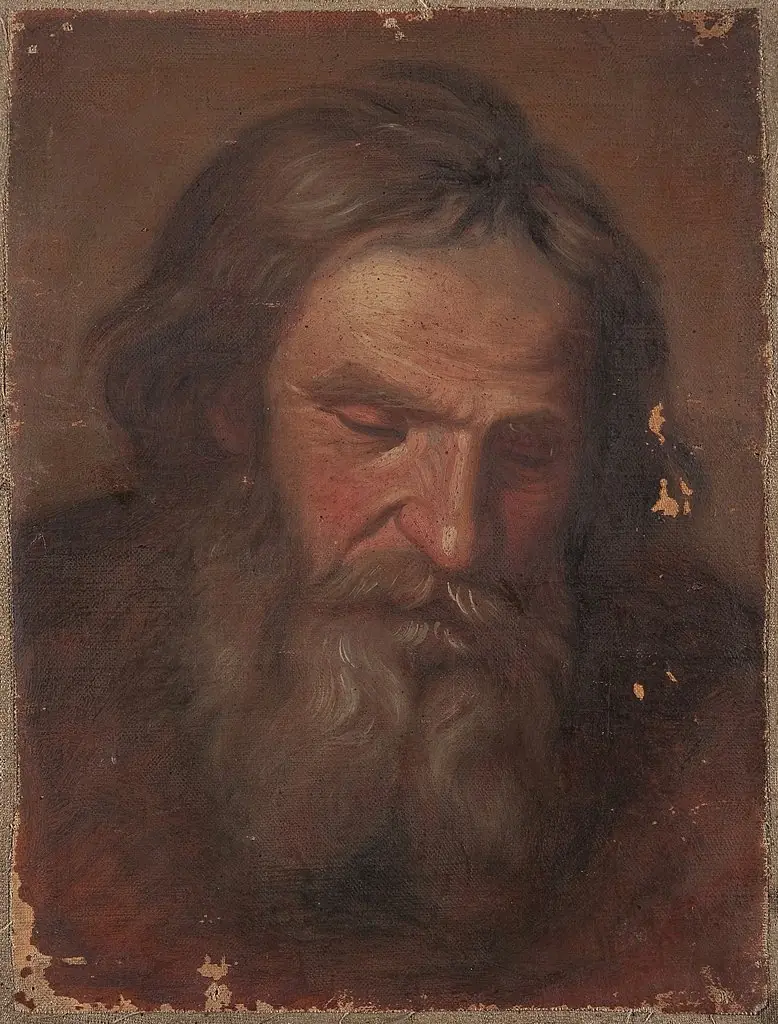 Study of an old man's head
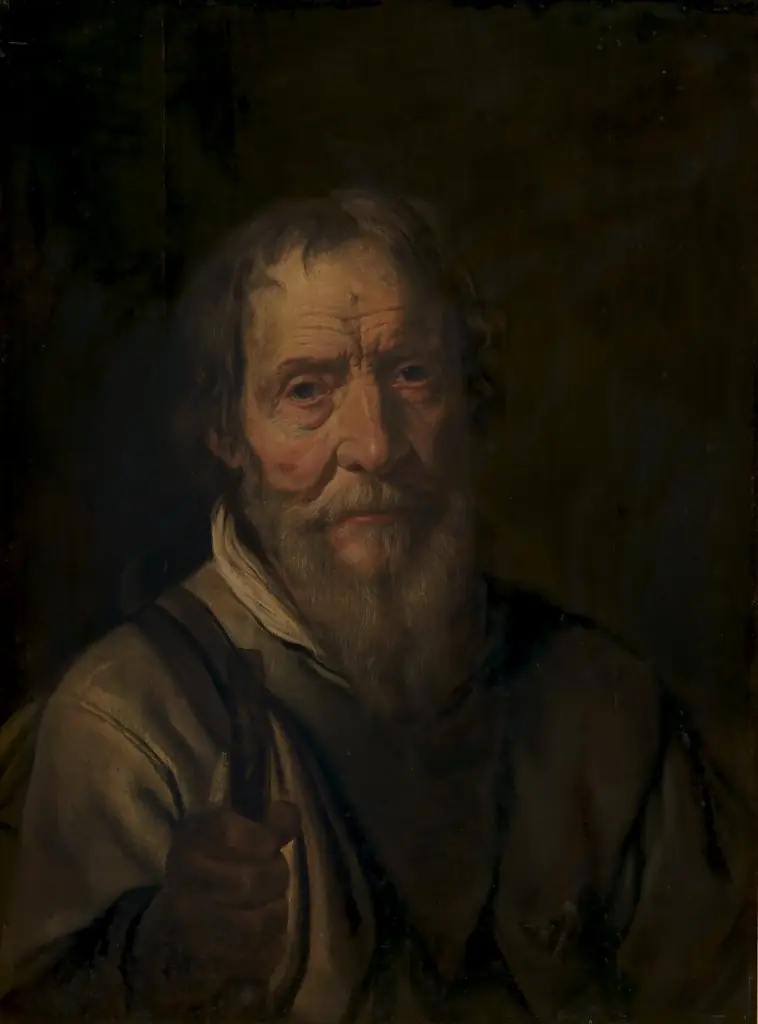 Portrait of an Old Man. Christian Jacobsen Drakenberg (?)
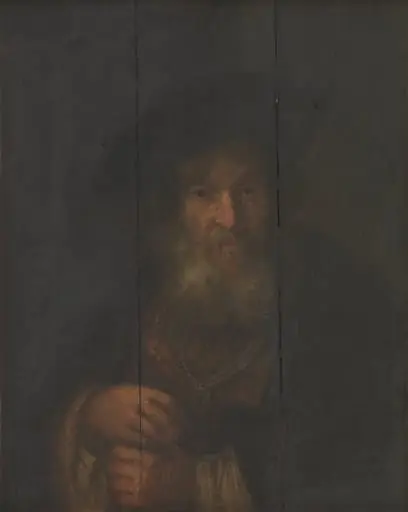 Portrait of an Old Jew
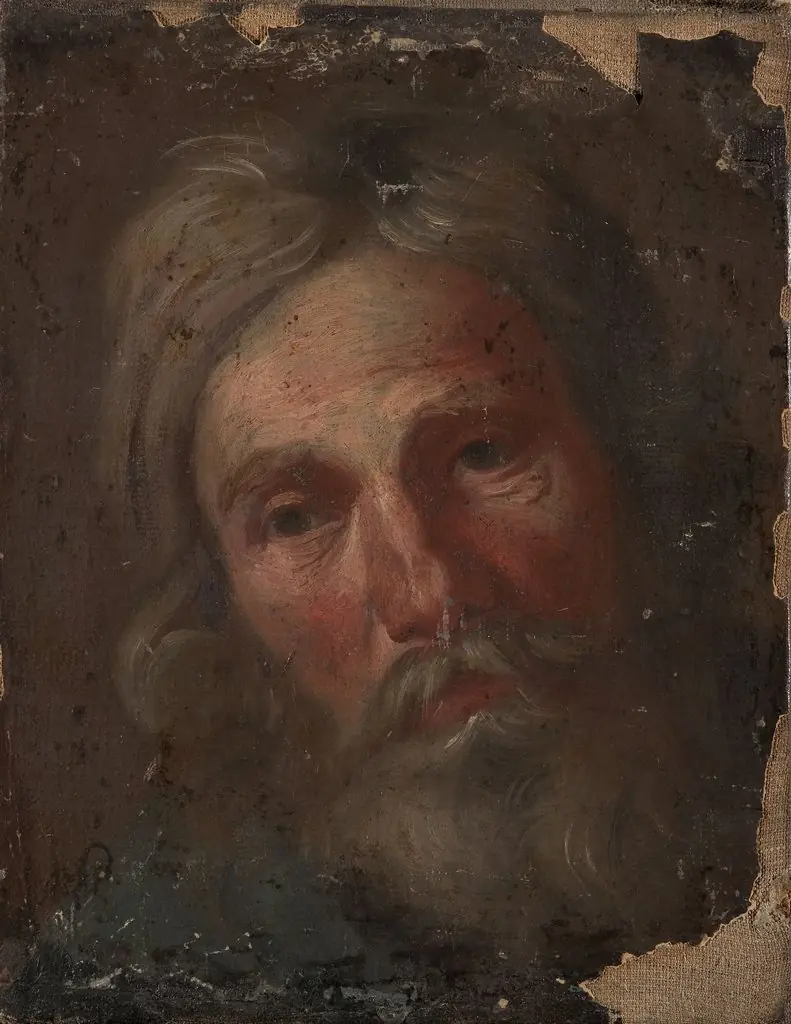 Study of an old man's head
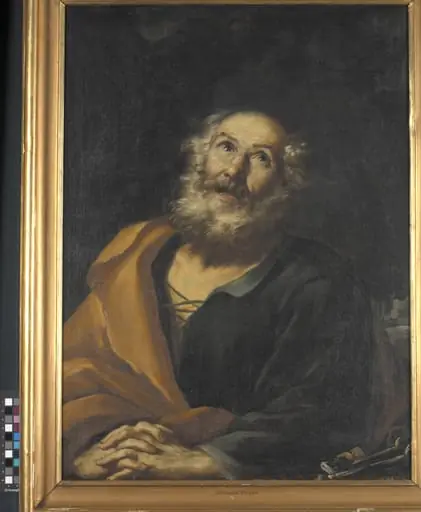 Saint Peter Penitent
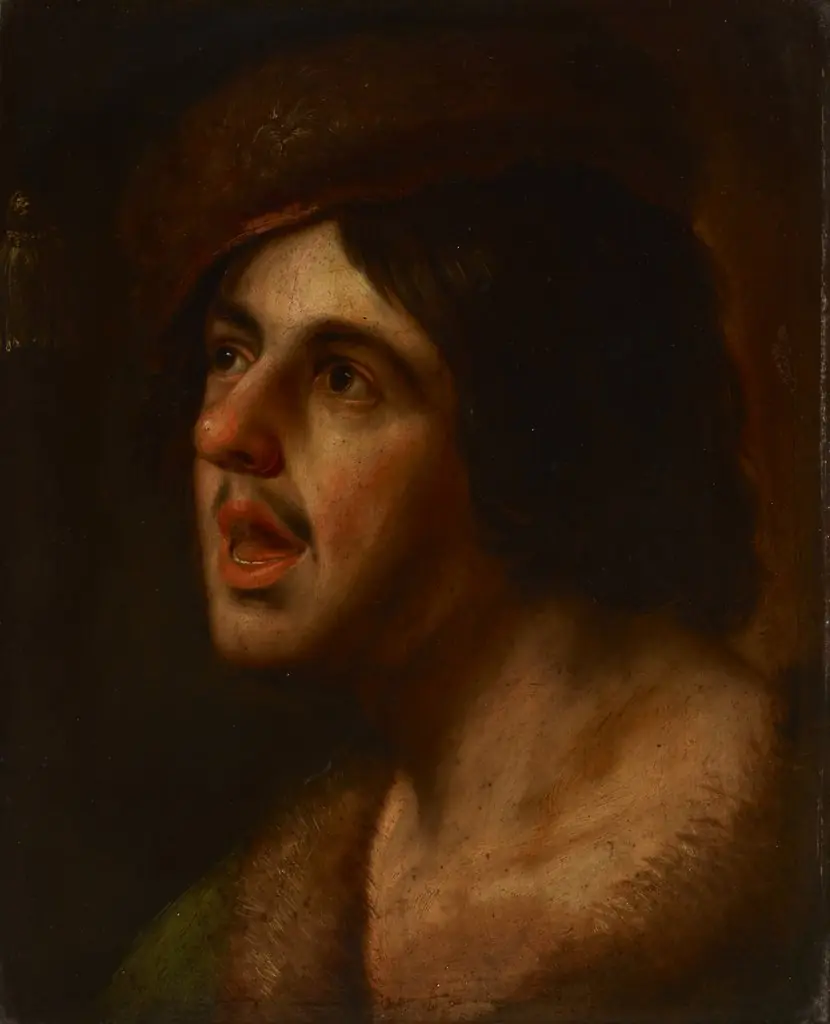 Bust of a Young Man
 Portrait of a Bearded Man, formerly called John the Baptist
 Head of a man