Artwork
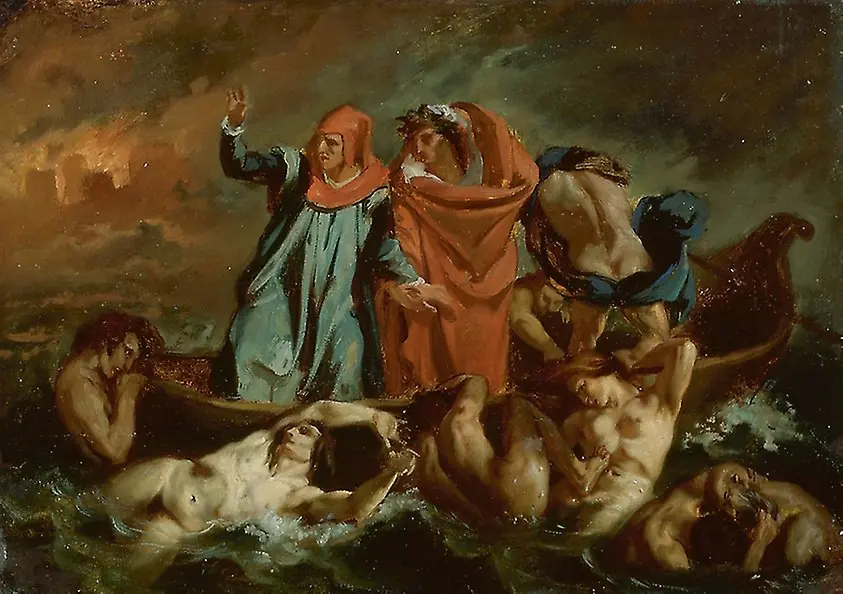
Dante's Bark
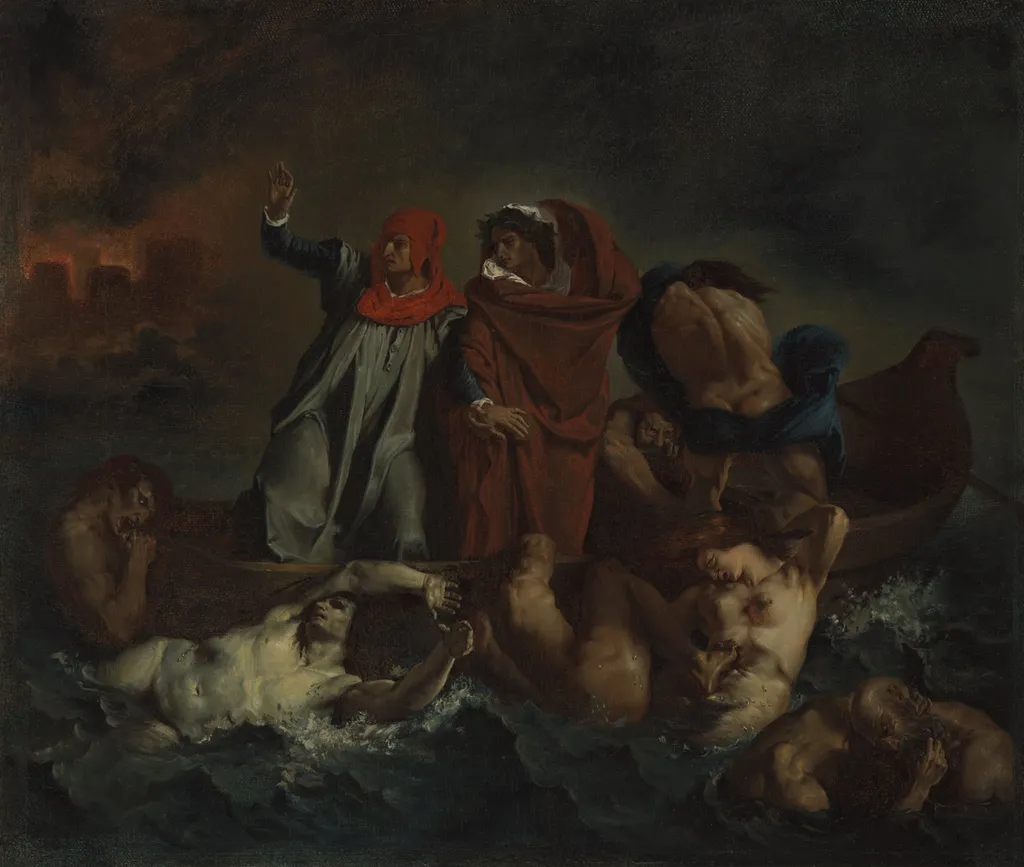
Dante's Bark is an oil painting by the Romanticist artist After Eugène Delacroix. It dates from 1850 and is held in the collection of the Art Institute of Chicago.
About this work
Overview
An oil painting on canvas dated around 1850, Dante's Bark is attributed to an artist working after Eugène Delacroix. It depicts a fragile vessel caught in turbulent seas, carrying a group of shadowed figures. The work resides in the collection of the Art Institute of Chicago, where its expressive brushwork and emotional intensity distinguish it from more polished contemporaries.
Subject & Meaning
The scene illustrates a moment from Dante’s Inferno, in which the souls of the damned are ferried across the river Acheron by Charon. The figures huddle in fear, their forms blurred by motion and shadow, conveying desperation and spiritual peril. The stormy sea amplifies the sense of inevitable doom, reflecting the moral chaos of the afterlife as envisioned in medieval literature.
Technique & Style
The painting emulates Delacroix’s vigorous handling of paint, with thick, uneven strokes that suggest urgency rather than refinement. Surface texture is deliberately rough, particularly in the churning waves and darkened figures, creating a tactile tension. Unlike Delacroix’s fluid dynamism, this version feels constrained, as if the artist struggled to capture the same emotional force.
History & Provenance
The painting entered the Art Institute of Chicago’s collection in the late 19th or early 20th century, though its exact origin before that remains undocumented. It is not signed and was likely produced by a student or follower of Delacroix, possibly in a studio setting. Its attribution as 'after Delacroix' reflects uncertainty about the hand behind it, yet it retains significant expressive power.
Context
Delacroix’s influence extended beyond his own works, inspiring copies and reinterpretations by lesser-known artists.
In mid-19th-century France, Romanticism emphasized emotional intensity and dramatic subject matter. Delacroix’s influence extended beyond his own works, inspiring copies and reinterpretations by lesser-known artists. This painting reflects that broader cultural moment, where literary themes from Dante were reimagined through the lens of Romantic visual language, even if executed with less technical mastery.
Legacy
Though not widely exhibited or studied, Dante's Bark offers insight into how Delacroix’s style was absorbed and adapted by contemporaries. Its raw, unpolished quality reveals the challenges faced by artists attempting to channel his energy. Today, it stands as a quiet testament to the reach of Romantic ideals beyond the most celebrated names of the era.
Own this work as a print
Artist & collection

 Dante ja Vergilius manalassa, kopio Eugene Delacroixin mukaan
 The Barque of Dante
 Dante and Vergil
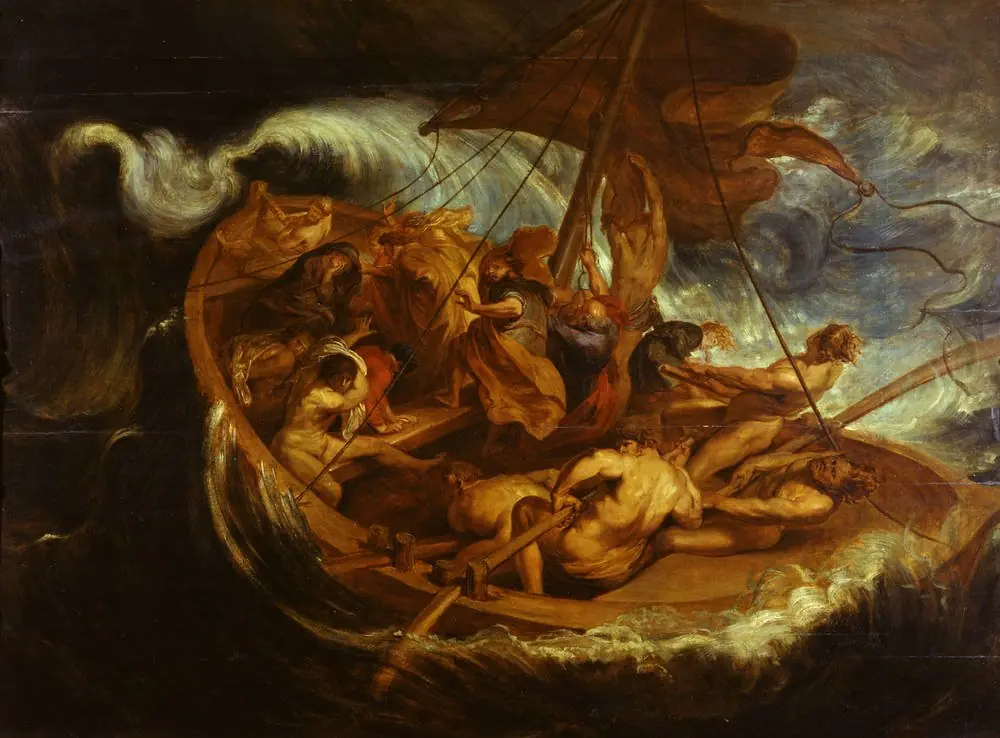 Christ on the Sea of Galilee
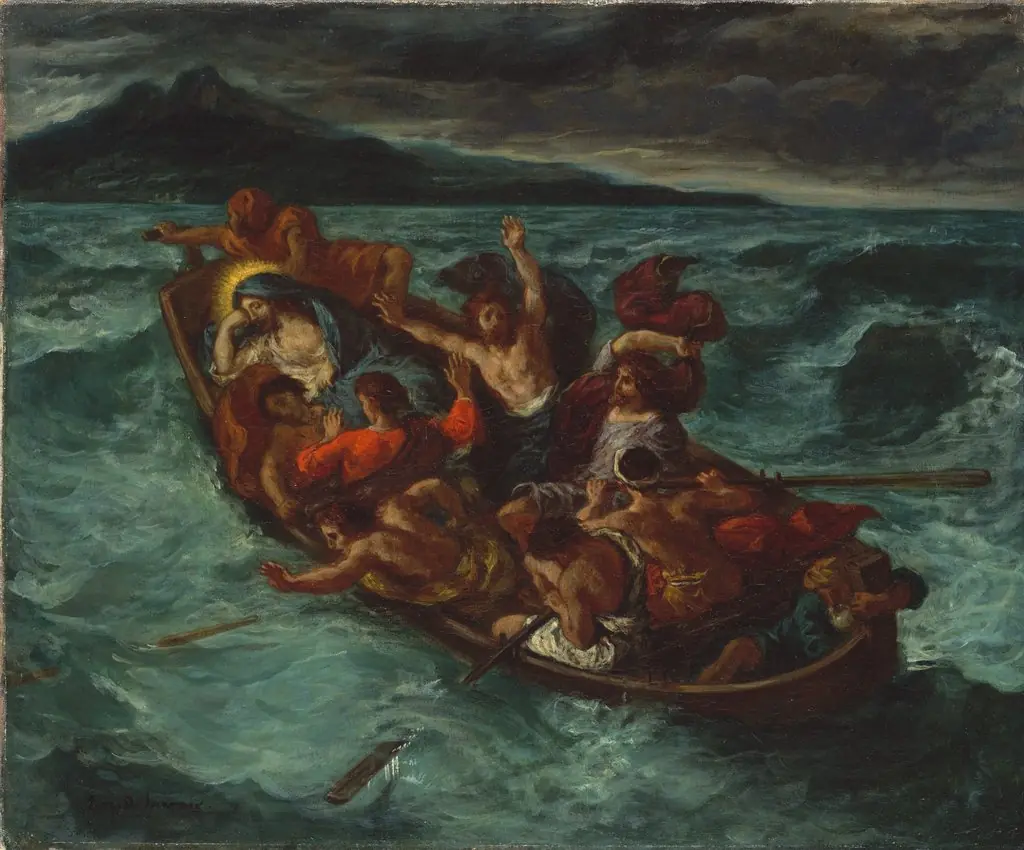 Christ Asleep during the Tempest
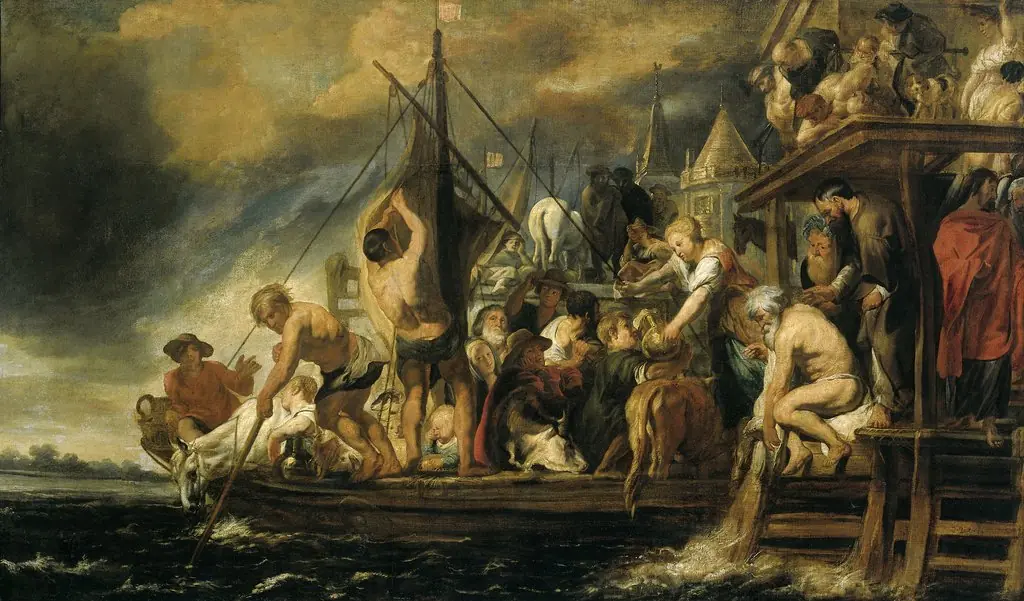 The Tribute Money - Peter Finding the Silver Coin in the Mouth of the Fish
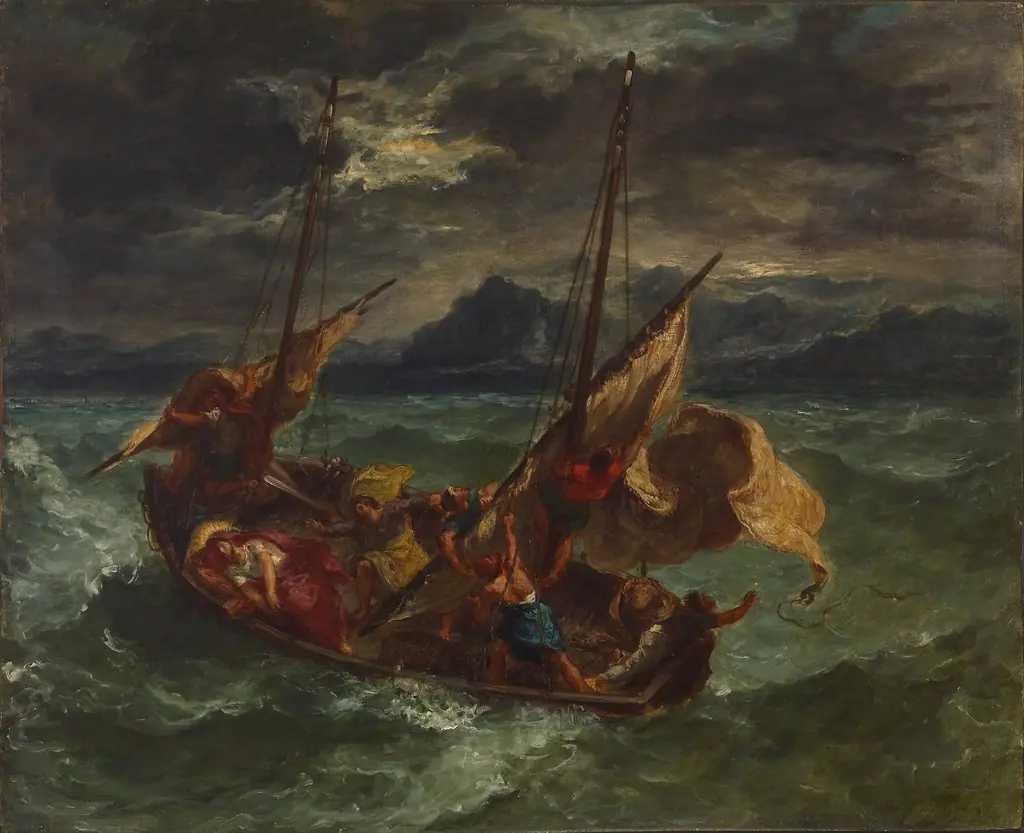 Christ on the Sea of Galilee
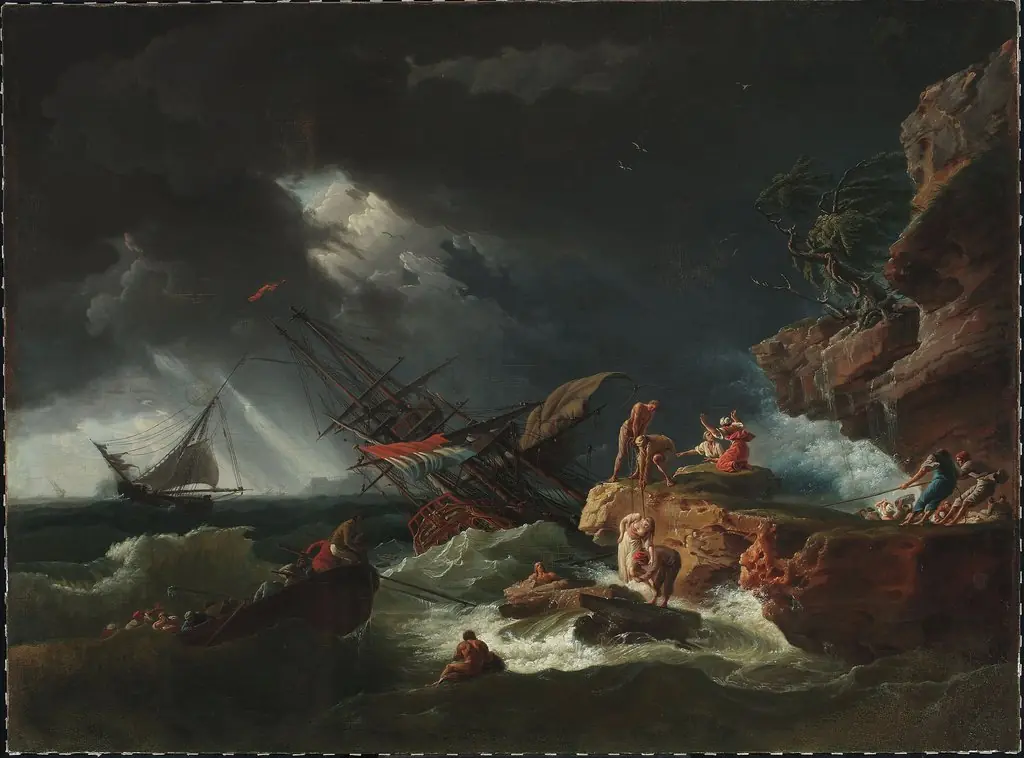 Castaways on the sea
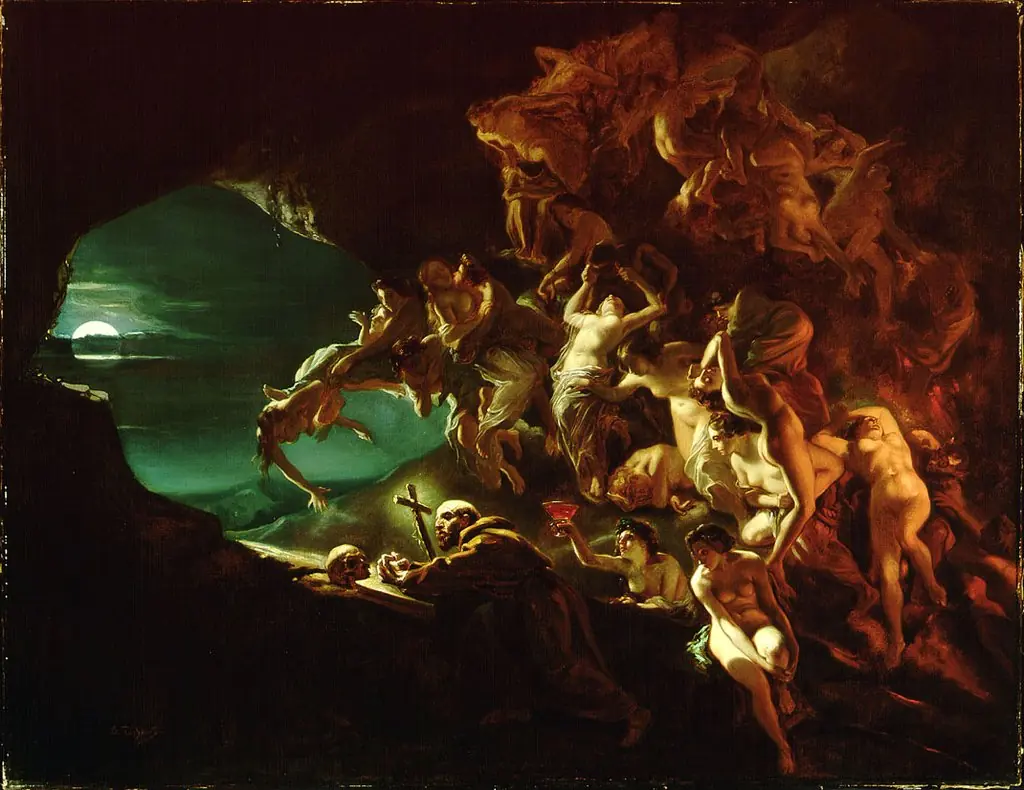 Temptation of Saint Hilarion
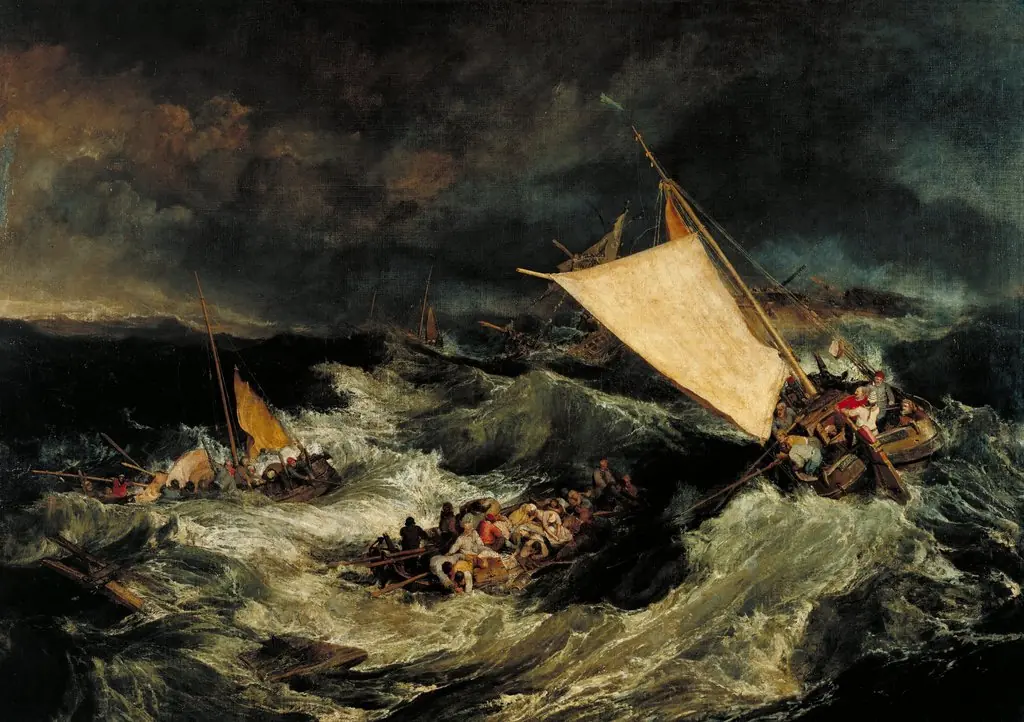 The Shipwreck
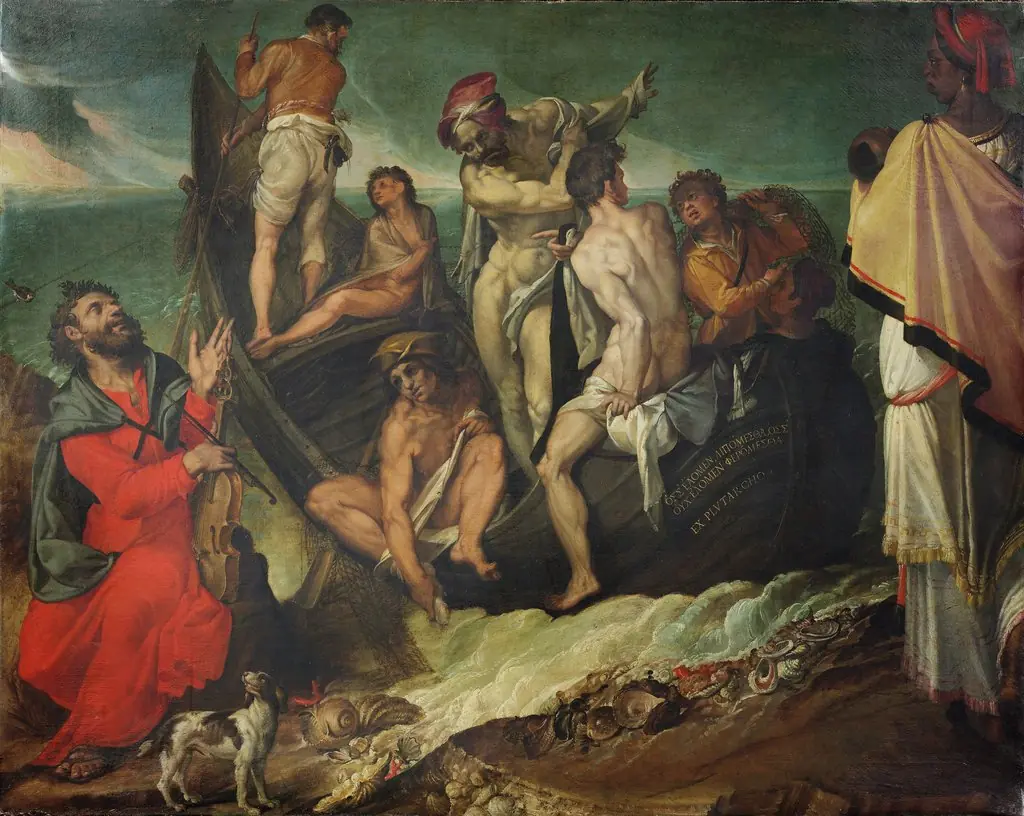 Homer’s Riddle
 Dante's Bark