Artwork
Las griegas de los dados
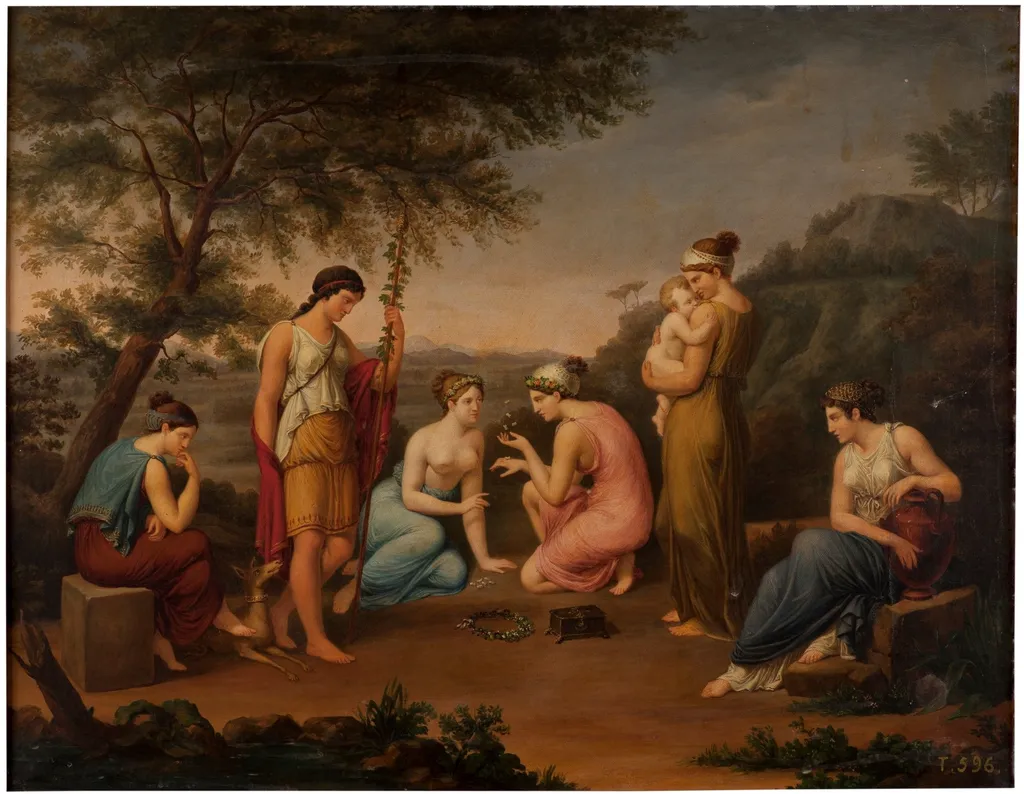
Las griegas de los dados is an oil painting by Agapito López de San Román. It dates from 1830 and is held in the collection of the Museo del Prado.
About this work
Overview
Painted in 1830 by Agapito López de San Román, this oil work is part of the Museo del Prado’s collection. It portrays a quiet group of women and an infant in an open, natural landscape. The composition emphasizes stillness and introspection, with figures arranged around a small, dark object on the ground, their expressions subdued and attentive.
Subject & Meaning
The figures, dressed in draped garments and one holding a staff with leafy ornamentation, suggest a ritual or symbolic gathering.
The figures, dressed in draped garments and one holding a staff with leafy ornamentation, suggest a ritual or symbolic gathering. The presence of the infant and the enclosed box imply themes of lineage, protection, or hidden knowledge. Their calm demeanor and shared focus on the object convey a moment of private significance, though its exact nature remains unexplained, leaving interpretation open.
Technique & Style
López de San Román employs soft, warm tones and diffused light to cultivate a tranquil atmosphere. Brushwork is gentle, with smooth transitions between forms and a muted palette that enhances the scene’s serenity. The background blends trees and distant mountains into a hazy horizon, reinforcing the sense of quiet isolation and timelessness.
History & Provenance
The painting entered the Museo del Prado’s holdings in the 19th century, likely through state acquisition or donation. Its attribution to López de San Román is documented in museum records, though little is known about its early ownership or exhibition history prior to its inclusion in the national collection.
Context
Created during a period of Spanish artistic transition, the work reflects lingering neoclassical influences and an emerging interest in intimate, lyrical scenes. While not aligned with major historical or religious narratives, it aligns with contemporary trends favoring domestic or symbolic moments in nature, often infused with poetic ambiguity.
Legacy
The painting remains a quiet example of early 19th-century Spanish genre painting, valued for its emotional restraint and atmospheric harmony. It contributes to the understanding of lesser-known artists who explored contemplative themes outside the dominant academic traditions of the era.
Own this work as a print
Artist & collection
Artist
Spanish customs clerk Agapito López de San Román put brush to canvas in the early 1800s.

 The Sorrow of Telemachus
 Telemachus and the Nymphs of Calypso
 Perseus and the Nymphs
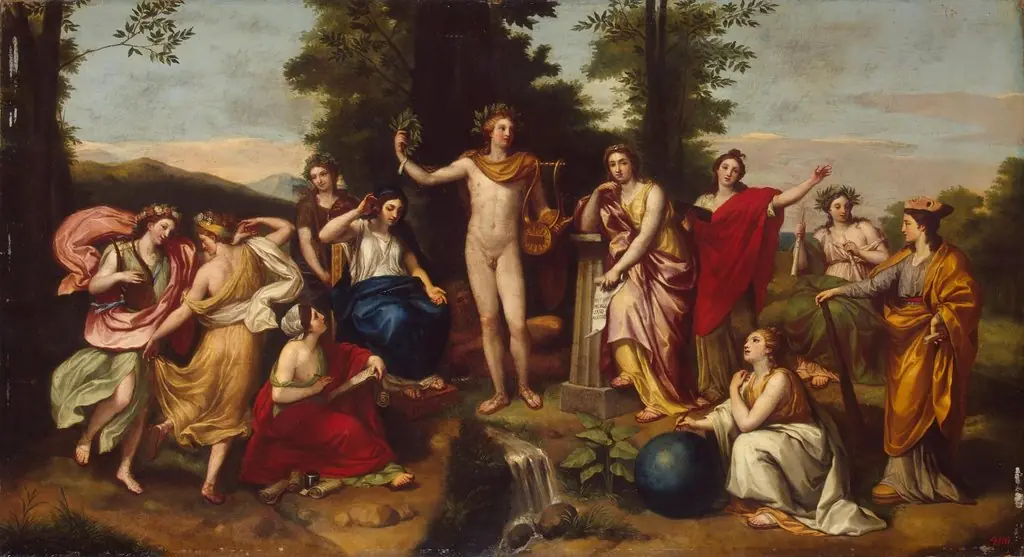 Parnassus
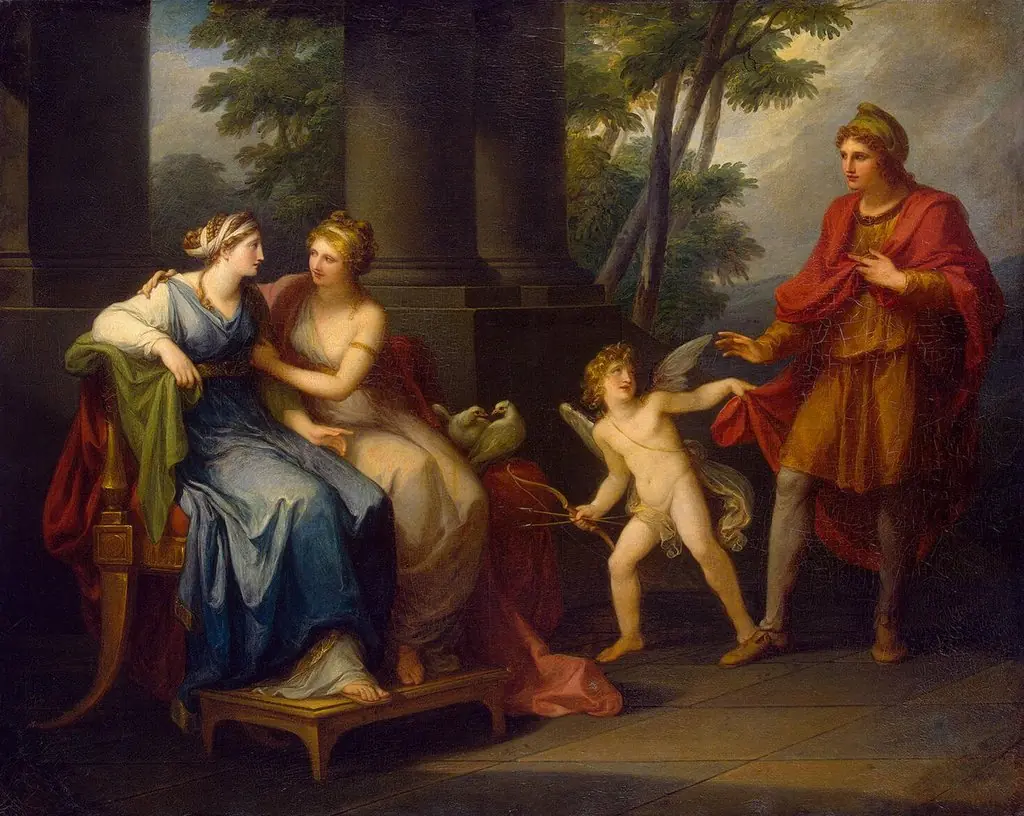 Venus Induces Helen to Fall in Love with Paris
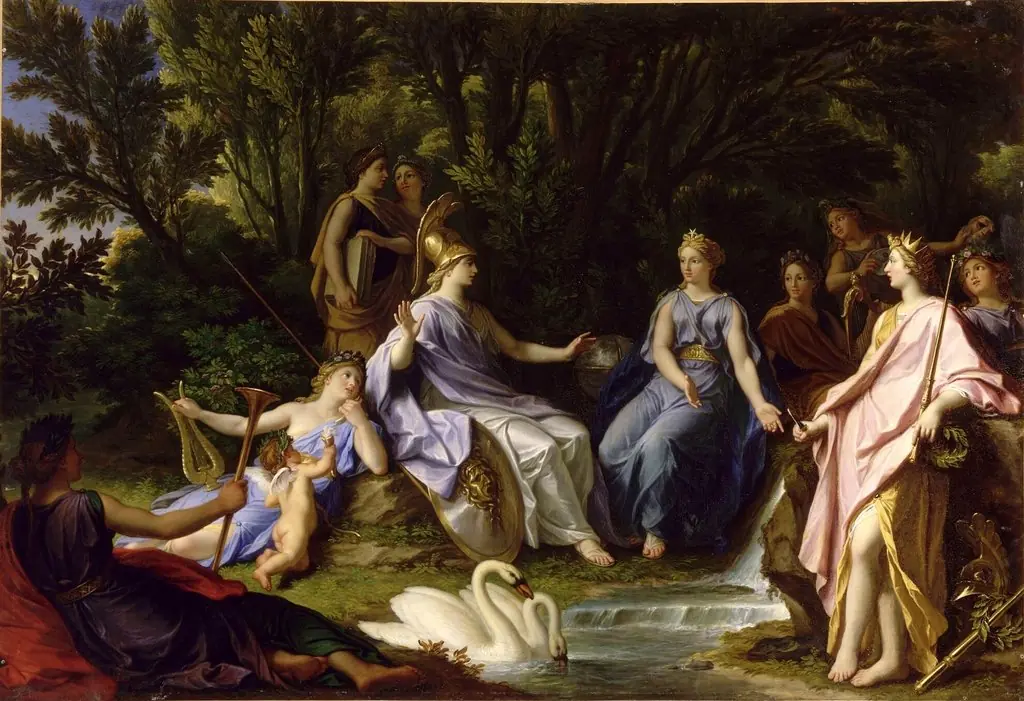 Story of Minerva - The Muses Showing Minerva Hippocrene Waters of the River that Brings Out Pegasus
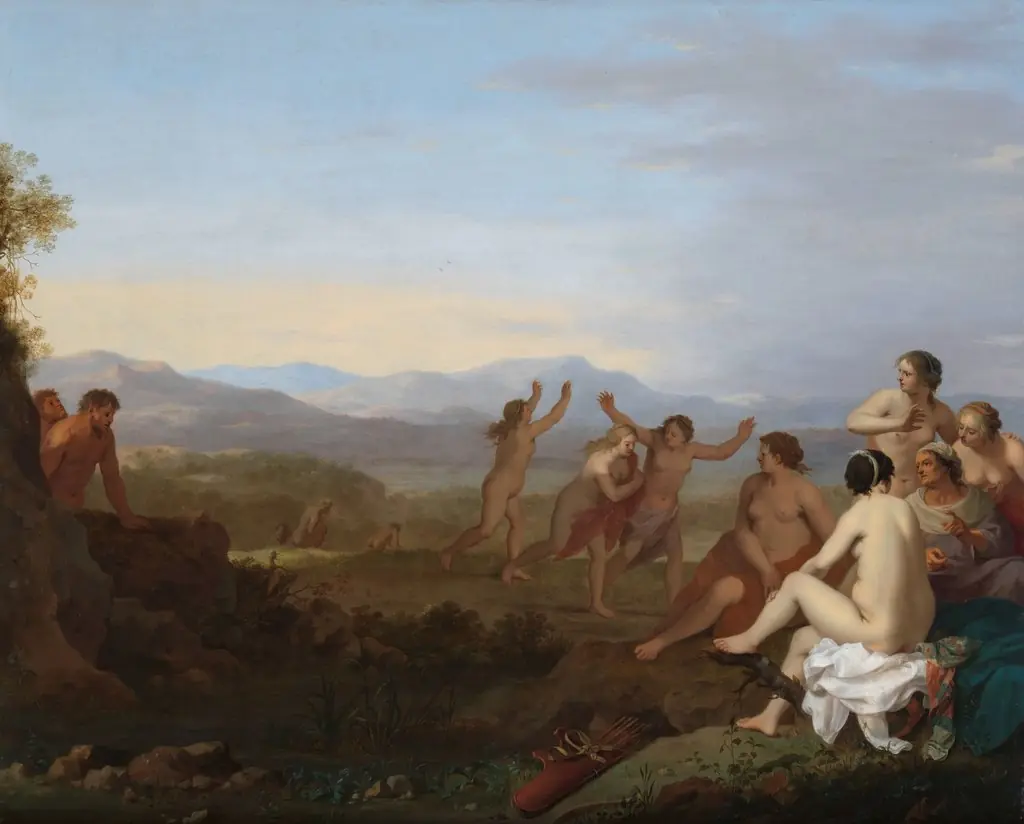 Satyrs Spying on Nymphs
 Hector Calling Up Paris to a Battle
 Telemachus, Urged by Mentor, Leaving the Island of Calypso
 Diana's judgement of the nymph Callisto
 Innocence Preferring Love to Wealth
 Chloe
Chloe