Artwork
Parnassus
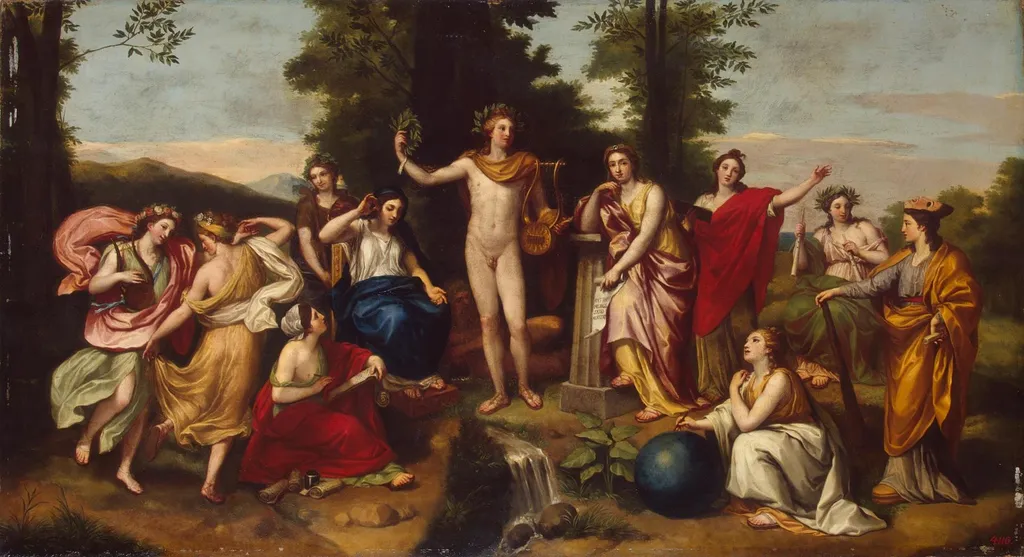
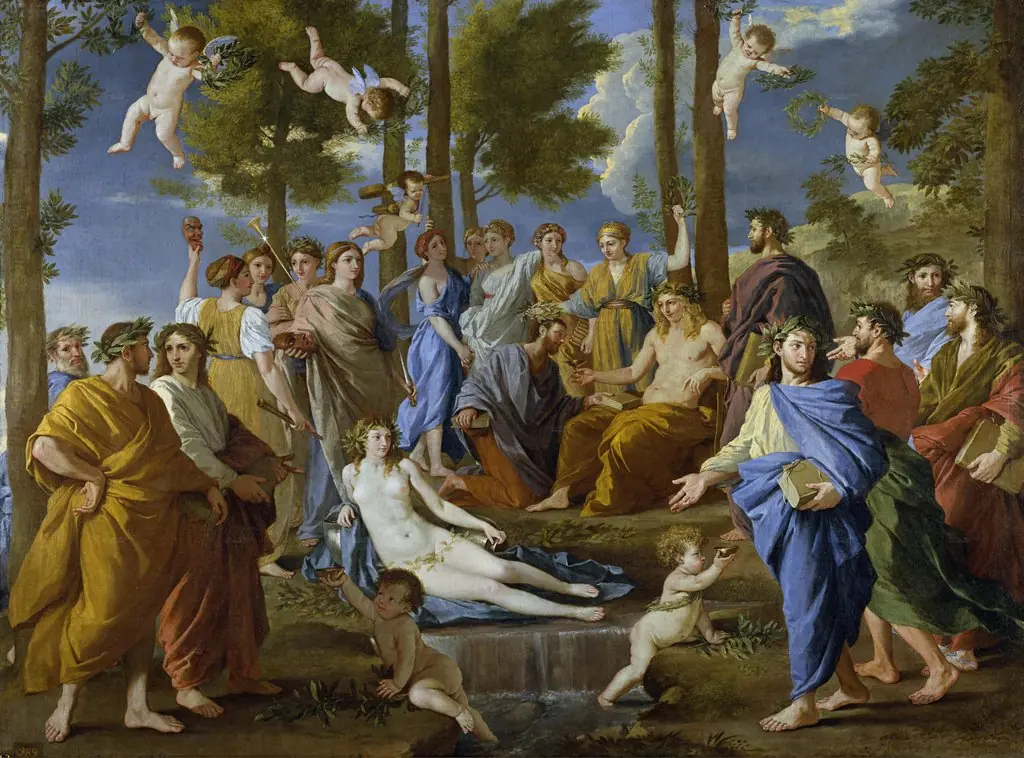
Parnassus is an oil painting by the Neoclassicist artist Anton Raphael Mengs. It dates from 1750 and is held in the collection of the Hermitage Museum.
About this work
Overview
Parnassus is a painted panel on wood, dated around 1750, by the German-born artist Anton Raphael Mengs. It is currently part of the collection at the State Hermitage Museum in Saint Petersburg. The work reflects Mengs’s engagement with classical themes during the early phase of Neoclassicism, before the movement fully crystallized in the late 18th century.
Subject & Meaning
The painting depicts Mount Parnassus, the mythological home of Apollo and the Muses, as a gathering of poets, musicians, and philosophers under divine inspiration. Apollo, central and radiant, presides over figures representing literary and artistic achievement, symbolizing the harmony between reason, beauty, and creative expression valued in Enlightenment thought.
Technique & Style
Mengs employed precise draftsmanship and restrained color to emulate the clarity of ancient sculpture and Renaissance ideals. The figures are arranged in a balanced, frieze-like composition, with smooth modeling and minimal chiaroscuro. The wood panel supports fine detail, reflecting his training in Rome and his rejection of Baroque excess in favor of classical restraint.
History & Provenance
Commissioned during Mengs’s time in Rome, the painting entered the Russian imperial collection in the late 18th century, likely through the acquisition efforts of Catherine the Great. It was transferred to the Hermitage Museum upon its formal establishment and has remained there since, preserved as an early example of Neoclassical ideals in Northern Europe.
Context
Created amid intellectual circles in Rome that revered antiquity, Parnassus responds to the growing scholarly interest in classical culture and the critique of Rococo frivolity. Mengs’s work aligned with contemporaries like Winckelmann, who advocated a return to the purity of ancient art, positioning this painting as a visual manifesto for emerging Neoclassical aesthetics.
Legacy
Though less widely known than later Neoclassical works, Parnassus influenced artists and theorists seeking to redefine painting through classical discipline. Its presence in the Hermitage helped disseminate Mengs’s ideas across Northern Europe, contributing to the broader shift away from ornamental styles toward structured, intellectually grounded composition.
Artist & collection


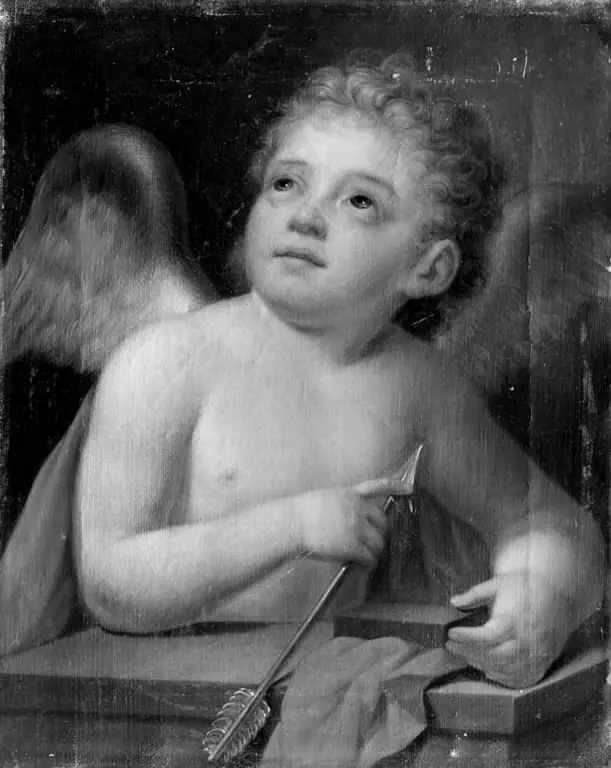
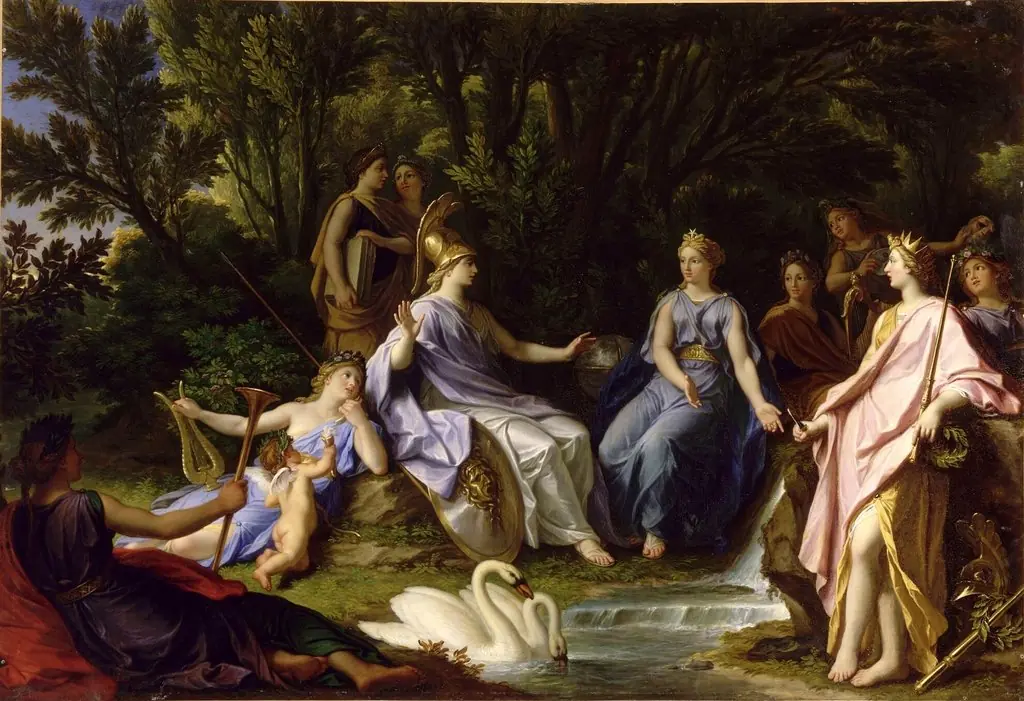 Story of Minerva - The Muses Showing Minerva Hippocrene Waters of the River that Brings Out Pegasus
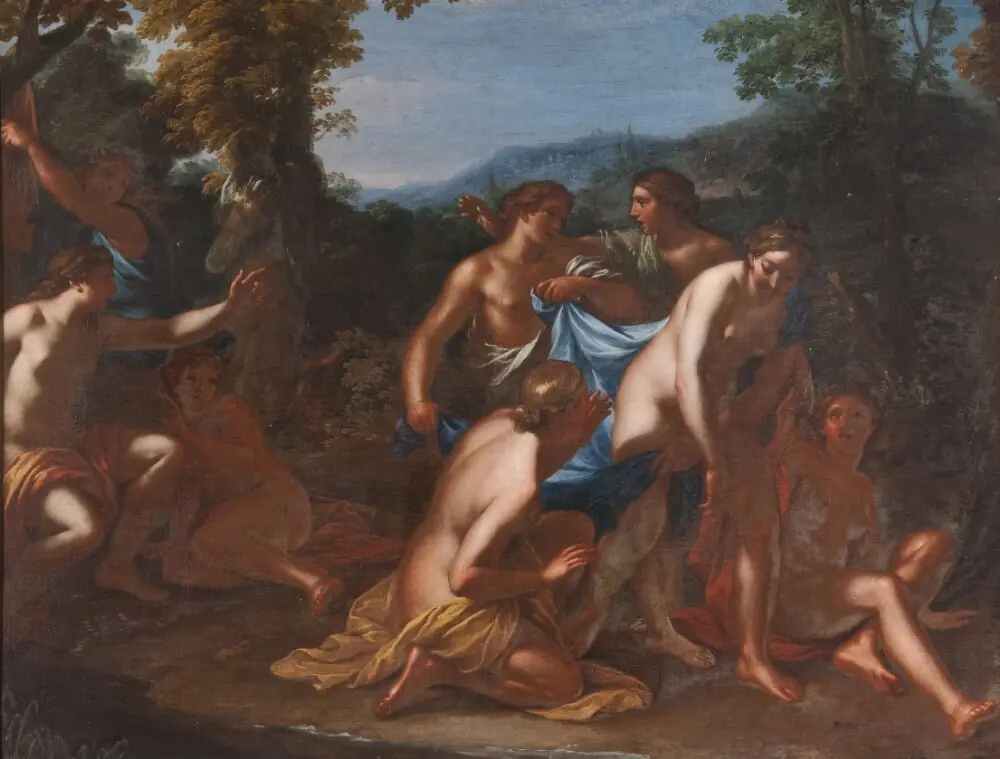 Diana and Callisto with Nymphs
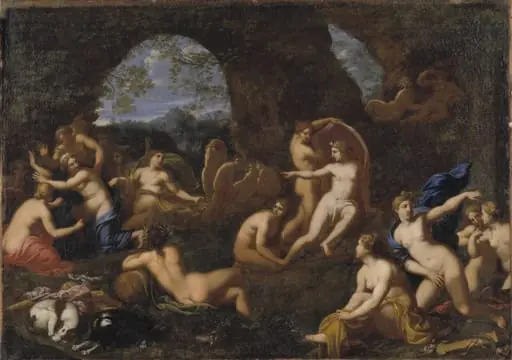 Diana and Callisto
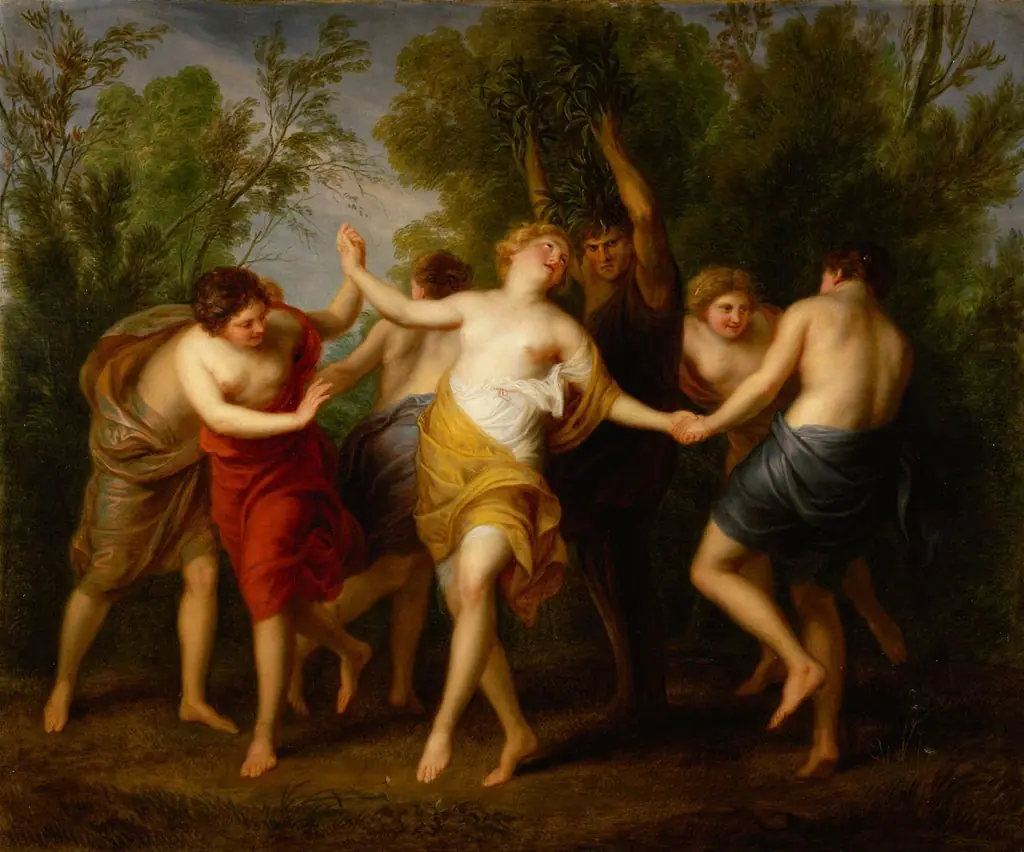 Verwandlung des Apulus in einen Ölbaum
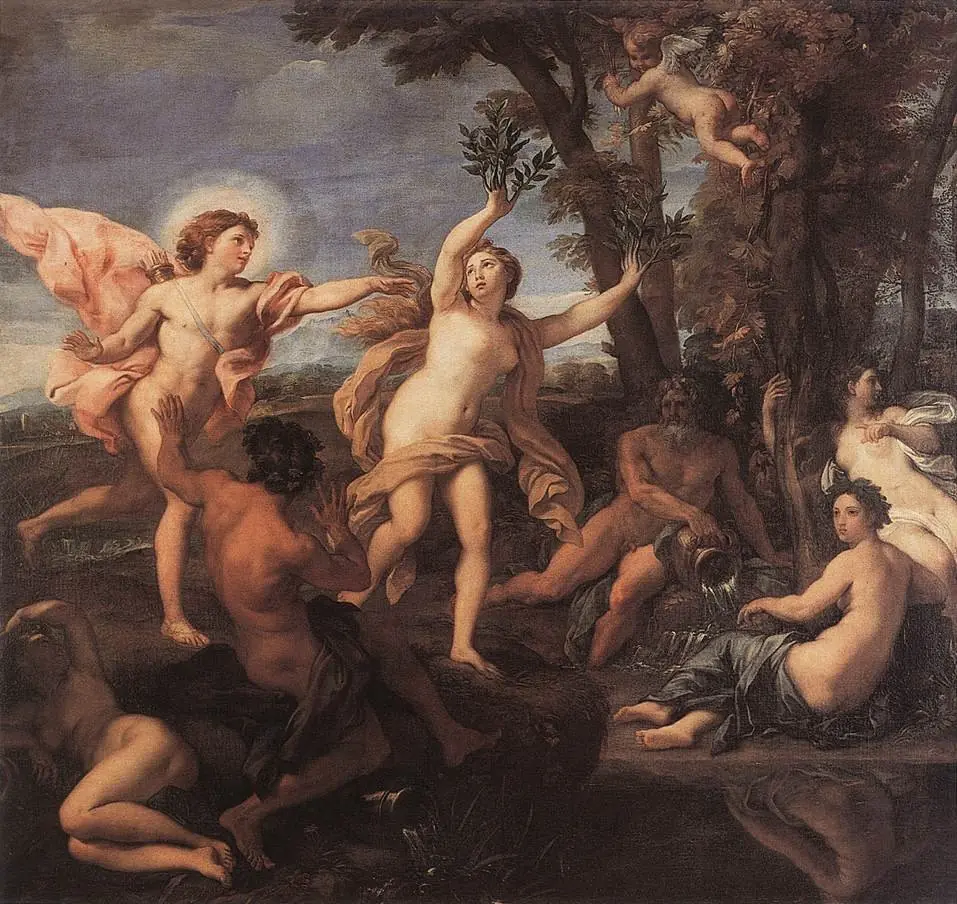 Apollo Chasing Daphne
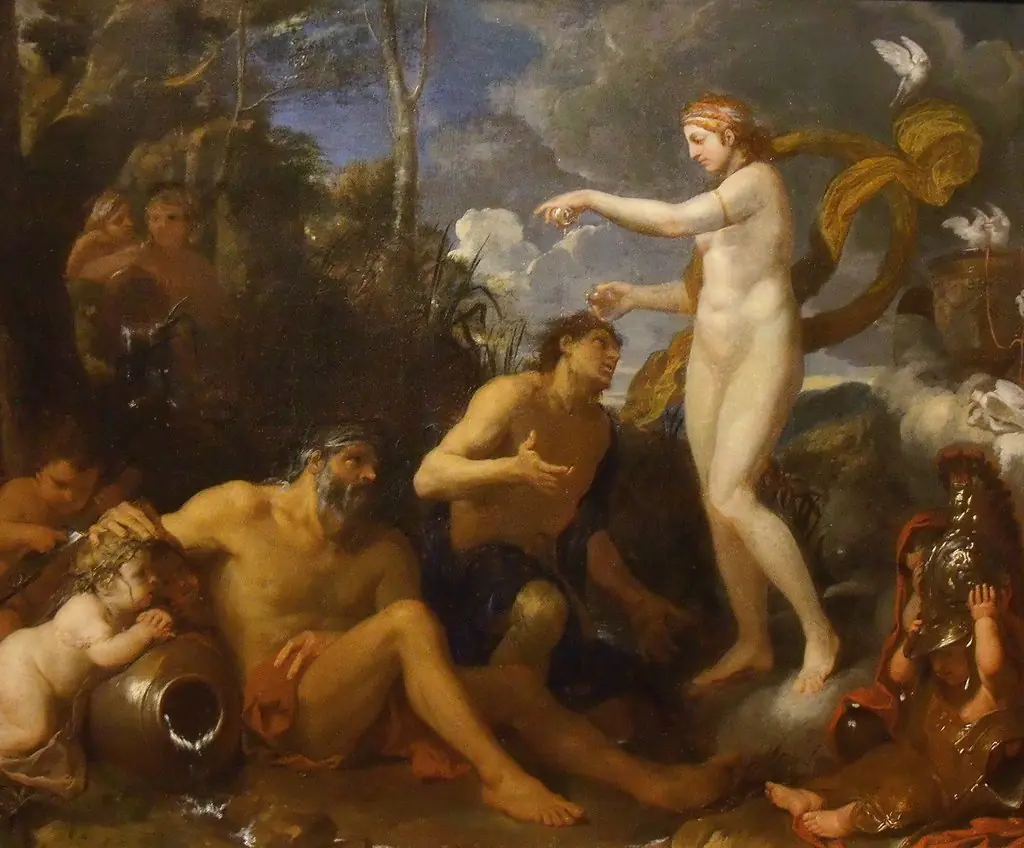 The deification of Aeneas
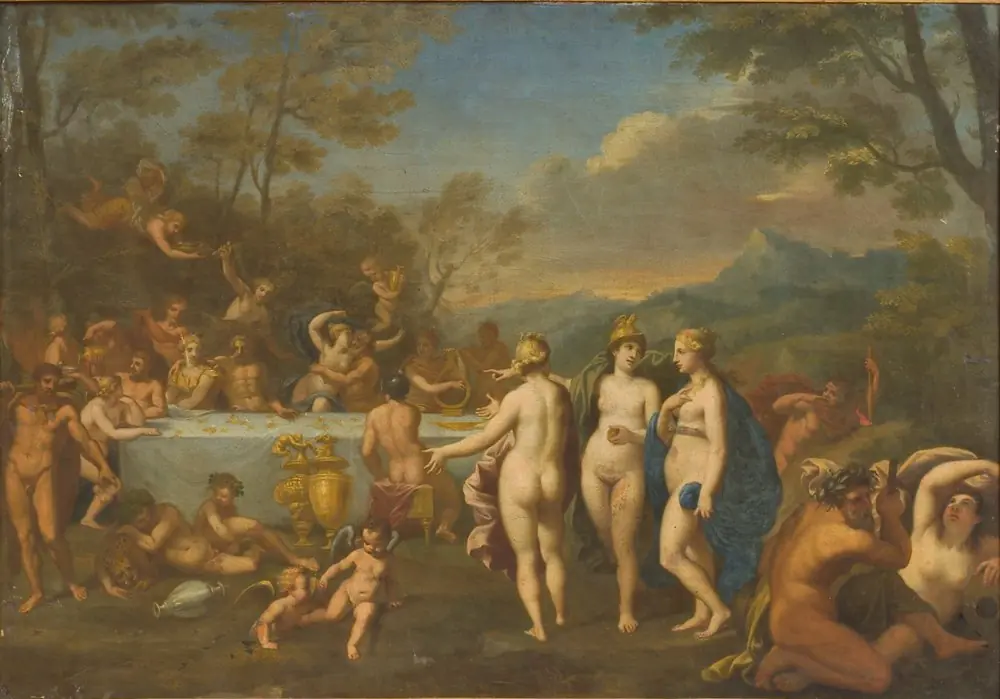 A Gathering of Gods
 Diana and her Nymphs
 Las griegas de los dados
 The toilet of Venus
 Autumn
 Parnassus