Artwork
Kullervo Sets off for Battle
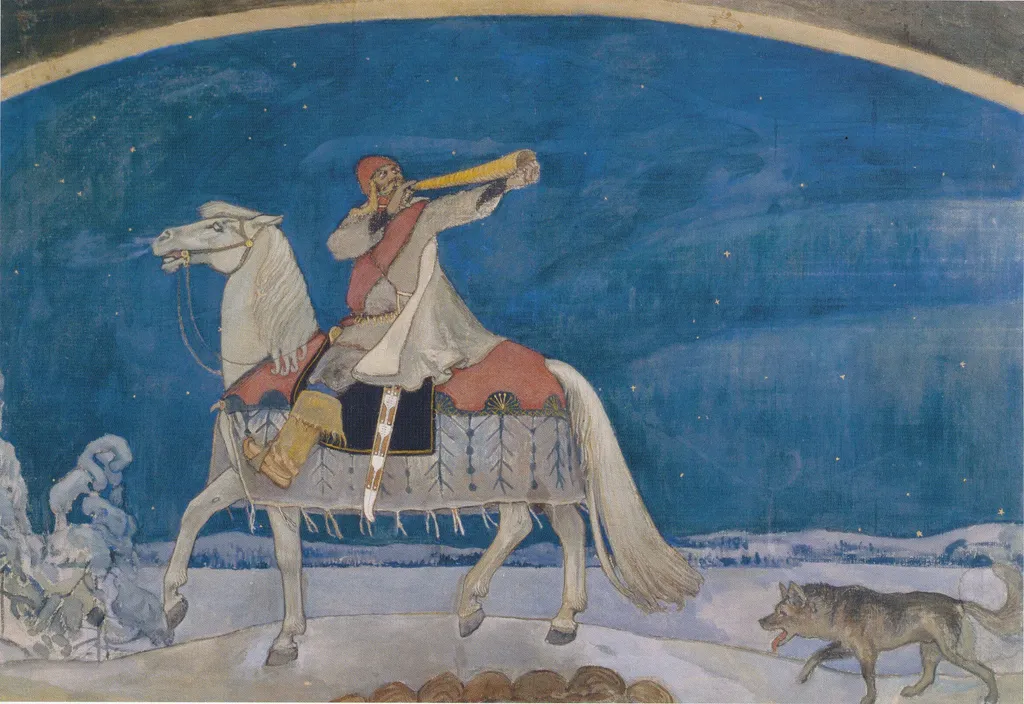
Kullervo Sets off for Battle is a tempera painting by the Post-Impressionist artist Akseli Gallen-Kallela. It dates from 1901 and is held in the collection of the Finnish National Gallery.
About this work
Overview
Kullervo Sets off for Battle is a 1901 tempera painting by Akseli Gallen-Kallela, characterized by its post-impressionist style with symbolist and national-romantic elements.
Subject & Meaning
The painting depicts a scene from the Kalevala, Finland's national epic, featuring Kullervo riding a white horse into battle. His attire, including a white coat, red hat, and yellow boots, and the horse's red and white blanket, convey a sense of Finnish cultural identity.
Technique & Style
Executed in tempera, the work exhibits a distinctive texture. Gallen-Kallela's composition combines vivid, symbolic colors (notably the dark blue night sky with stars and snowy landscape) with a dreamlike, national-romantic atmosphere.
History & Provenance
Created during Gallen-Kallela's period of stylistic shift towards symbolism and national romanticism in the late 19th and early 20th centuries, the painting is now part of the Ateneum collection in Finland.
Context
As a key figure in Finnish romantic nationalism, Gallen-Kallela drew heavily from the Kalevala to forge a unique Finnish visual identity, situating this work within a broader cultural movement to assert national heritage.
Legacy
While specific legacy details are not provided, the painting's themes and style contribute to Gallen-Kallela's influence on Finnish art and national identity, reflecting his importance in the country's artistic and cultural development.
Artist & collection
Artist
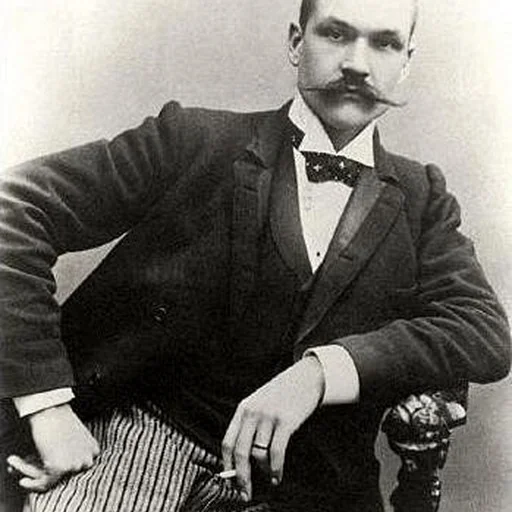
Akseli Gallen-Kallela (born Axel Waldemar Gallén; 26 April 1865 – 7 March 1931) was a Finnish painter and a leading figure of Finnish romantic nationalism around the turn of the 20th century.

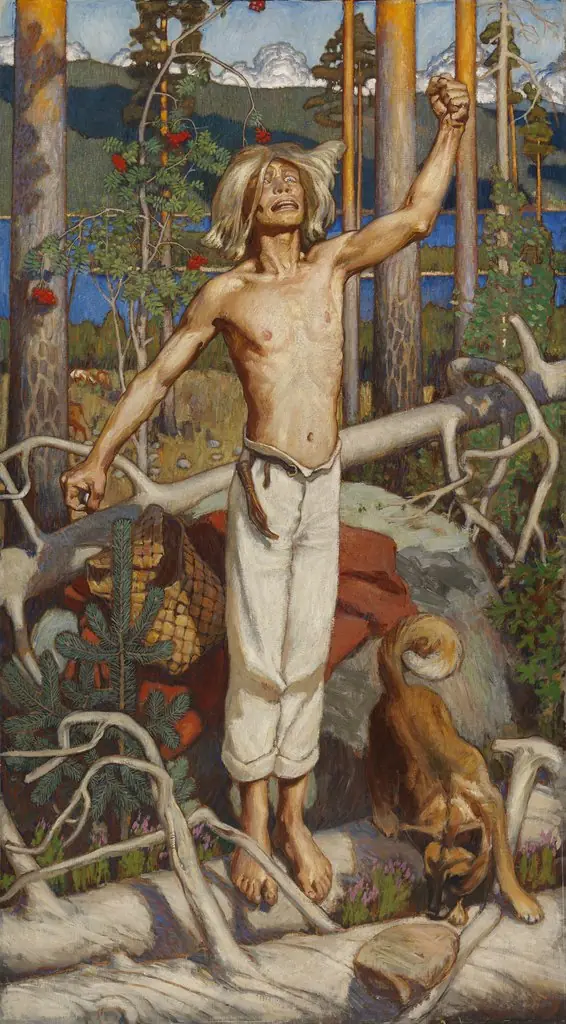
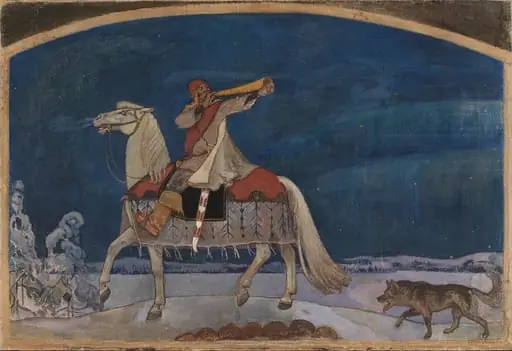 Kullervon sotaanlähtö
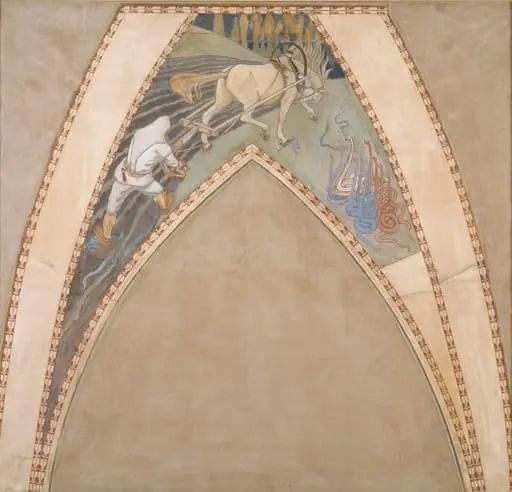 Ilmarinen kyntää kyisen pellon, luonnos Suomen
paviljongin kupolifreskoihin Pariisin vuoden
1900 maailmannäyttelyyn
Ilmarinen kyntää kyisen pellon, luonnos Suomen
paviljongin kupolifreskoihin Pariisin vuoden
1900 maailmannäyttelyyn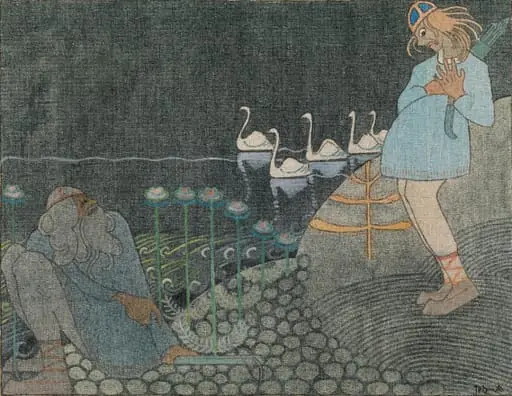 Lemminkäinen ja karjapaimen
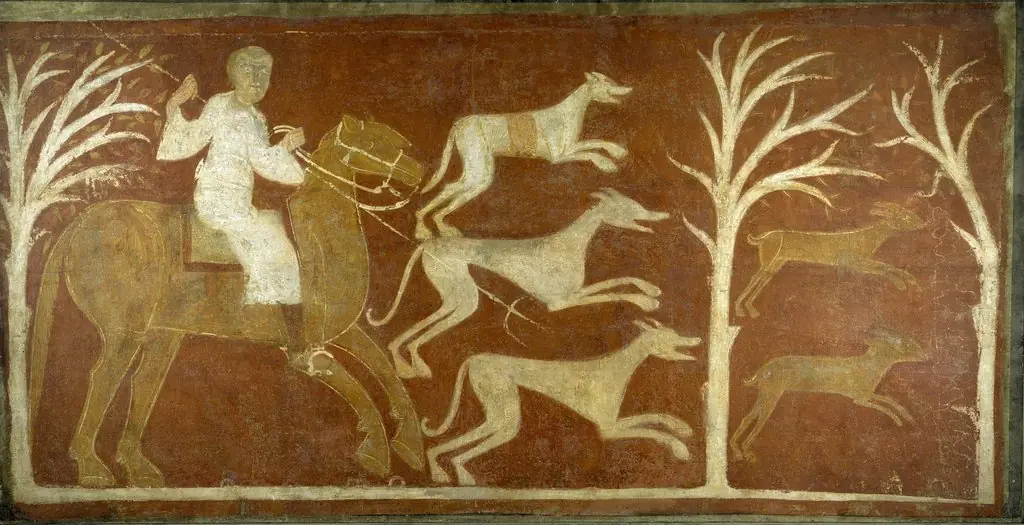 Hunting Scene
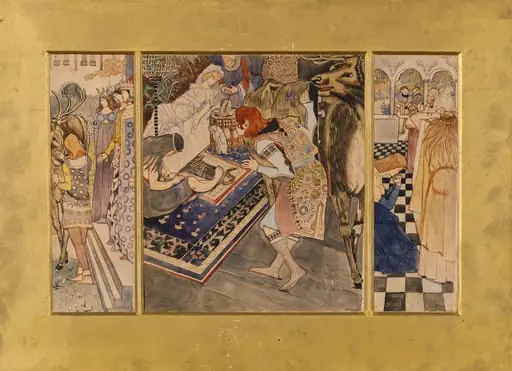 CERBUL DE AUR
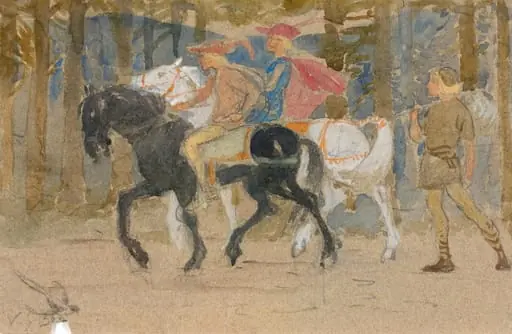 Satukuvitus prinsessa jäisellä vuorella
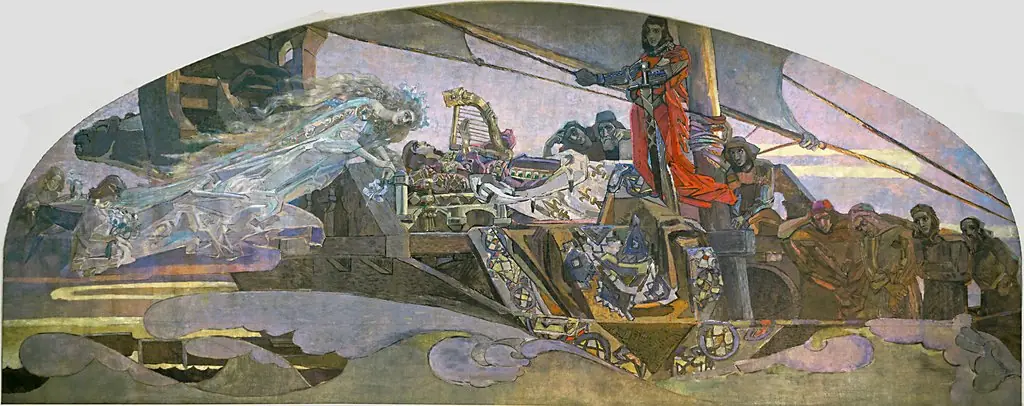 The Princess of the Dream
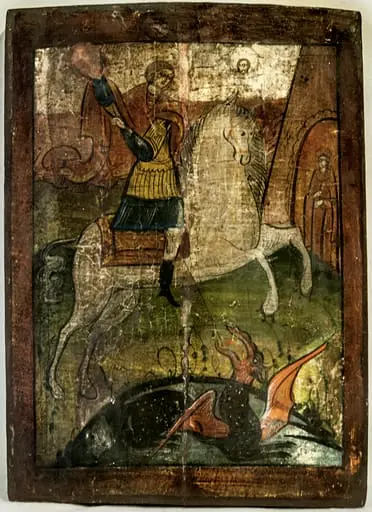 Tema iconografică este "Sfântul Gheorghe omorând balaurul". În prim plan, Sf. Gheorghe, în veșminte ostășești, călare pe un cal alb, cambrat, ridicat în două picioare, omoară balaurul plasat în registrul inferior. Veșmintele sfântului au o tentă țărănească(tunica albastră acoperită 3/4 de lorica argintie, pantaloni albi, cu motiv floral, cizme înalte. Calul are ambii ochi vizibili, coama bogată, coada în fuior. Partea dinspre privitor a ansamblului cal cu călăreț este supradimensionată, creând o impresie optică de înălțare a sfântului. În partea dreaptă, fata de împărat pe care o salvează sfântul, sub portalul palatului. privind scena. Veșminte lungi, simple, coroană împărătească. Înveșmântată în haine simple, lungi, cu coroană pe cap, privește scena cu brațele la piept. În colțul din stânga dreapta sus, Iisus Hristos așa cum apare pe sfântul Keramion. Nimbul cruciger. Balaurul plasat în registrul inferior asemănător unui grifon, corp diform, terminat cu o coadă în săgeată, aripile și capul roșii. Motiv mai elaborat decât în alte icoane unde redarea balaurului este minimizată. Compoziția este dinamică, chipurile expresive, gesturile bine realizate. Linia desenului variază, contribuind la efectul optic. Fondul foiței argintii(superior), relief din benzi late în tonuri de brun, brun roșcat, galben, alb, verde, cu elemente de vegetație. Bordura roșiatică lată, specifică icoanelor de tip krashnuska. Inscripție pe chenar, în partea superioară.
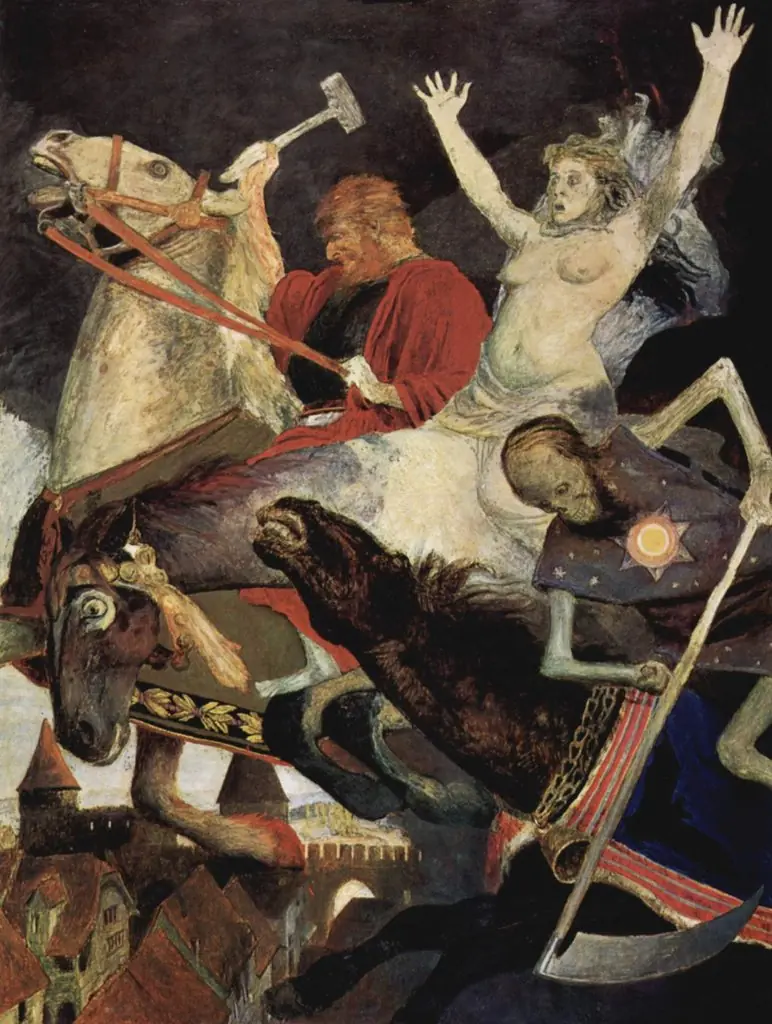 War
War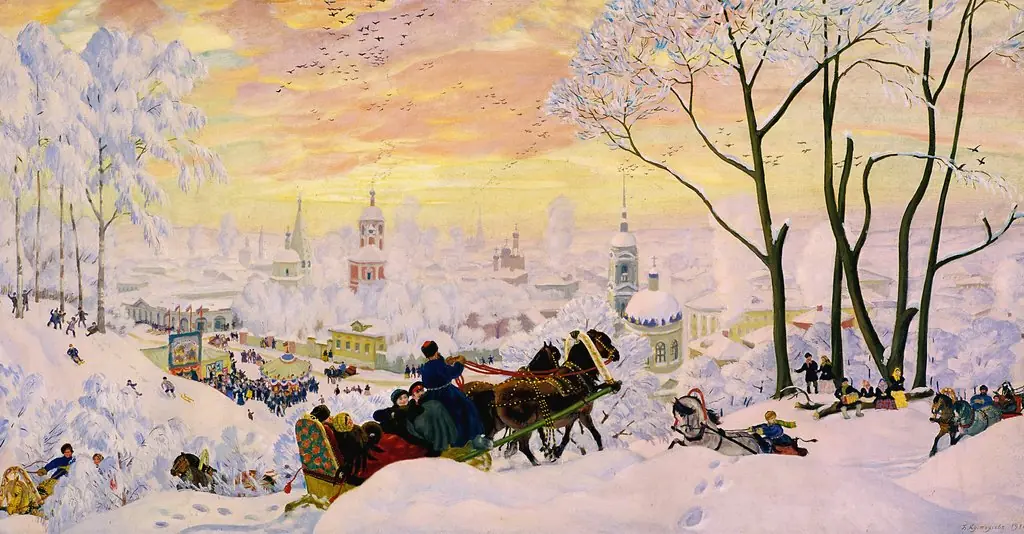 Pancake Week
 Children in the Forest
 Tam o' Shanter