Artwork
Ilmarinen kyntää kyisen pellon, luonnos Suomen paviljongin kupolifreskoihin Pariisin vuoden 1900 maailmannäyttelyyn
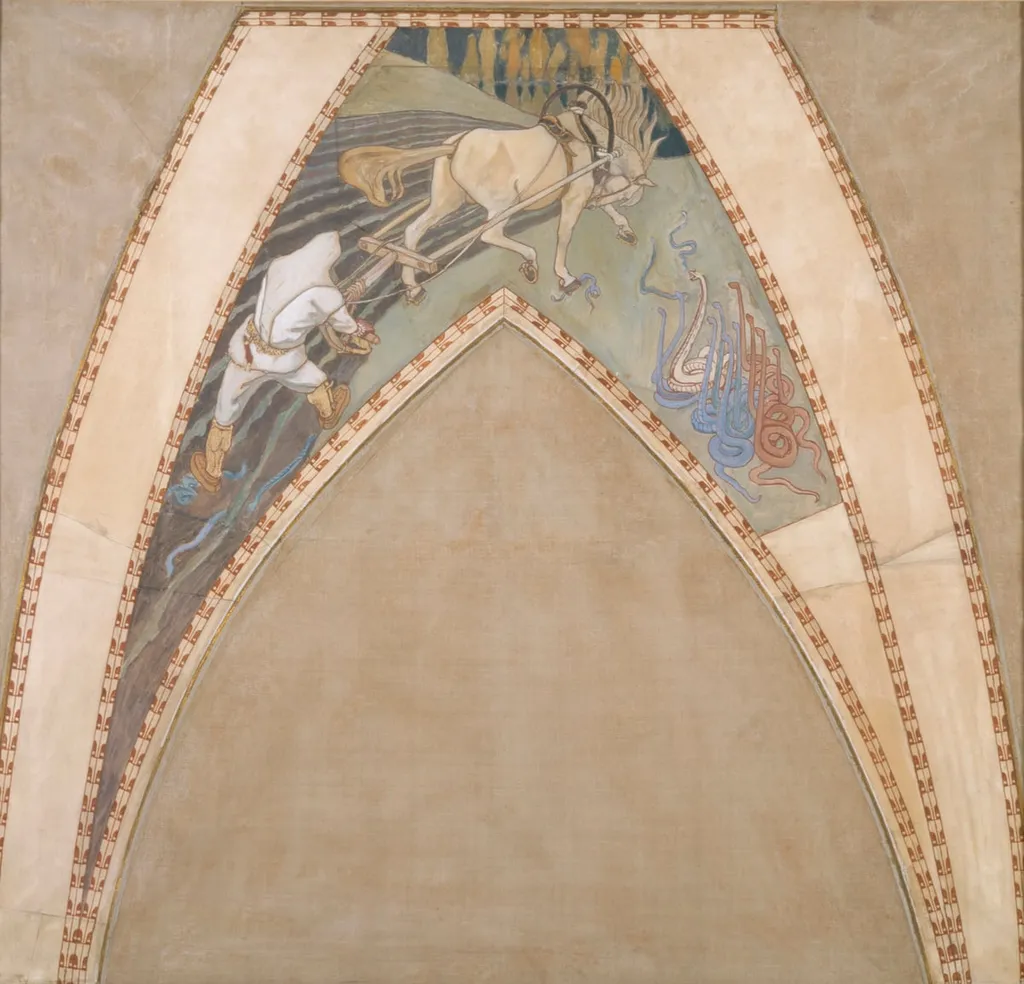
Ilmarinen kyntää kyisen pellon, luonnos Suomen paviljongin kupolifreskoihin Pariisin vuoden 1900 maailmannäyttelyyn is an unspecified work on paper by Akseli Gallen-Kallela. It is held in the collection of the Finnish National Gallery.
About this work
Overview
Akseli Gallen-Kallela created this preparatory study for the dome frescoes of the Finnish Pavilion at the 1900 Paris World’s Fair.
Akseli Gallen-Kallela created this preparatory study for the dome frescoes of the Finnish Pavilion at the 1900 Paris World’s Fair. The scene depicts Ilmarinen, a figure from Finnish mythology, plowing a field with a horse under a broad sky. Rendered in watercolor and gouache, the work combines transparency with opaque pigment to achieve a layered, earthy texture that bridges illustration and fine art.
Subject & Meaning
Ilmarinen, the mythical smith and creator from the Kalevala, is shown tilling the land—a symbolic act of shaping the natural world through labor and divine craft. The imagery connects Finnish national identity with ancient myth, framing agriculture as both practical and sacred. The quiet, expansive landscape reinforces themes of harmony between human effort and the land.
Technique & Style
Gallen-Kallela employed watercolor for its fluidity to suggest atmospheric depth and gouache for solid, opaque forms like the plow and horse. The interplay of washes and thick pigment creates a tactile surface, emphasizing texture over detail. His approach blends Symbolist sensibility with folk-inspired realism, avoiding idealization in favor of grounded, elemental forms.
History & Provenance
This study was made in preparation for the Finnish Pavilion’s ceiling frescoes at the 1900 Paris Exposition. Though the final murals were lost or destroyed, this sketch survives as a key document of Gallen-Kallela’s vision for national representation abroad. It reflects Finland’s cultural assertion during a period of increasing autonomy within the Russian Empire.
Context
At the turn of the century, Finland sought to define its cultural identity beyond imperial control. Gallen-Kallela’s use of Kalevala mythology in public art was part of a broader nationalist movement. The Paris exhibition offered a global stage, and this study reveals how myth was translated into visual language to communicate Finnish distinctiveness to international audiences.
Legacy
Though the completed frescoes no longer exist, this study remains a vital link to Gallen-Kallela’s monumental public works and the Finnish Symbolist tradition. It illustrates how mythological themes were adapted for modern national expression, influencing later generations of Finnish artists who sought to ground identity in indigenous lore and landscape.
Artist & collection
Artist
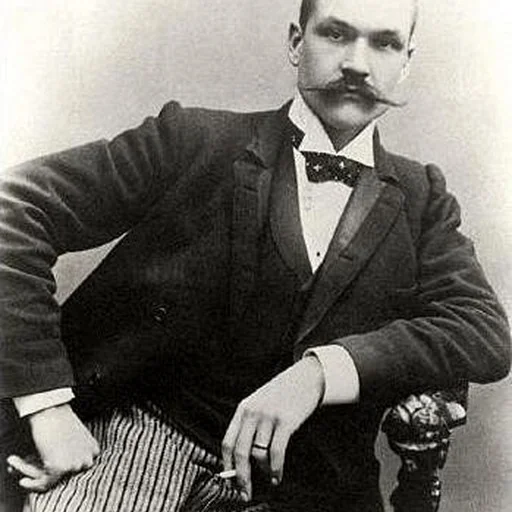
Akseli Gallen-Kallela (born Axel Waldemar Gallén; 26 April 1865 – 7 March 1931) was a Finnish painter and a leading figure of Finnish romantic nationalism around the turn of the 20th century.

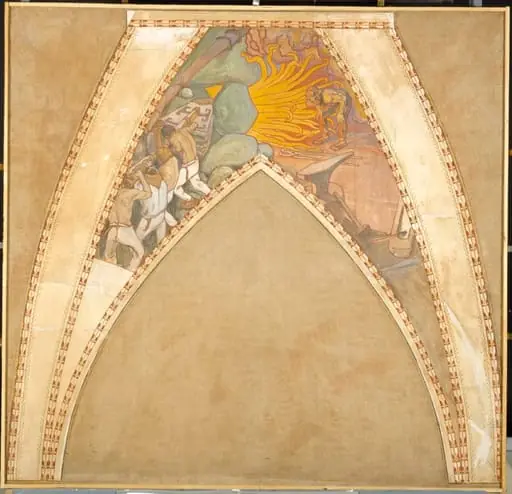 Sammon taonta, luonnos Suomen paviljongin kupolifreskoihin Pariisin vuoden 1900 maailmannäyttelyyn
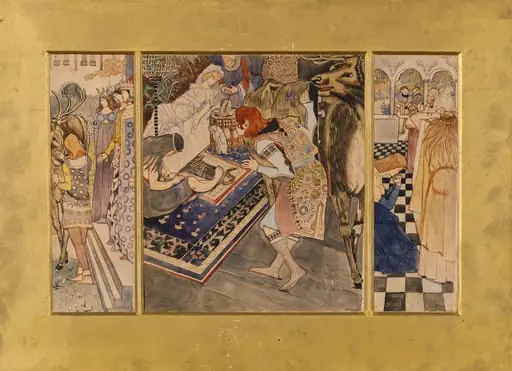 CERBUL DE AUR
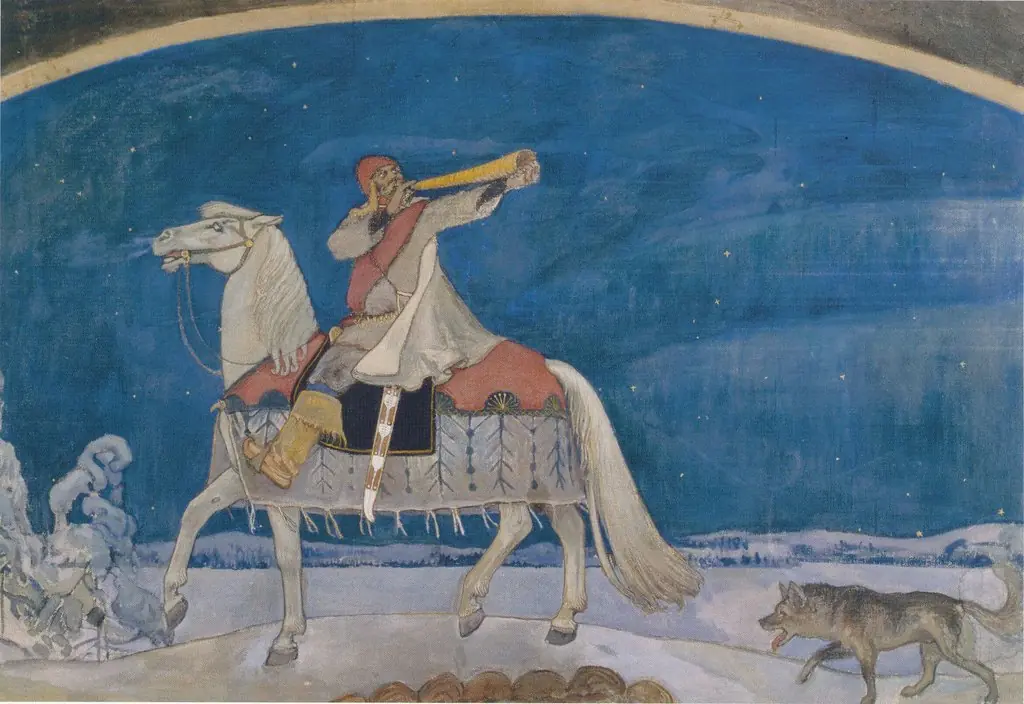 Kullervo Sets off for Battle
 Kullervon sotaanlähtö
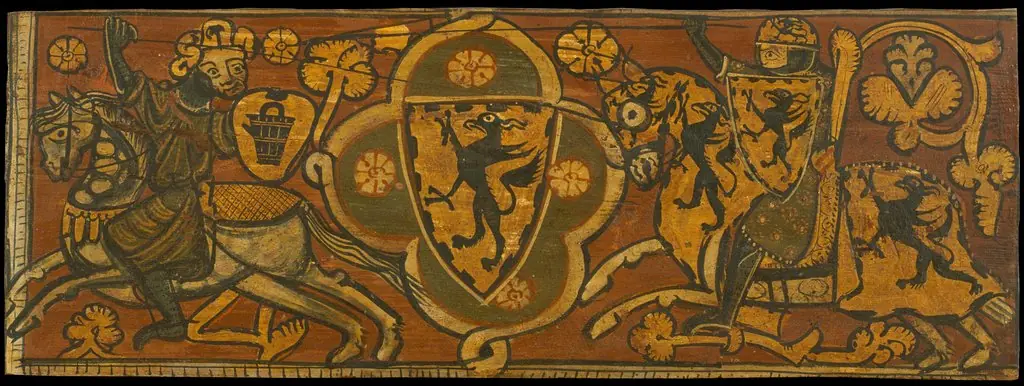 Coffered ceiling panel with a fight between a Christian knight and a Muslim
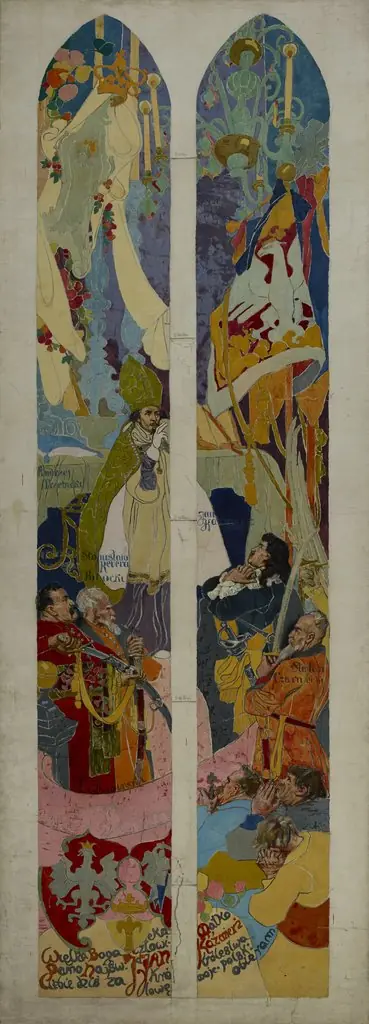 Vows of Jan Kazimierz
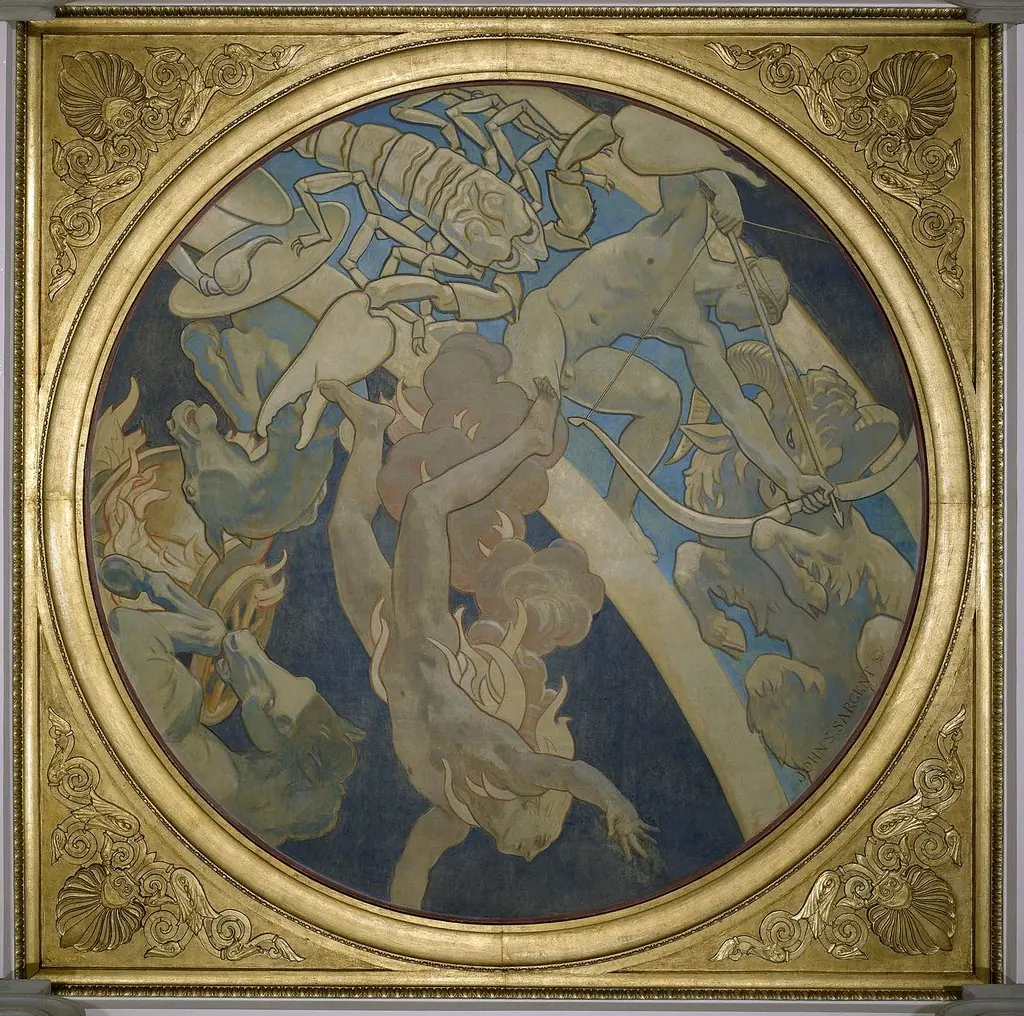 Phaethon
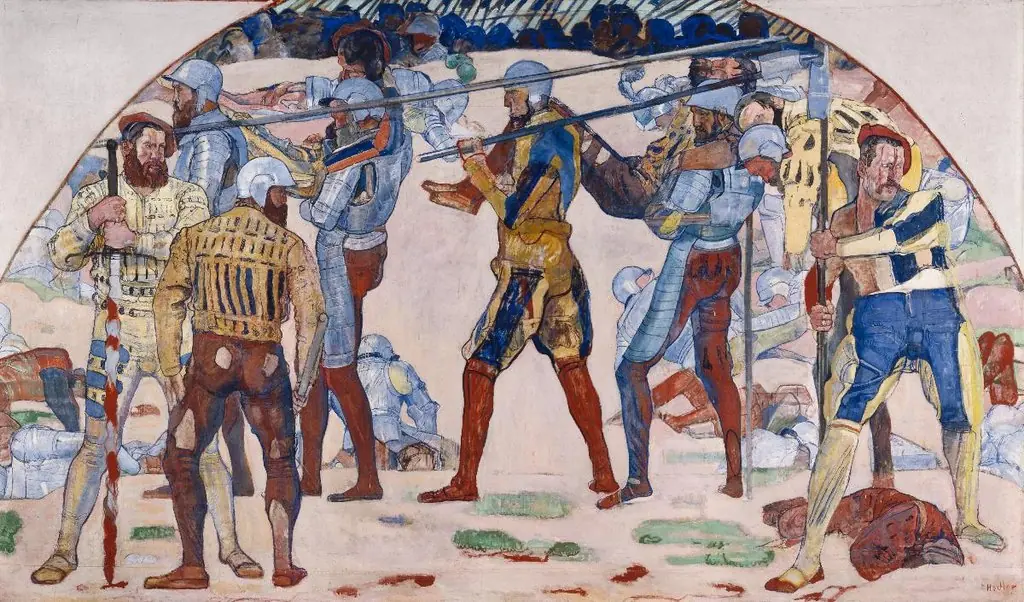 Rückzug von Marignano. Karton II
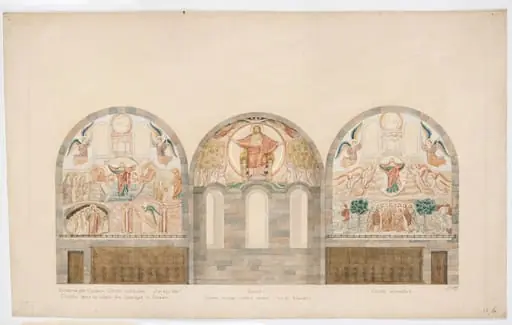 Udkast til freskerne i Viborg Domkirke. Koret
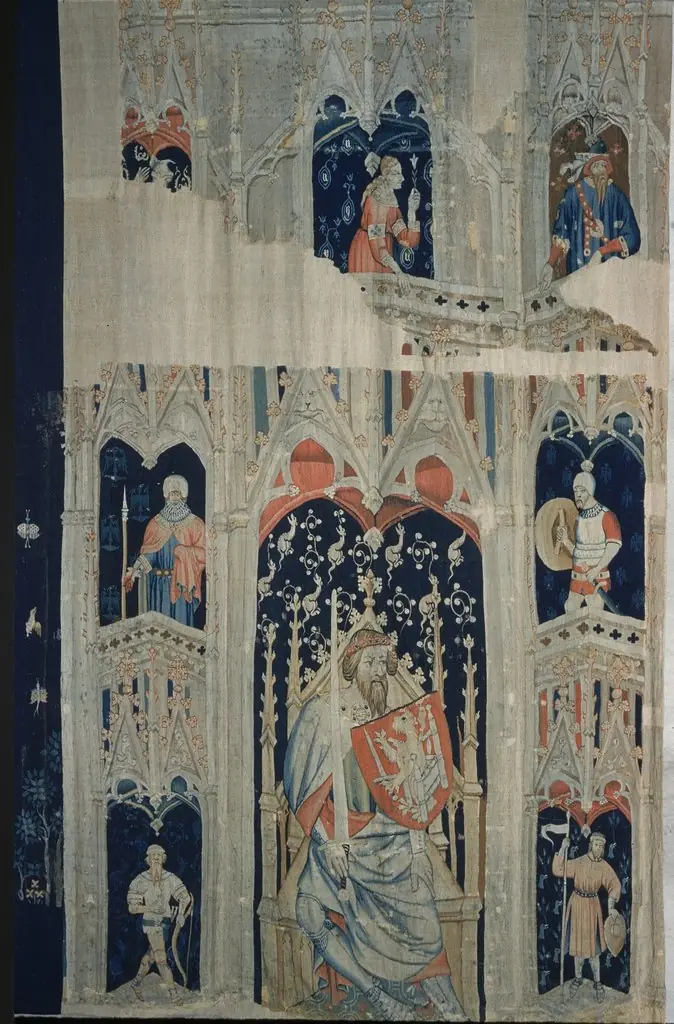 Alexander the Great or Hector of Troy (from The Nine Heroes Tapestries)