Artwork
St. Lawrence River, from the Citadel, Quebec
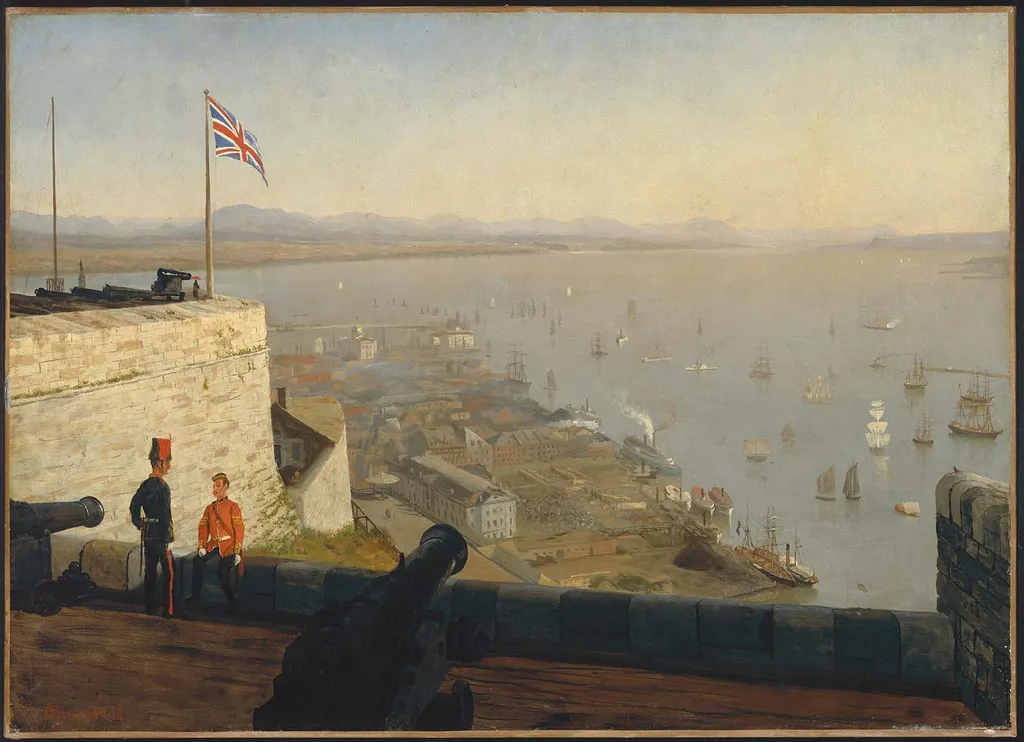
St. Lawrence River, from the Citadel, Quebec is an unspecified painting by the American Impressionist artist Albert Bierstadt. It dates from 1890 and is held in the collection of the Museum of Fine Arts Boston.
About this work
Overview
It belongs to a phase of his career where he turned toward more subdued, atmospheric compositions, moving away from the dramatic lighting of his earlier works.
Painted in 1890 by Albert Bierstadt, this work captures a view of the St. Lawrence River as seen from the Citadel in Quebec City. Though Bierstadt is best known for his grand Western landscapes, this piece reflects his later engagement with eastern North American scenery. It belongs to a phase of his career where he turned toward more subdued, atmospheric compositions, moving away from the dramatic lighting of his earlier works.
Subject & Meaning
The painting presents a quiet moment along the river, with two uniformed figures standing on a stone parapet, observing the waterway below. Their presence suggests a military or civic observation, grounding the scene in human activity without disrupting its calm. The river, alive with vessels, and the distant hills evoke commerce and geography, framing the landscape as both a natural feature and a corridor of human movement.
Technique & Style
Bierstadt employs a restrained palette dominated by cool grays and blues, emphasizing atmospheric harmony over bold contrast. His brushwork is delicate, blending tones to suggest distance and air. Light is diffused rather than dramatic, creating a sense of quiet luminosity. While not strictly adhering to chiaroscuro, the painting uses subtle gradations of tone to model forms and guide the viewer’s gaze across the expanse.
History & Provenance
Created late in Bierstadt’s career, this painting reflects his continued interest in topographical accuracy and scenic observation. It was likely painted during one of his return trips to eastern Canada, following his earlier fame from Western expeditions. The work remained in private collections for much of the 20th century before entering a public institution, where it is now preserved as part of his lesser-known but significant eastern oeuvre.
Context
In the 1890s, American artists were increasingly drawn to regional landscapes beyond the West, seeking quieter, more intimate subjects. Bierstadt’s depiction of Quebec aligns with this shift, even as his style retained elements of his academic training. The scene resonates with contemporary European tonalism and the growing American interest in historical and colonial sites, positioning the river as both a natural and cultural landmark.
Legacy
Though overshadowed by his monumental Western canvases, this painting contributes to understanding Bierstadt’s evolving vision. It reveals his adaptability and sustained engagement with landscape as a record of place. Today, it stands as a quiet counterpoint to his earlier grandeur, illustrating how an artist of the 19th century could find depth in restraint and nuance in the everyday view.
Artist & collection




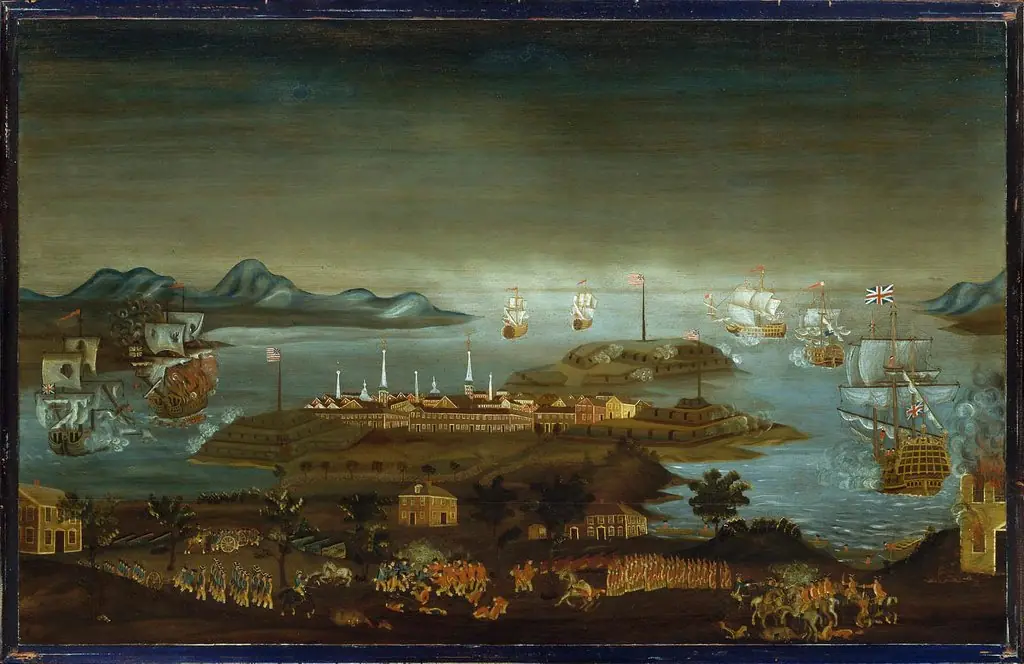 The Battle of Bunker Hill
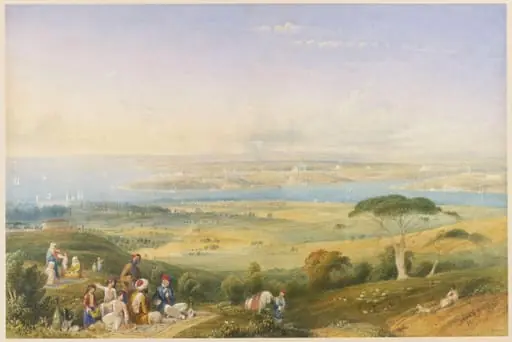 Turks picnicing in fields outside Scutari with a view of Constantinople in the distance
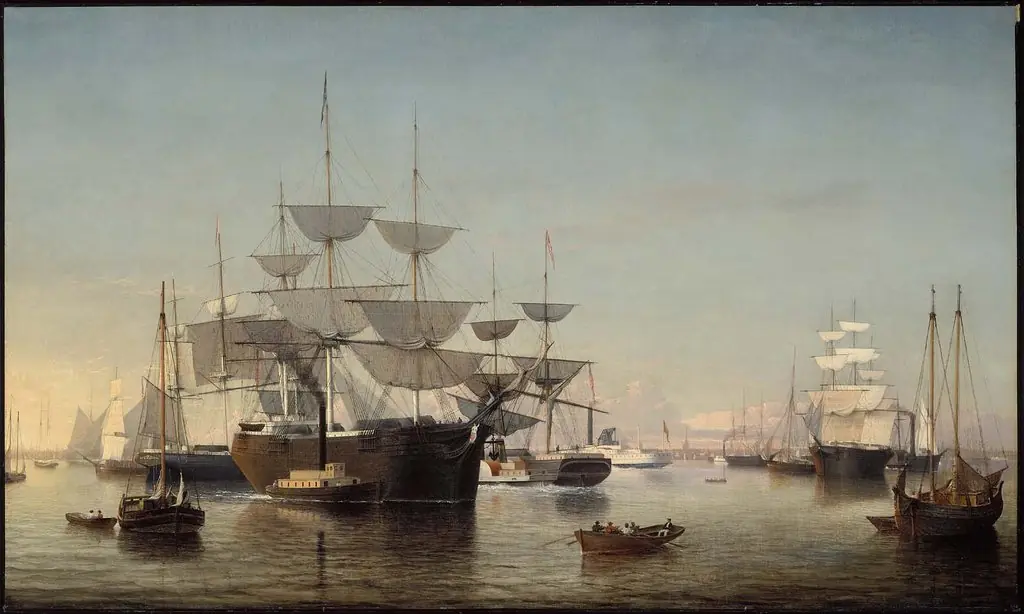 New York Harbor
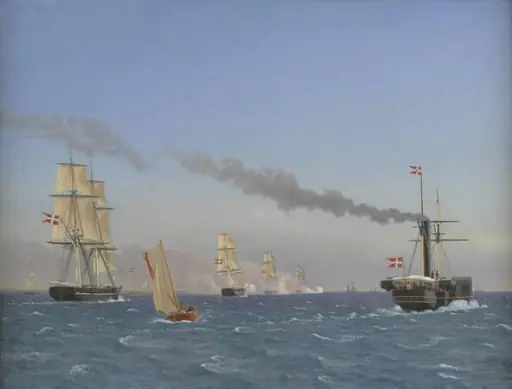 Christian VIII Aboard his Steamship "Ægir" Watching the Manoeuvres of a Squadron near Copenhagen
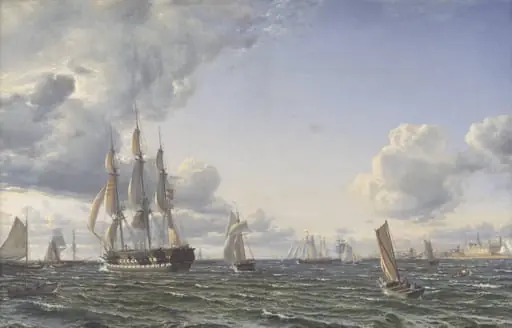 Linieskibet "Valdemar" krydser Sundet ind for en frisk bramsejlskuling
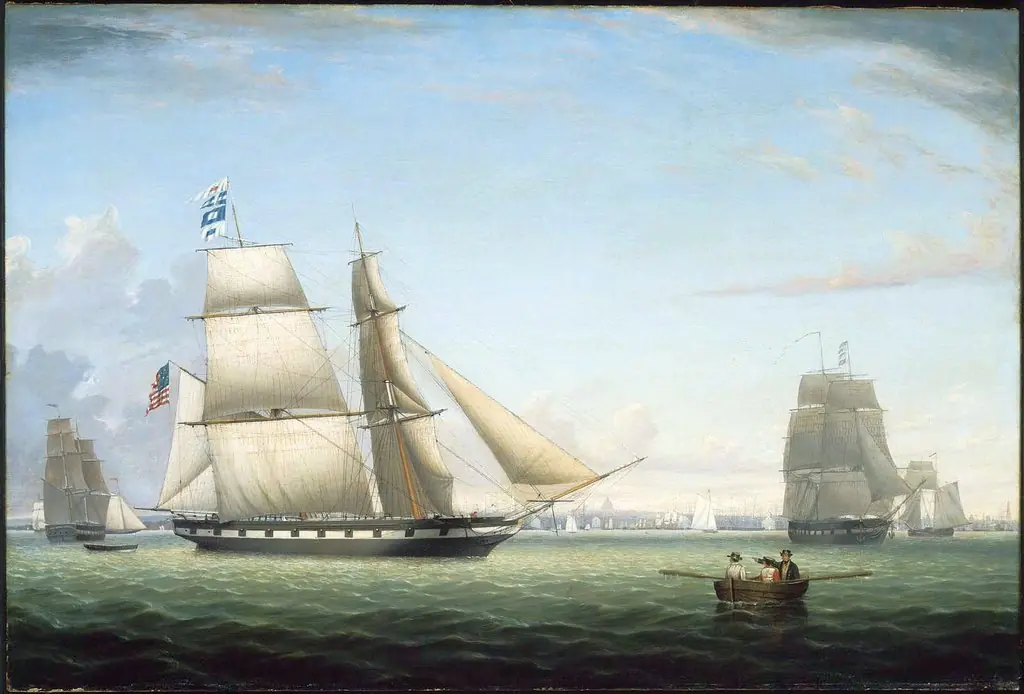 Brig "Antelope" in Boston Harbor
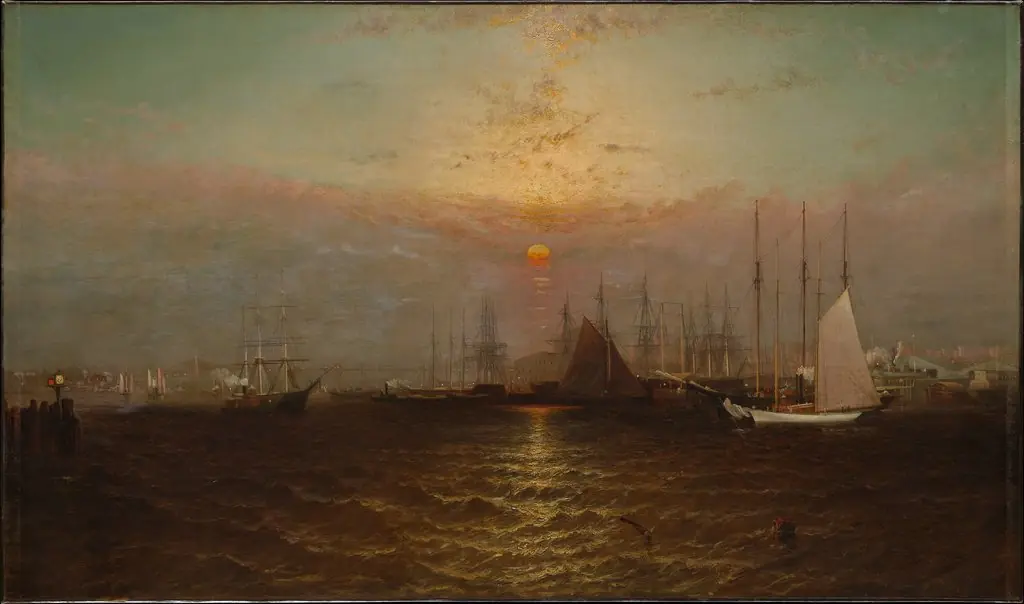 New York Harbor with Brooklyn Bridge
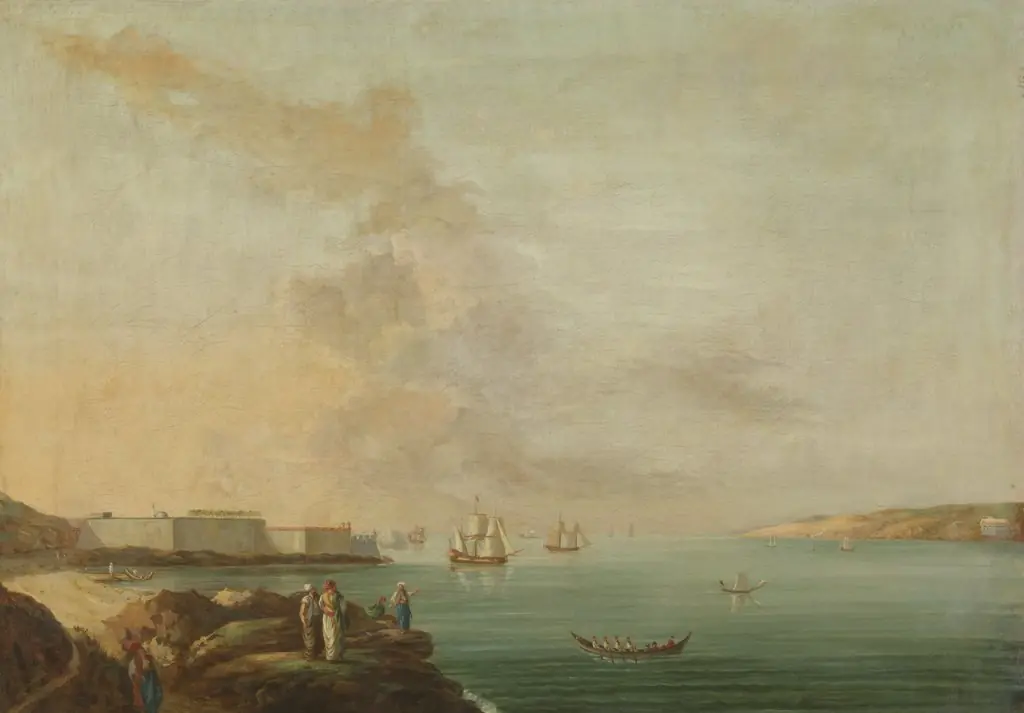 View of the Dardanelles
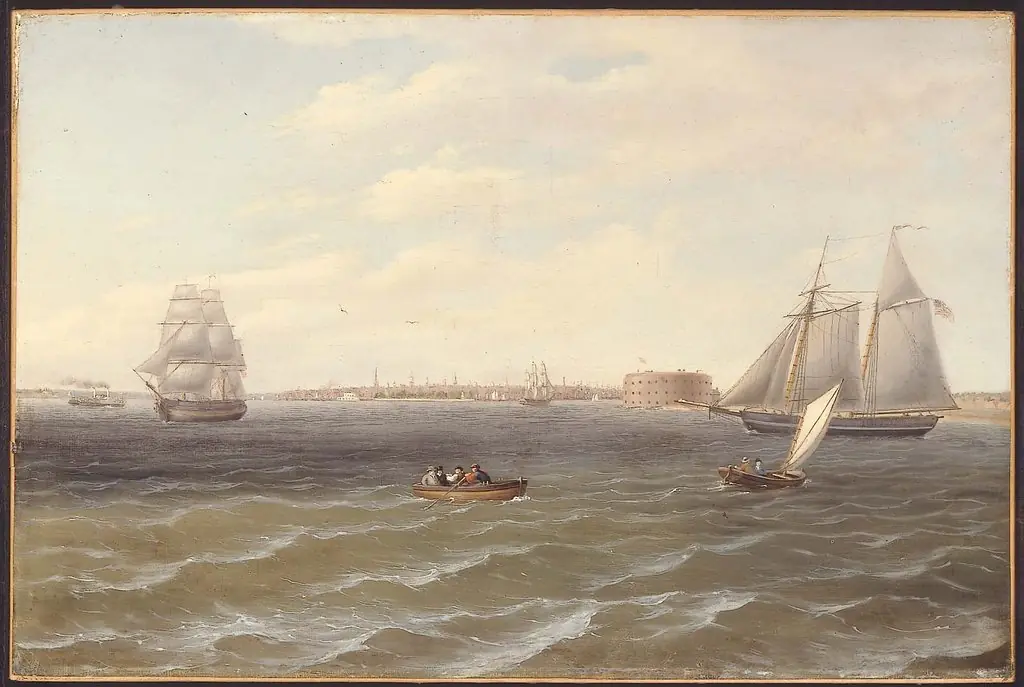 New York Harbor
 Egypt and Nubia, Volume III: Alexandria
 Baltimore from Federal Hill
 View of Quebec City from Pointe De Lévy