Artwork
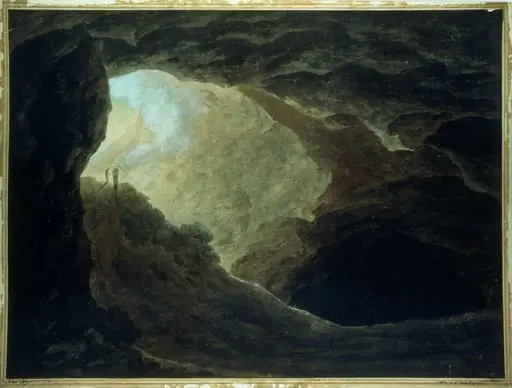
The Blue Grotto, Capri
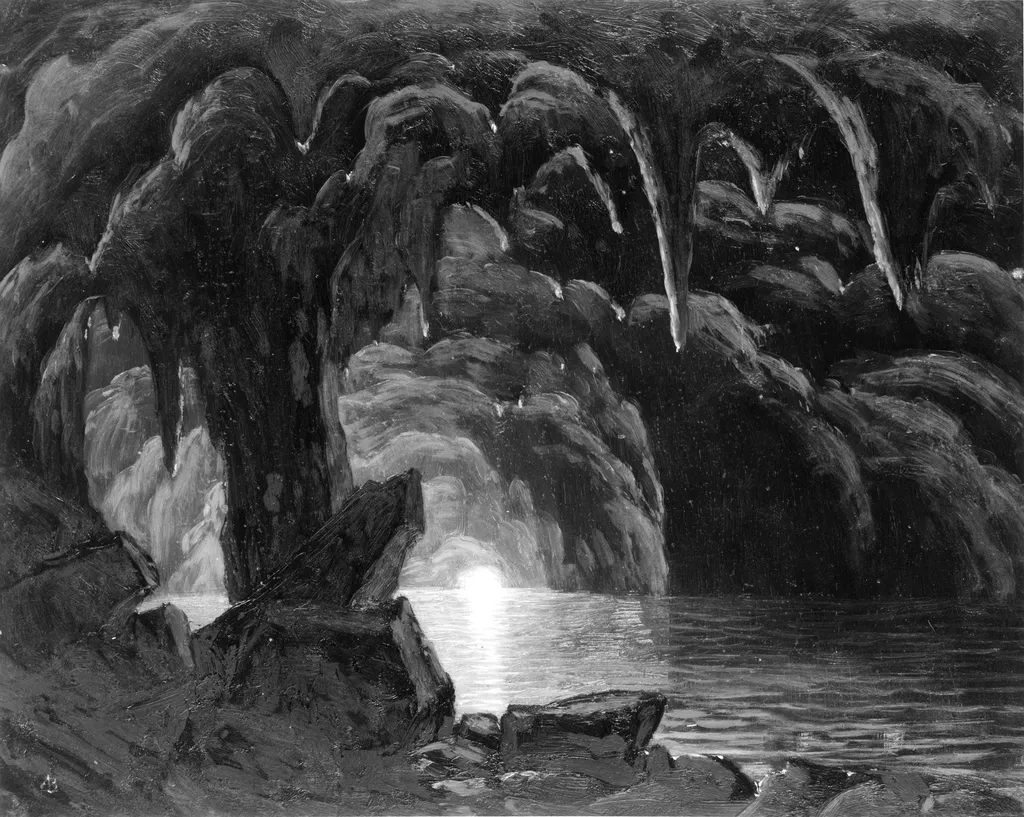
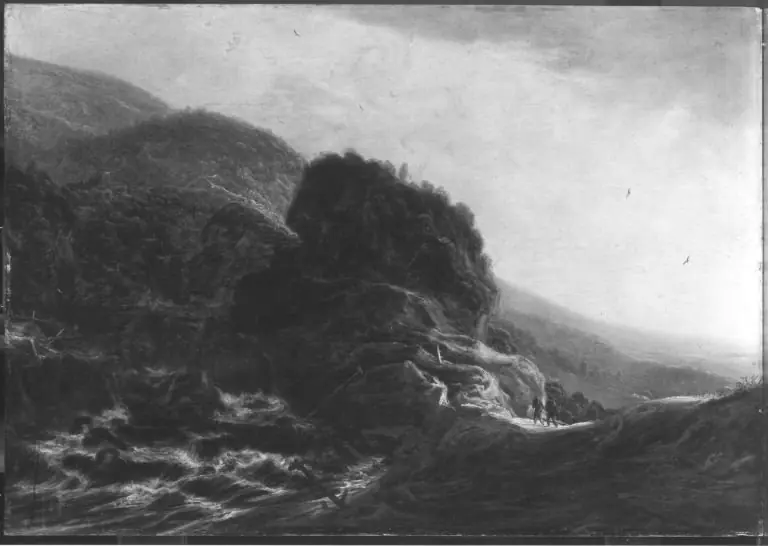
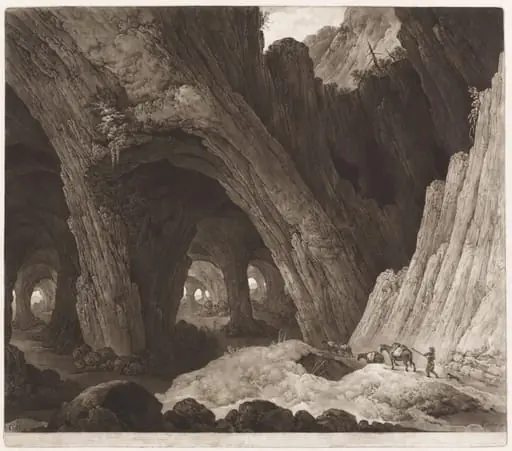
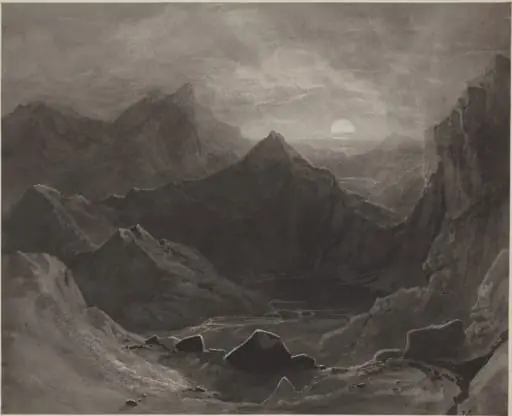
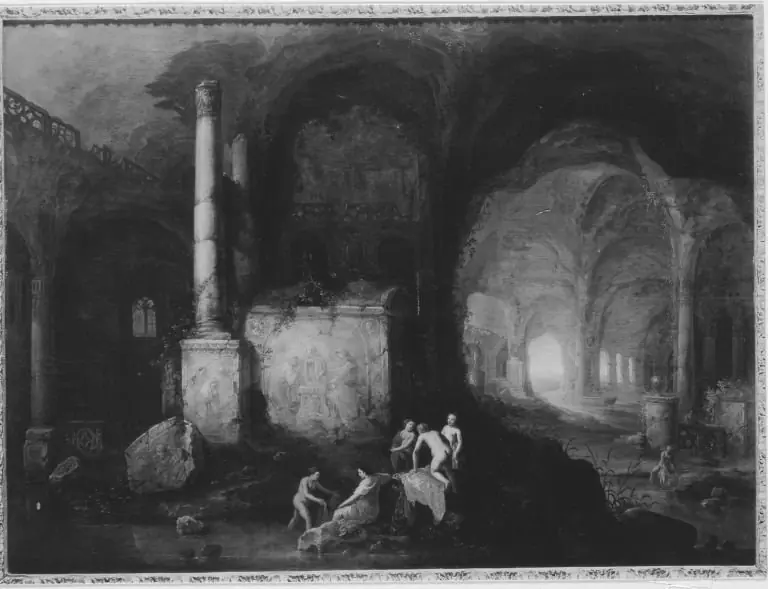
The Blue Grotto, Capri is an oil painting by the Hudson River School artist Albert Bierstadt. It dates from 1857 and is held in the collection of the Walters Art Museum.
About this work
The artist used oil paint to create this work, which is now held at the Walters Art Museum.
The painting is titled The Blue Grotto, Capri.
It was created by Albert Bierstadt in 1857.
The artist used oil paint to create this work, which is now held at the Walters Art Museum.
I don't know what the painting looks like, but I can tell you it's an old piece.
It's interesting because it's a relatively early work by the artist.
You can learn more about this style by looking into the technique of glazing.
Overview
Albert Bierstadt painted The Blue Grotto, Capri in 1857 using oil on canvas. Though best known for his grand American Western landscapes, this work captures a famed sea cave on the island of Capri, reflecting his early interest in European natural wonders. The painting is part of the Walters Art Museum’s collection and represents a formative phase in his career, before his large-scale western expeditions.
Subject & Meaning
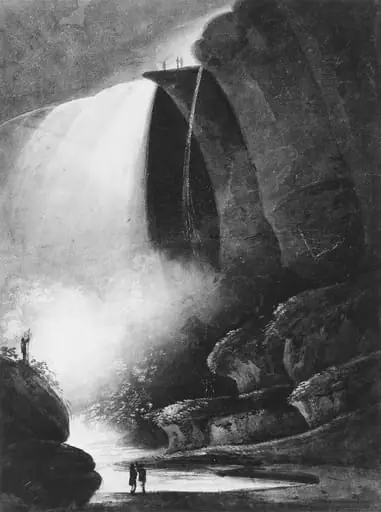
The subject is the Blue Grotto, a sea cave on Capri known for its luminous blue water, illuminated by sunlight passing through an underwater opening. Bierstadt rendered the cave not as a mere topographical record but as an atmospheric encounter, emphasizing the interplay of light and water to evoke a sense of quiet wonder. The scene invites contemplation rather than narrative.
Technique & Style
Bierstadt employed oil glazing to achieve subtle shifts in tone and luminosity, particularly in the water’s reflective surfaces. His brushwork is precise yet soft, blending tones to mimic the cave’s ethereal glow. The composition directs the viewer’s eye inward, toward the cave’s depth, a technique common in Romantic landscape traditions that valued mood over detail.
History & Provenance
Painted during Bierstadt’s European travels in the mid-1850s, this work predates his famous American expeditions. It was likely created as a study or personal record of a site he encountered while touring Italy. The painting entered the Walters Art Museum’s collection in the 20th century, where it remains as part of a broader survey of 19th-century American art.
Context
In the 1850s, European natural wonders were popular subjects among American artists seeking to align with European artistic traditions. Bierstadt’s choice of the Blue Grotto reflects this trend, as well as a growing public fascination with travel and exotic locales. His approach combined scientific observation with emotional resonance, characteristic of the era’s Romantic sensibility.
Legacy
The Blue Grotto, Capri stands as an early example of Bierstadt’s commitment to capturing light and space with technical care. Though less known than his western landscapes, the painting reveals the foundations of his later style—attention to atmospheric effects and reverence for natural phenomena. It remains a quiet testament to his formative years as a landscape observer.
Own this work as a print
Artist & collection