Artwork
Women Outside the Church at Ruokolahti
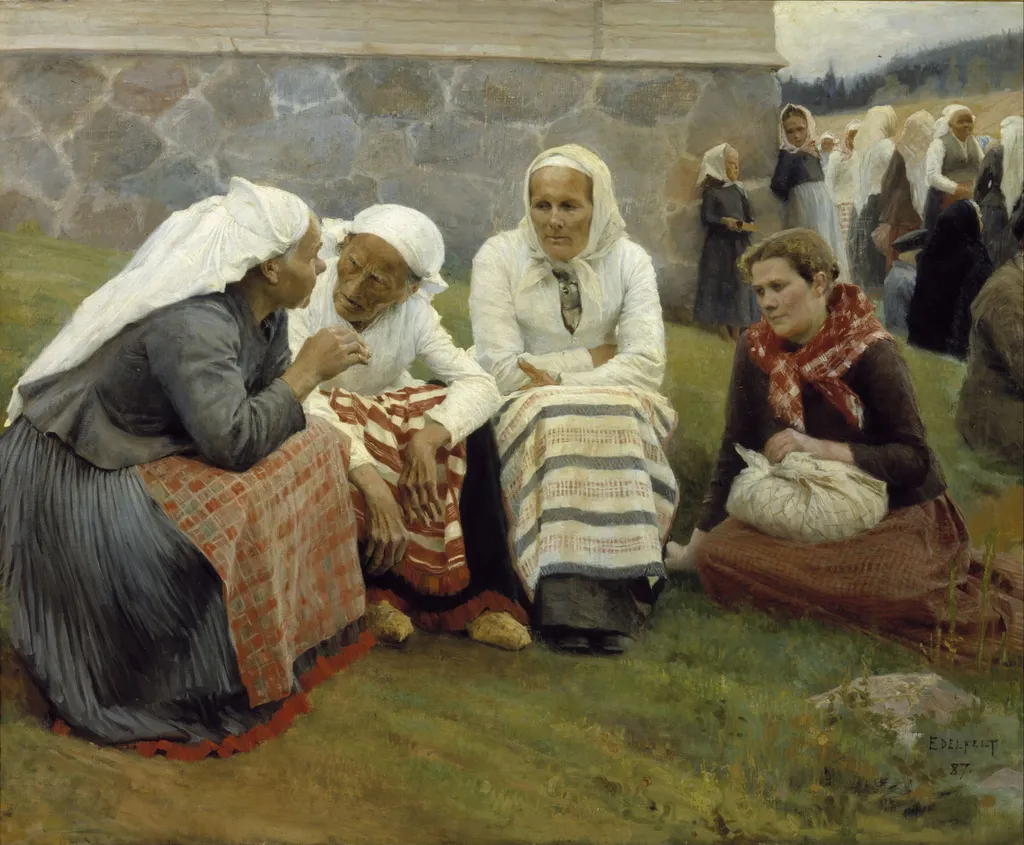
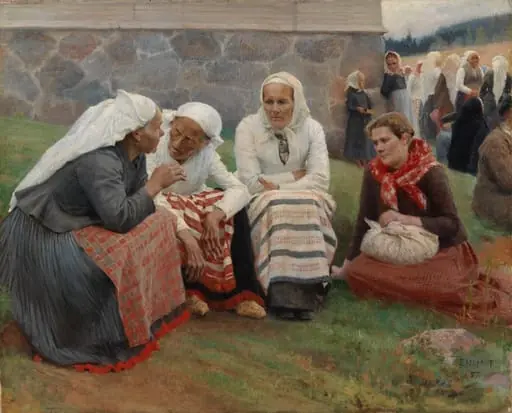
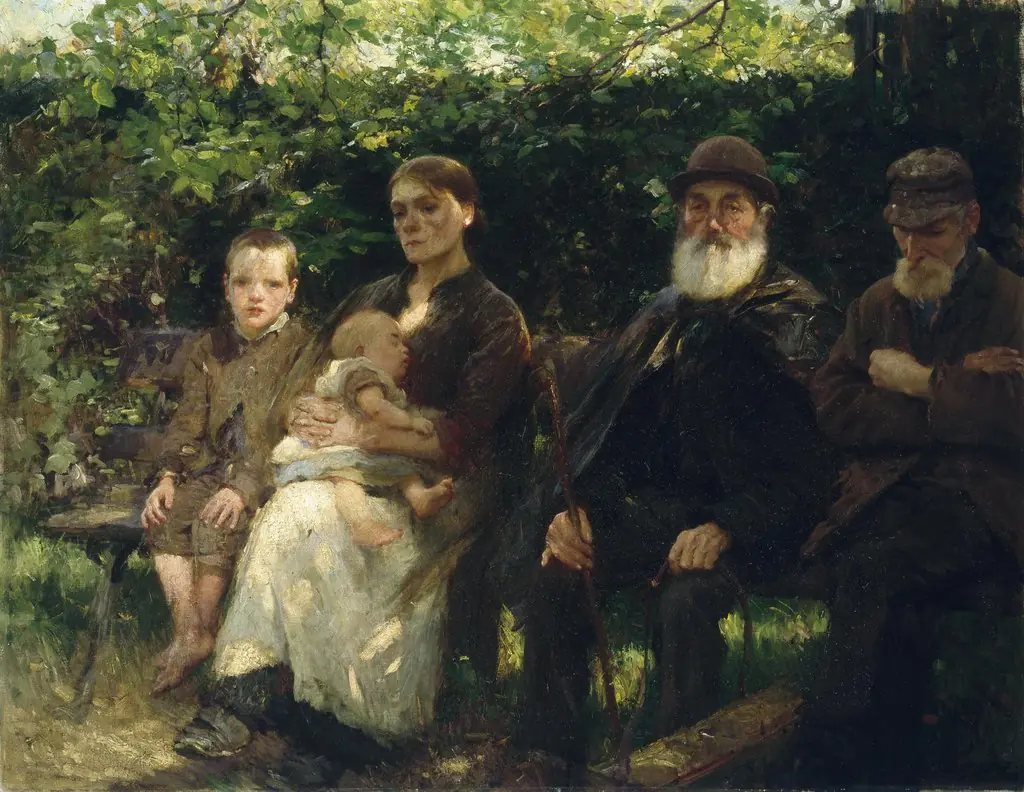
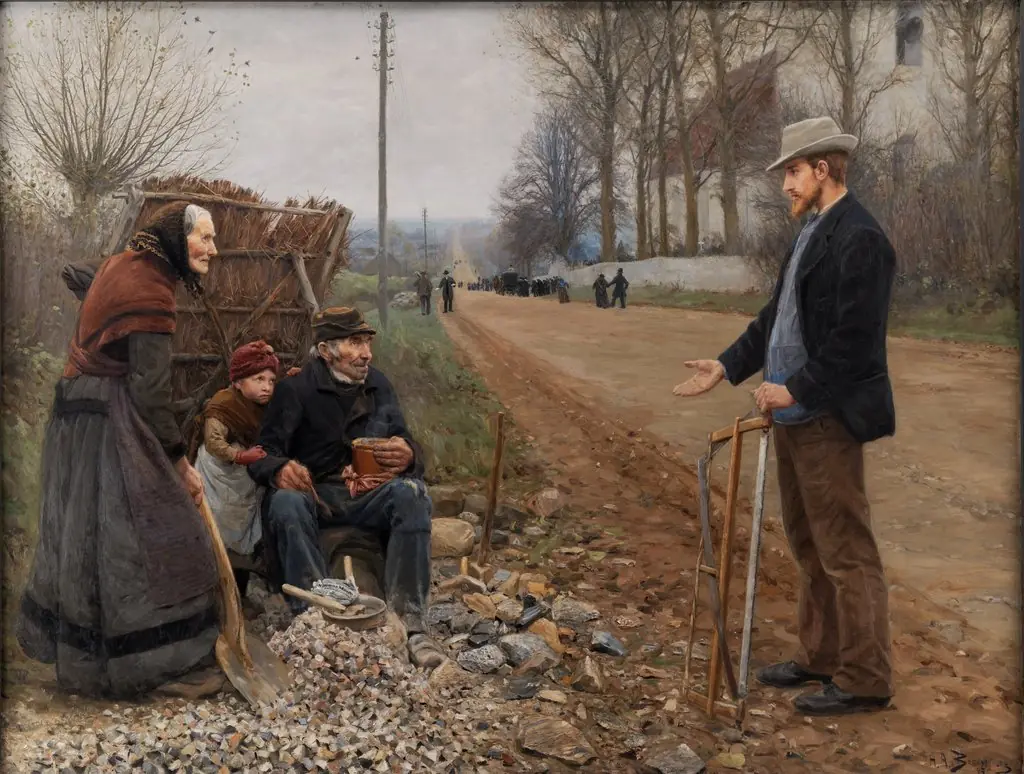
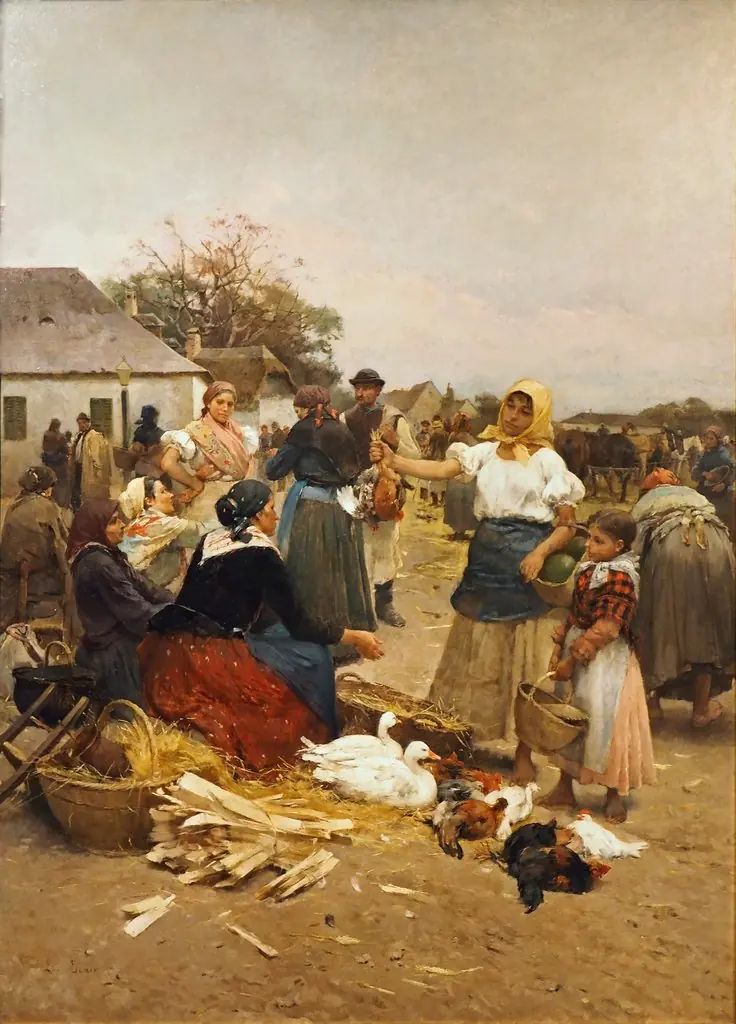
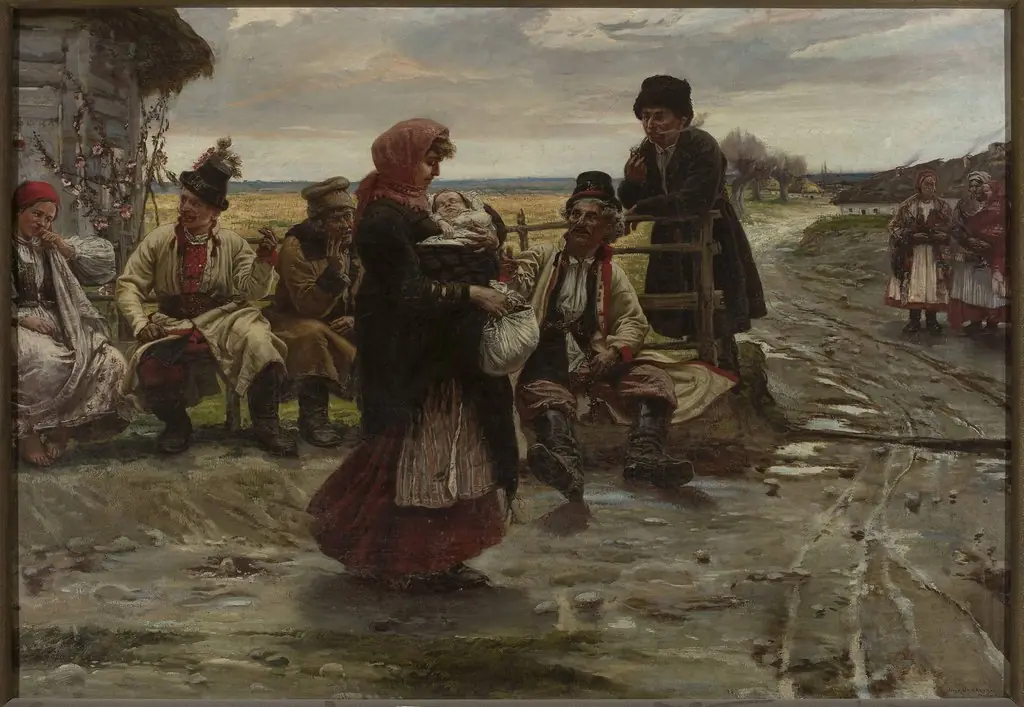
Women Outside the Church at Ruokolahti is an oil painting by the Impressionist artist Albert Edelfelt. It dates from 1894 and is held in the collection of the Finnish National Gallery.
About this work
Overview
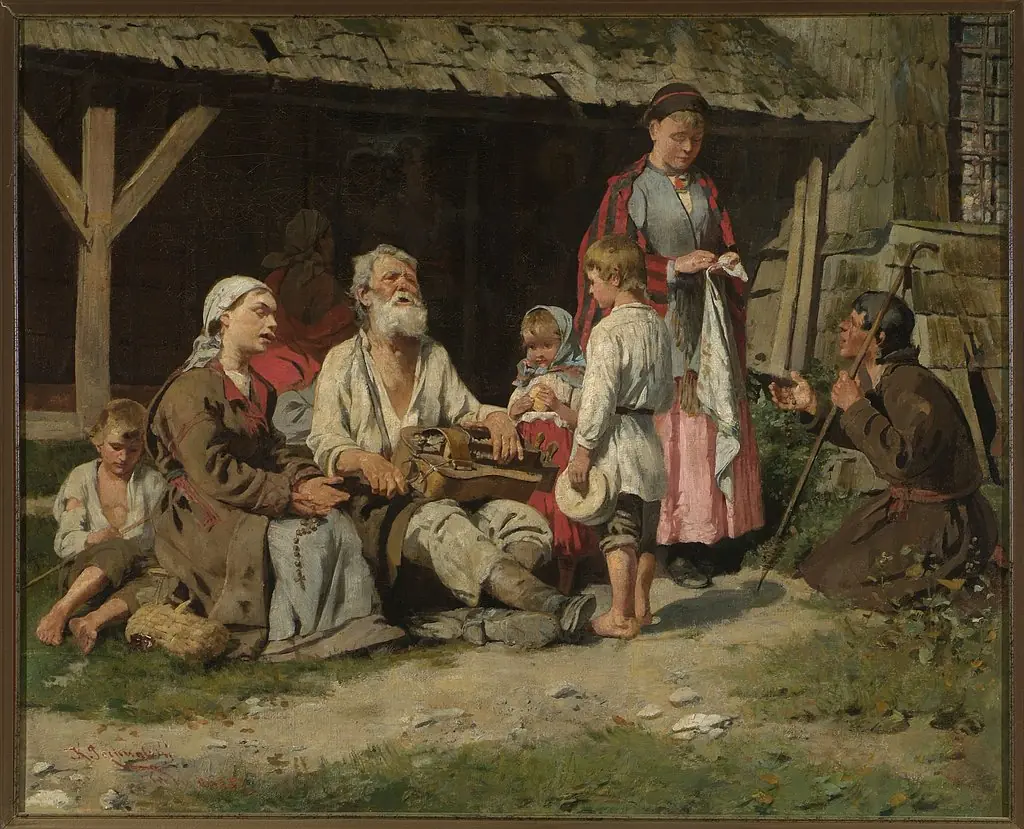
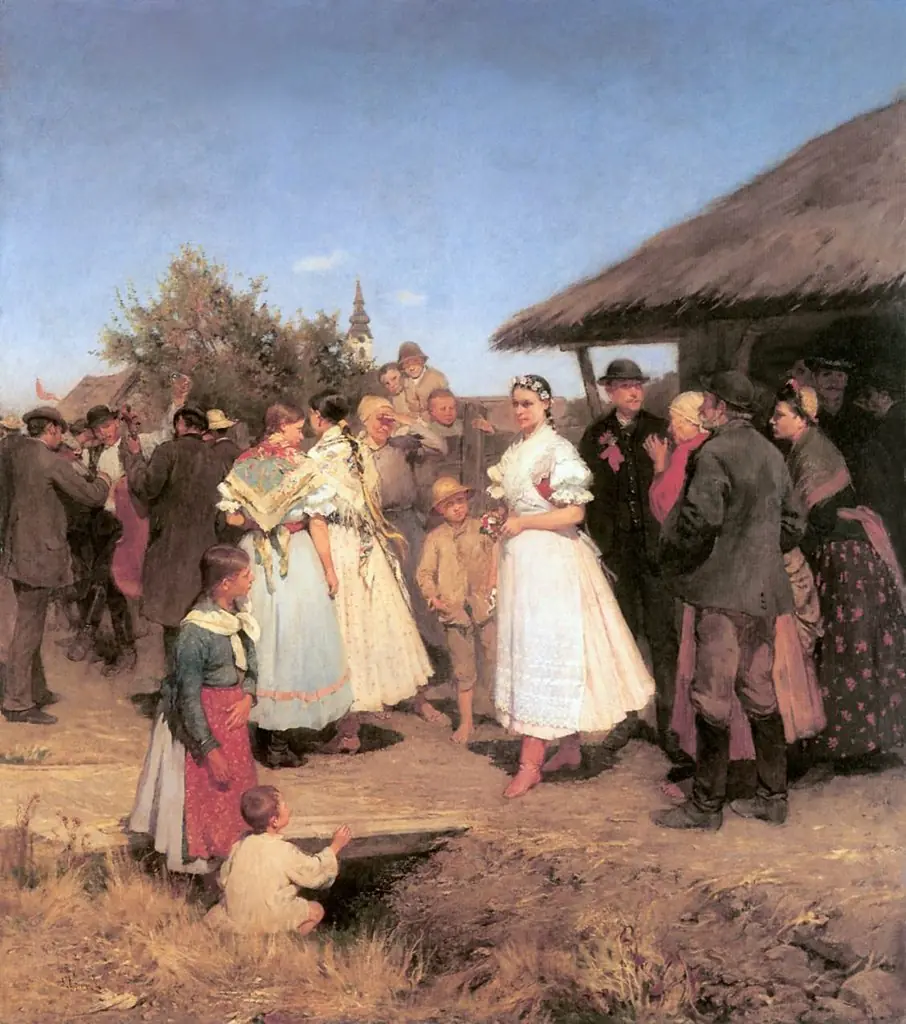
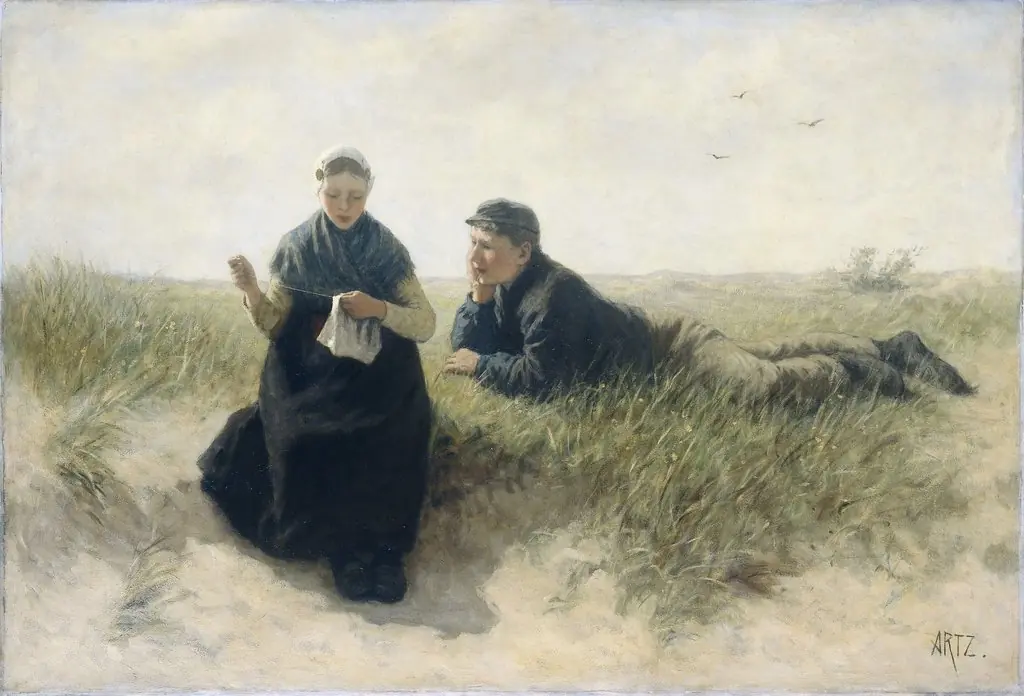
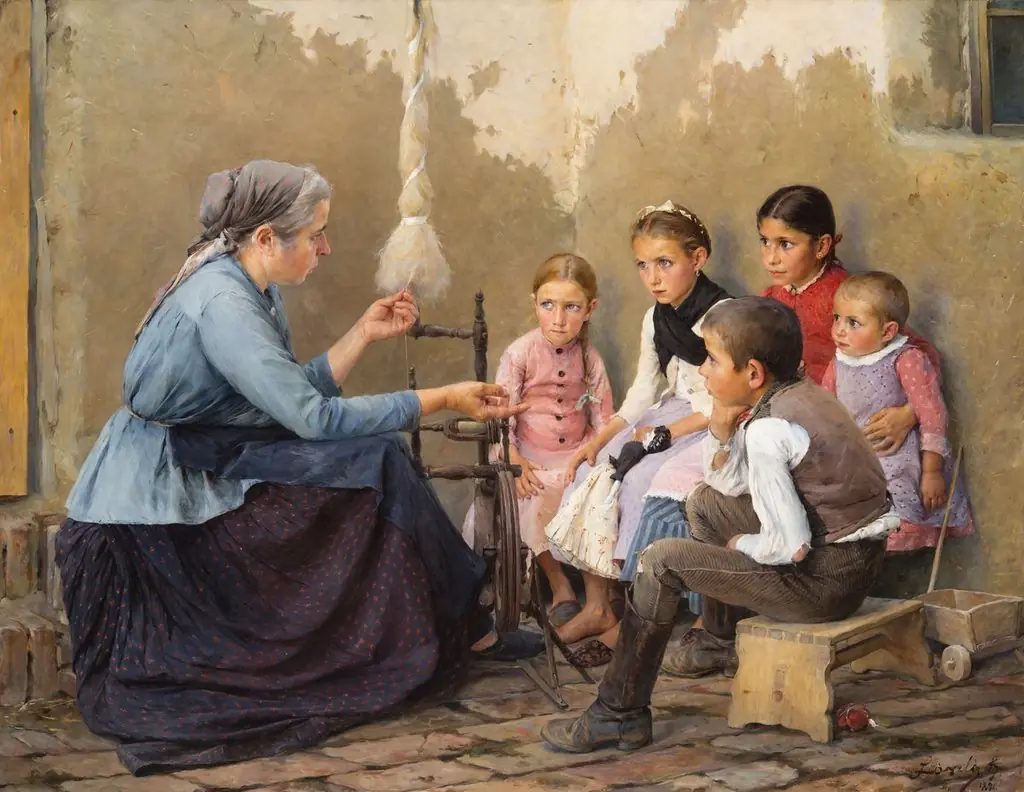
Painted in 1894 by Albert Edelfelt, this oil on canvas depicts a quiet moment outside a rural church in Ruokolahti, Finland.
Painted in 1894 by Albert Edelfelt, this oil on canvas depicts a quiet moment outside a rural church in Ruokolahti, Finland. The scene captures a group of women in everyday attire, engaged in casual conversation. Edelfelt’s approach blends the observational clarity of Realism with the loose brushwork and natural light of Impressionism, reflecting his engagement with both Finnish subject matter and contemporary European techniques.
Subject & Meaning
The painting portrays women of varying ages and dress, suggesting a cross-section of local society gathered after service. Their presence outside the church, rather than inside, implies a social ritual—perhaps waiting, sharing news, or resting. The absence of men and the focus on quiet interaction highlight the domestic and communal roles of women in late 19th-century Finnish rural life.
Technique & Style
Edelfelt employed soft, broken brushstrokes to render light filtering through trees and the textured surfaces of stone and fabric. Earth tones—olive greens, muted browns, and grayed ochres—dominate the palette, grounding the scene in its natural setting. The composition avoids dramatic focal points, instead inviting the viewer to absorb the subtle rhythms of movement and gesture among the figures.
History & Provenance
Created during a period of growing Finnish cultural self-awareness, the painting entered the Ateneum Art Museum’s collection in the early 20th century. It remains part of its permanent holdings, reflecting its significance in documenting everyday Finnish life. Edelfelt’s reputation as a national artist ensured the work’s preservation and institutional recognition.
Context
In the decades before Finland’s independence, artists like Edelfelt sought to define a visual language rooted in local experience. This painting aligns with broader efforts to elevate rural life as worthy of artistic attention, countering earlier romanticized or foreign-inspired imagery. The church, a common social anchor in remote communities, serves as both setting and symbol of communal continuity.
Legacy
The work stands as a quiet testament to Edelfelt’s ability to merge international artistic trends with distinctly Finnish subjects. It influenced later generations of Finnish painters who turned to ordinary life for inspiration. Today, it continues to be studied for its nuanced portrayal of gender, class, and place in a society on the cusp of modernization.
Own this work as a print
Artist & collection
Artist
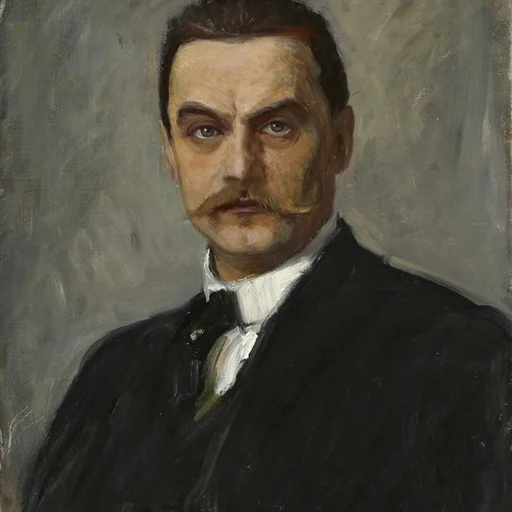
Albert Gustaf Aristides Edelfelt (21 July 1854 – 18 August 1905) was a Finnish painter noted for his naturalistic style and Realist approach to art.