Artwork
Ruokolahden eukkoja kirkonmäellä
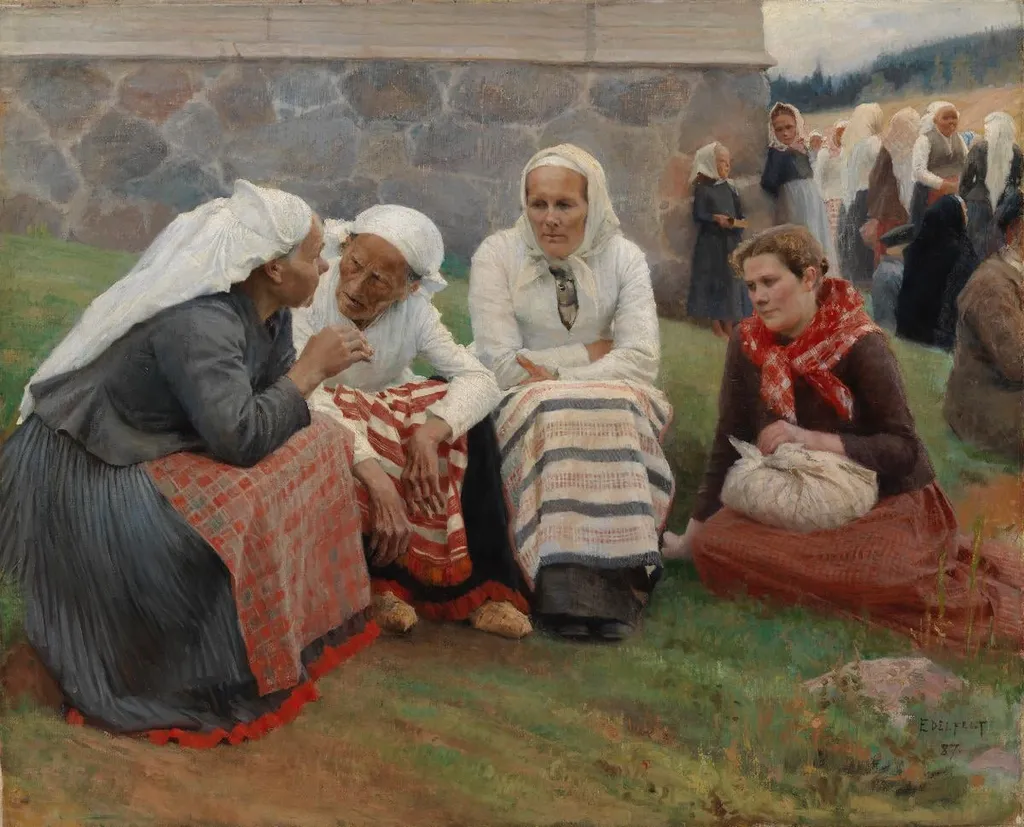
Ruokolahden eukkoja kirkonmäellä is an unspecified painting by the Realist artist Albert Edelfelt. It dates from 1889 and is held in the collection of the Finnish National Gallery.
About this work
Overview
Painted around 1889 by Albert Edelfelt, this work depicts a group of women from Ruokolahti seated on a grassy slope near a stone wall. The scene captures everyday life in rural Finland, with figures dressed in traditional, weathered garments. Edelfelt rendered the moment with careful observation, emphasizing natural light and the tactile quality of fabric through deliberate brushwork.
Subject & Meaning
The four women, dressed in layered shawls and headscarves, appear engaged in quiet repose. One holds a small bundle, another rests a hand on a sack, suggesting domestic labor or travel. Their stillness and shared attire reflect communal identity and regional customs. The presence of others in the background reinforces a sense of collective life, rooted in place and tradition.
Technique & Style
Edelfelt employed thick, textured brushstrokes—particularly in the folds of fabric and highlights on faces—to convey the weight and texture of wool and linen.
Edelfelt employed thick, textured brushstrokes—particularly in the folds of fabric and highlights on faces—to convey the weight and texture of wool and linen. Light falls naturally across the figures, modeling forms without idealization. The contrast between muted earth tones and patches of red and white adds visual rhythm, while the loose handling of the background keeps focus on the central group.
History & Provenance
Created during Edelfelt’s continued engagement with Finnish rural subjects, the painting emerged from his visits to Ruokolahti in the late 1880s. It was likely made as part of a broader series documenting regional dress and daily life. The work remained in private collections in Finland before entering public institutional care, preserving its connection to local heritage.
Context
In the late 19th century, Finnish artists increasingly turned to folk life as a means of cultural affirmation amid growing national consciousness. Edelfelt’s depictions of rural women aligned with this movement, offering unromanticized portrayals that honored local identity without exoticism. His approach contrasted with urban-focused realism, grounding art in the rhythms of the countryside.
Legacy
The painting stands as a quiet testament to Edelfelt’s commitment to observing ordinary life with dignity. It contributed to a visual archive of Finnish rural dress and social patterns, influencing later generations of artists interested in ethnographic realism. Its enduring value lies in its unembellished presence, offering a window into a vanishing way of life.
Artist & collection
Artist
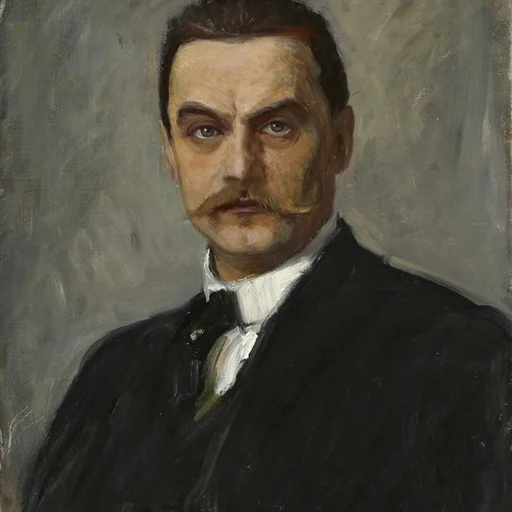
Albert Gustaf Aristides Edelfelt (21 July 1854 – 18 August 1905) was a Finnish painter noted for his naturalistic style and Realist approach to art.

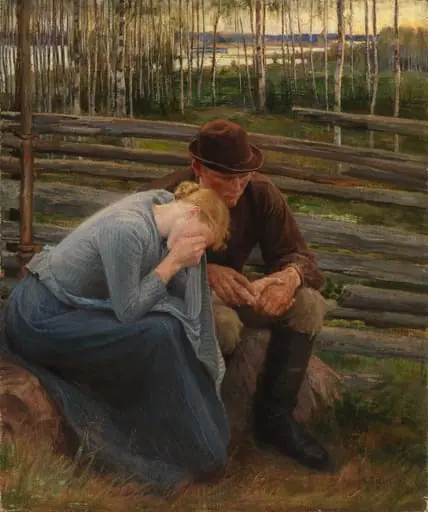 Suru
Suru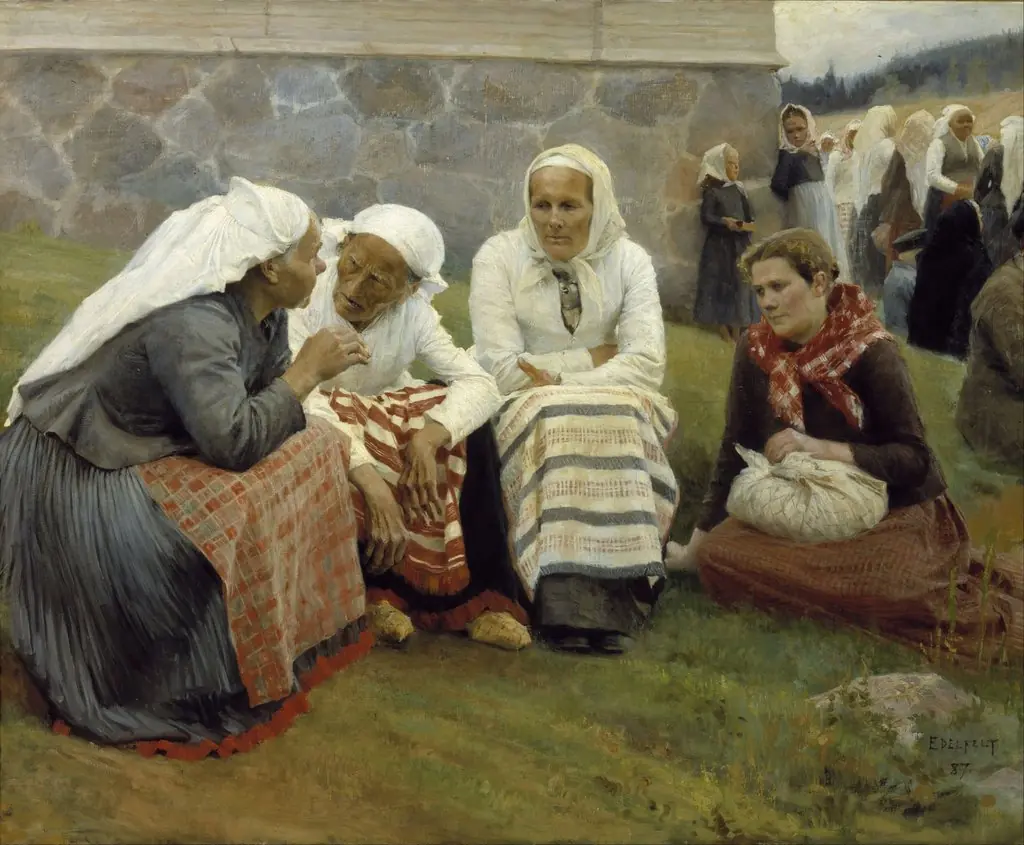 Women Outside the Church at Ruokolahti
 People by a Road
 People by a Road
 Genre scene – a hurdy-gurdy player in front of a cottage
 At the entrance to a tavern
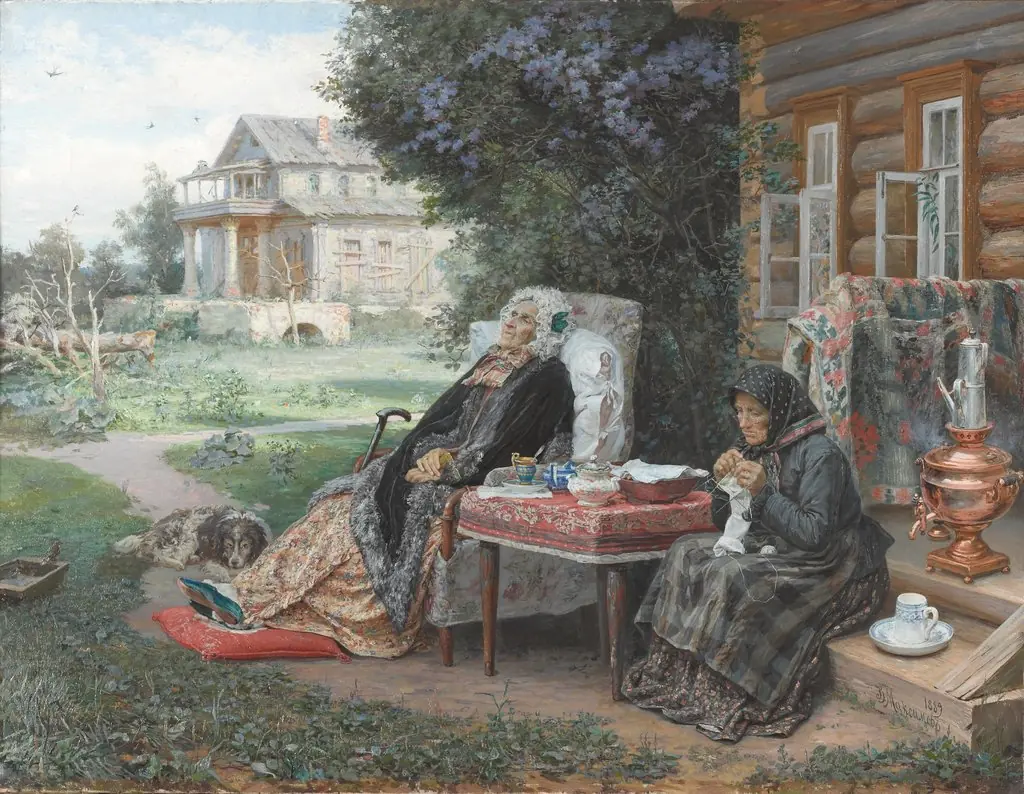 All in the past
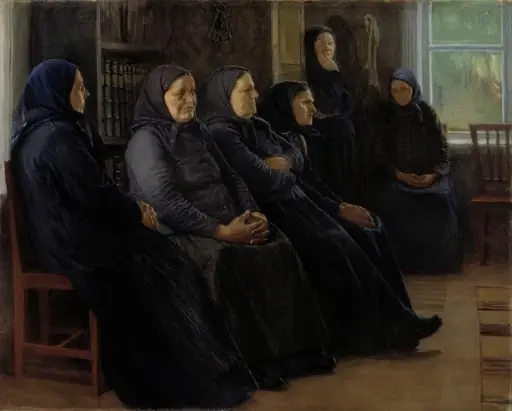 Heränneitä
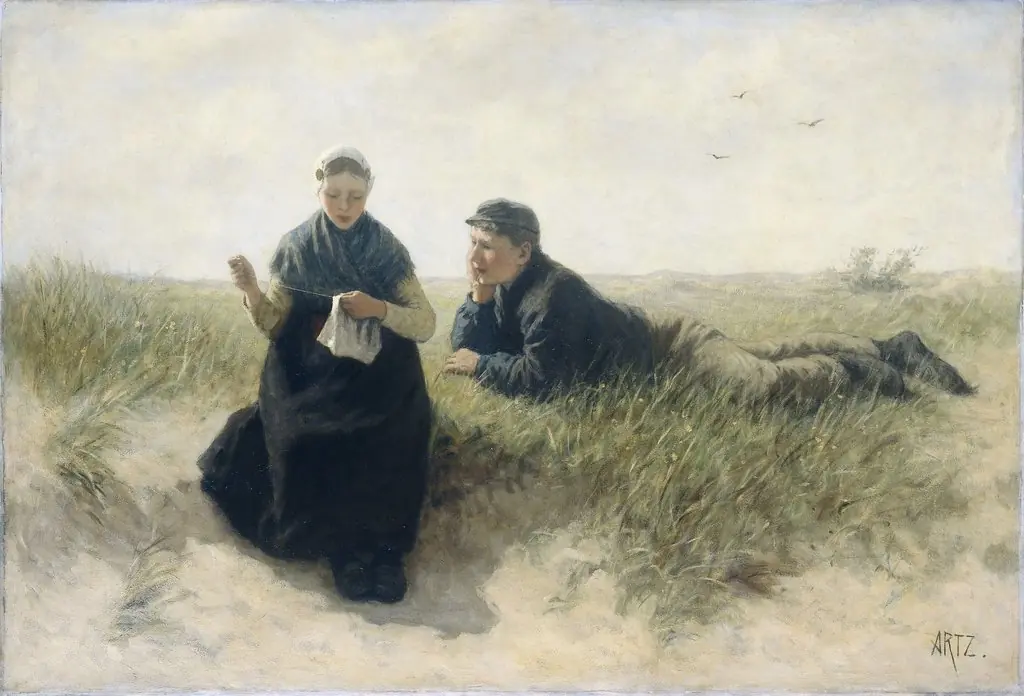 Boy and Girl in the Dunes
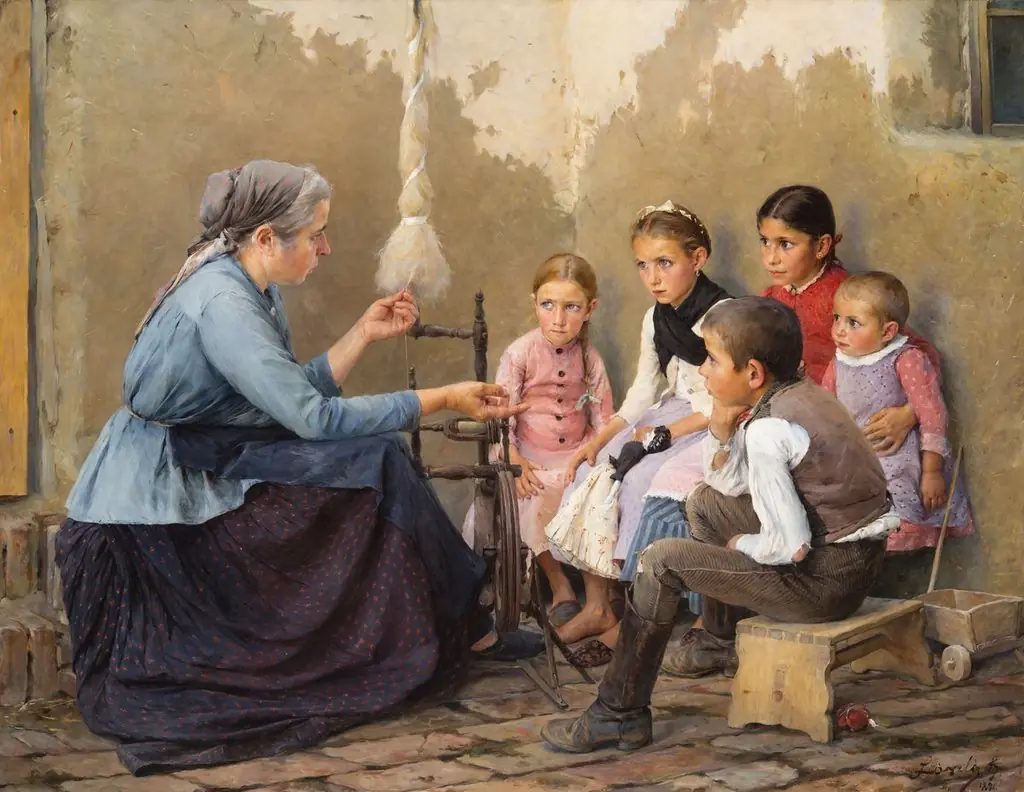 The Storyteller
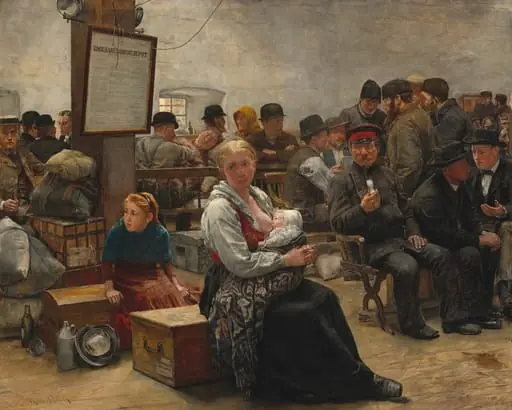 In the Land of Promise, Castle Garden
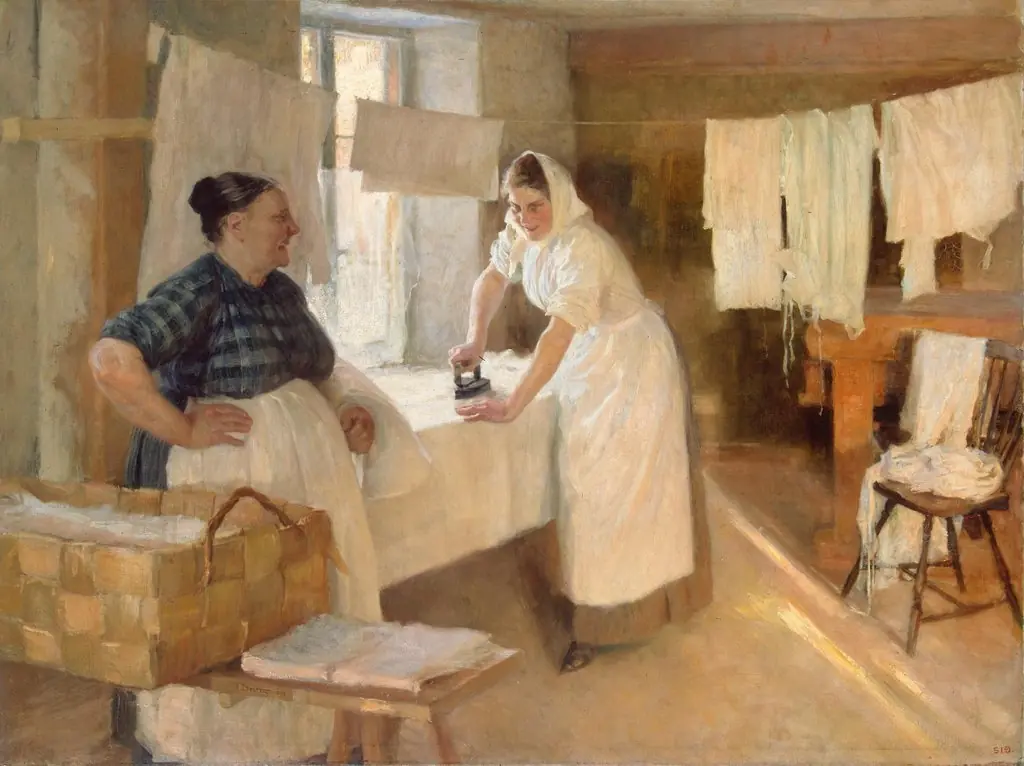
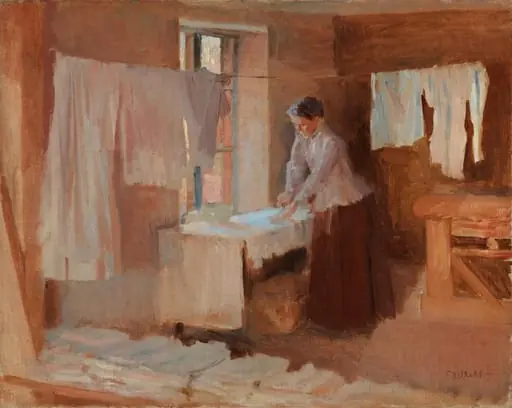 Silittäjä, harjoitelma teokseen Pesijättäriä