Artwork
Rainy Day. Notre Dame de Paris
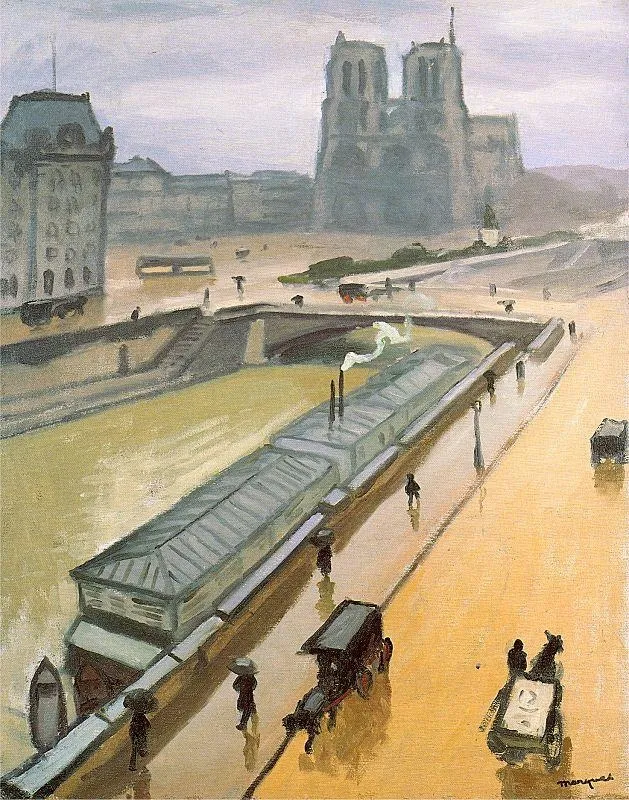
Rainy Day. Notre Dame de Paris is an oil painting by the Post-Impressionist artist Albert Marquet. It dates from 1910 and is held in the collection of the Hermitage Museum. Rainy Day.
About this work
Overview
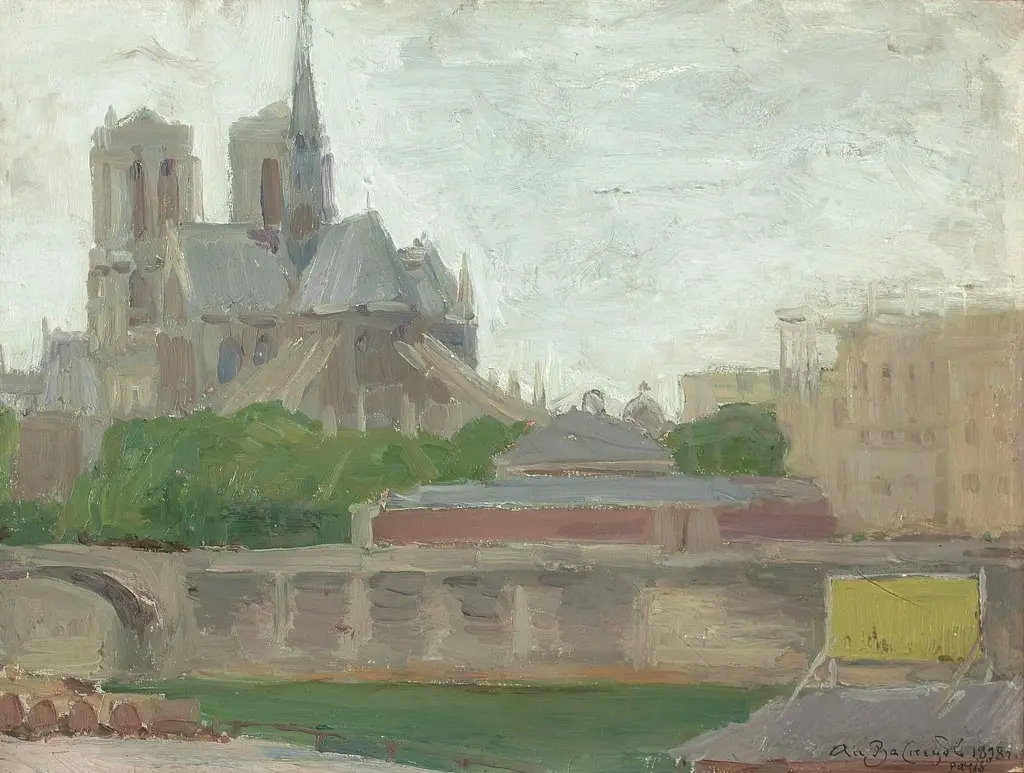
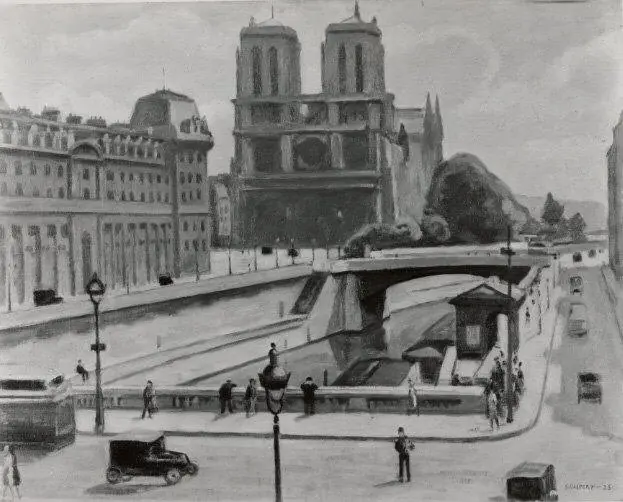
Rainy Day. Notre Dame de Paris is a 1910 oil painting by French artist Albert Marquet, characterized by muted tones and expressive brushwork, depicting a deserted Parisian street on a rainy day with Notre Dame Cathedral in the background.
Subject & Meaning
The painting captures a serene, isolated moment in a Parisian street during rainfall. The contrast between the empty, rain-soaked foreground and the looming presence of Notre Dame suggests a reflection on the coexistence of everyday life and enduring monumental architecture.
Technique & Style
Marquet employed loose, expressive brushstrokes and a predominantly gray and brown palette, blending post-impressionist and impressionist elements. The muted colors and dynamic brushwork convey the movement and atmosphere of a rainy day.
History & Provenance
Created in 1910, the painting is part of the State Hermitage Museum's collection. Marquet, once affiliated with the Fauves, had by this period shifted towards a more impressionist approach, as evident in this work.
Context
As a friend and contemporary of Henri Matisse, Marquet's work reflects the early 20th-century artistic transition in France. This piece sits within his broader oeuvre of landscapes, which occasionally included figures and urban scenes.
Artist & collection
Artist
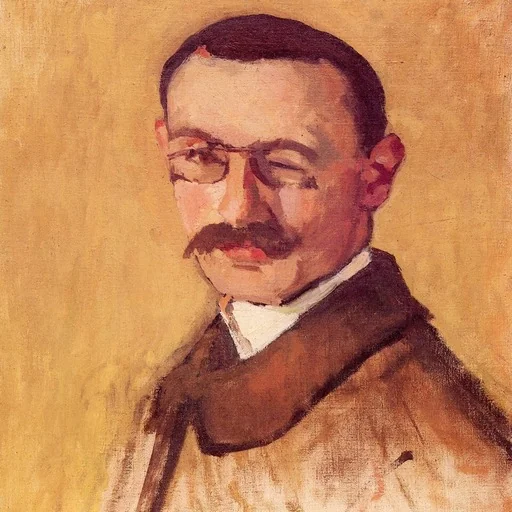
Albert Marquet (French pronunciation: ; 27 March 1875 – 14 June 1947) was a French painter.