Artwork
George Washington at Princeton
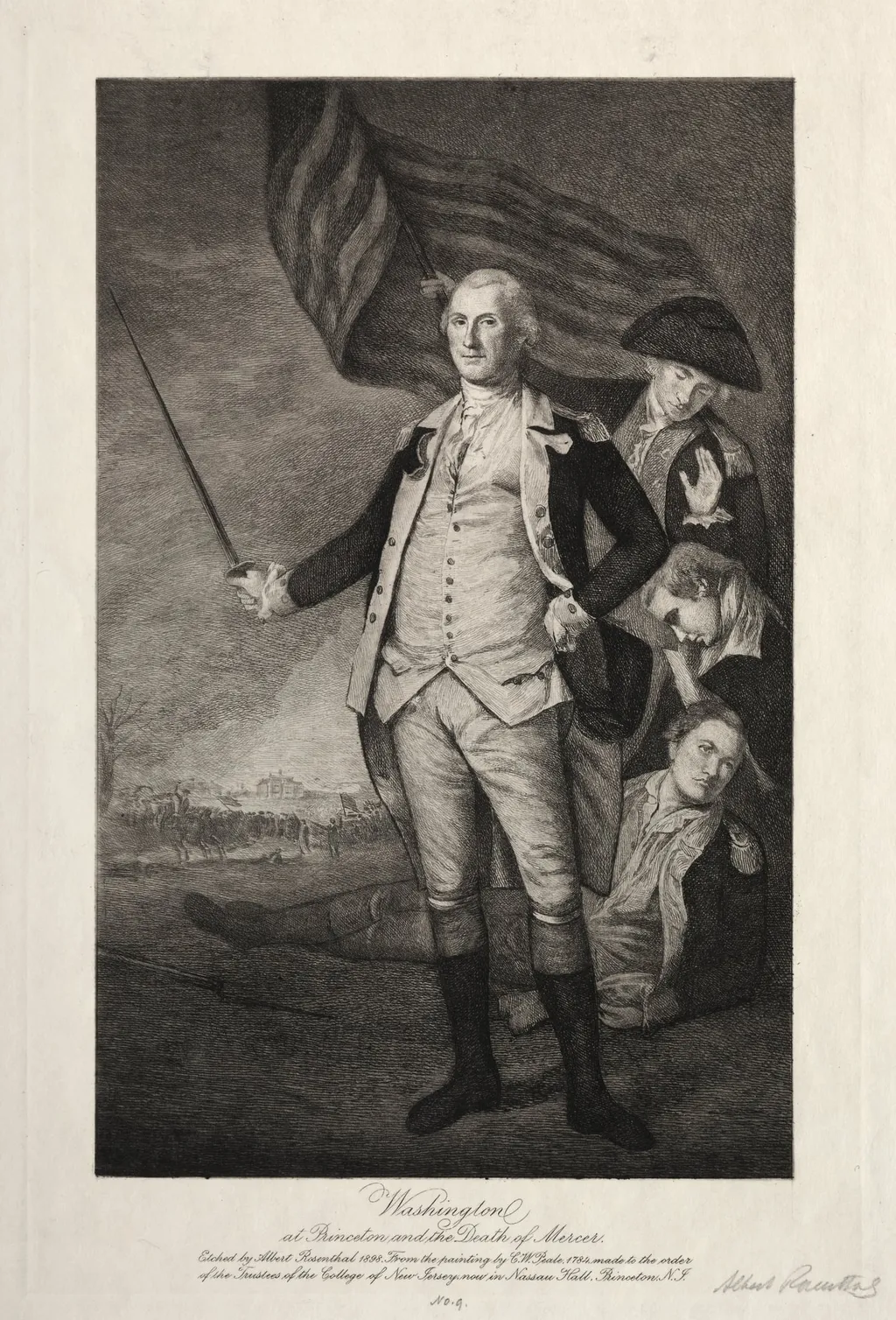
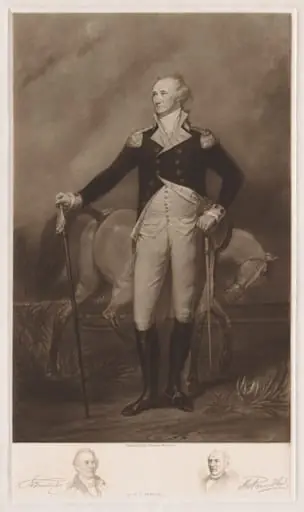
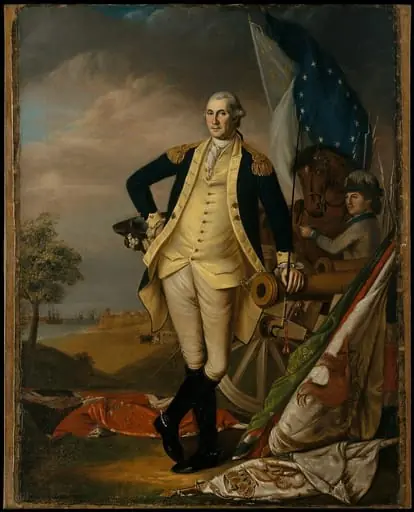
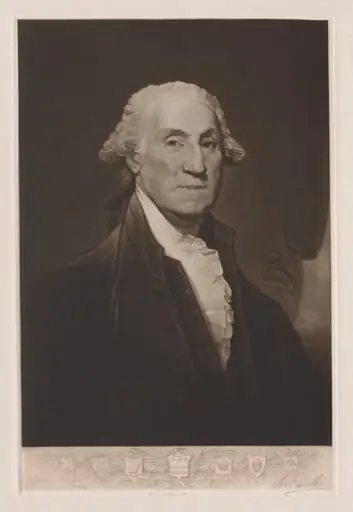
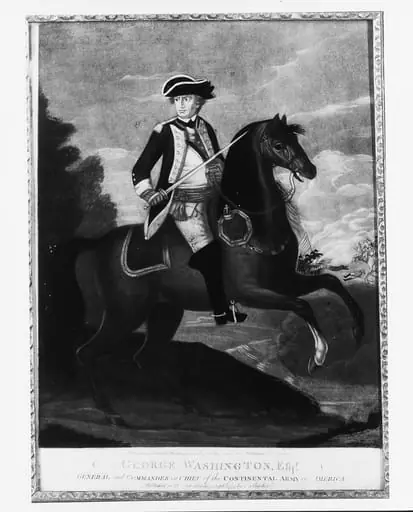
George Washington at Princeton is a print by the Impressionist artist Albert Rosenthal. It dates from 1898 and is held in the collection of the Cleveland Museum of Art.
About this work
Albert Rosenthal shows George Washington standing in a dark room.
Albert Rosenthal shows George Washington standing in a dark room. He wears a white wig and a blue coat. His hand rests on a table with papers.
This isn’t a war scene. It’s 1777, after Washington won at Princeton. He looks tired, not heroic. The artist added details from old sketches. Washington’s face looks older than in most paintings.
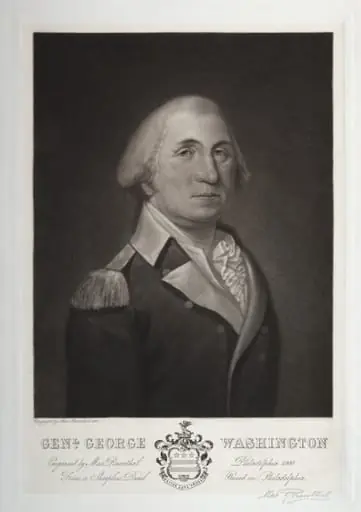
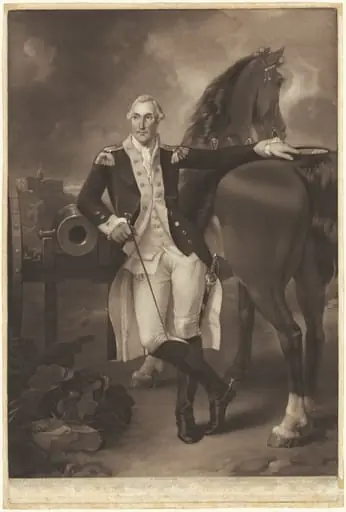
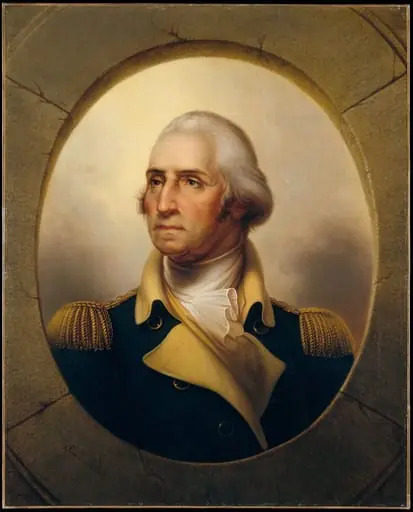
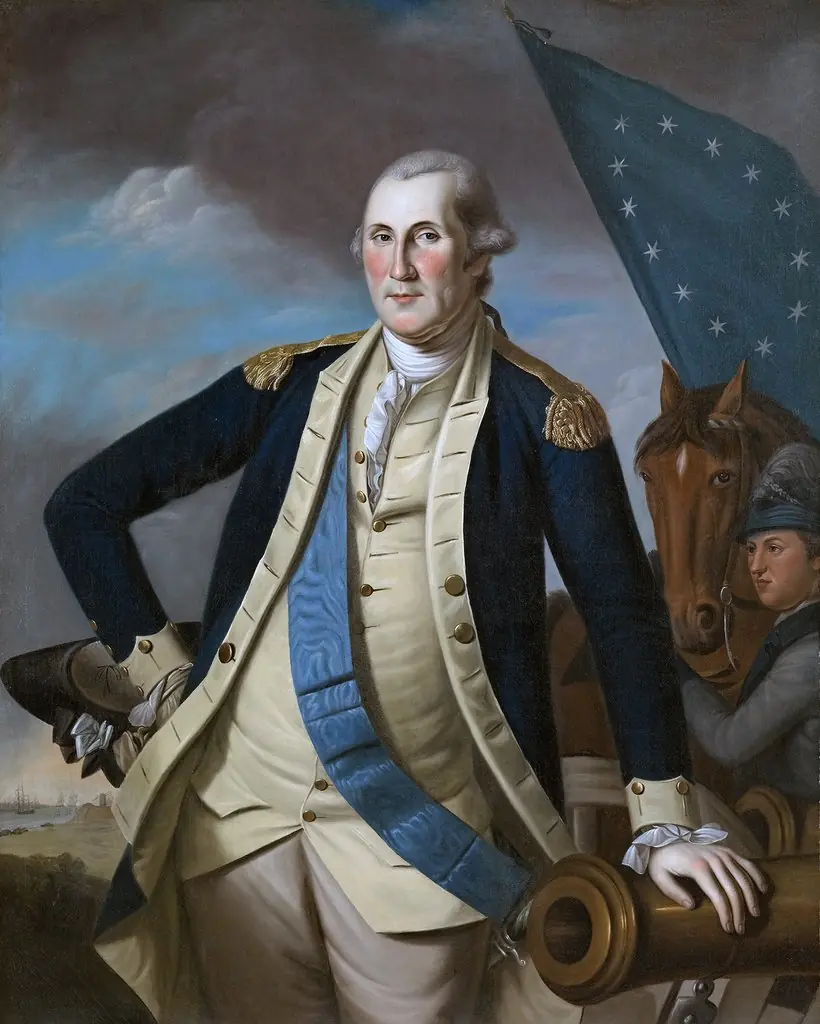
Compare this to Charles Willson Peale’s portraits of Washington. See it at the Cleveland Museum of Art.
Overview
George Washington at Princeton, created by Albert Rosenthal in 1898, is a portrait depicting the first U.S. President in a contemplative, non-military setting. The work reflects Rosenthal's penchant for American-themed portraiture.
Subject & Meaning
The piece shows George Washington in 1777, post-Princeton victory, in a somber, dark room. His tired expression and aged appearance, differing from more youthful depictions like those by Charles Willson Peale, offer a nuanced, non-heroic portrayal.
Technique & Style
Rosenthal incorporated historical details from old sketches into the work, featuring Washington with a white wig and blue coat, his hand resting on a table amidst papers. The style emphasizes realism and historical accuracy.
History & Provenance
Albert Rosenthal, a multifaceted artist, writer, and collector from Philadelphia, created this work. It is currently part of The Cleveland Museum of Art's collection.
Context
Contrasting typical heroic war scenes, this 1898 piece focuses on a moment of quiet reflection, highlighting Washington's humanity after a significant military success.
Artist & collection
Artist
Albert Rosenthal (January 30, 1863 – December 20, 1939) was an American portrait artist, printmaker, writer, and collector from Philadelphia.