Artwork
John Marshall
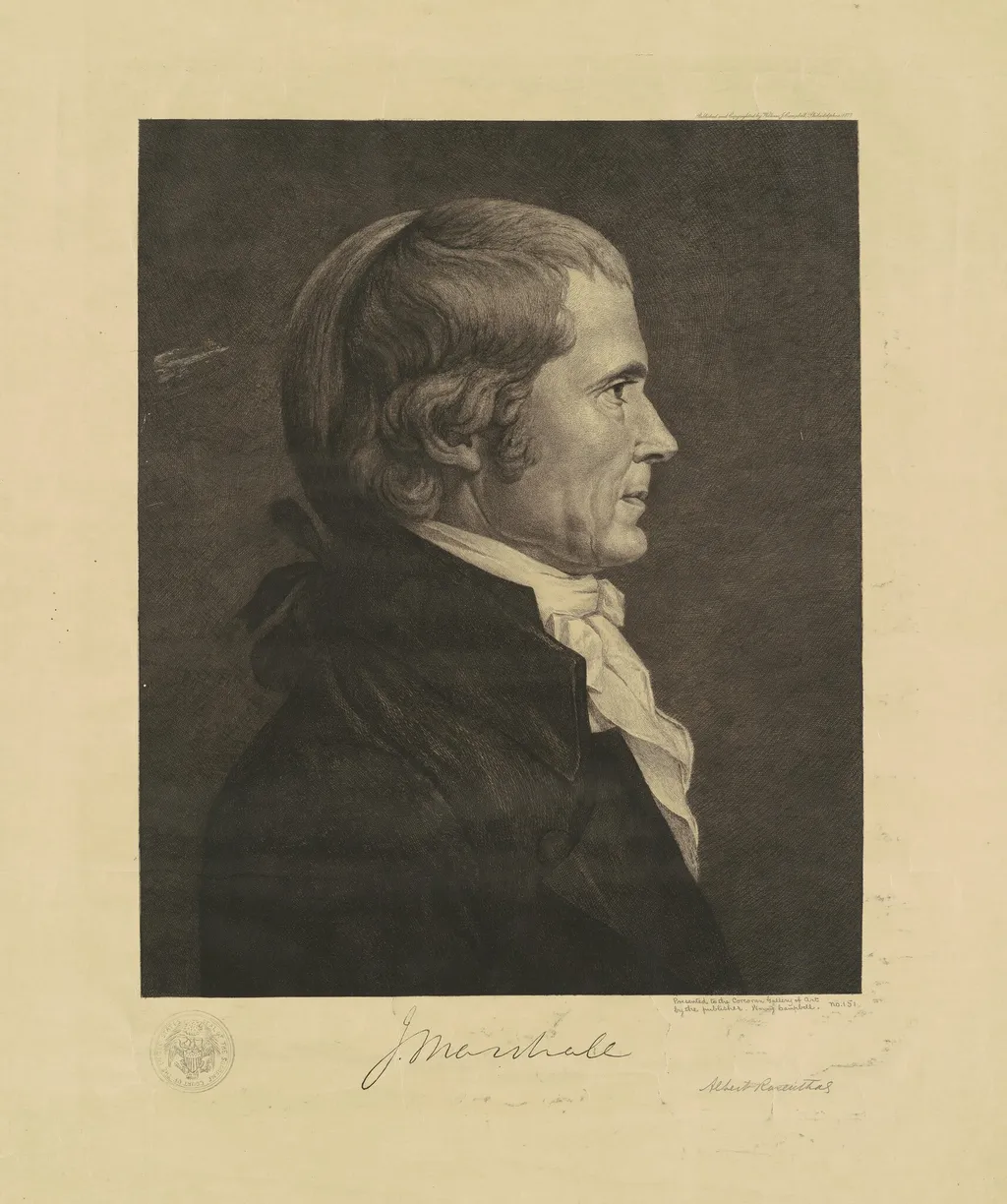
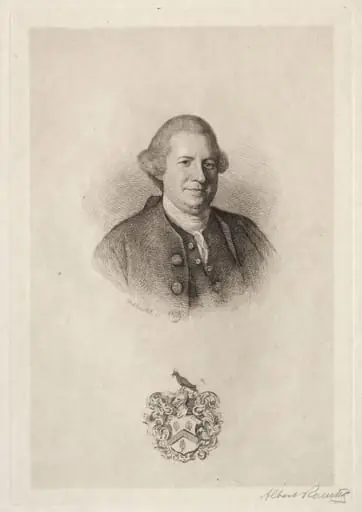
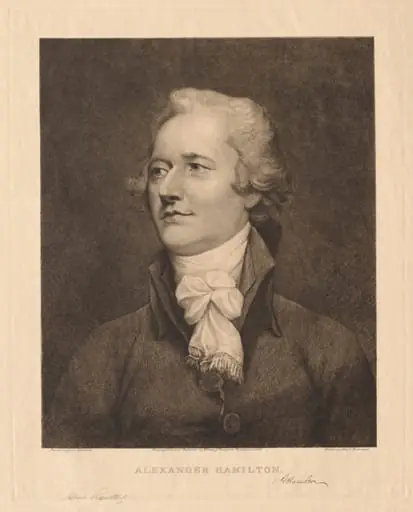
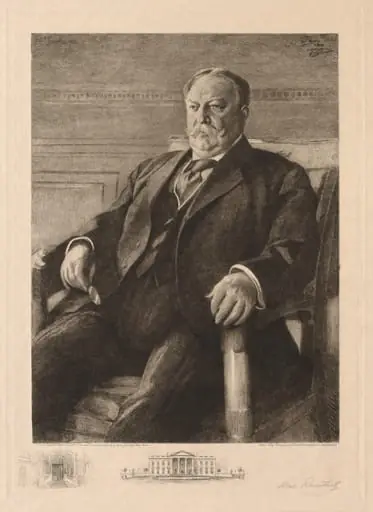
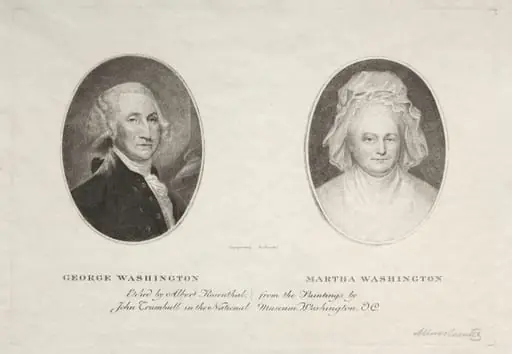
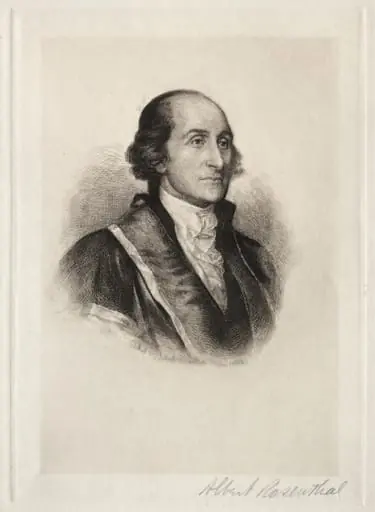
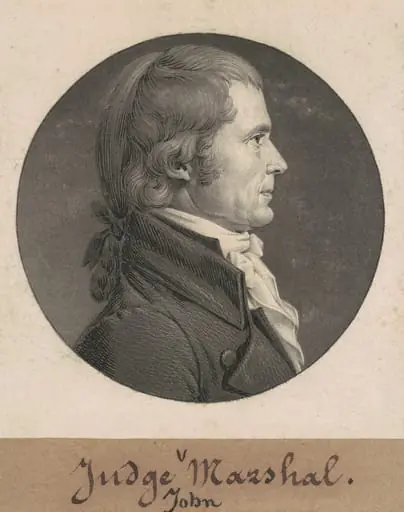
John Marshall is an ink print by the Impressionist artist Albert Rosenthal. It dates from 1897 and is held in the collection of the National Gallery of Art.
About this work
Overview
Albert Rosenthal, an American artist based in Philadelphia, produced this 1897 etching of John Marshall as part of his focus on portraiture and printmaking.
Albert Rosenthal, an American artist based in Philadelphia, produced this 1897 etching of John Marshall as part of his focus on portraiture and printmaking. Rendered in black ink on wove paper, the work belongs to a series of historical figures Rosenthal interpreted through the medium of etching. The print captures Marshall with precision, emphasizing formal attire and a composed demeanor, reflecting Rosenthal’s interest in documenting prominent American figures through detailed graphic art.
Subject & Meaning
The portrait depicts John Marshall, the fourth Chief Justice of the United States, known for shaping judicial review and federal authority. Rosenthal presents him in a restrained, dignified manner—facing forward, expression neutral—conveying authority without theatricality. The absence of symbolic elements directs focus to Marshall’s presence, aligning with the 19th-century tradition of portraying public figures through quiet gravitas rather than allegory.
Technique & Style
Rosenthal employed fine-line etching to render texture in Marshall’s hair, cravat, and jacket, using controlled hatching and cross-hatching to suggest depth and fabric weight. The dark background isolates the figure, enhancing contrast and drawing attention to facial features. The wove paper’s smooth surface allowed for crisp lines, characteristic of Rosenthal’s technical precision and his commitment to the etching medium as a vehicle for detailed portraiture.
History & Provenance
Created in 1897, the etching emerged during a period of renewed interest in early American leadership. Rosenthal, an avid collector and writer on printmaking, likely produced this as part of a broader project to visually document national figures. While specific early ownership records are not widely documented, the work entered institutional collections in the 20th century, reflecting its status as a representative example of American portrait etching from the late 1800s.
Context
In the late 19th century, American artists increasingly turned to historical portraiture to reinforce national identity. Rosenthal’s etching aligns with this trend, paralleling efforts by institutions to preserve visual records of founding-era leaders. His choice of etching—rather than painting—reflects the medium’s growing acceptance for scholarly and commemorative portraiture, particularly in printed formats accessible to libraries and educational collections.
Legacy
Rosenthal’s etching of Marshall remains a modest but enduring example of American graphic portraiture from the Gilded Age. It contributes to the visual archive of early U.S. judicial figures and illustrates the role of printmakers in shaping public memory. Though not widely reproduced, the work is preserved in several institutional collections, where it continues to serve as a reference for the stylistic and thematic concerns of late 19th-century American print culture.
Artist & collection
Artist
Albert Rosenthal (January 30, 1863 – December 20, 1939) was an American portrait artist, printmaker, writer, and collector from Philadelphia.