Artwork
¡A la guerra!
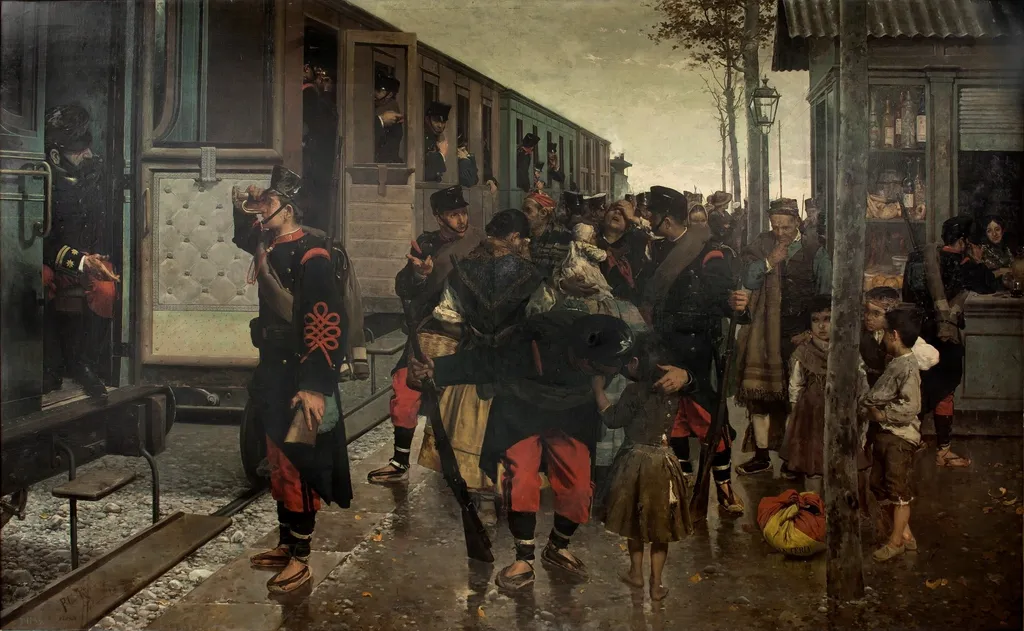
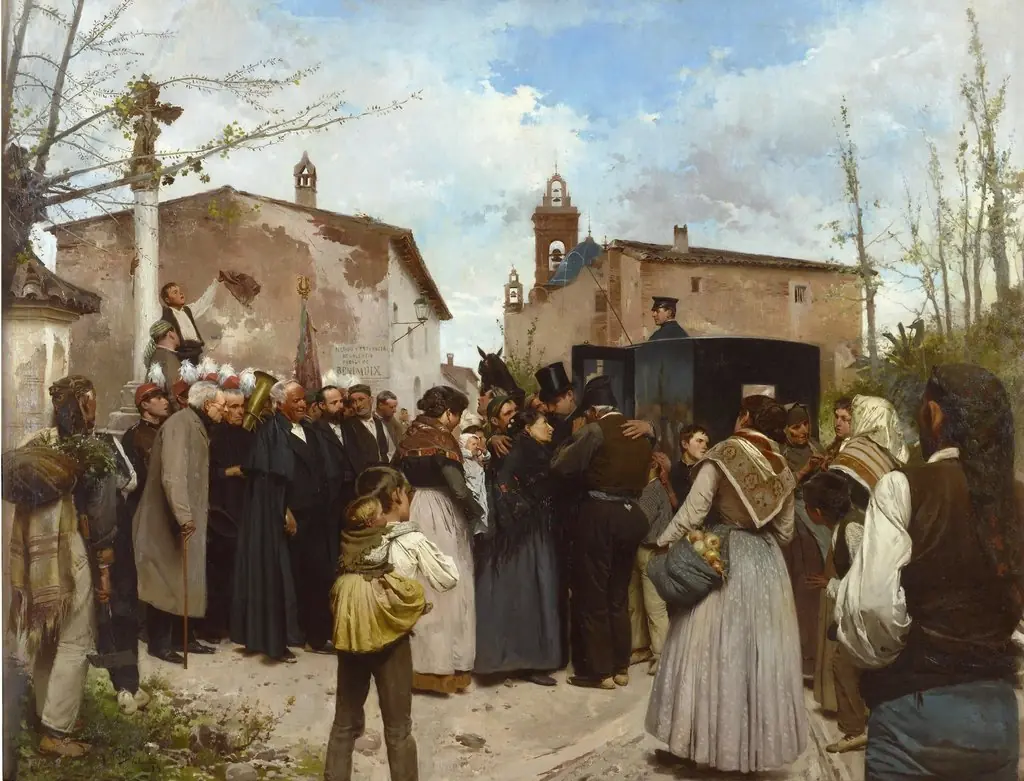
¡A la guerra! is an oil painting by the Post-Impressionist artist Alberto Pla y Rubio. It dates from 1898 and is held in the collection of the Museo del Prado.
About this work
Overview
Created in 1898 by Spanish painter Alberto Pla y Rubio, ¡A la guerra! is an oil on canvas that captures a moment of everyday travel. The composition centers on a group of figures in traditional, dark‑coloured attire gathered beside a stationary train, its doors open and windows revealing interior activity. The work is part of the Prado Museum’s permanent collection.
Subject & Meaning
The scene portrays ordinary people waiting beside a railway carriage, suggesting a snapshot of late‑19th‑century mobility and social interaction.
The scene portrays ordinary people waiting beside a railway carriage, suggesting a snapshot of late‑19th‑century mobility and social interaction. Though titled “¡A la guerra!” (To war!), the image conveys a quiet, almost contemplative atmosphere, inviting viewers to consider the ordinary lives intersecting with the broader currents of modern transportation and, implicitly, the mobilization of society.
Technique & Style
Pla y Rubio employs a realistic, detail‑rich approach characteristic of post‑impressionist tendencies, balancing precise rendering with a subtle palette. Dark browns, blacks, grays and muted beiges dominate, while careful modeling of textures—fabric folds, metal surfaces, and train wood—creates depth. The brushwork remains controlled, emphasizing the calm steadiness of the scene despite its bustling setting.
History & Provenance
Alberto Pla y Rubio, known for his socially oriented subjects and teaching roles at several Spanish academies, produced the painting during a period of heightened interest in contemporary life. After its creation, the canvas entered the collection of the Museo del Prado, where it remains on display as part of the institution’s representation of Spanish art from the turn of the century.
Context
The work reflects the broader turn‑of‑the‑century fascination with industrial progress and the railway’s impact on daily routines. Within the post‑impressionist movement, Pla y Rubio’s focus on ordinary laborers and transport scenes aligns with a shift away from historic or mythic themes toward the documentation of modern, urban experiences in Spain.
Artist & collection
Artist
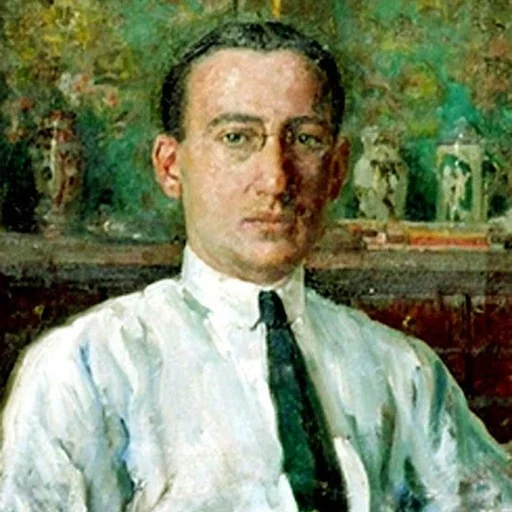
Alberto Pla y Rubio (1867–1937) was a Spanish painter interested in social issues. He was a professor of the Academy of Fine Arts in Valencia, the Academy of Fine Arts in Cadiz and the La Lonja school in Barcelona.

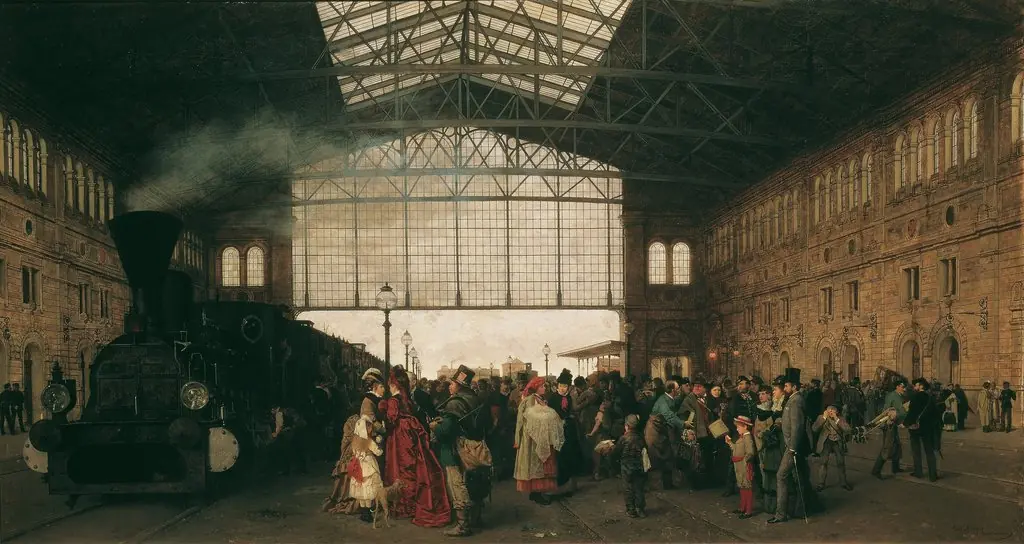 Arrival of a train at Vienna northwest-station
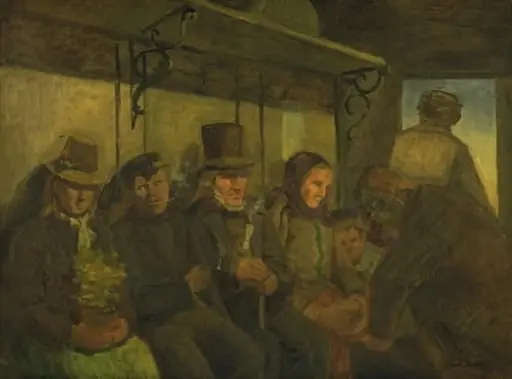 Travellers in a Third Class Compartment
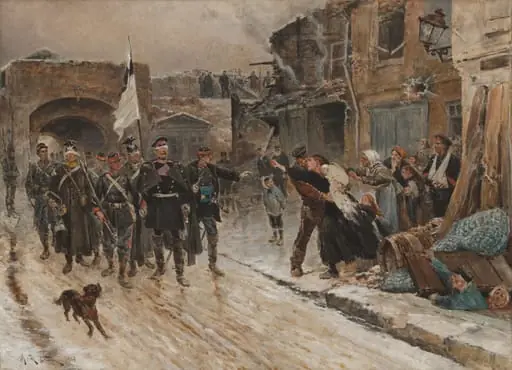 The Flag of Truce
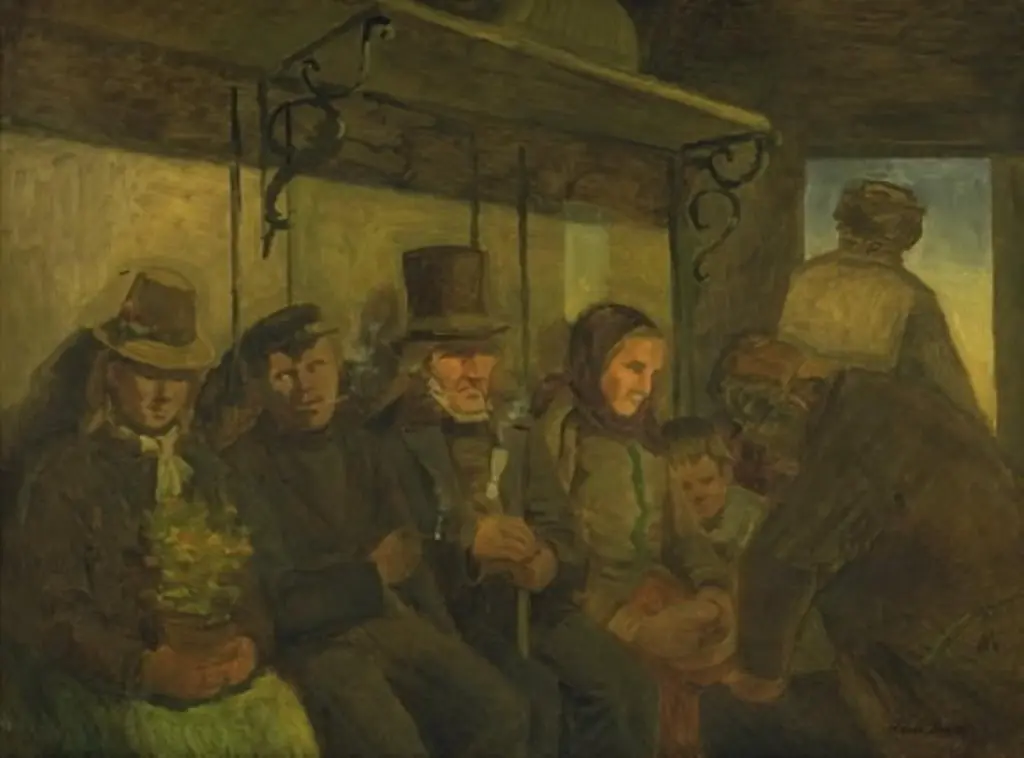 Travellers in a Third Class Compartment
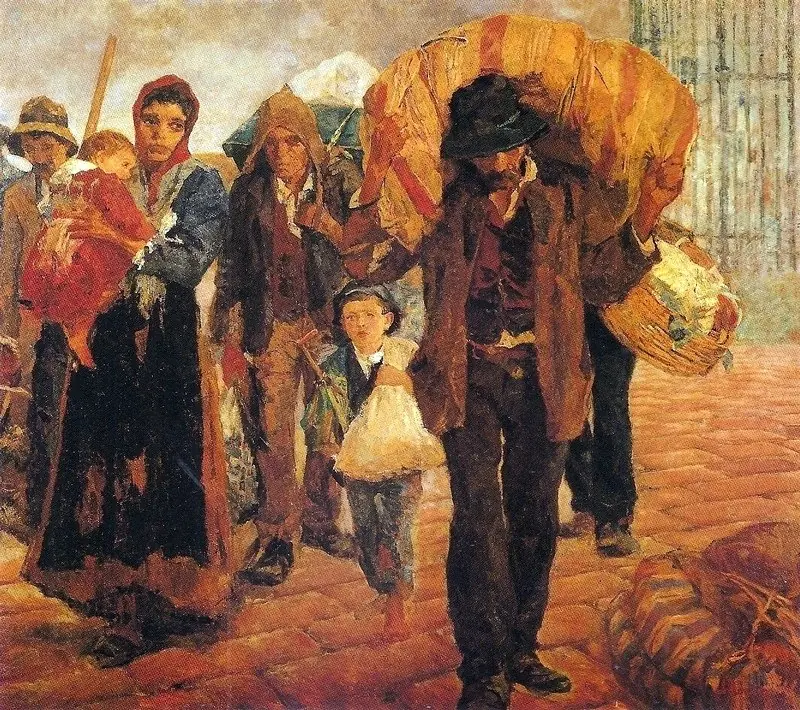 Emigrants
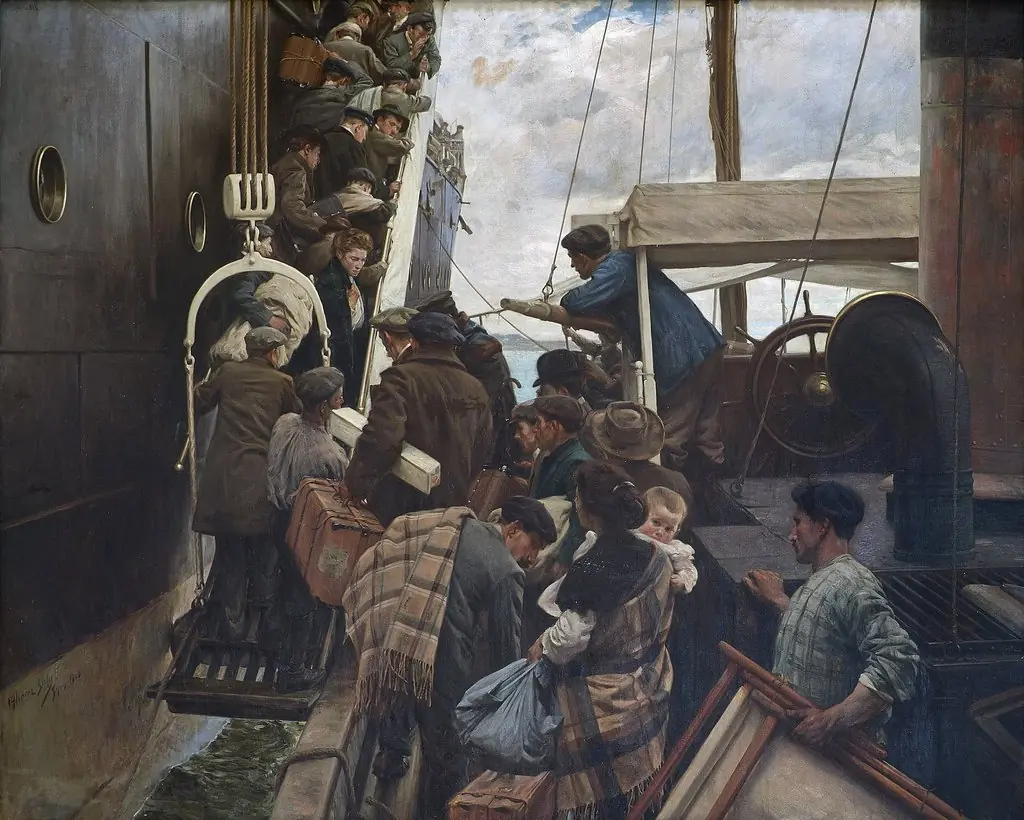 Emigrantes
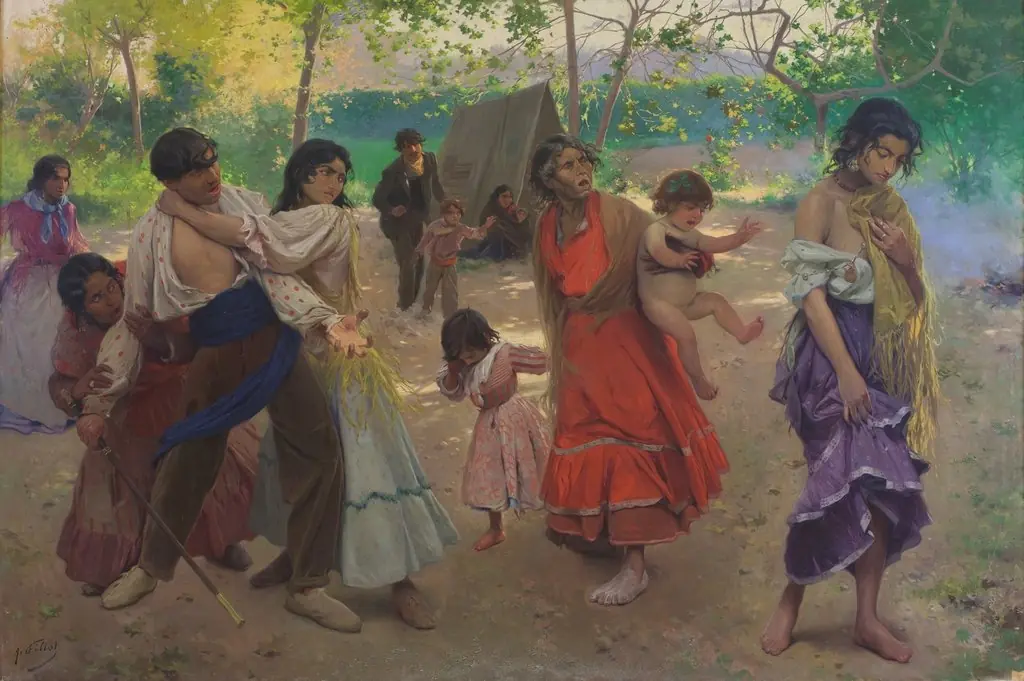 La rebelde
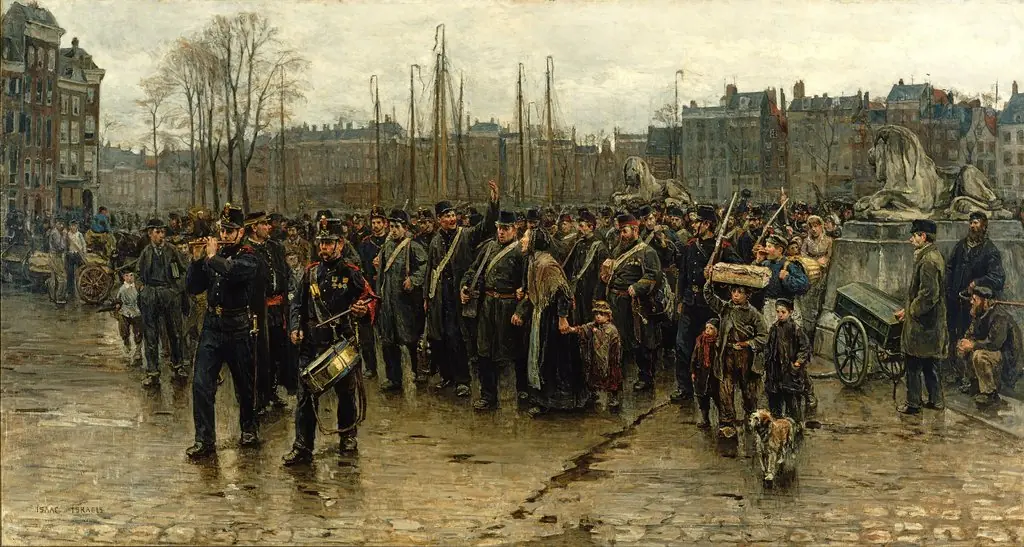 Transport of colonial soldiers
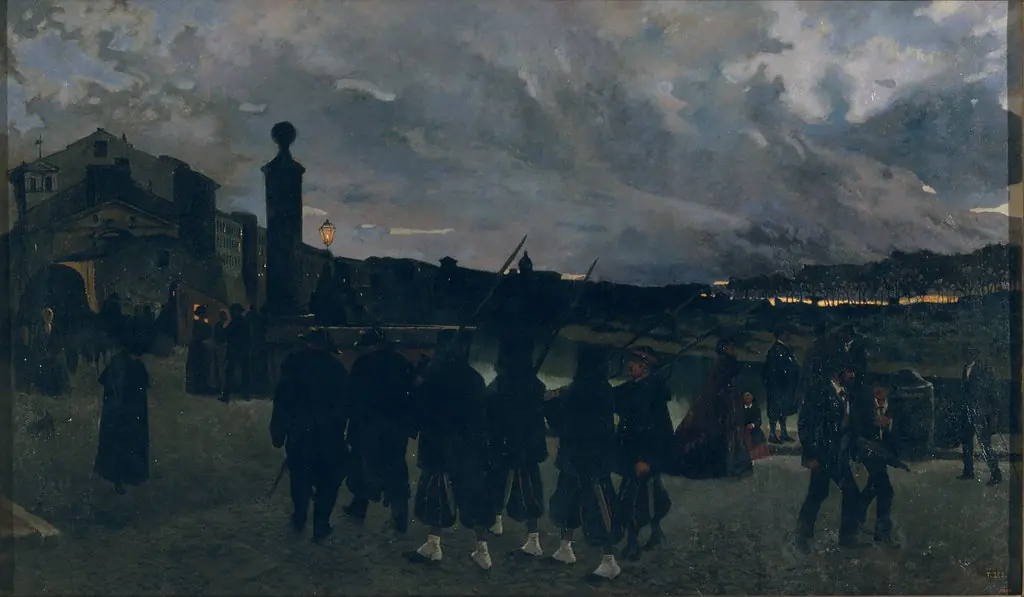 Zitto. Silenzio, che passa la ronda
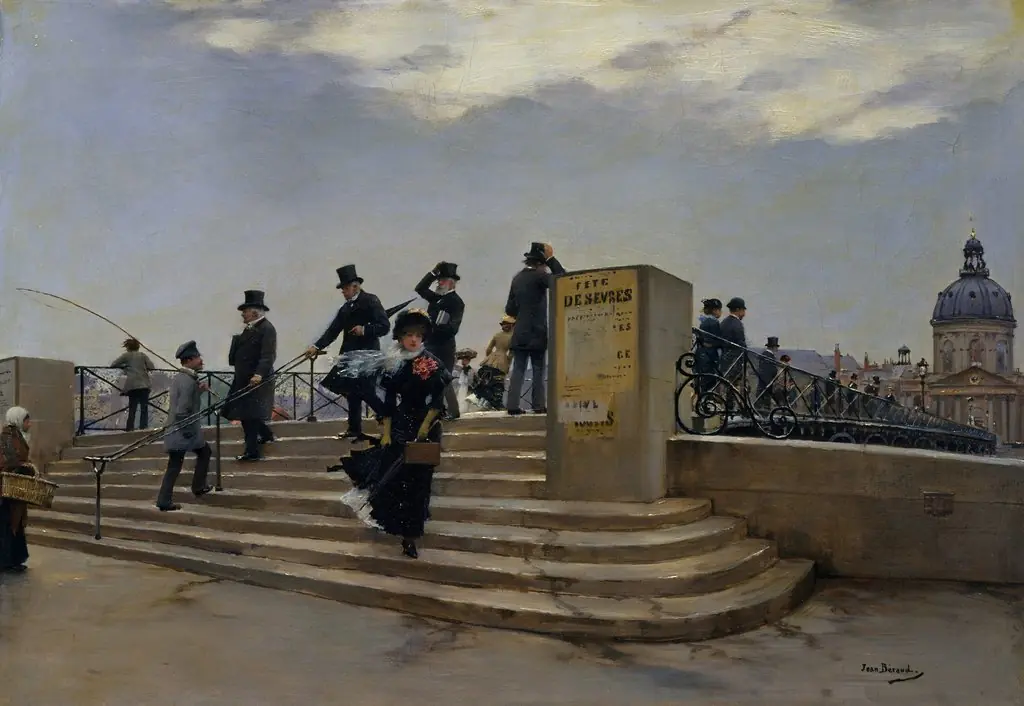 A Windy Day on the Pont des Arts
 La gloria del pueblo
 The Third-Class Carriage