Artwork
Emigrants
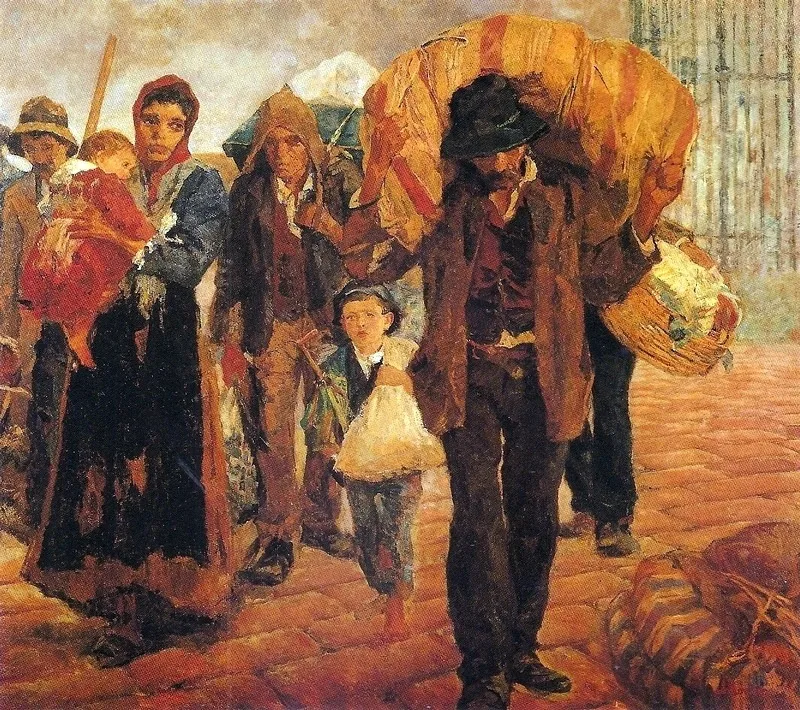
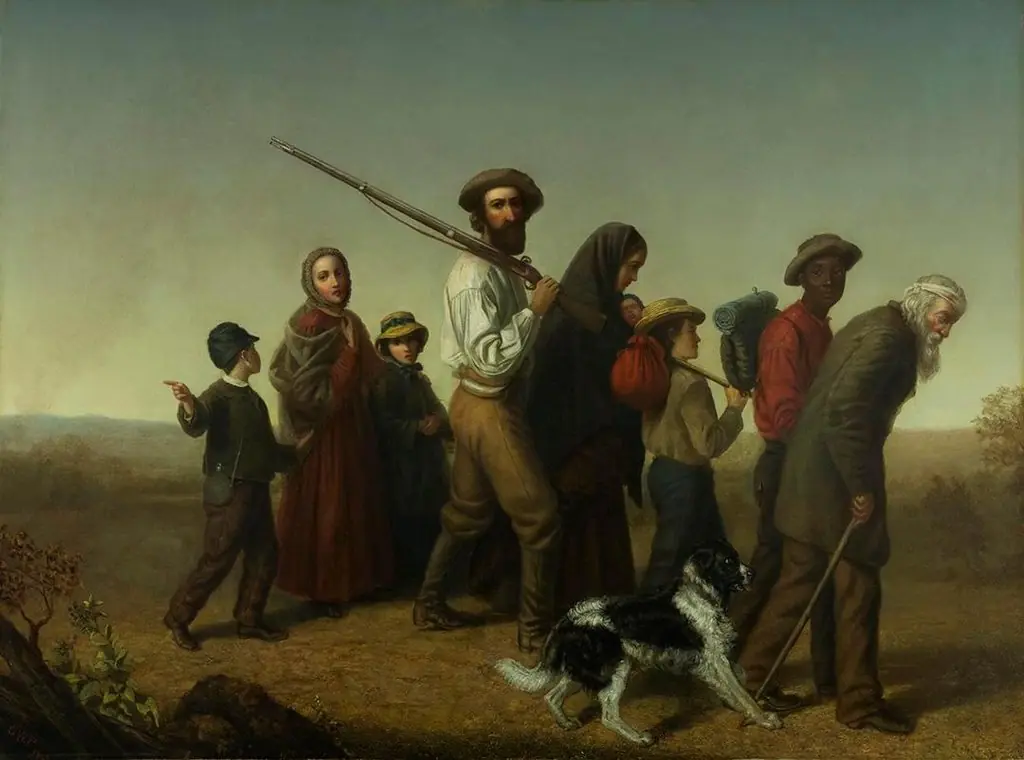
Emigrants is an oil painting by the Post-Impressionist artist Antonio Rocco. It dates from 1910 and is held in the collection of the Pinacoteca de São Paulo.
About this work
Overview
Antonio Rocco's 1910 oil painting Emigrants depicts a group of travelers moving in unison across a sparse landscape.
Antonio Rocco's 1910 oil painting Emigrants depicts a group of travelers moving in unison across a sparse landscape. Rendered in muted earth tones, the figures carry modest belongings, suggesting a journey driven by necessity. The work is part of the Pinacoteca do Estado de São Paulo’s collection and reflects early 20th-century Brazilian realism, focusing on the quiet dignity of ordinary people in transit.
Subject & Meaning
The painting portrays a collective movement, likely representing migration or displacement among the working class. Figures are shown in varied postures—some低头, others gazing forward—conveying exhaustion, resolve, or uncertainty. The absence of clear landmarks or narrative context emphasizes the universality of their condition, inviting reflection on labor, displacement, and resilience without overt sentimentality.
Technique & Style
Rocco employs a restrained palette of browns, grays, and muted ochres to ground the scene in realism. Brushwork is deliberate but unembellished, favoring form over texture. The corrugated metal wall in the background provides a stark, industrial contrast to the human figures, reinforcing the setting’s modesty. Composition directs the viewer’s eye along the line of travelers, reinforcing their shared purpose.
History & Provenance
Created in 1910, Emigrants entered the Pinacoteca do Estado de São Paulo’s collection in the early 20th century, likely through state acquisition or donation. While Rocco’s broader oeuvre remains less documented, this work is among the few attributed to him that survived into public institutional care, preserving a rare visual record of rural-to-urban migration in Brazil during that era.
Context
In early 1900s Brazil, internal migration surged as rural populations moved toward cities seeking work. Emigrants reflects this social shift, aligning with broader Latin American realist movements that turned attention to laborers and the disenfranchised. Unlike European counterparts, Brazilian artists of this period often avoided grand narratives, instead capturing subtle, everyday moments of endurance.
Legacy
Though Antonio Rocco is not widely known today, Emigrants endures as a quiet testament to Brazil’s evolving social landscape. It contributes to a regional tradition of depicting working-class life with restraint and empathy, influencing later generations of artists who sought to represent marginalized communities without romanticization or spectacle.
Artist & collection

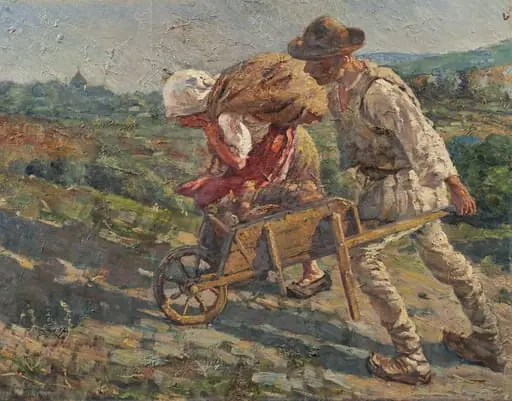 De la munca câmpului. Țăran cu roaba
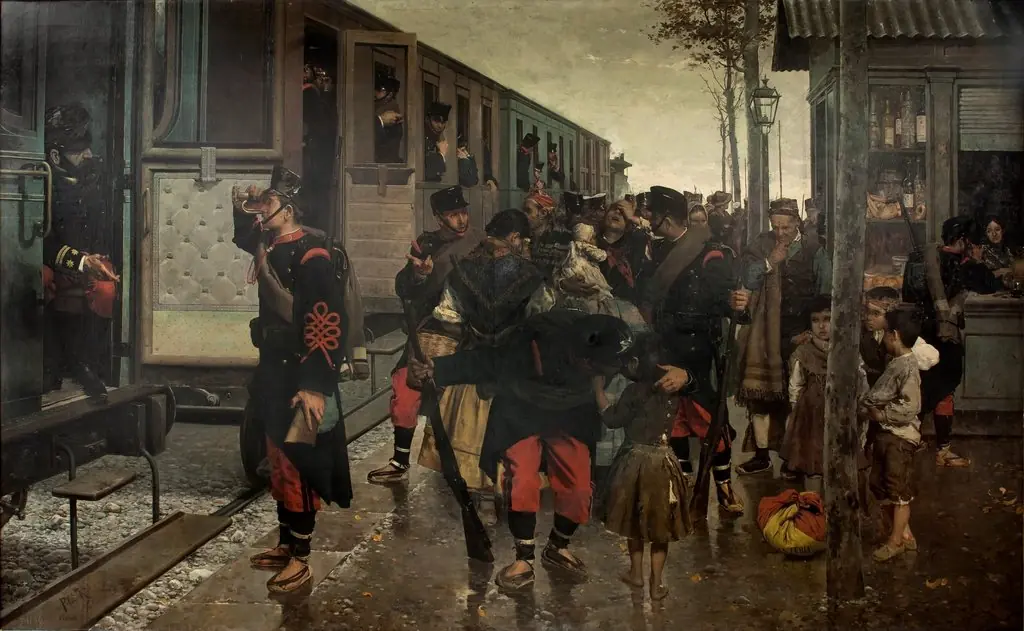 ¡A la guerra!
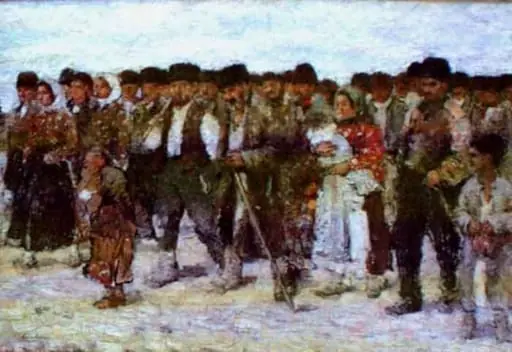 La împărțitul porumbului
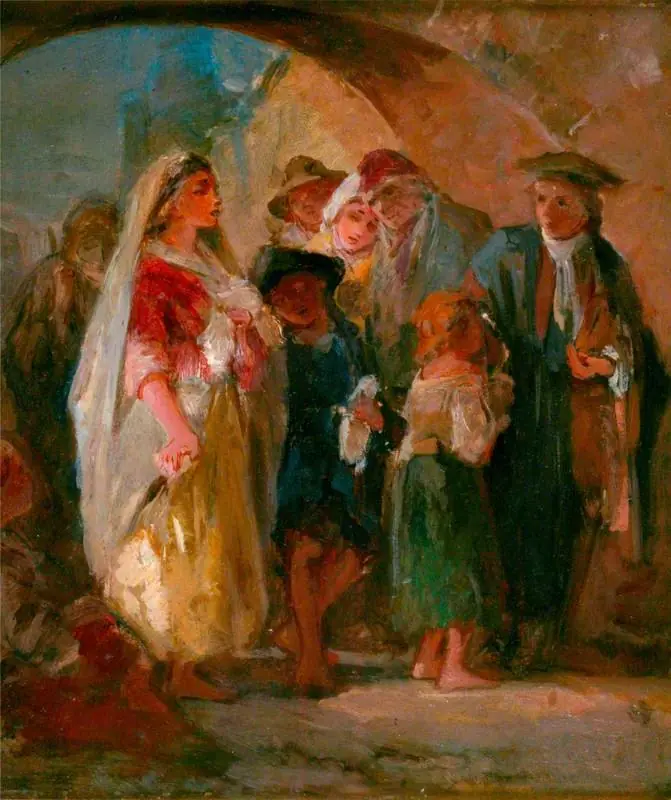 Oliver Goldsmith (1728/1730–1774), as a Young Man (sketch for John Forster's 'Life of Oliver Goldsmith')
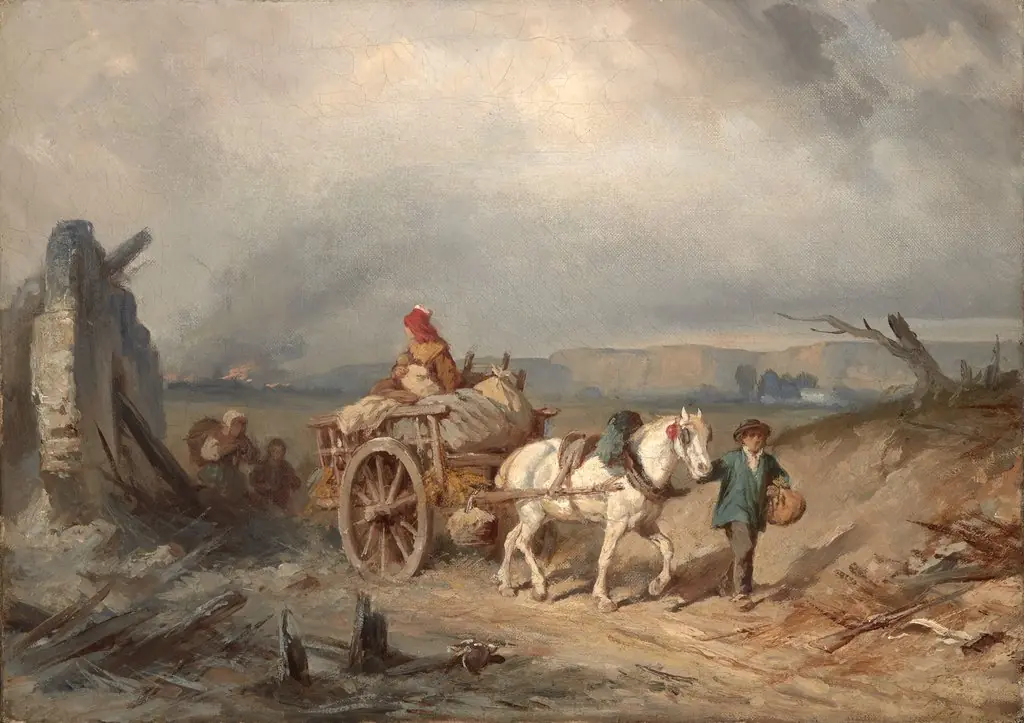 Escape
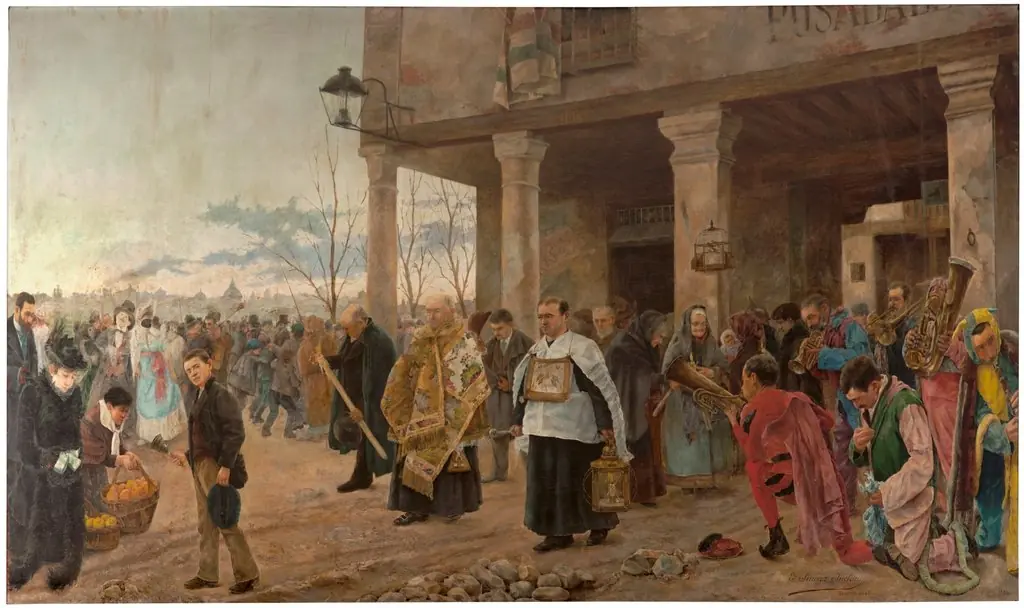 ¡Que pasa Dios!
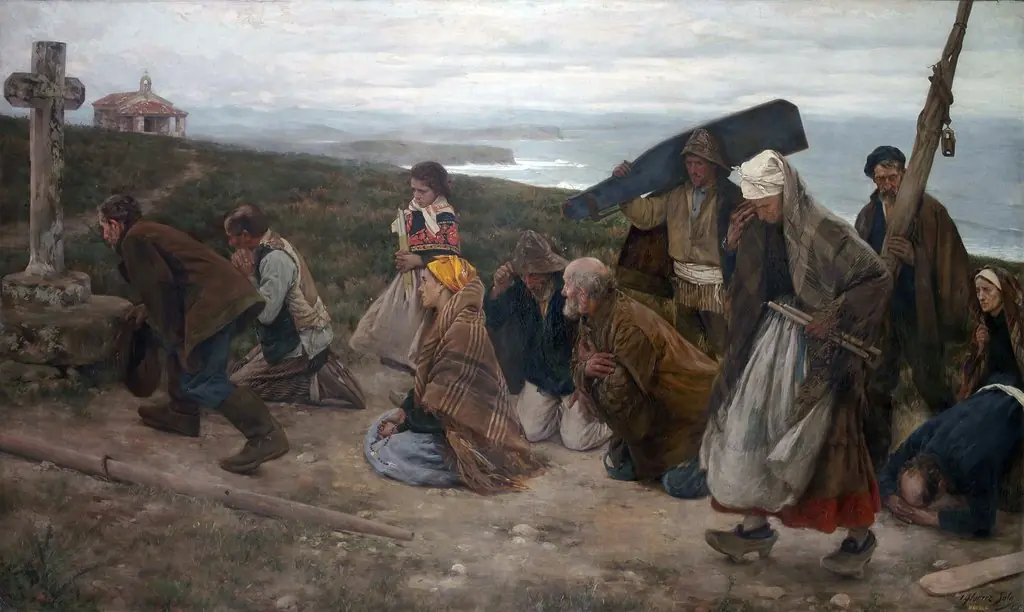 La promesa después del temporal Asturias
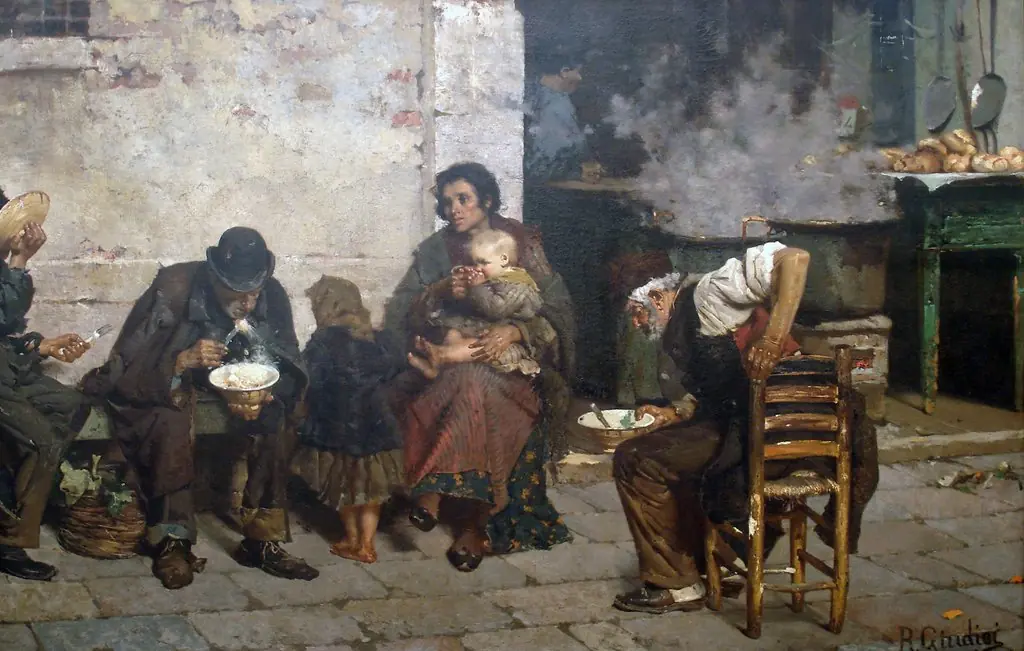 Soup of the poor
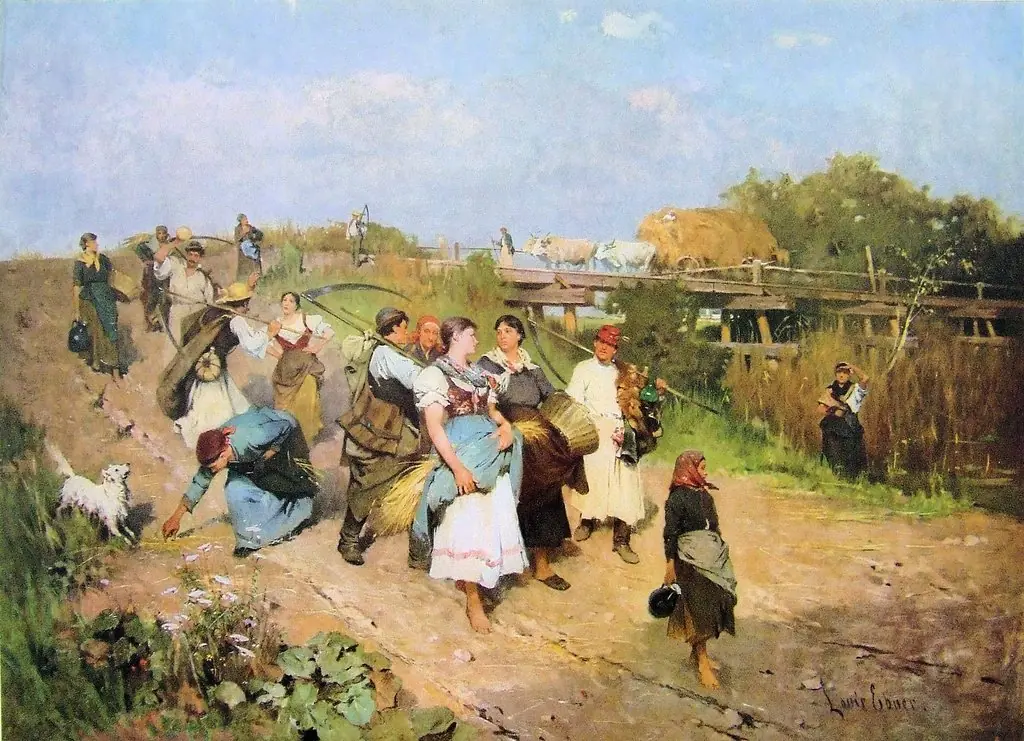 Harvesters Returning Home
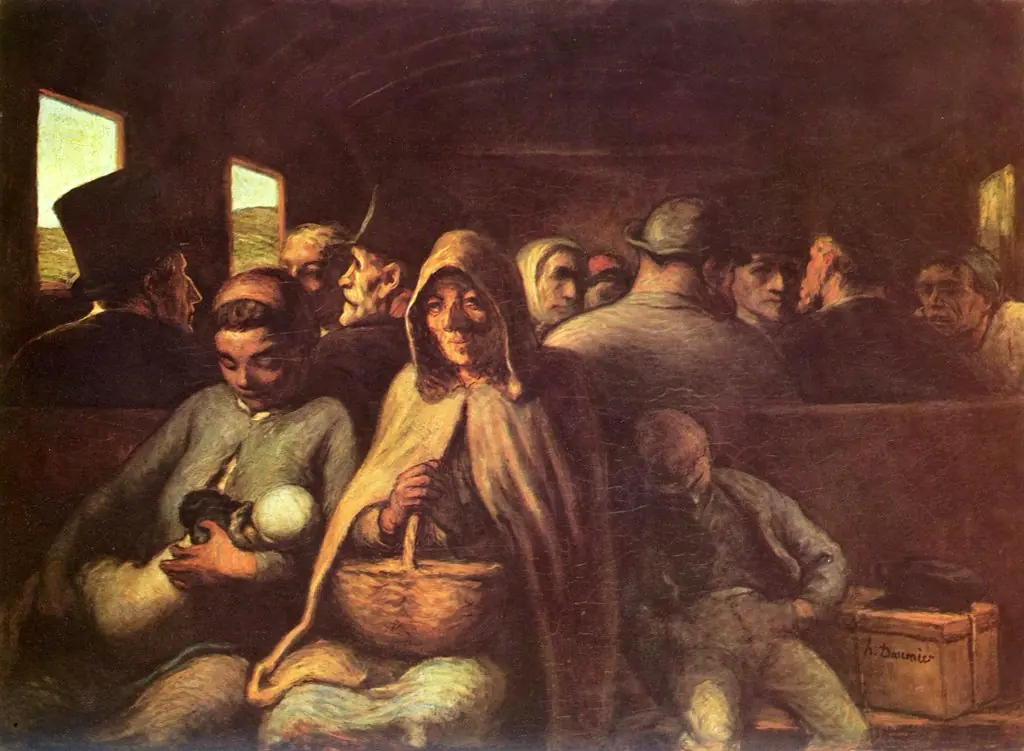 The Third-Class Carriage
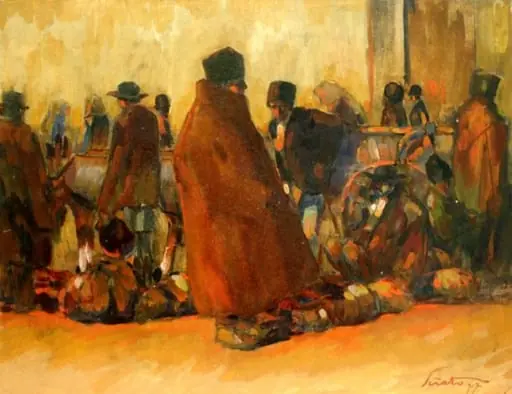 Târg (Piață cu personaje și animale)
 Union Refugees