Artwork
Emigrantes
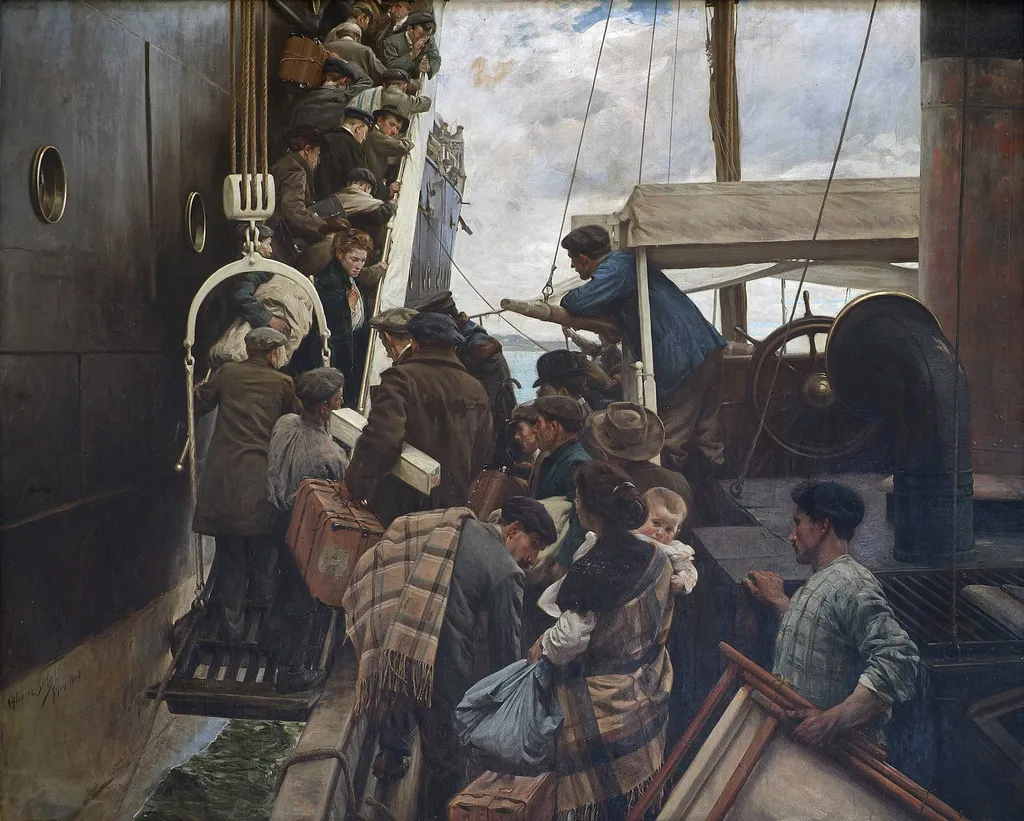
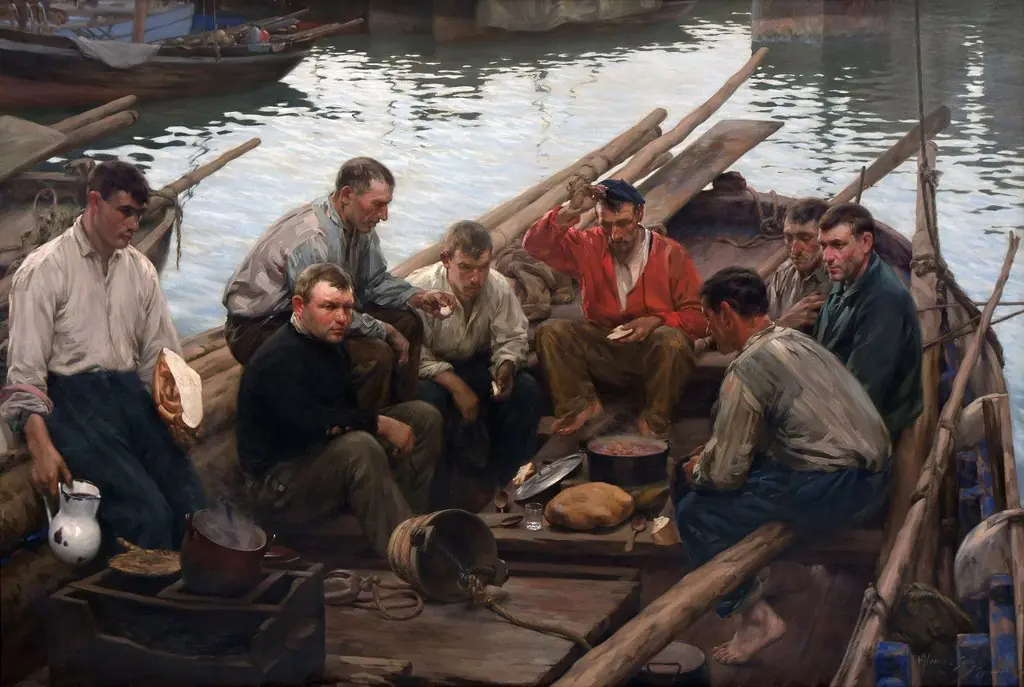
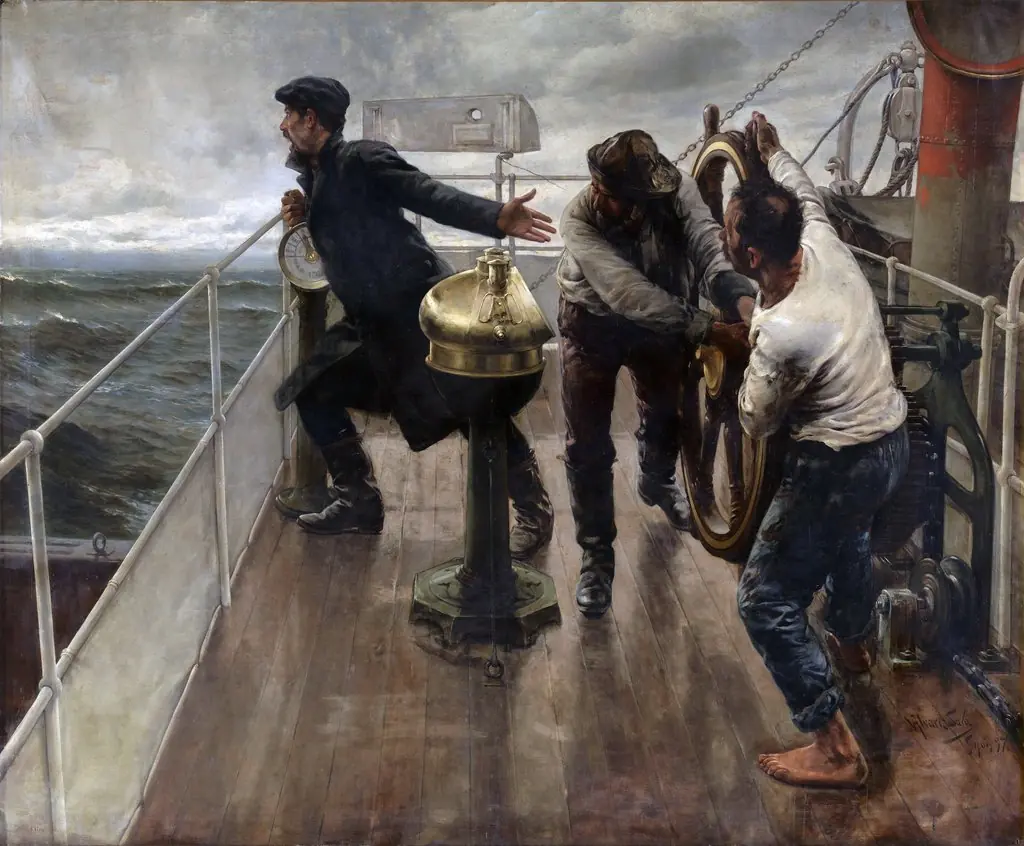
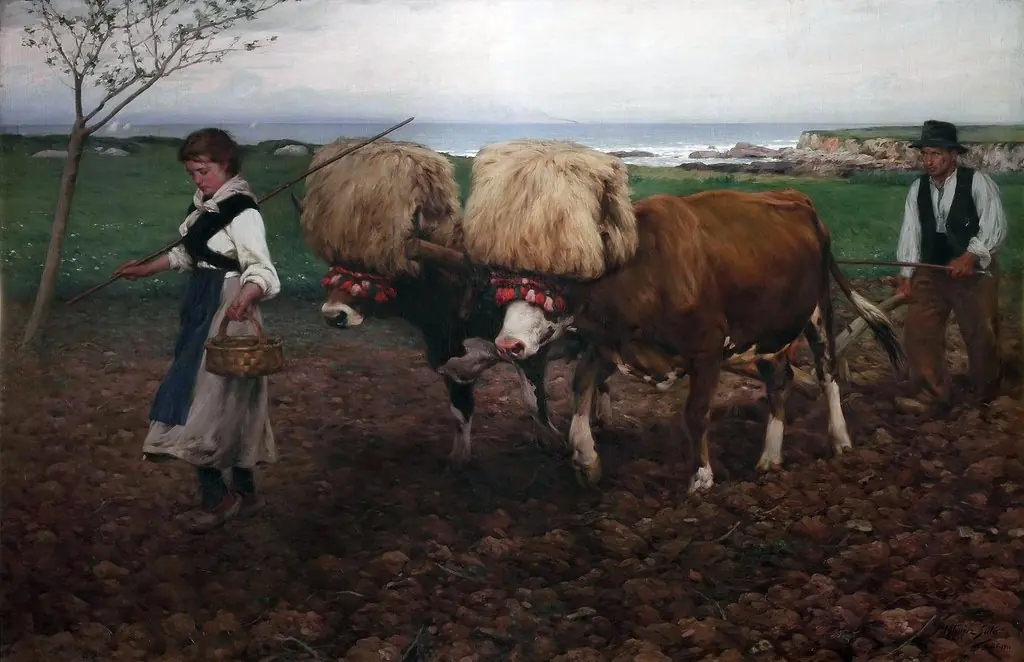
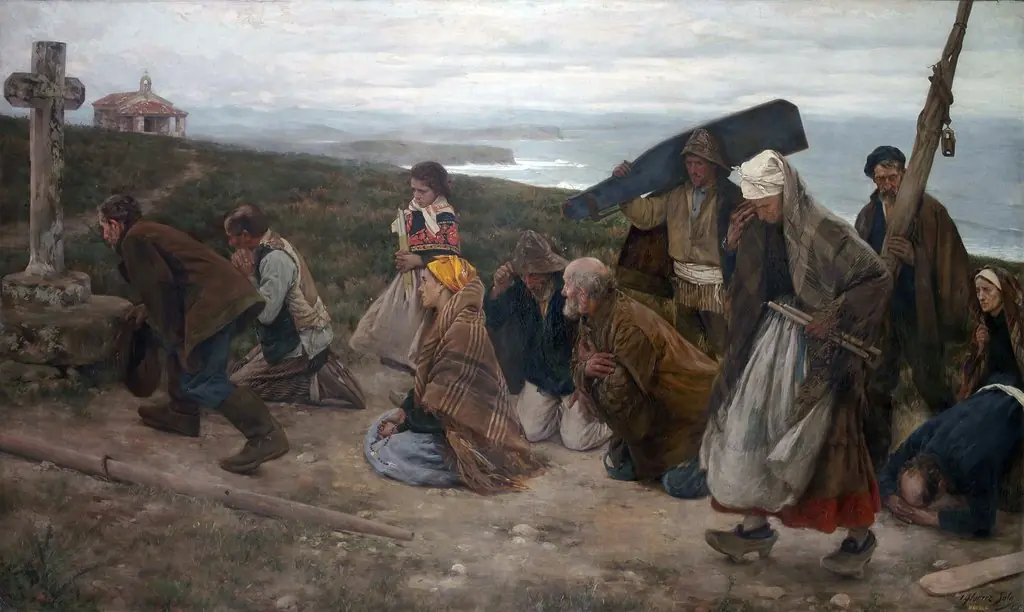
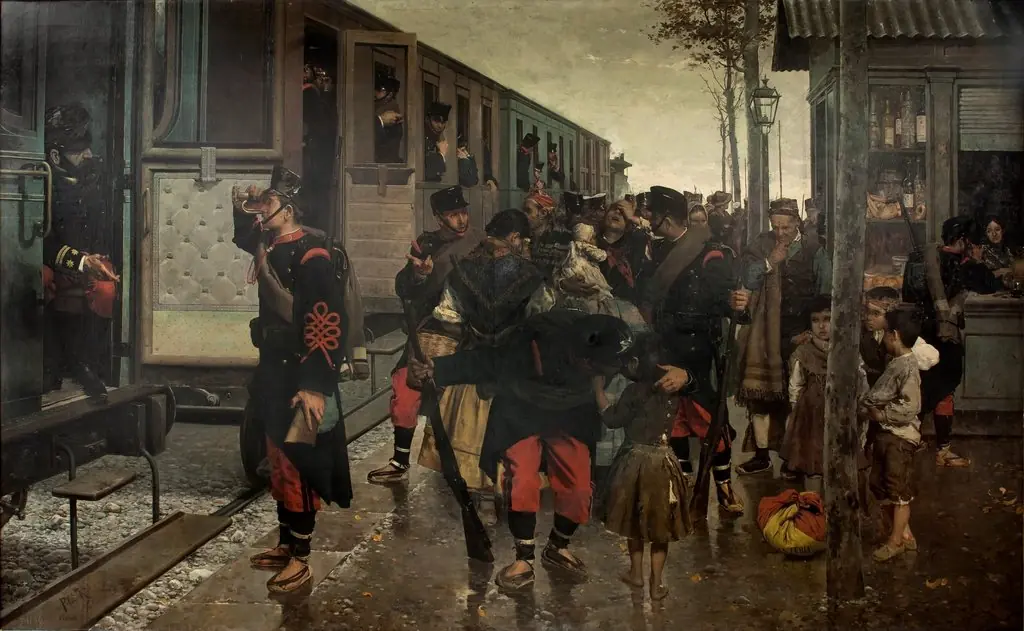
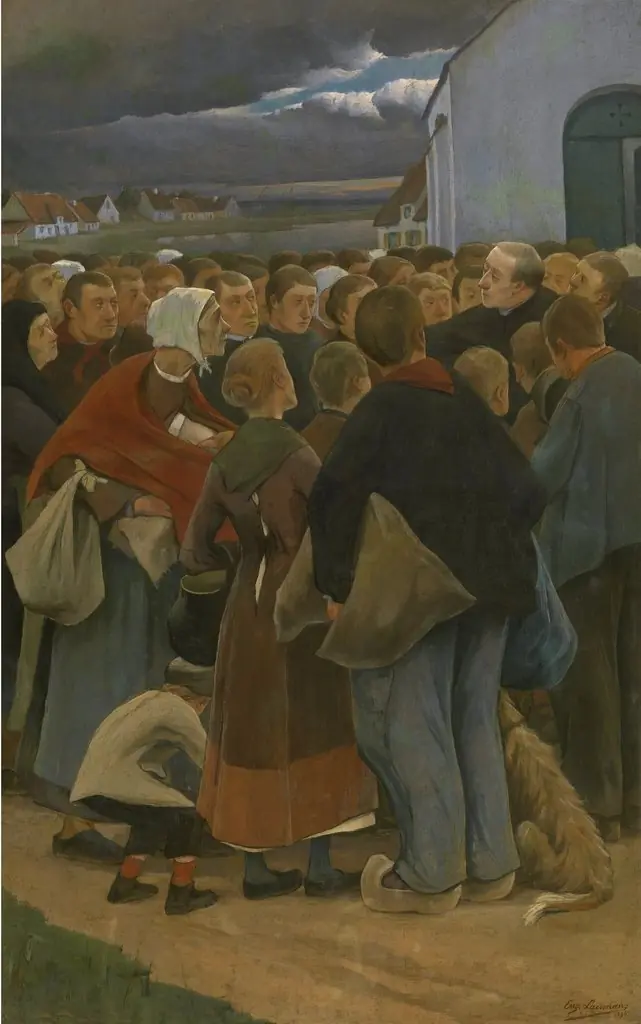
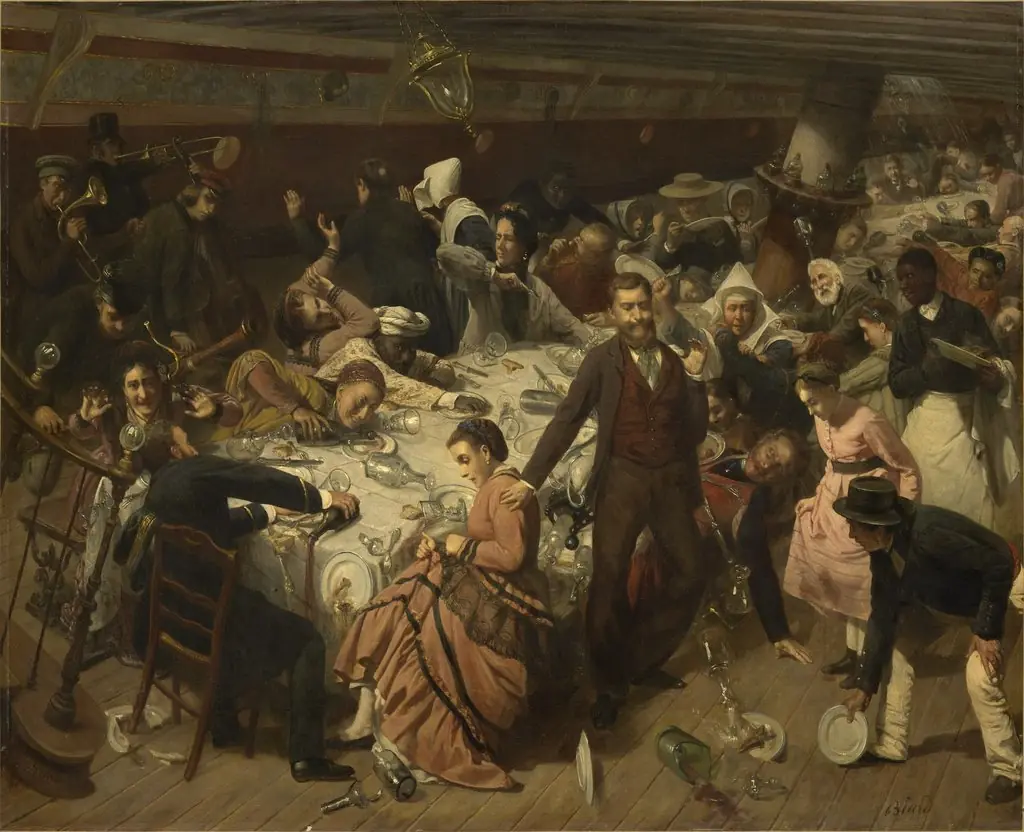
Emigrantes is an oil painting by the Post-Impressionist artist Ventura Álvarez Sala. It dates from 1908 and is held in the collection of the Museo del Prado.
About this work
Overview
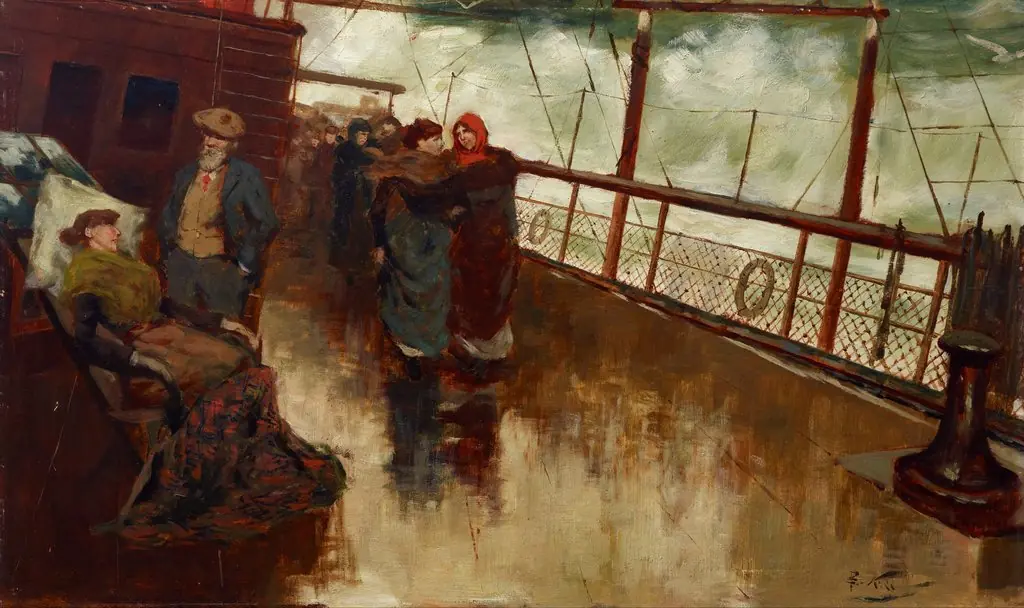
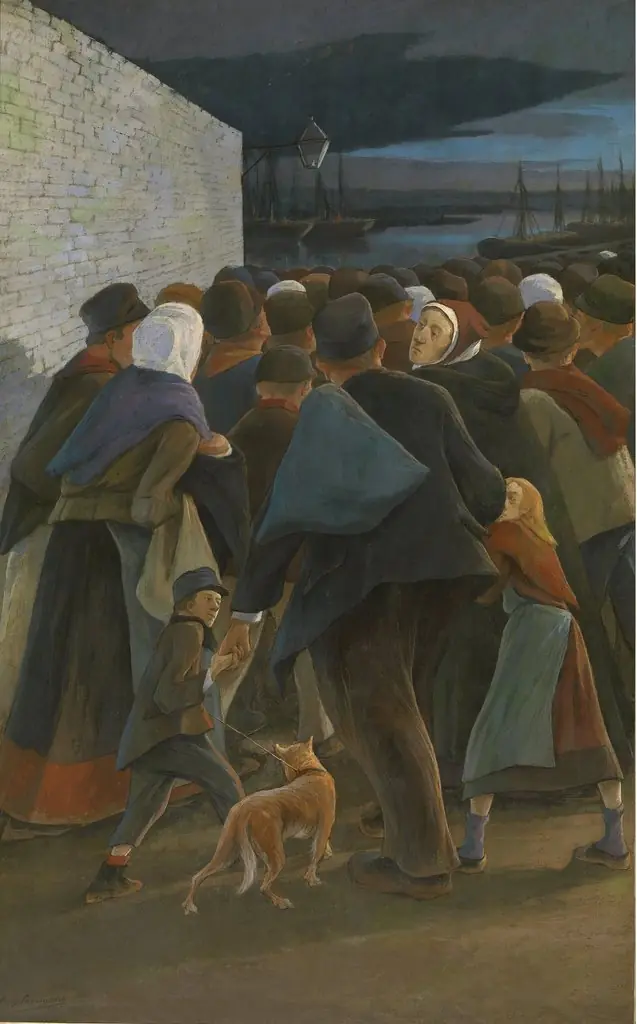
Emigrantes, completed in 1908 by Spanish artist Ventura Álvarez Sala, is an oil-on-canvas painting depicting a group of travelers preparing to depart by sea.
Emigrantes, completed in 1908 by Spanish artist Ventura Álvarez Sala, is an oil-on-canvas painting depicting a group of travelers preparing to depart by sea. Created during the post-impressionist era, the work belongs to the Museo del Prado’s permanent collection in Madrid. Álvarez Sala, known for his focus on everyday life and maritime themes, captures a moment of transition common in early 20th-century Spain, where economic hardship drove many to seek opportunity abroad.
Subject & Meaning
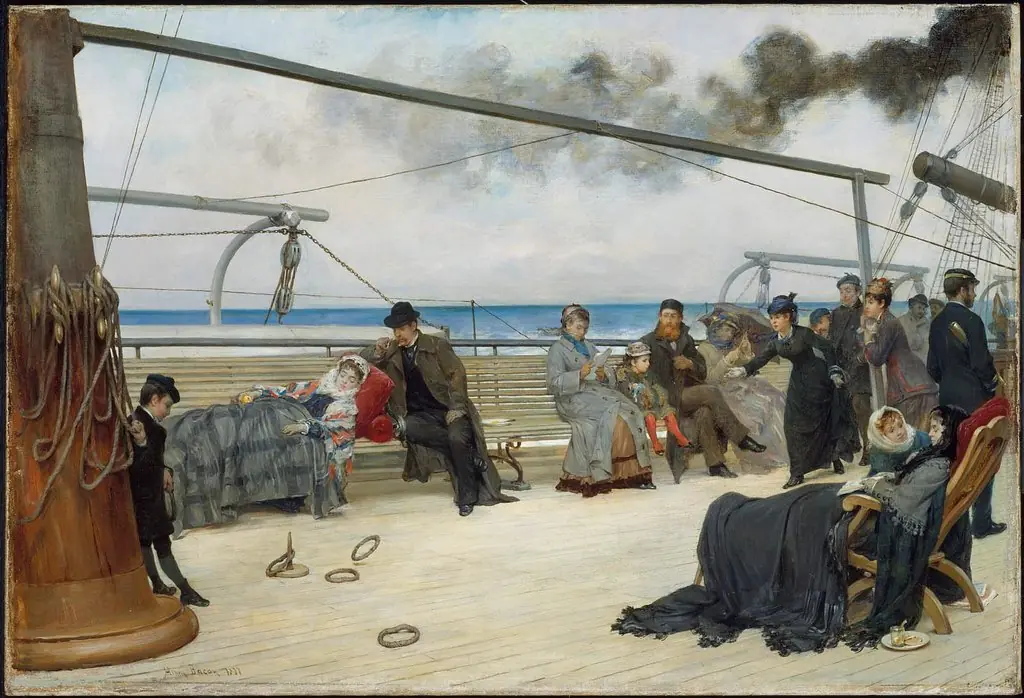
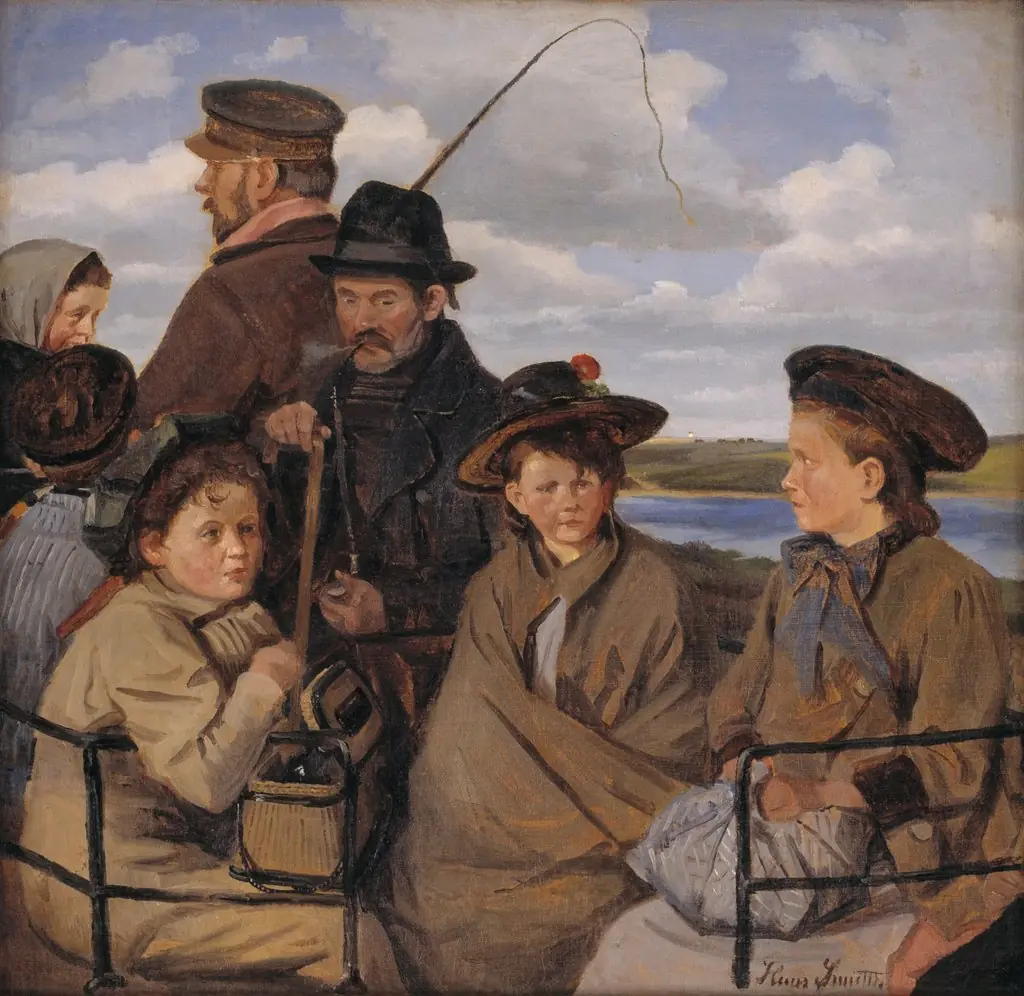
The painting portrays a crowd of emigrants gathered on a docked vessel, some seated with bundled possessions, others standing in quiet anticipation. Figures on the shore observe silently, suggesting the emotional weight of separation. The scene reflects the broader social reality of Spanish emigration during this period—families leaving home with little certainty, carrying only what they could manage. The absence of overt drama underscores the quiet resignation of displacement.
Technique & Style
Álvarez Sala employs a restrained palette of muted grays, browns, and blues to convey the somber mood. Brushwork is deliberate but not overly detailed, favoring atmospheric cohesion over individualized features. Light falls unevenly across the figures, emphasizing texture in clothing and luggage. The composition directs the viewer’s eye along the boat’s length, reinforcing the sense of collective movement and impending departure without theatrical emphasis.
History & Provenance
Painted in 1908, Emigrantes entered the Museo del Prado’s collection shortly after its completion, likely acquired through state cultural initiatives that supported contemporary Spanish artists. Álvarez Sala, a respected figure in Madrid’s art circles, had previously exhibited at national salons. The painting’s early acquisition suggests institutional recognition of its social relevance, though it remained less prominent than his portraits until later scholarly interest revived its significance.
Context
In early 1900s Spain, economic instability and limited opportunities prompted waves of emigration, particularly to the Americas. Álvarez Sala’s work responds to this reality, aligning with a broader European trend of genre painting that documented ordinary lives during times of change. Unlike romanticized depictions of travel, Emigrantes avoids heroism, instead presenting the mundane, weary preparations of those forced to leave their homeland.
Legacy
While not widely reproduced in popular culture, Emigrantes remains a significant example of Spanish social realism within the post-impressionist framework. It contributes to scholarly understanding of how artists documented migration before photography became dominant. The painting’s quiet dignity continues to inform exhibitions on Spanish identity and diaspora, offering a visual record of a generation’s silent departure.
Own this work as a print
Artist & collection
Artist
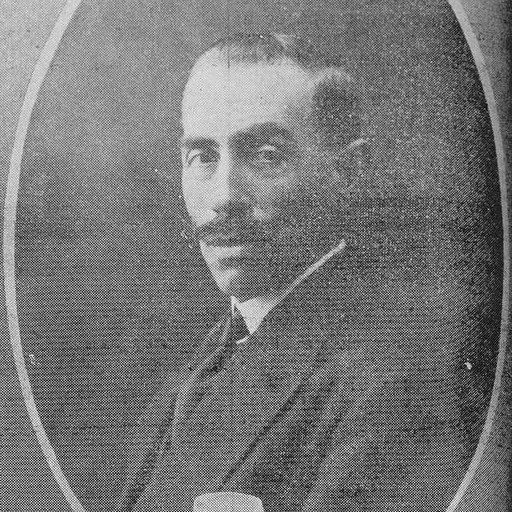
Buenaventura Álvarez Sala Vigil (5 July 1869, Gijón - 5 March 1919, Gijón) was a Spanish painter and illustrator; known for portraits and genre scenes, many involving maritime subjects.