Artwork
The Fall and Redemption of Man: Christ on the Cross
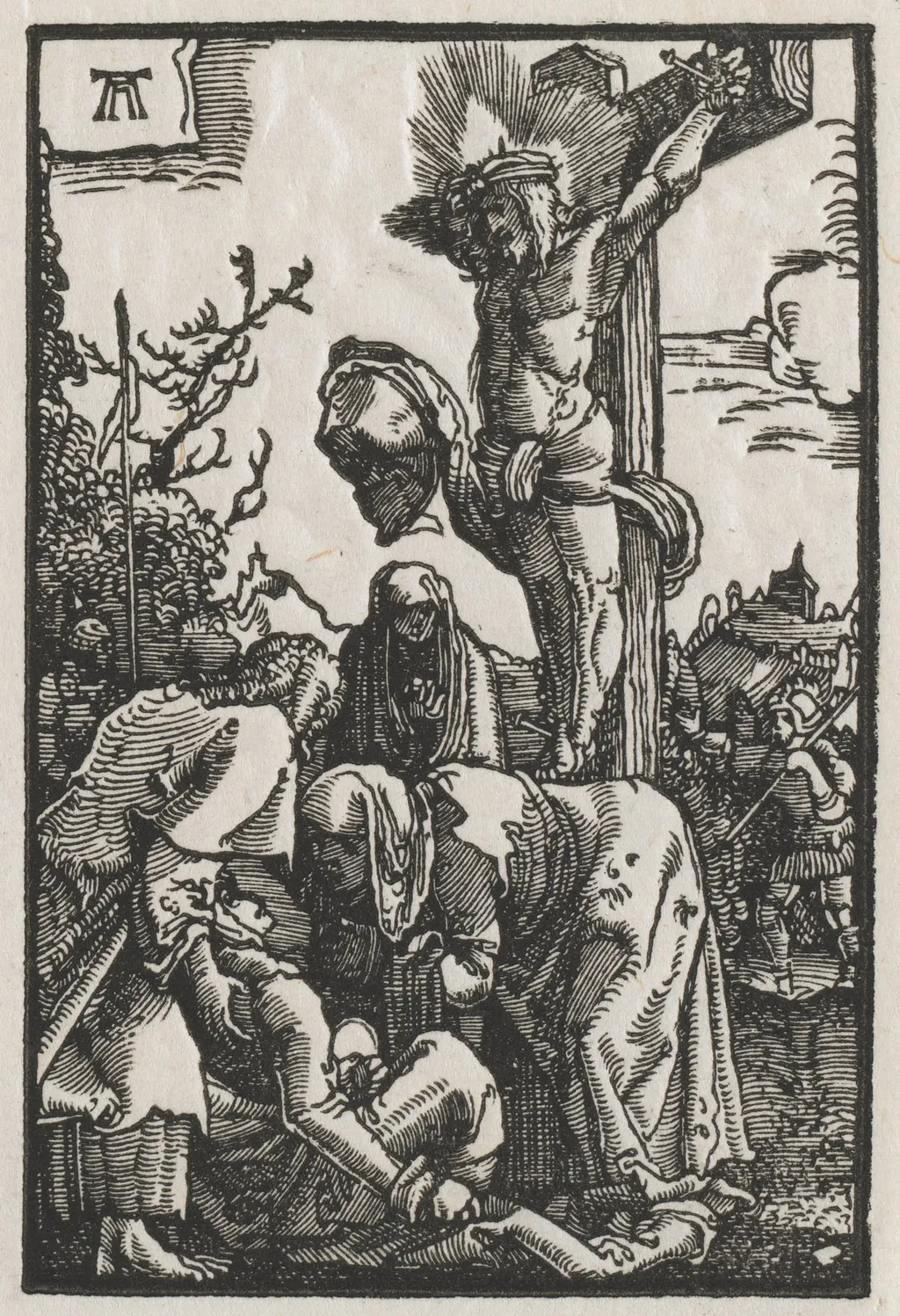
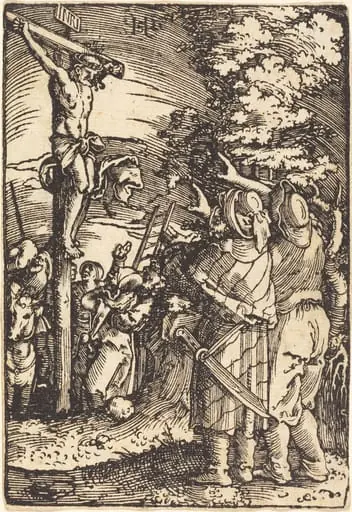
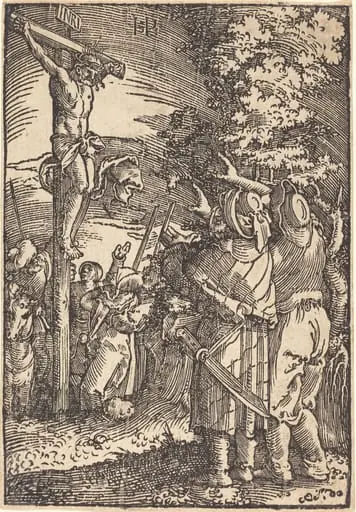
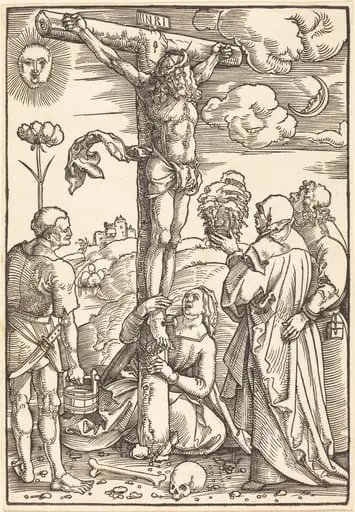
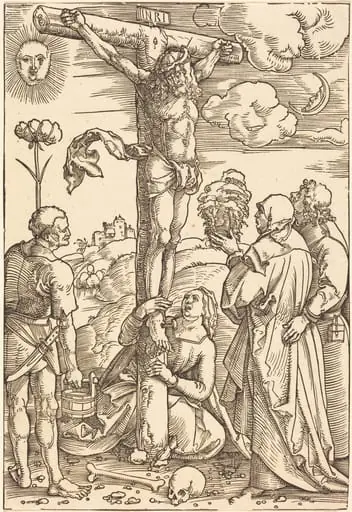
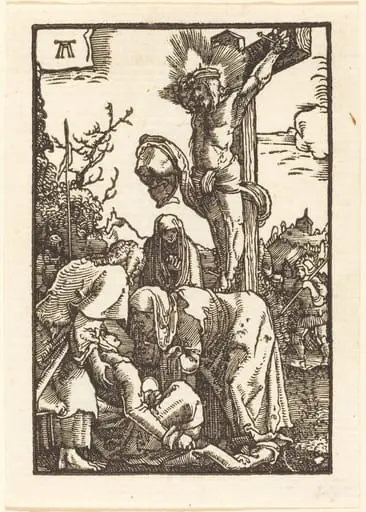
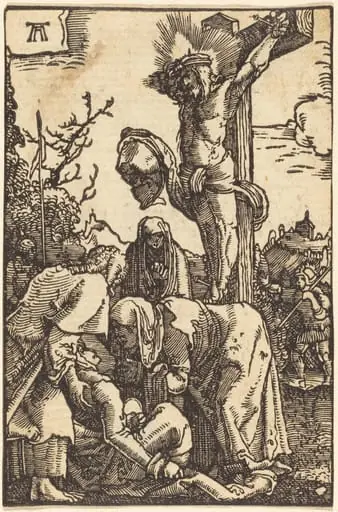
The Fall and Redemption of Man: Christ on the Cross is a print by the Renaissance artist Albrecht Altdorfer. It dates from 1515 and is held in the collection of the Cleveland Museum of Art.
About this work
Overview
Created circa 1515 by Albrecht Altdorfer, this black-and-white print presents the crucifixion as part of a broader narrative of human sin and divine redemption.
Created circa 1515 by Albrecht Altdorfer, this black-and-white print presents the crucifixion as part of a broader narrative of human sin and divine redemption. Executed in the medium of engraving, it reflects Altdorfer’s engagement with religious themes through intricate line work and dramatic composition. The work resides in the collection of The Cleveland Museum of Art, where it exemplifies Northern Renaissance printmaking traditions.
Subject & Meaning
The scene centers on Christ’s crucifixion, framed not merely as a moment of suffering but as the pivotal act of salvation. Figures gathered at the base—kneeling, gesturing, and gazing upward—embody human responses to divine sacrifice. The stark contrast between the isolated figure on the cross and the clustered crowd underscores the theological tension between human frailty and transcendent grace.
Technique & Style
Altdorfer employed fine, incised lines to render texture and motion, using deep shadows and sharp contours to give weight to the figures and landscape. The engraving’s rough, energetic strokes convey emotional urgency, while the absence of color directs focus to form and gesture. The background features simplified architecture and terrain, anchoring the sacred event in a tangible, if stylized, world.
History & Provenance
The print emerged during Altdorfer’s active period in Regensburg, when he was refining his distinctive approach to landscape and religious narrative. It entered The Cleveland Museum of Art’s collection in the 20th century, likely through acquisitions focused on early German prints. Its preservation reflects sustained scholarly interest in the Danube School’s contribution to print culture.
Context
Produced in the early 16th century, the work coincides with the rise of Protestant reform and shifting devotional practices. Altdorfer’s integration of naturalistic landscape with biblical subject matter aligns with broader Northern European trends, where the environment became a vessel for spiritual meaning. His style diverged from Italianate ideals, favoring expressive line and atmospheric depth over classical harmony.
Legacy
Altdorfer’s use of landscape as an active element in religious narrative influenced later generations of Northern artists. This print exemplifies how engraving could convey theological complexity through formal precision and emotional intensity. Though less widely known than his paintings, this work remains a key example of his innovative approach to printmaking and sacred storytelling.
Artist & collection
Artist
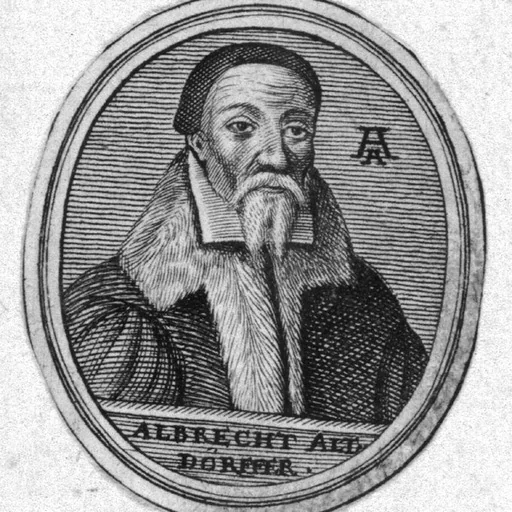
Albrecht Altdorfer (c. 1480 – 12 February 1538) was a German painter, engraver and architect of the Renaissance working in Regensburg. Along with Lucas Cranach the Elder and Wolf Huber he is regarded to be the main…