Artwork
The Fall and Redemption of Man: Flagellation of Christ
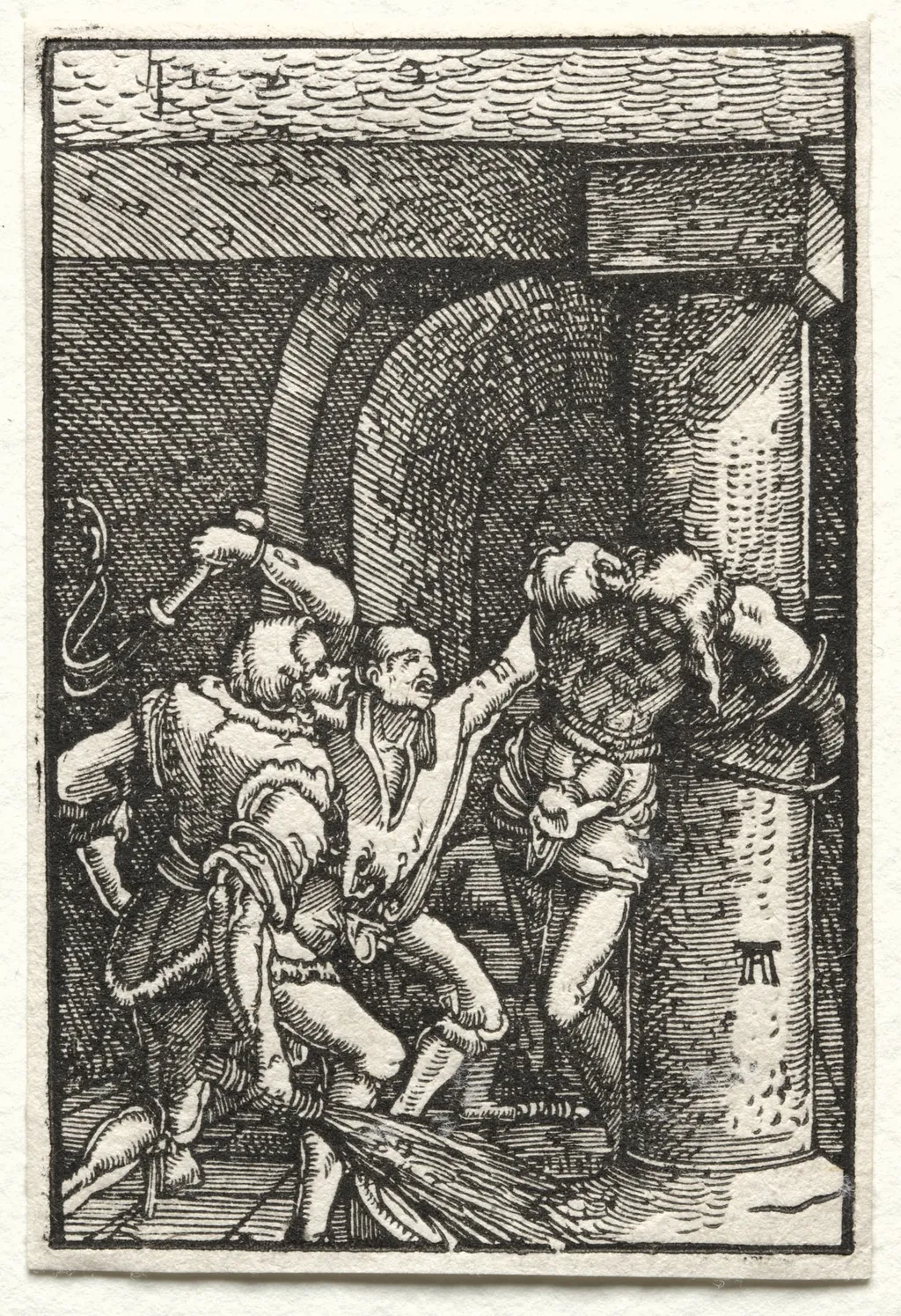
The Fall and Redemption of Man: Flagellation of Christ is a print by the Renaissance artist Albrecht Altdorfer. It dates from 1515 and is held in the collection of the Cleveland Museum of Art.
About this work
Overview
Created circa 1515 by Albrecht Altdorfer, this panel painting depicts the Flagellation of Christ, a scene from the Passion narrative.
Created circa 1515 by Albrecht Altdorfer, this panel painting depicts the Flagellation of Christ, a scene from the Passion narrative. Executed in oil on panel, it reflects Altdorfer’s role in the Danube School, a regional group known for integrating spiritual themes with vivid natural environments. Unlike contemporaries who treated landscapes as mere settings, Altdorfer infused them with emotional weight and atmospheric depth, signaling a shift in Northern Renaissance art.
Subject & Meaning
The scene captures Christ bound and enduring public humiliation at the hands of Roman soldiers. Surrounding figures—guards, onlookers, and tormentors—are rendered with varied expressions, emphasizing the brutality and isolation of the moment. The composition avoids idealization, focusing instead on human suffering and moral tension. The inclusion of a distant, storm-lit landscape suggests divine presence amid earthly chaos, reinforcing themes of sacrifice and redemption.
Technique & Style
Altdorfer employed fine brushwork to render intricate textures in fabric, stone, and skin, enhancing the scene’s visceral intensity. His use of color—deep reds, muted greens, and shadowed grays—creates emotional contrast without relying on chiaroscuro. The crowded, diagonally arranged figures generate visual tension, while the landscape background, rendered with atmospheric perspective, draws the eye beyond the immediate drama, a hallmark of his innovative approach to spatial depth.
History & Provenance
The painting entered the Cleveland Museum of Art’s collection in the 20th century, though its earlier ownership remains undocumented. It was likely commissioned for private devotion, given its intimate scale and detailed narrative. Altdorfer’s reputation as a printmaker and architect suggests the work may have been influenced by his broader engagement with graphic design and structural composition, though no preparatory drawings for this piece are known to survive.
Context
Produced during the early Reformation, the painting reflects a period when religious imagery was both devotional and politically charged. Altdorfer’s focus on landscape as an expressive element distinguished him from Italian contemporaries who prioritized human anatomy and classical harmony. His work resonated with Northern European audiences seeking spiritual meaning in nature’s grandeur, aligning with broader theological shifts toward personal piety and emotional engagement with sacred stories.
Legacy
Altdorfer’s integration of landscape as a narrative force influenced later generations of Northern artists, particularly those exploring emotional landscapes in religious and mythological scenes. While not widely copied, his approach contributed to the evolution of landscape painting as a genre independent of figural subjects. His work remains a touchstone for understanding how environment could be used to amplify spiritual themes in early 16th-century German art.
Artist & collection
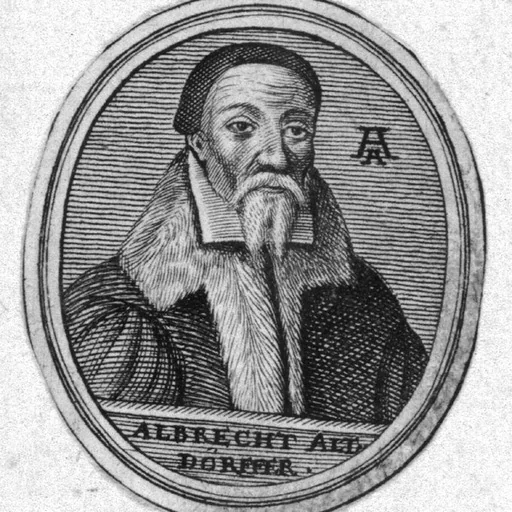
Artist
Albrecht Altdorfer (c. 1480 – 12 February 1538) was a German painter, engraver and architect of the Renaissance working in Regensburg. Along with Lucas Cranach the Elder and Wolf Huber he is regarded to be the main…

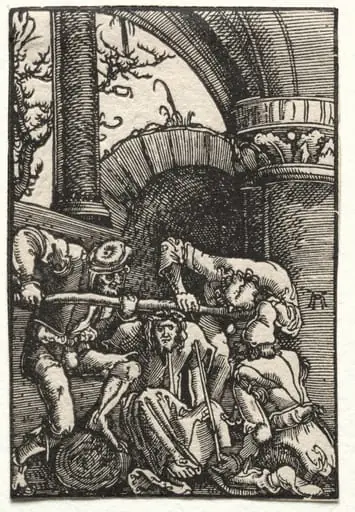 The Fall and Redemption of Man: Christ Crowned with Thorns
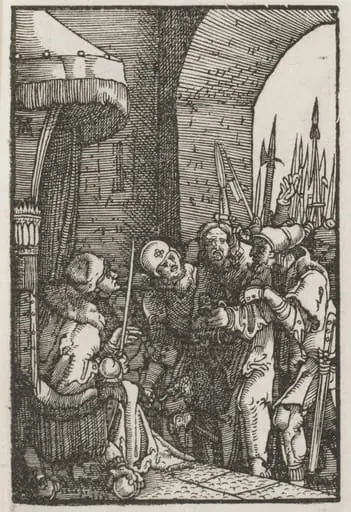 The Fall and Redemption of Man: Christ before Pilate
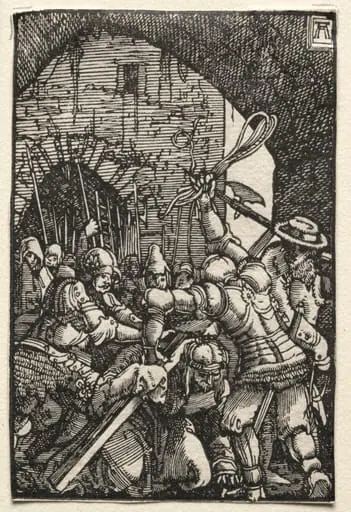 The Fall and Redemption of Man: Christ Bearing the Cross
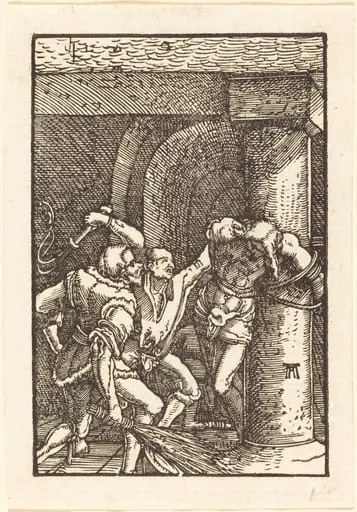 The Flagellation of Christ
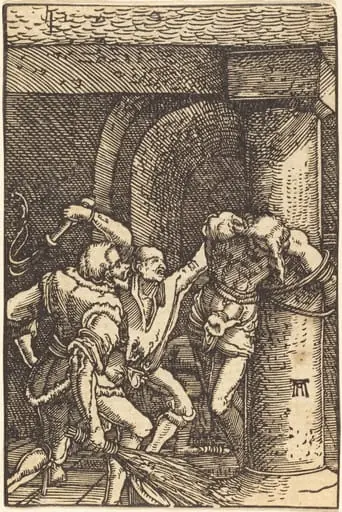 The Flagellation of Christ
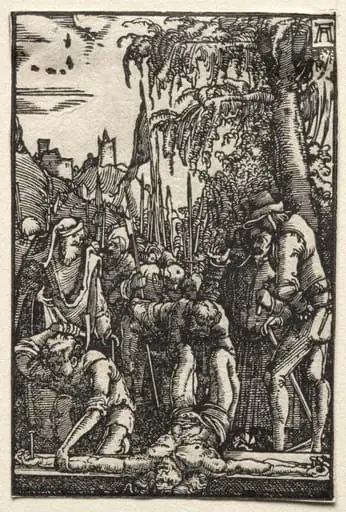 The Fall and Redemption of Man: Christ Nailed to the Cross
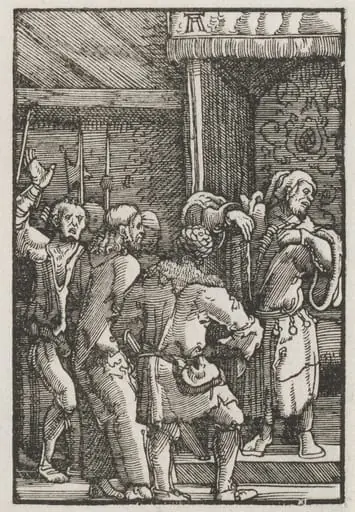 The Fall and Redemption of Man: Christ before Caiaphas
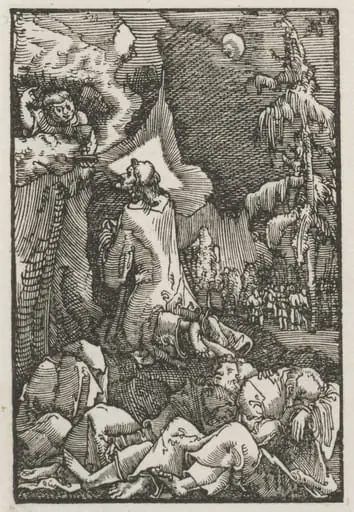 The Fall and Redemption of Man: Christ on the Mount of Olives